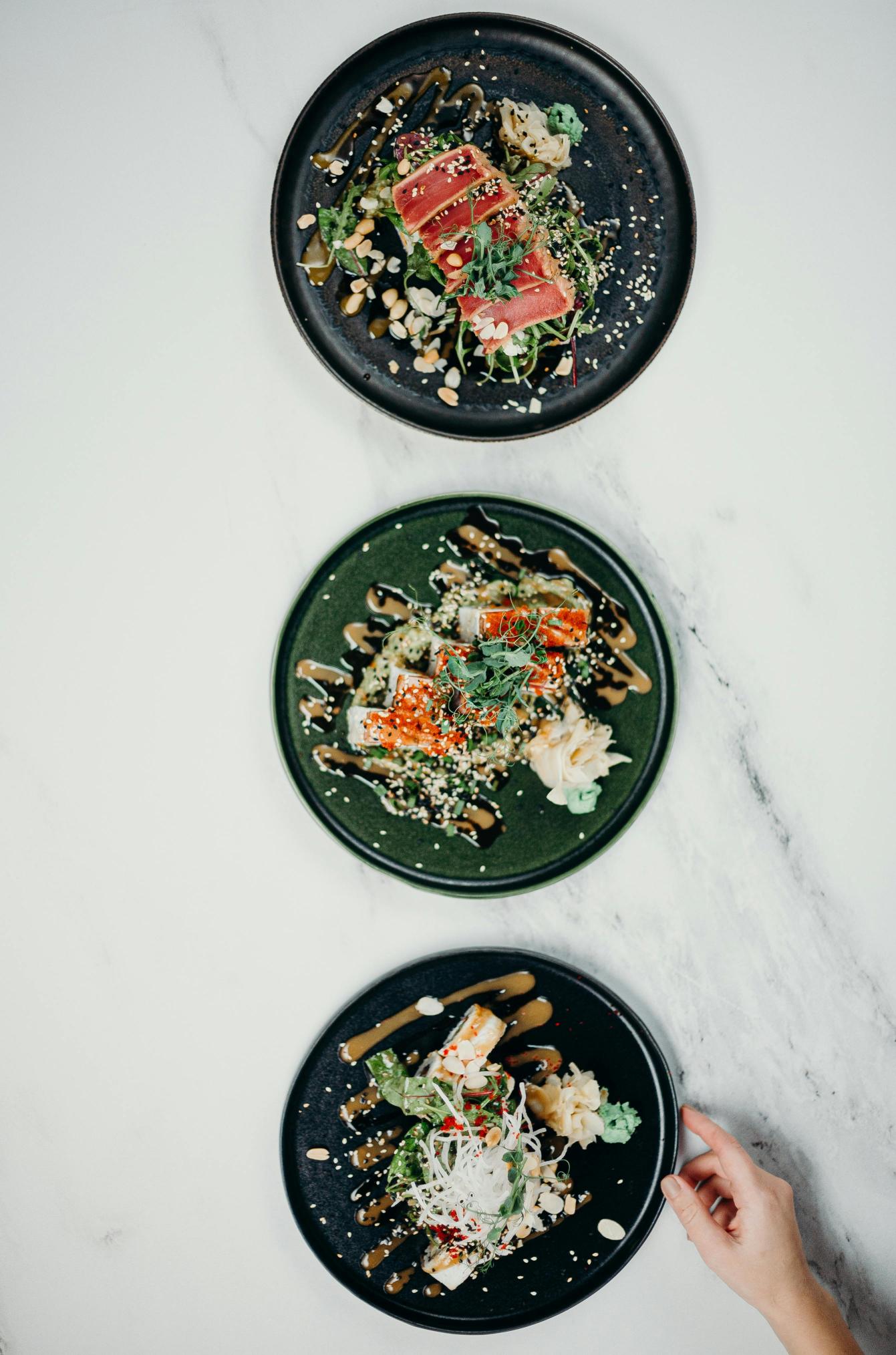
Sprouts are a true superfood, packed with more strength than their size suggests
Tina KovačićekDecember 4, 2025

December 4, 2025
There’s this one ingredient that feels almost underestimated, even though it’s incredibly powerful, healthy, and basically everywhere. I’m mostly calling myself out here, because I often forget how much sprouts are my thing, especially considering you can eat them any time of the year. “In moments when fresh vegetables are harder to find, like in winter, and when our need for vitamins and minerals rises, sprouts give the body exactly what it needs,” Tamara Dabić Kempf from Makronova tells me, matching my excitement and expanding everything I thought I knew about them. “In a plant’s life, sprouting is the moment of pure vitality and awakening. Just imagine the energy it takes for a grain to burst open and everything it has to create to protect that fragile new shoot, vitamins, minerals, antioxidants, enzymes. All that strength concentrates in the sprout and then passes its benefits on to us.” Since I didn’t know much about sprouts, I talked to experts and learned why they’re considered a true superfood.
“Nutritionists see them as vitamin-and-mineral powerhouses, because during sprouting the levels of vitamins and minerals increase four to ten times compared to the seed before germination,” Tamara explains. She adds that they’re rich in enzymes and nucleic acids that trigger cell regeneration and support the immune system. They’re also easy to digest, which means the vitamins they contain are far more accessible than those in supplements made from synthetic ingredients. Another thing working in their favor is their impressive vitamin profile. “Sprouts contain significantly more vitamin C than the seeds, vegetables, or grains they would eventually grow into. They also have a higher percentage of protein, B-vitamins, and iron than the mature plant. Wheat, for example, reaches its peak concentration of chlorophyll, protein, and most vitamins and minerals in the stage right before it forms a stalk. That’s the height of its vegetative cycle, when everything involved in photosynthesis and metabolism is at its strongest. In the first three days of sprouting, sprouts have the most potent nutritional value,” Tamara says.
“Sprouted grains contain plant proteins and are rich in vitamin E, B-vitamins, iron, magnesium, potassium, and trace minerals. They’re low in calories and especially high in vitamins A, C, E, and K, chlorophyll, and fiber. Because of this nutrient concentration, sprouts are seen as a green superfood. They also act as a powerful detoxifying agent,” Tamara explains.

Photo: Cottonbro
“There are several ways to categorize sprouts, whether by flavor, the method and duration of sprouting, size or texture. The most important distinction is the one based on the nutrients each sprout provides, as well as the type of plant it comes from,” Vlada from Moba Plantbased Restaurant in Belgrade tells me. Broadly, they fall into these groups:
Grains (wheat, rye, barley…)
Legumes (chickpeas, alfalfa, mung beans…)
Vegetables (broccoli, arugula…)
Nuts and seeds (sunflower, flax, chia…)
Tamara adds, “When sprouting, we avoid plants from the Solanaceae family (potatoes, tomatoes, peppers, eggplants) because of their alkaloid content.” She also breaks down a few key ideas worth knowing when it comes to sprouts:
If you want fresh shoots to use in salads, sprout seeds like radish, cress, alfalfa, beetroot, garlic, leek and similar. Alfalfa has a very mild taste, while the others have sharper, more distinct flavors that can easily act as a natural seasoning in a dish.
When sprouting legumes, you’ll get shoots just a few millimeters to one centimeter long. These should be cooked to make them easier to digest. A quick boil is enough. The most popular ones here are mung bean sprouts, chickpeas, and green or brown lentils.
You can sprout nuts and seeds too (almonds, cashews, pumpkin seeds, sesame, sunflower seeds, hemp seeds). They’ll produce only a tiny sprout, often just enough for the seed to swell and the shoot to slightly break the skin. These lightly sprouted seeds work well in salads, smoothies, or breakfast bowls with fruit and oats.
Grain sprouts produce beautiful grassy shoots in a strong green shade. They can be eaten fresh or blended into smoothies. They’re especially known for their high fiber content.
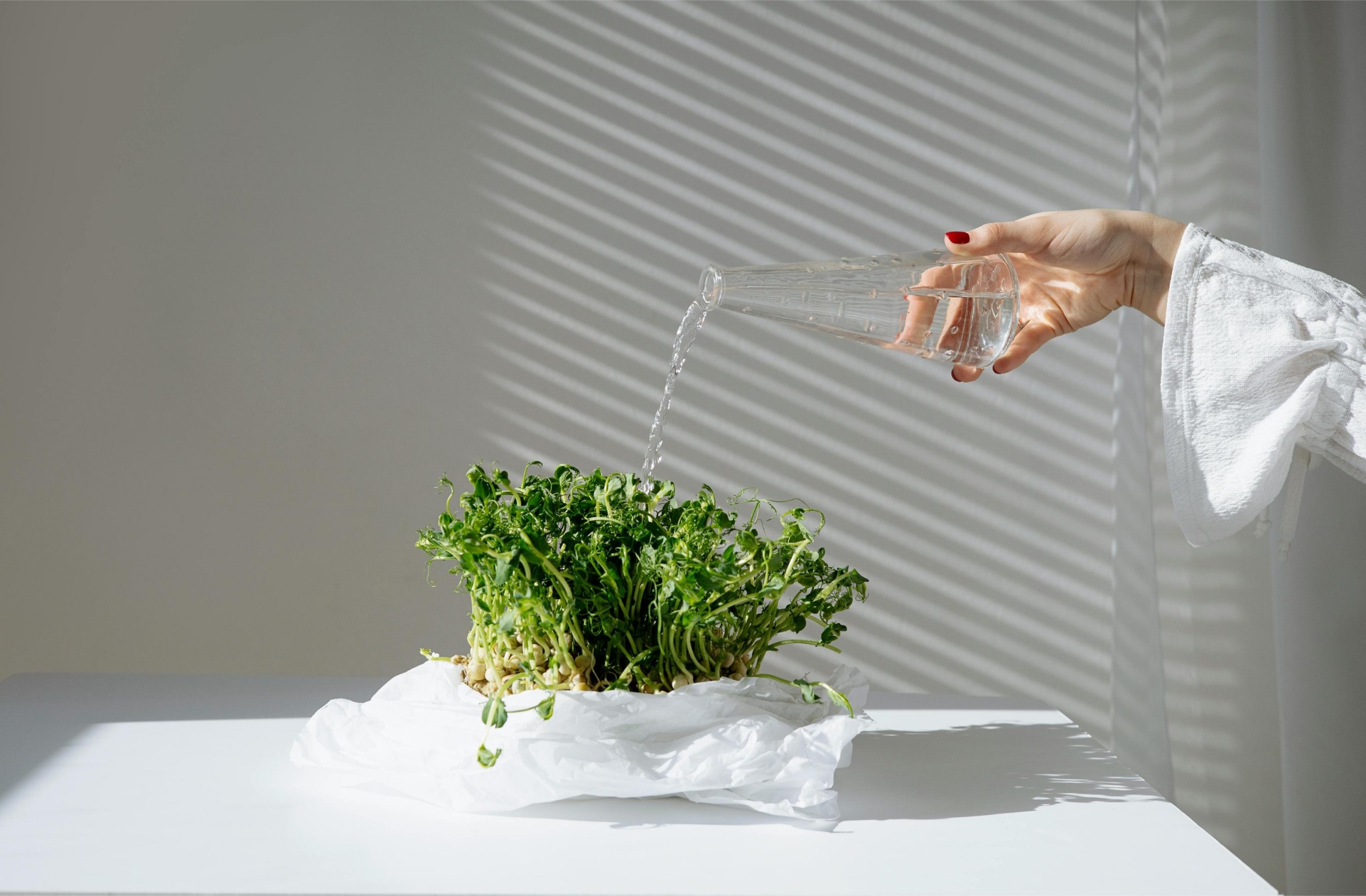
Microgreens have also become very popular. These are young shoots of vegetables, herbs or grains harvested at the moment their first true leaves appear. They’re grown in soil or another substrate and can be a powerful addition to everyday meals

Photo: Cottonbro
“Sprouts sit at the top of the raw-food ladder. They’re nutritionally dense, packed with protein, vitamins and minerals, and rich in antioxidants, fiber and enzymes. They support immunity, digestion, energy levels and the body’s natural detox. The more fresh, raw, enzyme-rich foods we bring into our diet, the more support the body gets for its own regeneration. This kind of food encourages new cell formation, boosts energy and stamina, strengthens the immune system and makes digestion easier. At the same time, it helps keep the endocrine system in balance, stabilizes body weight and assists in clearing out accumulated toxins,” says Vlada.
Tamara adds that the real value of sprouts lies in the vitality they deliver, helping the body stand up to everyday health challenges with more ease. “A recent 2023 review (Taylor & Francis Online) highlighted that sprouts are rich in bioactive compounds, polyphenols, vitamins, isothiocyanates, antioxidants, flavonoids and more. According to the analysis, sprouts show potential pharmacological effects: antioxidant, anti-inflammatory, cardioprotective, neuroprotective, anticancer and even antidiabetic properties. The authors also classify sprouts as a form of functional food with meaningful preventive and therapeutic potential.”
Recipe with Sprouts: Kale Salad with Marinated Tempeh, Pomegranate, and Apple
(from a recipe by Dina Frleta, chef at the bio-bistro Zrno)
Ingredients (serves 4)
• 150 g kale (sliced very thinly)
• 1 tart apple
• 100 g tempeh
• 1/2 pomegranate
• 1 handful of sprouts (alfalfa, radish, etc.)
Marinade for the tempeh
3 tbsp tamari, 1 tsp maple syrup, 1 tsp olive oil, 1 tsp balsamic vinegar
Preparation
Massage the kale with a little salt and a few drops of vinegar until it softens.
Add the thinly sliced apple, pomegranate seeds, and sprouts.
Top with tempeh, previously pan-fried in sunflower oil, and drizzle with the dressing.
Dressing:
1 tbsp olive oil, 1 tsp miso orange dressing, 1/2 tsp mirin, juice of 1/2 orange.
You can find sprouts in several places:
Supermarkets – usually mung bean, alfalfa (lucerne), radish, broccoli.
Bio & health stores – offer a wider range and often better quality.
Farmers’ markets / local producers – fresh and often the most flavorful, but check cultivation conditions.
Online shops – for ready-to-eat sprouts as well as sprouting seeds.
Specialized seed stores – ideal if you want to sprout them yourself (the most affordable and healthiest option).
Freshness – sprouts should be firm, crisp, and juicy, with no dark edges or sliminess.
Smell – they should have a clean, neutral, fresh scent; never sour.
Packaging – avoid boxes with condensation or excess moisture.
Expiration date – choose the freshest batch with a short and clear date.
Hygiene – sprouts are delicate and prone to contamination, so choose reliable producers.
• Use only seeds labeled “for sprouting”
• Rinse regularly (2–3 times a day)
• Use a sterile container and clean water
• Avoid direct sunlight
• Consume within 2–3 days