The Winter Olympic Games in Sarajevo and the times that are remembered
The Director of the City Museums of Sarajevo, Senka Ibrišimbegović, takes us back forty years to the time of the Winter Olympic Games in Sarajevo, reminding us of the spirit of Olympism and the role the Sarajevo Olympic Museum plays today.
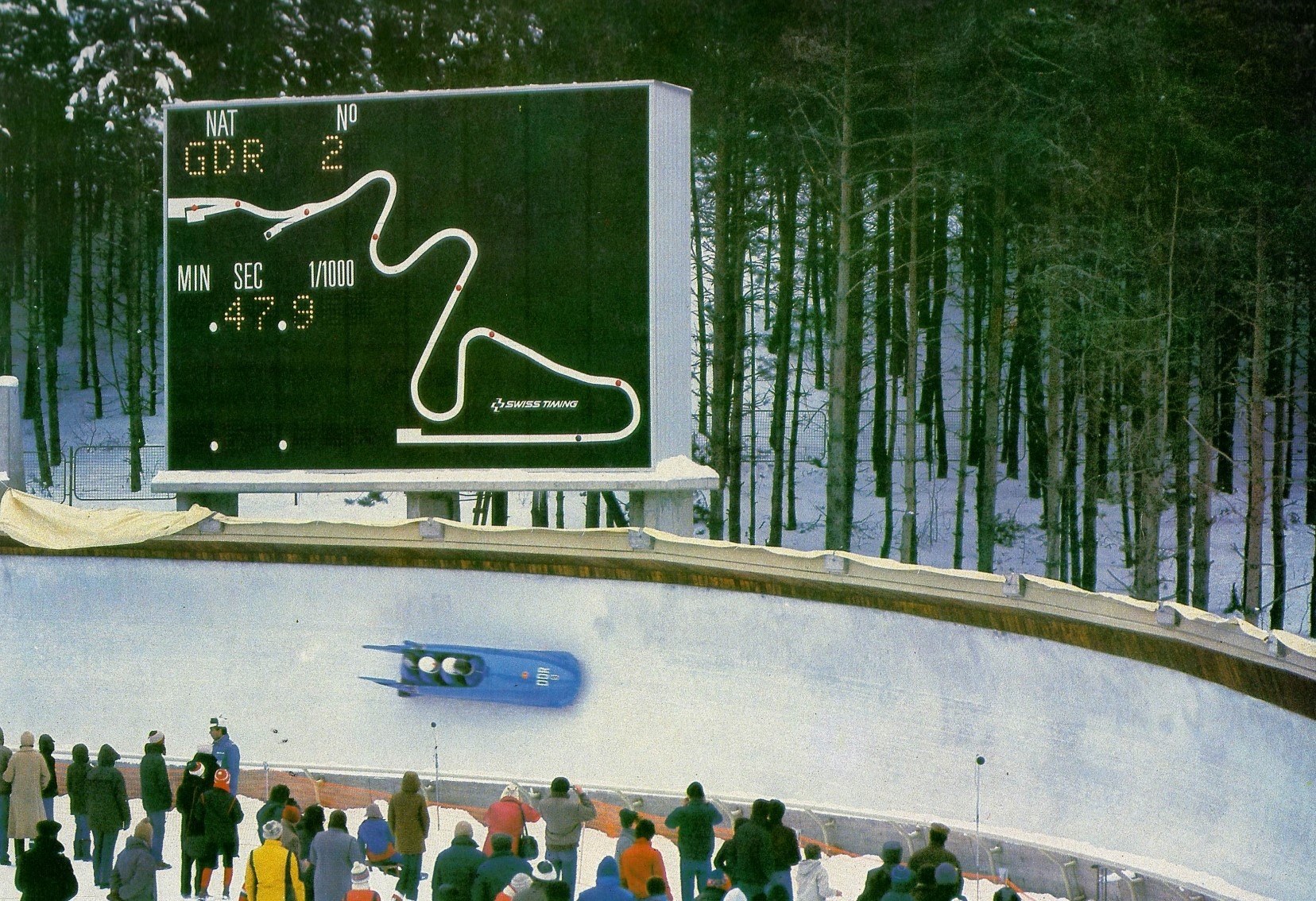
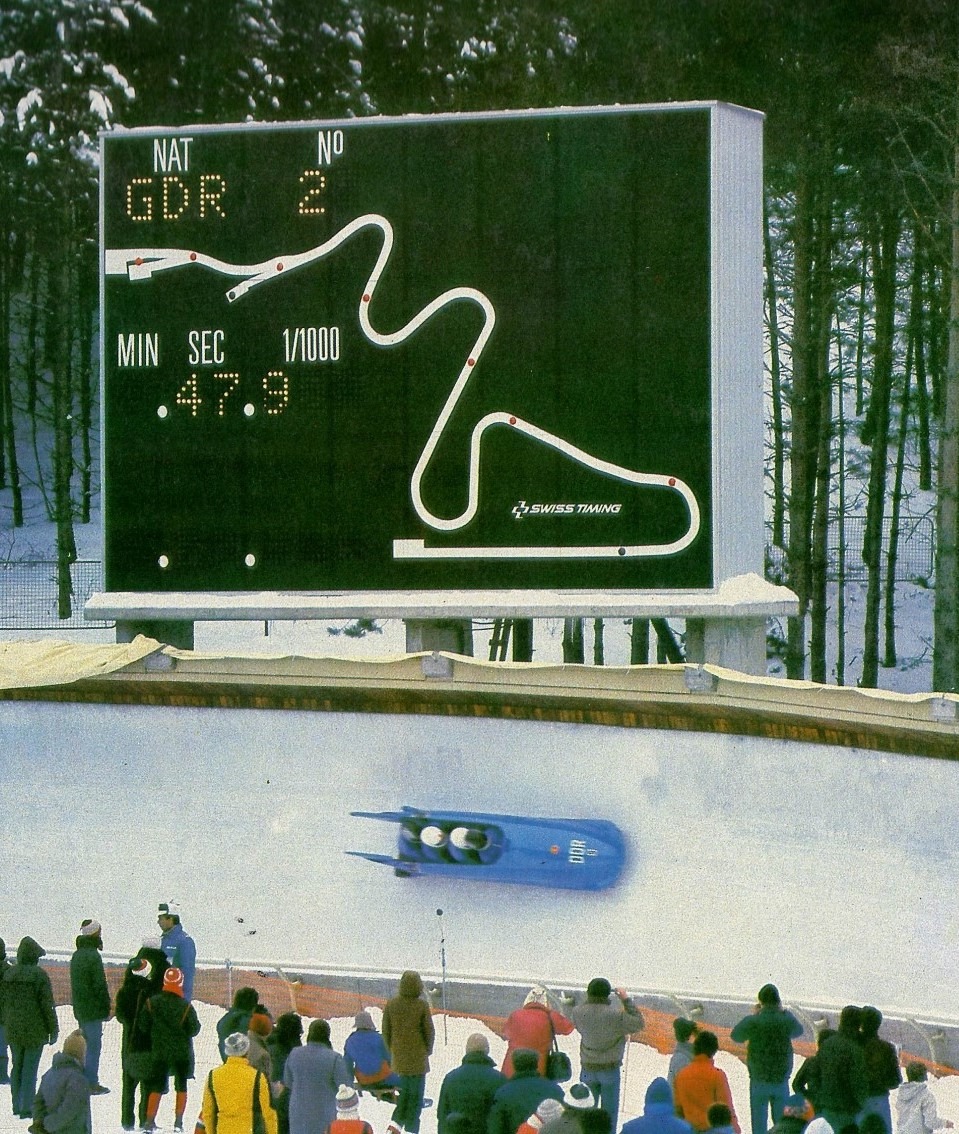
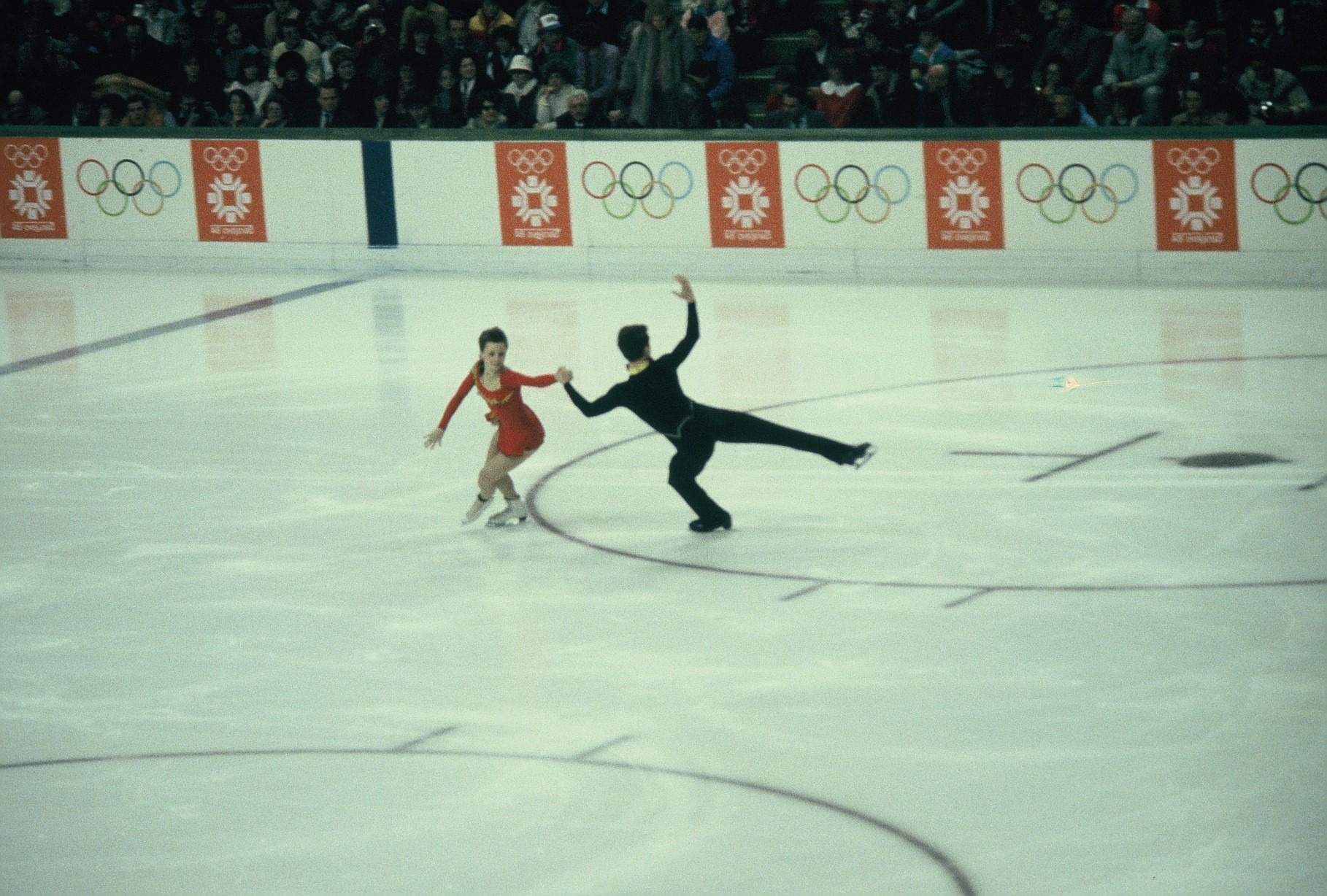
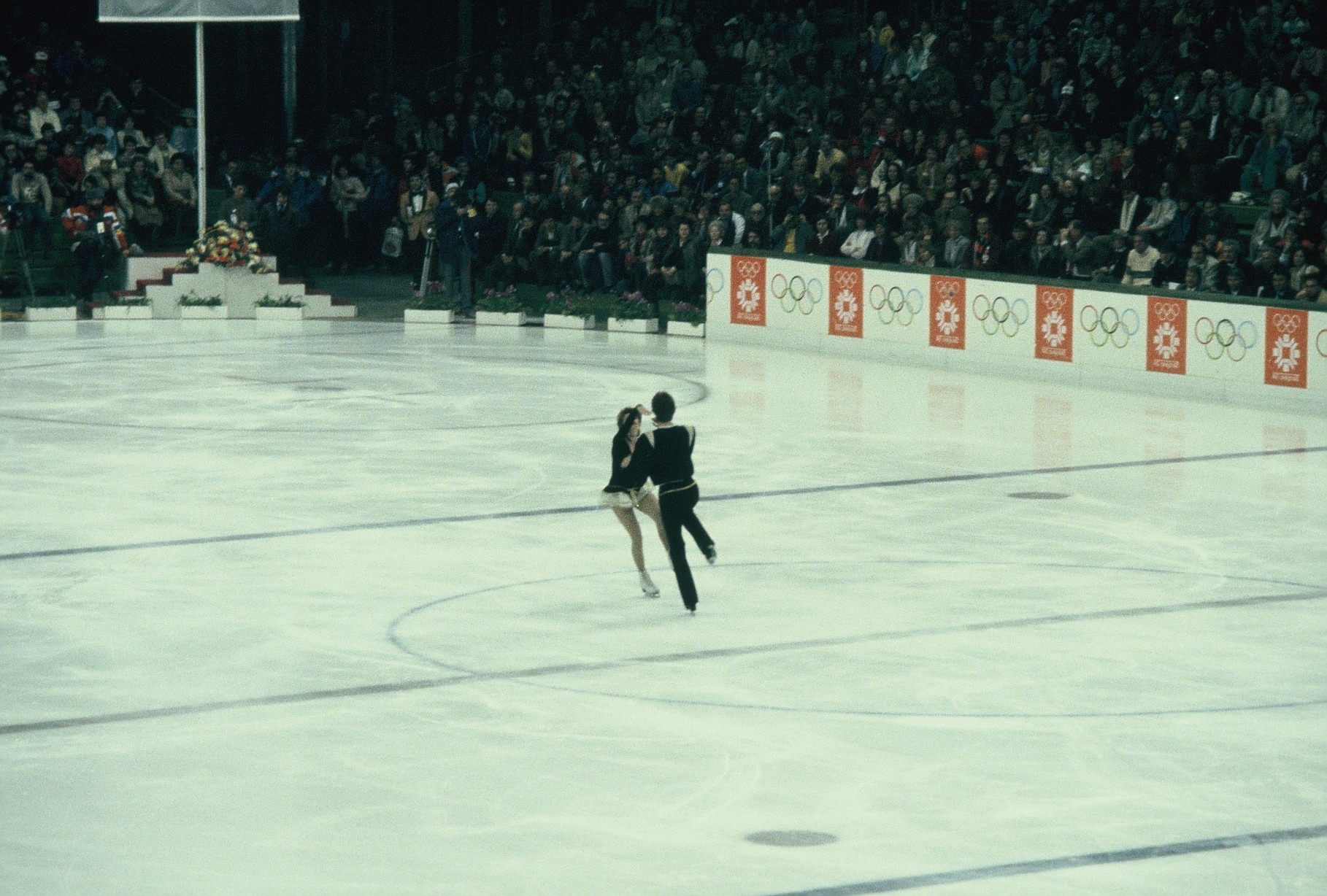
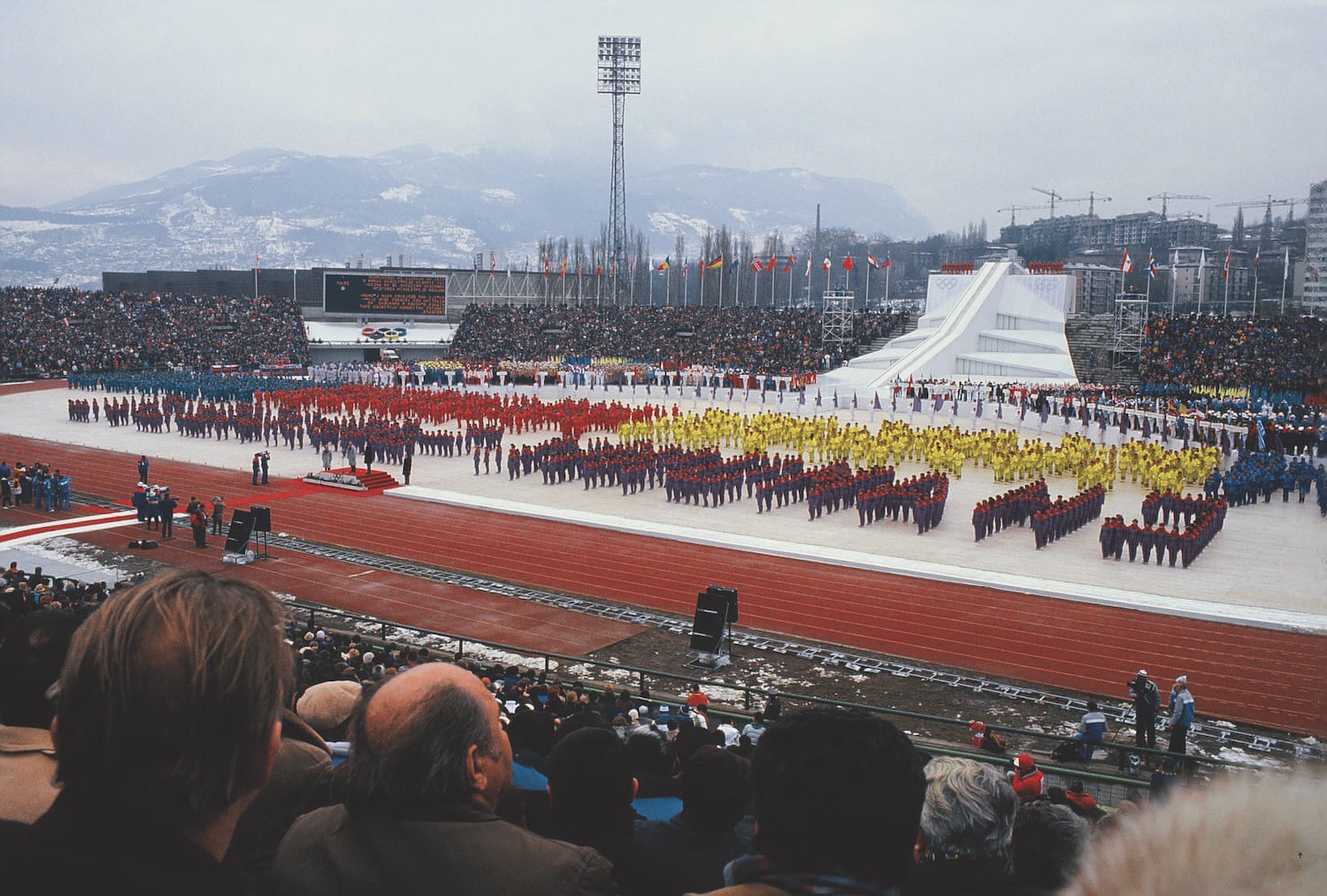
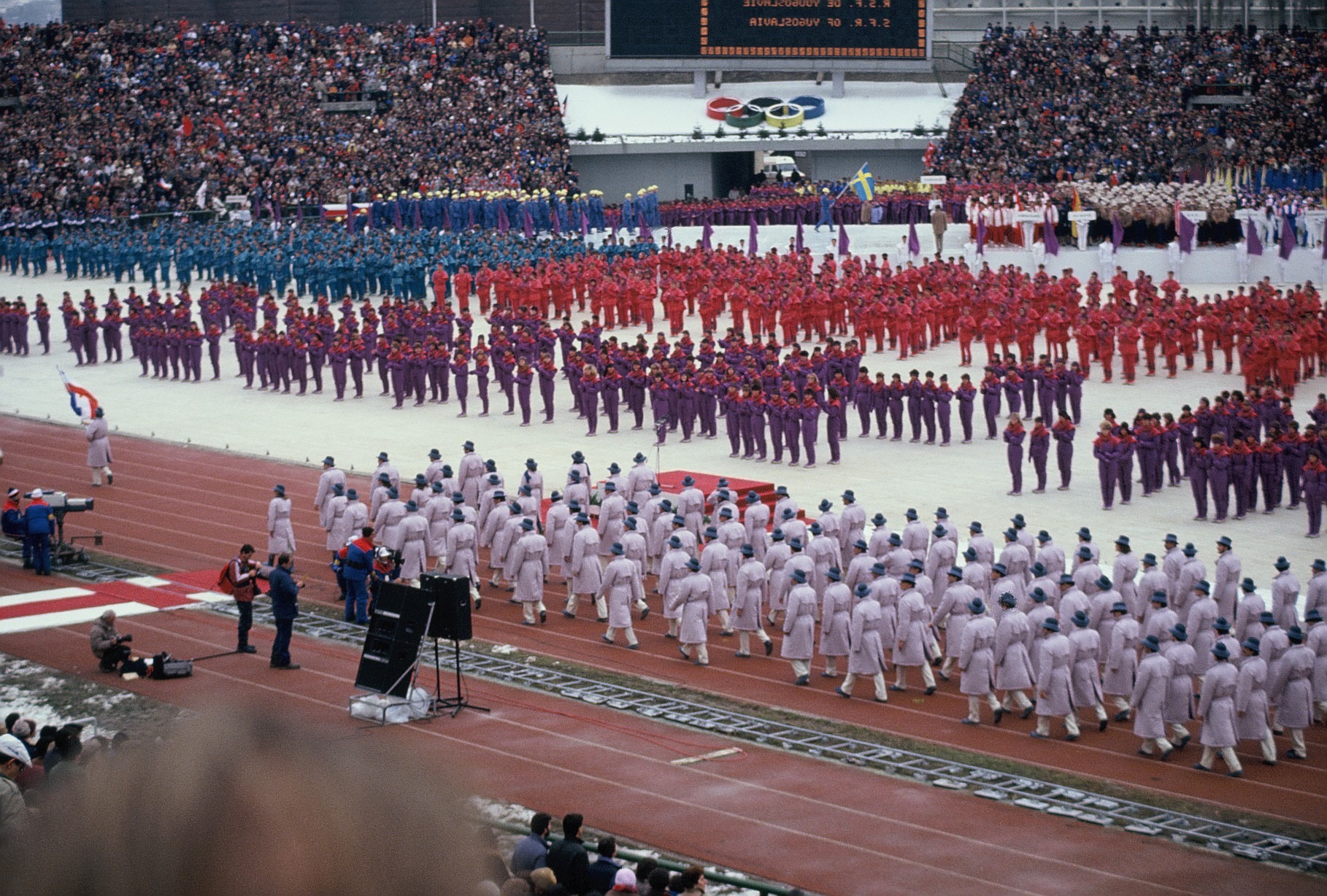
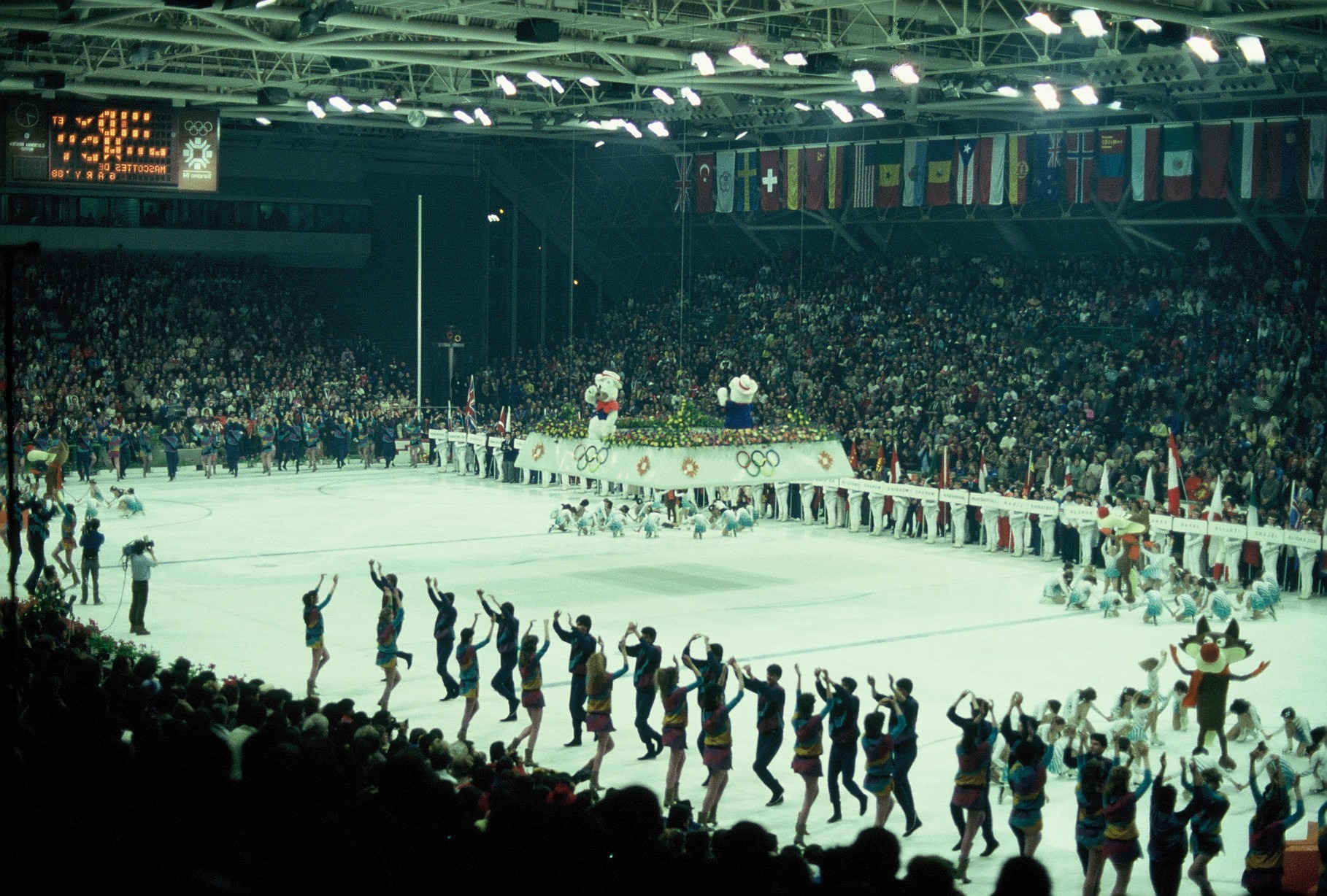
On the eve of the Winter Olympic Games, which will be held in Italy from February 6 to 22, 2025, we look back at Sarajevo, the city that hosted the XIV Winter Olympic Games in 1984 and that remains forever etched in the hearts of all those who had the privilege of experiencing its spirit during those unforgettable days. The XIV Winter Olympic Games were a significant event not only for the city of Sarajevo and Bosnia and Herzegovina, that is, Yugoslavia, but also for the entire world, as a symbol of peace, friendship, and the Olympic spirit. In 1984, Sarajevo had the privilege of organizing this prestigious event as the capital of the Socialist Republic of Bosnia and Herzegovina within the Socialist Federal Republic of Yugoslavia. The city welcomed athletes and spectators from more than 49 countries, showcasing the brilliance of Bosnia and Herzegovina and the hospitality of its citizens.
Photo: archive of the City Museums of Sarajevo, Olympic Museum
The Olympic Museum in Sarajevo is not merely a place that remembers the past. It represents optimism, strength, and the enduring essence of the Olympic movement. After being destroyed during the war, the Olympic Museum was restored and reopened to the public in October 2020. Today, the renovated Museum serves as a beacon of light, showing how sport and culture can heal, bridge differences, and inspire future generations to do good through sport. The spirit of Olympism, woven into the very core of our city, is eternal and indestructible, teaching us that the greatest victory is victory over oneself, and the most beautiful medal is the one carried in the heart. In the heart of Sarajevo, within its walls and its stories, the Olympic Museum stands as a witness to time, as a guardian of a spirit that never dies, as a home where dreams are not only preserved but also born.
Photo: archive of the City Museums of Sarajevo, Olympic Museum
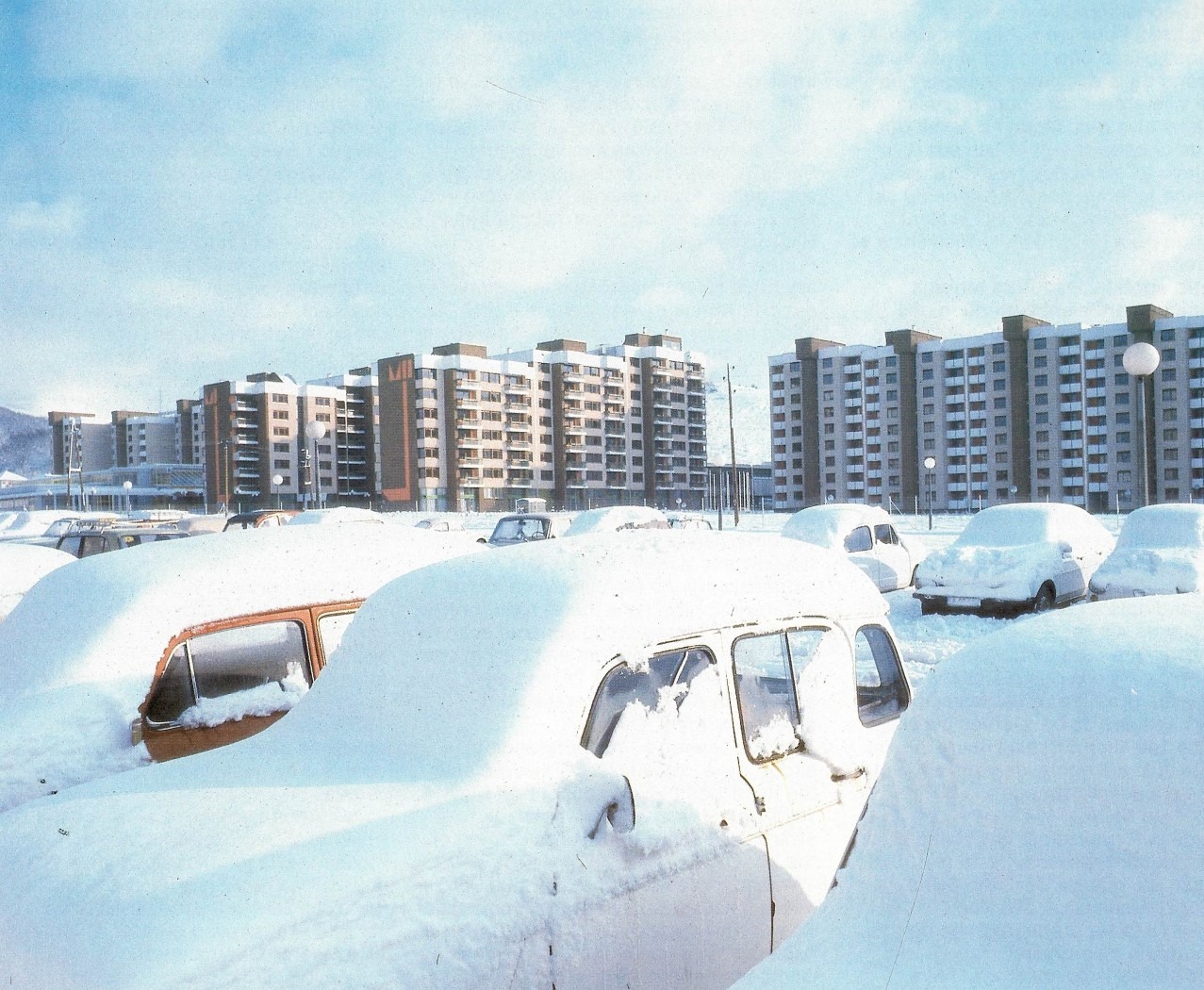
Photo: archive of the City Museums of Sarajevo, Olympic Museum
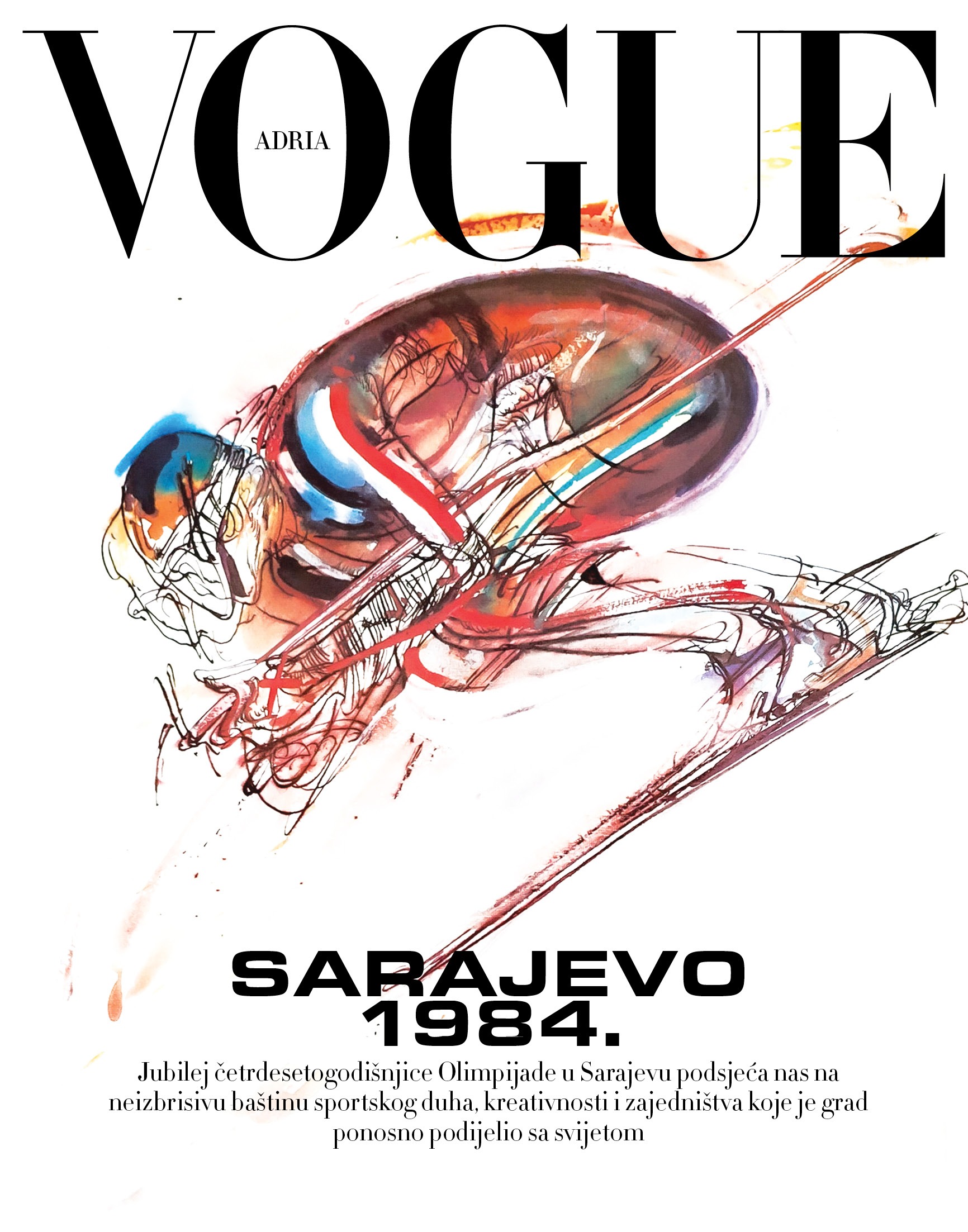
In addition to sports exhibits, the museum also displays a large number of works of art created at the time by Yugoslav artists at the invitation of the Organizing Committee of the Olympic Games, specifically for exhibition in the Olympic Museum. One such display is the exhibition “Sport and Art,” the result of one of the most significant projects within the program of cultural events during the XIV Winter Olympic Games in Sarajevo, presenting a fusion of art and sport through a unique portfolio of prints. This portfolio was realized through a collaboration between the “Visconti art – Lazo Vujić” Gallery from Ljubljana and the publishing house “Svjetlost” from Sarajevo.
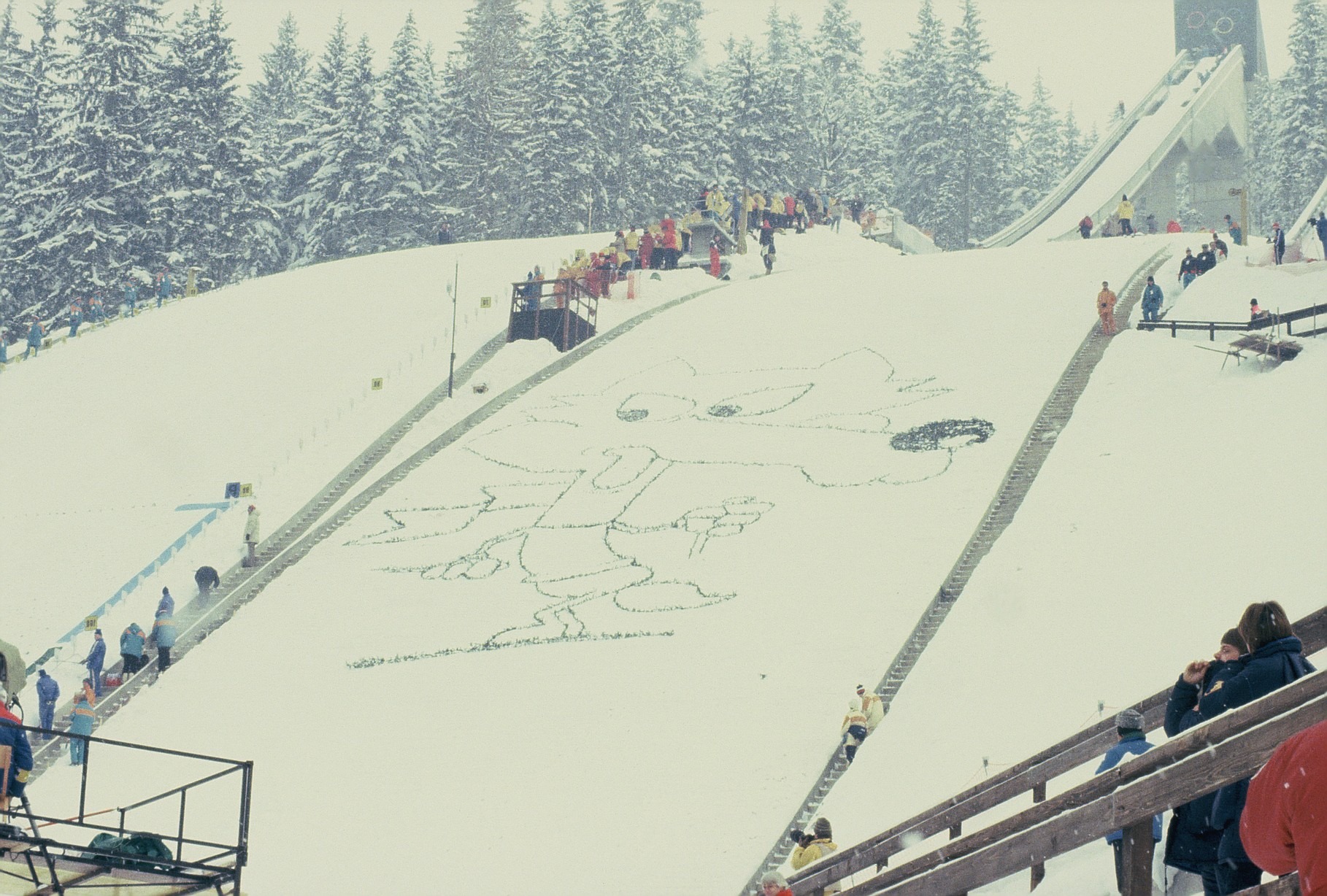
Photo: archive of the City Museums of Sarajevo, Olympic Museum
Photo: archive of the City Museums of Sarajevo, Olympic Museum
The fundamental ideas of the Olympic Charter, which promote humanism and the connection of the peoples of the world regardless of political, racial, and cultural differences through sport, are expressed in this exhibition through an artistic project of the highest caliber. Sixteen artists, giants of contemporary art, including Dorazio, Folon, Greco, Halnwein, Hodgkin, Hwang, Kolar, Moore, Paladino, Pistoletto, Rosenquist, Santomaso, Twombly, Warhol, as well as two outstanding graphic artists from Yugoslavia, Stupica and Hozo, responded to the call to contribute to this unique collection.
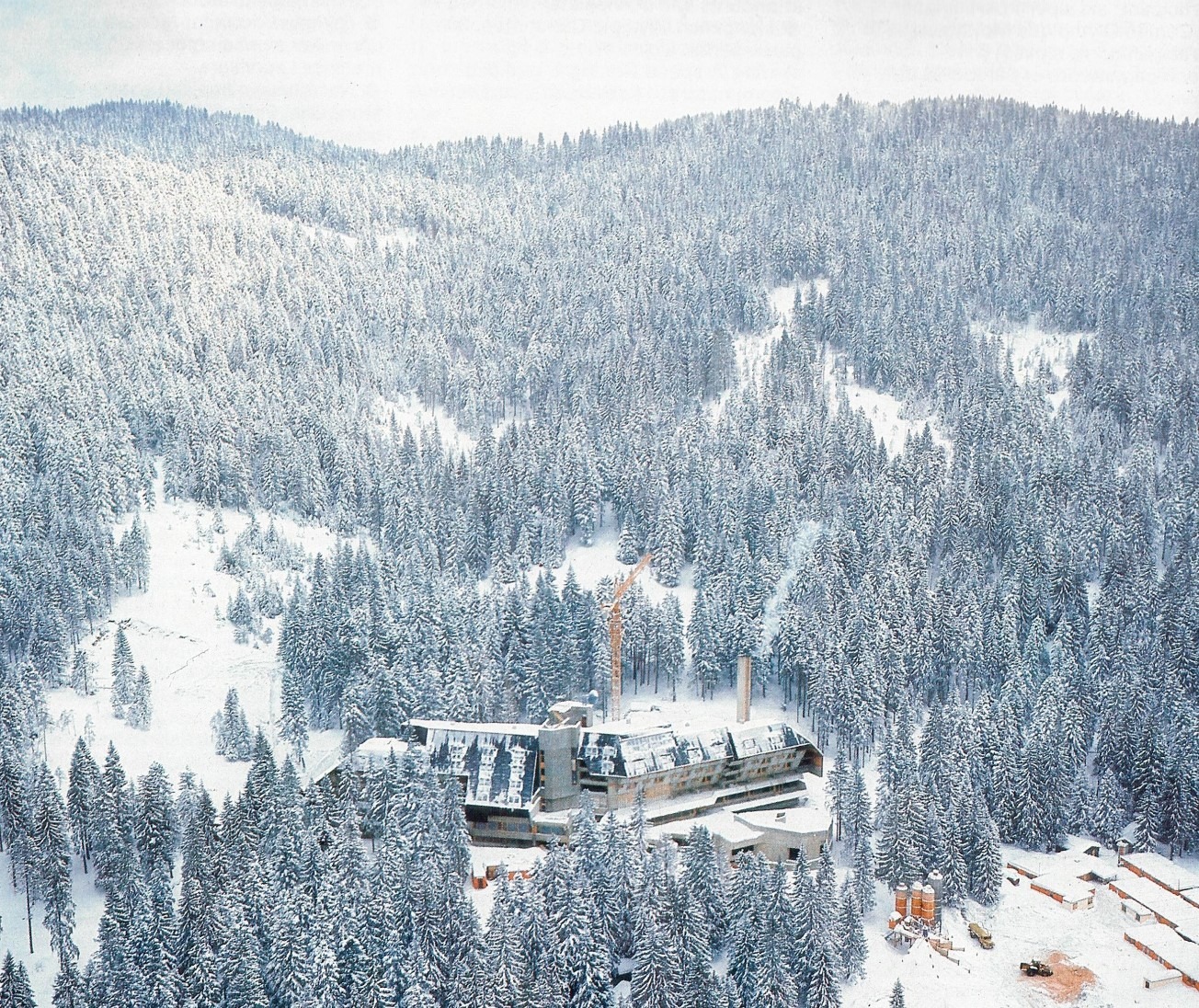
Olympic Village
Malo Polje
The first presentation of the exhibition was held in June 1983 at the 14th International Art Fair in Basel. After that, the exhibition traveled across Europe, the United States of America, and Canada, covering cities such as New York, Brussels, Paris, Vienna, San Francisco, Los Angeles, Boston, Washington, Toronto, Detroit, Denver, and Indianapolis. In Yugoslavia, the exhibition was presented in Split, Zagreb, and Sarajevo.
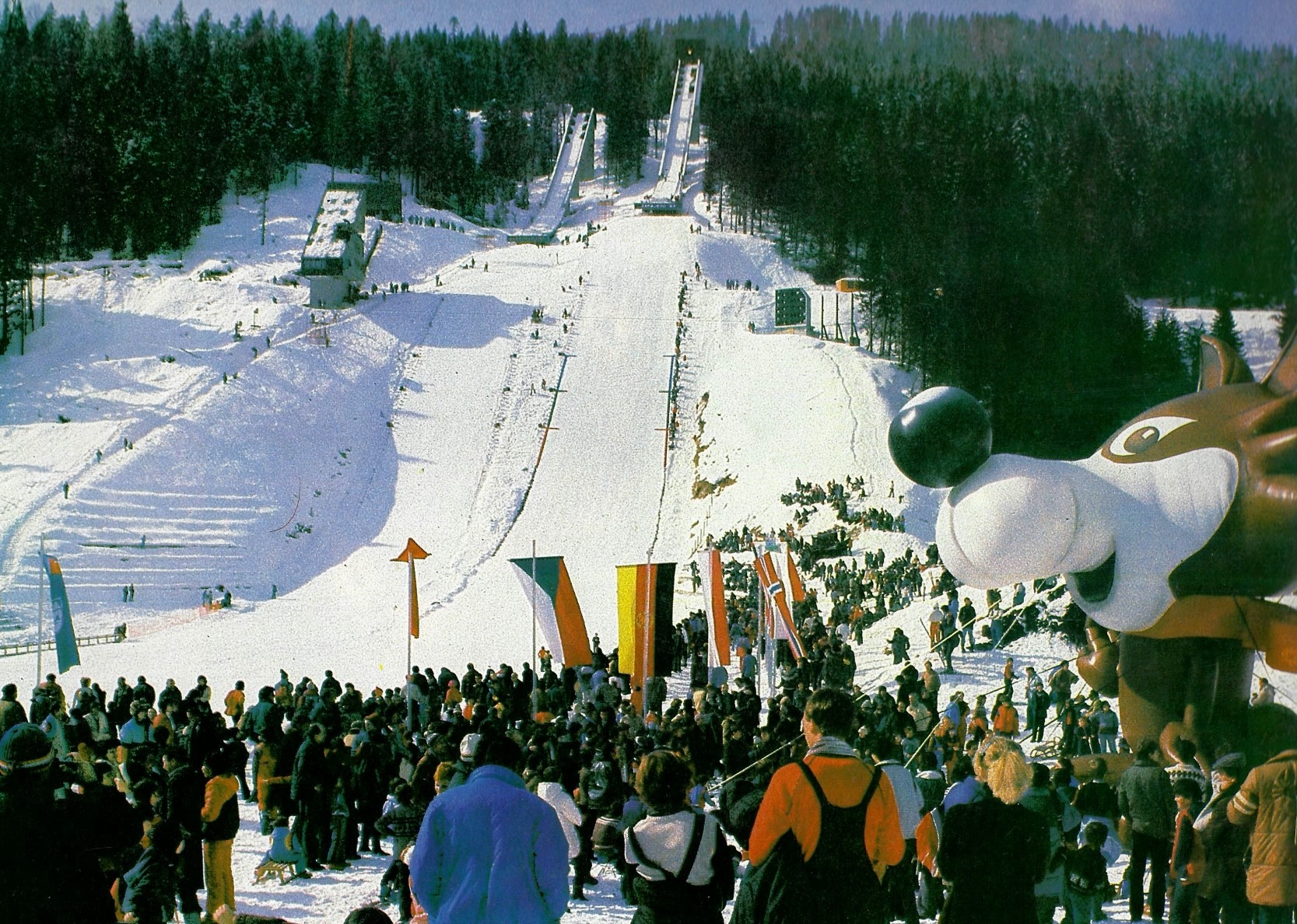
Bobsleigh track
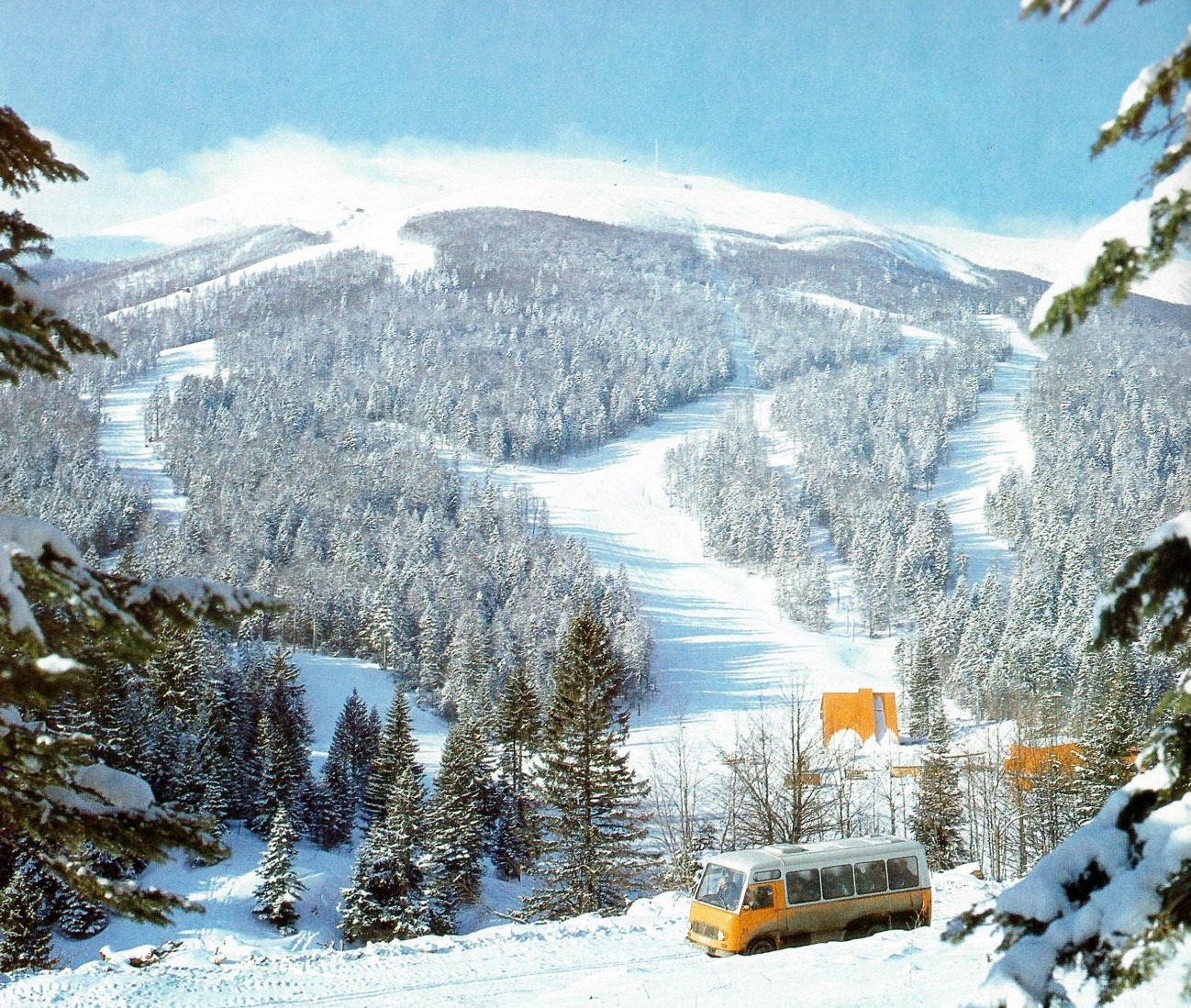
Bjelašnica
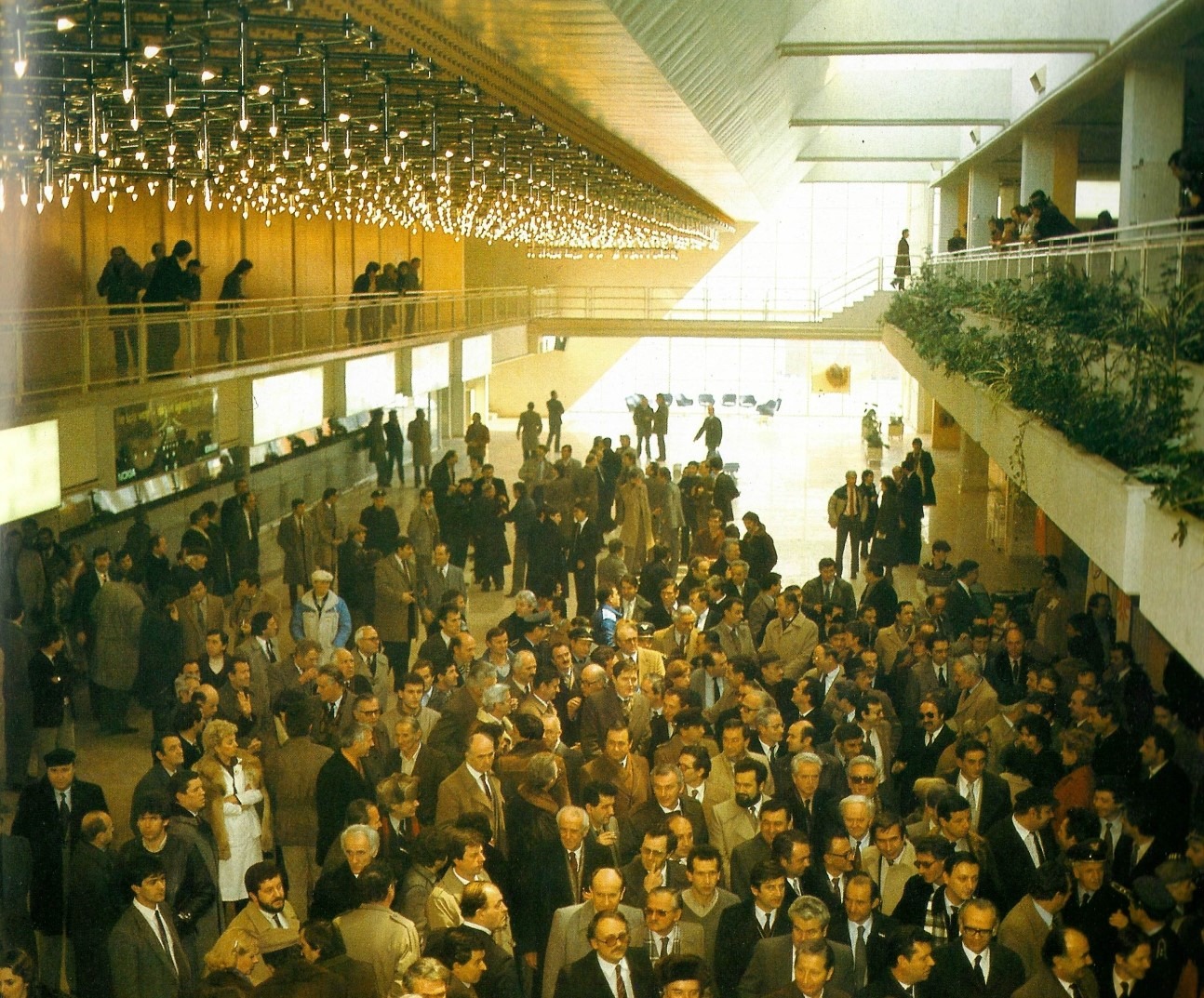
Sarajevo Airport
This exhibition not only symbolized the union of art and sport, but also demonstrated the power of art as a universal language that transcends borders and brings people together around the world. The idea that Sarajevo hosted not only a sporting but also a cultural celebration of the Winter Olympic Games is most clearly affirmed through this exhibition, the graphic portfolio “Sport and Art,” which continues to inspire admiration among visitors to the Sarajevo Olympic Museum today.
Photo: archive of the City Museums of Sarajevo, Olympic Museum