33 thoughts I had while rewatching When father was away on business
Kultni film ove godine obeležava 40 godina postojanja.
Tara ĐukićDecember 3, 2025

Kultni film ove godine obeležava 40 godina postojanja.
Tara ĐukićDecember 3, 2025
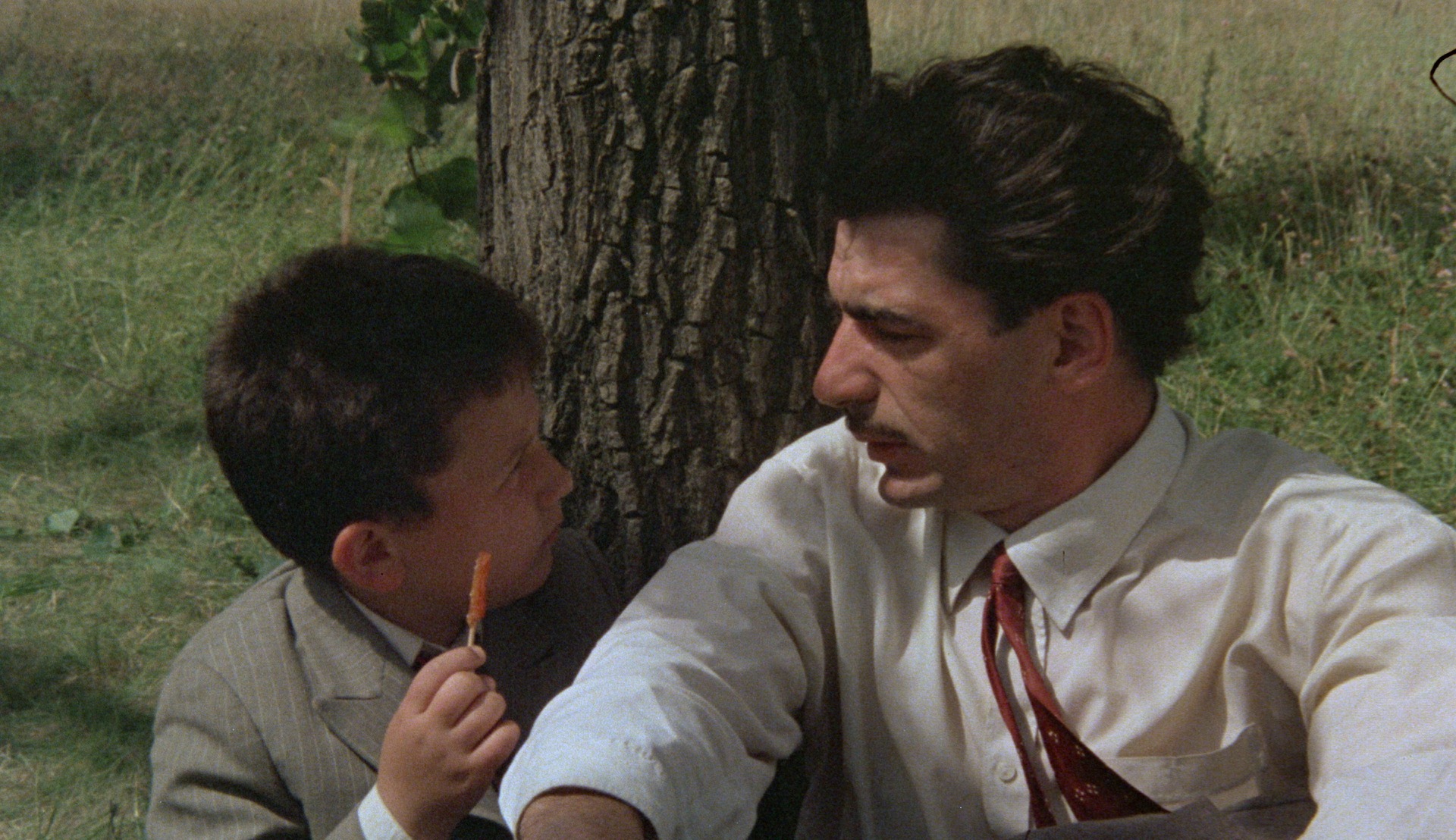
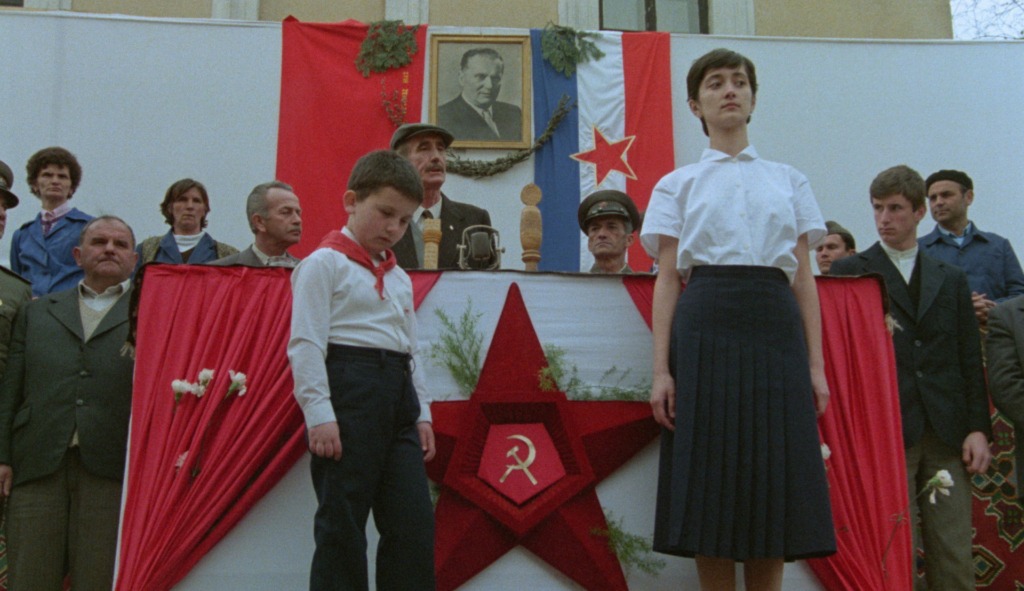
In 1985, when When father was away on business premiered, I wasn’t even born. Still, my early-nineties generation is probably the last one that can feel a strange, almost nostalgic connection to the atmosphere of Yugoslav dramas, as if any of those scenes could have unfolded in our own home or neighbourhood, with our fathers, mothers or brothers. Emir Kusturica’s second feature, the one that brought him his first Palme d’Or in Cannes, what Tirnanić would later call “the outsider’s triumph that makes life worth living”, was recently screened at FAF in its restored version, marking its 40th anniversary, and I knew I had to watch it again. The well-known plot, set in the postwar years right after Tito’s split with Stalin, is a gentle social satire with unexpected lyrical and surreal touches, all seen through the eyes of six-year-old Malik.
Kusturica and Abdulah Sidran shaped the framework of the script together in a hotel near Dubrovnik, based on a true anecdote from Sidran’s life: his father lived chaotically, bohemian-like, and it was his lover who orchestrated his arrest. The film’s structure emerged through careful sequencing of lived experience, paired with Kusturica’s unmistakable instinct to make every shot feel vibrant, thanks to a crowded mise-en-scène that pushes us to absorb an entire constellation of events at once. If space isn’t treated properly, there is no film, the director often said, noting that he drew inspiration from the freedom of movement in neorealism and the evocative power of poetic realism—especially the poetic sensibility of Jean Renoir.
Otac na službenom putu
Below are 33 thoughts that went through my mind while rewatching When father was away on business.
1. There’s something especially warm and tender about a child’s narration.
2. Ever since I read Mira Furlan’s autobiography and stepped into her real-life story, I see the love scenes with Miki Manojlović in a completely different light.
3. Men come and go, they give nothing, yet they take everything from you, Furlan wrote.
4. Three actors, three languages, all in the same frame, and everyone understands each other.
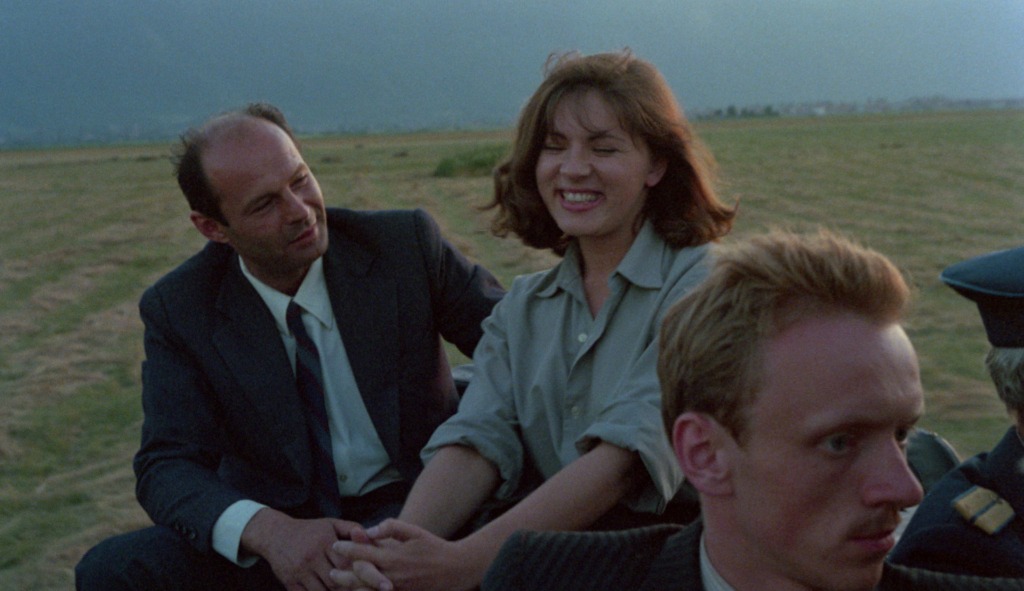
5. The shot of Miki applying lipstick on Mira in the train bathroom could easily appear on the pages of Vogue.
6. Our cinema so faithfully shows how violence against women was normalised and treated as part of everyday life, silently accepted by many (often even trivialised through humour, family dynamics or traditional authority).
7. And yet, you don’t love me.
Otac na službenom putu
8. Mira Furlan’s character, Ankica Vidmar, is the first woman who flies, and that’s the image I want to hold on to, rather than the fact that she informed on the man who was her lover.
9. From where I stand now, I can hardly fathom how repulsive Mustafa Nadarević (as Zijah) can be.
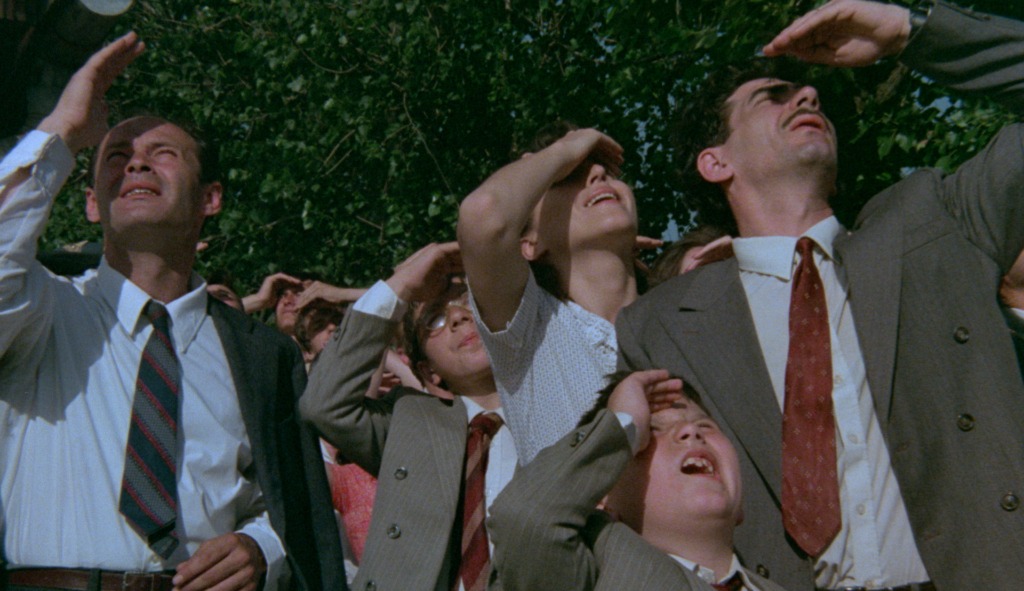
10. All five of those ties in one frame are exactly the kind I would’ve found in my dad’s closet in the nineties, hanging on the door.
11. And all these family scenes at the dining table, filmed in former Yugoslavia, look strangely familiar.
Otac na službenom putu
12. There’s always that one phone call after which life splits into “before” and “after.”
13. And very often – it’s the brother-in-law who betrays you.
14. Ozna sve dozna — the secret police learns everything.
15. Why are these people sitting calmly at the same table?
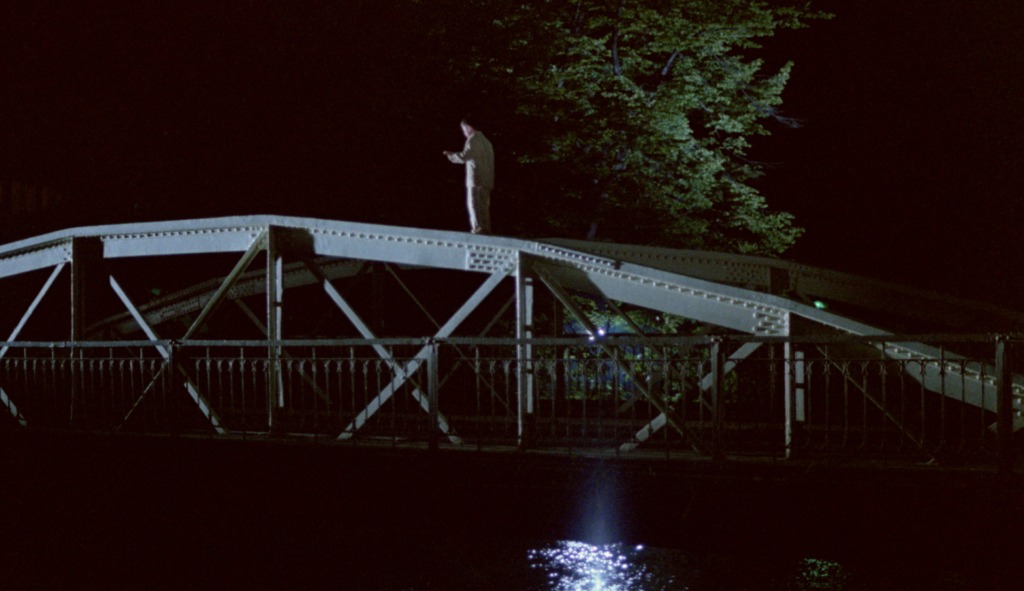
16. The scene of Malik crossing the bridge while sleepwalking, and the look on his mother Sena’s face (played by Mirjana Karanović) as she waits for him below, is one of the most moving in the film.
17. If the story is strictly realistic, you need to look for a sublimated form, like a cloud of atmosphere hovering above the ground, to make the image more interesting and deeper than one could imagine, Kusturica said about this scene, which echoes Chagall, his colours and surrealism, thanks also to cinematographer Vilko Filač.
Otac na službenom putu
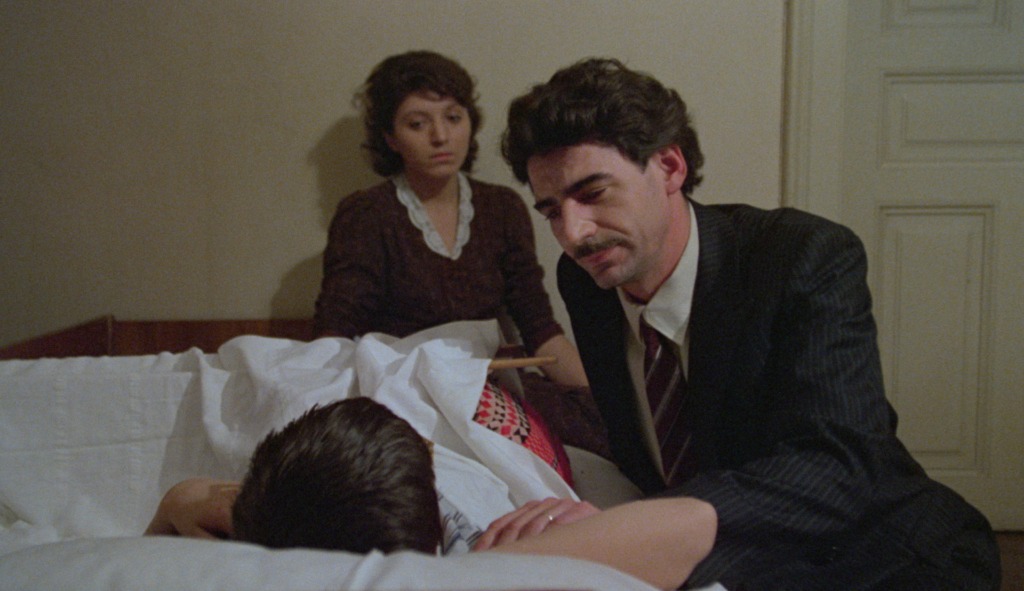
18. The second most moving scene is Meša (Miki Manojlović), Sena and Malik together in bed.
19. So much humanity, tenderness, humour, vulnerability and heaviness in one moment.
20. And this red coat Sena wears would easily make it into Vogue.
21. Malik fell in love! September 2, 1951 (while she was playing the piano).
22. The structure of a film needs love as its anchor, Kusturica also said.
23. Is it really possible that he’s cheating again?
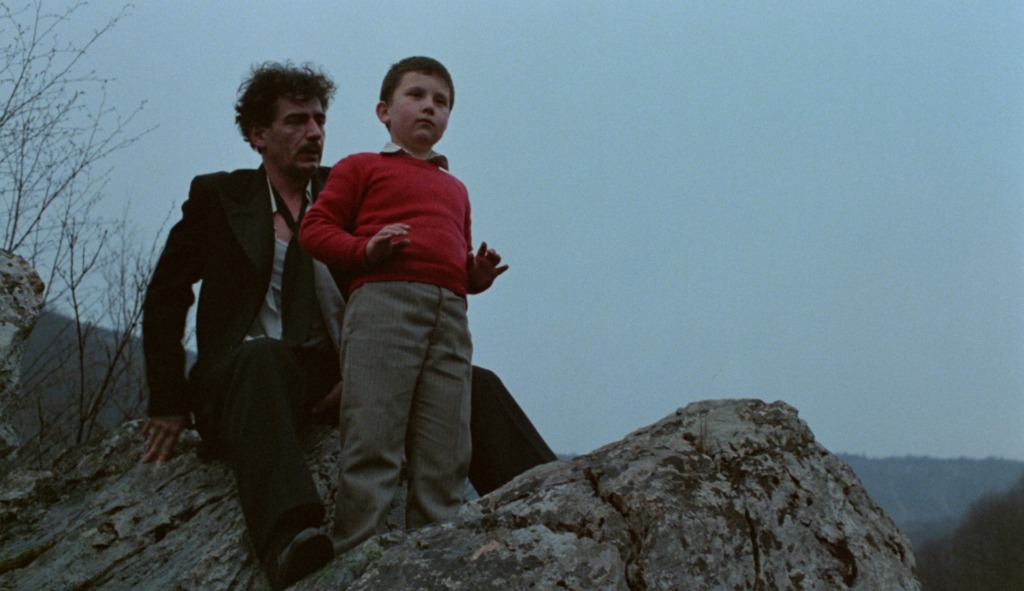
24. The shot of Meša hugging Malik when he finds him at the top of the cliff is the third most moving moment in the film.
Otac na službenom putu
25. The shot of violence against a woman is the most harrowing one.
26. I feel sorry for Malik as he tries to deliver his speech in front of an important Party official on Labour Day.
27. And I adore him as he theatrically says goodbye to his first love before returning to Sarajevo.
28. How could it be any different in a democracy?
29. The wedding scene, everyone is together again, yet there’s no joy.
30. There are so many empty excuses for moral collapse.
Otac na službenom putu
31. I can’t, and I will never, comment on the scene where Malik, Meša and Ankica appear in the same frame, all I feel is pure disgust.
32. The grandfather is the wisest of them all.
33. A bitter look at the collapse of family life and values during the war, the neglected essence of Yugoslavia, and the collective shrug in the face of authority’s indifference and the chaos it leaves behind.