6 wellness trends that will change how we take care of ourselves in 2026
Audrey NobleJanuary 24, 2026



January 24, 2026
Wellness is on everyone’s mind. An industry currently valued at $2 trillion, according to a report by McKinsey & Company, continues to dominate our shared interests. But what will wellness look like in 2026?
As we gradually turn our attention to the year ahead, it is clear that wellness will continue to grow and expand. In the wellness space, you can expect the following: advances in longevity, by which we mean real, science-backed solutions rather than viral TikTok trends; changes in how we approach GLP-1 therapies; travel undertaken with the sole purpose of working on the body and or the mind; and the addition of nutrients in more interesting and enjoyable beverage formats.
Below, we bring you six wellness trends that experts predict will be huge in 2026. Read on and see which ones should be on your radar.
Private clubs have taken on the role of our symbolic “third space.” In 2026, these clubs are expanding more than ever in the direction of wellness. Jonathan Leary, CEO and founder of Remedy Place in New York, tells Vogue that he sees private wellness membership clubs as leading destinations for celebrating major life moments, such as birthdays and bachelorette parties, as well as for personalized wellness programs focused on more proactive forms of self-care.
Related: Social wellness is the travel trend quietly taking over 2026
Most importantly, Leary emphasizes that what will truly draw people to wellness membership clubs is their need for calm spaces, far removed from digital noise. “They are a remedy for many of the challenges we face in the modern world,” he says. “People do not feel well and they feel lonely. The rise of artificial intelligence and digital connectivity only further increases the need for real, in-person experiences.”

FOLM
“We are all craving something real,” agrees Alex Feldman, co-founder of the wellness membership club Saint. “The world has become so digitalized and screen-obsessed that today the most radical thing you can do is actually feel something, to stand barefoot on real stone or sit in a cedar-lined space while your phone is completely out of reach.”
Saint, a private studio with saunas and ice baths set to open later this year in New York, plans to focus even more strongly on personalized experiences in order to offer clients a more luxurious and intimate experience. “This is not about socializing or stereotypical wellness practices,” adds Amanda Hensen, co-founder of Saint, “but about consciously stepping away from the chaos of city life and having the opportunity to reconnect with your own inner calm.”
From the viral UCPA adult summer tennis camp in Chamonix to the ultra-luxury Surf Synergy Costa Rica surf retreat, going on vacation to “reset” will take on an entirely new meaning in 2026 thanks to the rise of fitness travel.
According to McKinsey & Company’s 2025 wellness report, demand for in-person services such as boutique fitness classes has increased within the travel sector. The report states that 60 percent of consumers who have traveled for health and wellness treatments plan to continue doing so, while 30 percent of those who have already spent money on such activities would be happy to spend even more next year. During 2025, this trend accelerated further.
“People are deeply engaged in their wellness journeys and do not want to put them on pause while traveling. Instead, they are looking for destinations where they can continue training, recover properly, and learn from experts,” says Abdoulaye Fadiga, founder of the wellness resort Champion Spirit Country Club.
Fadiga, whose resort offers a wide range of high-tech wellness treatments and intensive sports activities such as boxing, pilates, and padel, notes that today’s travelers do not just want to feel better during their vacation, but to return home with habits they can integrate into everyday life.
“Today, people see vacations as an opportunity to try out new potential hobbies or develop existing sports skills, whether that means attending a surf camp or training kung fu with Shaolin monks,” adds Jenny Southan, CEO and founder of Globetrender. “This behavior is driven by the feeling that time spent traveling has to be ‘well used,’ and that fitness activities, especially in group or team settings, create a sense of achievement during what is otherwise a less productive schedule.”
The functional nutrition space, according to McKinsey & Company’s wellness trends report, continues to expand, with experts highlighting sparkling protein drinks as leaders in 2026. Already viral, protein-infused fizzy drinks meet many consumer needs when it comes to functionality, taste, and convenience.
Related: Is the non-alcoholic revolution fermenting among young people?
“Consumers want performance-related benefits such as sustained energy, satiety, and muscle recovery, but in formats that feel light, refreshing, and easy to fit into everyday life,” says Alyssa Williams, category insights manager for food, beverage, and wellness at Spate. Williams further explains that these drinks can also represent a lower-calorie option, especially when choosing diet versions, while still delivering that sensorially pleasing, carbonated experience that aligns with modern wellness.
“Think of them as a ‘better-for-you refreshment’ rather than a ‘post-workout drink,’” she says. “On social media, sparkling protein drinks are increasingly seen as part of wellness routines rather than strictly workouts, which makes them accessible to a much broader audience, from regular gym-goers to those who approach wellness more casually.”

@gisele
Protein is not the only nutrient stepping outside traditional beverage formats. Williams notes that longevity-focused ingredients such as resveratrol, NMN, and NAD are also worth watching. Consumer interest in these is projected to grow by 29.6 percent year over year in 2026, and they will increasingly appear in functional drinks as well.
Alongside fitness activities, McKinsey & Company notes in its wellness report that more and more consumers are seeking wellness retreat programs as part of their travels. Experts predict that this trend will continue next year, but with an important shift.
Laura Montesanti, founder of the event Synergy – The Retreat Show, tells Vogue that wellness retreats in 2026 will be fully focused on personalization. Instead of preset schedules and activities with little room for adjustment, retreats will increasingly be tailored to the individual wishes and needs of guests.
“Customizing programs for each individual, their body, mind, and lifestyle, ensures results that feel authentic and long-lasting,” says Montesanti. “Practitioners are increasingly combining holistic and medical approaches, using pre-arrival assessments and health diagnostics to design fully personalized experiences.”
Another area that retreats will focus on more strongly next year is emotional wellness. Montesanti points out that we will see more programs dedicated to burnout recovery, the grieving process, and emotional regulation.
The biggest buzzword of 2025, longevity, will continue to dominate next year, but experts emphasize that the focus will increasingly be on scientific validity. “Longevity will become more medical and more measurable,” says Dr. Jan Stritzke, medical director of Lanserhof Sylt. “DIY peptide blends and unregulated anti-aging hacks are not the future. The future lies in evidence-based therapies under medical supervision.”
“The goal is not just to extend lifespan, but to maximize the number of years spent in good health and independence,” adds Dr. Fernando Carnavali, associate professor of internal medicine at Mount Sinai. “People, including healthcare professionals, will increasingly embrace and learn about this concept.”
Carnavali points to the Mount Sinai Institute for Regenerative Medicine as an example, noting progress in the fields of geroscience, the scientific study of the fundamental biology of aging, molecular biology, and medicine aimed at preventing or delaying certain diseases and functional decline. Stritzke adds that sleep will become an even more important cornerstone of longevity therapies, and that new programs such as Lanserhof’s NeuroSleep will focus on restoring and improving sleep.

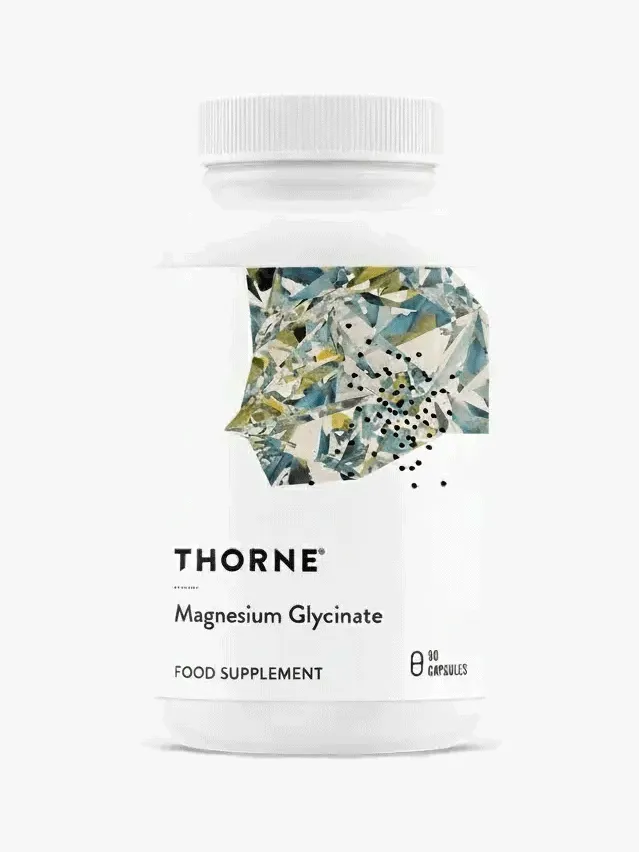
According to Carnavali, we can expect a major shift in how people use GLP-1 therapies such as Ozempic. In the United States, the FDA currently approves the use of GLP-1 medications for type 2 diabetes, chronic kidney disease, and for reducing the risk of obesity and cardiovascular disease. In the United Kingdom, GLP-1 therapies are strictly regulated and approved for diabetes and obesity. Carnavali notes that further approvals should be expected, expanding the ways in which consumers can use them. It is also possible that oral forms of GLP-1 therapies will emerge in the future for those seeking an alternative to injections.
Experts agree that weight management will remain an important trend in the coming year. However, Carnavali advocates a more holistic approach. “A solution that relies solely on injections is simply not enough for the changes required for us to be truly healthy,” he concludes.