Uniforms of unity, momentum, and joy at the Winter Olympic Games in Sarajevo
by Tina LončarJanuary 26, 2026

January 26, 2026
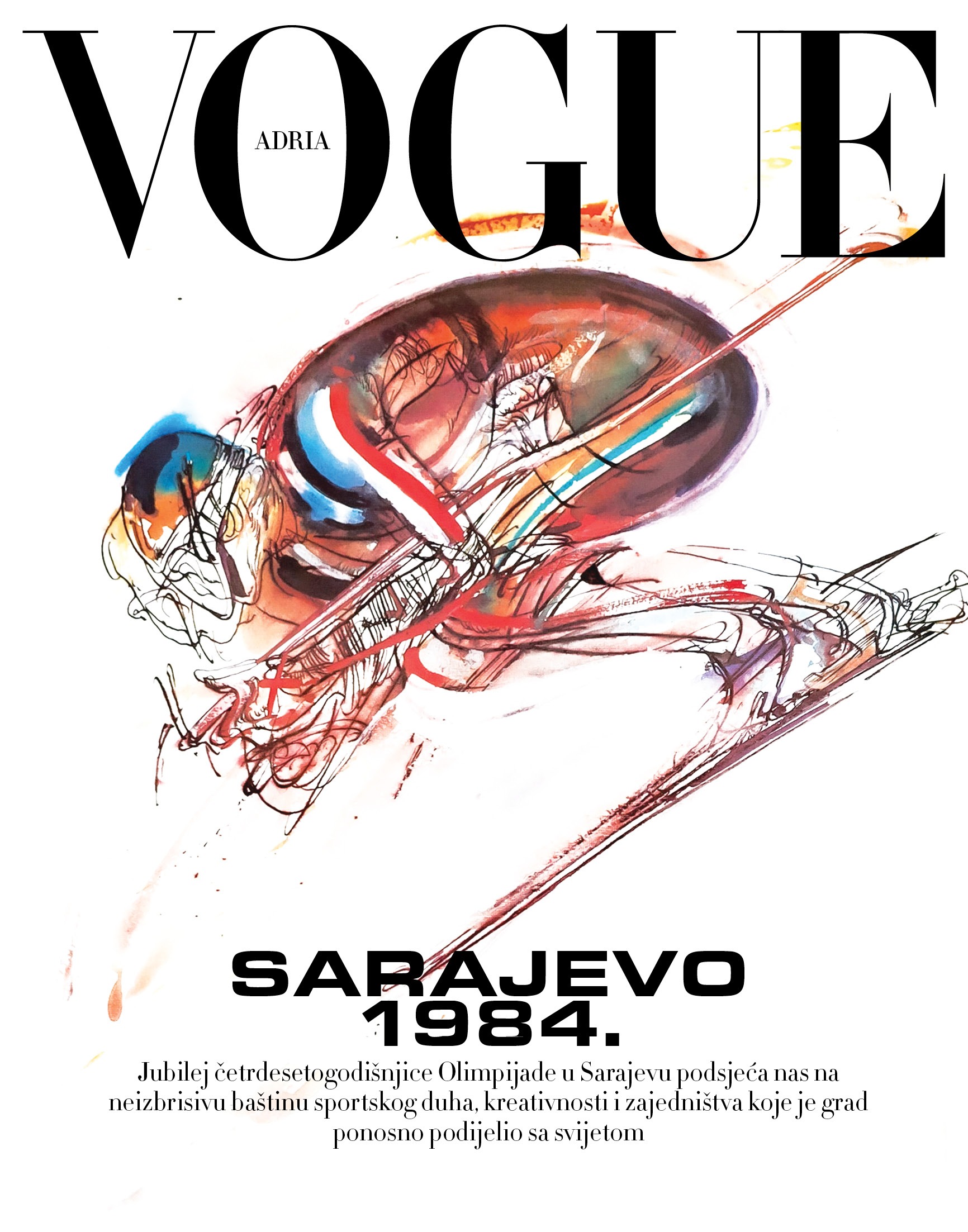
“Yugoslavia, the capital of Bosnia and Herzegovina, Sarajevo, will host the 1984 Winter Olympic Games.” These were the words with which sports journalist Nikola Noka Bilić interrupted the program of Radio Sarajevo on May 18, 1978, for the first time in history, and the news resonated like the most beautiful anthem written in verses of togetherness, pride, and faith in a better tomorrow. From that moment on, the city on the Miljacka began living for the Olympics. As we approach the Milan–Cortina 2026 Winter Olympic Games, we recall that atmosphere.
Years before the torch, like a relay baton, traveled 2,289 kilometers across Yugoslavia, and figure skater Sandra Dubravčić lit the Olympic flame at Koševo Stadium, the great Olympic story had already begun to take shape through the renewal of streets, the construction of sports and hotel complexes, new roads, airports, and even entire neighborhoods. Every corner of Sarajevo breathed for the day when the world would flow through its streets, and when that great date, February 8, 1984, finally crept onto the calendar, the spectacle unfolded in epic fashion. All of Sarajevo united to clear every corner, road, and sidewalk of the piles of snow that had covered the streets two days before the official opening of the Olympics, but thanks to that togetherness, the city welcomed the big day fully prepared. The opening of the XIV Winter Olympic Games at Koševo Stadium was attended by more than 60,000 Sarajevans and guests from around the world, as well as around two billion people in front of television screens. But the Winter Olympic Games in Sarajevo were much more than a sporting event. They were a symbol of unity, warmth, and momentum, days filled with hope for a better tomorrow. Four full decades have passed since that distant 1984, yet those who remember the Olympics still recall them with pride and a touch of nostalgia, while the notes of the song “It Was Beautiful in Sarajevo,” which played at the closing ceremony, continue to softly echo through memories.
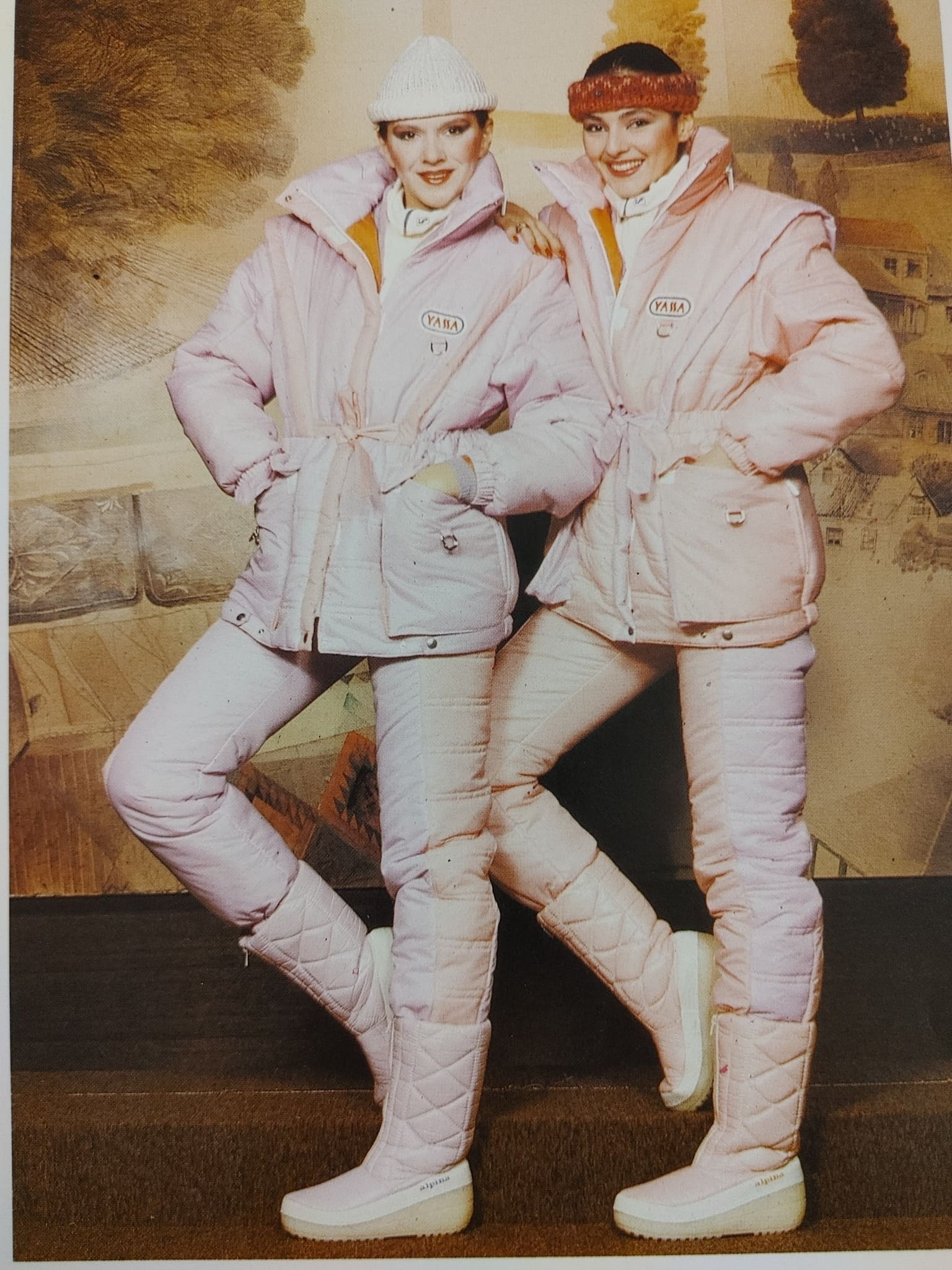
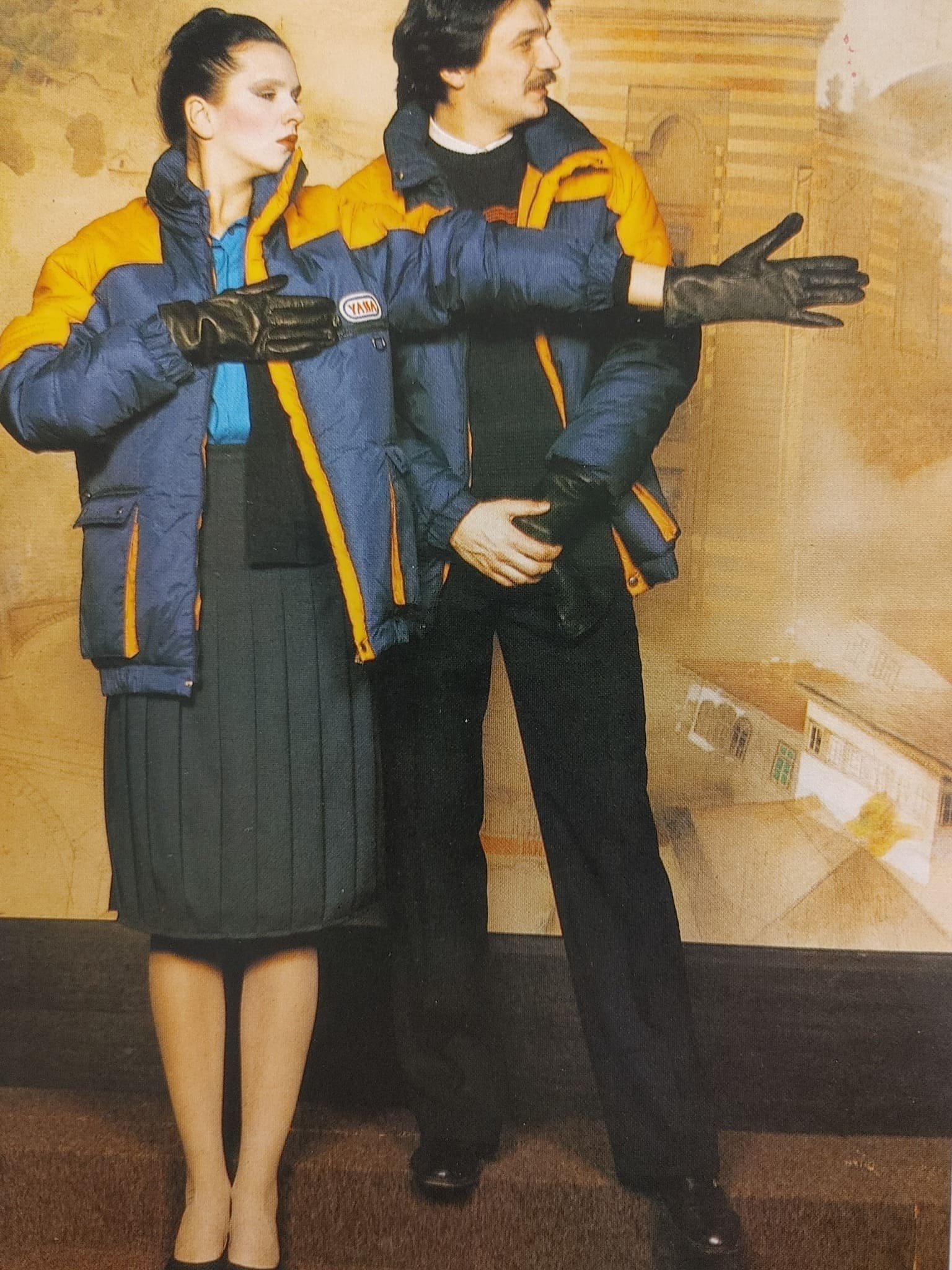
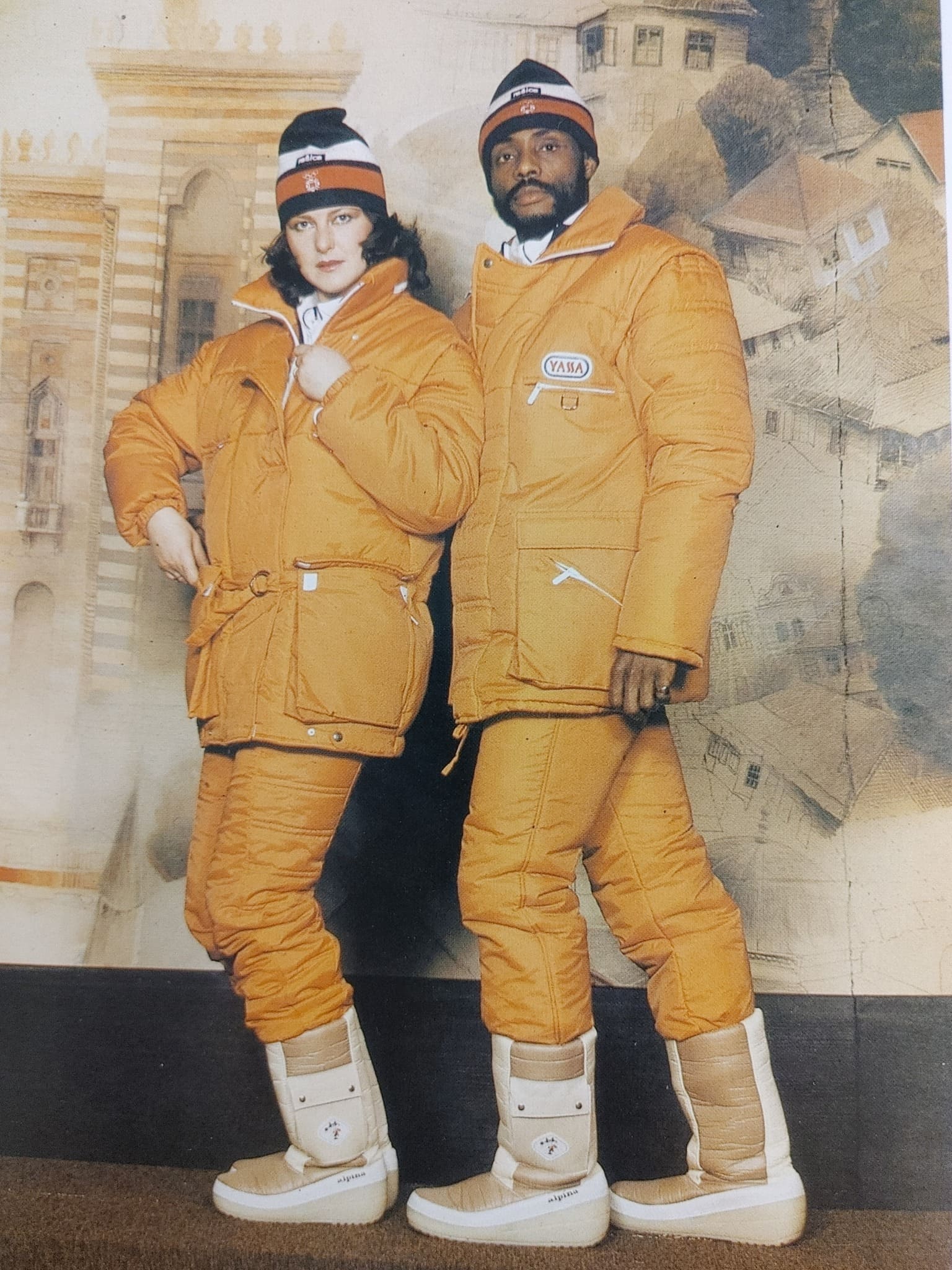
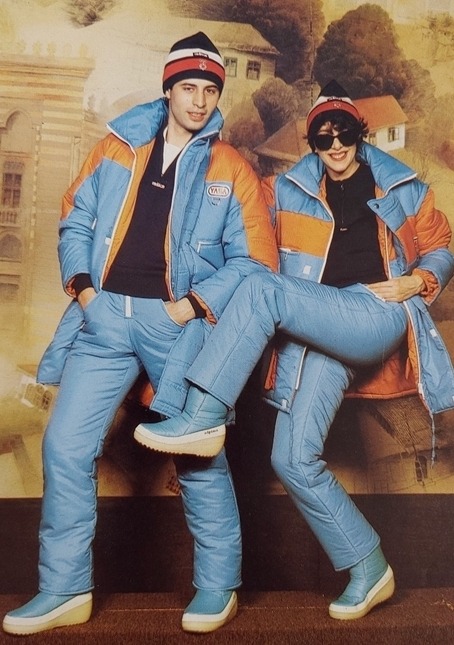
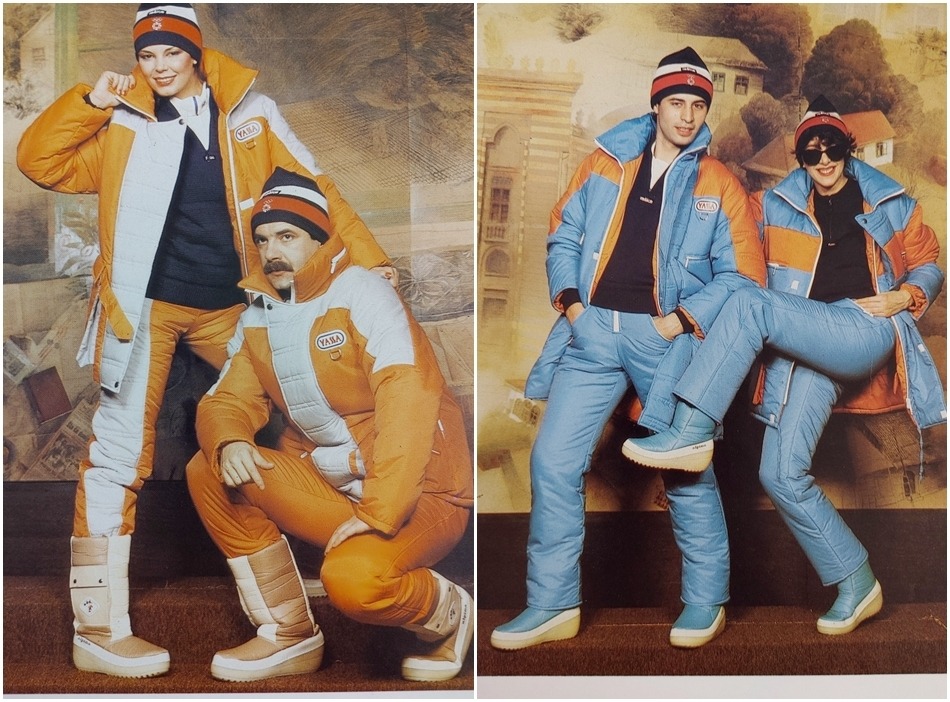
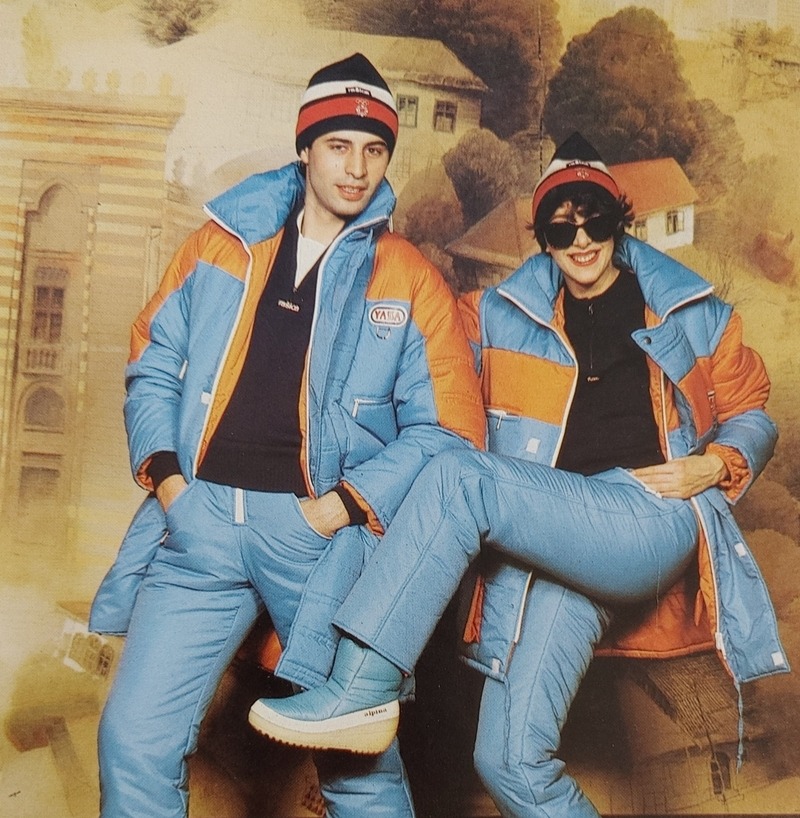
The visual identity of the Games, deeply etched into collective consciousness ever since, was created by many, from professors and students of the Academy of Fine Arts in Sarajevo, to Slovenian painter Jože Trobec, who brought the beloved mascot Vučko to life, architect Miroslav Antonić, who designed the official logo in the form of a stylized snowflake, and designer Selma Zukić Popović, who signed the uniform designs. It was precisely the uniforms that made that unbreakable unity visible at first glance, and during the Olympics everyone wore them, from countless employees at competition venues to those working indoors, such as directors, press center staff, and hostesses. “The whole story began to take shape about two years before the Games, when the late professor Mladen Kolobarić asked me whether I would create the uniforms for the Olympics,” recalls Selma Zukić Popović, today a high school teacher in a small Canadian town. At the time, as a young fashion designer, she worked in the Sarajevo textile industry Šik, and had already received several awards for her collections, including the “Golden Košuta,” considered the highest award for fashion design in the former Yugoslavia. “When I was offered the chance to work for the Olympics, I was honored but also skeptical, because the very word ‘uniform’ is not motivating. Only soldiers, guards, police officers, and medical staff wore uniforms, and as a young, ambitious designer, all I could think about was the latest fashion,” Zukić says.
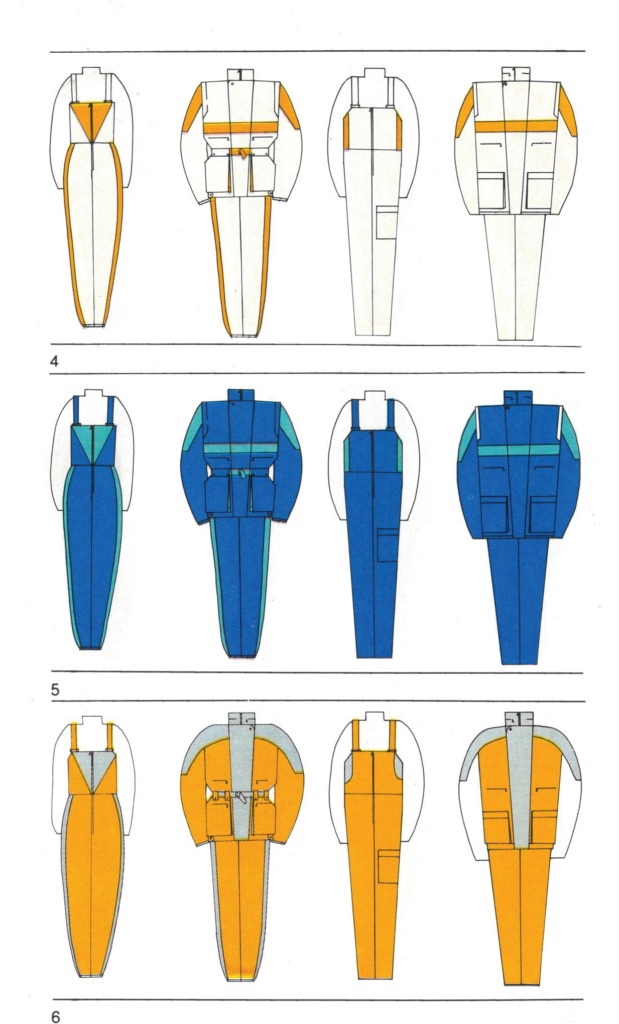
“Working on the uniforms involved many phases, and most of the initiatives regarding divisions by employee groups came from the Olympic Committee, with whom I had countless meetings. At the beginning I did not know where to start, so I randomly drew hundreds of sketches and ideas, in pencil, ink, and color,” she explains, adding that when thinking about the design she had to consider various factors, such as external conditions like cold and snow, as well as the aesthetic appeal of a design that had to be unified. “Out of the large number of my sketches, many were eliminated. But in the end, I found a balance between sporty, elegant, modern, and comfortable, and reduced the collection to eight basic colors and models. The uniforms had to be unified so that they were similar, yet different. It was also necessary to think about production and technical possibilities, because sewing sweaters and windbreakers is not the same,” she recalls. Since the official logo of the Olympic Games was an orange snowflake, orange became the main guiding principle in creating the uniforms, but the challenge was to harmonize it with other colors. For that reason, Zukić worked closely with the graphic design team, which tirelessly searched for shades that would visually complement orange, and their search ended with 16 colors that could be used for all official graphic publications related to the Olympics. “I reduced the uniform designs to eight colors, and the models mostly featured combinations of two colors,” she says. “For clothing production, we engaged the best textile companies across the former Yugoslavia. Knitwear was produced in the Slovenian company Rašica, and some in Foča in Bosnia and Herzegovina, YASSA in Varaždin produced most of the clothing for snow and competition venues, ready-to-wear garments were made at Sarajevo’s Alhos…”
Photo: arhiva Selme Zukić Popović/JU “Gradski Muzeji” Sarajevo, Olimpijski muzej
But although her work had to follow a host of official guidelines, she found inspiration in something that was never written into any contract or document. “My greatest inspiration was my love for Sarajevo, the city where I was born and where I was happy. It is a city I love and am proud of. I gave my all for the success of the Games and wanted to create the most beautiful uniforms possible for Sarajevo,” she says, not hiding her emotions. “It was a major and responsible job, and it took almost a year from my first conceptual sketch to the execution of the first prototype. My creative work was finished long before the Olympic Games officially began. I gave the uniforms a new meaning, and the combination of modernity, comfort, elegance, and unique design was the reason everyone wanted to wear them.”
Although life took her across the ocean, thousands of kilometers away from Sarajevo, and her career shifted onto different paths, Selma Zukić Popović still remembers the Olympics most vividly, even four decades later, for the feeling of unrepeatable unity. “When I talk about my work for the Olympics, I always say ‘we.’ No matter how much we worked in different fields, our engagement was collective. We wanted to succeed and selflessly supported and helped one another. That positive energy and creative atmosphere gave us wings and encouragement. Only joint effort could bring about such a successful Olympics,” she concludes with an unmistakable touch of nostalgia. “For me, and for many others, it was the most beautiful period of life.”