Who is the artist behind this year’s Turner Prize win?
Bojana JovanovićDecember 15, 2025

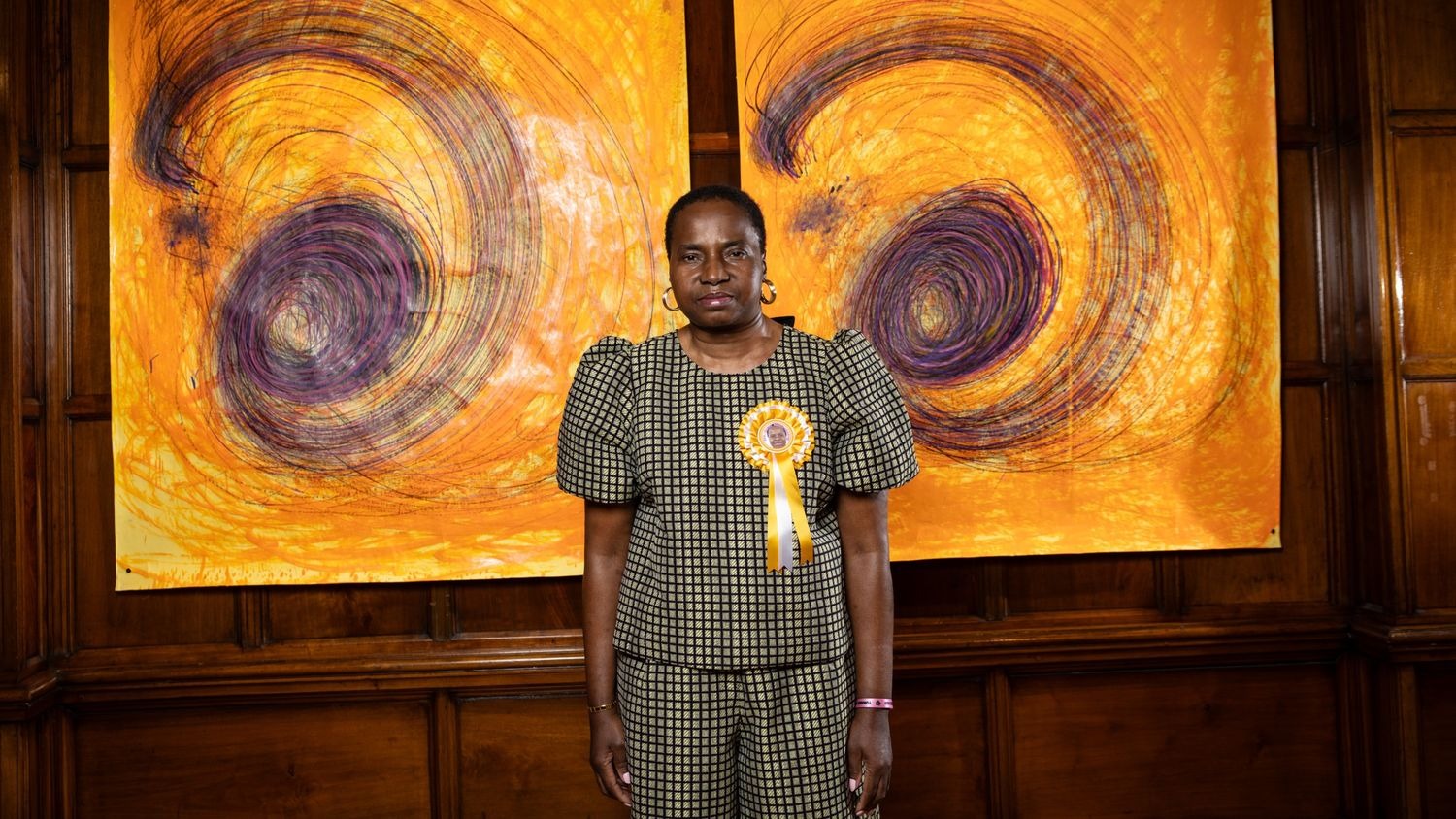
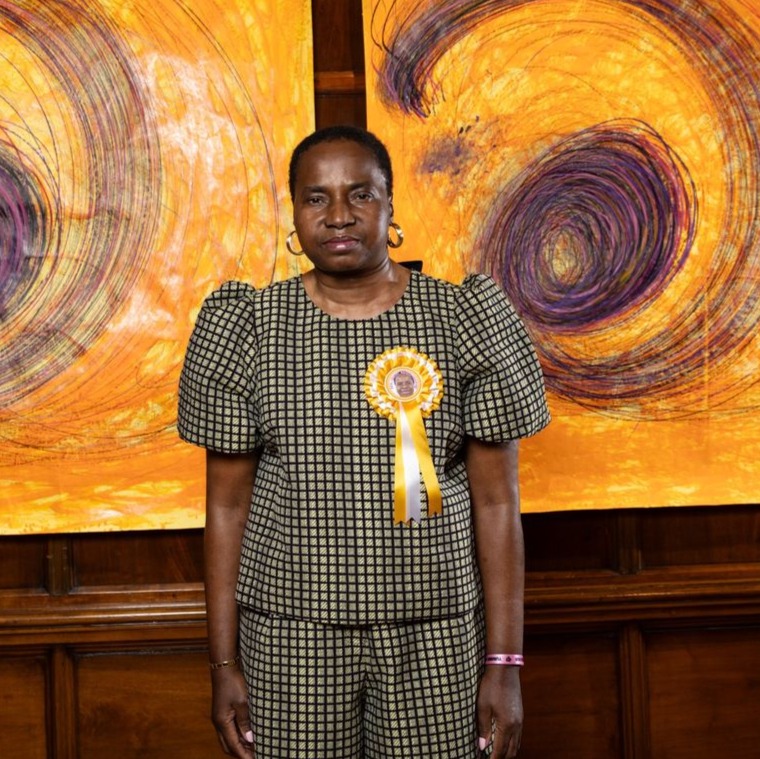
I find it deeply unsettling to think that there will always be books I will never read, songs I will never hear, places I will never visit, and artists whose work I will never discover. That is why I often, almost manically, try to keep up with as much content as possible. Sometimes it is just something that flashes quickly beneath my fingers, already far too accustomed to scrolling, and ends up in the Saved folder so that I can return to it with a clear mind later that evening or at some point in the future. I still do not know when or why, but I know for certain that I will return to it. With great enthusiasm and an almost entirely delusional faith in my own words, I promise myself every day that there will eventually be time for everything. A few days ago I woke up and saw that Nnena Kalu, a British artist of Nigerian heritage, had won the Turner Prize, one of the most important and influential awards for contemporary art in the United Kingdom, and I had to return to that information because this time the award truly feels special.
Related: How I finally gained control over my scrolling addiction
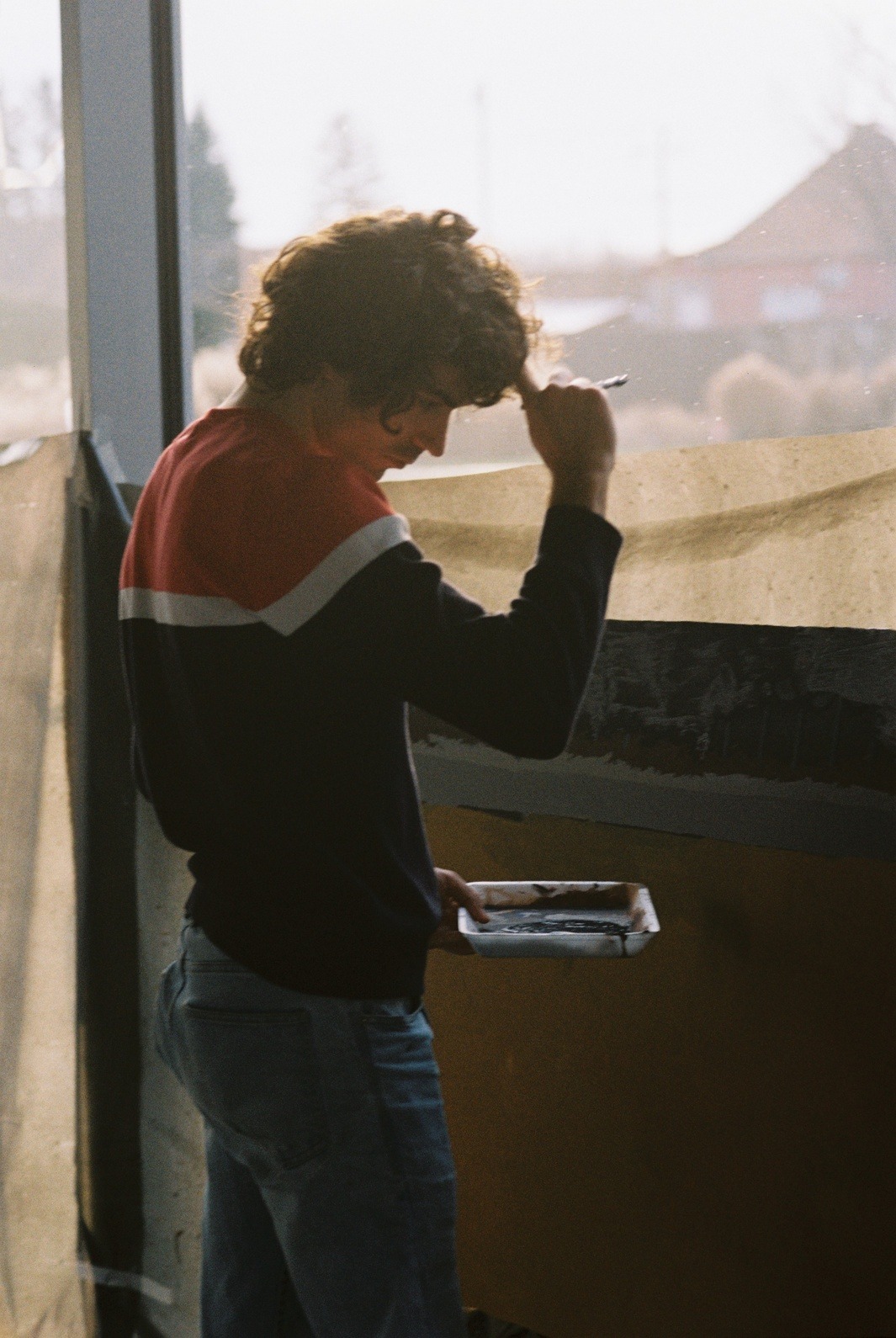
Nnena Kalu is a British artist born in 1966 in Glasgow, known for abstract sculptures and drawings built from everyday materials such as fabrics, plastic ties, cardboard, and VHS tapes, which she patiently wraps and binds into dense, pulsating forms. As a neurodivergent artist with autism and limited verbal communication, she has been developing her practice for decades with the support of the London-based organization ActionSpace, where she has been working continuously since 1999.
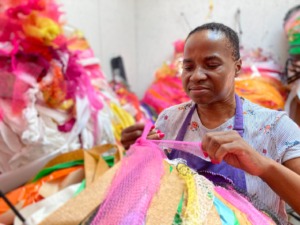
Nnena Kalu, artist portrait. Courtesy of the artist and ActionSpace
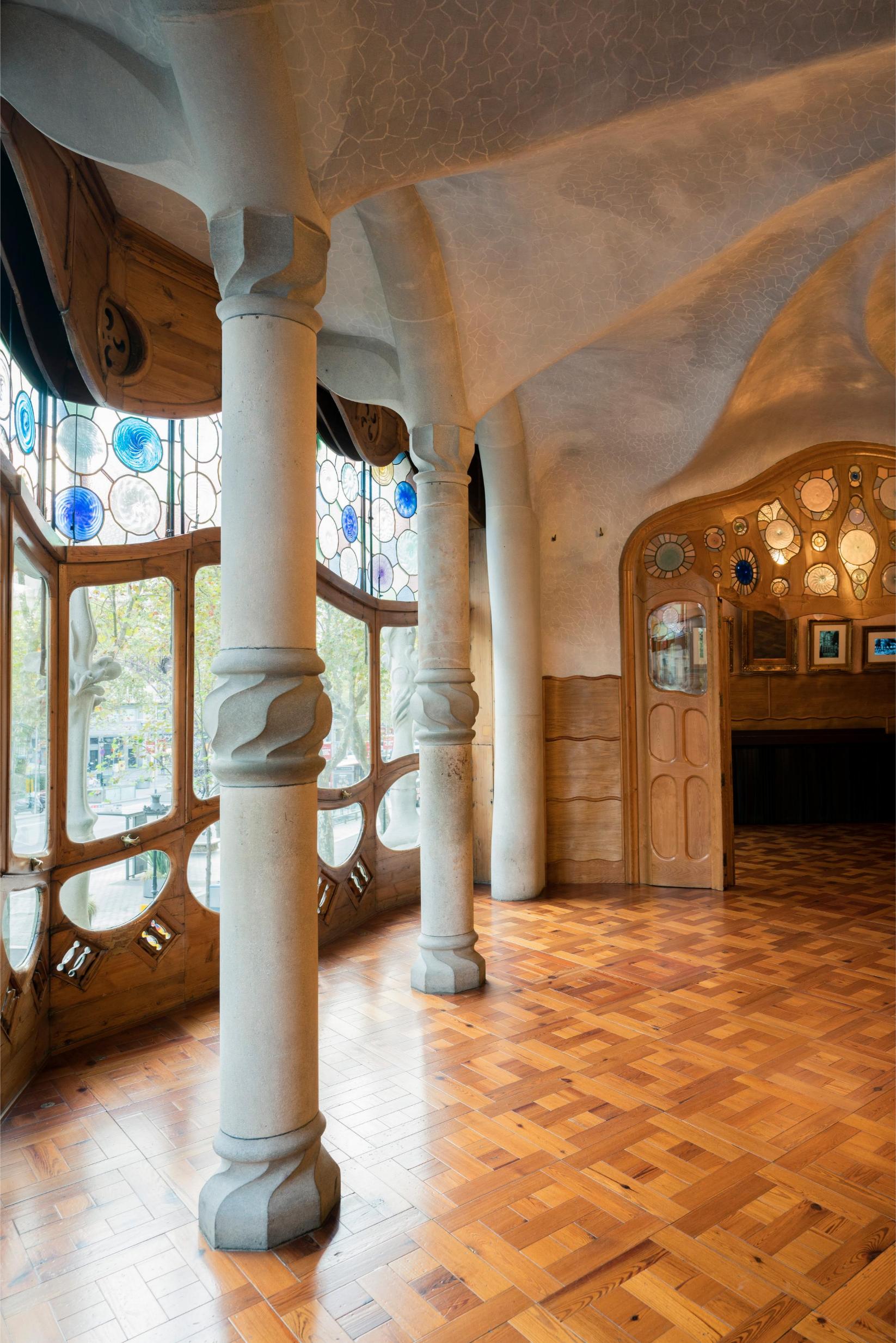
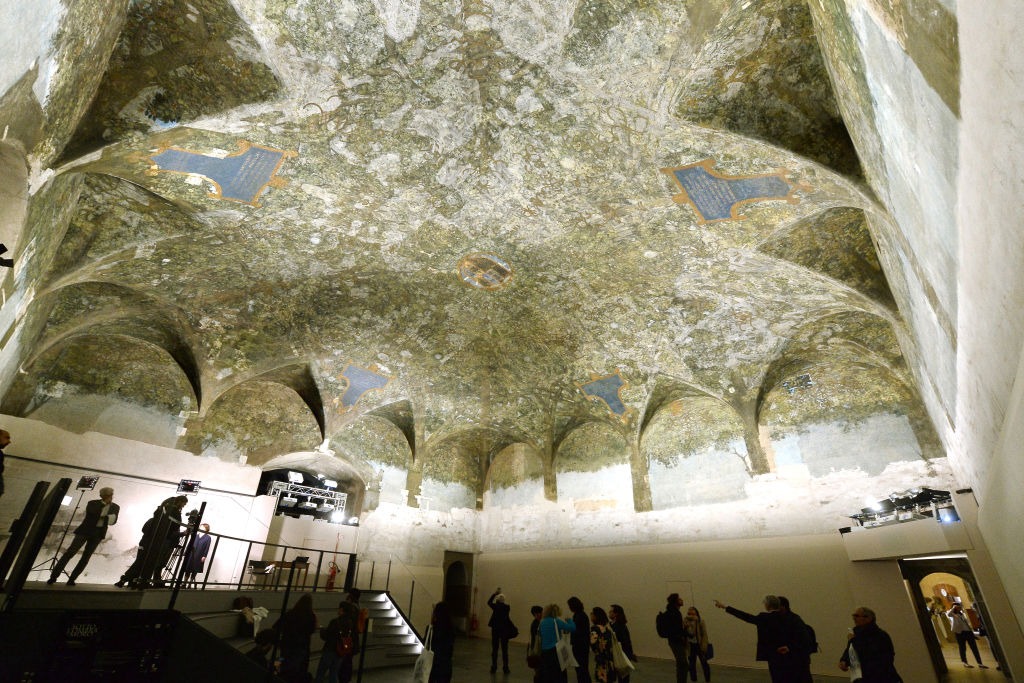
This year she won the Turner Prize, becoming the first artist with autism to receive the award, as well as one of the few Black women to whom this recognition has been granted. This moment is significant not only for her personal career, but also for the broader picture of contemporary art, as it clearly demonstrates how necessary it is to place neurodivergent artists at the center of current artistic currents rather than at their margins. Kalu’s work has for years been present within relevant institutional contexts, from exhibitions at the Walker Art Gallery in Liverpool and Manifesta 15 in Barcelona to permanent collections such as Tate and the Arts Council Collection, but the Turner Prize has finally made that continuity impossible to ignore.
Kalu’s sculptures and drawings function as a pure act of construction and repetition, as a rhythm that accumulates over time. The materials she uses are not symbolic in the classical sense, but through persistent wrapping, binding, and layering they acquire physical weight and emotional charge. Her forms appear almost like organisms in the process of becoming, tautly suspended between control and spontaneity.
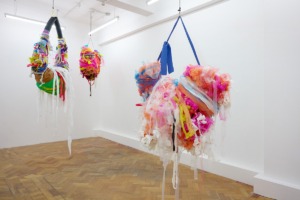
Nnena Kalu, installation view. Courtesy of the artist, ActionSpace London and Arcadia Missa London. Photography: Tom Carter
Kalu’s example clearly shows why it is necessary today to direct art in as many directions as possible and to open up perspectives that have long been denied to it. Contemporary art must cease to function as a closed circle in which the same voices, the same viewpoints, and the same hierarchies are continually affirmed. If art is truly meant to be a space of freedom, then we must also embrace different ways of thinking, perceiving, and expressing, including neurodivergent practices that for too long have been pushed into categories such as “outsider” or “special context.” I believe that this year’s choice of the Turner Prize winner represents a first step in that direction.
In that sense, art must and should be a channel of decentralization. Not only geographic or institutional, but also epistemological. Works like Kalu’s do not break conventions head-on, but rather undermine them from within, showing that there are multiple ways to see, feel, and articulate the world. In doing so, they open up space for dismantling stigma and for questioning deeply entrenched, often Eurocentric systems of value that continue to shape artistic narratives, even when they claim to have moved beyond them.
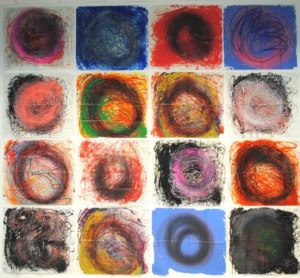
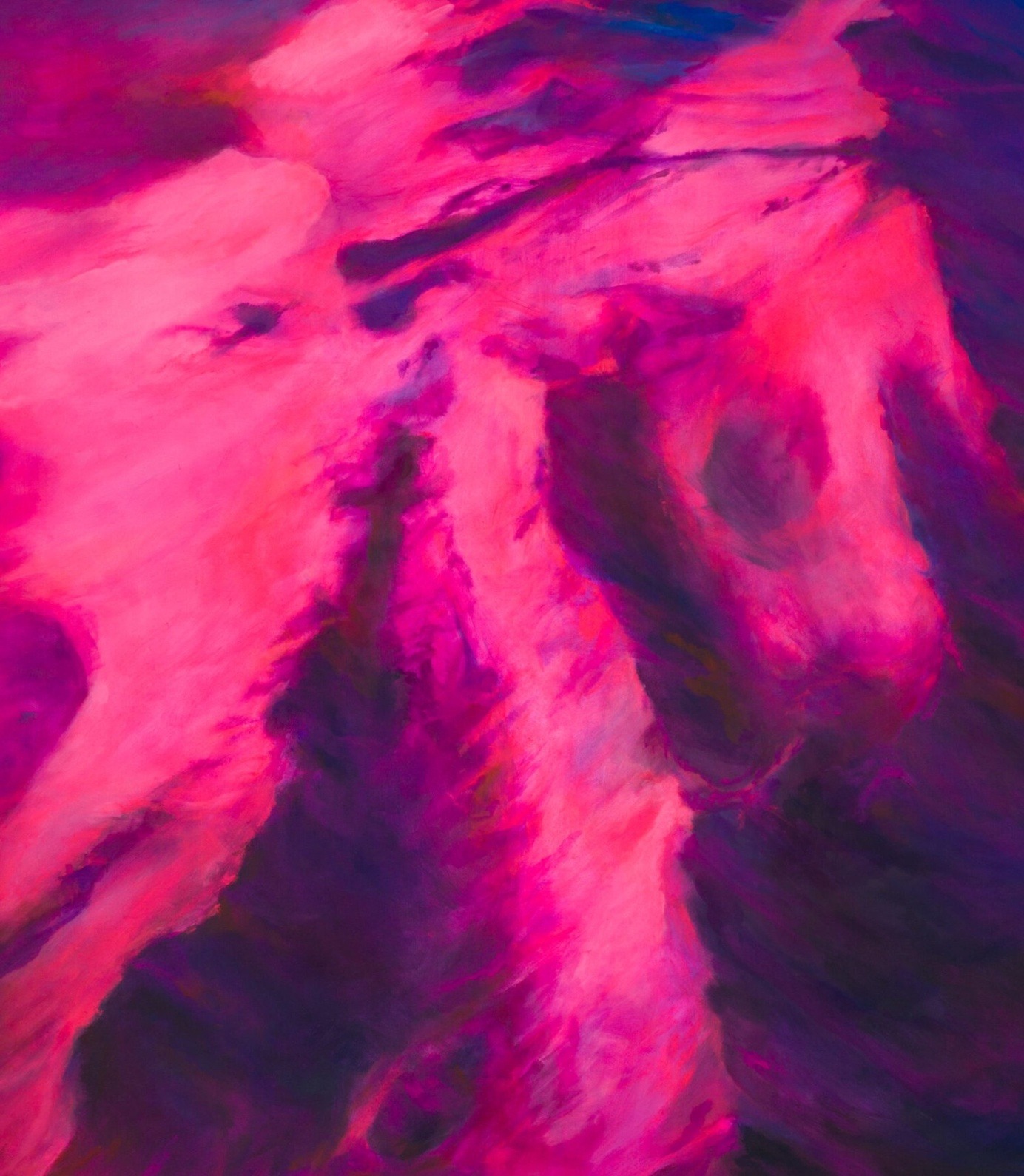
Courtesy of the artist, ActionSpace
And when we talk about the moment of returning, of dedicating time, of consciously holding one’s gaze instead of moving quickly on to the next piece of content, that is precisely how I discovered the artist Nnena Kalu. I decided to resist my deeply ingrained habits of content consumption and finally shift my focus away from the center and from urgent, all-consuming information toward things that may not yet have had the chance to dominate the main currents of contemporary art. Now I know that I will always make time for things like that.