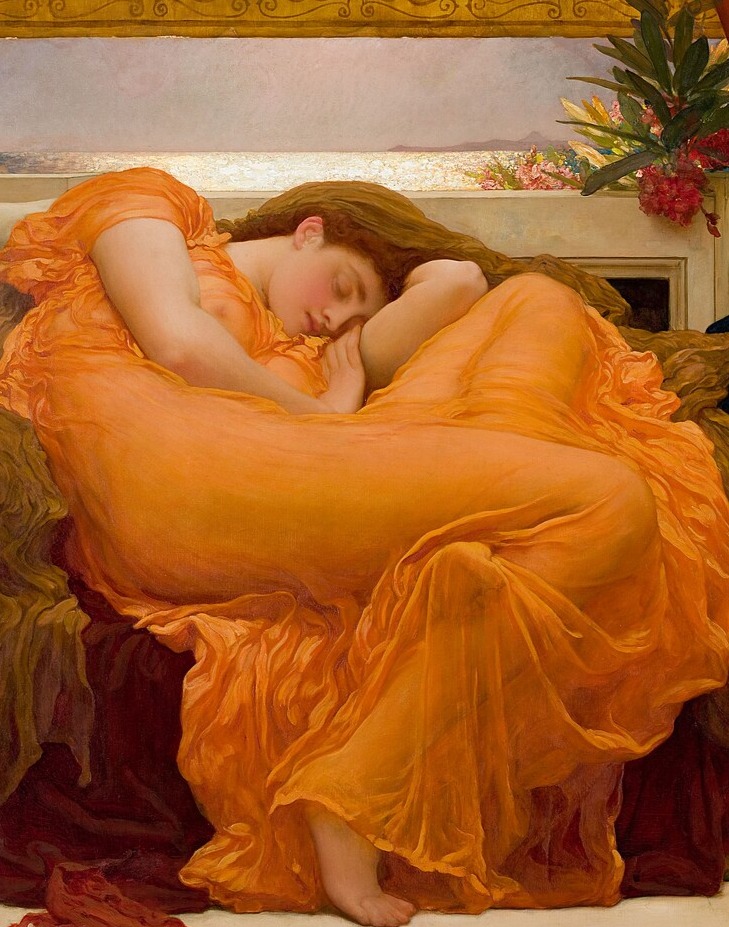
Gen Z is obsessed with sleep and has quietly cracked the code to better rest
Bojana JovanovićJanuary 30, 2026

January 30, 2026
As much as a few years ago you couldn’t get me to come home before 3 a.m. on weekends, in the past six months only situations with the urgency of a nuclear disaster or a The Last of Us-level catastrophe have been able to keep me out that late and cut into my precious eight hours of sleep. Although it feels like my days of waiting for dawn are over, I don’t think I’ll ever be the kind of person who has a perfectly precise bedtime routine. That simply will never be me, and complex pre-bed skin care routines will only happen when I’m in an exceptionally good mood and ready to give up some extra scrolling time. The point is that I actually want to be one of those incredibly dedicated people who know their goals and have an amazing ability to organize. For now, I’m just someone who got tired of staying out late, and my goals have shifted toward better sleep. How to achieve that in the long term still needs to crystallize in my little imaginary notebook of the future.
The topic of sleep has started taking over the internet once more, and beyond the extensive skin care routines that, I would say, have already bored most of us, this time the focus is on tracking, analyzing, and measuring sleep quality. Gen Z, in particular, seems to pay close attention to it. According to a 2022 study by the National Sleep Foundation, younger people show a greater willingness to use various technologies and apps to monitor their sleep, from smartwatches and health apps that track heart rate and breathing, to dream journals and interpretations, to specialized apps that record sleep stages and provide personalized tips for better rest.
This dedication to sleep quality goes hand in hand with other habits: more and more young people in Gen Z are cutting back on alcohol and looking for ways to preserve their “beauty sleep,” a global trend reflected in viral TikTok videos where people celebrate getting nine to ten hours of sleep and treat any disruption to that routine as a serious breach of personal discipline. These are the people I aspire to be. Healthier habits, digital tracking, mindfulness, and a focus on long-term well-being are becoming the standard, and all of this suggests that sleep is no longer just a basic human need that we take for granted when, around five in the morning, we realize we have an important nine o’clock meeting tomorrow for which it might be better not to sleep at all, because what’s the point. Sleep has become a status symbol of self-awareness and organizational power.
Related: Why no one wakes up at 5 a.m. anymore and why it feels liberating
Related: How to be a “morning person”? Confessions of a reformed sleeper
These are things I’m trying to work on myself, and sometimes it feels like I’m trying to jump on a trend that’s resisting me with all its might, but over the past few months I’ve felt more accepted than ever—sleep has become my thing. But don’t get me wrong, the whole point of this new obsession is to remove the stress around sleeping. You don’t have to go to bed at nine every night, turn off your phone, and lie in complete darkness—let’s not overdo it. Just try, at the very least, to get rid of the stigma around being in do not disturb mode by midnight. You’re not less cool for it, you’re not missing out on anything, and all your notifications and obligations will still be there in the morning.
Related: A trend that helped me reduce fatigue at the end of the workweek
Related: Morning rituals that changed the way I start my day, with less stress and more calm