This retro detail is making a major comeback in 2026 interiors
Bojana JovanovićJanuary 6, 2026

January 6, 2026
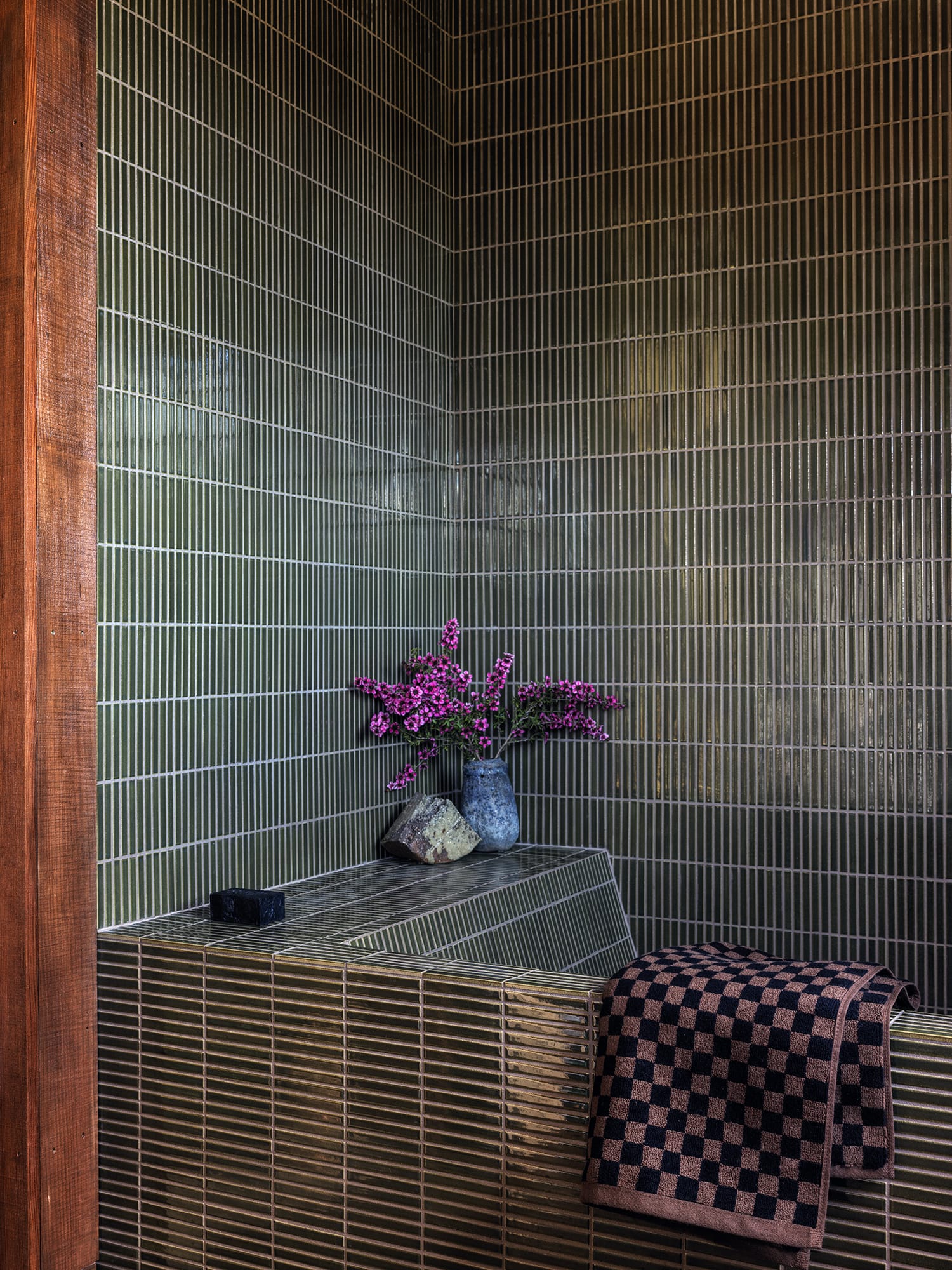
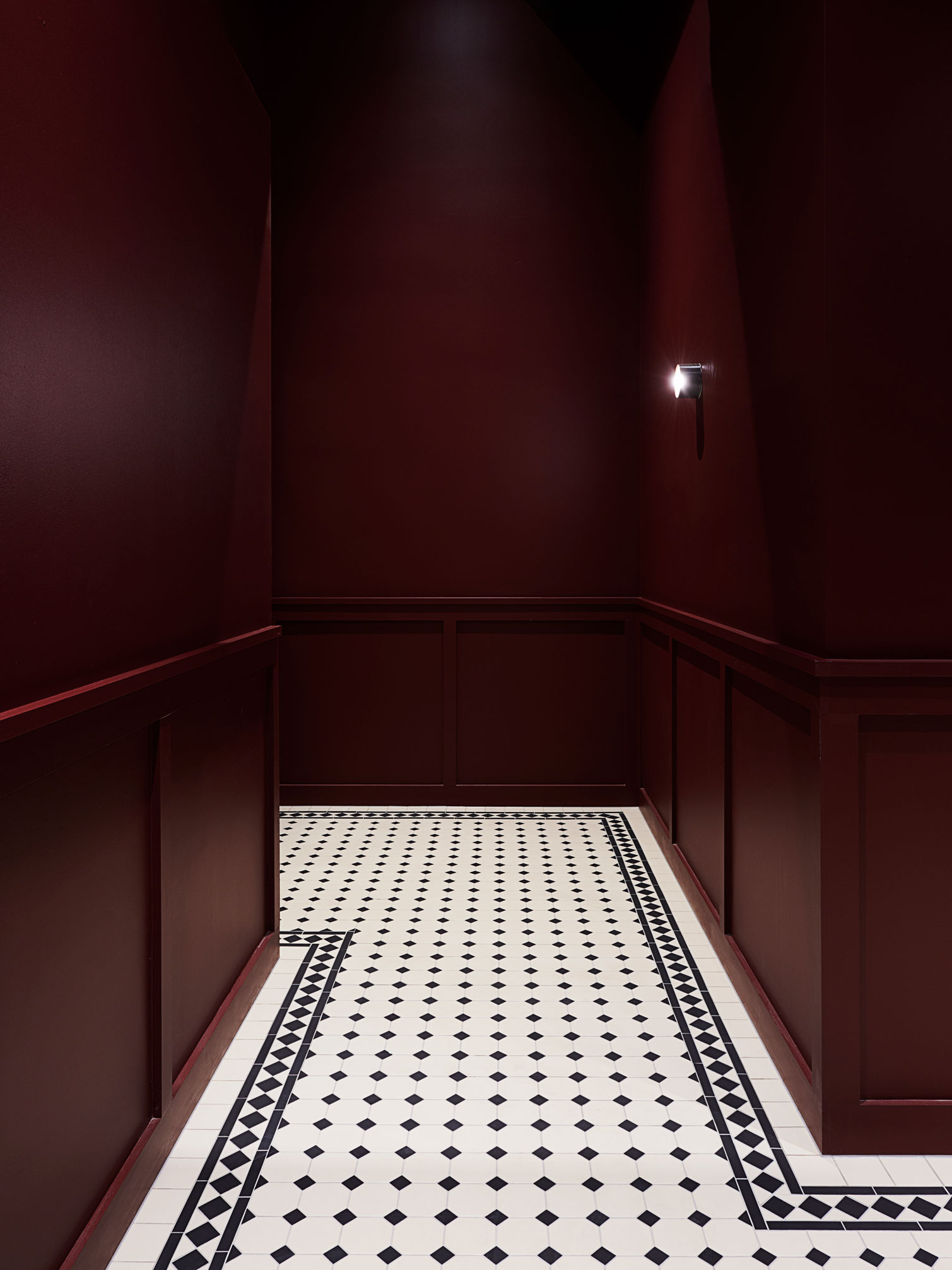
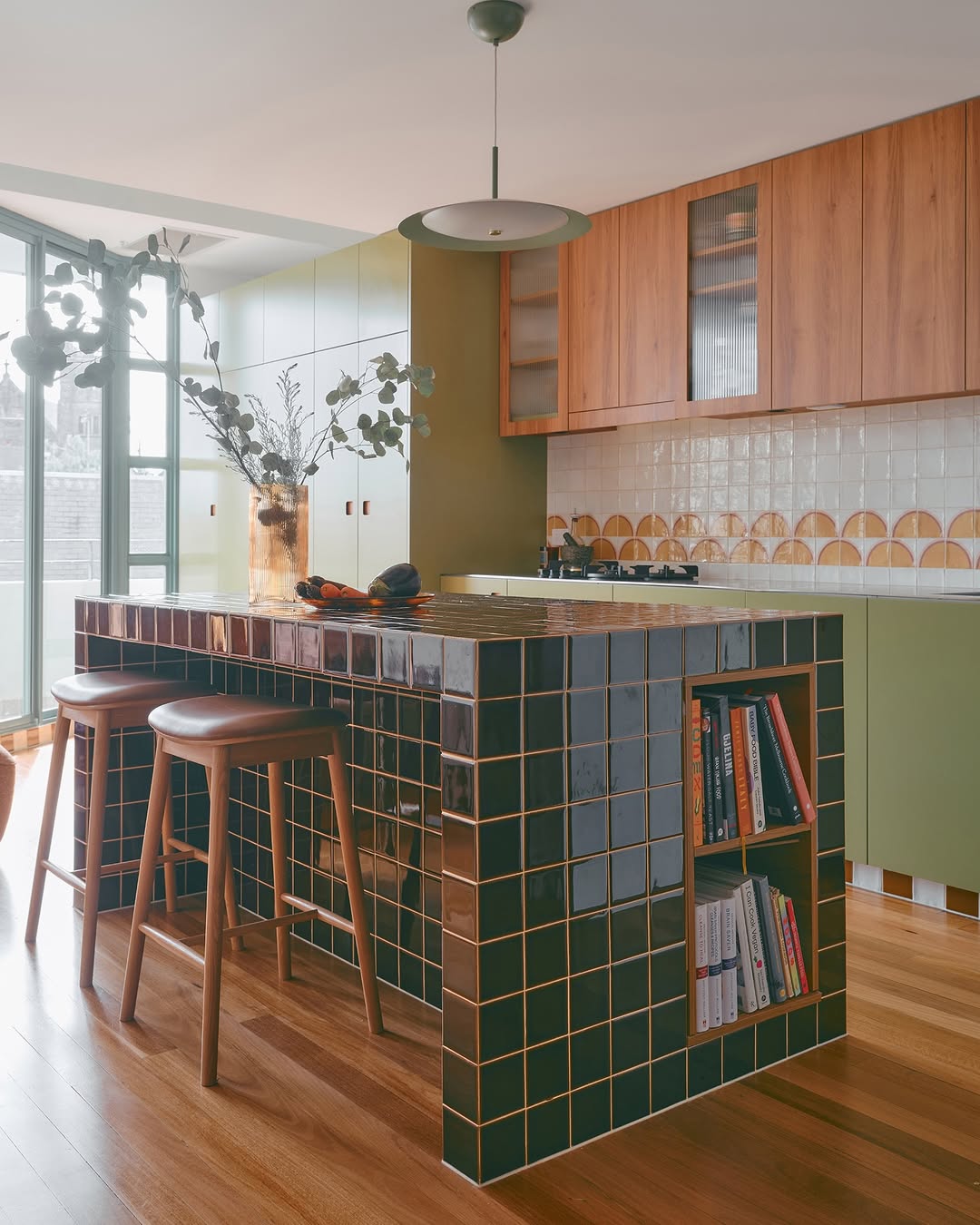
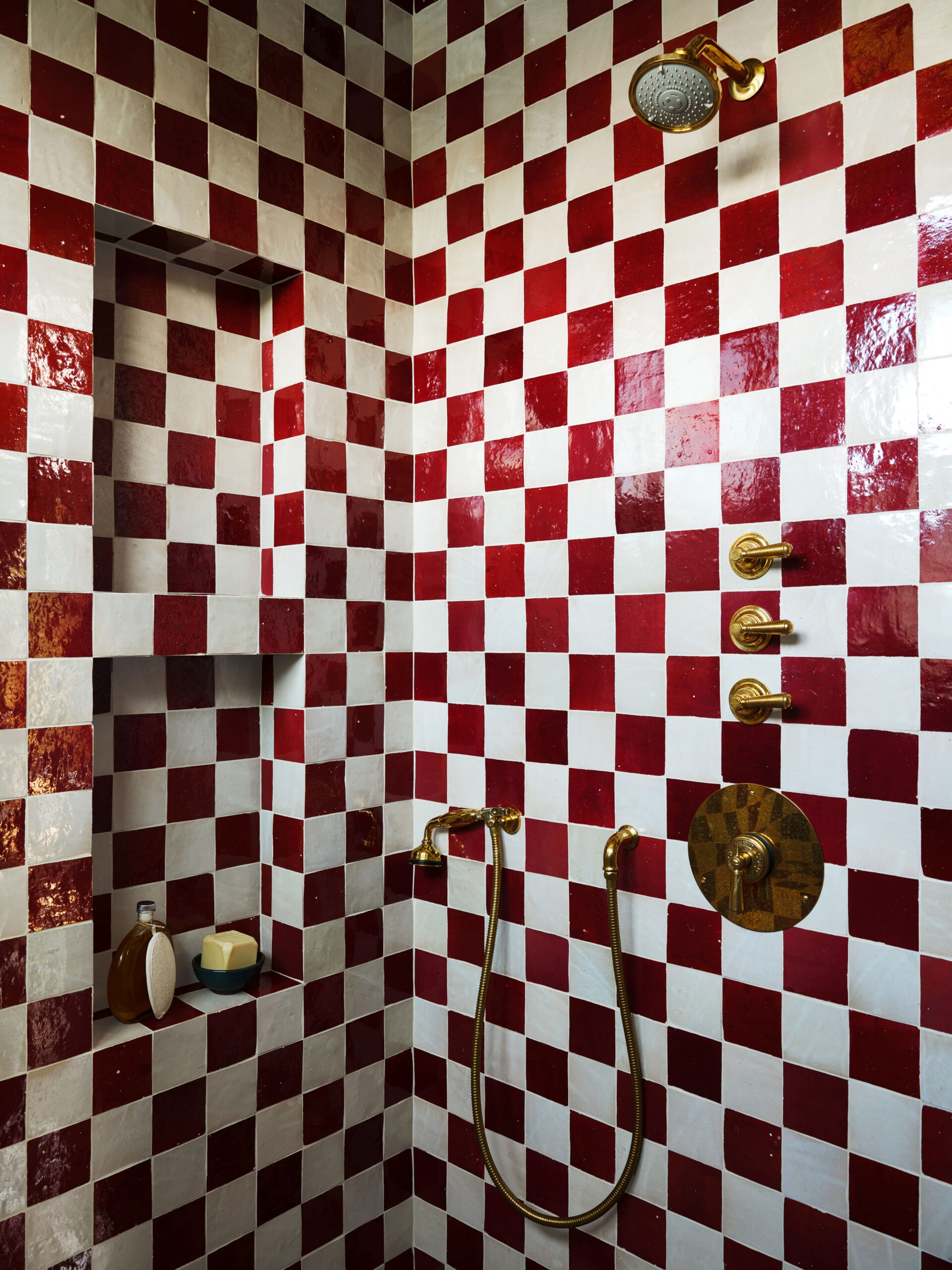
I have already mentioned how fanatically obsessed I have been with interior design over the past few months, and my algorithm is the leader of a cult I ultimately always submit to, one that never stops giving me exactly what I want before confronting me with the reality that some things are simply not possible. You cannot convince me that it is not possible for my family apartment to have a bathroom of some twenty square meters, fully clad in burgundy or dark green rectangular tiles. Well, what do I need besides several tens of thousands of euros? A girl can dream.
Related: Interior trends that defined 2025, according to Filip Rašković
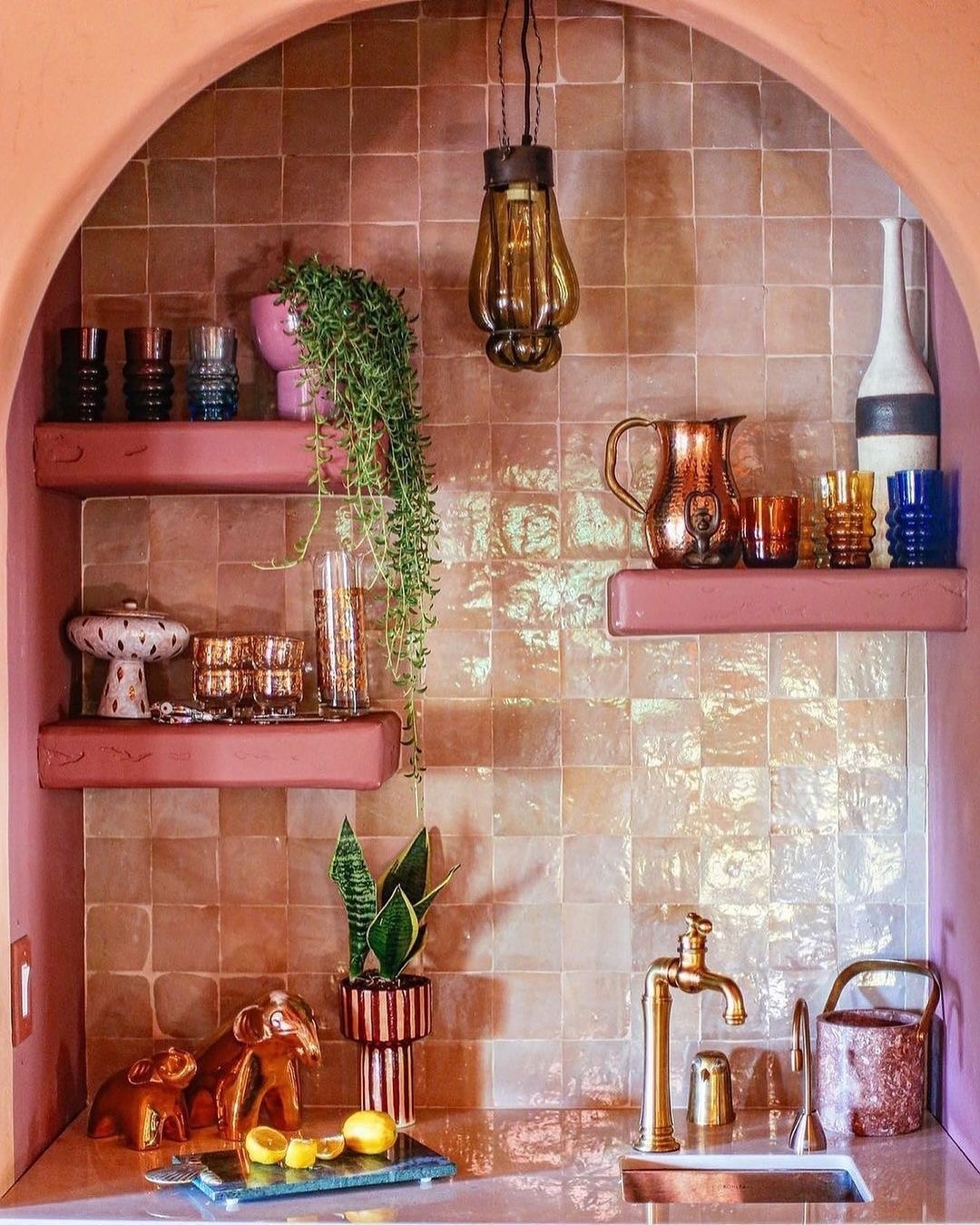
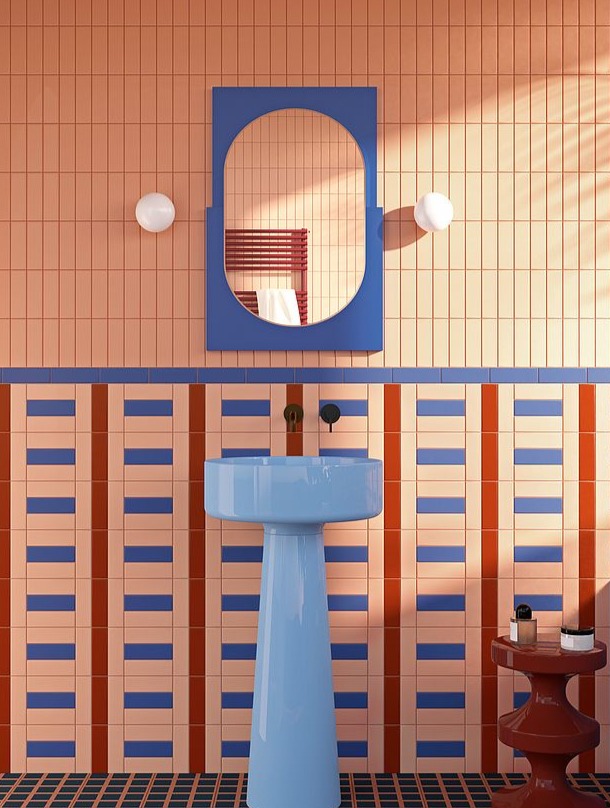
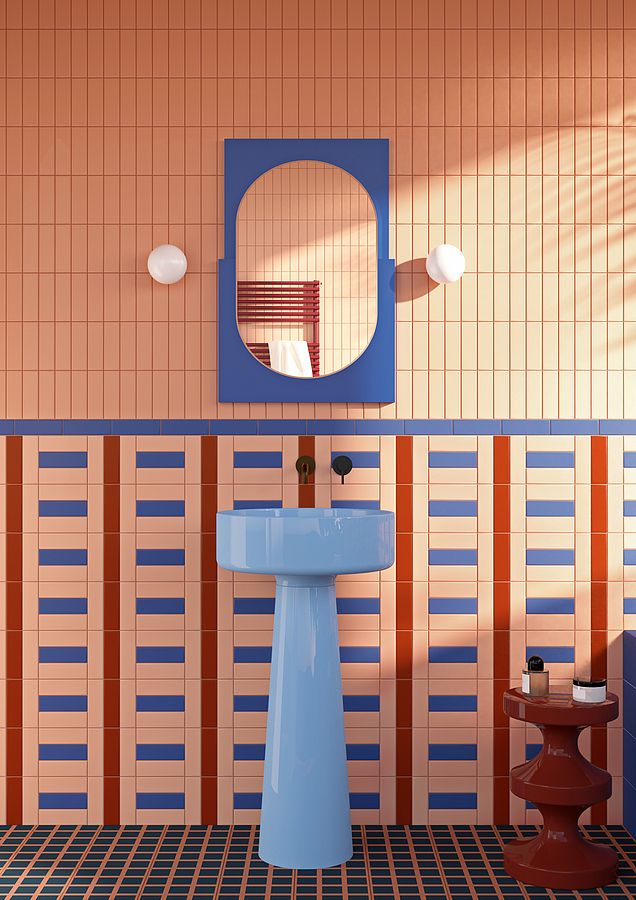
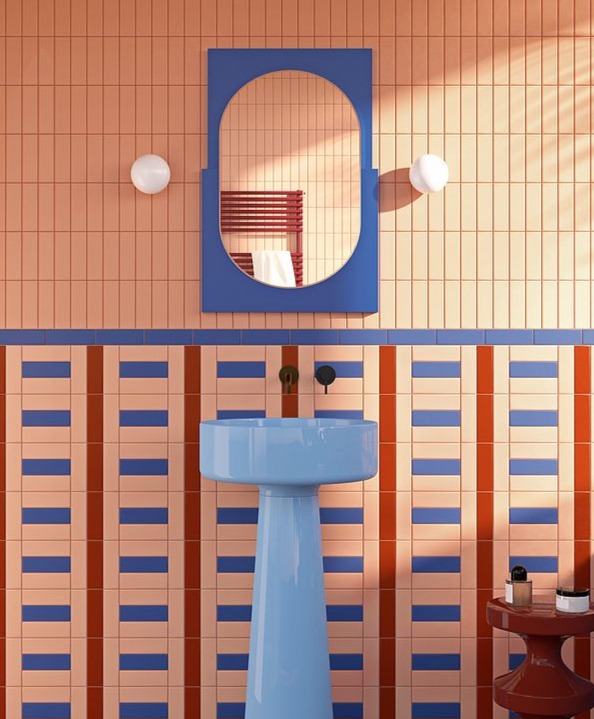
Tiles have been on the radar of many interior design enthusiasts over the past few months, and it seems that 2026 has not slowed their renewed emergence on the contemporary interior scene.
Tiles are one of those interior elements that today seem completely neutral, almost technical. We all know those boring white tiles in bathrooms and kitchens that recent inventions like Temu have allowed us to cover in various cheap alternative ways such as stickers. Yet tiles actually carry a very long and rich cultural history. Their story begins long before the modern bathroom and kitchen. What we really want is not the tiles themselves, although they are absolutely the star of this text, but if that is not your taste, the point is that uniqueness and carefully invested time are what stand behind the idea of bringing back precisely this kind of detail. We want a space into which we can imprint our own signature, where every color combination and every rhythm of pattern has its own story. These are the details we will talk about with friends over Sunday dinner in our new chic space, while hours later they will still be asking questions and looking for references on how to design their own homes in a similar manner. At least that is how my daydreaming processes look, when in the middle of the workday I drift off for a few minutes along the path of the all-powerful interior gods.
The first true predecessors of tiles appear as early as Mesopotamia, around 4000 BCE. Clay was fired and used to clad walls and floors, not only for durability but also for symbolism. In Babylon and Assyria, glazed bricks in blue and turquoise tones had both decorative and ritual roles. The Ishtar Gate is perhaps the most famous example, architecture dressed in color and ornament. In the ancient world, especially in Rome, tiles and mosaics became an integral part of everyday life for the wealthier classes. The floors of villas, baths, and public buildings were covered with mosaics made of stone and ceramic. Here, for the first time, the connection between function and aesthetics becomes clearly visible: easy maintenance, resistance to moisture, and the ability to tell a story or display status through ornament.
Related: How social media is shaping the way our homes will look in 2026
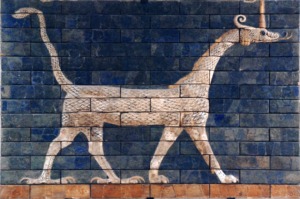
Dragon of the Ishtar Gate
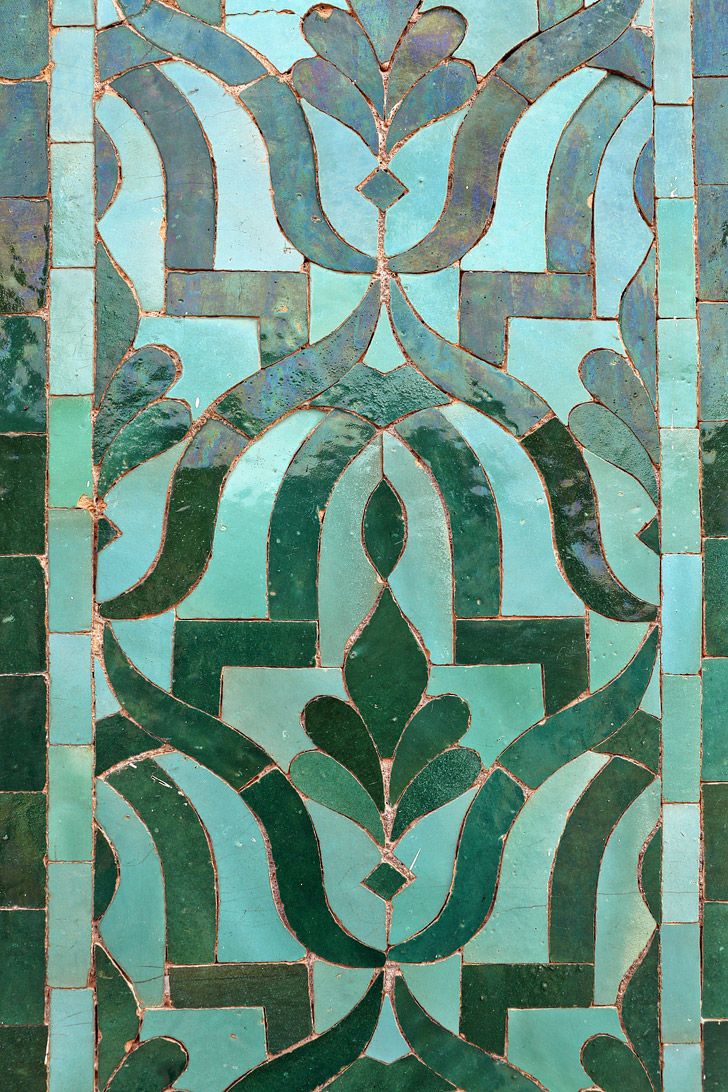
In the medieval Islamic world, ceramic tiles experienced a true flourishing. In Persia, Andalusia, and the Ottoman Empire, complex geometric and floral motifs developed, often in blue and white combinations. Due to the prohibition of figurative representation in a religious context, tiles became a perfect field for abstraction, rhythm, and mathematical precision. The wall was no longer just a surface, but a visual text. Late medieval and Renaissance Europe adopted these techniques through maiolica and azulejos. In Italy and Spain, tiles entered palaces and churches, and later private homes as well. They were no longer exclusively a luxury, but they still carried the idea of ornament and spatial identity. In seventeenth-century Holland, blue and white tiles depicting scenes from everyday life became an almost narrative medium on kitchen walls.
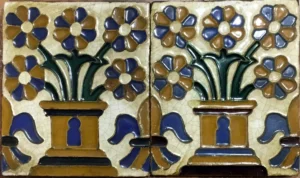
Arista tiles, Seville 16th century
The Industrial Revolution changed everything. Mass production in the nineteenth century made tiles accessible to a broader population. In Victorian England and later across Europe, they became a symbol of hygiene, order, and modernity. Bathrooms, hospitals, and metro stations were clad in ceramic because it was easy to clean and appeared “healthy.” Ornament became standardized, but tiles entered every home. Modernism in the twentieth century simplified them even further. White tile, clean lines, absence of decoration. The interior was meant to be rational, functional, almost anonymous. Kitchens and bathrooms became spaces of cleanliness, and the tile was the ideal carrier of that ideology. Only at the end of the twentieth and the beginning of the twenty-first century did color, texture, and reference return. Handcrafted tiles, cement imitations, terracotta, patchwork patterns, and digitally printed motifs brought tiles back into the realm of expression. Today, they can simultaneously be a neutral background and the main visual accent of a space.
Related: The return of 70s space-age interiors, revived by one essential chair
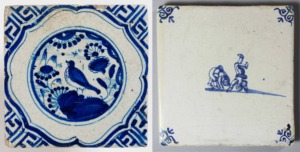
From left to right: Tiles, 1620–40, Holland. Museum no. C.516:4-1923. © Victoria and Albert Museum, London; Tiles, 1650–1750, Holland. Museum no. C.6M-1968. © Victoria and Albert Museum, London
It is interesting that throughout history tiles have constantly balanced between pure function and strong symbolism. From sacred gates and palaces, through bourgeois kitchens, to contemporary apartments, they form a colorful and complex archive of how we live, what we consider beautiful, and how we understand space.
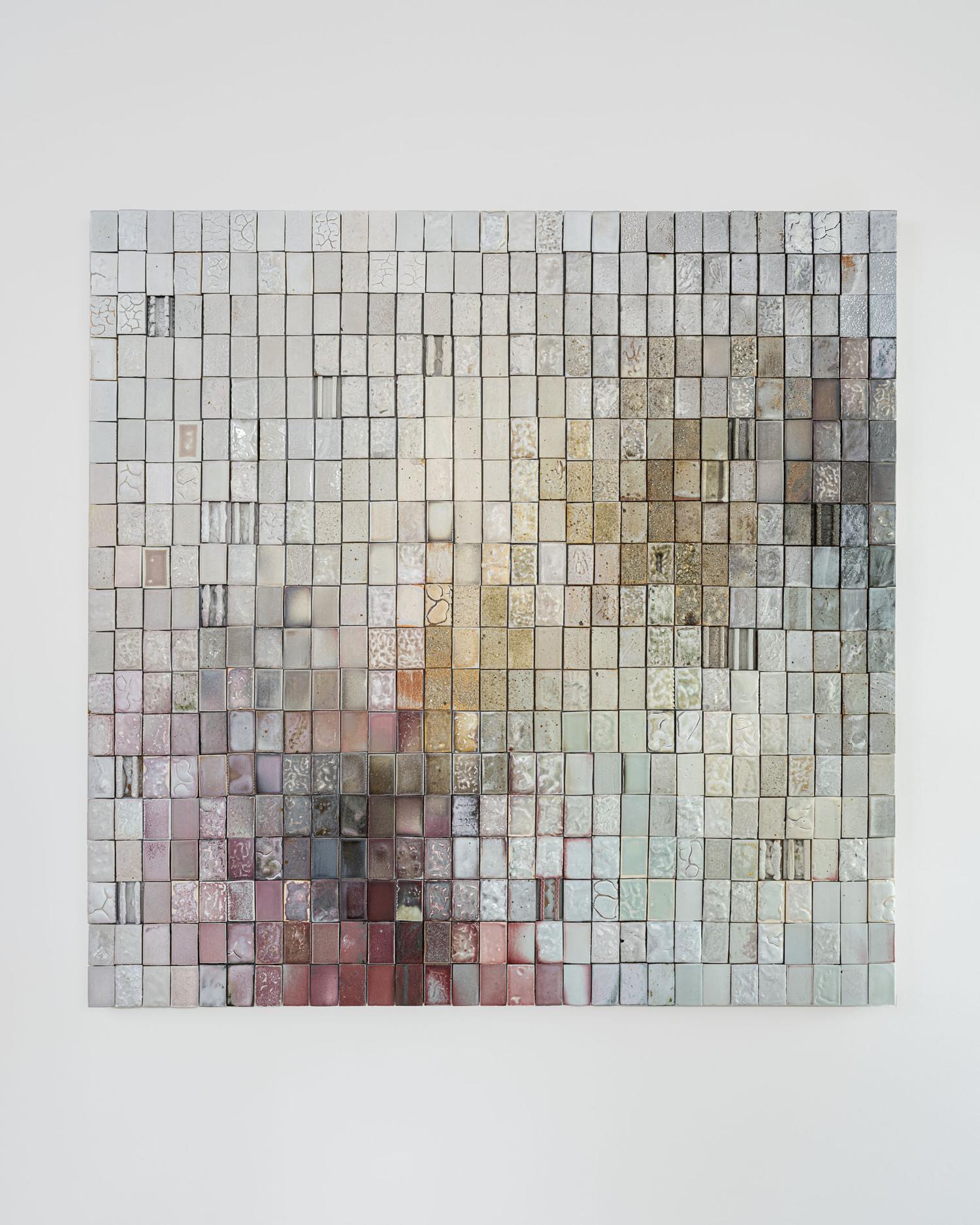
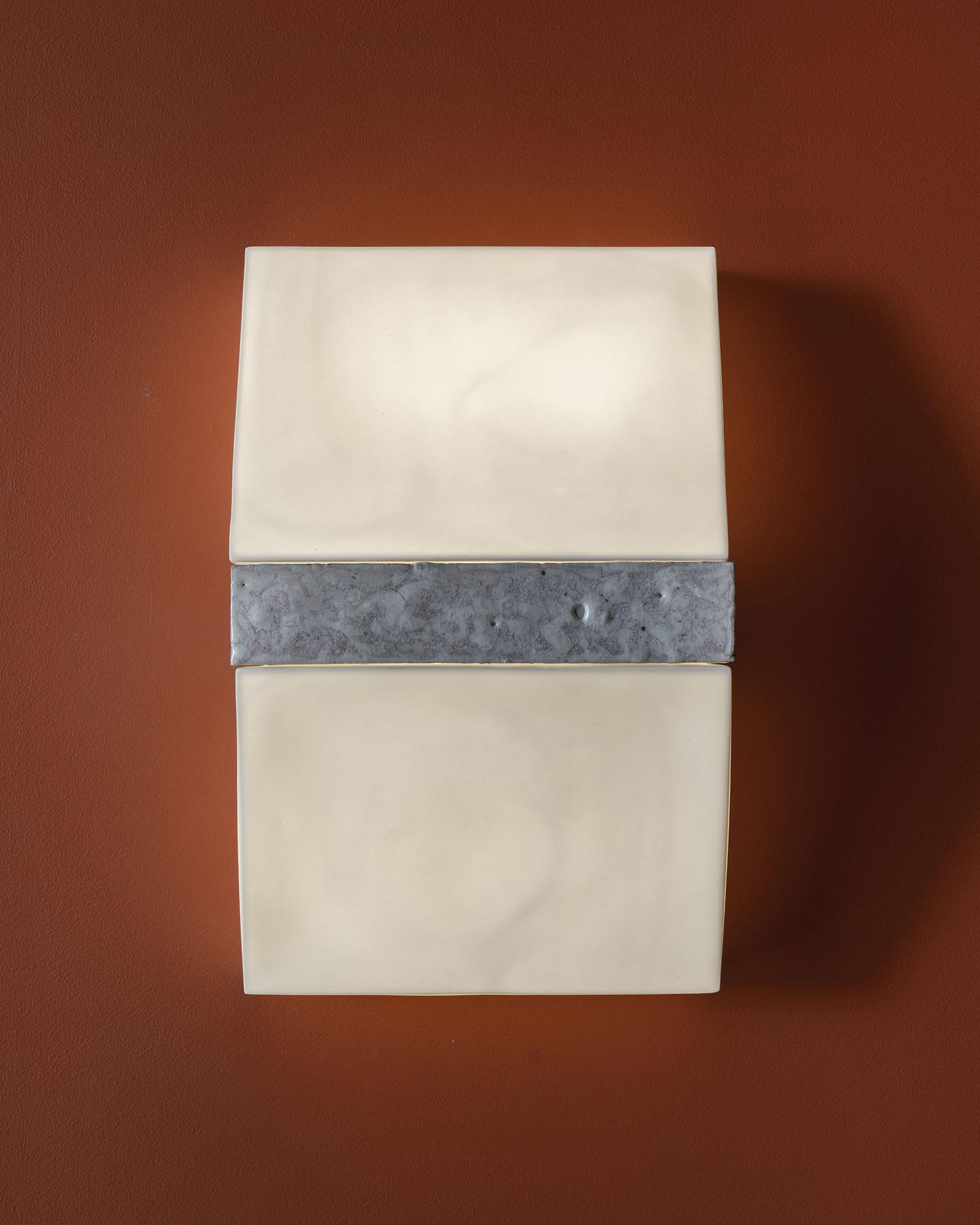
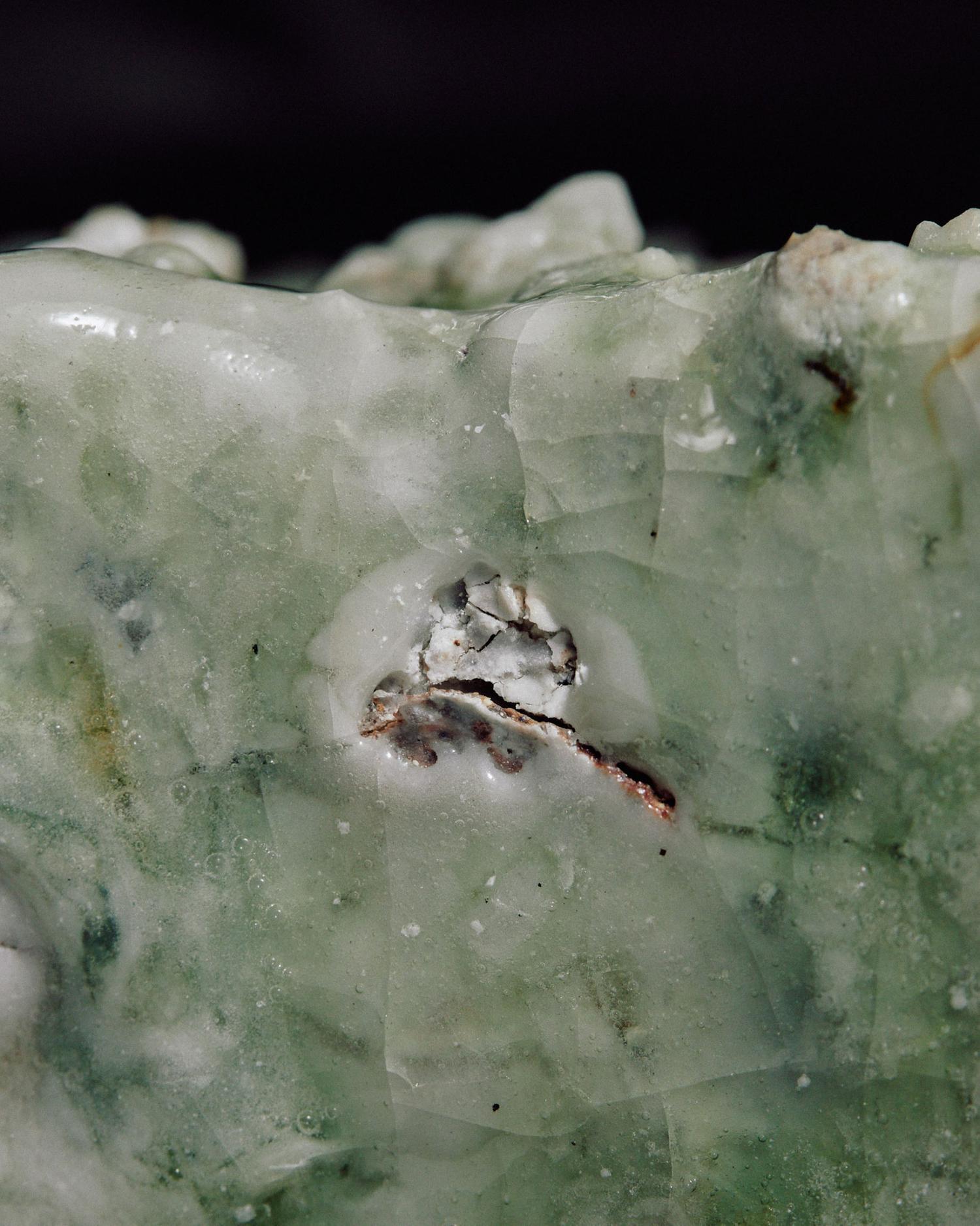
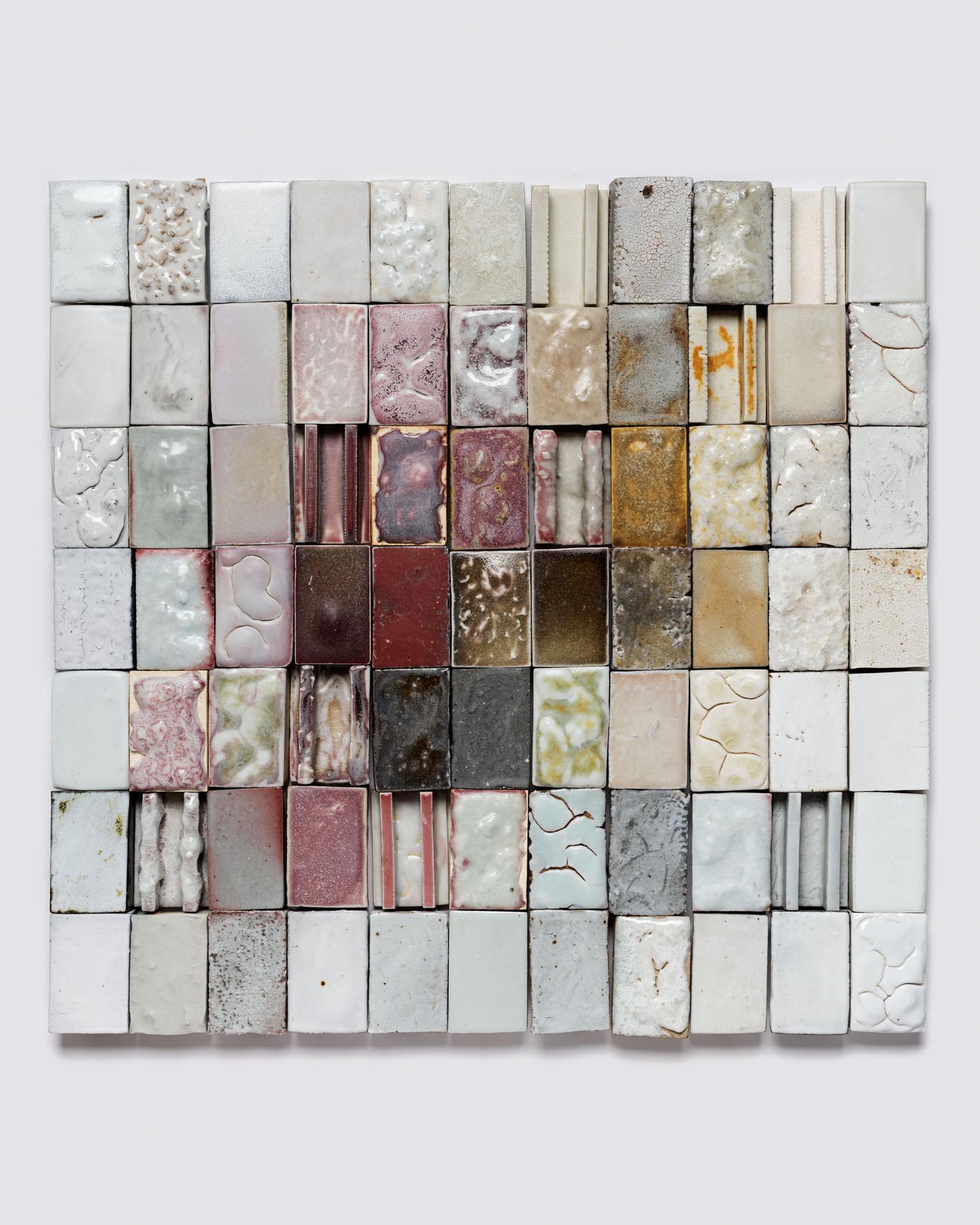
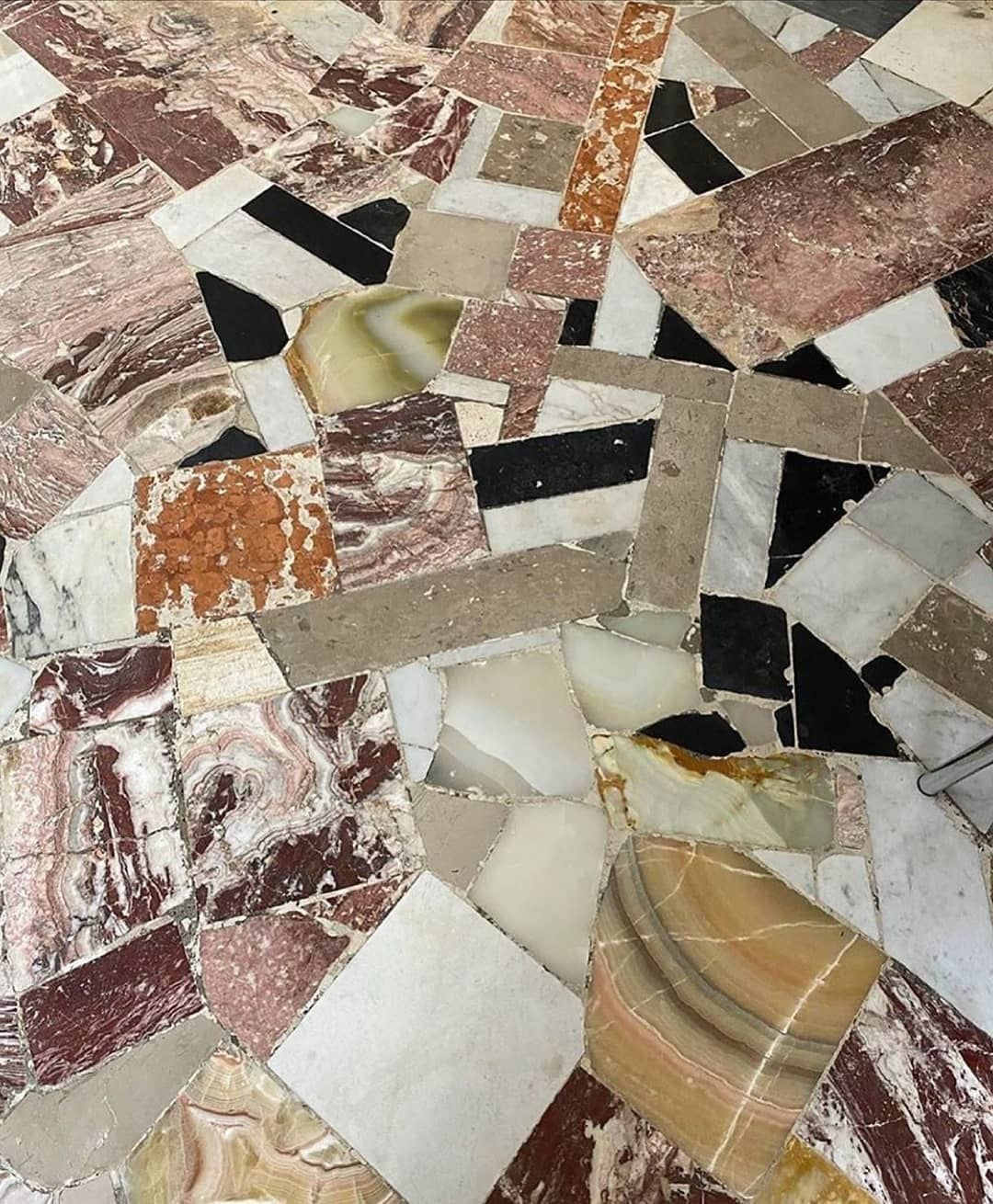
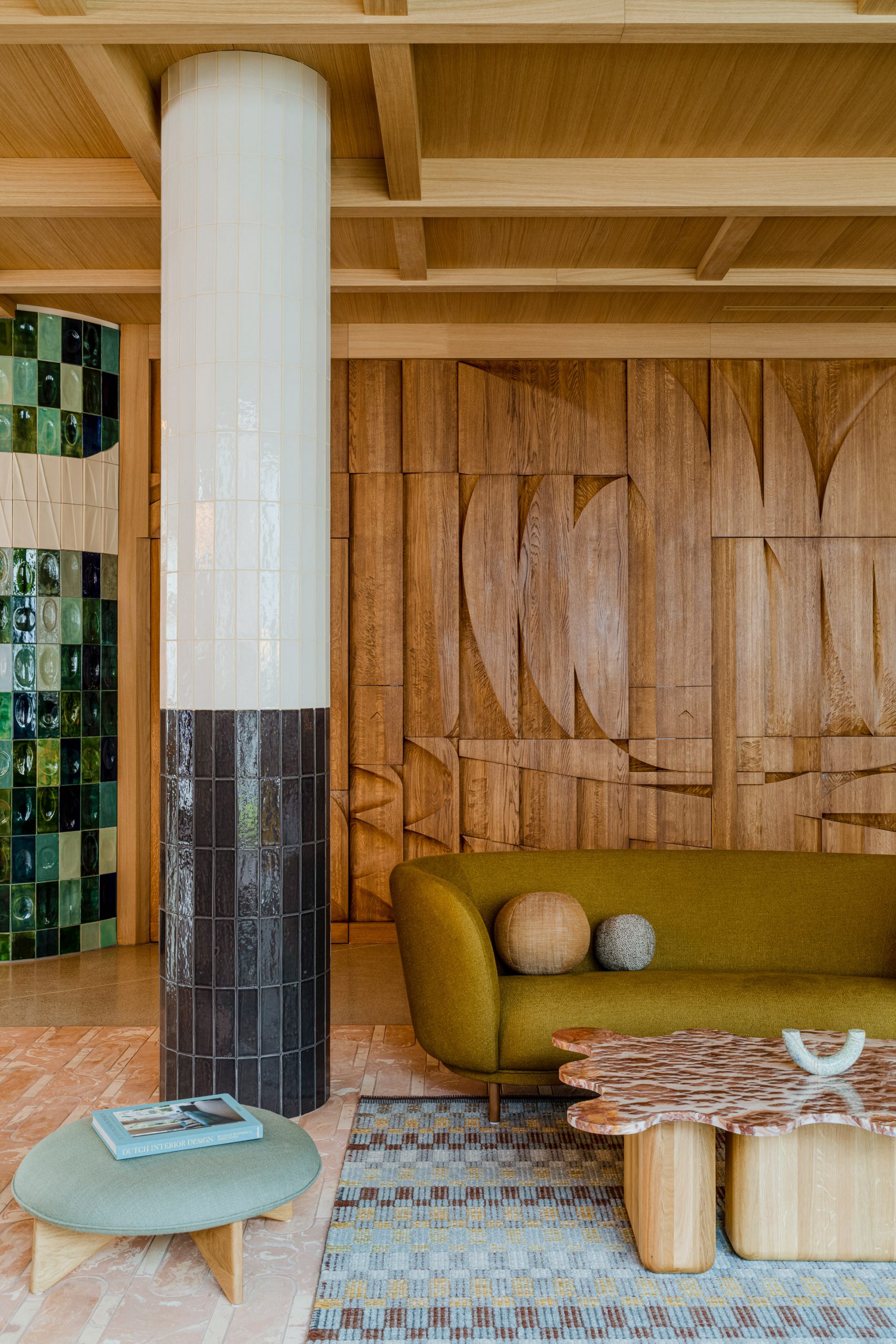
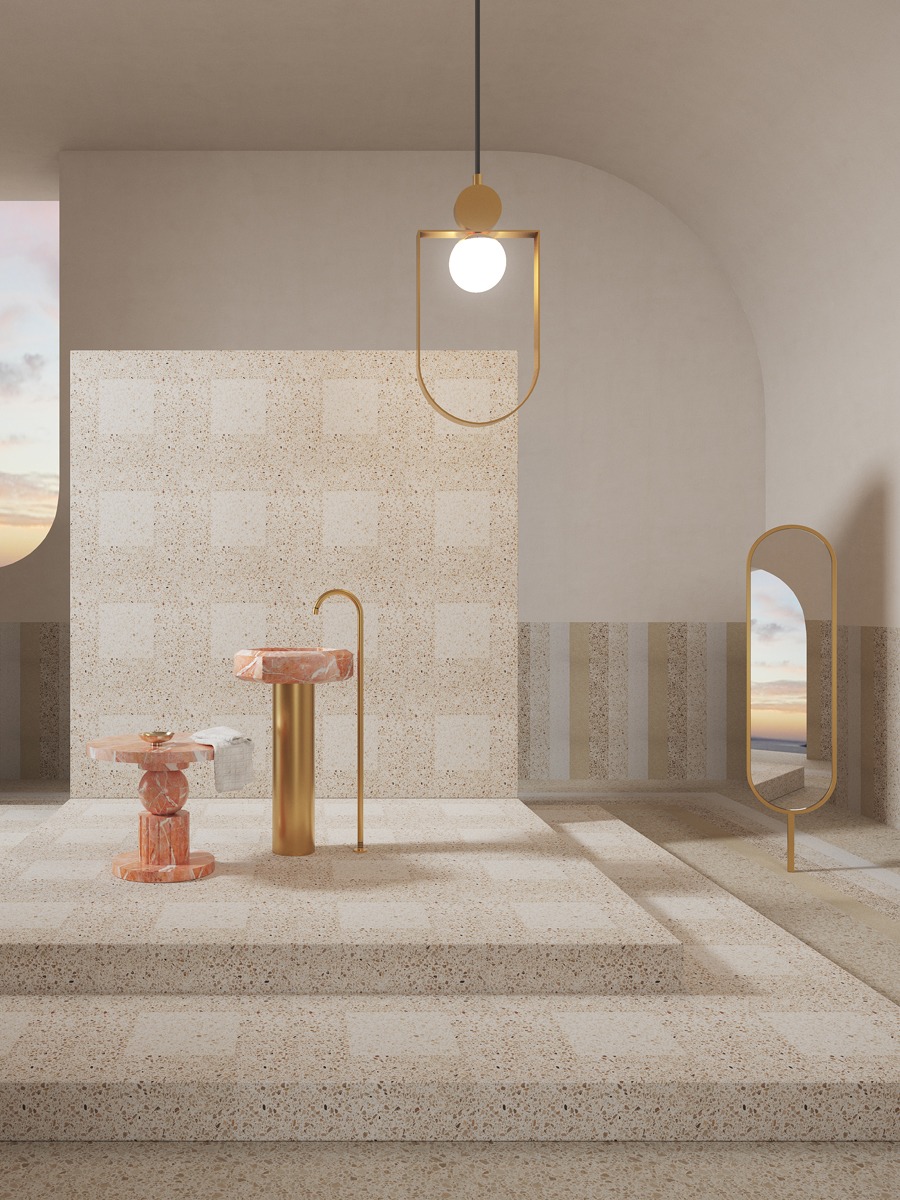
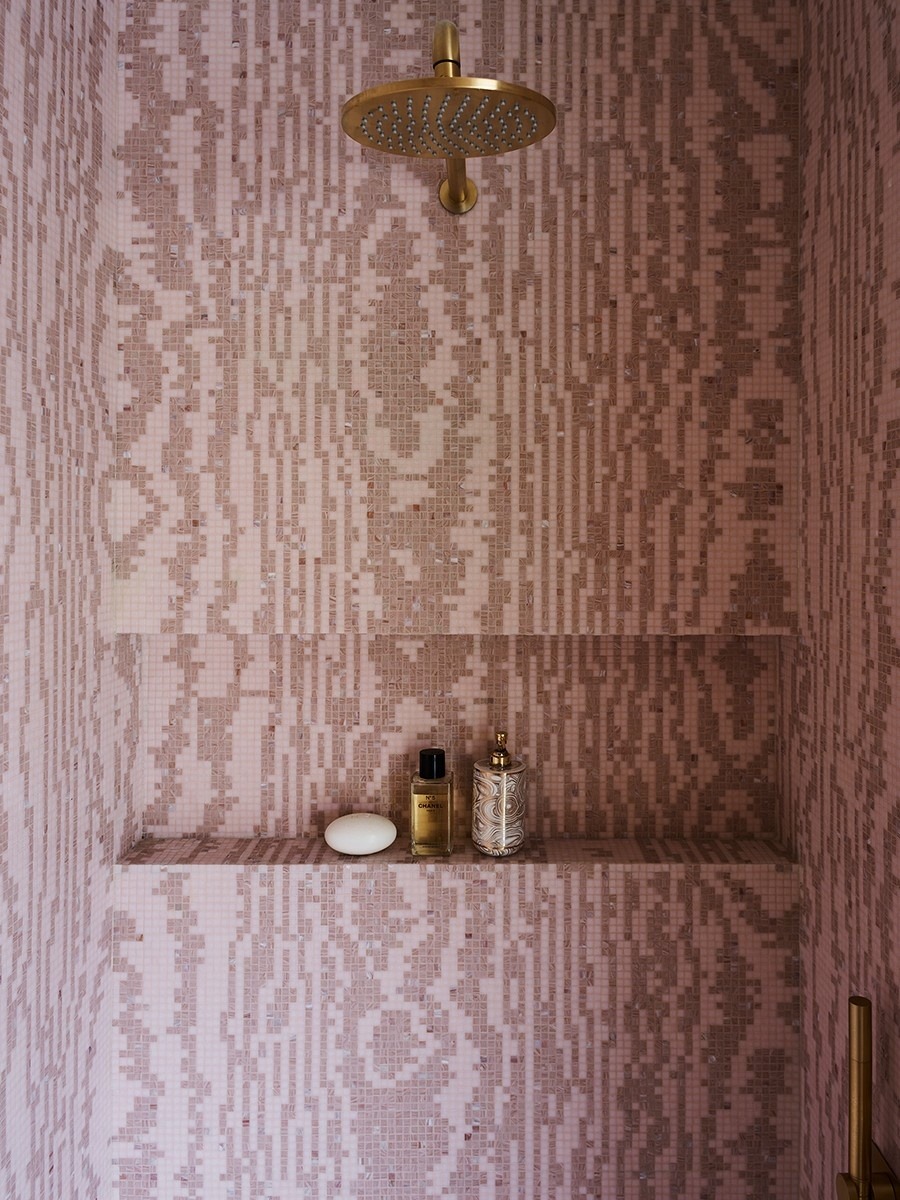
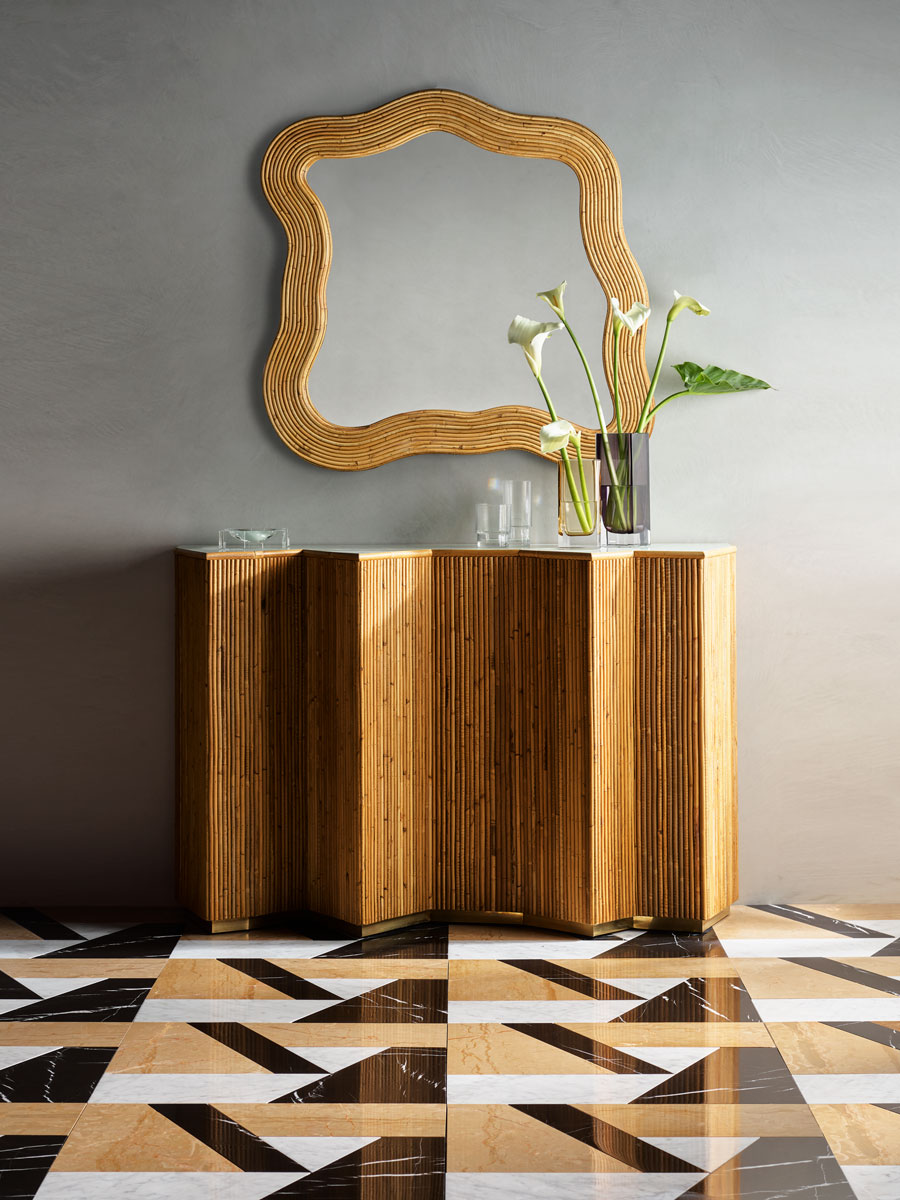
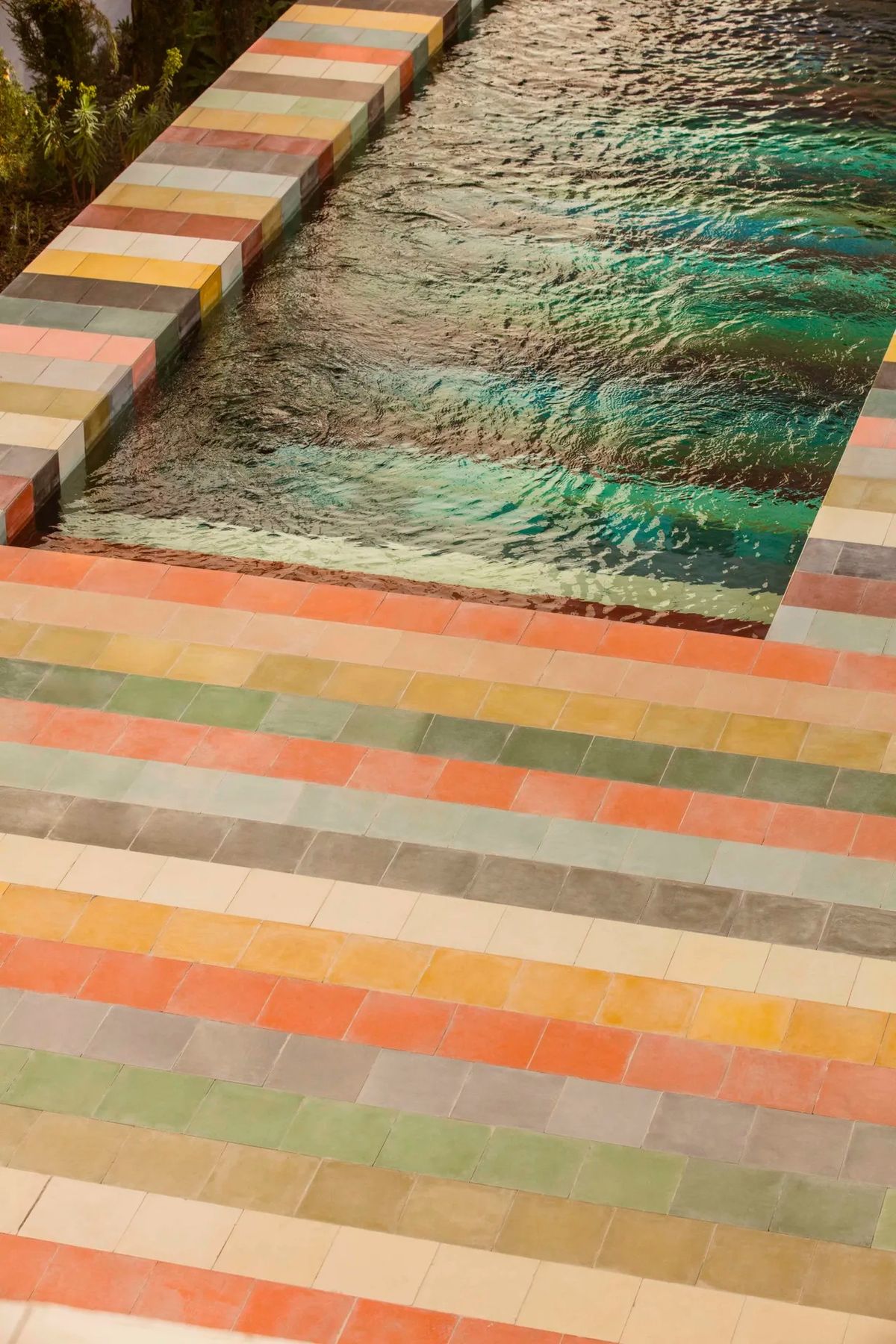
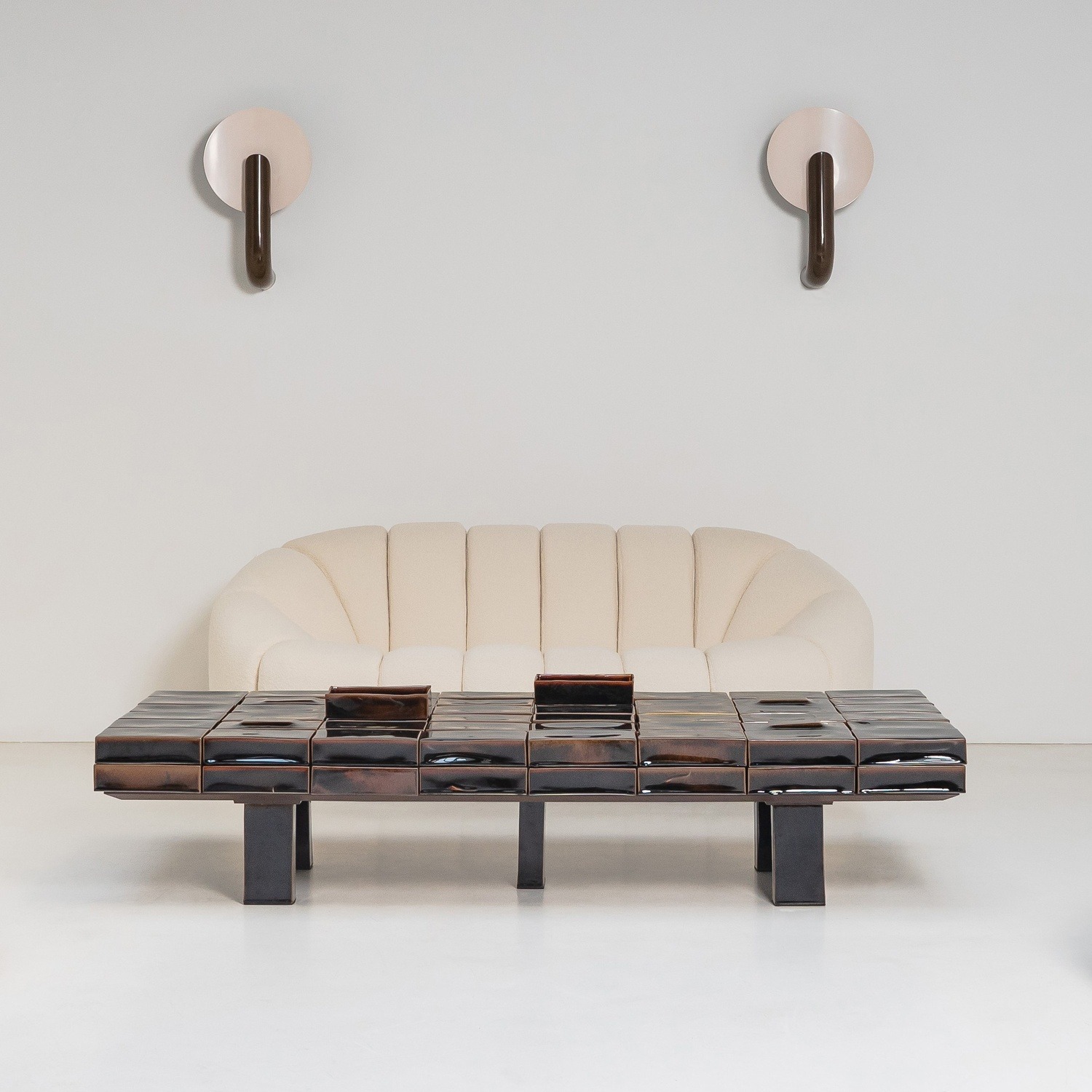
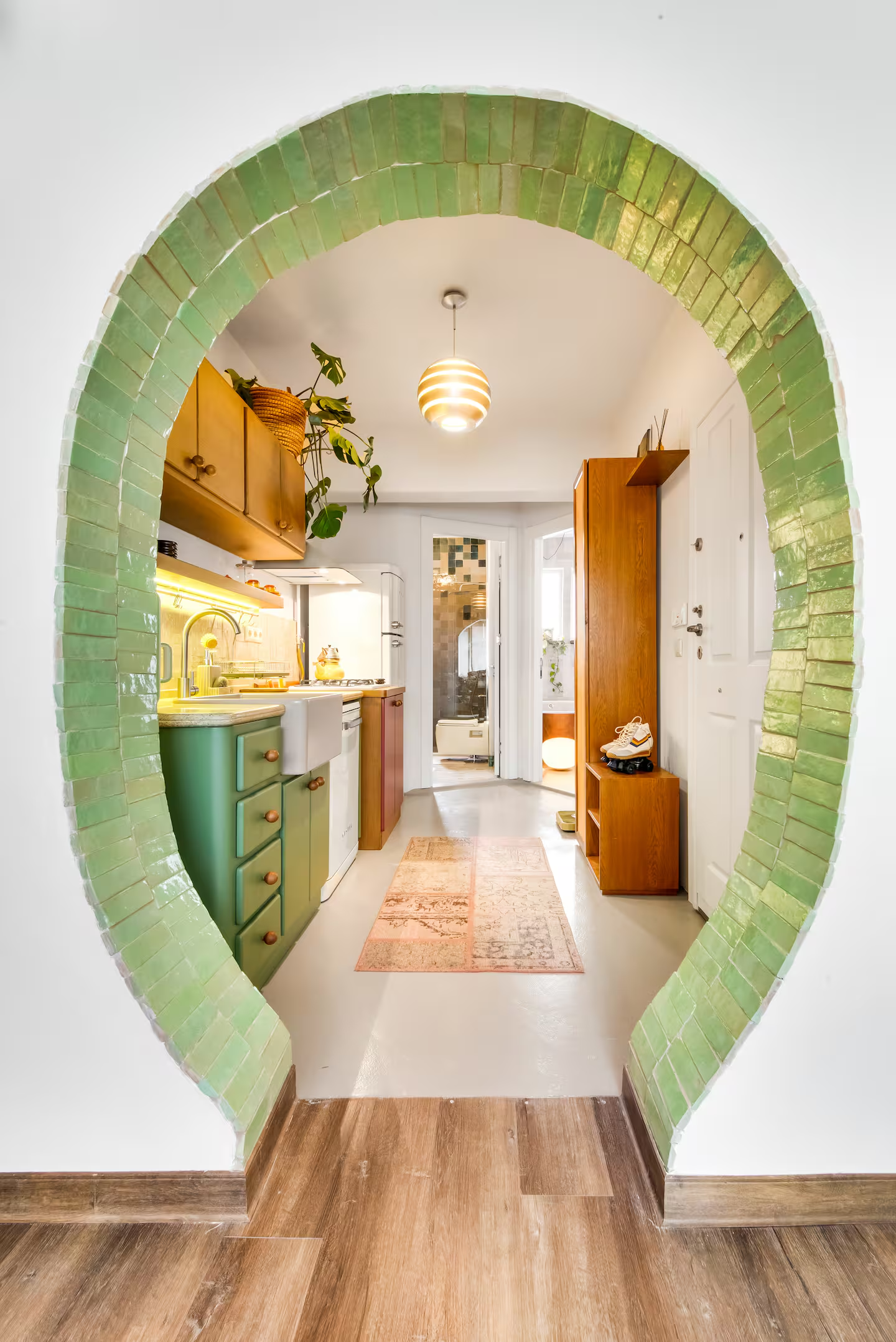
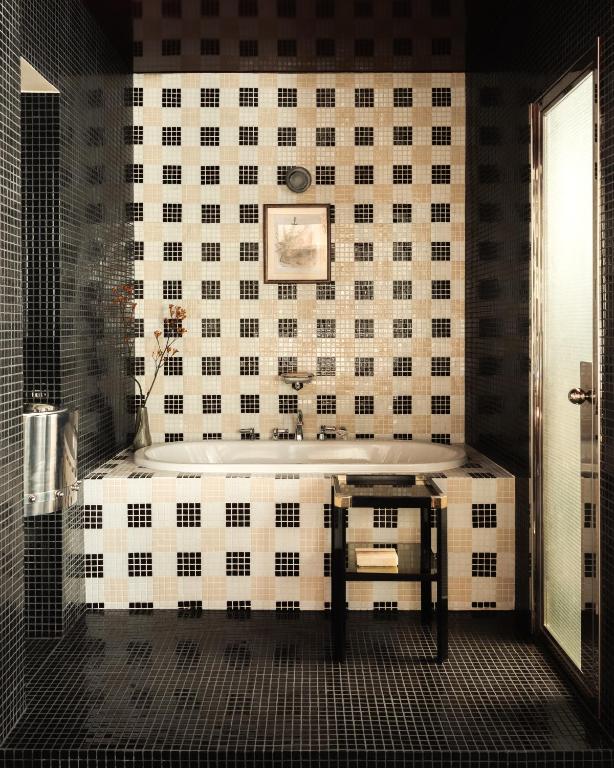
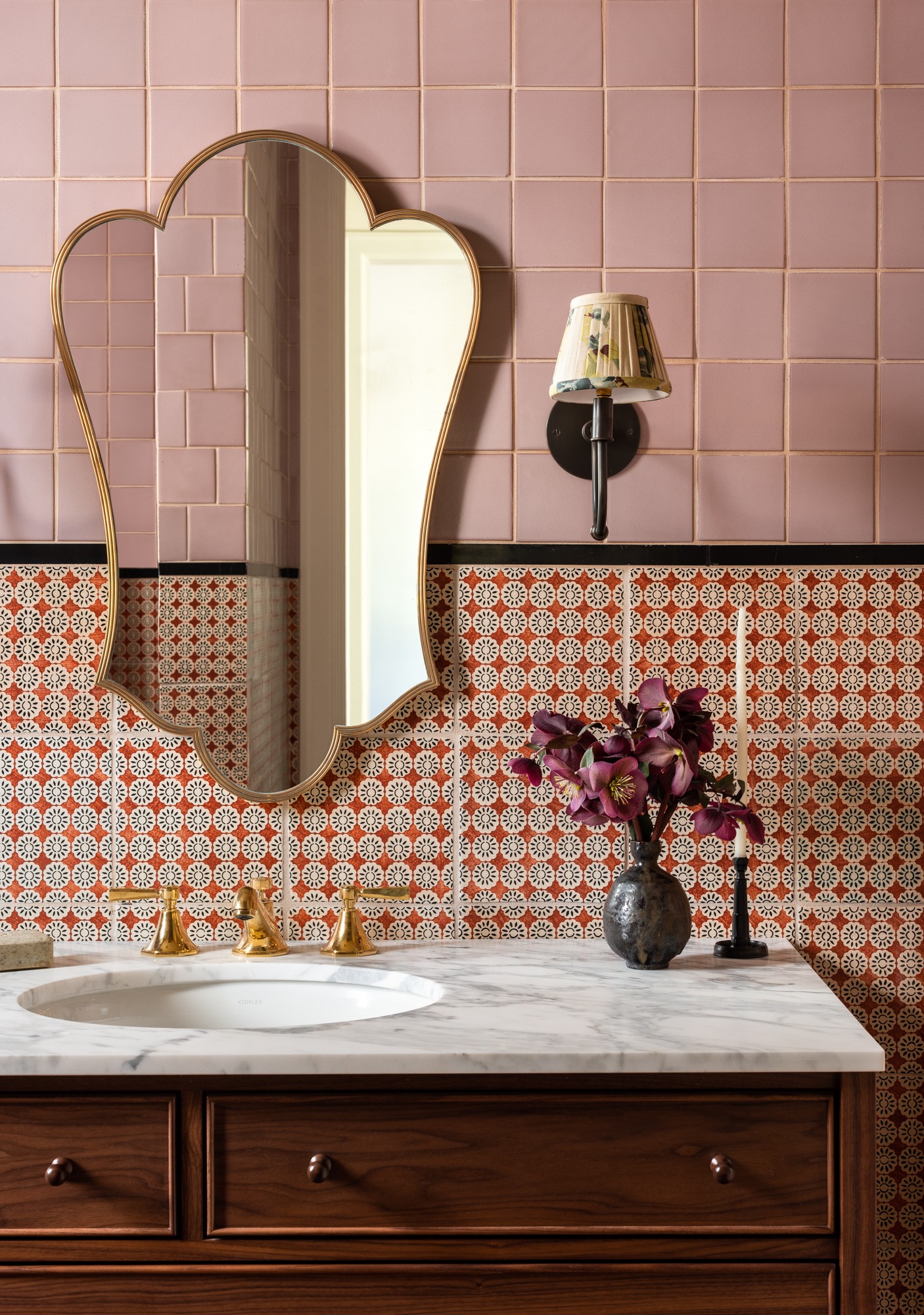
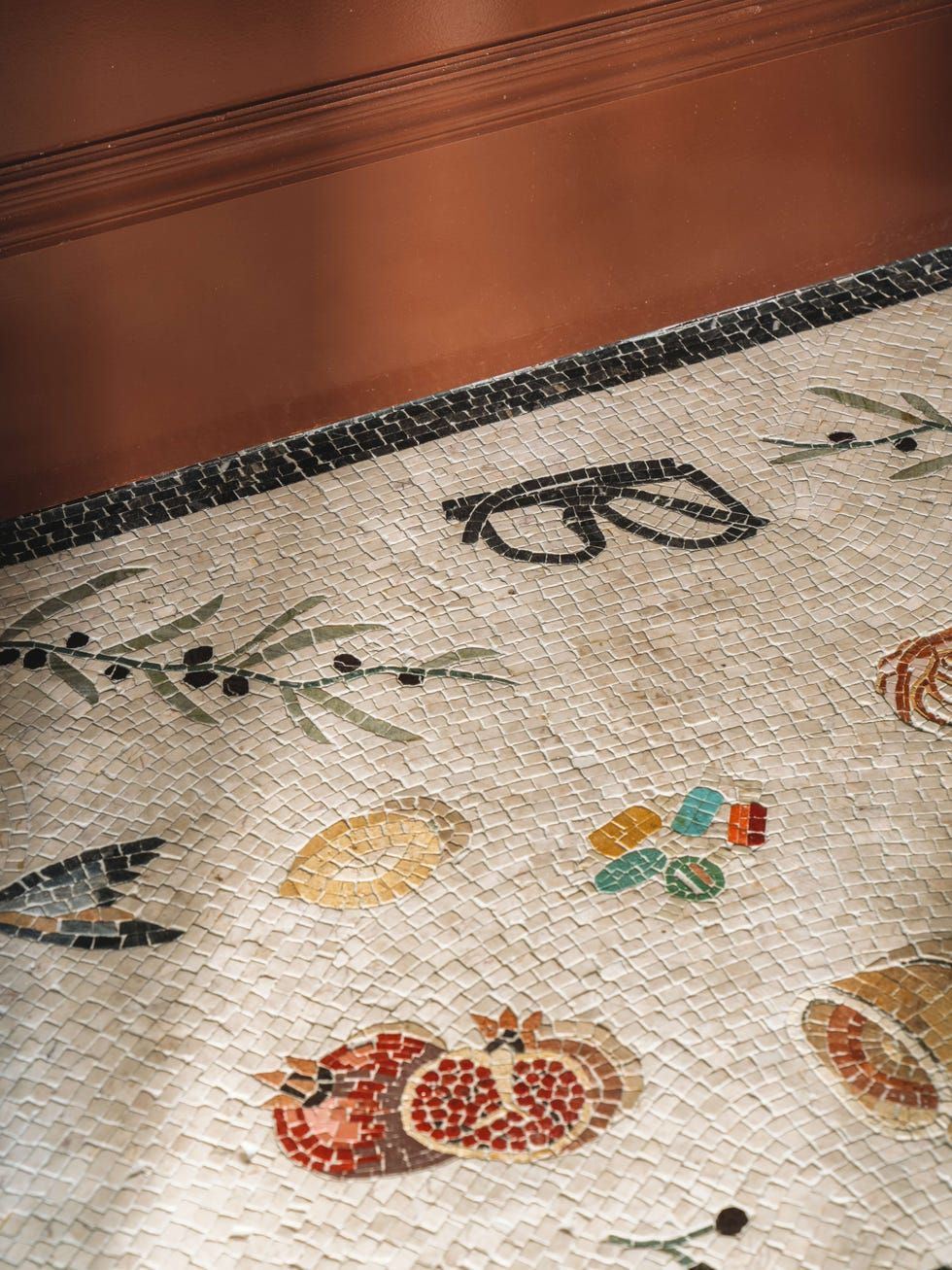
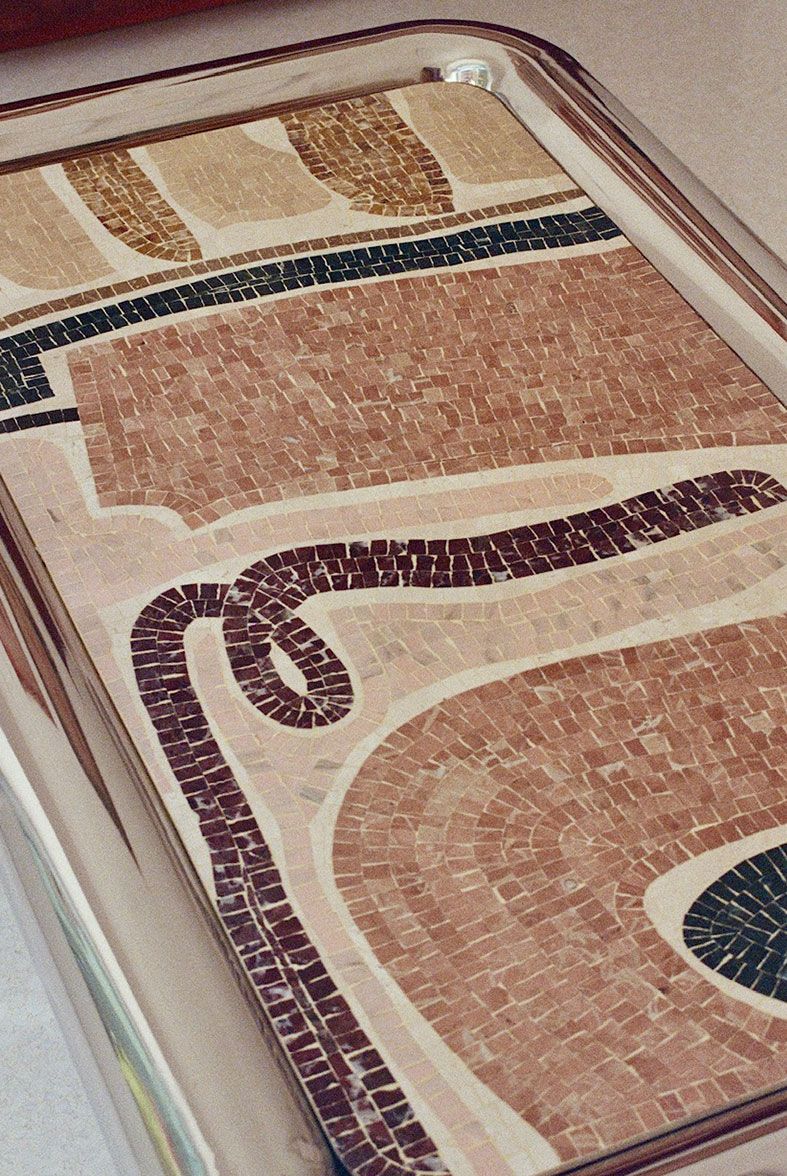
I have always been drawn to the tactility of surfaces and materials, the fact that something can be perfectly regular yet also slightly crooked, cracked, chipped, or marked by small imperfections that make it special. In that sense, I see tiles as an equal decorative element, not something chosen at the end out of necessity or purely for practicality. Below, I share ideas for everyone who wants to introduce this ancient detail into their spaces, either subtly or as a clear visual accent. Tiles today do not have to be reserved only for the bathroom or kitchen, and trust me, you will want them everywhere. They can appear on the living room wall, in the hallway, as a frame around a fireplace or side table, or even as an improvised wall artwork.
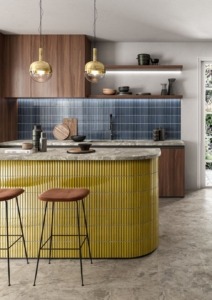
@stonsrl
Of course, if you are creative and have the time and patience to improvise and embark on DIY projects, I suggest making that your resolution for 2026. Playing with tiles, combining them, recycling them, or installing them by hand can be a slow process, but did we not say that this year we would make time for hobbies and slow down? Or was that, it seems, just me?