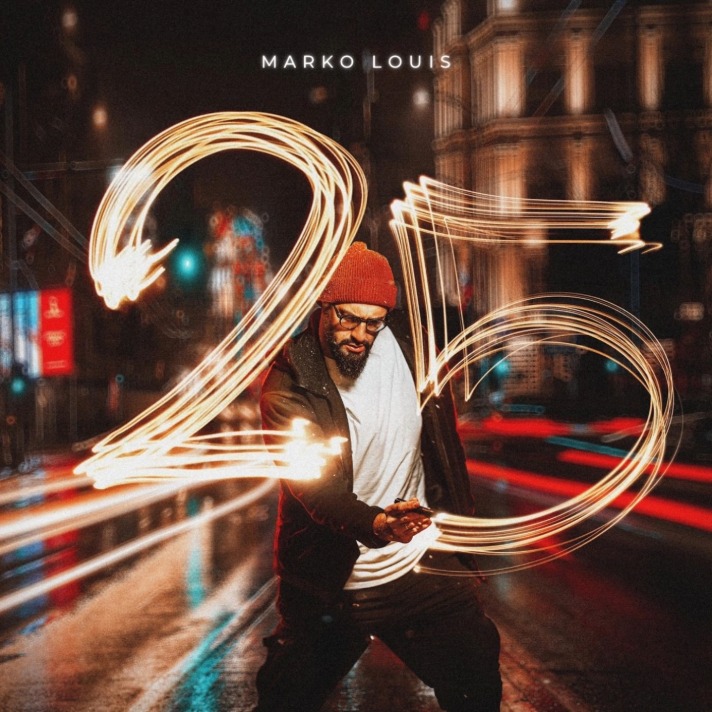
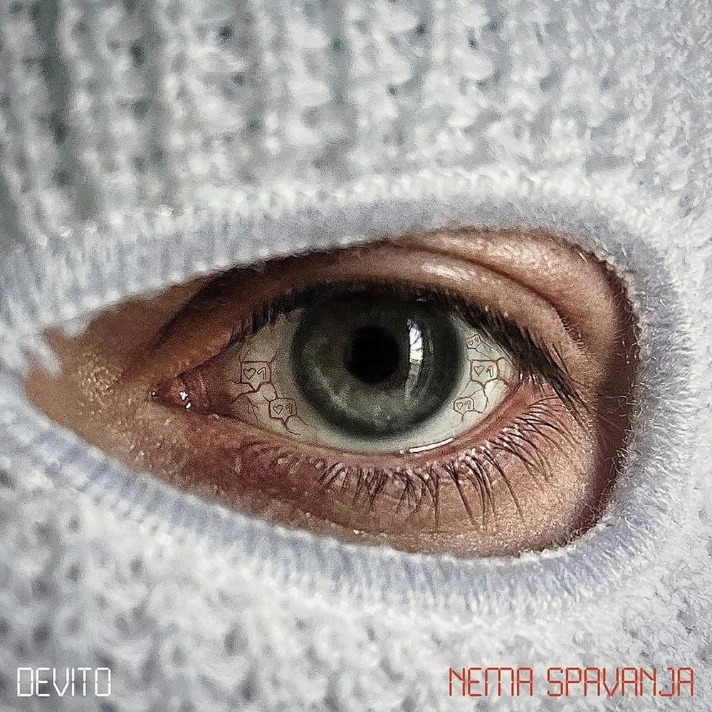
Annual overviews of regional music today function less as competitions and more as attempts to understand the moment we’re living in. The albums that last aren’t necessarily the ones dominating the numbers, but those that manage to clearly articulate the emotions, identities, and tensions of the contemporary regional context. They reflect both personal experience and a broader social framework, which is what makes them relevant beyond the moment of their release. That’s precisely why I’ve always found it interesting how and where I discover the music that stays with me throughout the year, and whose way of thinking about music feels close to my own. One of those moments happened completely by chance, while doomscrolling on TikTok. I first noticed Aleksa Simić through a video in which he recommended listening to Jymenik’s then-new album. It turned out to be my favorite regional release of the year, but more importantly, that video made me pay attention to the way Aleksa talks about music. Beyond the fact that we share a name, it quickly became clear that we think in similar ways. We don’t view music in isolation, but in relation to the moment it’s created, the context in which it’s heard, and the personal experience it carries. His reflections don’t stop at sound alone, but move into a wider cultural and emotional reading of albums, treating them as snapshots of society, generations, and personal turning points.
That’s exactly why Aleksa is selecting the best regional albums of 2025 this year. His choice doesn’t aim to explain the regional scene as a whole, but to portray it through albums that, each in their own way, captured the spirit of 2025. What follows isn’t a ranked list, but a carefully guided narrative of how the region sounds, feels, and thinks today.
If 2025 could be summed up in a single sentence, it would be the year mainstream artists realized how essential it is to find their own sound and boldly carve out their path, staying aware of what audiences love while still offering a clear concept and a personal signature. At the same time, underground artists recognized that social media allows them to reach wider audiences without the limitations imposed by traditional media and their genre or stylistic boundaries.
Looking ahead, the coming year already feels full of promise, marked by singles released on their own or as part of EPs, mixtapes, and album reissues. From all of these artists, we can expect a powerful 2026, along with albums that will undoubtedly shape the musical pulse of the region and continue to define what the modern sound of the Balkans looks like in what is now the second quarter of the 21st century.