Everyone is still talking about sourdough bread, and we have the simplest recipe
Tina KovačićekJanuary 16, 2026

January 16, 2026
The other day in Los Angeles, several familiar faces were spotted leaving the private Bird Streets Club in West Hollywood with loaves of sourdough bread in hand. Bieber and the Kardashian-Jenner crowd regularly drop by there. I have not been, but colleagues from American Vogue have the proof. Wrapped sourdough loaves ended up in the hands of the currently globally popular Sombr, Este Haim and her newlywed husband Jonathan Levin, as well as Alana and Danielle Haim. Beyond Vogue colleagues charmingly calling it a new accessory trend, the fact that the bread was baked by Taylor Swift confirms the famous musician’s favorite hobby, baking.
Last year, Swift admitted on Kelce’s New Heights podcast that many of her interests could be classified as hobbies one might have had in the 18th century, and besides baking, the musician loves sewing and painting. At the time, she revealed that every six months she “gets stuck in a new culinary hyperfixation”, and that she is currently devoted to a “sourdough obsession”. As Vogue reports, she told the podcast hosts, the Kelce brothers: “I’m constantly baking bread and texting friends things like, ‘Can I send you some bread? I need feedback. Do you like this one more than the previous one? I did the fermentation a little differently,’” she said. “I’m on sourdough blogs. There’s a whole community of us.”
Somewhere around here, I leave the story of Swift behind and turn to the local sourdough scene, bread that never really stopped being trendy. Sourdough culture reminds me of slower ways of living, the cooking of our grandmothers, and traditions before precise recipes. In a world of algorithms, notifications, and instant solutions, sourdough is a return to something you cannot hack, says Janja Benić, my go-to person on the subject, whose workshops sell out months in advance. Bacteria and yeast have their own rhythm, they don’t care about your schedule or hurry. That’s why time is an ingredient, not a variable.
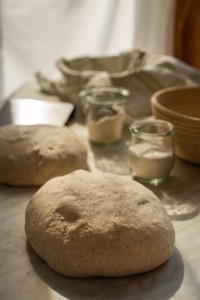
Photo: Janja Benić
And it all makes sense to me – putting effort into something patiently and attentively, when today our attention rarely lasts longer than a TikTok blink, and waiting for the result. Many hobbies today are dedicated precisely to meditation and the return of patience. I often say that sourdough has become a metaphor for success for me. Not because it brought me visible results, but because it taught me how to stay in the process even when there are no guarantees. For me, it has become an almost meditative experience that demands my presence, working with my hands, noticing small changes in the smell and texture of the dough.
Unlike industrial bread, designed to be fast, reliable, and always the same, sourdough is unpredictable. It depends on the weather, the air, the flour, the starter’s mood, and even your own pace. You have to listen to the dough and understand what it means to wait for the right moment, not the perfect recipe. Now that I had delved into the philosophy of bread, I thought I needed a sourdough recipe, so Taylor Swift and I could tackle the same hobby. Janja Benić was my invaluable interlocutor.
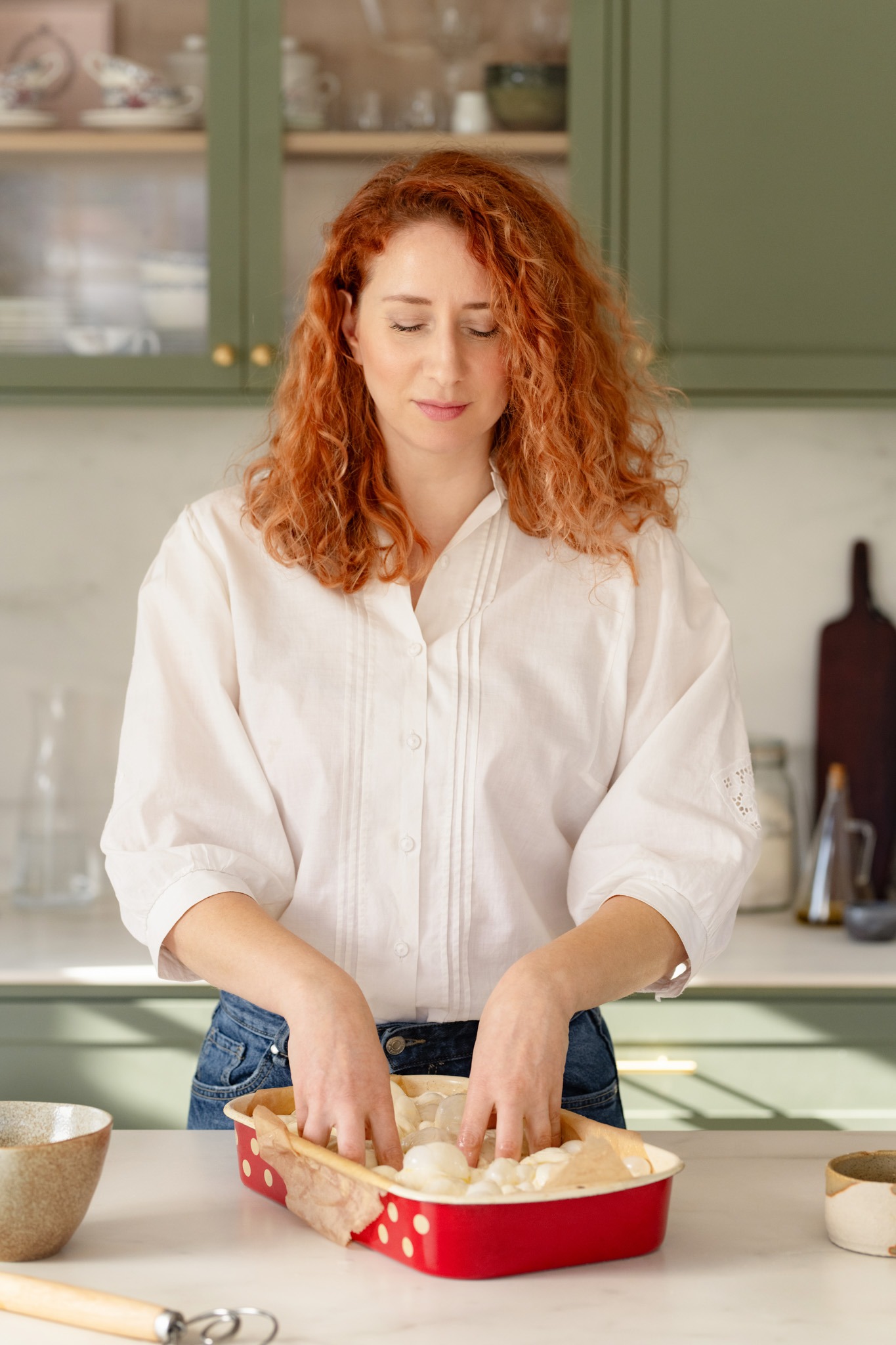
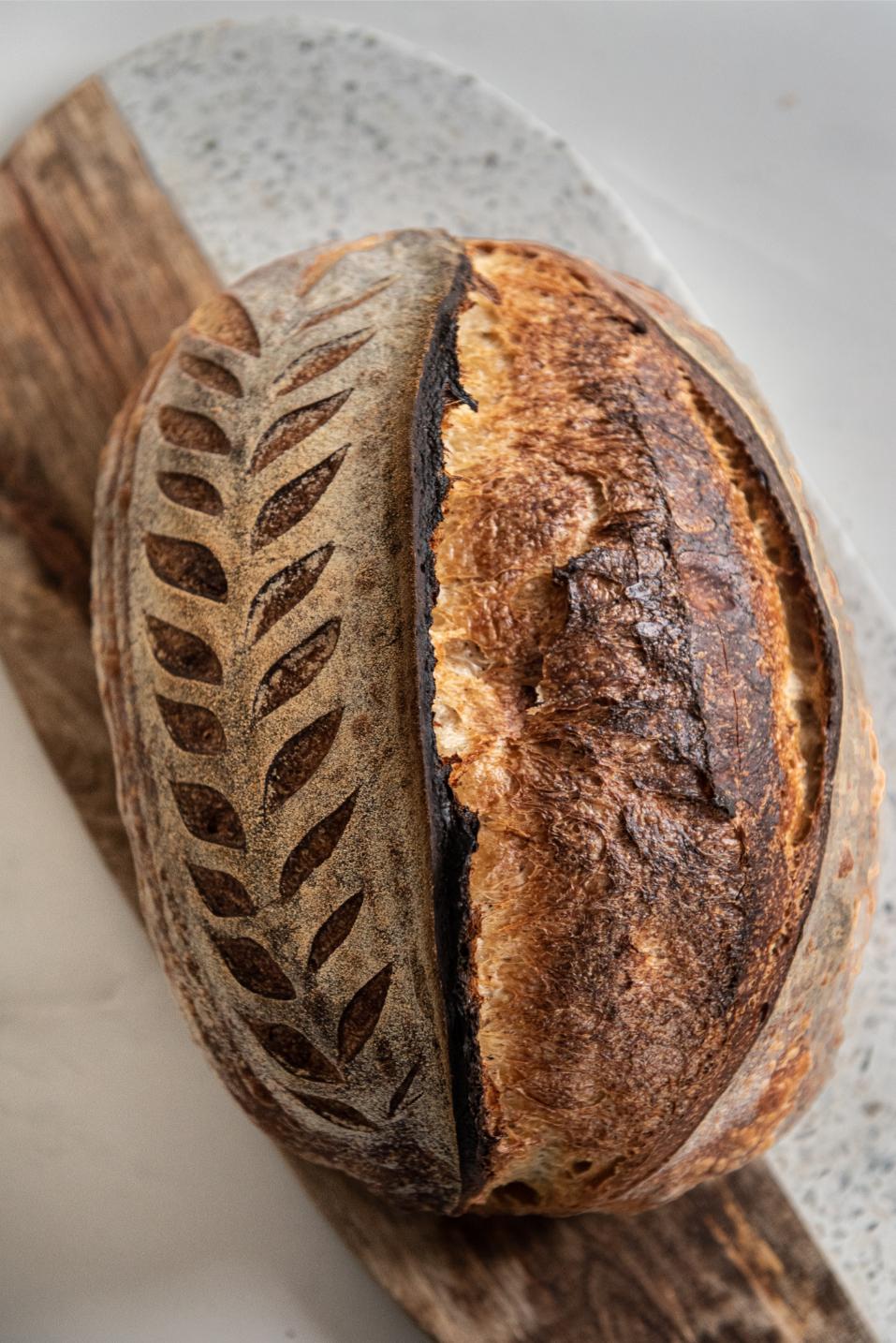
Making sourdough bread at home is an experience that is both extremely rewarding and somewhat demanding. It’s not a hobby for those looking for quick results, but it’s perfect for anyone who wants to understand the “why” and not just the “how.”
Benefits
Challenges
If I had to summarize my message, I would say that making sourdough bread is not the “easier way to get bread.” It’s a slower way to develop a better relationship with food.
In my experience, this is a rye bread where the ingredients are simply mixed and then left to let time do its work. No folding or special techniques to build structure are needed; after mixing, you just wait for it to rise naturally. The key, however, is a good, strong, and active starter. Everything begins there. Without a quality starter, you won’t end up with good bread.
Rye Sourdough Bread Recipe
(in a 15 cm loaf pan)
If you have a wheat starter, it’s best to make a levain/pre-dough with rye flour. You will need a total of 405 g of rye levain.
Levain
Leave at room temperature to rise at least double in size.
Ingredients for the Bread
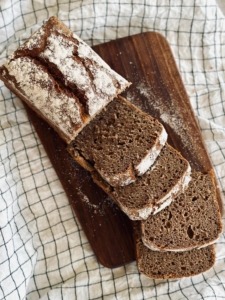
Photo: Janja Benić
Method
This bread uses a large amount of starter/levain, that’s not a mistake
For me, sourdough is a daily reminder that good things take time and that sometimes the most radical thing we can do is actually slow down.