Did you know women can read Kafka without performing for the internet?
Is the smart girl the new hot girl or just another illusion?
Bojana JovanovićNovember 26, 2025



Is the smart girl the new hot girl or just another illusion?
Bojana JovanovićNovember 26, 2025
Following trends like the performative male, which is essentially a term for a man who adopts a progressive, sensitive or so called soft boy aesthetic in order to appear attractive to women, even if he may not truly hold those values, we arrive at attempts to apply a similar narrative to women. This is how trends like the smart girl complex emerge, aiming to very superficially and under the umbrella of feminist discourse problematize the idea that being a supposedly intelligent woman with complex interests is something women do in an attempt to draw attention to themselves and replace the former reliance on appearance alone.

Timothée Chalamet in Lady bird (2017). Photo: Musetta-timothée-chalamet-daily
The premise is clear and has been viral for some time. Women are under growing pressure to appear intelligent, to appear as if they read, as if they understand, as if they are philosophically grounded, while still being attractive and cute enough to pass through the algorithmic machine. I will cause an uproar and say that the point is simply missed, even though I understand what the original idea was. Above all, I believe the much deeper problem lies in the fact that every interest women have, no matter how banal or complex, is automatically labeled as performative or another core, trend or complex is artificially and forcefully created, placing women into categories whether they are aware of it or not.
What I see as the biggest issue in this story is the idea that there is a real and a fake smart girl. How do we even distinguish genuine interest in literature from performing an interest in literature? And is it really bad if someone pretends to read while actually reading, learning something and benefiting from it? That argument is often poorly constructed, mostly because it applies only to women. Men are rarely placed under that microscope. On the contrary, when they play chess, quote philosophers or wear turtlenecks and talk about Kafka, it all falls under the soft boy category. And even when they are accused of performing, there will be no serious consequences in their everyday lives. For women, the same narrative becomes that she is pretending to be smart because she wants to stand out. What happens if she simply loves books? And why should an intelligent woman be an exception in a sea of those we assume are not as intelligent? That is why I think the entire idea of the smart girl complex is misguided.
Even when something is openly marked as a women’s interest, society often immediately treats it as less valuable. Rom-coms are trivial, silly and not serious enough. Pink is infantilizing, and skincare is a superficial obsession. Whatever women collectively like becomes an object of ridicule. And then women who like serious things face another form of scrutiny. Are they just pretending? Did they really read that? Did they truly understand the philosopher they are quoting? It seems that a woman always has to pass a validity test every time she expresses an interest, whether it is Hegel or a vitamin C serum. I know it is hard to believe that someone’s interests are not based on current social media trends, but let’s at least try to believe it for a moment.
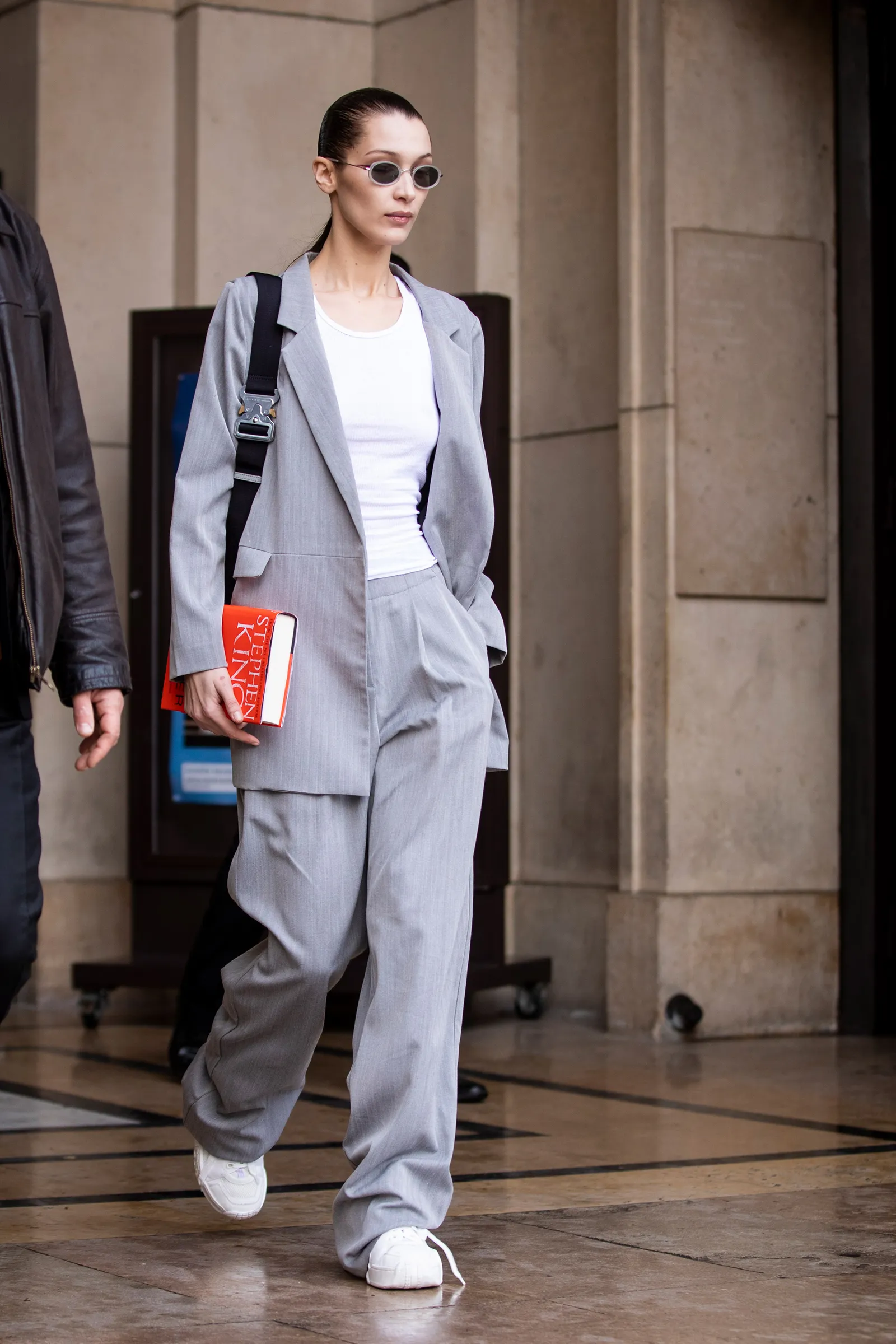
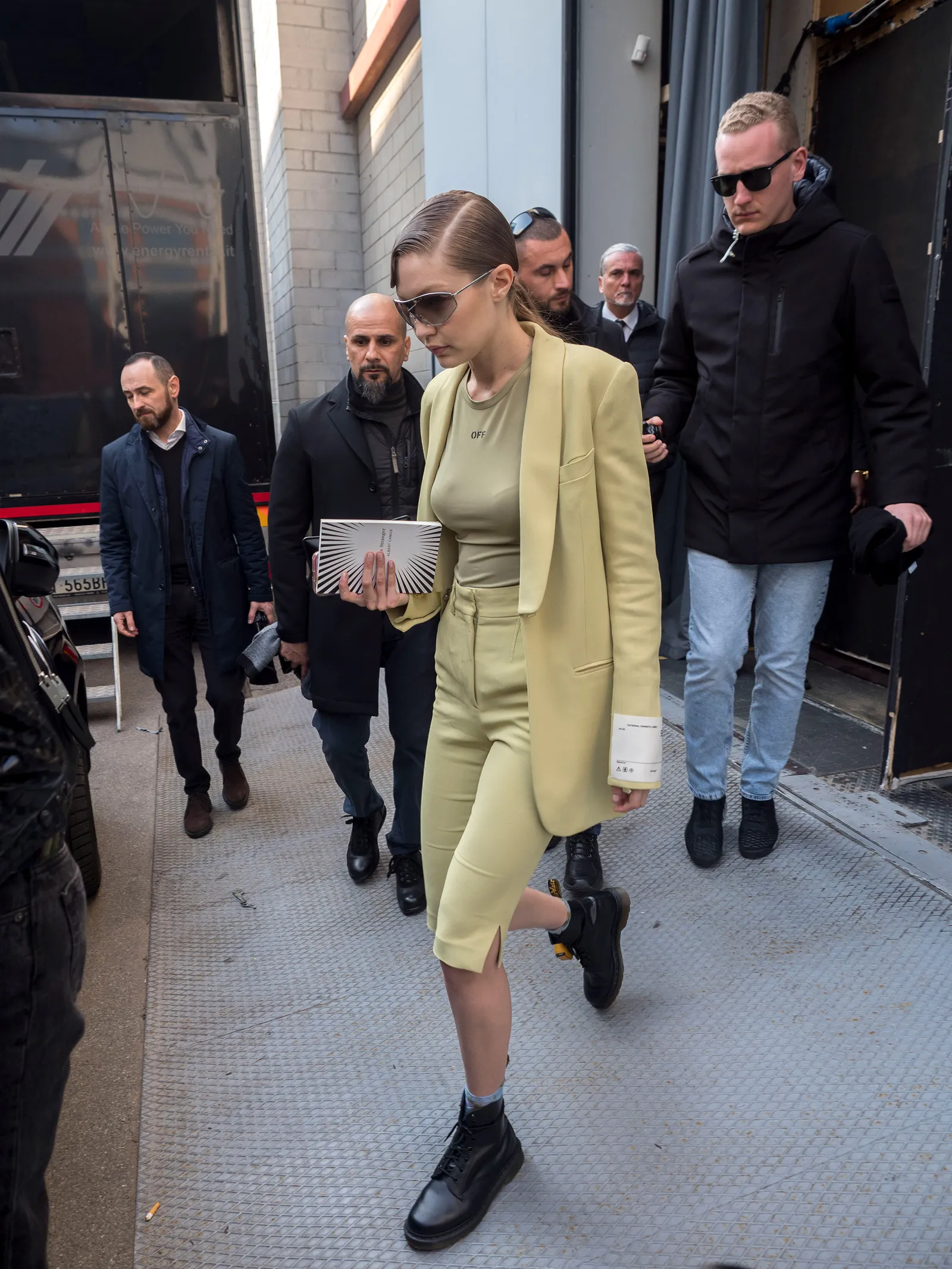
In pop culture this is visible at every turn. A female protagonist who likes to read is always presented as the one who is different from other girls. She likes football and video games, and she is always contrasted with another girl who likes makeup, fashion and parties. For men, that trope does not exist. Men can be intelligent and social, stylish and nerdy, without any contradiction. This is why I think part of the criticism of the smart girl complex misses the bigger picture. Women have always had to perform, no matter what they do. And that is something we all know. When you strip everything down to its core, the point is quite simple. It usually comes down to whether the woman in question is conventionally attractive or not. Has being smart online become the same as being attractive? That is where the heart of this trend lies, and it is actually a rhetorical question.

10 things i hate about you, Walt Disney Studios Motion Pictures
Whenever I think that the discussion around women’s intellect has finally managed to escape the classic trap of being viewed through physical appearance, it turns out I was too optimistic. I never expected anything in popular culture to avoid being reduced to the female body, but I am still fascinated by how quickly the focus returns to the same old theme, even if under a new label. Every time a new core or microtrend appears, it inevitably becomes a commentary on how a woman should look rather than what she should feel, know, love or think.
Although these trends never last long enough for us to fully understand what they are trying to tell us, the essence is usually clear. One month we are supposed to have large breasts and ask men who love to mansplain our favorite questions like why don’t we just print more money. The next month it is long legs and Dostoevsky. After that full lips and a perfect brow shape paired with the perfect example of clean girl aesthetics. The combinations are endless, and the logic is always the same. As you have surely noticed by now, the female body is the constant. Everything else is decoration around it. It is still interpreted as the main ticket to visibility, relevance or validity, whether we are talking about literature, politics, TikTok or some internet aesthetic that will be outdated by tomorrow.