Simple sleep hygiene habits that keep me well-rested
Sonja KneževićJanuary 3, 2026



In 2025, I came to a somewhat sad realization – I could no longer rely on waking up refreshed in the morning, no matter what time I went to sleep. I used to fall asleep a few hours after midnight, simply because I always found something to do, a show I had to watch immediately, and just a few more chapters of a book I had to finish before bed. Then the unimaginable started to happen: no matter what I decided to do, my body would put itself to sleep at 11 p.m. I would fall asleep on the couch while watching a show, and if I happened to be out of the house, I would get a terrible headache. Confused by what was happening in my body, I discovered sleep hygiene, which revealed an entirely new approach to sleeping.
Sleep hygiene is a set of practices that help you sleep well and restfully. Everyone knows that sleep is crucial for good health and proper body function, yet many of us neglect it. Simply put, we have too many obligations and too few hours awake, so sleep often suffers. However, sleep hygiene can help you take control of your sleep and finally start waking up with a fresh, rested mind and body.
Scientists define good sleep by its quality, meaning how quickly we fall asleep and how often we wake during the night, as well as its quantity, since it is important to get enough sleep but not too much. Many of us have likely let ourselves sleep ten hours to ‘catch up’ on rest, only to wake up feeling even more tired. Adequate sleep allows our bodies to recover, strengthens our immune system, and improves cognitive and emotional functions.

Valentino Resort 2026, Courtesy of Valentino
When it comes to sleep hygiene, I believe most of us theoretically know that we should sleep around eight hours each night, let our bodies rest, avoid staring at our phones right after waking up, and so on, yet few actually put this into practice. Life often gets in the way of those enticing eight hours of sleep. That said, it is still important to at least aim to get enough rest each night, and these four sleep hygiene practices have helped me.
This is a sleep hygiene habit I adopted with great difficulty, and I probably would still be struggling with it if my body hadn’t started falling asleep at the same time every night on its own. Of course, you won’t be able to fall asleep at exactly the same time every day, but the key is to stay at least somewhat consistent with your bedtime and wake-up time. What helped me most in establishing this habit was a smartwatch that tracks my sleep and wakes me up with a gentle vibration each morning. After just a few nights, the health app was able to calculate my sleep patterns and determine exactly how much sleep I need to feel well-rested. Every day, the app suggests a fairly wide window of times when I could go to bed for optimal rest, and keeping track in this way has helped me elevate my sleep hygiene to a higher level.
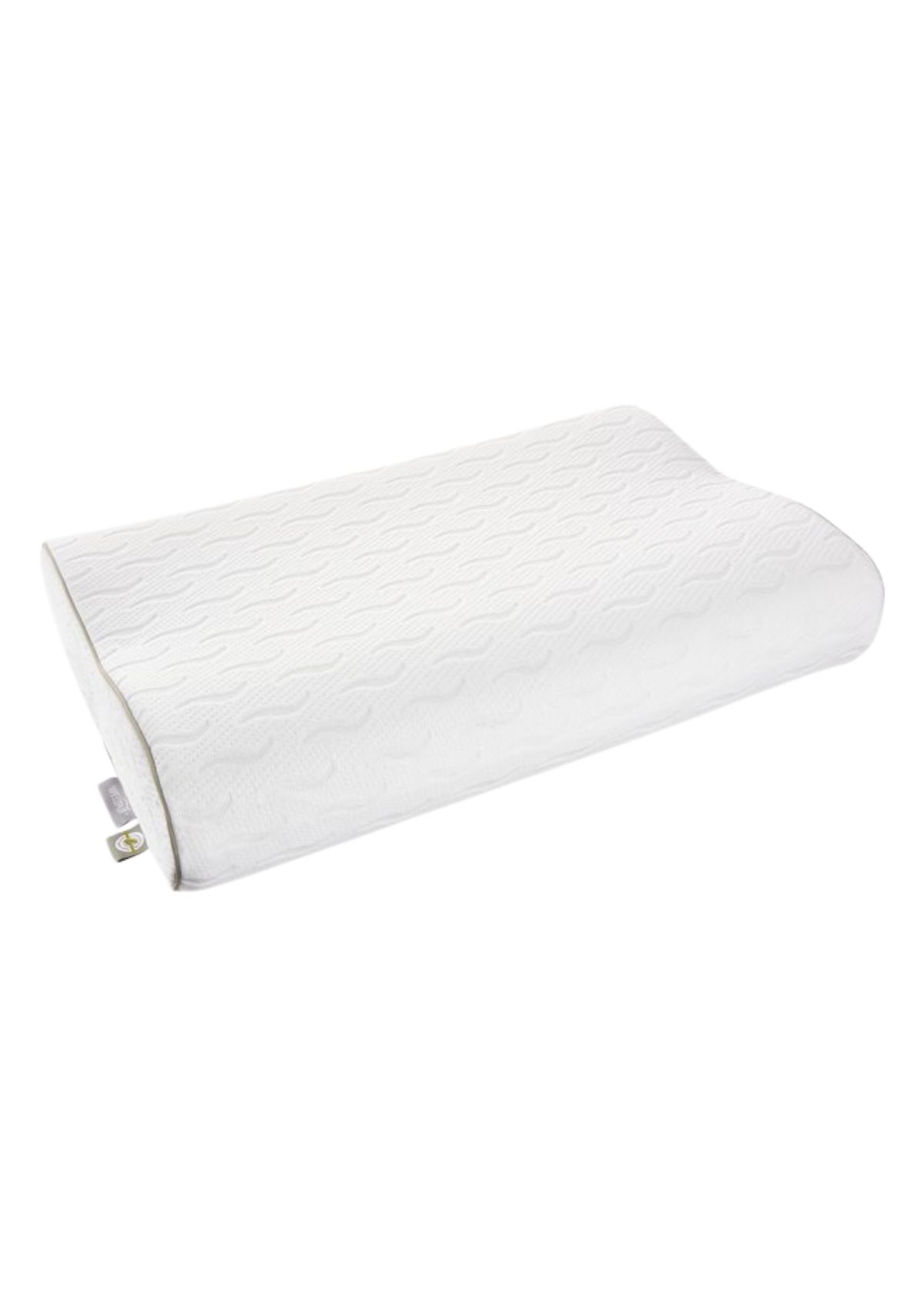
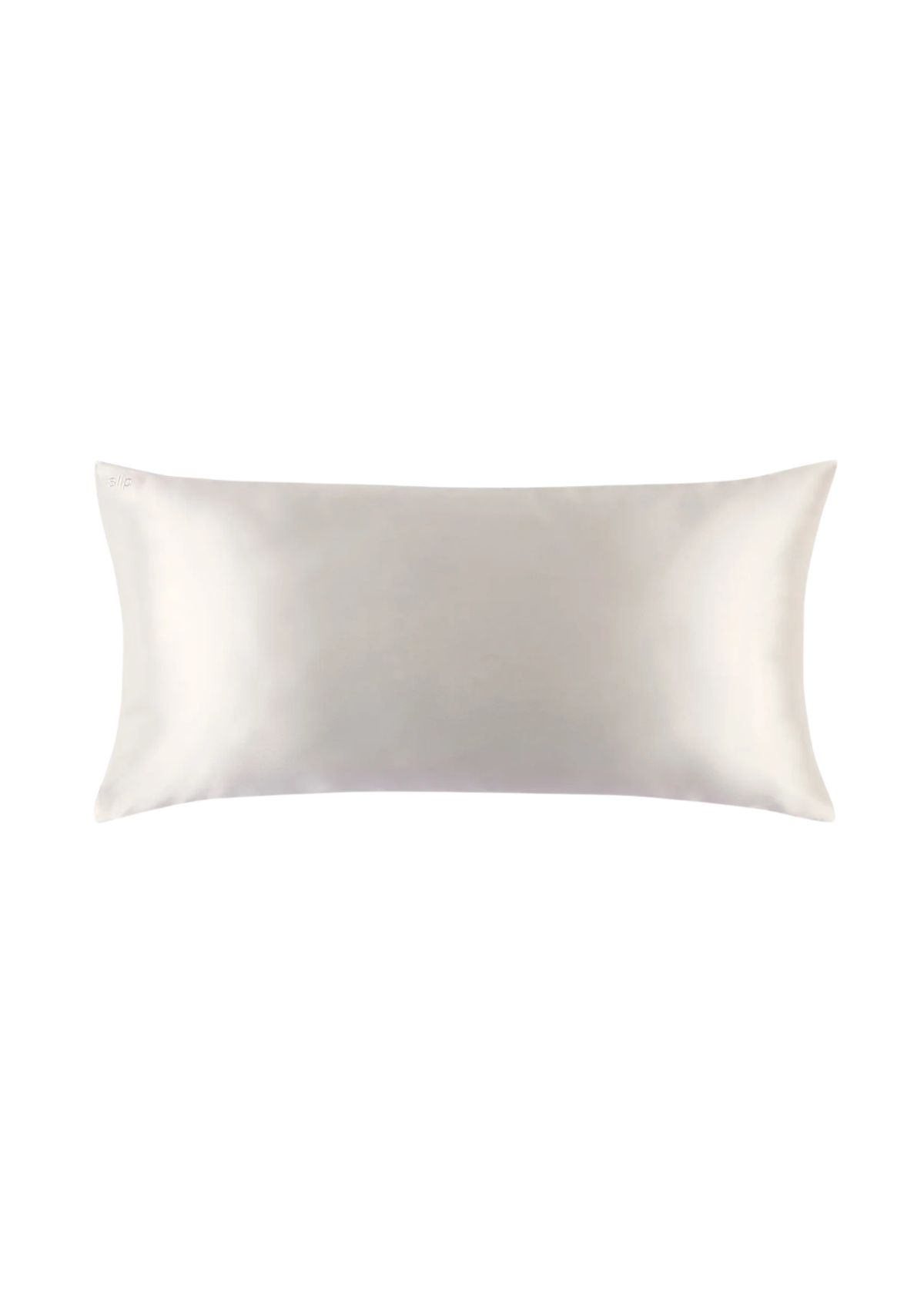
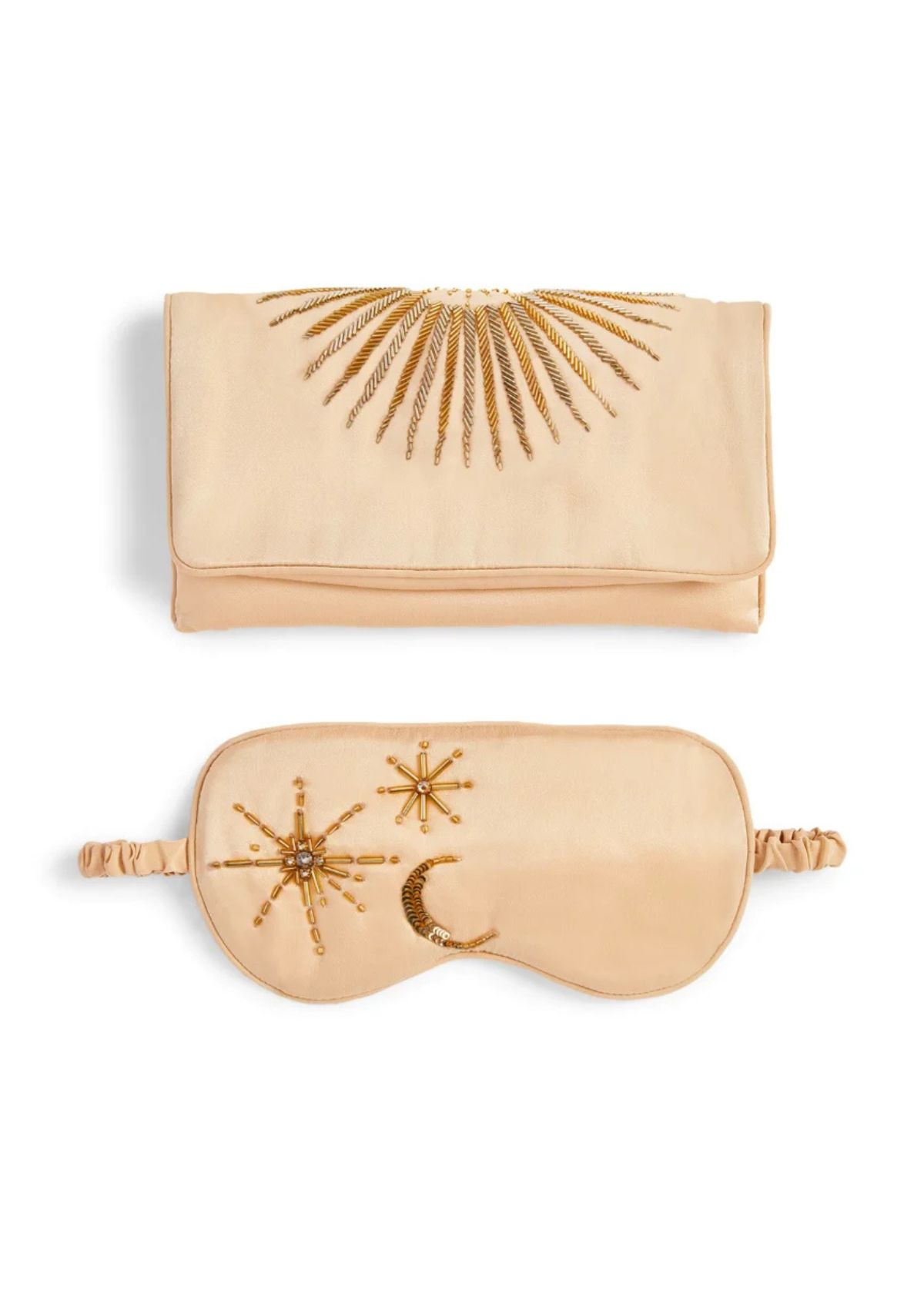
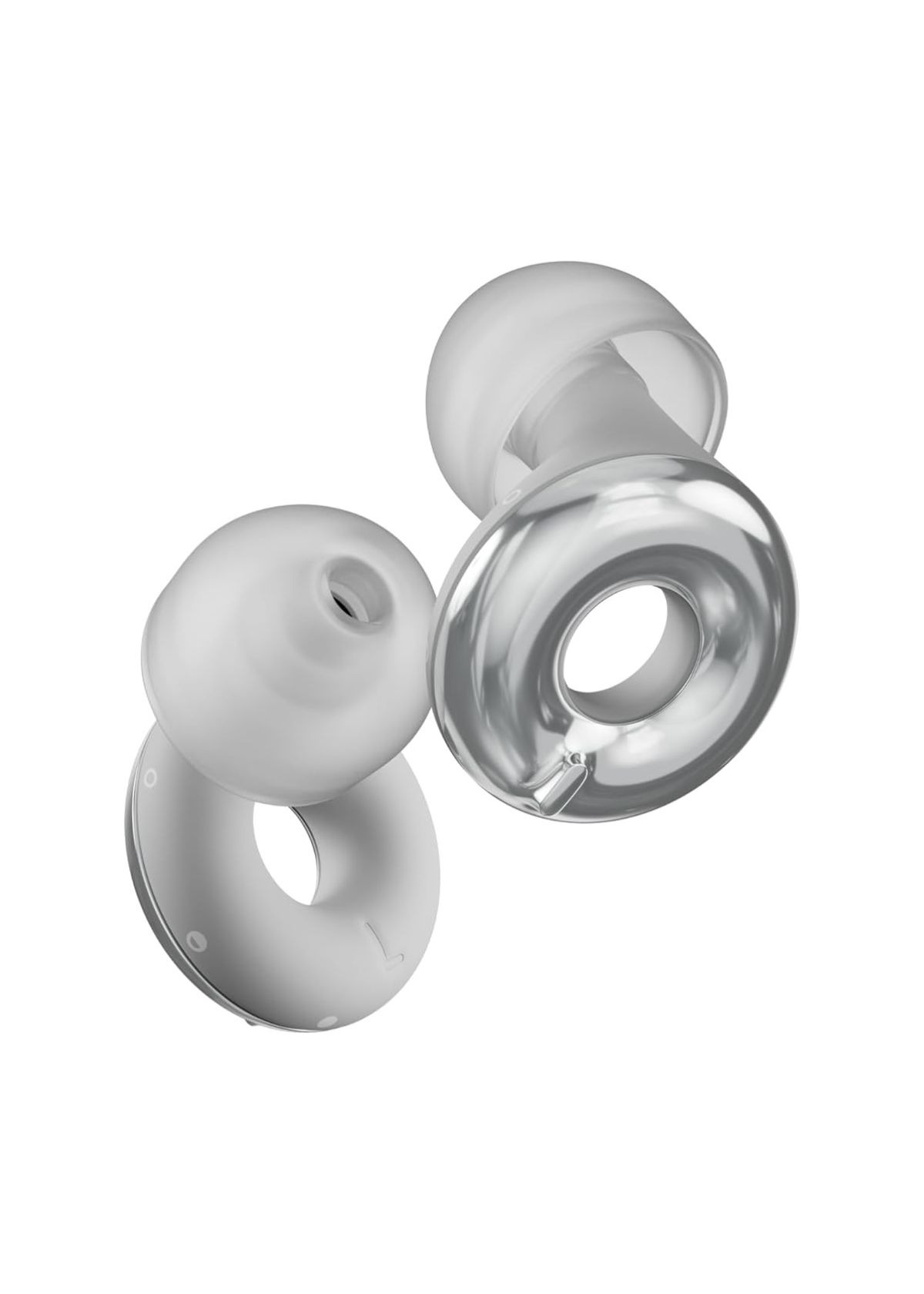
I’m sure we all have that one friend who can fall asleep sitting on a couch in the back of a moving truck, right in the middle of a noisy crowd, but good sleep hygiene doesn’t mean we have to be that friend. Scientists emphasize the importance of our sleep environment. Ideally, we should sleep regularly in the same bed, in a room with dim lighting, on a supportive pillow, and a mattress that suits us best. While this isn’t always possible, there are items that can help make sleep easier.
The following sleep hygiene aids contribute to a quality sleep environment:
I am lucky enough not to suffer from insomnia. However, sometimes I feel really restless at night and need a soothing routine to help me fall asleep. I most enjoy drinking a bedtime tea – chamomile is the most well-known for its calming effects, but lemon balm and valerian teas are also great options. If even a cup of your favorite bedtime tea doesn’t settle your nerves, you can try CBD oil for sleep. CBD oil can reduce anxiety and stress, making it an excellent choice for those who struggle with insomnia.
I firmly believe that the hardest part of falling asleep is when blue light from your phone hits your eyes and your mind is caught in a whirlwind of short videos. That’s why removing devices from the bedroom is probably the best sleep hygiene tip for better rest. At least half an hour before bed, turn off your laptop, TV, and phone. Spend the last few minutes before sleep practicing mindfulness techniques, following your skincare routine, or reading. You’ll be surprised at how much faster you can fall asleep when you’re not constantly bombarded with new information and actually allow your brain to switch off and relax.