
Home
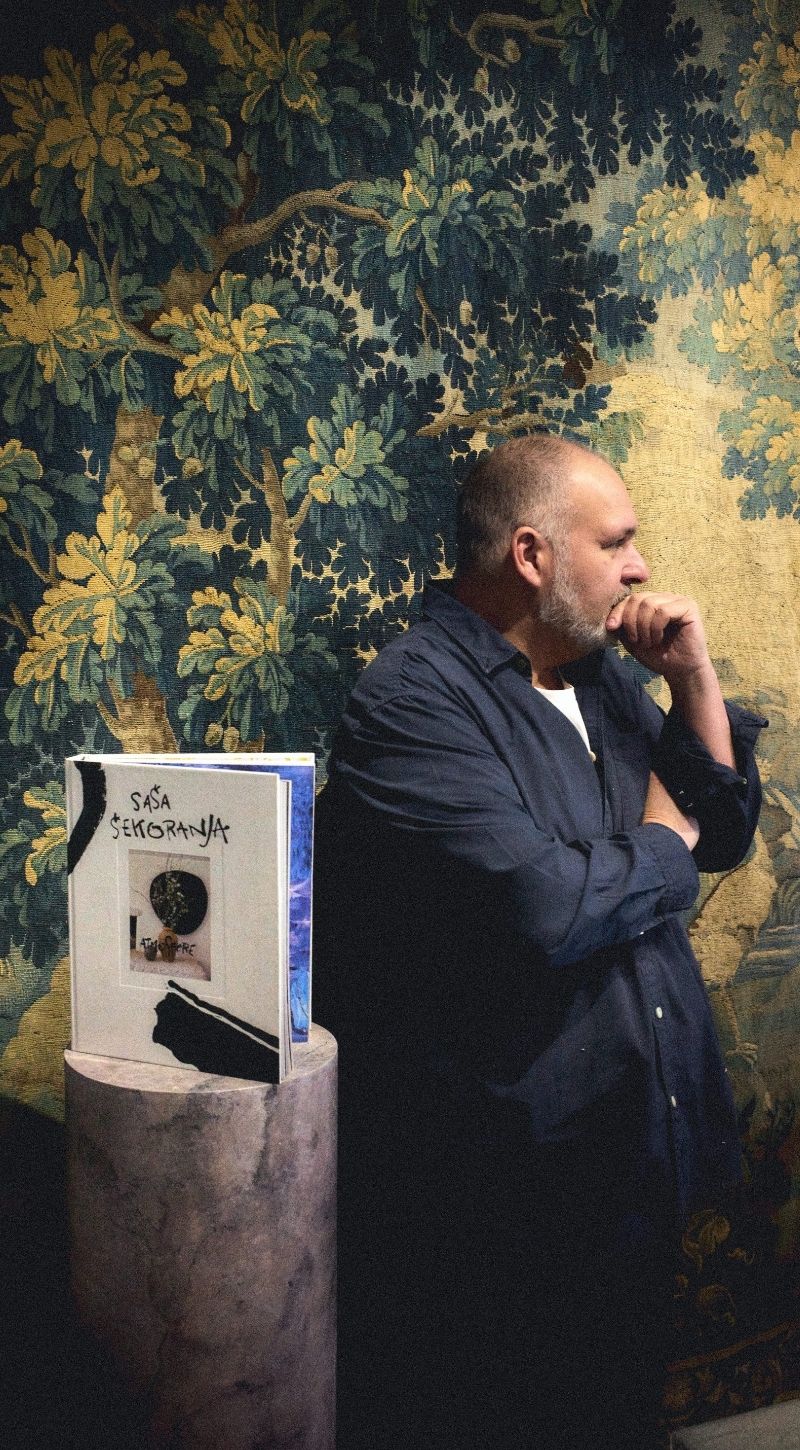
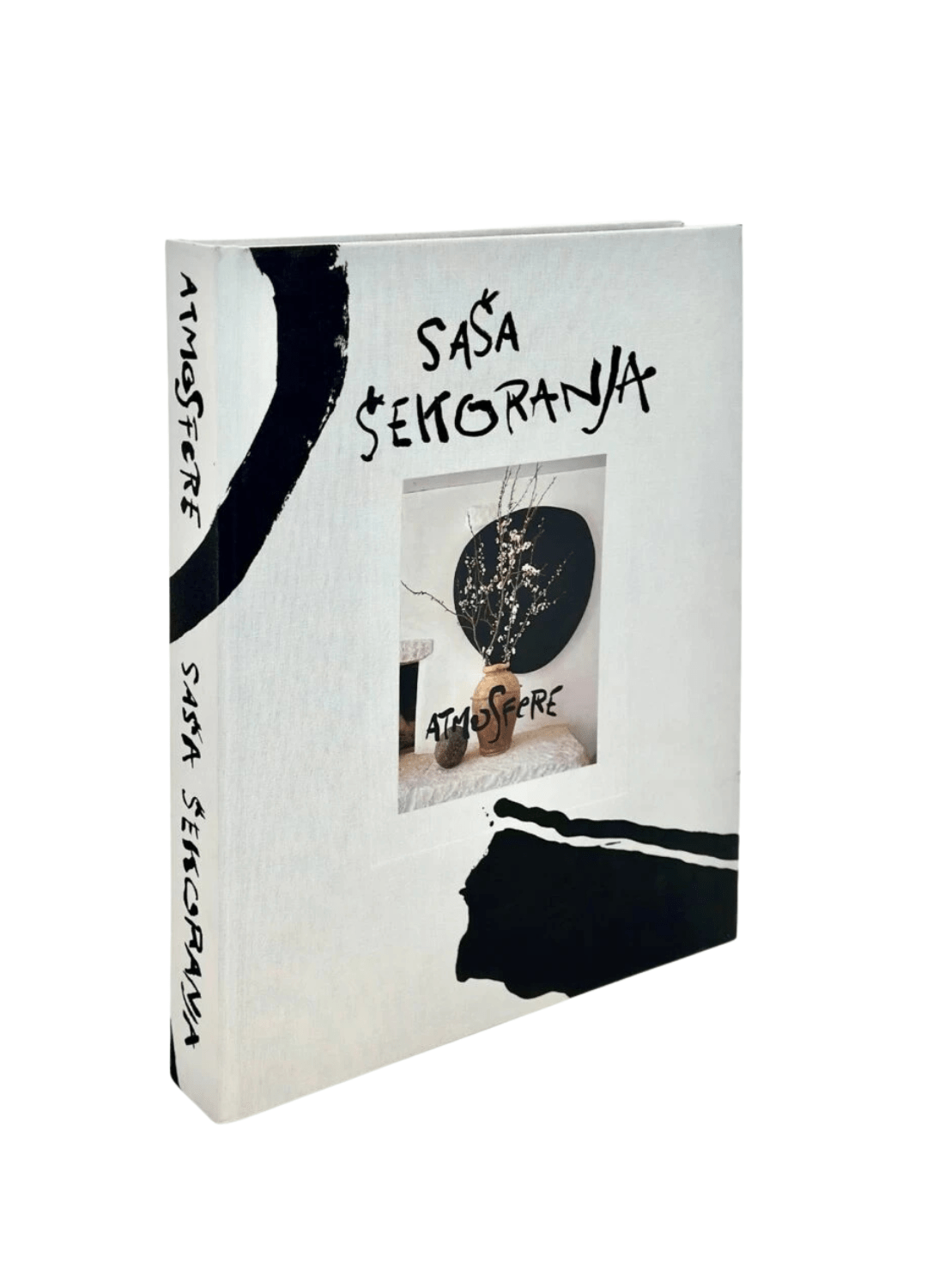
In my family home, we did not believe in many magicians, but in Saša Šekoranja, always. We spent our winters at the Hotel Adriatic in Rovinj, whose walls are adorned with his paintings, and upon returning to Zagreb we would always stop for strawberry cake at Velvet Café and linger for a long time in front of the fairytale-like window of his atelier on Dežmanova Street (now at 10 Kralja Držislava). Every time I noticed some new “innovation” in the holiday decorations in our home, I knew my mother had once again watched too much of Šekoranja’s show on HRT, and the same would happen with her sudden (and very dramatic) stories about flowers, gardens, and palaces waiting to be explored. When I heard a few days ago that this singular Zagreb artist, painter, and floral arranger had published his coffee-table book titled Atmosfere, I knew we had to own it. And above all, to speak with him, about the book as well as about three decades of beautifying our everyday lives with virtuosity, and about the installation dedicated to Gabi Novak that he will present in the new space of the National Museum of Contemporary Art in the Oktogon this December. How does he manage all of it, I ask him right at the beginning, to radiate creative fervor, ideas, and charisma so consistently and persistently all these years?
Wonderful, thank you! I always have to have focus, just like when I was a kid. When I was absorbed in play, I did not feel the cold or the heat, hunger or thirst. It is the same today. When I create, I enter my own micro-world and concentration, and in that way I successfully avoid depression. From Monday to Friday I am in Zagreb, and on weekends I rush to Istria, and that rhythm really suits me, it gives me balance. I choose beautiful projects, surround myself with interesting people, and avoid fools. Unfortunately, there are more and more of them, and that may be the biggest problem of our time.
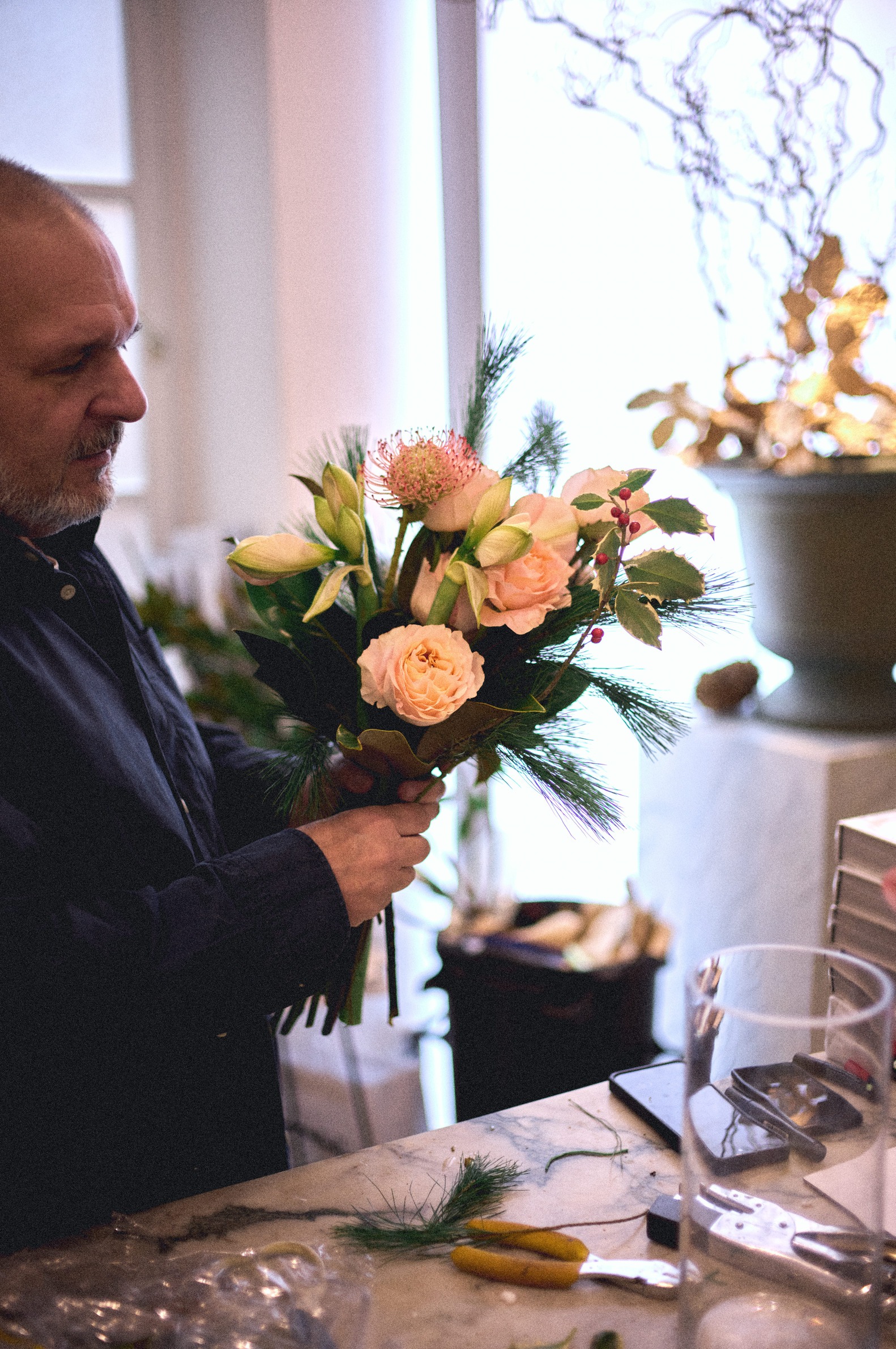
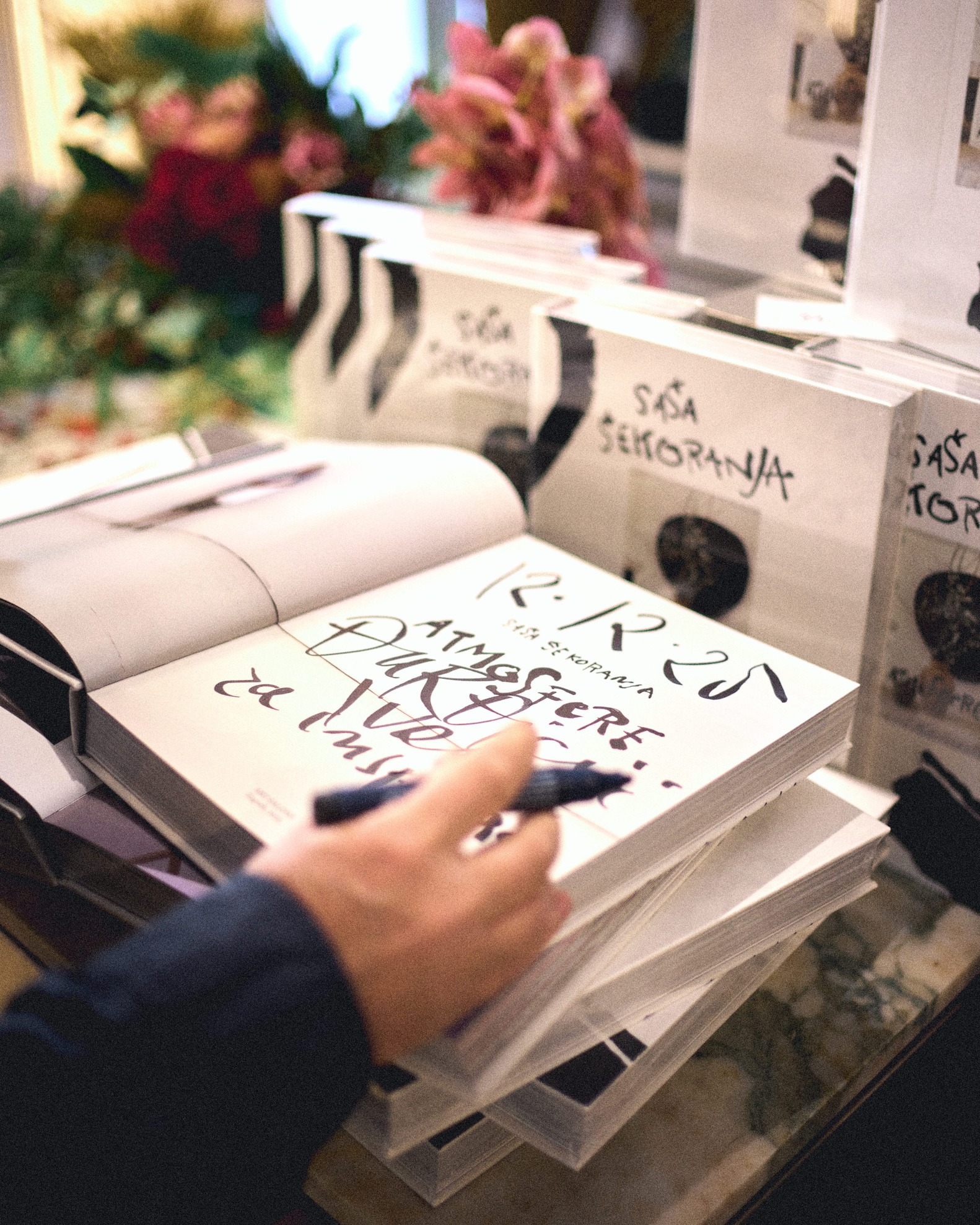
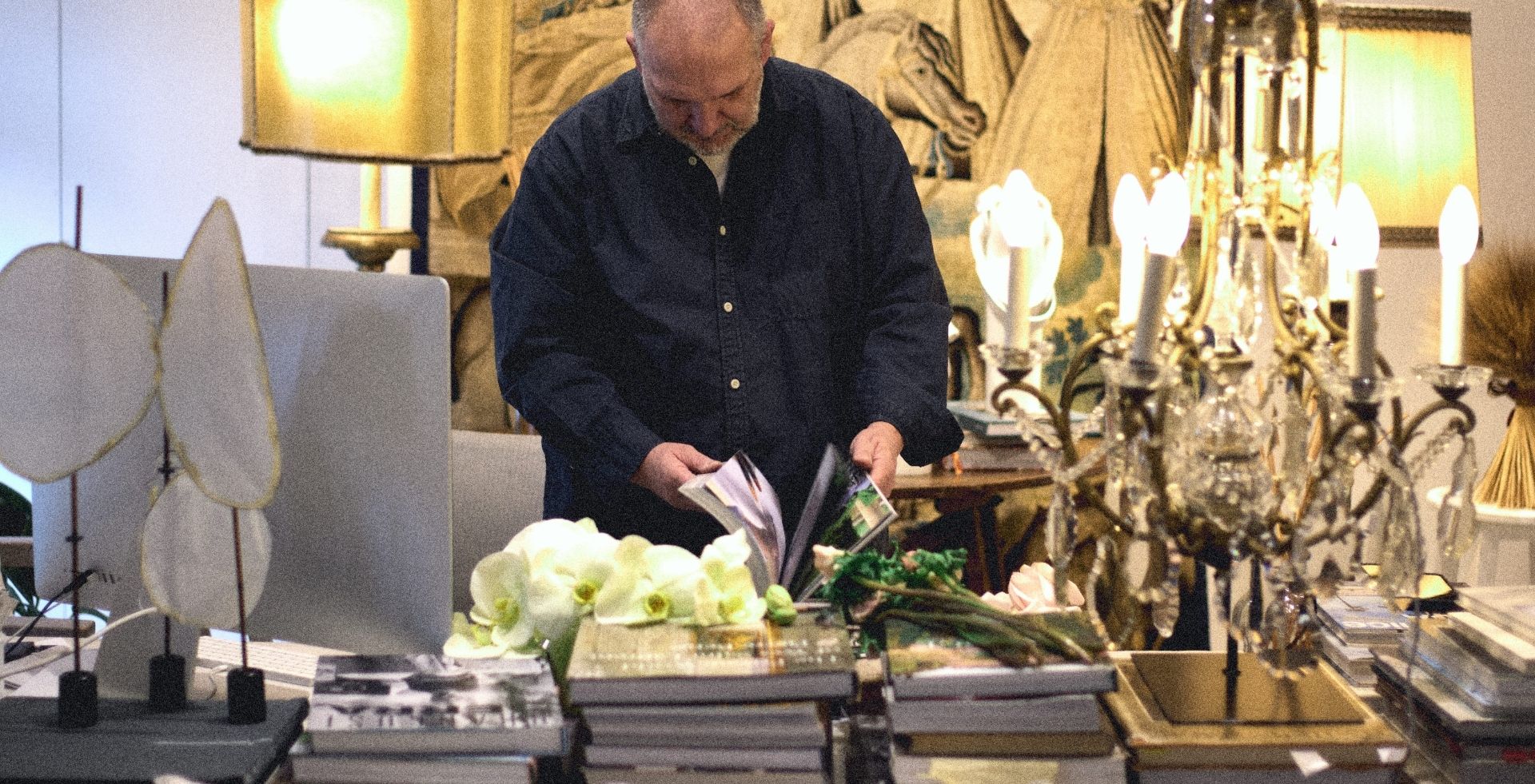
A first coffee-table book is usually a kind of personal record of an author’s time, and in his record there are so many genres, chapters, and motifs, ever since he opened his first small flower shop on Ilica near Britanac thirty years ago. Which moment of his creative work did he try to “capture” in it? I thought about how to structure the book, whether to separate drawing and painting from flowers or interiors, but then I realized the book had to resemble me as much as possible. So everything needs to intertwine and offer insight into my lifestyle and artistic work. In it you can see installations, exhibitions, set tables, and even my bedroom. Those who like lots of words and text may be disappointed. I included several texts from exhibition catalogues, my short notes and reflections, as well as the occasional quote that was important and inspiring to me, such as Marguerite Duras or Guillaume Apollinaire.
Thus, art, life, and joy intertwine in the book into the unique atmosphere of Saša’s signature. Has that “atmosphere” changed over the past thirty years of work? When I think about it more carefully, it seems to me that my atmospheres do not really change. They are constantly romantic, with a touch of nostalgia. That is precisely why Gabi, Arsen, and others are often part of my musical backdrop. But there is also that spark for change, provocation, exploration, and display. I am curious and always interested in how people react to everything I do.
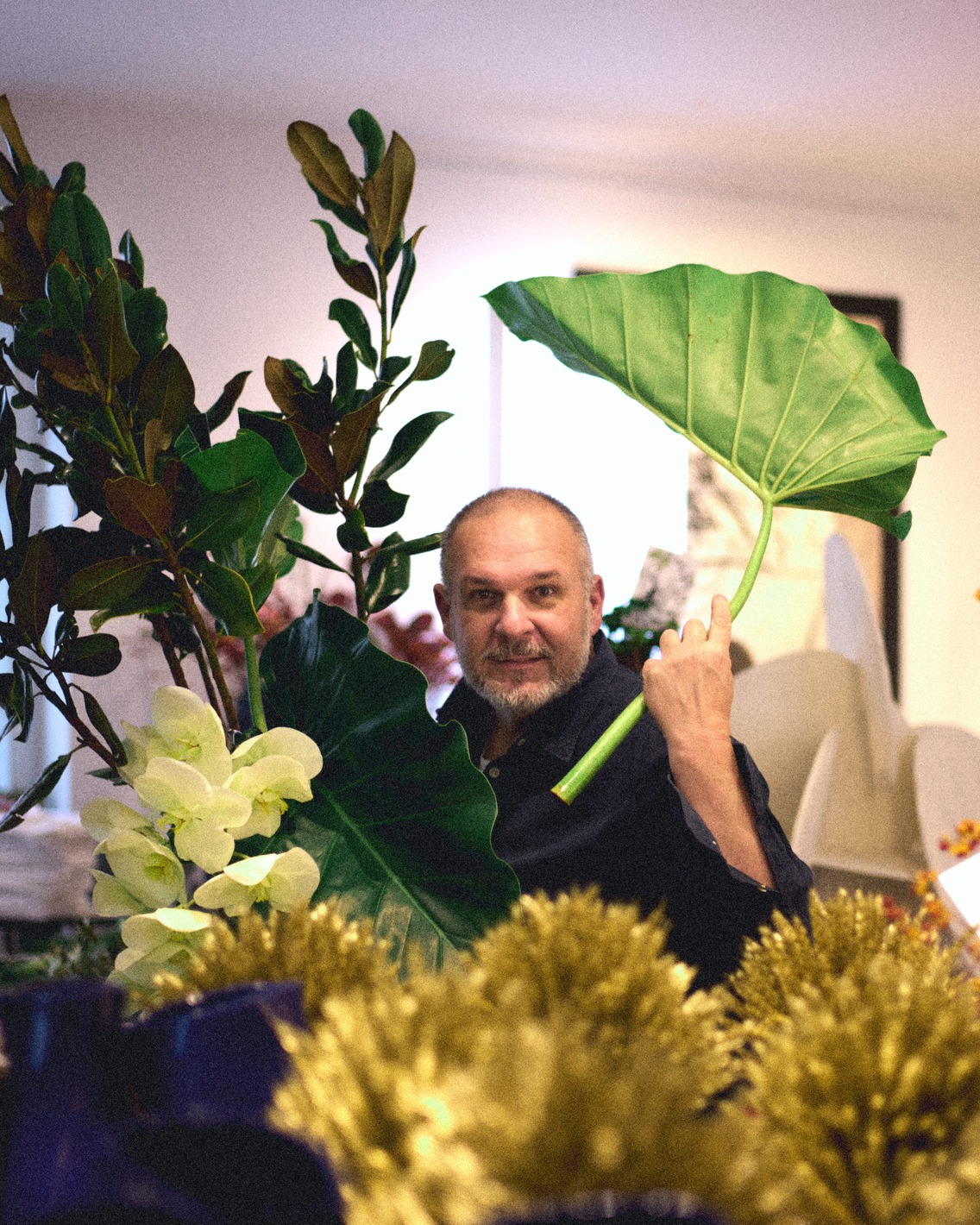
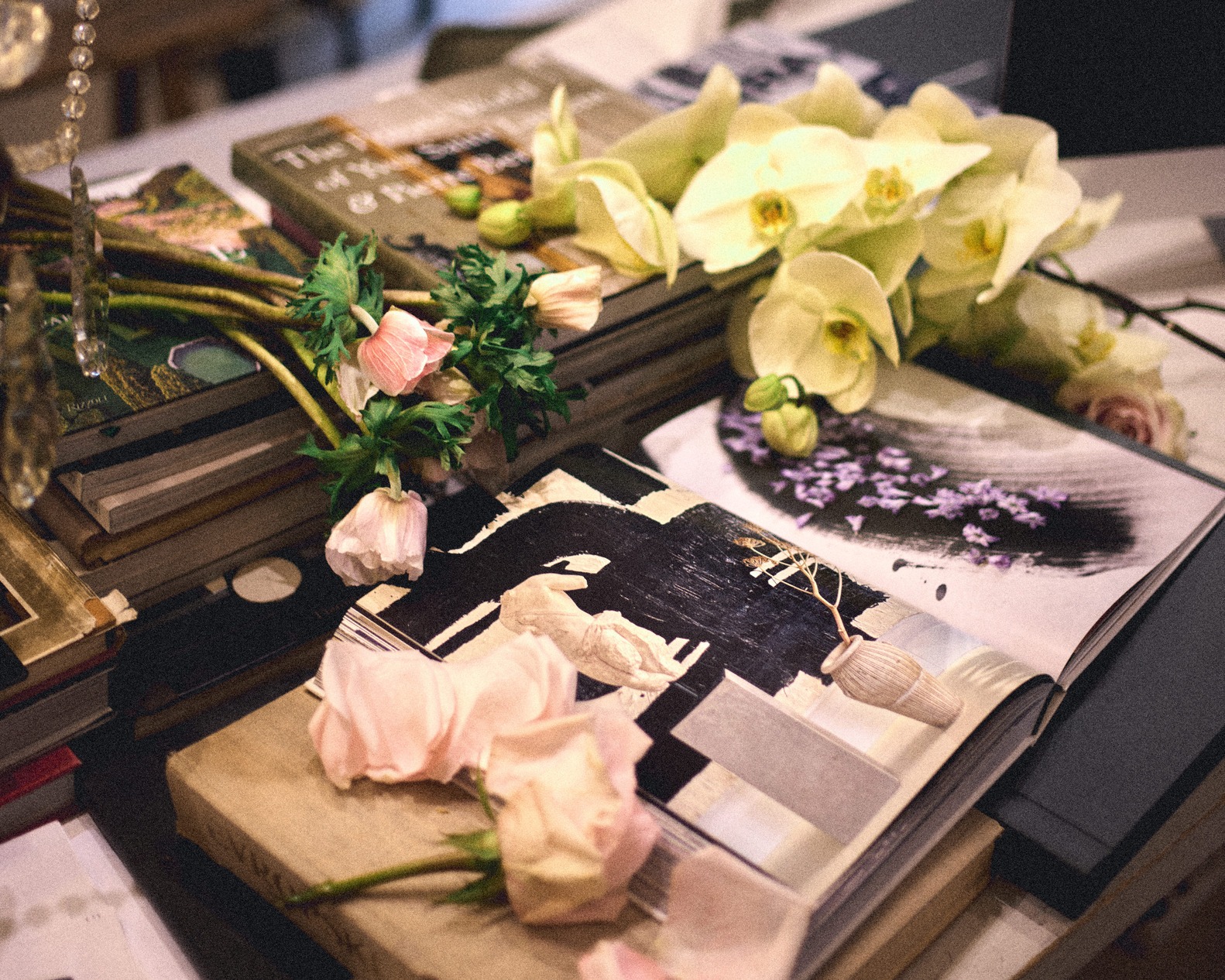
In a world that idealizes perfection, Saša Šekoranja chooses fragility, freedom, incompleteness. Is that his philosophy? Today I have realized that perfection is overrated. What matters is being convincing. When you look at Rembrandt’s The Anatomy Lesson, some foreshortenings are incorrect, but he is infinitely convincing. Authenticity is what matters most. I know that this is how I work, and anything different would be wrong. I understood that, and that is how I live. His work unmistakably radiates playfulness, not a light or superficial one, but one that comes from depth and attentiveness, and in that play, flowers often seem to conduct their own small inner dialogue. When he works, does he feel that he is arranging nature, or listening to what it dictates? I learned everything from nature: proportion, color, contrasts, structures. When I work with flowers, they lead me. Flowers are decorative in themselves and I often use them that way, but sometimes I feel the need to negate that decorativeness and create artistic installations. Flowers can have the same power as a word or an image, but they also have an additional dimension: transience. That is dominant and particularly appealing to me. There is something else there as well, that unbearable lightness of being that we long for so deeply.
The world is fast, and I want faster and faster. But nature and my garden teach me patience, and that is very good.
Whether I encounter fragments of his work online or offline, I always want to peek into his hidden universe that stands as a quiet guardian of beauty, which Saša is convinced can save the world, to find out what he listens to, what he watches, what he reads, and to inhale a bit of that stardust. In the book, that inseparable connection between art and everyday life, from which his being is woven, is almost tangible. What inspired him in 2025? There is art and there are artists who are a huge inspiration to me, it is like an energy that moves you. It is incredible how you may never even meet some people, yet you feel them as if they were friends. And I would be very happy if what I do could inspire others in that way. At the moment I am filming a major series for HRT titled Savršena mjesta sa Sašom Šekoranjom, where you will be able to see precisely the places and people that inspire me. I would single out Palazzo Abatellis in Palermo, Scarpia’s brilliant installation, Picasso in the interior of The Fife Arms hotel, pavlova with mango at Loulou in Paris, cheetahs at Palazzo Gangi, heather fields and parties with friends at Glenfeshie Lodge in Scotland, the wondrous Giardino di Ninfa…
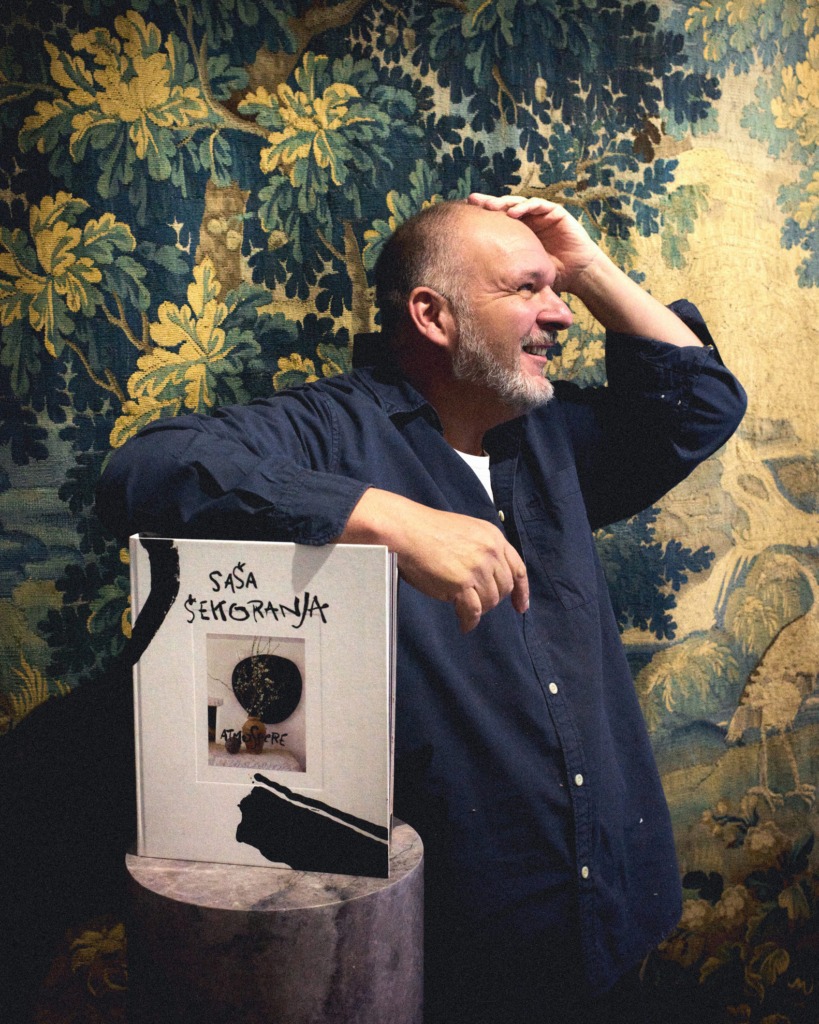
Photo: Marko Zbodulja
Now that you have noted all these valuable recommendations, the only thing left to know is what the key motifs were in the holiday decorations of Šekoranja’s atelier this season, and to whom he dedicated the installation he is exhibiting this month in the Oktogon. This year, in my shop window I created a small theatrical scene with a winter view of a house in a garden full of snow. In front of it there is a frozen fountain where children glide, and on the roof stands chimney sweep Štef, tossing in a clover for good luck. And what I am currently particularly focused on is the exhibition in the new space of the National Museum of Modern Art in the Oktogon, where I am preparing an installation, a luminous form almost ten meters high, woven from words written in light from the song “Prvi snijeg,” performed by Gabi Novak, with lyrics by Ivica Krajač. I can hardly wait to see it realized. You know how some things function perfectly as an idea, and in execution can turn into a complete fiasco. In the space around the installation, around fifty drawings on the theme of the winter city will be exhibited, done with pen, ink, and a bit of gouache, drawn quickly like sketches, somehow straight from my head, whatever came to mind: the funicular, the music pavilion, NAMA, the theatre, Lisinski. That time of silence when one delves into memories and the focus becomes only that piece of paper in front of you is a true miracle. It is a story about snow, whiteness, and old paradises that have remained in the past, as Proust says. I am happy that it is precisely in this passage that I can present my work and dedicate the exhibition to Gabi Novak. I believe it will be a beautiful gift to the city. I am sure we have given you more than enough reasons, and addresses, to visit beautiful Zagreb this winter.
VOGUE RECOMMENDS