When tap water dries out your hair, these shampoos can help
by Kristina Mikulić GazdovićJanuary 20, 2026

January 20, 2026
Water may be essential for beauty and health, but its quality can undermine both. This is especially visible in the look and condition of hair. Does it seem to you that your hair, despite the fact that you have just “drowned” it in a nourishing hair mask, is still extremely dry, brittle, and prone to breakage after washing? When hair loses its shine despite regular care, the problem is not necessarily the products you are using. The cause of dryness may lie in something entirely different. And while we most often place the blame on the wrong shampoo, overuse of heat tools, or a lack of time for deep treatments, one key factor almost always remains overlooked: the water we use to wash our hair every day.
Tap water, although safe for consumption, often has a composition that can seriously compromise hair quality. It is frequently rich in limescale that damages the hair fiber, and it can also contain traces of metals that easily accumulate on the hair, causing it to lose its shine.
Because of these tiny molecules that build up on the hair, it gradually becomes lifeless. What happens is not immediate but progressive. Hair literally becomes “saturated” with impurities from the water. It then becomes difficult to style and dry to the touch, regardless of how high-quality the products you use may be.
Photo: Auzenir Abrantes
Limescale, or calcium from water, damages hair in two ways. On one hand, it deposits on the surface of the hair fiber, and on the other, it penetrates its internal structure.
Calcium is not the only hidden enemy of hair in water. Certain metals can also find their way to the scalp and hair. Copper, iron, and other metals present in water can penetrate the hair fiber and weaken its structure from within.
The solution to hair problems caused by tap water is much easier to implement than you might think. It is best to start by changing your shampoo. A new generation of formulas has been developed specifically to neutralize the negative effects of tap water. These are formulas that:
Such shampoos do not work only on the surface. Their effect is comparable to a reset for the hair, after which shine returns and the rest of the care routine becomes more effective. Once unwanted deposits are removed, nourishing and repairing ingredients from masks, serums, oils, and conditioners penetrate the hair fiber much more easily and therefore work more effectively.
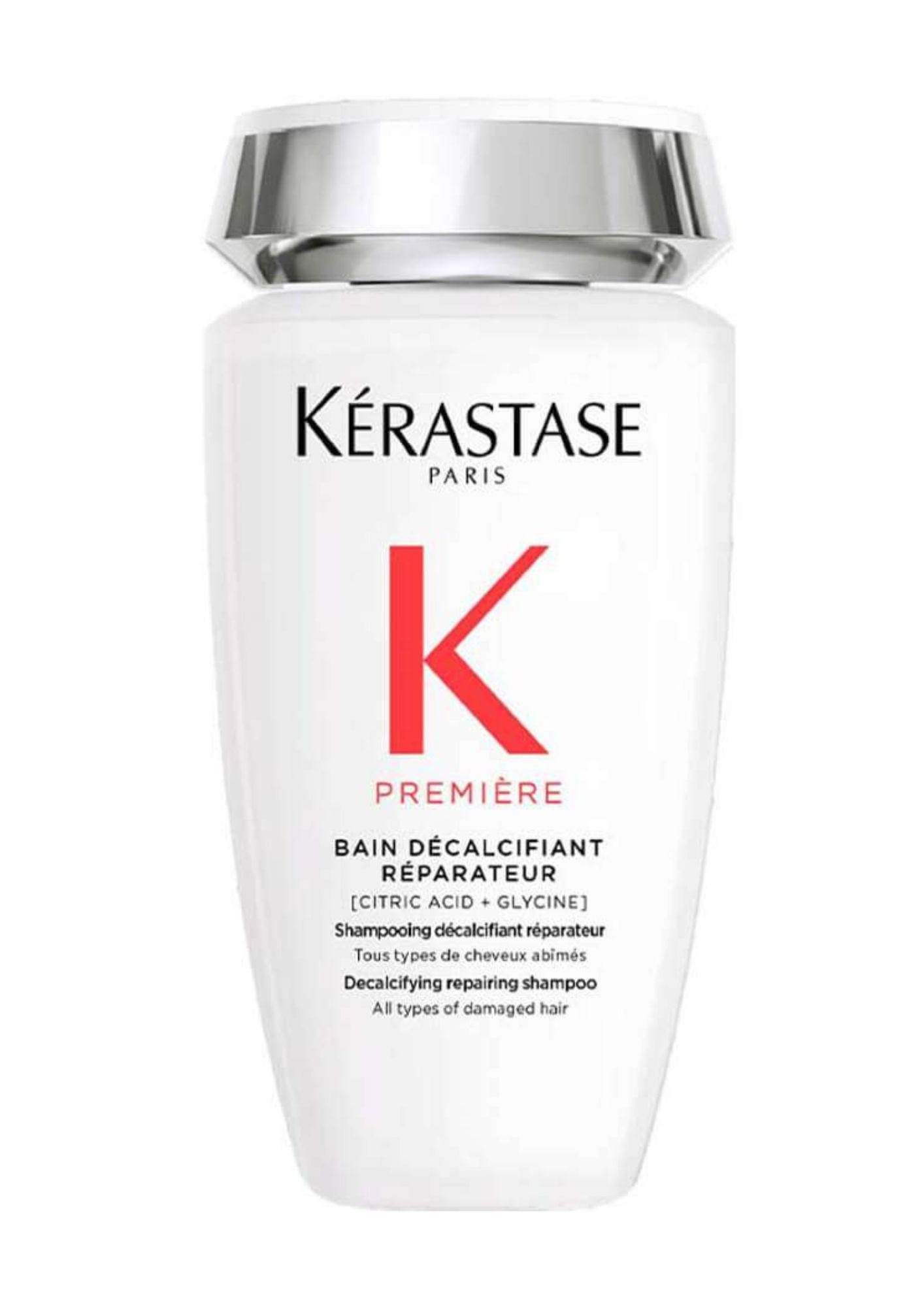
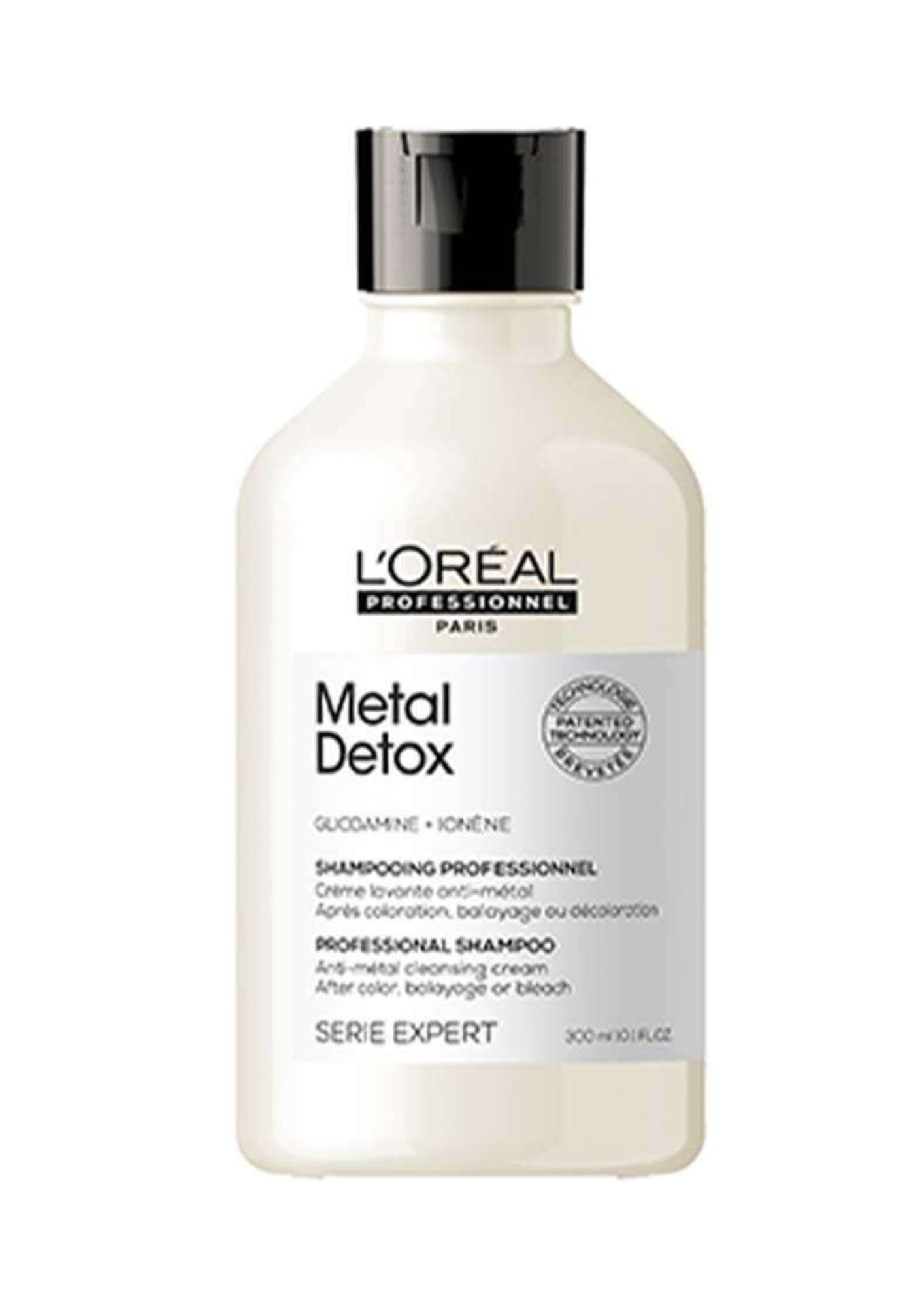
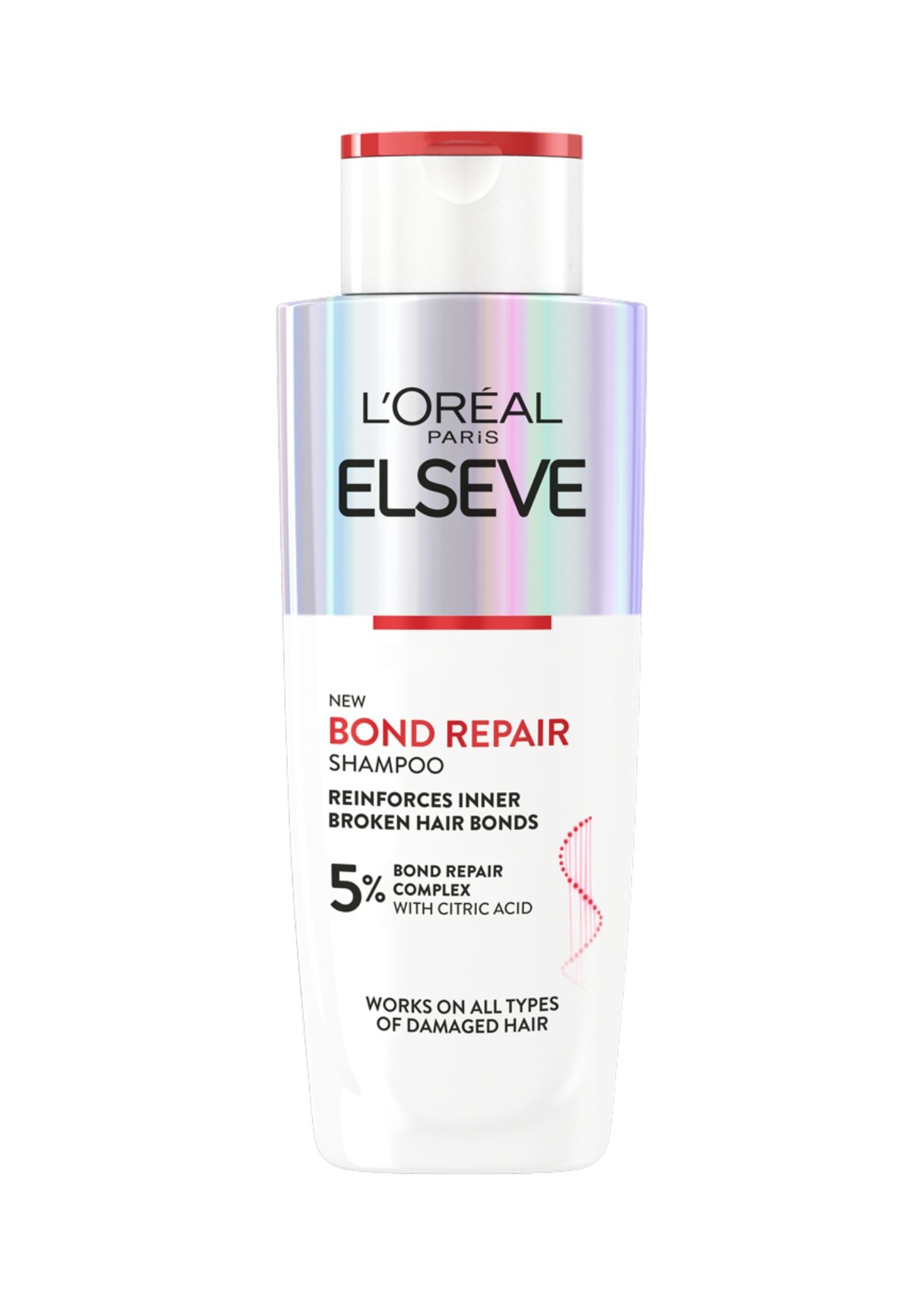
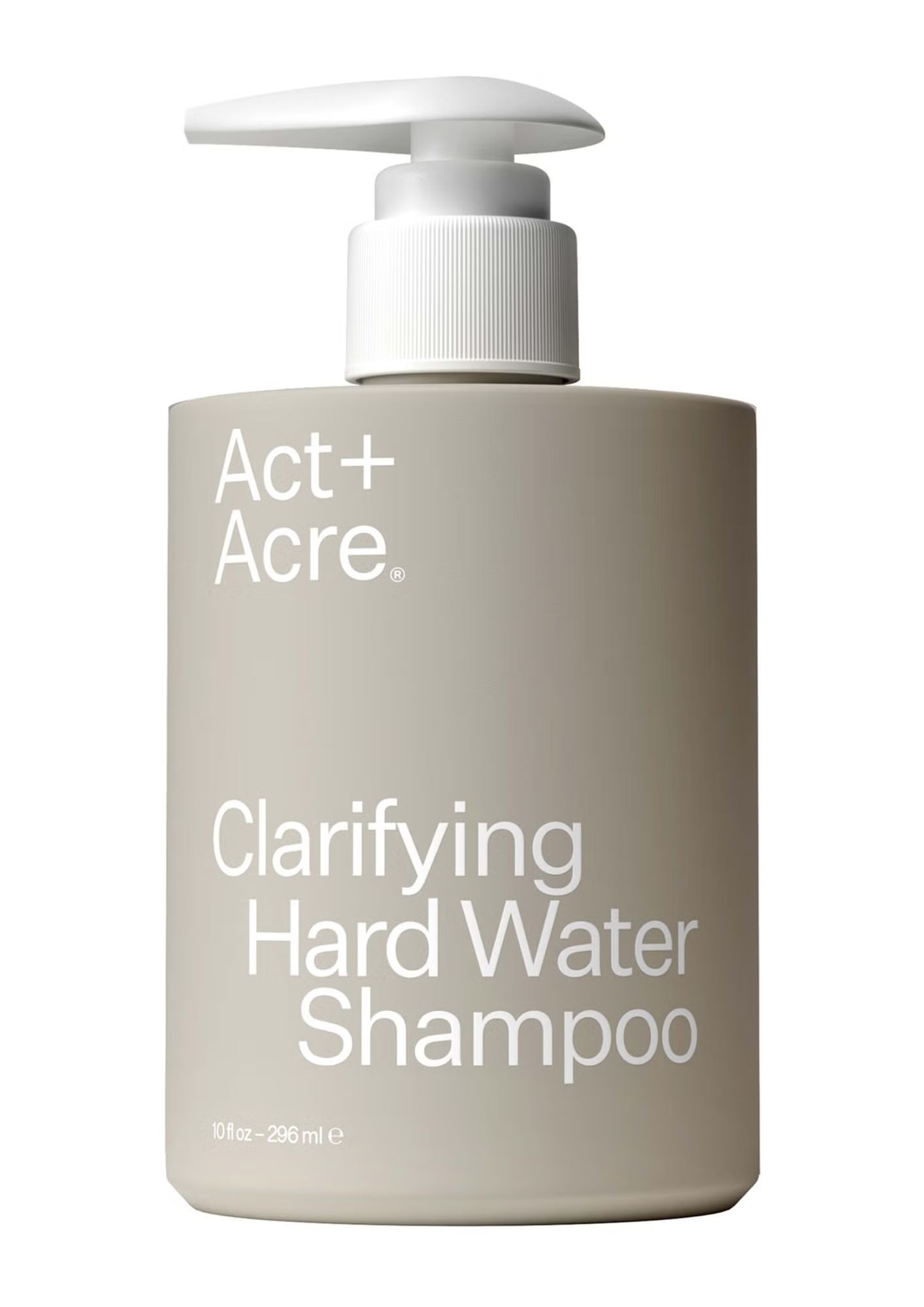
If you live in a city and feel that your hair is constantly battling external influences, it may be time to adapt your routine to the conditions it is exposed to. Investing in a shampoo formulated to protect against tap water can bring quick changes and visible results, and become the first step toward healthier, softer, and visibly more beautiful hair.