I visited Prada Rong Zhai in Shanghai and was captivated by its cinematic atmosphere
Tina KovačićekDecember 12, 2025

December 12, 2025
I had only a few hours left before my flight back to Europe, and deciding how to spend them led me, among other things, to visit Prada Rong Zhai, an architectural gem I did not want to miss in Shanghai.
What struck me most about Shanghai as a city were those remnants of history, somehow locked in place, almost mummified, between towering skyscrapers and the latest LCD technologies. This so-called city of the future advances relentlessly and does not apologize to anyone, while the sheer amount of light and screens streaming the newest global advertising, feeding us visual stimuli we never asked for, is in a strange way, I dare say, impressive.
Related: A day in Shanghai with Wallace Chan, the artist redefining what jewellery can be
Hidden among these fragments of the future are the traces of the past. One such trace was something the Prada Foundation wanted to preserve when envisioning the Prada Rong Zhai project. Prada has always found inspiration in art, especially architecture. Understanding the practical, commercial, and historical aspects of buildings is key to our work, because we explore contemporary architectural innovation while carefully safeguarding historical heritage, Miuccia Prada once said, highlighting China as a country that has held an important place in Prada’s imagination. As our cultural activities expanded, both through the fashion house and through Fondazione Prada, we looked for opportunities to extend our architectural and artistic research back toward China.
Courtesy of Prada Fondazione
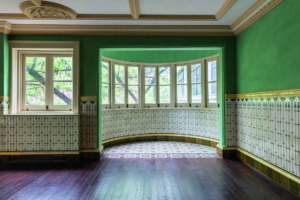
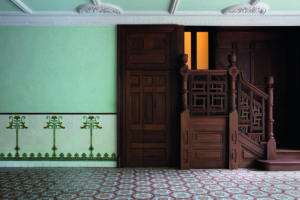
This led them to Rong Zhai, a historic site that opened in 2017 as one of the most intriguing cultural properties of the renowned fashion house. With the Prada Rong Zhai project, we created something new through a meticulous return to the past. To revitalize this beautiful residence, we applied expertise gained from restoring the Galleria Vittorio Emanuele II in Milan and the Ca’ Corner della Regina palace in Venice, the same attention to detail and craftsmanship for which our products are known, and combined it with the work of Chinese scholars and masters, creating a truly intercultural collaboration, Miuccia said, sharing details of the restoration.
Courtesy of Prada Fondazione
Povezano: How my first trip to China was shaped by the Deji Art Museum and its fresh vision of art
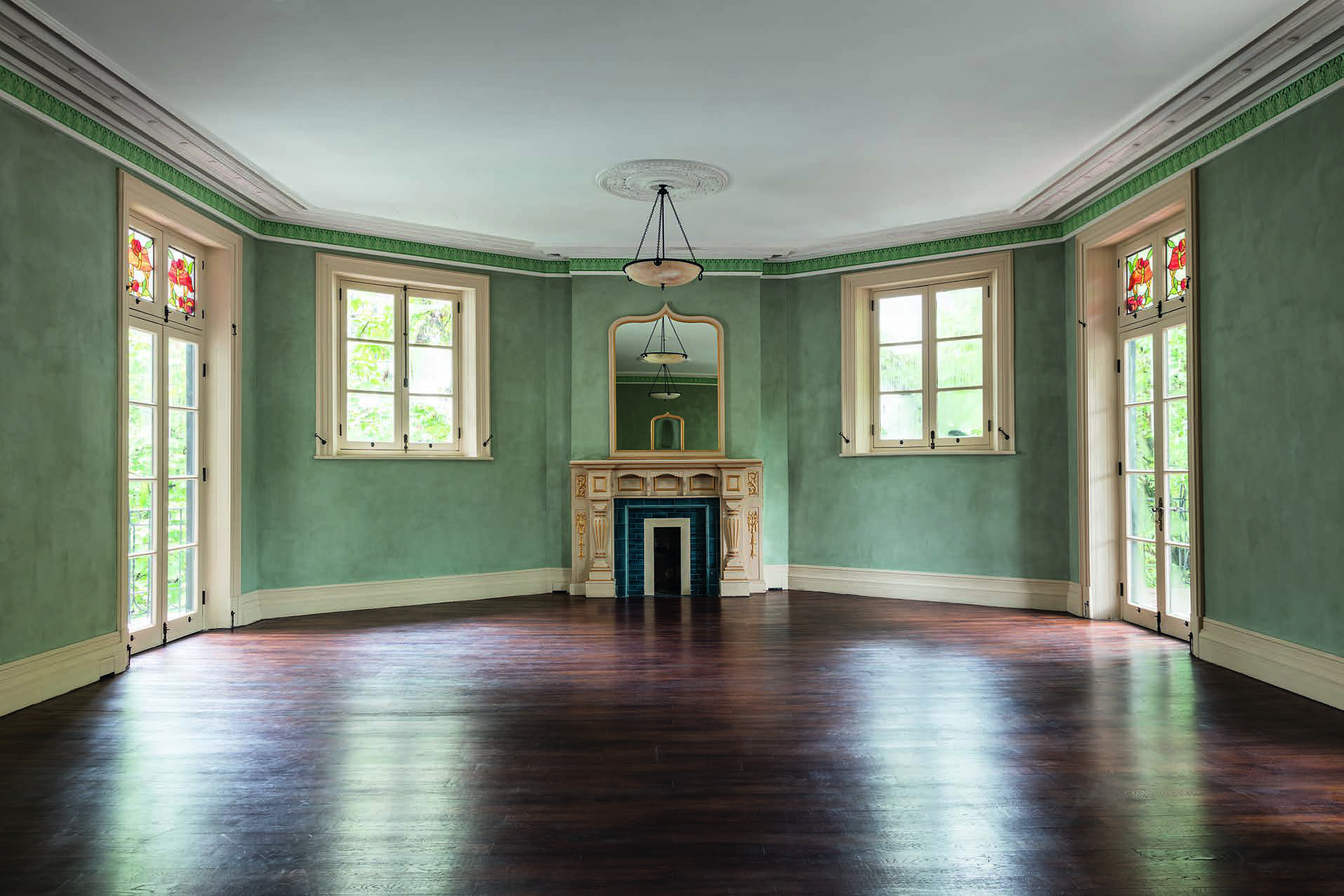
Rong Zhai is one of the most stunning Western villas in Shanghai, built between 1899 and 1910, and now restored and reopened thanks to Prada. It is named after one of its most important owners, the industrialist Yung Tsoong King, who lived there with his family during the 1920s and 30s. It originally belonged to a German owner, which explains its Western Beaux Arts style. Yung bought it in 1918 and had it renovated, blending historical styles with early art deco elements. The house was home to his large family and served as an important social hub with a ballroom, reception rooms, and many elegant salons. The villa, distinguished by its recognizable red dome and surrounded by lush gardens, is an example of refined architecture and craftsmanship of the era. We insisted on preserving the subtlety of the house, avoiding ornate pretentiousness. Our intention was not to create the image of a luxurious home. Working to protect its delicate nuances, while respecting original materials and processes, inspired the team of artisans to emulate their predecessors, whose names are unknown but whose work is honored and revived here.
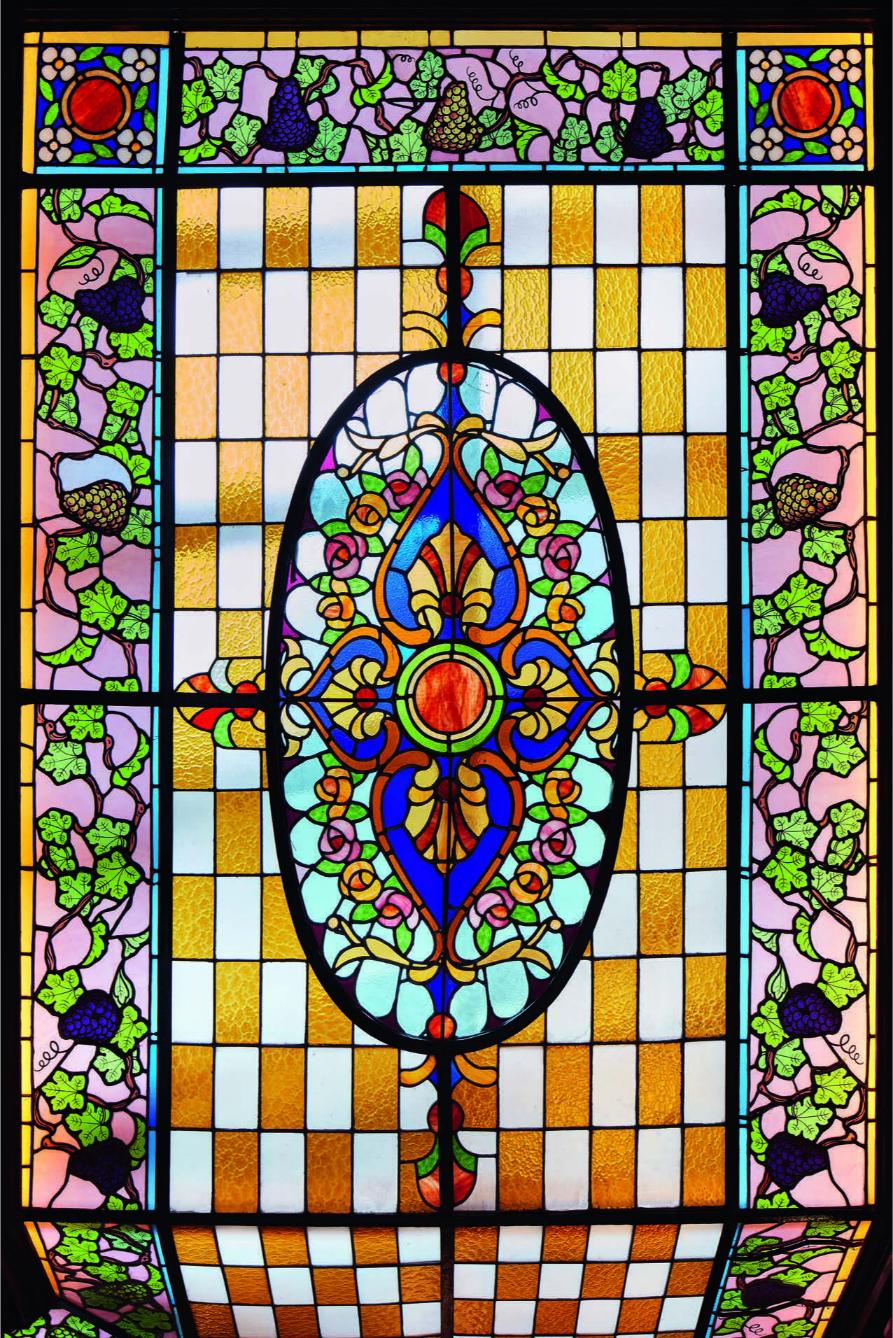
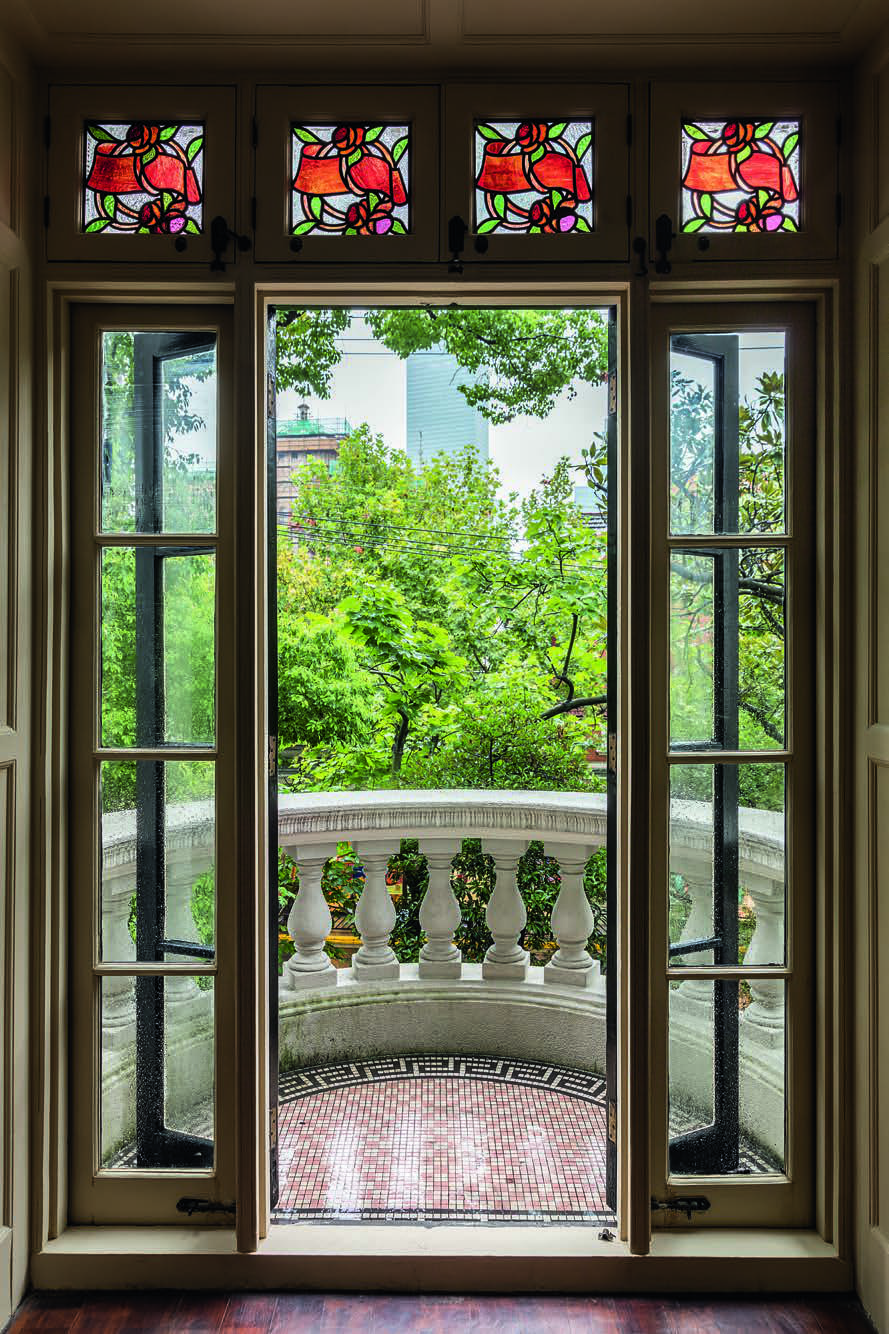
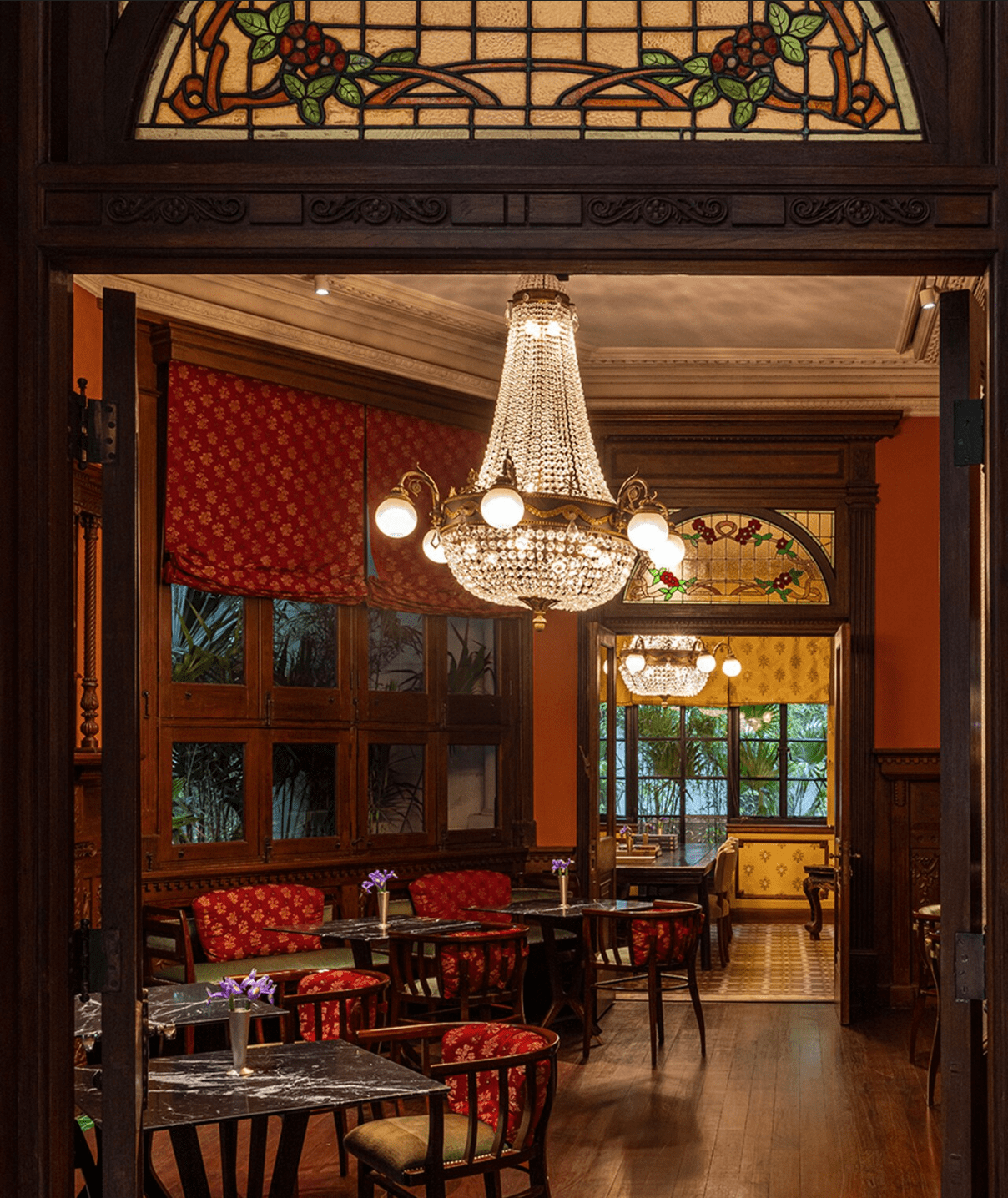
To enter this artistic house, you will need to register in advance since the number of daily visitors is limited, but it is worth the wait because architecturally it is truly something remarkable in this vast city. What impressed me most was the authentic space, left mostly unfurnished, yet designed to host exhibitions, presentations, and other forms of exchange that evoke the city’s vibrant dynamism. I happened to come across the exhibition A Kind of Language: Storyboards and Other Renderings for Cinema, which, after premiering at the Osservatorio Fondazione Prada in Milan, brought to Shanghai more than five hundred works created between 1940 and 2024 by artists such as Wes Anderson, Almodóvar, Chaplin, Hitchcock, Miyazaki, Scorsese, Spielberg, Jodorowsky, and numerous Chinese and international creators.
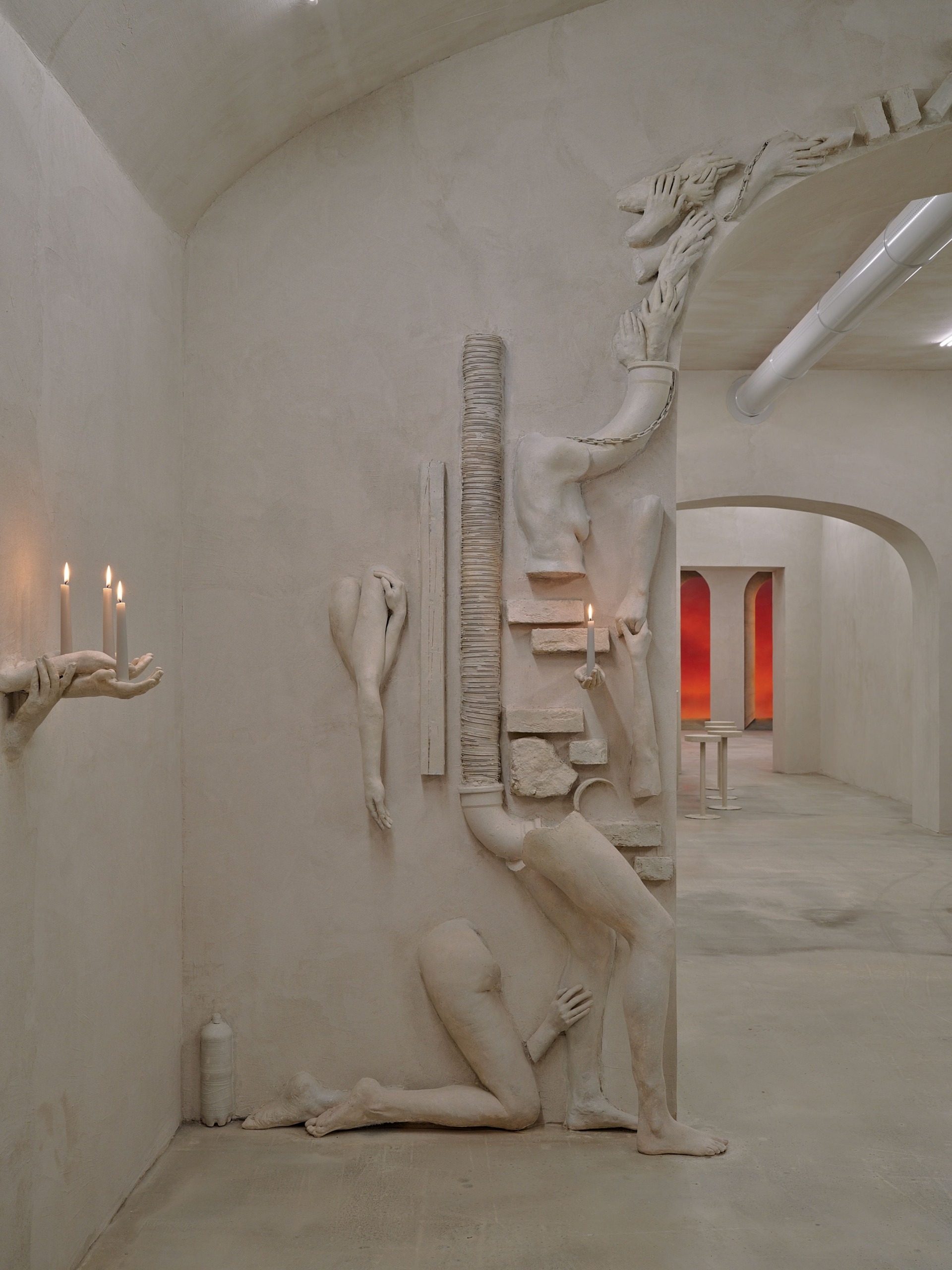
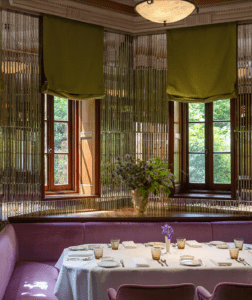
What I especially wanted to see was Mi Shang Prada Rong Zhai, which opened in March this year as the brand’s first standalone fine dining space in Asia, created in collaboration with legendary director Wong Kar Wai. The restaurant merges Italian elegance, Chinese aesthetic tradition, and Wong’s signature cinematic poetry. The concept is inspired by the philatelic idea of Tête-bêche, the mirroring and interweaving of two cultures. This theme appears in the interior that combines Prada’s art collections, Chinese antique furniture, and carefully reconstructed details of the villa, creating a space that looks like a film set.
Courtesy of Prada Fondazione
Mi Shang Prada Rong Zhai offers a completely new type of gastronomic experience, from late breakfast to dinner, with a creative menu that blends Italian and Chinese flavors. It is crafted by chef Lorenzo Lunghi of Ristorante Torre, while the pastry department is led by award winning pastry chef Diego Crosara, former pastry chef of the Italian national culinary team and since 2018 the creative director of pastry at Marchesi 1824, a brand within the Prada Group.
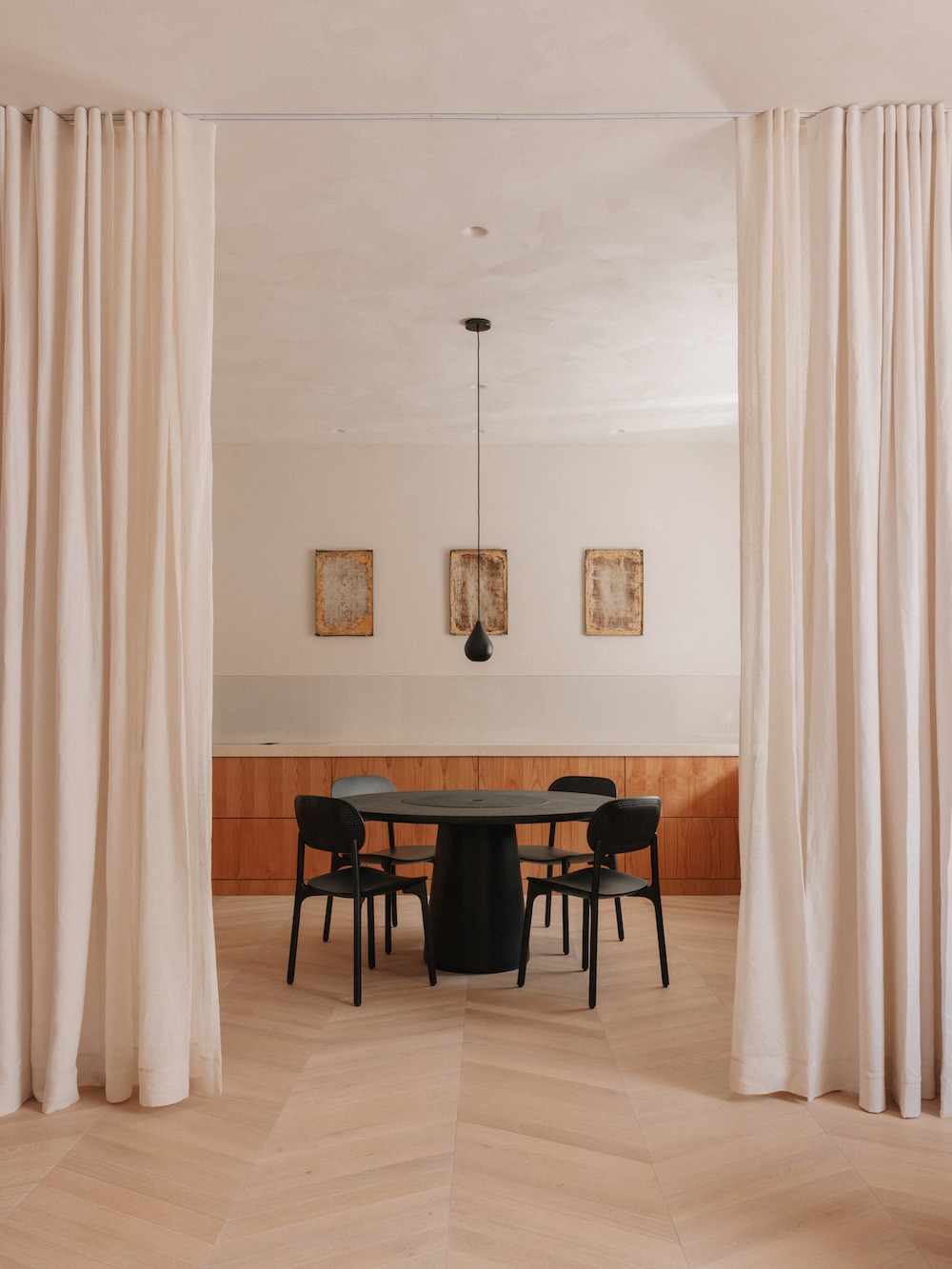
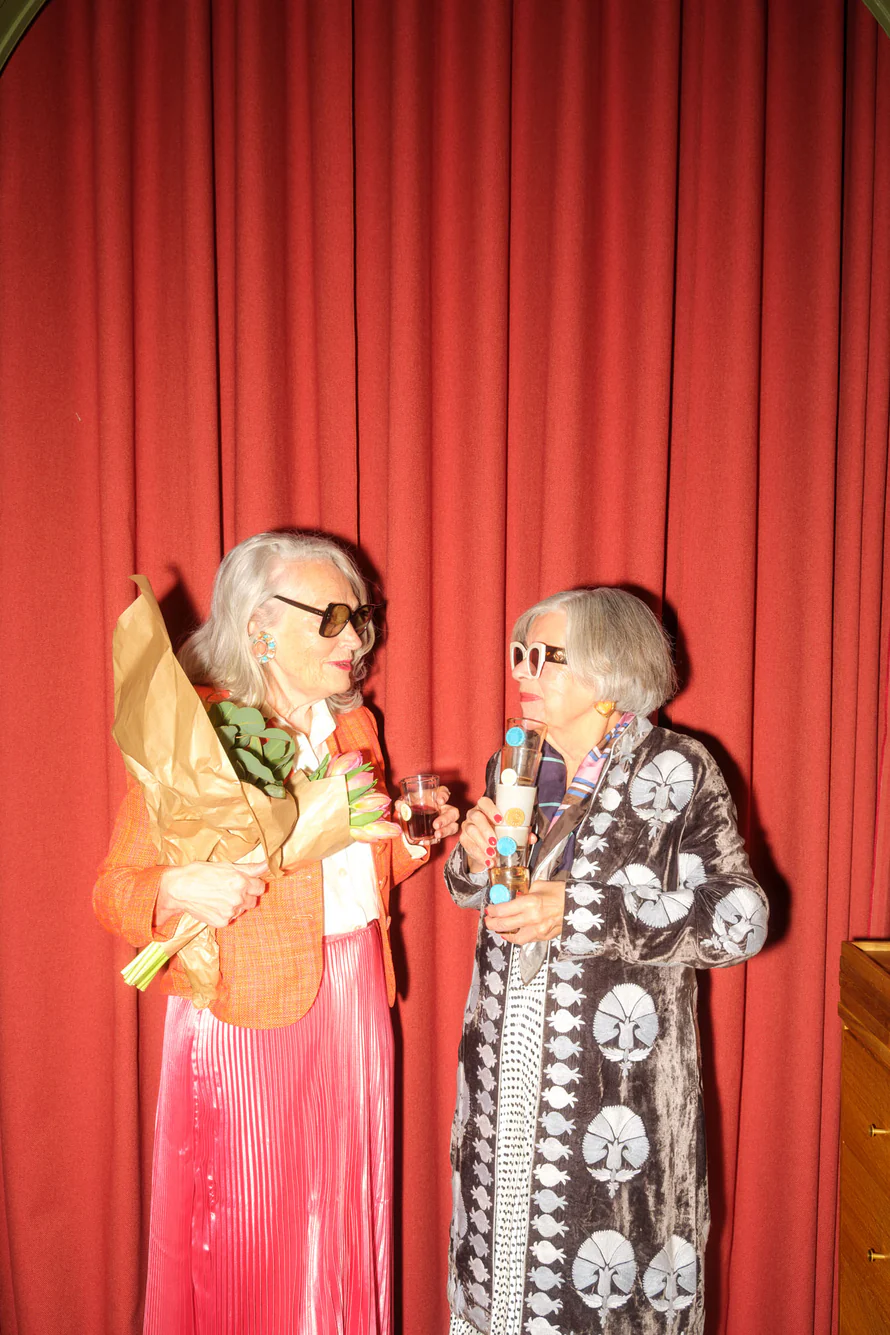
Each room in the villa, from the Pastry Shop and The Caffè to the library and the intimate dining room, is designed as a separate visual chapter where Italian and Shanghainese influences meet like shots from Wong’s films. For me, the most charming aspect was that it felt as if I had stepped directly into his iconic film In the Mood for Love, which I adore.
Courtesy of Prada Fondazione
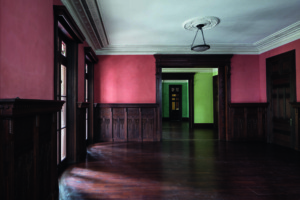
Courtesy of Prada FondazioneThe hallway serves as an evocative passage, immersing guests in the film’s romantic atmosphere. A rhythmic sequence of ceiling lights calls to mind Wong’s visual signatures, while works from the Rising Clouds, Blooming Flowers series, created using traditional Chinese woodcut techniques, add historical and artistic depth. The Pastry Shop blends classic and imaginative Italian patisserie elements, with handcrafted cherry wood furniture inspired by Prada’s first Milan store from 1913. The display cases offer reinterpretations of Italian desserts like Cassata, Delizie al Limone, and Tiramisù, merging tradition, art, and contemporary design.
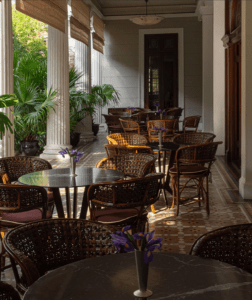
At the center of Mi Shang, The Caffè brings guests together around an elegant bar crafted by local artisans, while the intimate Study connects to the garden and terrace through rare collectible pieces and carefully selected furnishings. The Library merges the cultural influences of Shanghai and Milan with books on Chinese craftsmanship, decorative arts, and Italian design, including Murano glass, while an artwork from the Rising Clouds, Blooming Flowers series enriches the space.
Courtesy of Prada Fondazione
The Dining Room, located at the heart of Mi Shang, exudes a romantic and nocturnal atmosphere, evoking a dialogue between In the Mood for Love and Prada’s refined aesthetic. The menu creatively merges Italian and Chinese traditions, from ravioli with Chinese ingredients to vitello tonnato and duck breast with citrus, creating a dynamic harmony of flavors. Although I unfortunately did not find a free table in any of these rooms, since reservations must be made weeks in advance, I managed to glimpse them while walking through and added the experience of booking a table to the list of reasons why I will return to magnificent Shanghai.
Photo: Courtesy of Prada Fondazione