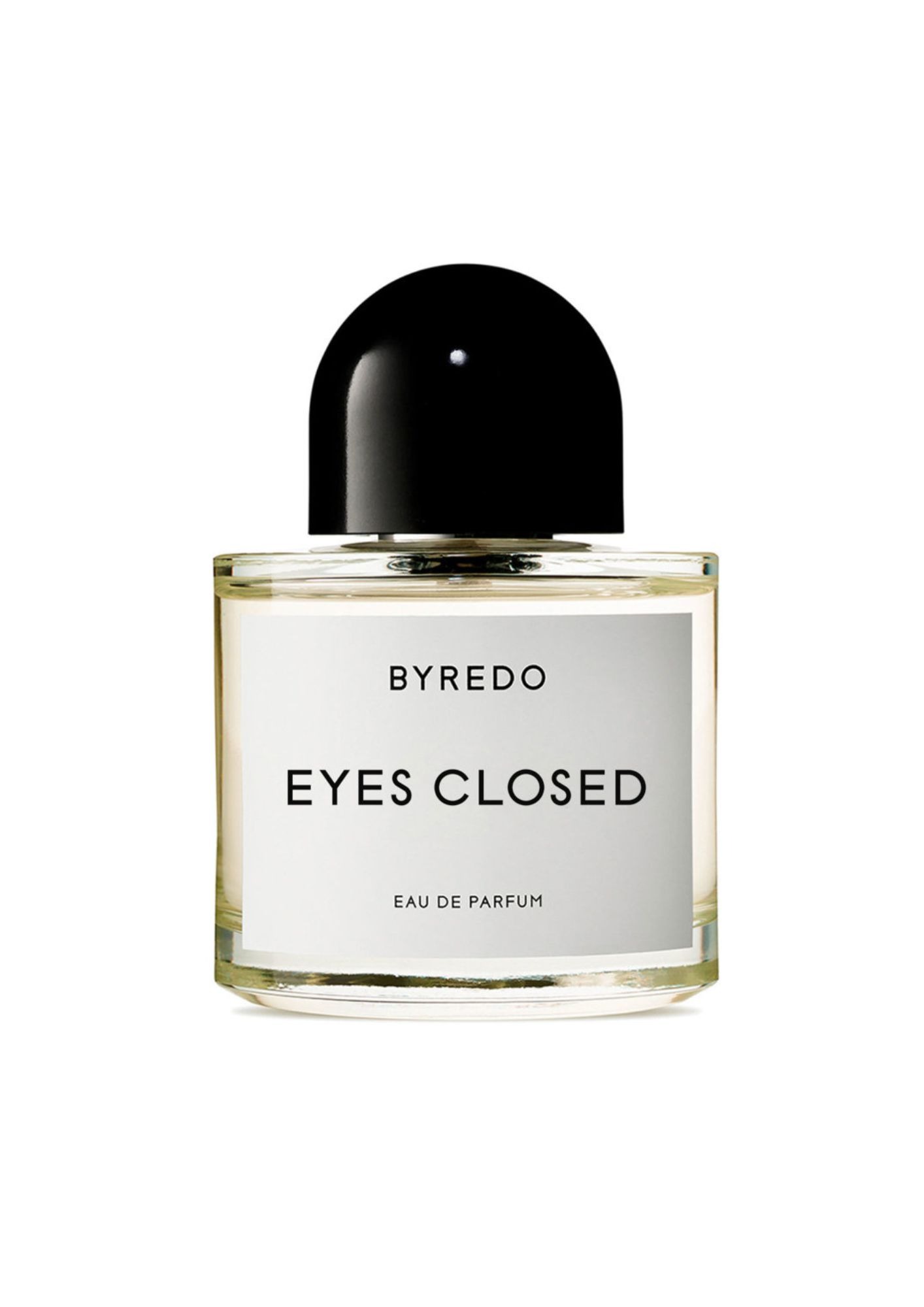
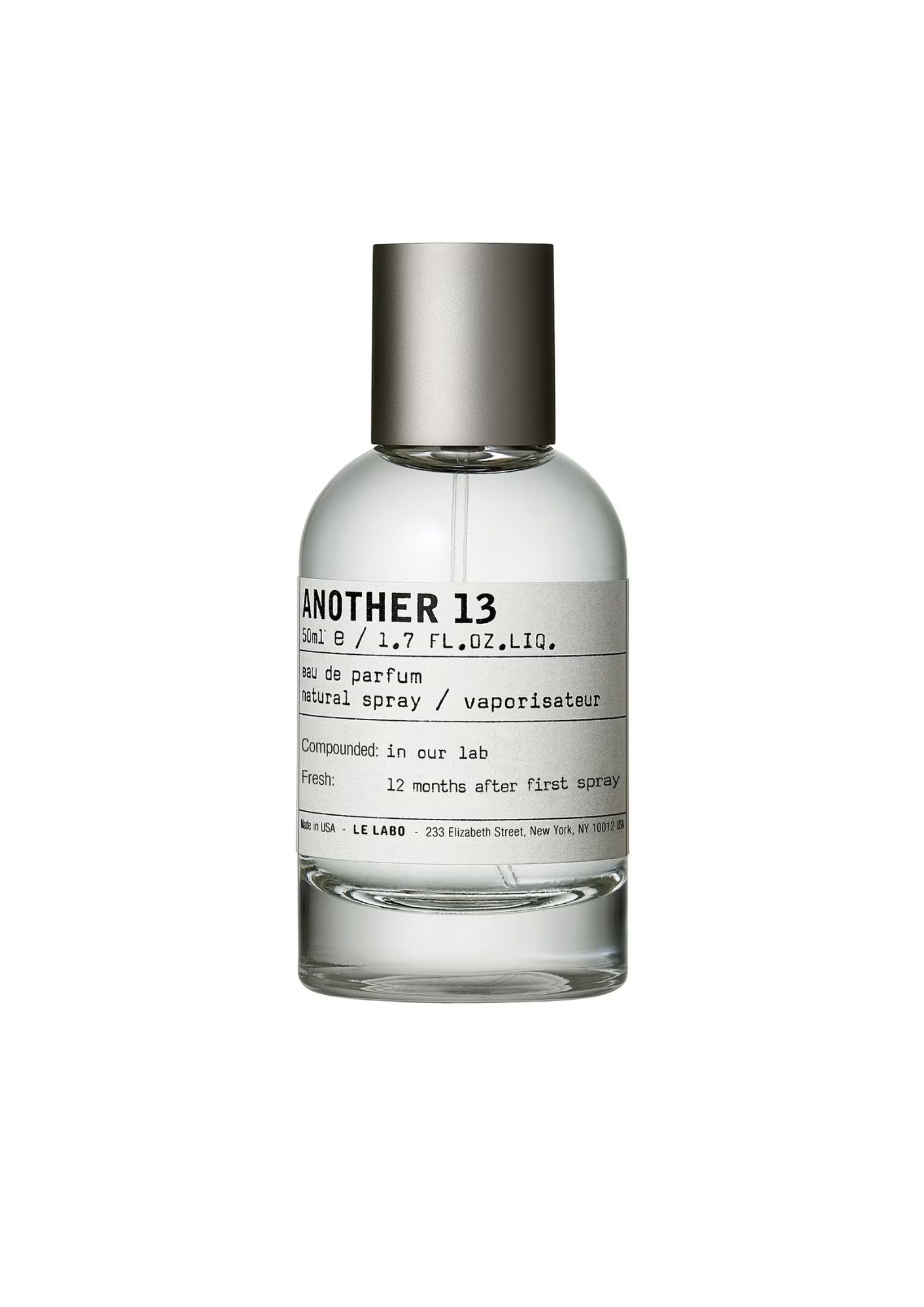
Scents that evoke desire. Do pheromone perfumes really work?
by Kristina Mikulić GazdovićJanuary 27, 2026



January 27, 2026
But is there something that transcends individual notes and preferences? Something that can almost universally trigger a sense of desire? According to one of the most intriguing and imaginative fragrance trends of recent years, the answer might lie in pheromones.
The term “pheromone” comes from the Greek words pherein, meaning to carry, and hormon, meaning to excite or stimulate, and was coined in 1959 by researchers Karlson and Luscher. Pheromones are chemical compounds naturally secreted by animals to send signals to others of the same species. In the animal world, their role is extensive and serves as a means of communication. In popular culture, they are best known as molecules animals release to stimulate reproductive behavior. In humans, however, the story is somewhat more subtle.
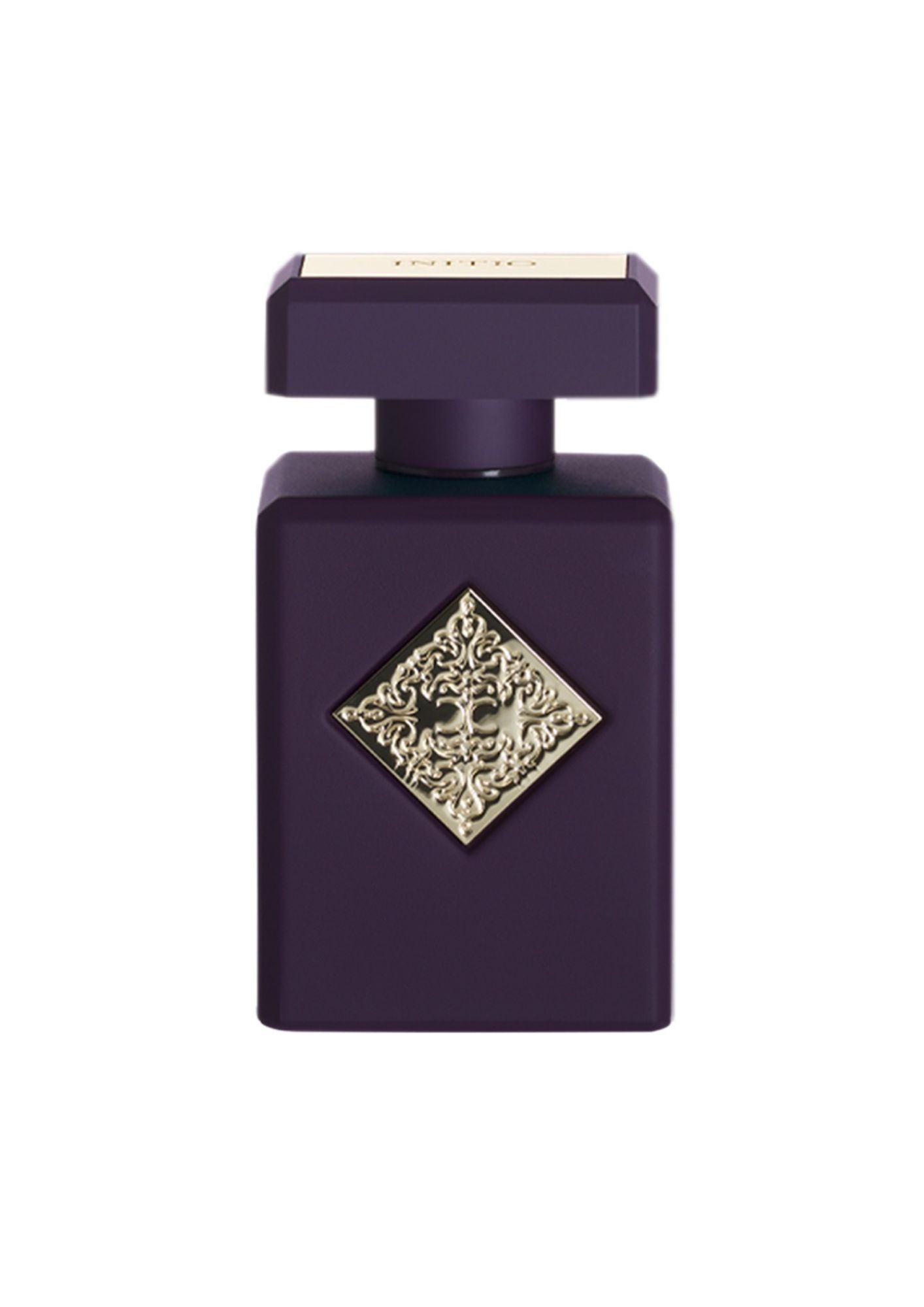
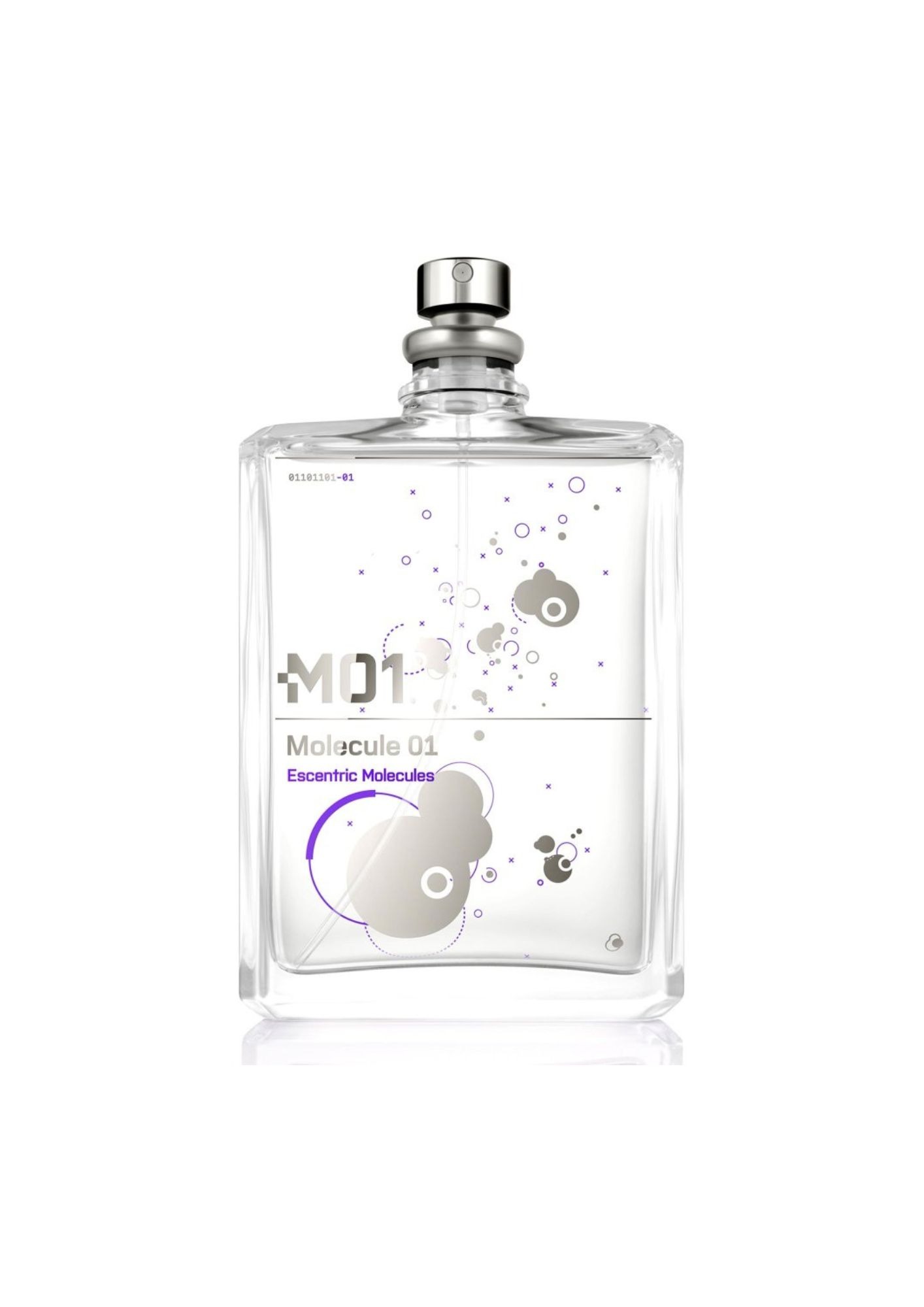
In the respected scientific journal Nature, Alex Comfort published a paper in 1971 titled Likelihood of Human Pheromones. Biologists and neurobiologists only began to engage more intensively with the question of whether human pheromones exist, and more importantly whether they influence human behavior, several decades later. It is important to emphasize, however, that a single molecule secreted by humans that could be compared to the pheromonal effects observed in animals has still not been identified. It appears that humans possess receptors in the nose capable of sensing pheromones, but lack brain receptors that would enable the kind of emotional connection documented in animals.
Although we do not consciously perceive them like classical fragrance notes, very subtle reactions in humans have been documented. A good example is a 2011 study by a group of researchers from Florida State University, which demonstrated that the scent of sweat from ovulating women can cause an increase in testosterone levels in men. Still, no single molecule in sweat has been identified that could be described as a pheromone. So if human pheromones do not exist and do not influence human behavior, what exactly are pheromone perfumes?
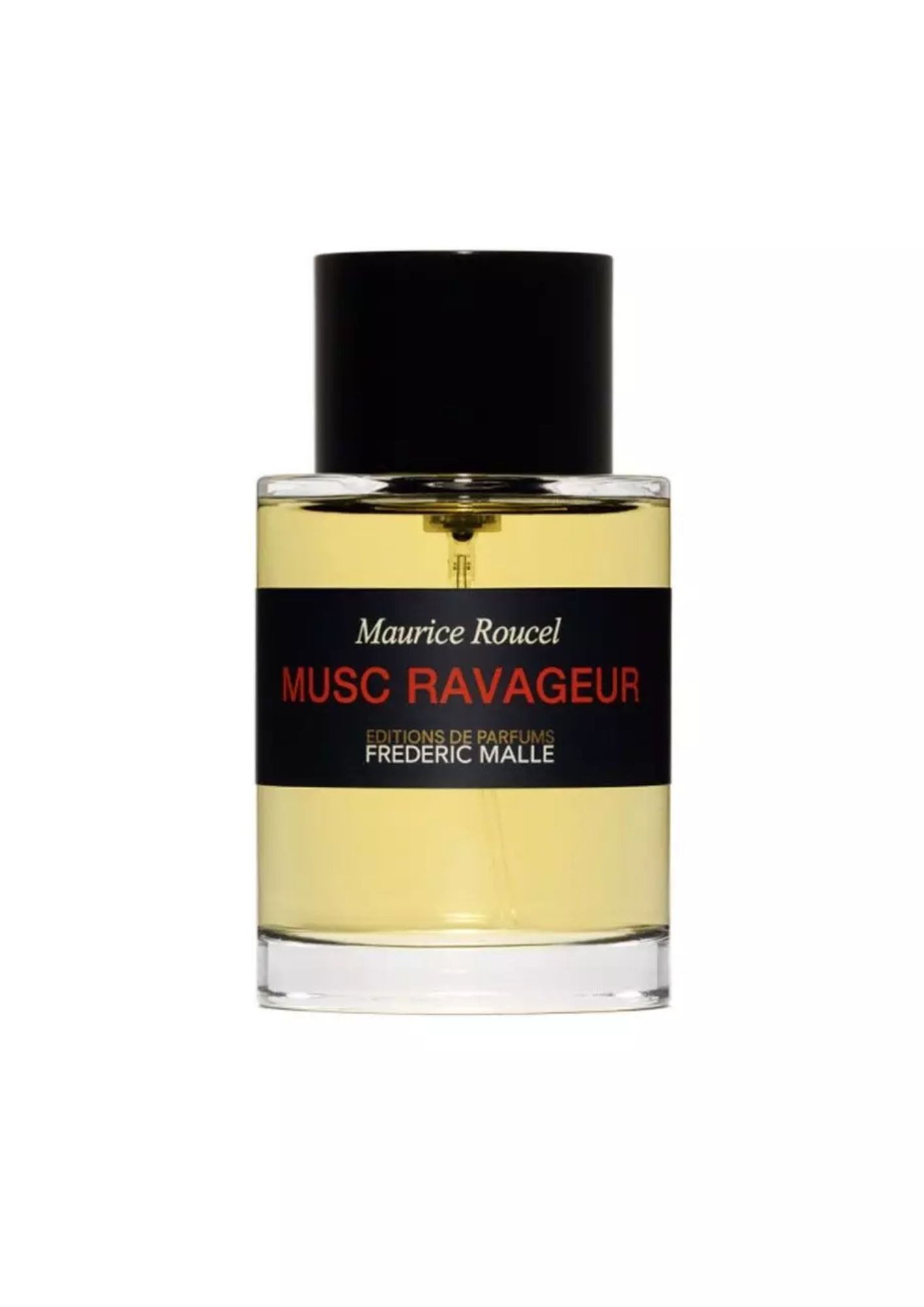
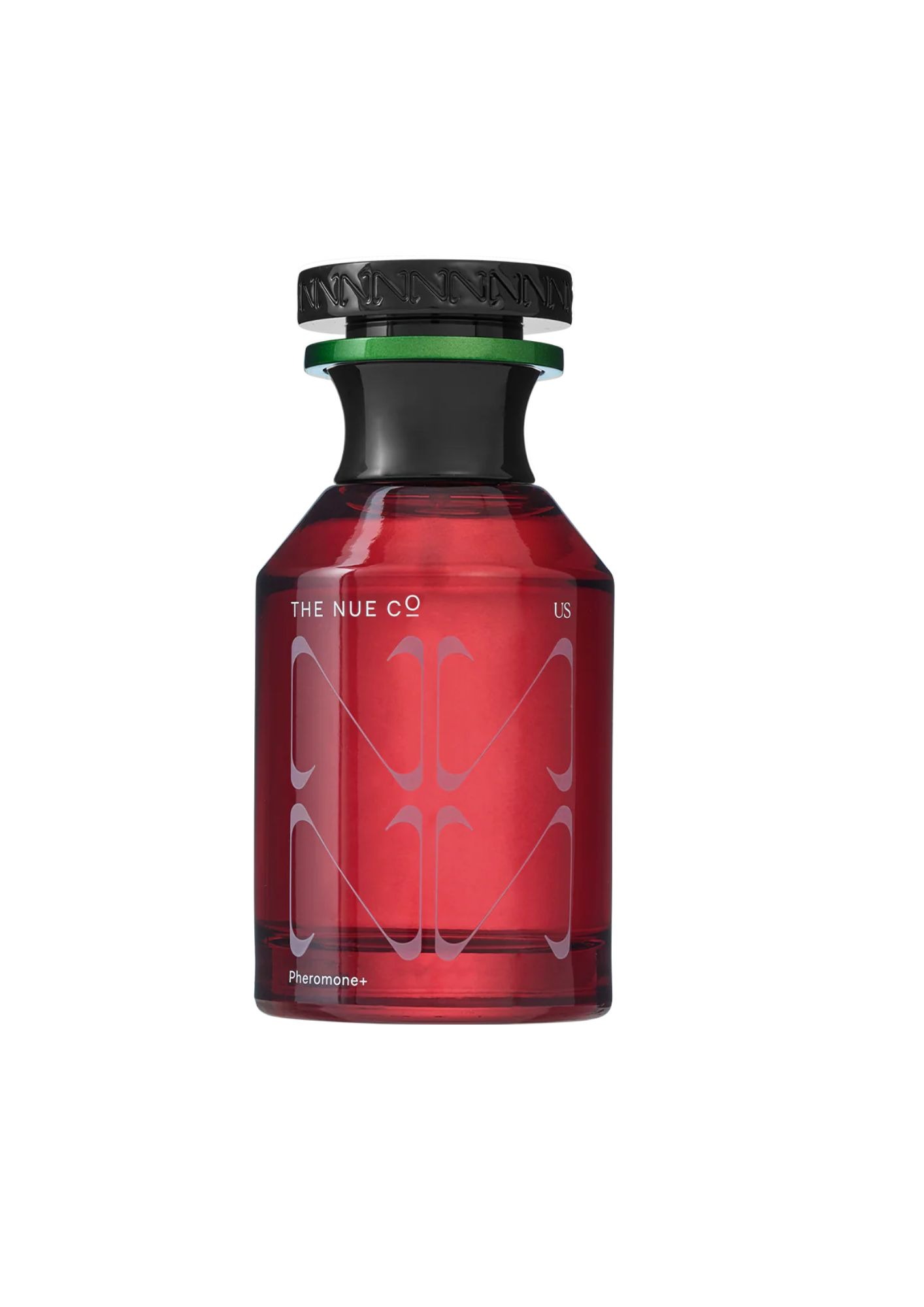
Recreating closeness and intimacy through fragrance is the goal of pheromone perfumes. However, this concept is not new. Many scents can provoke feelings of excitement, intrigue, and happiness. Pheromones are not required for that. This raises the question: what makes pheromone perfumes different?
They are not perceived as a distinct scent in the classical sense. Instead, they are designed to recreate sensations of warmth, closeness, and attraction through the olfactory experience. This magnetism is amplified either by adding synthetic pheromones or by combining notes that work synergistically to recreate reactions similar to those pheromones produce in animals. Essentially, the aim is to evoke a powerful sense of desire.
Pheromone perfumes therefore often smell like damp or warm skin. They do not rely on a traditional fragrance pyramid with defined key notes, yet they create an impression of intimacy. Pheromone perfumes are often noticed only when you come close to the skin of the person wearing them. They smell very warm, sensual, and gentle. These are fragrances rich in musks, woody and balsamic notes, leaving behind a trail of mystery.
Fragrances that belong to this unique group of perfume trends are worn as an act of seduction when preparing for special, intimate moments. Desire is true power, and pheromone scents remind us that the most intense experiences often arise precisely from subtlety.