Another romantic comedy in which friends become lovers arrived on Netflix
Tara ĐukićJanuary 15, 2026


January 15, 2026
From the category of unpopular opinions, I stopped believing in male female friendships when, after ten years of growing up together and being close friends, I stumbled into my best friend one clumsy night. Until then, our circle had been governed by brother sister rules. We spent summers, winters, New Year’s and every holiday in between together, under the same roof, the same blanket, and the same value system, with pure intentions and not a single hidden thought. But something happened during that period of coming of age and drifting apart, each going their own way. Something like a subconscious desire to stop time, to stretch the break just a little longer, to hold on to youth, carefreeness, and a sense of belonging.
adulthood has starved me of that consistency
that us
the walks around the block
the long conversations when we were
too lost in the moment to care what time it was
when we won and celebrated
when we failed and celebrated harder
I miss knowing I once belonged
to a group of people bigger than myself
that belonging made life easier to live
Rupi Kaur
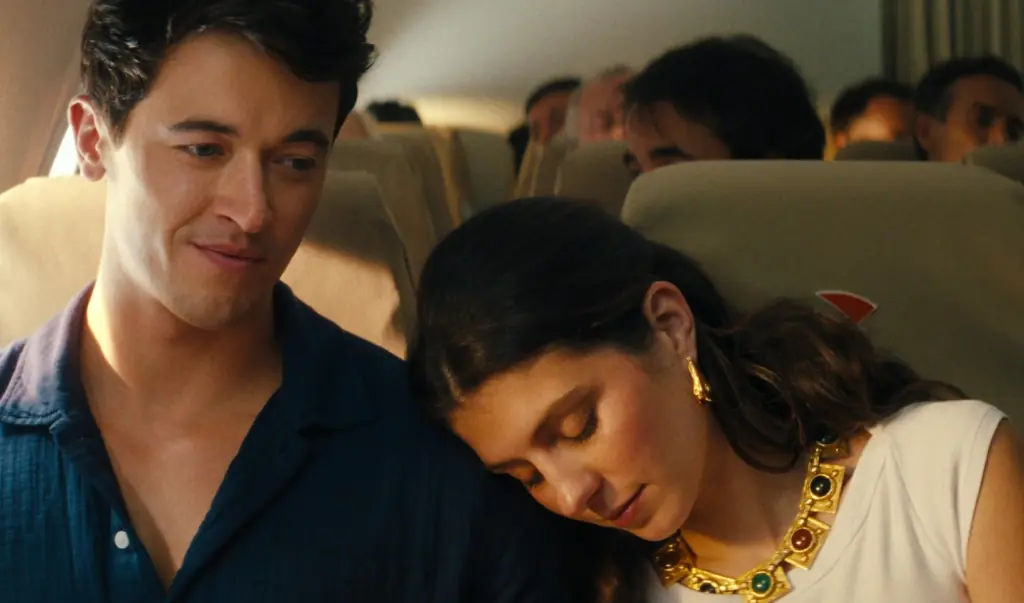
The latest Netflix adaptation of the popular BookTok novel People We Meet On Vacation, a bestseller by Emily Henry, promised exactly that kind of story, with all the elements of a classic romantic comedy like When Harry Met Sally, in which best friends fall in love over a long period of time (this couple even meets in the same way).
Netflix
But what felt lived in and authentic in 1989 now, in 2026, comes across as somewhat shallow and artificial, like a repetition of something we have seen many times before. Predictable as it may be, the core idea itself is not that bad. The new Harry and Sally are Alex and Poppy, played by British Hunger Games actor Tom Blyth and rising star Emily Bader. After their first summer trip together, they make a pact: every year, no matter where they are or what they are doing, they will spend their vacation together. The film looks back on their summers, where year after year it becomes increasingly clear that the boundaries between love and friendship are shifting, creating an unresolved, platonic relationship that almost all of us have experienced at some point, at least during our teenage years. At the same time, in the present day, they are preparing for a reunion after years of silence, different relationships, and partners, including Lucien Laviscount from Emily in Paris, which is reason enough to watch.

Netflix
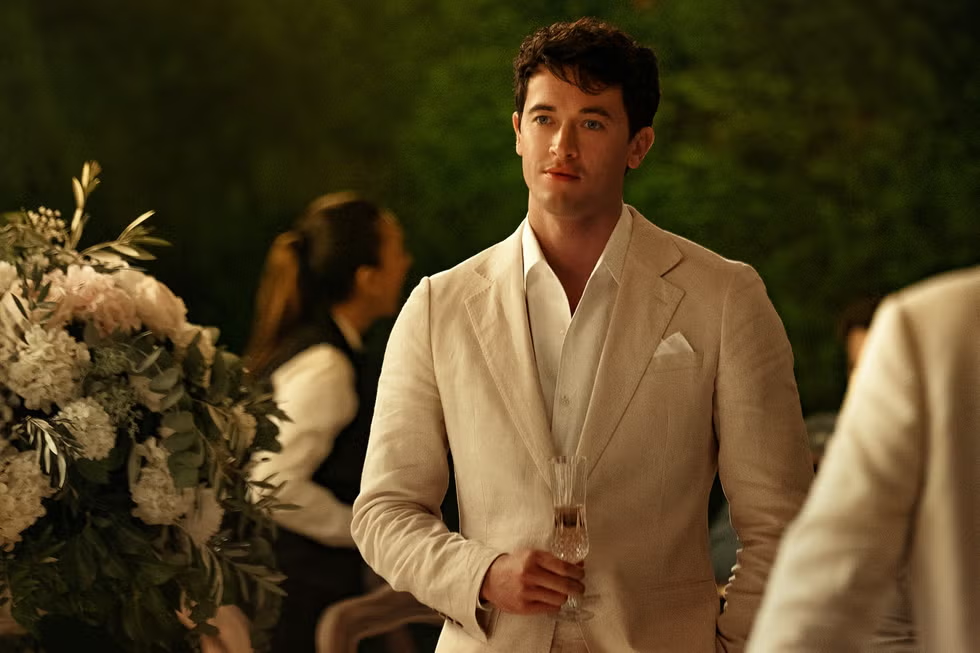
From the dilemma between returning to your hometown and pursuing your own dreams, to settling for less than you deserve, to introspection and self-discovery, it is easy to relate to the various motivations in the film that suggest potential for emotional depth. Yet the film does not go deep enough beneath the surface for us to connect with the characters, root for them, or feel empathy for them. Alongside the insufficiently developed chemistry, it also lacks that true yearning (I admit, Heated Rivalry may have set my expectations too high). Alex and Poppy represent the typical “opposites attract” romance, with all the clichés you would find in Taylor Swift songs, which is logically also the soundtrack. On a few occasions, they reminded me of the sentimentality of Nicholas Sparks, though it seems even adaptations of his books had more layers. Visually, People We Meet on Vacation is undeniably charming, and the fashion costumes match the same tone.
Netflix
After all, not every film is made to be an Oscar contender, nor is every book written to win a Nobel Prize, and the author herself does not shy away from this, having spent most of her career addressing a teenage audience: her first novel was literally titled Beach Read and will also soon receive its own adaptation. People We Meet On Vacation may not be one of those films that will be remembered for a long time, but released at the beginning of January, it is perfect for cozy, cold winter evenings when we all dream of escape and a happy ending, even one we may not have had ourselves—right now, more than enough.