I just watched one of the most talked-about films of the year — and it’s a radical take on failed revolutions
Bojana JovanovićJanuary 27, 2026

January 27, 2026
To start with a small but important note: I am not a fan of Leonardo DiCaprio. Ever since Titanic, I have generally found him uninteresting as a personality and as an actor, even though I often like the films he appears in and manage to connect with his characters. Still, I was never one of those people who mourned the fact that he did not win an Oscar before The Revenant. We have a strange relationship. And I think that is precisely what is key for this film as well. To love it, you need room for ambivalence, for love hate dynamics, for humor in the darkest situations.
Maybe you are already tired of the praise surrounding this film. Maybe your brain has already been washed by reviews and analyses, but I only arrived at the party yesterday. Let me say a few things, okay?
Related: 13 films that will shape the cinema landscape in 2026
I did not watch One Battle After Another in a movie theater. I watched it sometime around midnight, alone in my room, very much secondhand, already surrounded by every possible reaction, review, and the general consensus that this is a “big film.” And honestly, I thought it would not affect me. It often happens that films that reach me with such a reputation arrive already spent. As if I am told in advance what I am supposed to feel.
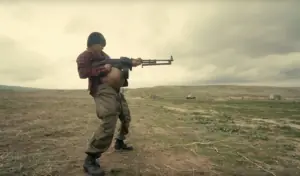
Courtesy of Warner Bros Pictures
After everything I managed to absorb while scrolling through TikTok, and now after actually watching it, this film definitely feels to me like one of the most important American films of the present moment, and without a doubt one of the best films of the 2020s so far. And I say that as someone who was never an especially devoted admirer of director Paul Thomas Anderson either. I love Phantom Thread. Punch-Drunk Love is even a film I return to often. But Paul Thomas Anderson was always an auteur whose films did not consistently resonate with me at the same level or with the same intensity. This is, of course, not a reassessment of his talent, but purely a matter of personal taste. After this film, that changed.
Related: Pre Oscar watchlist: films from the past five years that deserve more attention
I think I am not the only one who was left in a state of complete astonishment by almost every aspect of the film by the end. Honestly, I did not know what to expect. The trailers were deliberately vague, which was not an issue for me as someone who often does not even watch trailers, but now it is completely clear to me why this film was a nightmare for marketing. How do you even sell a film that is at once political, deeply personal, funny, melancholic, action-driven, and at the same time absolutely impossible to pin down to a single message?
What is certain is that the film is brutally relevant. For America today, but also beyond. It reminded me of the feeling I had while watching Children of Men, The Battle of Algiers, which the main character himself watches at one point in the film, and How to Blow Up a Pipeline. That feeling of inspiration, of resistance that comes from hope rather than pure rage. In a time dominated by cynicism, exhaustion, and nihilism, One Battle After Another captures that spirit, but elevates it to a much larger and more complex scale.
What fascinated me most about this film is the way Anderson uses extremely complex personalities and almost mythical figures to tell a story that is essentially very grounded and human. His characters are not heroes in the classical sense. They are insecure, contradictory, often humorous in their weaknesses, and mostly bad at what they supposedly stand for. These are my favorite narratives. I love deeply human stories and protagonists who are almost on the same edge as the antagonists, in whom we often see ourselves in an all too realistic way. Are we not all, in our own lives, actually in dual roles of villains and heroes that alternate on a daily basis? And it was precisely there that I, somewhat unintentionally, realized that I now also count myself among Anderson’s fans. As for DiCaprio, I will need a bit more time to decide.
Related:We spoke with the filmmakers of “Planina” ahead of its Sundance premiere
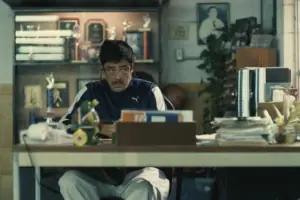
Imdb
Everything in this film is powerful. The acting ensemble is impeccably strong, but Benicio del Toro is, for me personally, the absolute highlight. Still, what drew my attention most was the way the film speaks about revolution, about the struggles we fight, and about whether the most radical act in the film might be the decision for a man to stay, to be a parent, to take responsibility.
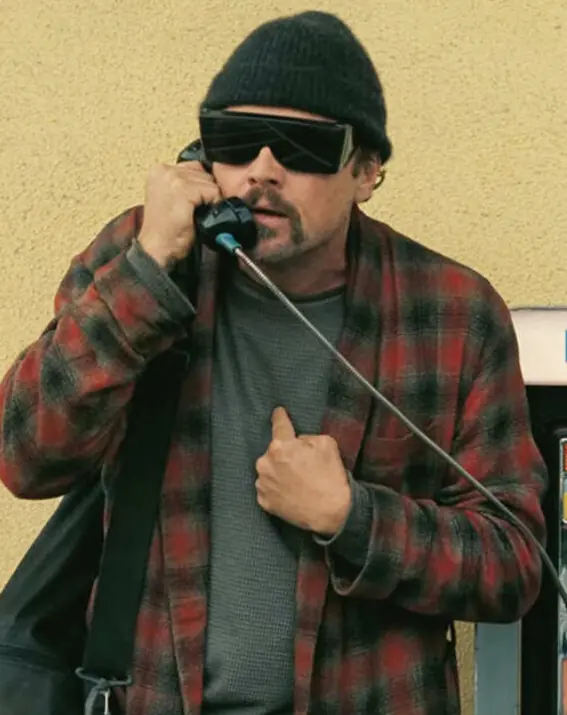
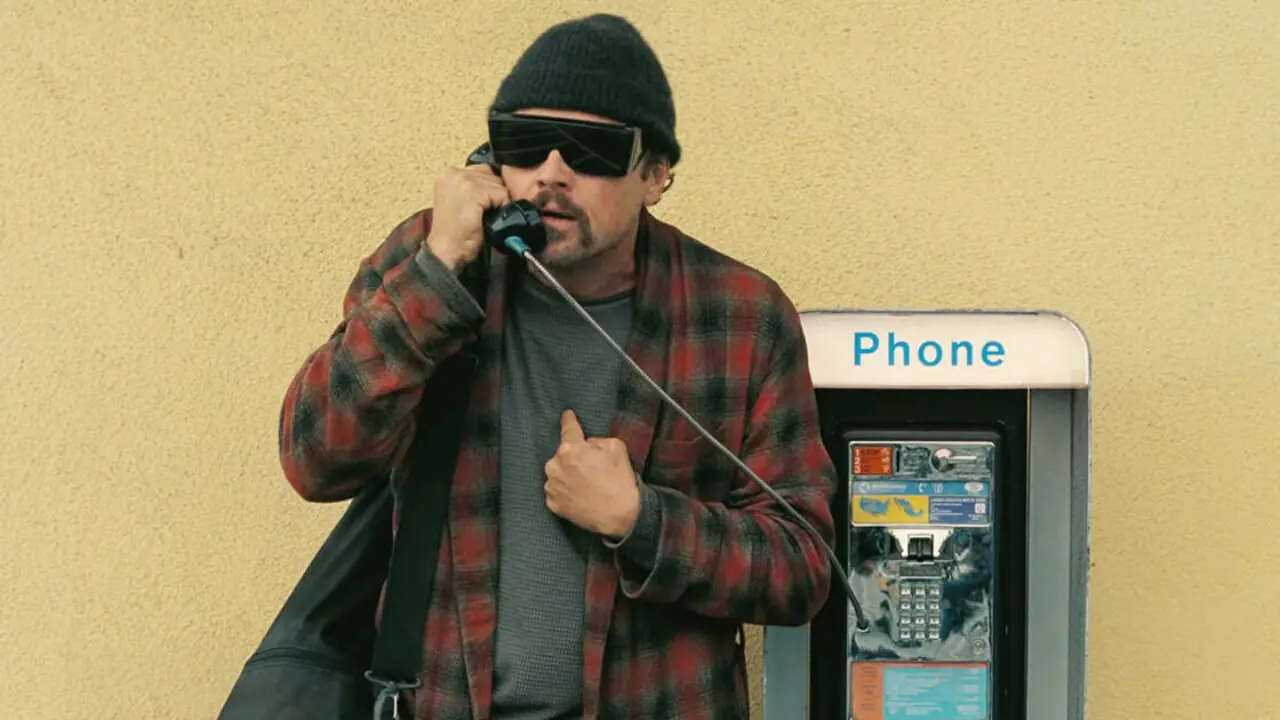
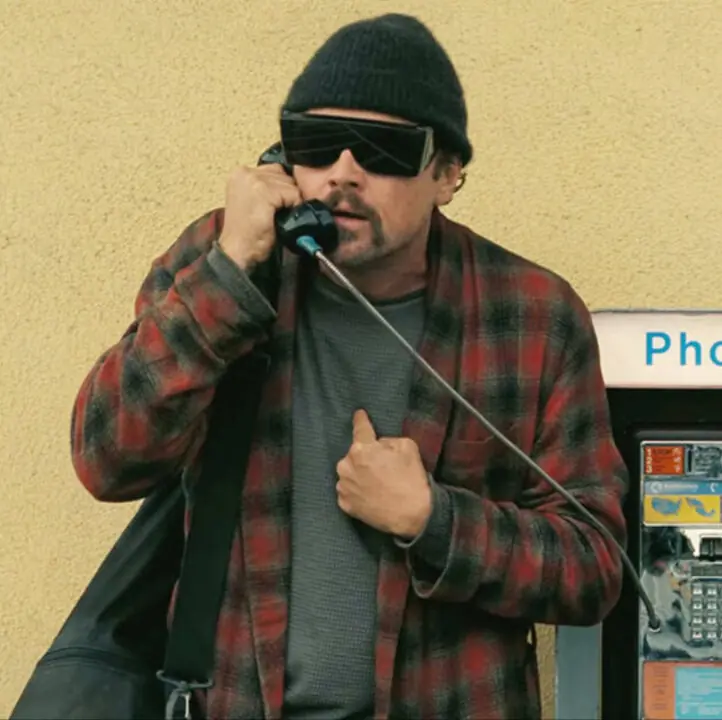
Leonardo DiCaprio plays a revolutionary who is not particularly good at it. And that is the point. He makes mistakes, others save him, he often seems lost and scattered, more preoccupied with his own chaos than with grand ideals. His character is a father, a weirdo, constantly drunk or under the influence of marijuana, a man who cannot even remember the code for the extreme situation he finds himself in. The film is often very funny because of this, because it completely humanizes those legendary revolutionary figures who in action films are always infallible, perfectly focused, and eternally capable, and here you will see everything but that