Olivier Saillard took us through one of the largest fashion exhibitions recently opened in Paris
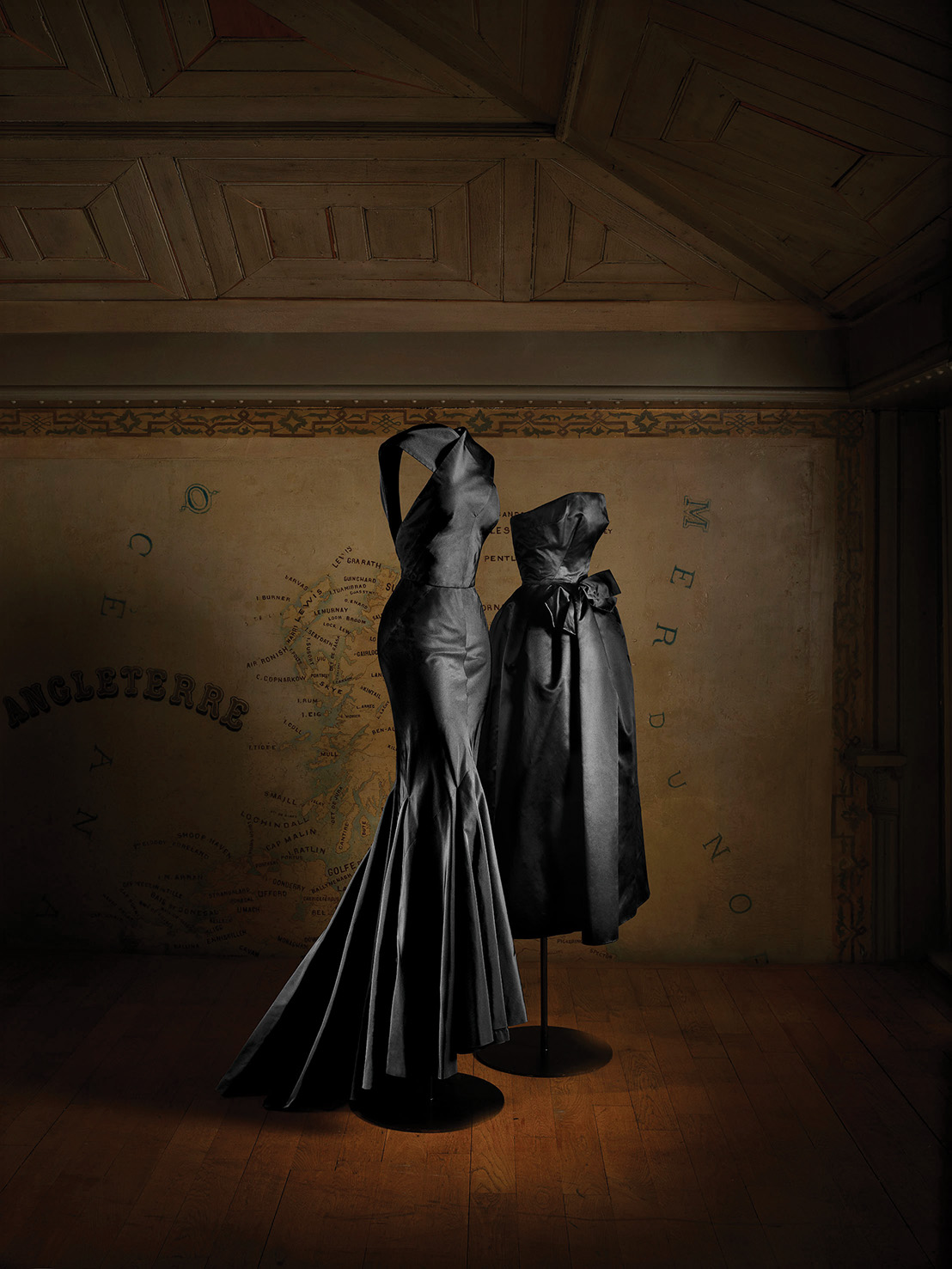
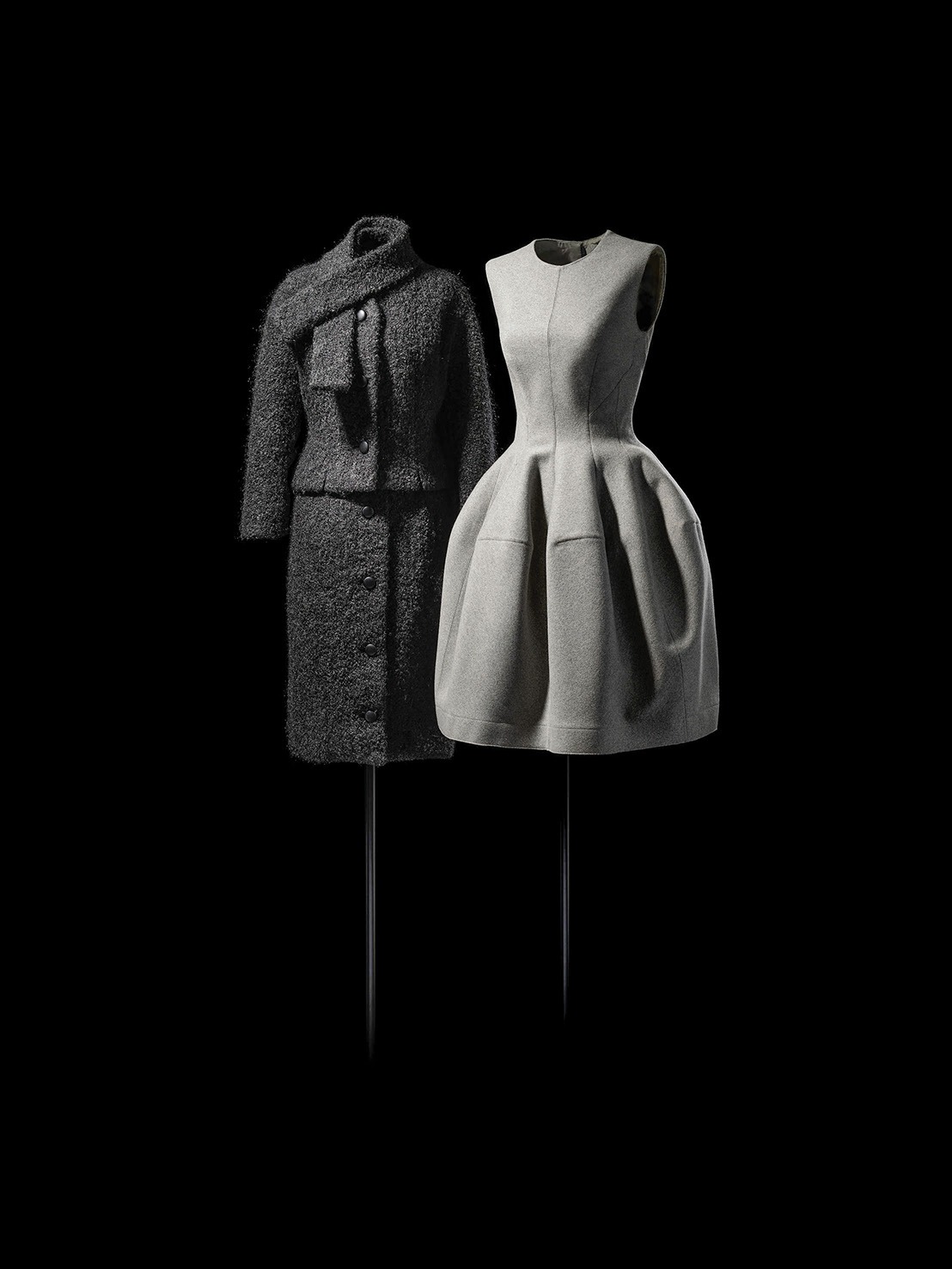
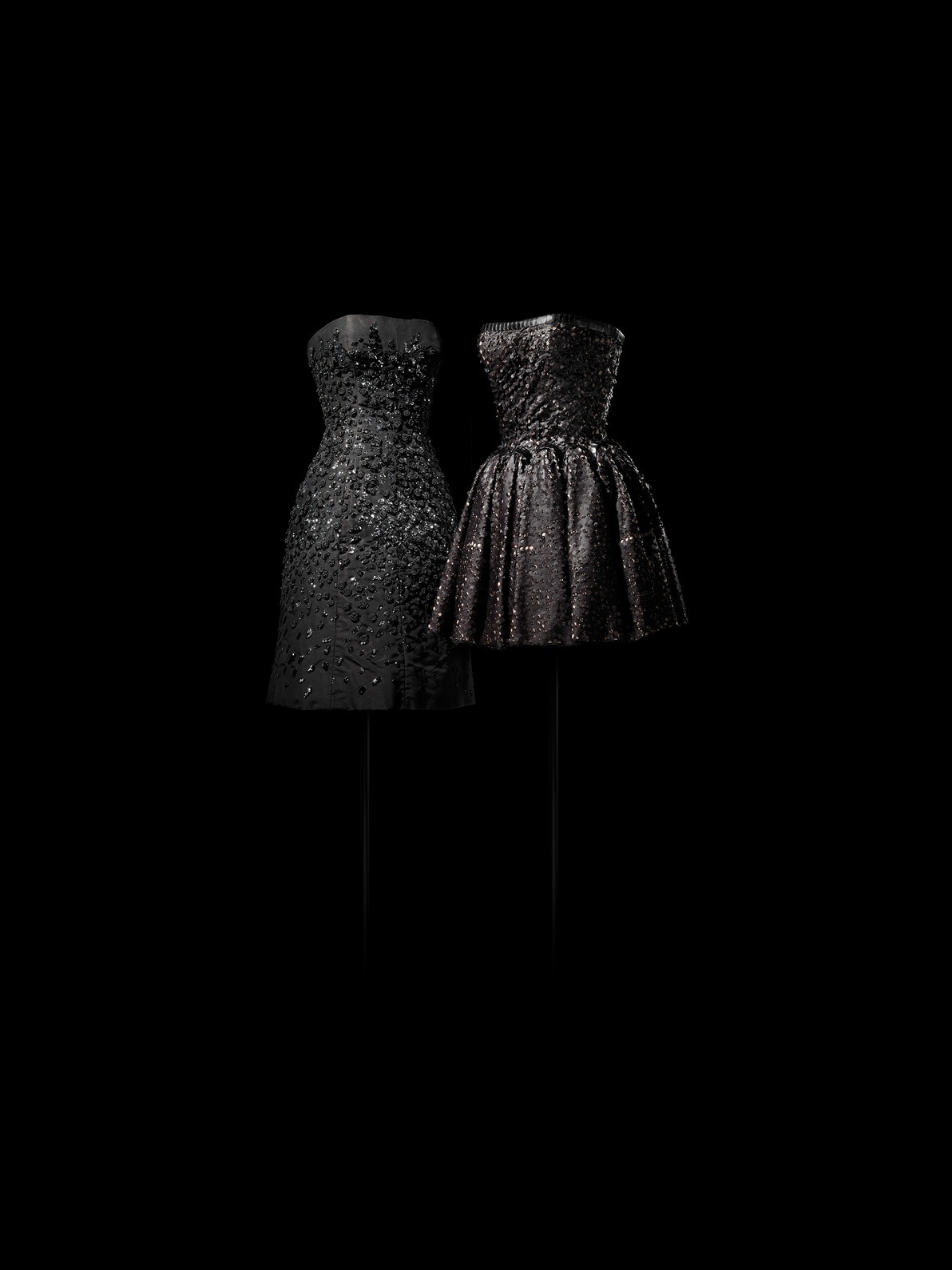
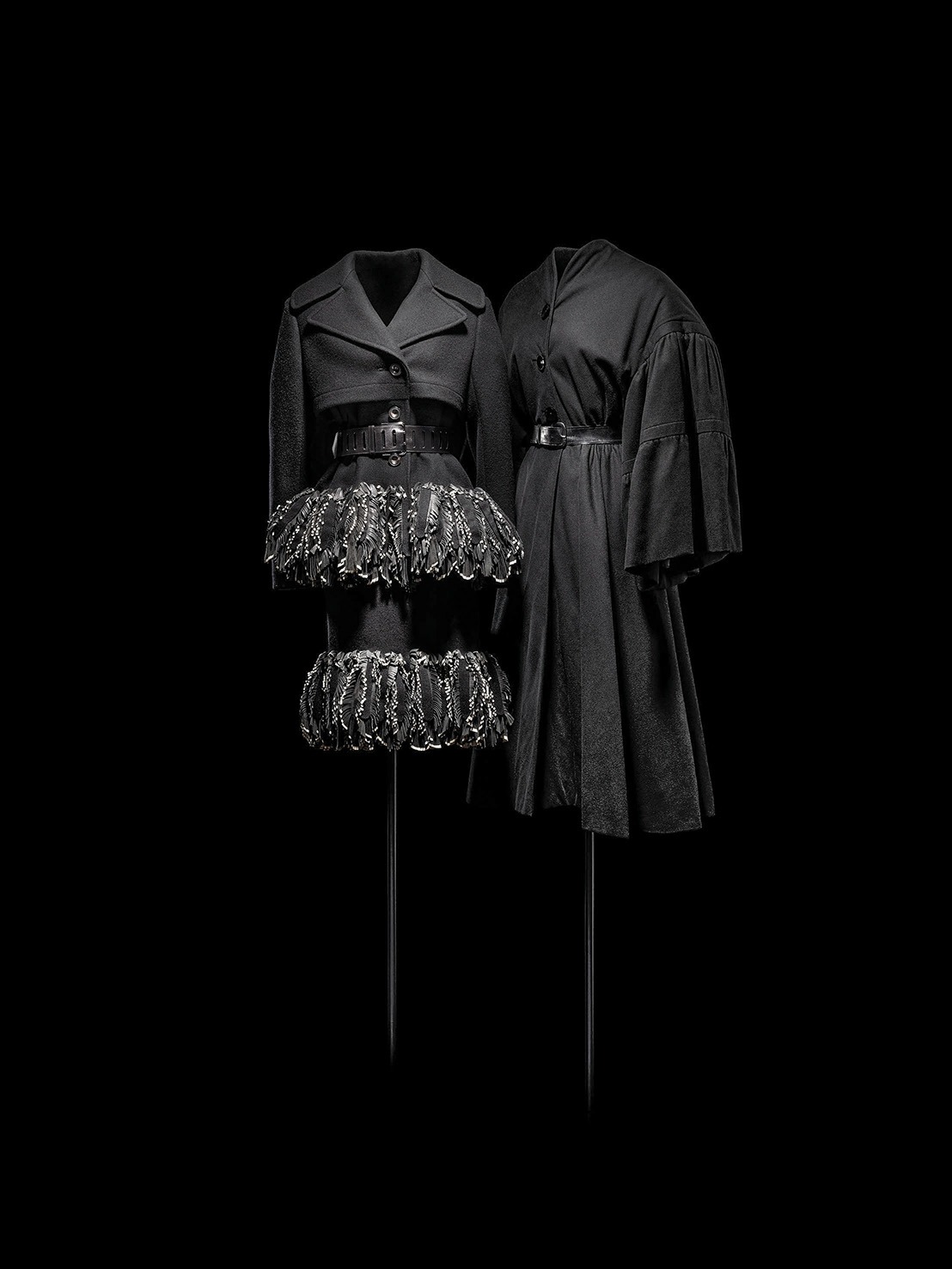
Fashion historian and director of the Azzedine Alaïa Foundation, Olivier Saillard, walked us through the ideas behind the exhibition Azzedine Alaïa and Christian Dior, two masters of haute couture and the intertwined histories of these two fashion houses.
The day I was supposed to meet Olivier Saillard started off in the worst possible way, with a string of small morning mishaps that ended with me failing to secure tickets for a dream concert. I drank my first coffee of the day wondering which of the five retrograde planets was sabotaging me, almost forgetting about the conversation I had been so excited about the night before. Luckily, this call didn’t share the same doomed fate as everything else that morning, and with each sentence we exchanged I could feel my dopamine levels returning to normal. Saillard, despite being one of the most celebrated fashion historians, is an unusually warm and generous conversationalist. And honestly, it’s hard to stay in a bad mood when you’re thinking about the design worlds of Christian Dior and Azzedine Alaïa.
Saillard is the curator of the newly opened exhibition Azzedine Alaïa and Christian Dior, two masters of haute couture, which places the work of the two designers in dialogue. Thinking about the show, I tried to remember when I first heard of the house of Dior and, unsurprisingly, came up empty. I don’t know if I first saw the name Christian Dior on my mother’s perfume bottle or in one of the magazines I spent hours flipping through as a child (which created its own kind of Pygmalion effect). At some point I realised there was no point trying to pinpoint the moment. The house is so iconic that you almost can’t avoid encountering it in early childhood. But Azzedine Alaïa remembered the exact moment he saw Christian Dior’s work for the first time, because that discovery would prove crucial for the rest of his career. It happened while he was still living in Tunisia, where French fashion magazines brought to him by his mentor, Madame Pinault, were his window into European style. He wasn’t immune to Dior’s meticulous sensibility and elegance and, as Saillard explained, when Alaïa moved to France in 1956, “as soon as he arrived in Paris, he knocked on Dior’s door.” The result was a short internship, four days Alaïa would remember for the rest of his life. “It opened the world of Parisian fashion to him,” Saillard said.
“One day Azzedine told me that from the beginning he was inspired by the architecture of Christian Dior’s dresses. Even when he was very young, he tried to decode the secret behind how exceptional Dior’s dresses were,” the curator told me, emphasising how central the house of Dior was in shaping Alaïa’s own idea of a “fashion dream.” Alaïa is certainly one of the rare designers whose fashion dream became reality. Not only did he work with some of the greatest names in the industry, from Dior himself to Thierry Mugler, he also created a brand that remains synonymous with elegance. Beyond his own designs, which are textbook examples of technical mastery, Alaïa left behind an enormous personal collection of garments by designers he admired and collected for inspiration. According to Saillard, the scope of that collection makes it nearly impossible to determine precisely which codes shaped his work. “In Alaïa’s collection we have around 600 pieces by Christian Dior, about 900 by Madame Grès, 500 by Cristóbal Balenciaga… it’s an exceptionally important private archive,” he said. “But I can say that Dior’s work taught Alaïa how to create something timeless.”
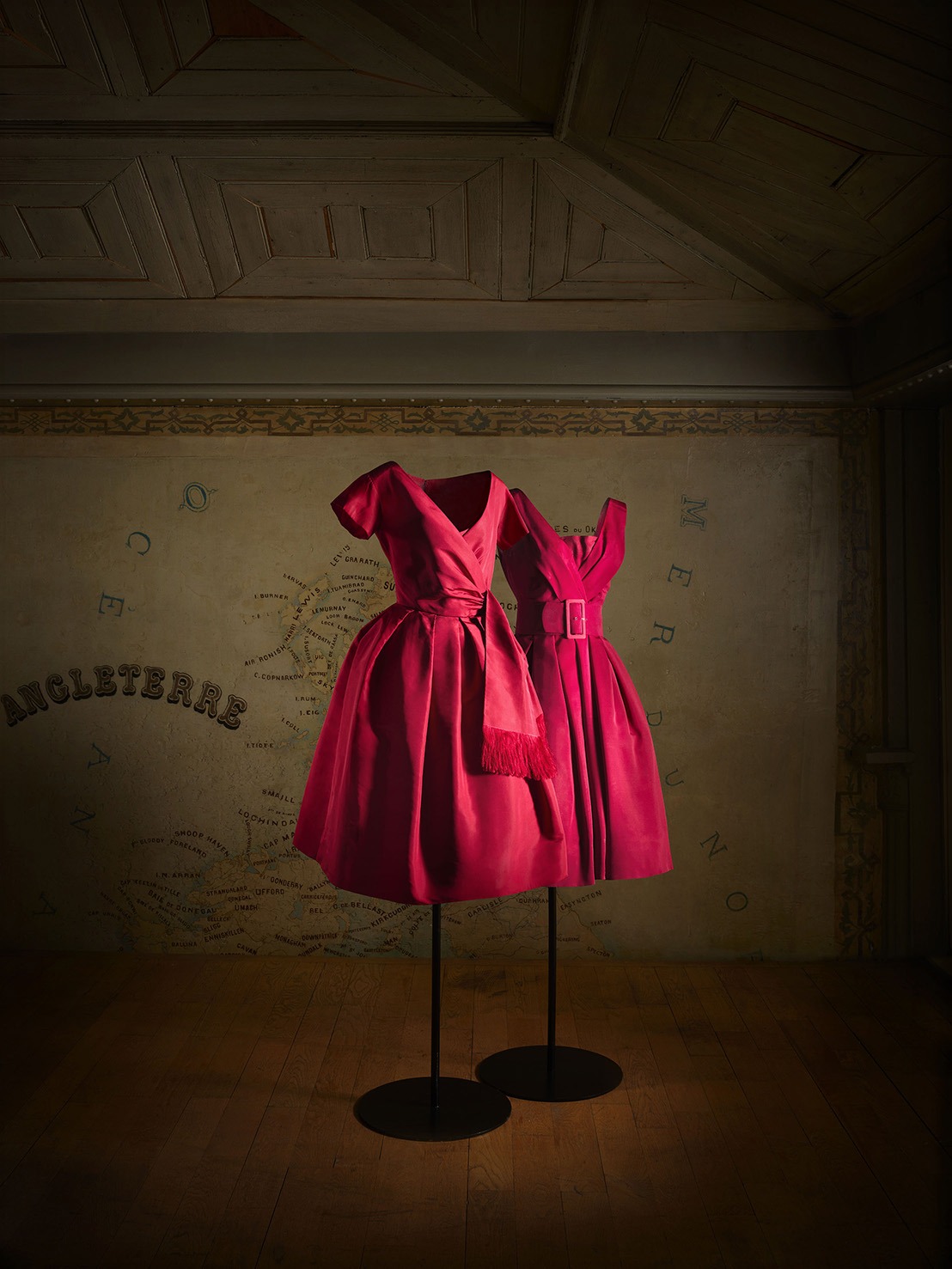
This remarkable collection, one that many museums would envy, and the deep creative connection between the two designers inspired the opening of two parallel exhibitions in Paris. In November, La Galerie Dior opened a show featuring about one hundred of the six hundred Dior pieces preserved in Alaïa’s private archive. The second exhibition, now opening at the Alaïa Foundation, contextualises the work of both designers, dissecting nearly every seam in search of the thread that binds them. Perhaps there’s even a hope that we might finally understand how Azzedine Alaïa made the leap from Dior intern to the designer the world would one day celebrate. “At first it was difficult to curate this exhibition because we had lent some of the most interesting pieces to La Galerie Dior, which was an honour. But then I realised that we still had the strong pieces, the ones that feel like drawings or sketches,” Saillard told me. Still, what he seems most excited about is displaying a dress that has never before been exhibited, donated to the foundation only recently. “A very kind woman donated her mother’s vintage dress, which she wore on the second day of her wedding. It’s a beautiful red dress and the oldest Alaïa creation we own,” he explained. “It was made in 1958, just two years after he arrived in Paris. The dress is entirely in red satin, and the influence of Christian Dior is unmistakable, as though Dior himself had made it.”
Lessons in (fashion) anatomy
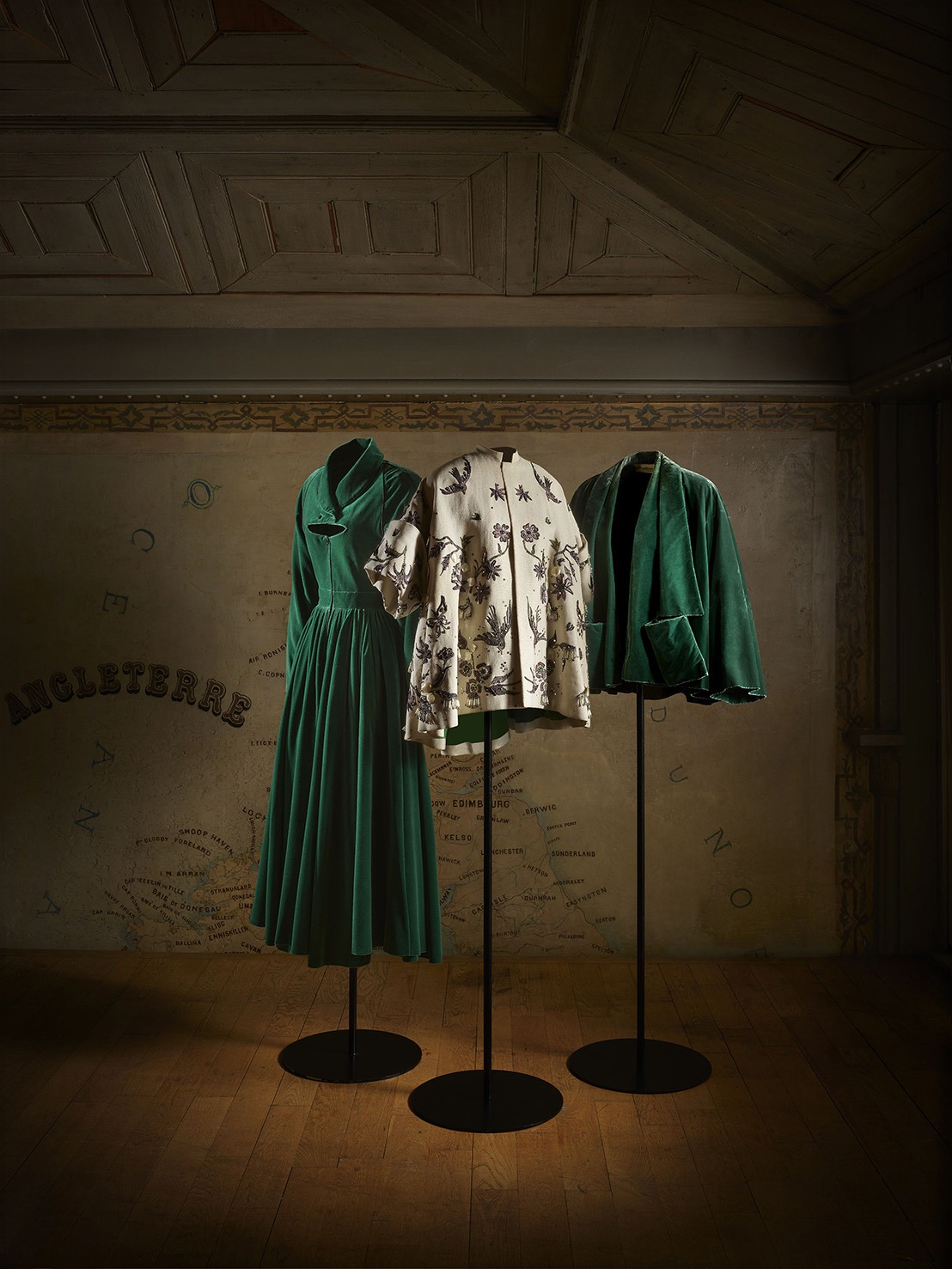
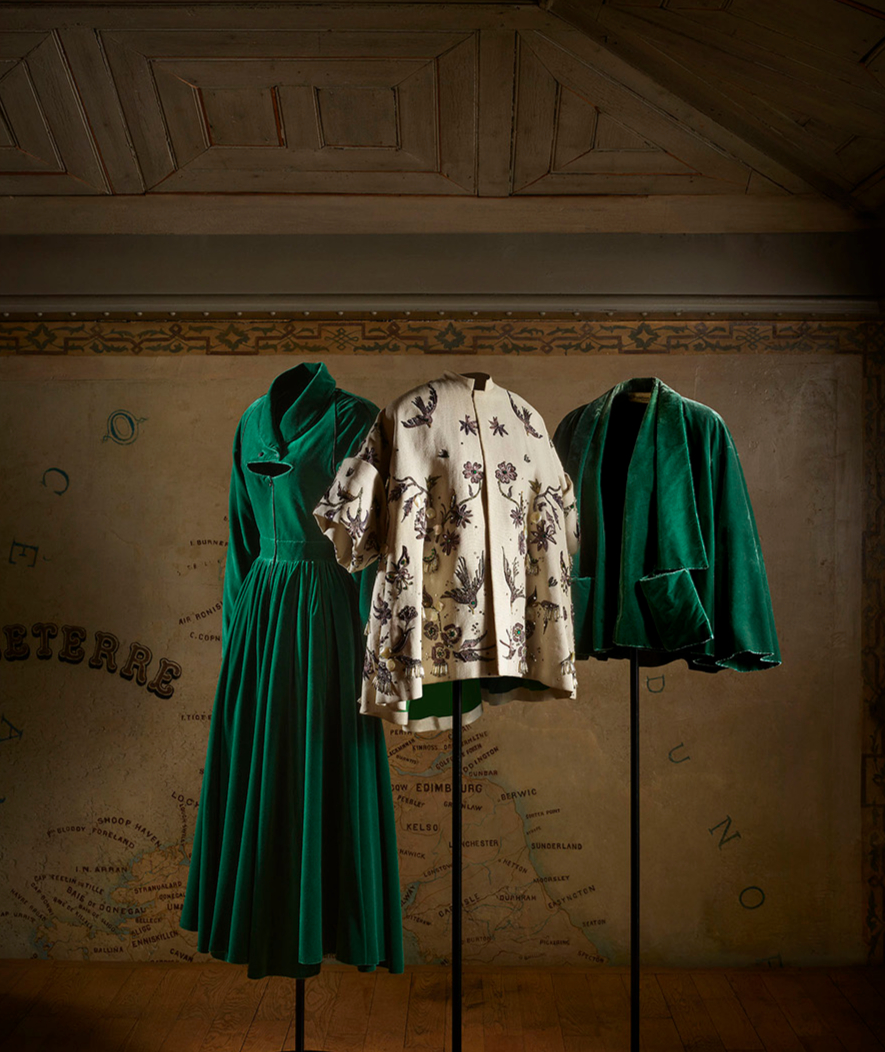
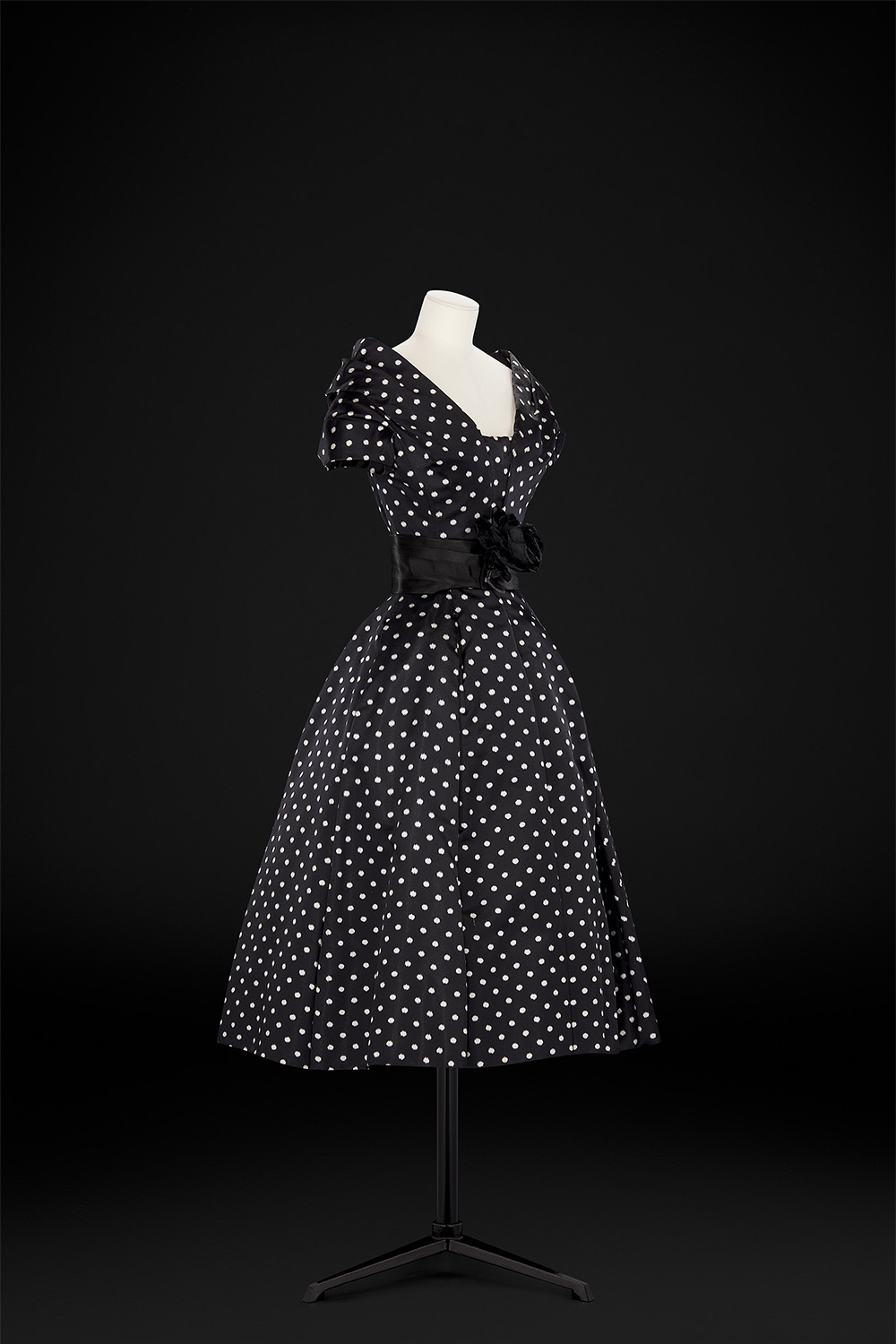
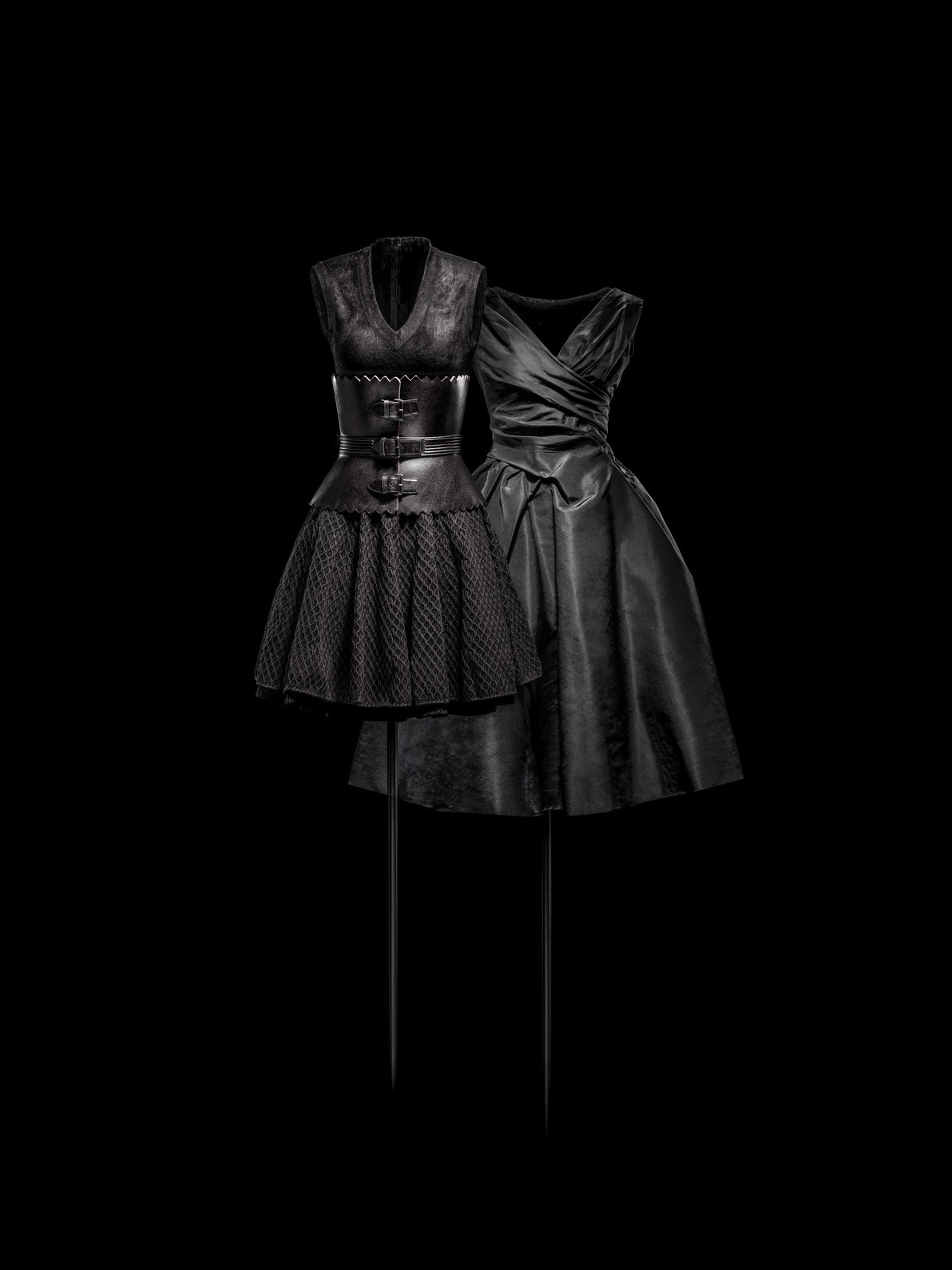
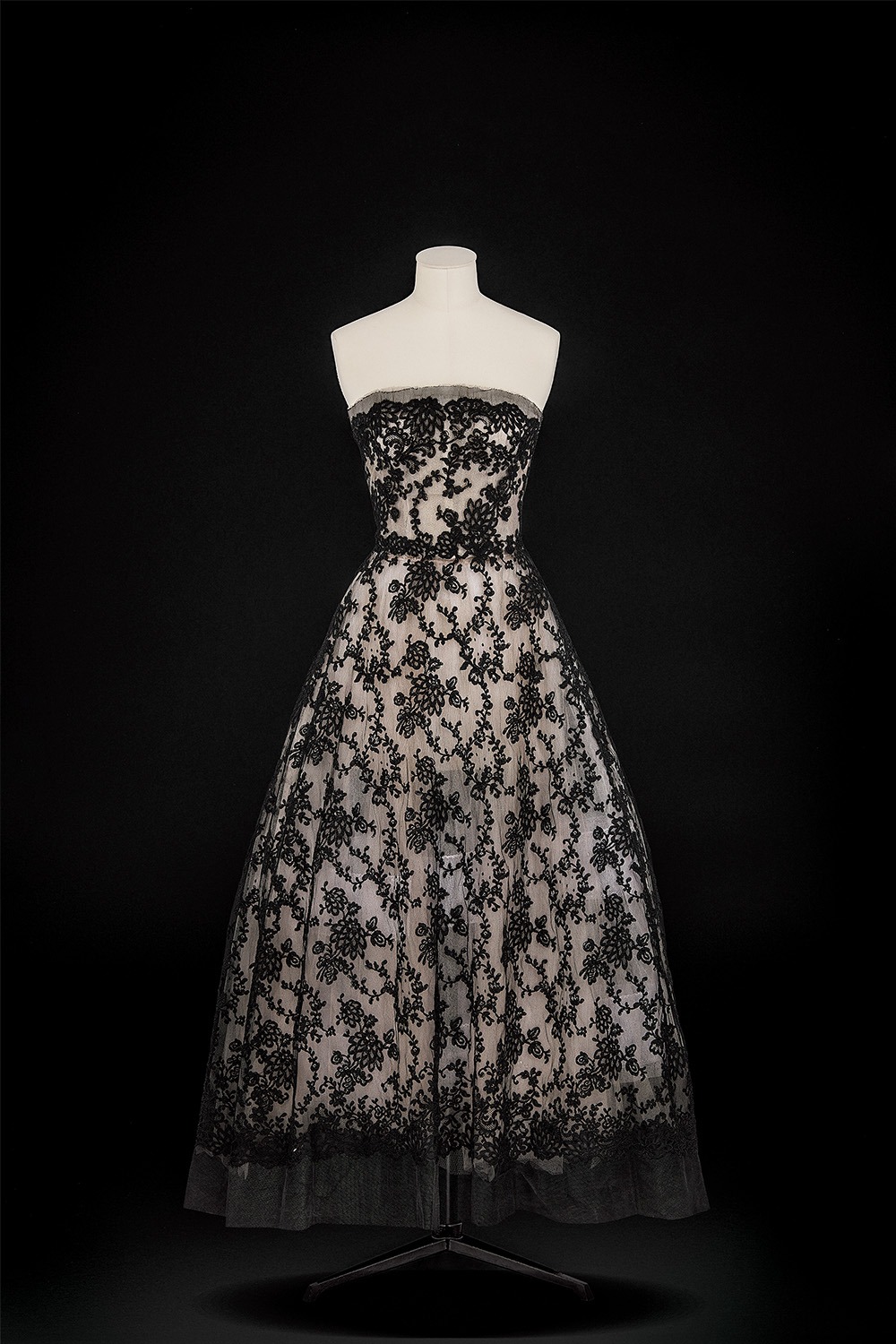
The idea was that, as visitors look at Alaïa’s and Dior’s dresses side by side, they would notice the smallest touches that link them and intuit a shared sensibility. “Once we realised we had a beautiful selection of Alaïa’s black dresses, a colour he loved working with, we decided to build the exhibition around colours, materials and small details like collars and sleeves. So in a way this exhibition is a lesson in anatomy,” Olivier told me. “It’s an interesting dialogue, but more than a dialogue between Christian Dior and Azzedine Alaïa, the exhibition is a masterclass in haute couture.”
Comparing dressmaking to anatomy may sound unusual until you remember the principles both Dior and Alaïa lived by. Both were masters of cut and construction, deeply familiar with every stage of a couture garment’s creation. If we want to understand what made their work so legendary, we have to look closely at technique and structure. “People admire Christian Dior, but many don’t know he had a passion for architecture. He wrote extensively about architecture and fashion and truly valued construction,” Olivier said. “You can almost see the skeleton inside Dior’s dresses.” His comment reminded me of my own habit of studying seam placement during online shopping to figure out, based only on a tiny photo, whether a piece will actually flatter me, a trick I’m oddly proud of. Yet this is just a fragment of the knowledge Dior and Alaïa possessed. “Talking about the architecture of a dress isn’t an exaggeration. A dress is constructed and shaped according to the grain of the fabric, and the grain is the secret of tailoring. It’s a secret that depends on the first rule of architecture: respecting the law of gravity,” Monsieur Dior once wrote. Though Alaïa was less focused on architecture as a concept, he placed enormous importance on the structure of a garment. “Azzedine was a sculptor, a virtuoso, and he had the same passion for technique. They shared the same taste for the atelier and both knew how to make their dresses themselves. Dior, even surrounded by teams of tailors, was involved in every step of the process, while Azzedine was truly the master of his atelier,” Saillard explained.
Placed side by side, Alaïa’s and Dior’s creations may not look alike, but they produce the same unmistakable effect, as if the two designers discovered a secret the rest of us can’t quite see. Beyond their devotion to structure, they also gravitated toward similar colours that matched the spirit of each decade in which they worked. “Their pieces are very Parisian, very haute couture. And with couture, the point is not always to create the most modern garment, but the most enduring one,” Olivier said of the thread linking their worlds. “I think that’s a very Parisian lesson: the secret of a good design lies in its timelessness.” I nodded, thinking about how both designers managed to build entirely distinct universes guided by the same inner compass. Now that their creations are shown side by side – the ones Alaïa admired and the ones he later made – it’s hard to resist the feeling that everything really does happen for a reason, even when the reason is simply knocking on the right door.