Monika Herceg reveals the five poetry collections she reads on cold winter evenings
Monika HercegJanuary 16, 2026

January 16, 2026
I think we all entered the new year with a sense of apprehension: how will we go on, where will we go, and will we at all. The world has become an inhospitable place. From the perspective of a poet, it seems to me that in just the past five years so much has disappeared, or hidden itself, or perhaps, and this is the worst possible scenario because it implies that the darkness was always there, only well camouflaged, everything ugly that had been sleeping deeply has risen to the surface. But on the other hand, I cannot remember a time when we have longed more for hope, warmth, tenderness. I want radical hope, I want radical tenderness. I need them, I will not give up on them.
Poetry is, at least for me, the first place where this necessary hope meets me, where the desired struggle, strength and resistance meet me, where tenderness meets me. It still seems to me that poetry can, and will, soothe us, warm us, encourage us. How else? Snow fell in Zagreb after many years, it buried us, and after a long time I have been staying for an entire month at that single point of winter. I am not traveling anywhere, so I am nourishing myself with poetry.
Moja mama zna šta se dešava u gradovima and Nisam znala šta nosim u sebi, Radmila Petrović
So I will begin with a friend whom I respect and love, with whom I share a kind of mythical space of growing up in the countryside, with whom I share grandmothers and grandfathers, violence passed down through generations, resistance and change, a distancing from it. Radmila Petrović wrote, a few years ago, a book that everyone should read. Then, and we were all waiting for it, her second book appeared, which is also a novel in verse. It has a wide reach in terms of what it wants to say, but for me it is above all powerful and essential poetry that is not afraid of its own fear, nor of longing, nor of the desire for love. To be fair to her book Nisam znala šta nosim u sebi, I returned once again to her first book. I am a reader, and that is what I am above all else, who reads the books she loves many times. I have read Radmila’s Moja mama zna šta se dešava u gradovima several times already, and now I returned to it again, with new eyes, new insights, both emotional and those brought about by changes that have happened to my language, my writing. Of course, it delighted me again, warmed me, brought me back to the desire to read poetry to everyone, everywhere. Then I moved on to her new book. It was different, but different in a good way. It opened new spaces of struggle, both with language and with the emotional corpus. Both books are brave, powerful, clear in their intention, vast in their strength and force, which, to paraphrase Radmila, does not consent to belong to anyone, and in their vulnerability. Today, perhaps more than ever, we need to return to questions of love, to bridges from one person to another, and then perhaps we will also claim spaces of compassion. There is nothing smarter I can say about Radmila’s books. These are books everyone must read, whether they write or not. There are few such books.

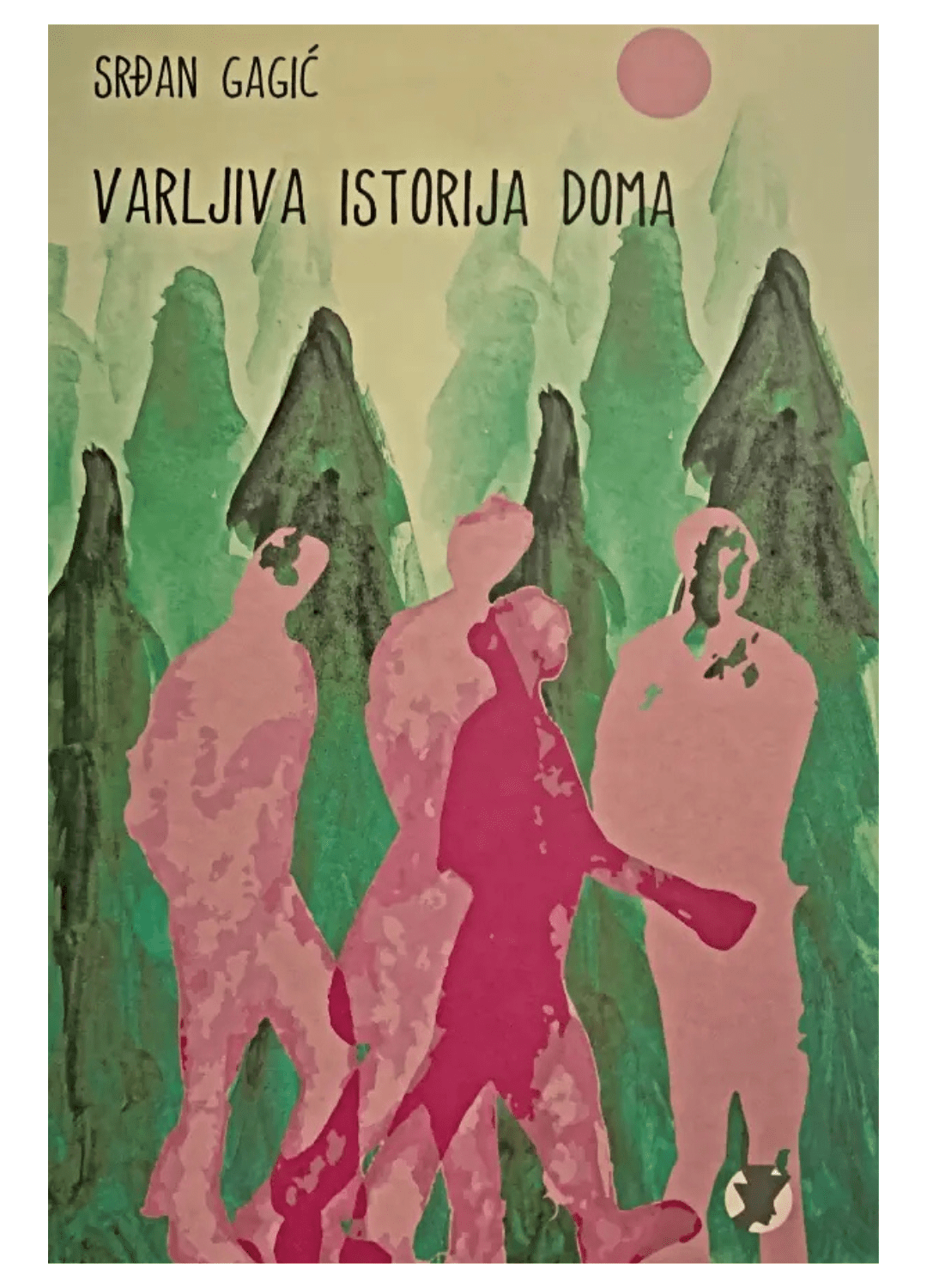
When Srđan’s book arrived, I felt delight and joy, and then a funny kind of excitement, already from the first poem. Well, how often does that happen to you? Varljiva historija doma became a book I carried with me throughout the year, from Ukraine to the USA. I read it poem by poem, again and again, returned to it, searched for new entrances into the poems, and then into the whole book. The entire space of that book is a great richness, and the way it examines what we all carry, what sooner or later begins to haunt us, that question of leaving, then returning, and some new rewriting of our relationship with what was left behind, is incredibly finely attuned. I felt as if I were sitting with Srđan over long coffees, talking about our houses, mothers, the feeling of belonging and not belonging. I do not know what more I could wish for any of my own books than that it be equally open to all conversations, that it could so easily and gently become someone’s. One of the best books of poetry to appear in these regions and in this language in the past few years.
The collection Averno by Louise Glück, whose Croatian edition I also edited in the excellent translation by Tomislav Kuzmanović, is one of those that are read slowly and carefully, with much repetition, returning, and then again. Perhaps it is also a kind of infinite book. You reach the end and then want to return to the beginning, because it is not entirely clear what it is that you have just read. Then, on the second reading, some new hidden doors open into certain images, something becomes grounded without our being aware of it. Few books open themselves to me in this way, so that each new reading seemingly opens a new book. Averno is a book between worlds. Here we have this attempt at transition, at understanding that abyss or simply a different perspective on death and life. Persephone, as the one who knows both, who walks the world of the living and the dead, Averno as the place where one can step into darkness.
In addition to it, I should mention that I often return to The wild iris, a collection published in Belgrade by Kontrast in the translation of Alen Bešić. Here, on the other hand, it endlessly remains on the surface of the earth, in the garden. The way plants speak, the way they create a world and wisdom, insights that seem accessible only to us humans, is something entirely different from what we are used to reading. A book of incredible calm, observation, silence.
And then, while wandering around a bookstore in Boston, I spotted that enormous brick of her collected poems and thought, here we are again, I do not know how I will close my suitcase on the way back, but I have to buy this book. So now I am moving through poems I had not read before, at times amusing myself by returning to the translations I have, occasionally even trying to transfer something into our language myself, simply to see what kind of tension is present in that transformation.

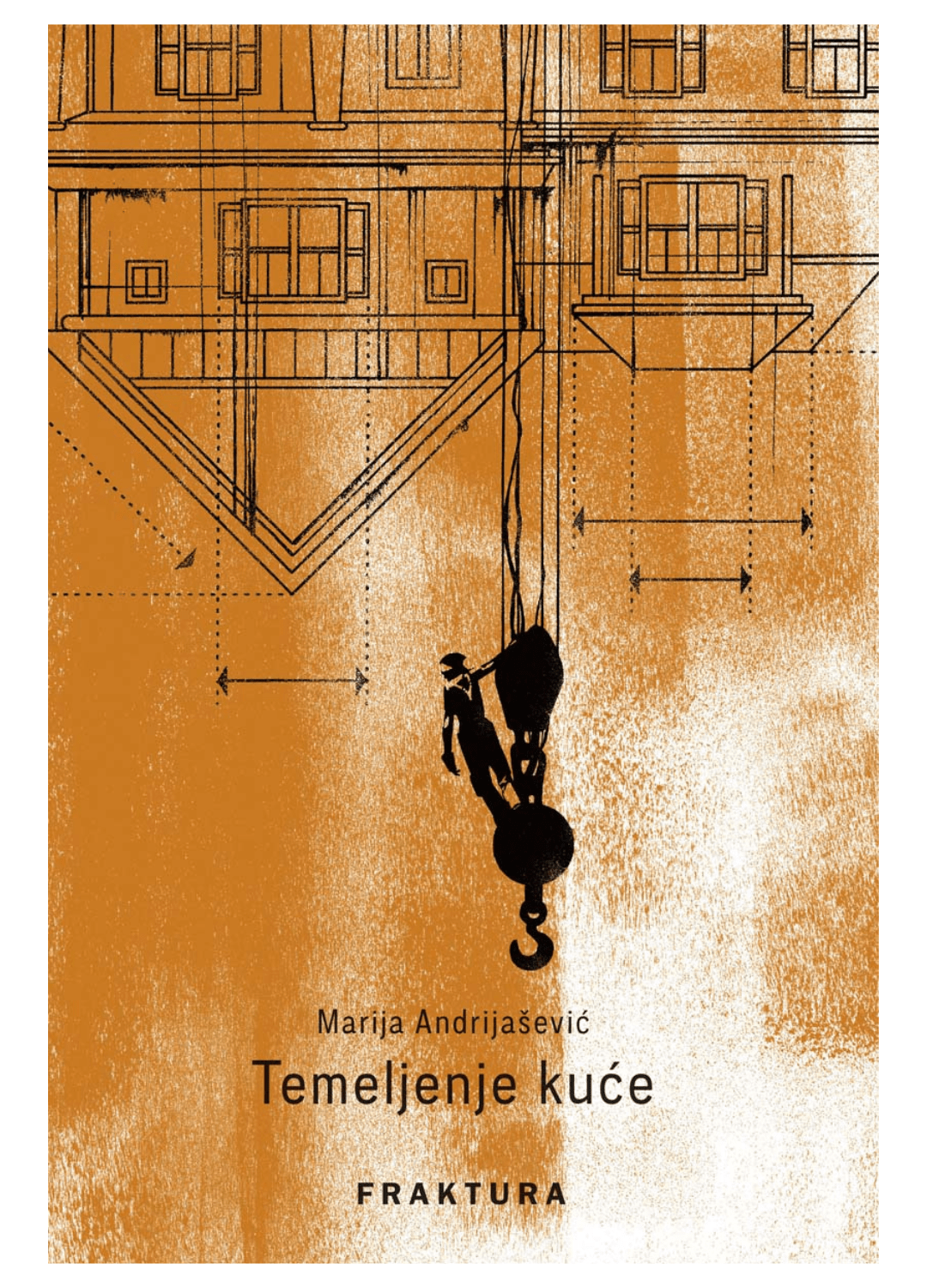
It turns out that I often read the same books over and over again. But in my defense, I truly believe that good poetry needs to be allowed time, and then revisited, approached again and again until something in us unlocks, or unlocks in the book, and I truly believe both are possible. Marija Andrijašević wrote, now already quite a long time ago, an incredible book of poems that does not age, that has not lost through all these years any of its maturity or courage, Davide, svašta su mi radili. After that came a brilliant novel, and then Temeljenje kuće, a book of prose poems. Marija thinks through every word, which is felt, and which then gives us, on the other side, a sense of security in the text before us. And at the same time, let us not deceive ourselves, it is not predictable, quite the opposite. Temeljenje kuće is a search in language for a home that cannot be built or possessed here. On one level, for me, this is a major political question today, how to write, how to live, how to do anything at all in a time when we cannot afford the security of a home. Marija sets everything up, builds the entire book around the concept of the house, constructs it poem by poem, these are her bricks. We are there with her fear, her hope, we are inside with the father, the mother. We enter the thorn bushes, cut through them with her. With language, how else? A beautiful book of poetry, powerful, unpredictable, even though it is written within the boundaries of a clearly defined concept.
And so as not to be unfair, I open some other books as well, slowly. Some, like The Grammar of Light, I have been reading for years and still have not finished. I am serious. I truly take Carol Ann Duffy’s poetry, also in the excellent translation by Tomislav Kuzmanović, in small doses. I try to read each poem many times, to circle it, so that this book is always somewhere nearby, now certainly for two years already. And here, perhaps, I should really note how precious and important it is to have excellent translators of poetry, who then make these encounters possible for us.
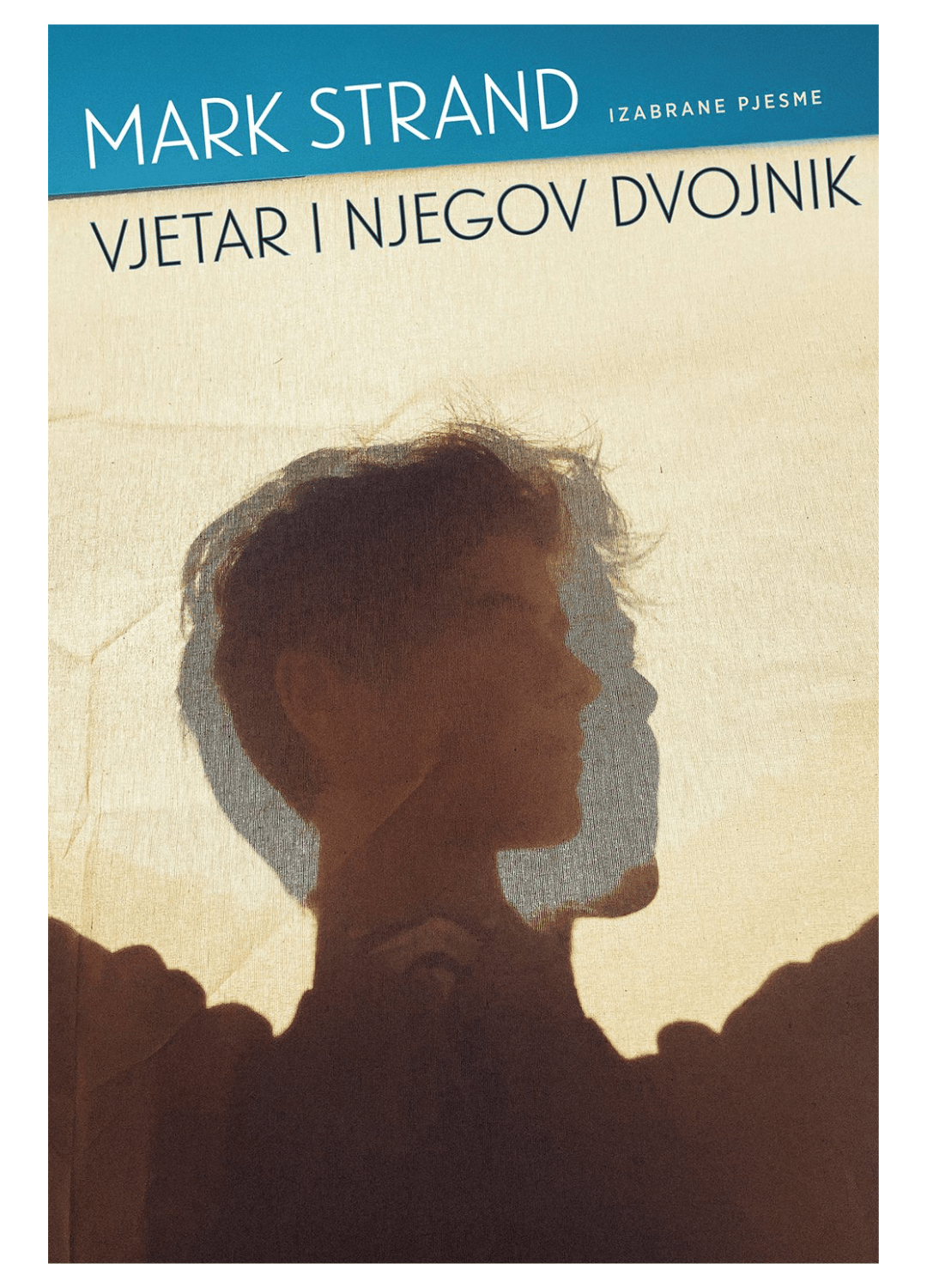
I had never read Aritmija by Delimir Rešicki, and I do not know exactly how I suddenly thought of it, but here I am. Delimir and I and the Slavonian fogs. There is also a more recent translation that I am only beginning to approach, Mark Strand’s Blizzard of One, translated by Vojo Šindolić. I like the openness and simplicity of that poetry, its communicativeness.
I could go on listing. There are always about ten books around me, around the table, on the table, by the bed. Every now and then I open something, a bite here and there. But even these already are a perfectly wonderful beginning for anyone who wants to step toward poetry.