
Arts
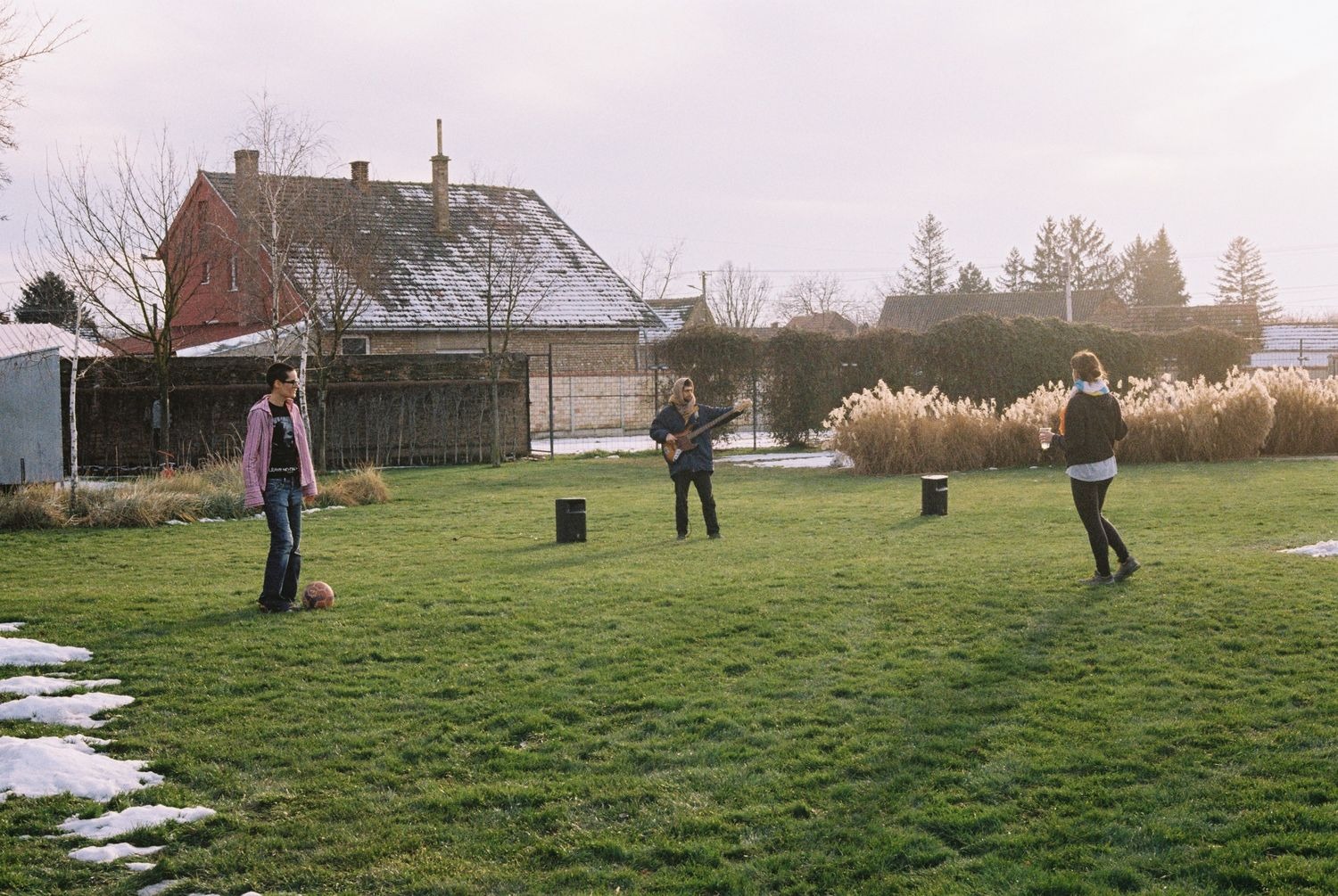
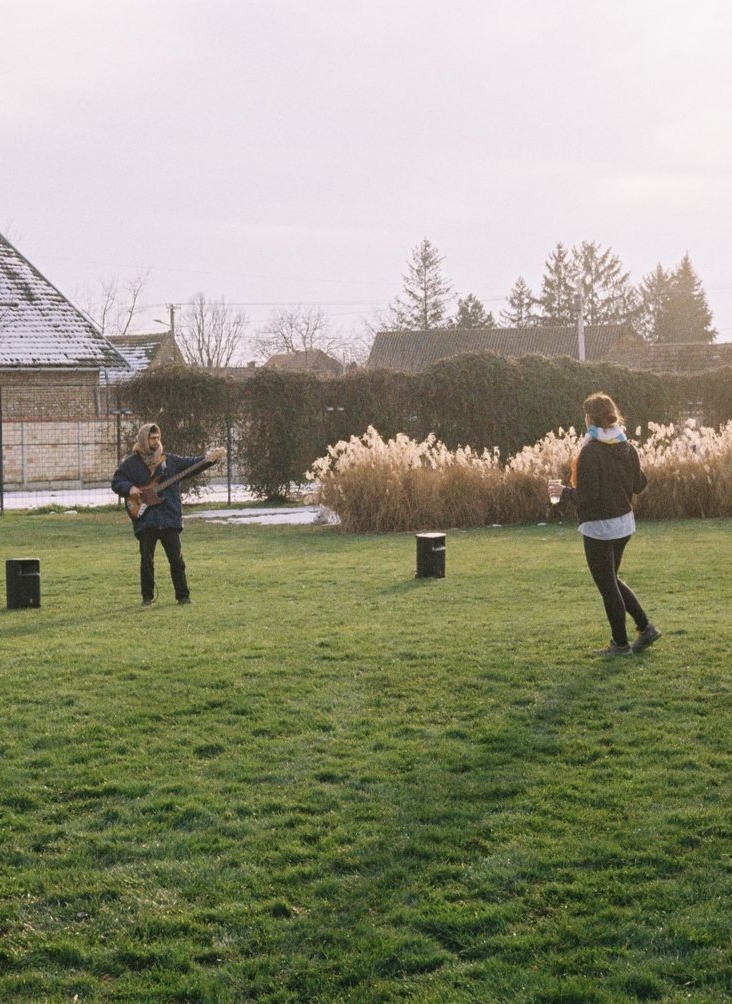
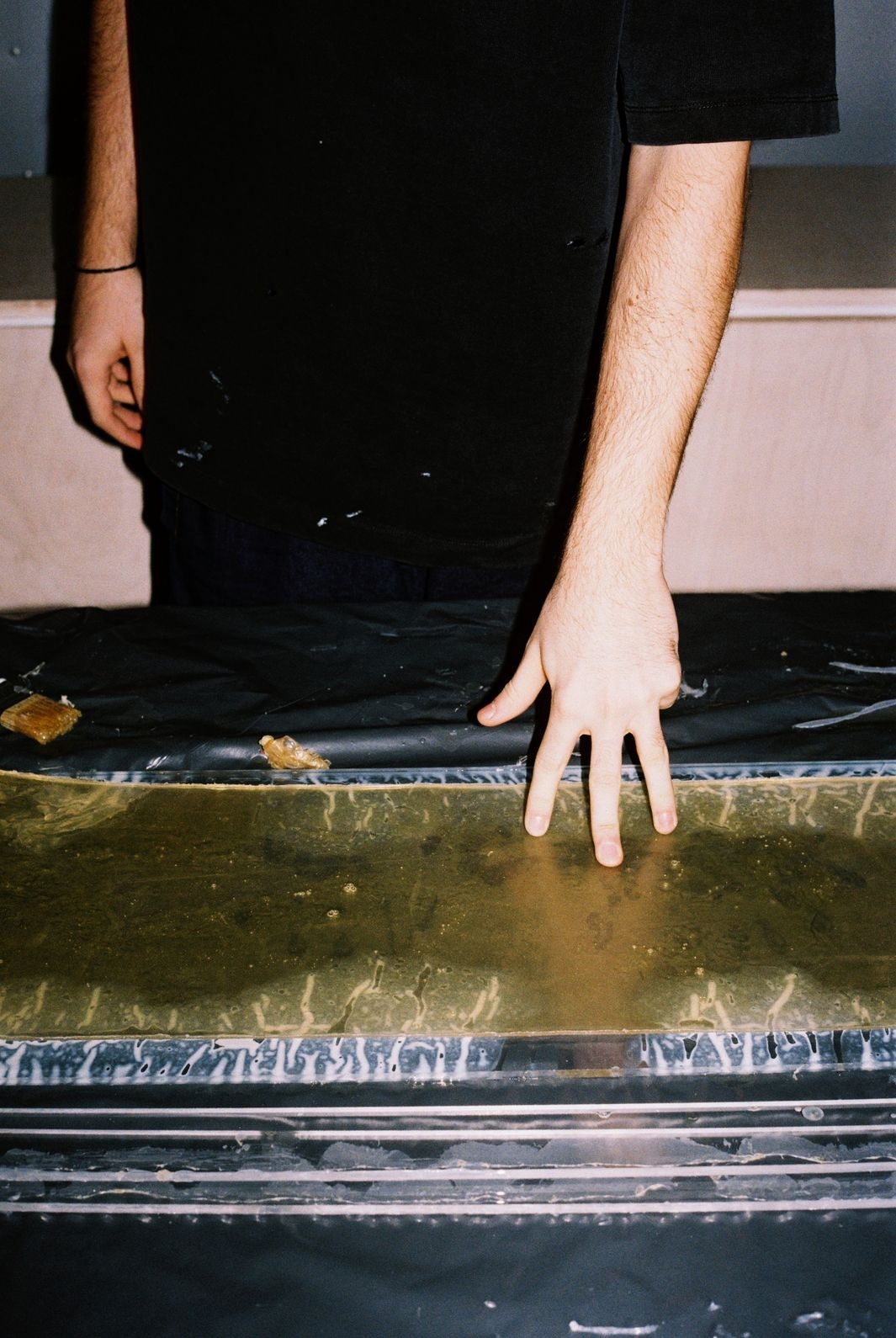
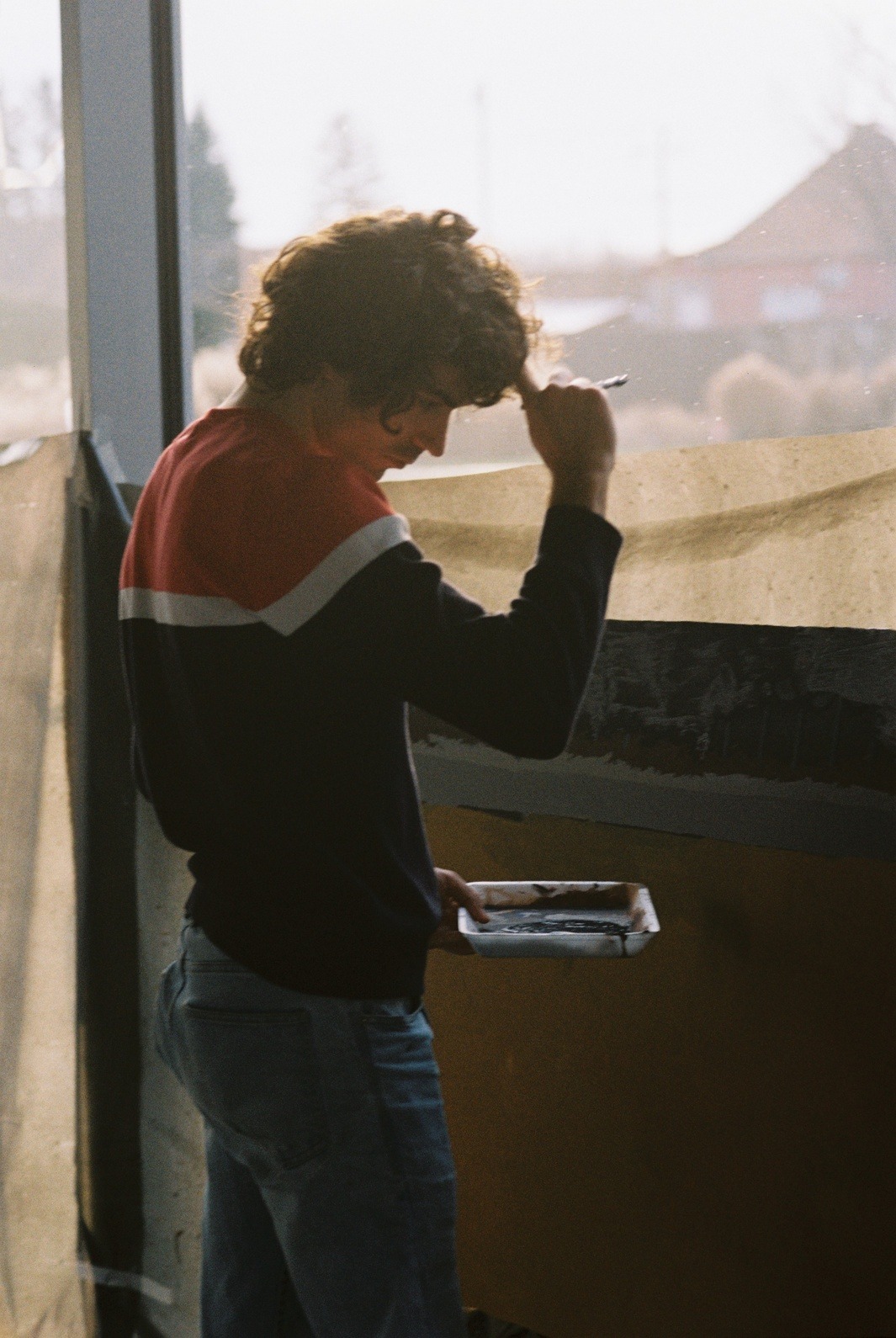
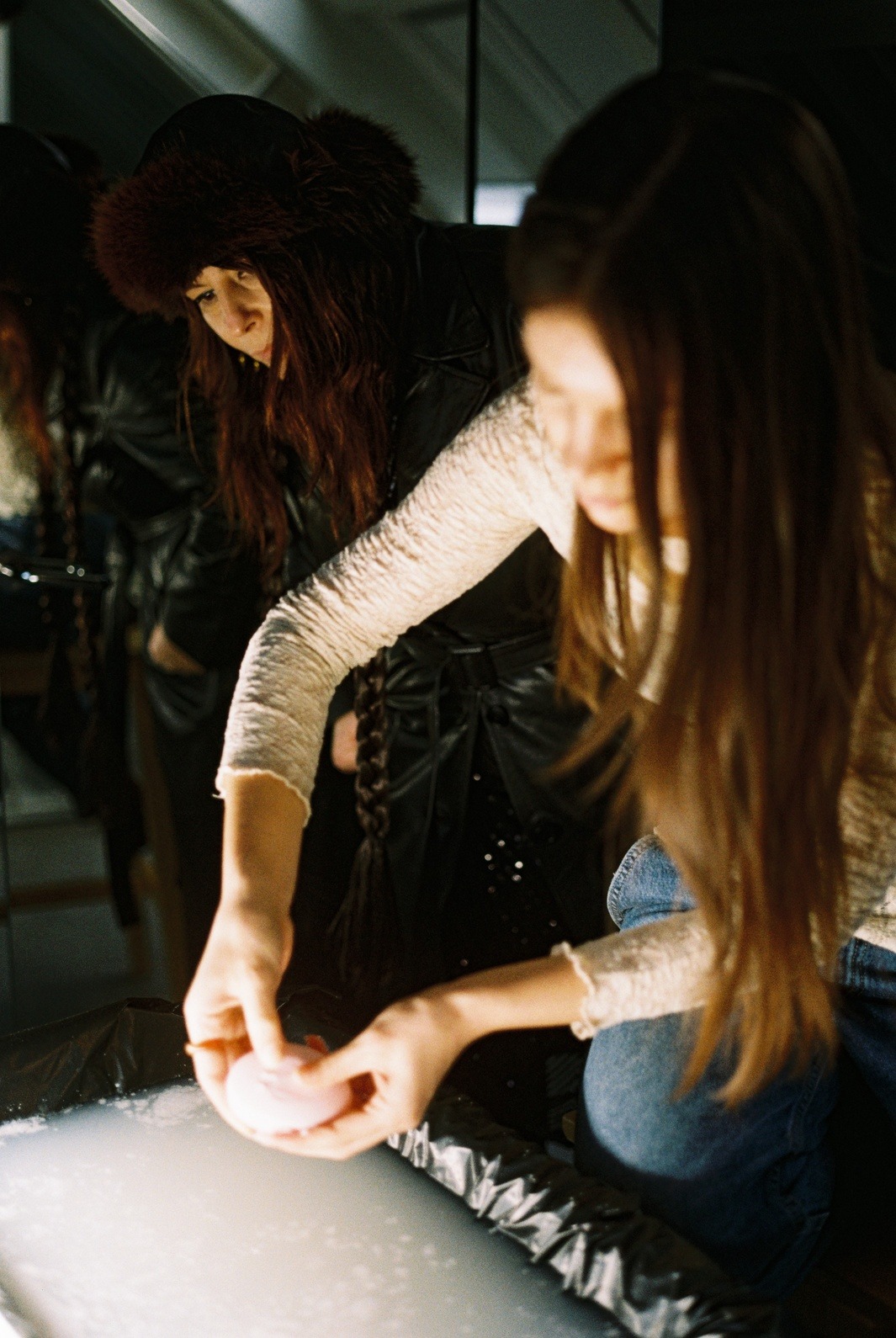
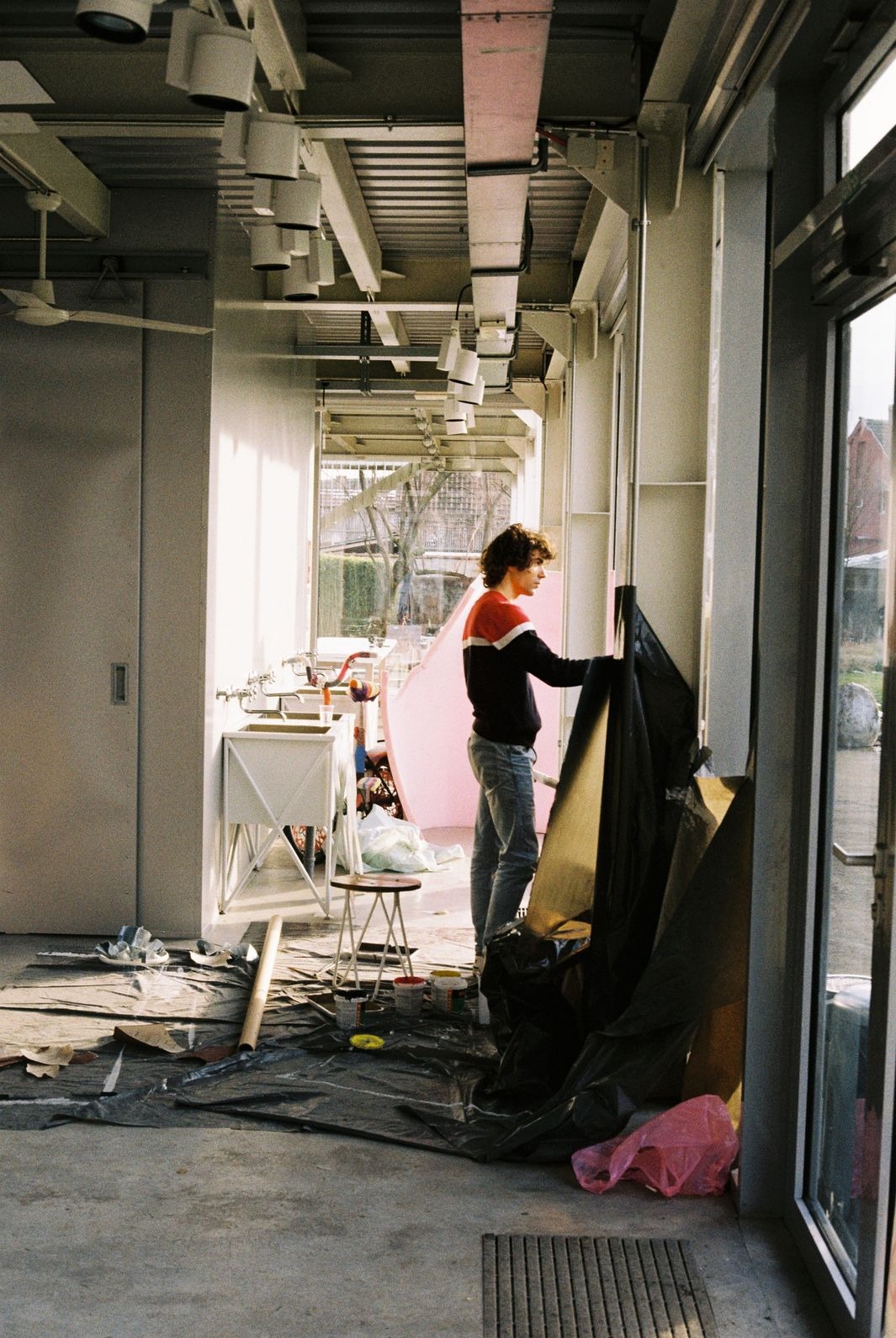
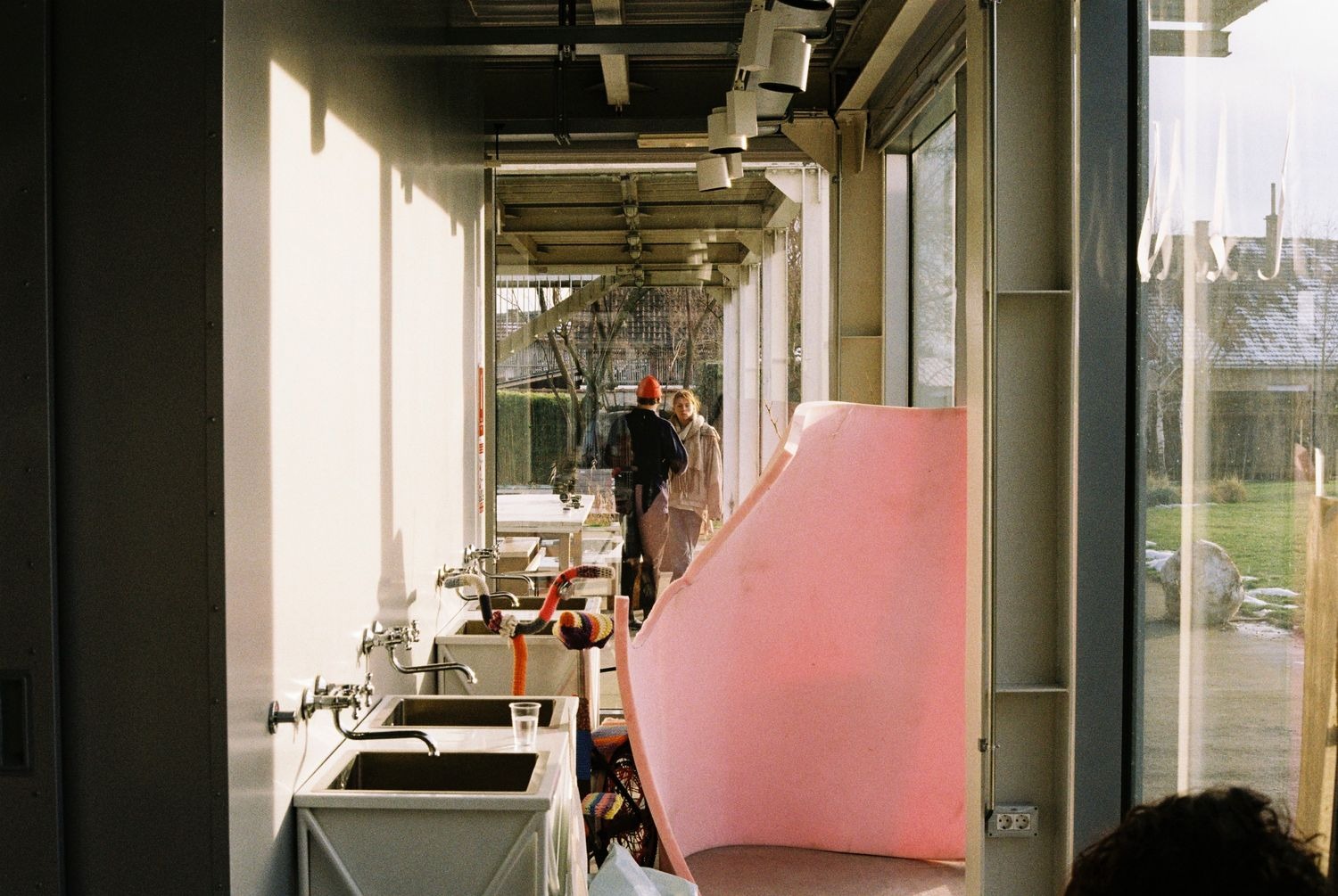
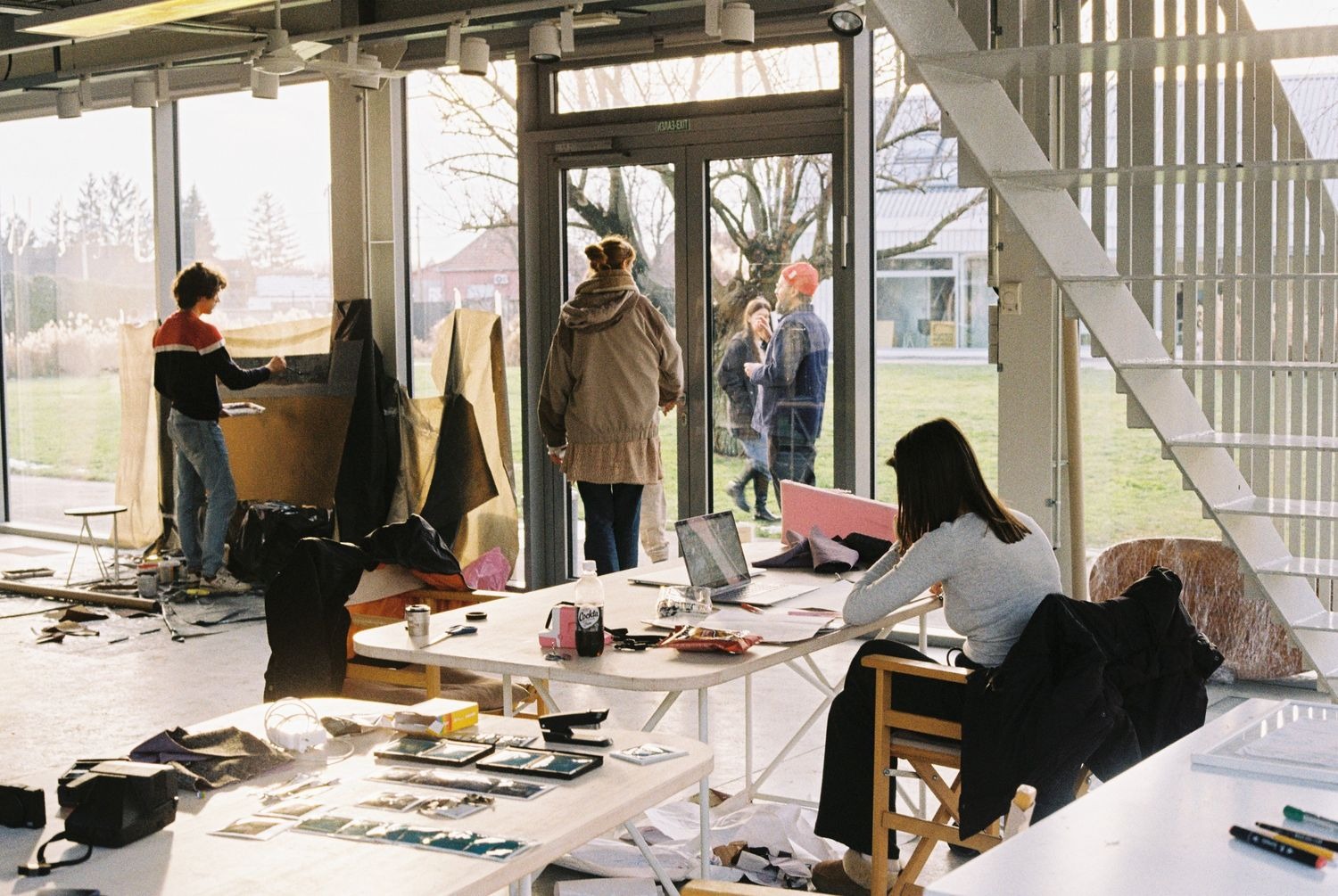
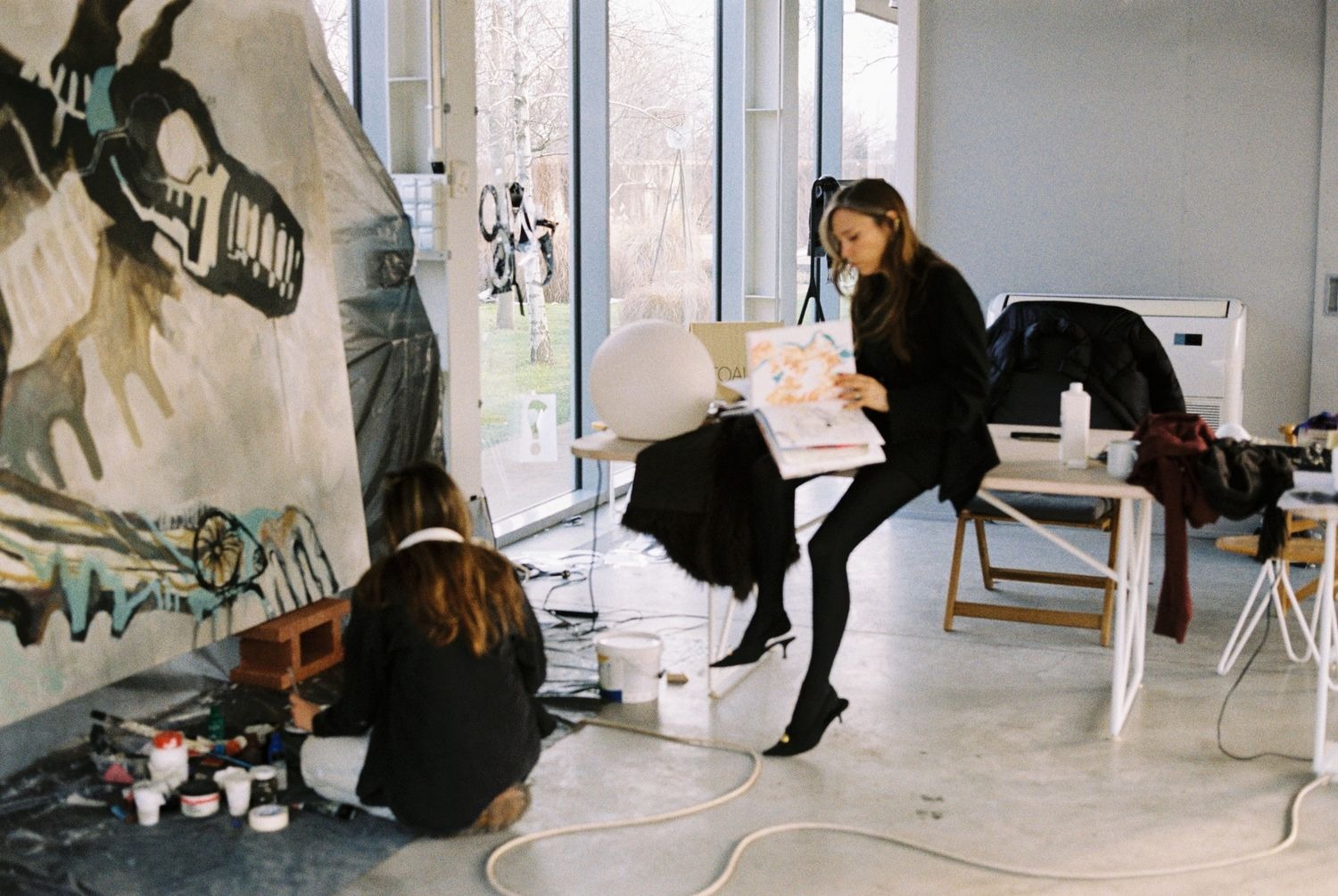
In the incredibly inspiring spaces of Mokrin House, fifteen young artists created for seven days. Those seven cold days were framed by nature, snow that had not yet melted, and unreal sunsets. Whether, in their individual creative processes, they rode bicycles around Mokrin or went all the way to the border with Romania, listened to music while lying on the grass, played football, frisbee, or simply enjoyed conversations with one another, that Saturday when I myself arrived at Mokrin House it was clear how full each of them was of an authentic, distinctive creativity the likes of which I had not encountered before at that level of intensity.
Related: Mokrin House Art Colony has the power to turn the regional art scene on its head
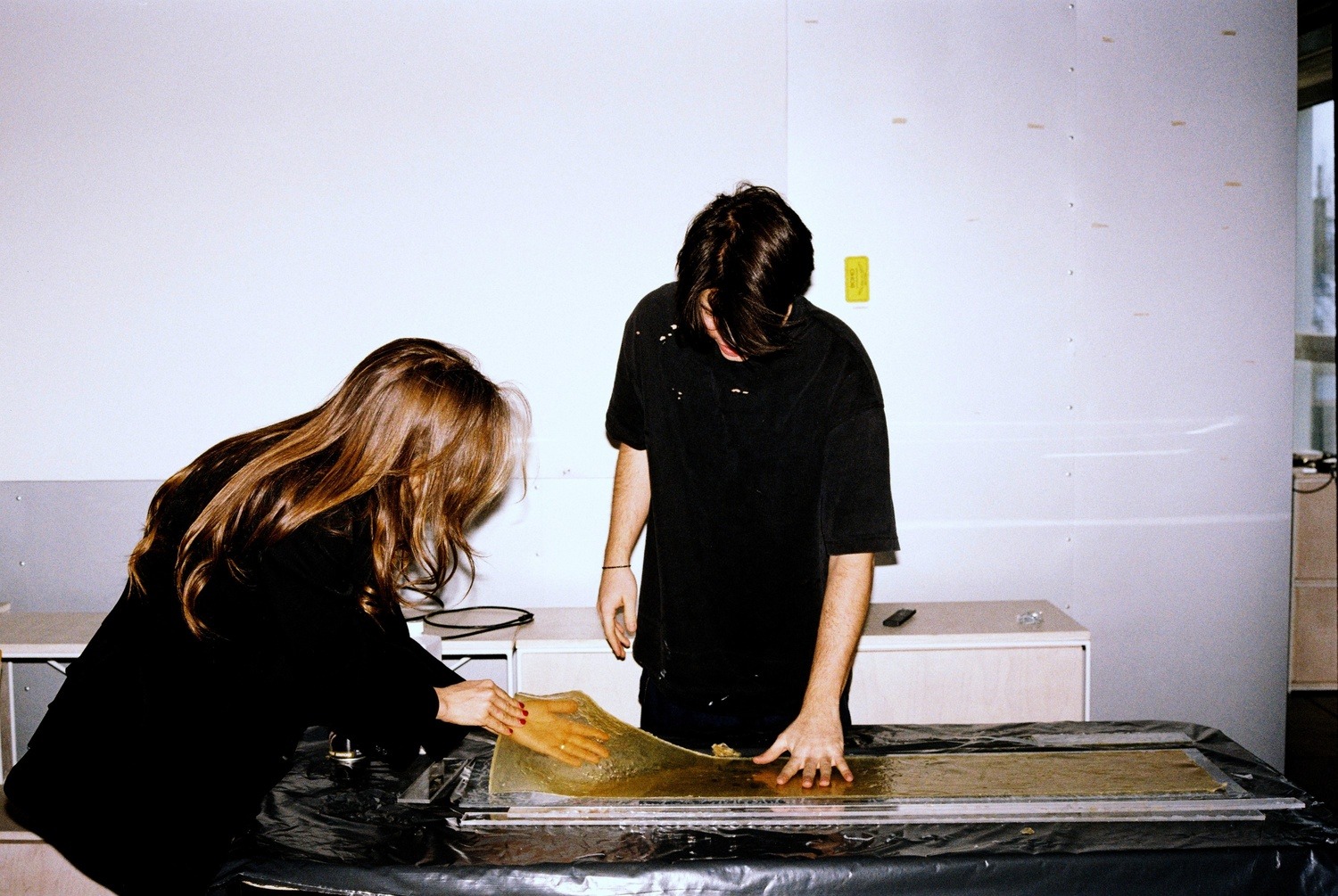
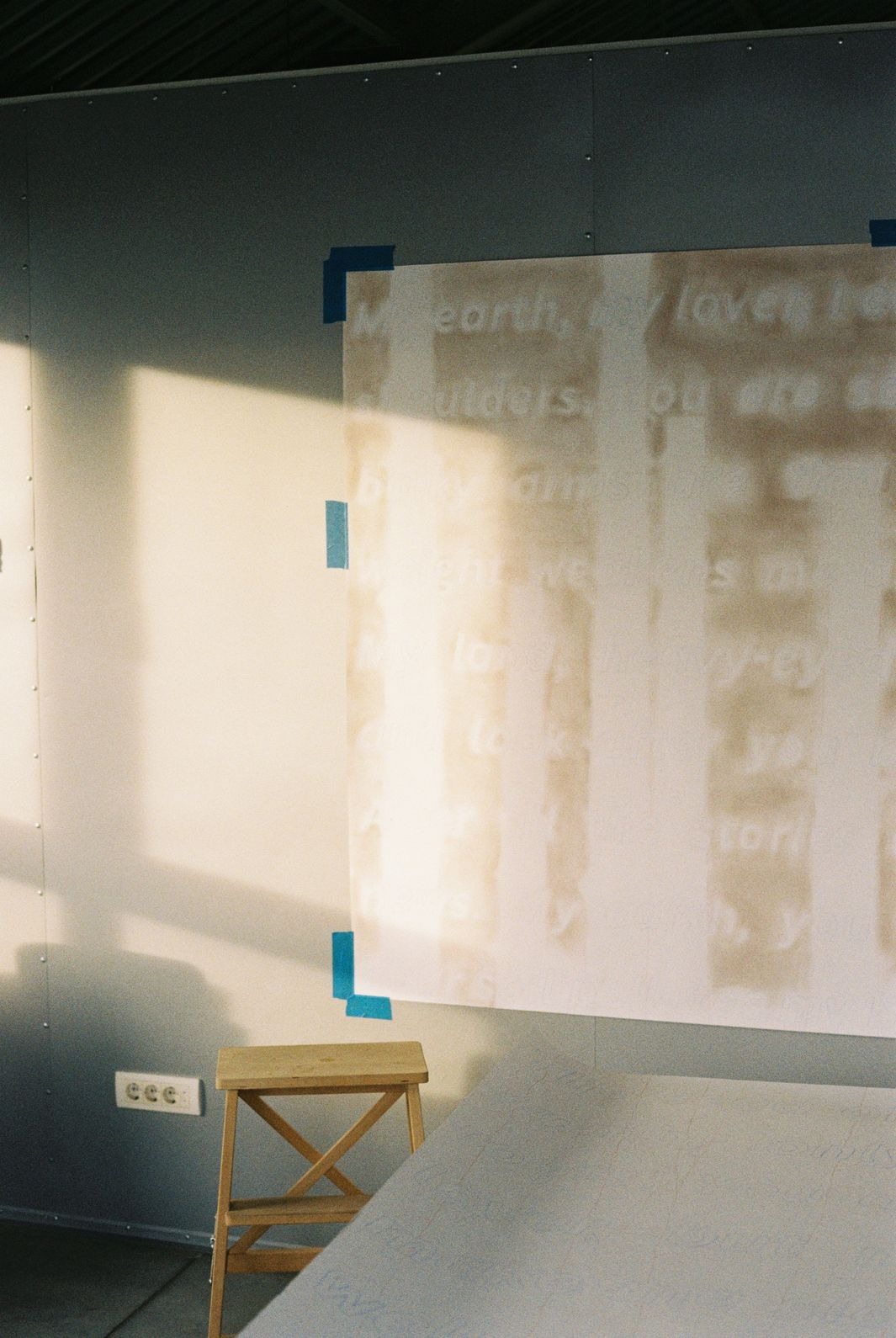
Part of that creativity could also be seen through the works of the participants themselves, which showed how many different approaches and media can emerge within a single space. Among them is Jovan Turčinović, who explores light and spatial perception through latex that changes color depending on the light in the room, while he installed a frisbee on the room’s fan that slowly rotates, creating the effect of a frozen game. Sofija Pavković explores the anti-anthropocene through text and drawings, posing the question of what this life without us humans even is and what it all means. Her works combine romantic and tragic notes and will be exhibited in passageways, so the audience must pass through the words in order to understand their meaning. Hristijan Našulovski pushes the boundaries of the body and the audience through performances and installations: “Body, boundaries, biopolitics, queer issues, everything is over the top,” as he climbs unstable structures and explores freedom and suffering in both physical and symbolic terms.
Stefan Dukovski records the sounds of the colony, conversations, rustling, tapping, footsteps, everyday movements, and spontaneous sounds created through work and interaction. In the final concept, he presents these sounds through two speakers between which a microphone stands, giving the audience the opportunity to interactively add, alter, or erase parts of the recording. In this way, the audience becomes a co-author, participating in the “writing and erasing” of memory, questioning how selective memory functions and how collective experience can be continually reshaped. Through this approach, Dukovski explores not only the process of remembering itself but also the fluidity of experience and the impact of interaction on interpretation. Memories are not fixed, but are shaped in real time through dialogue, presence, and reflection.
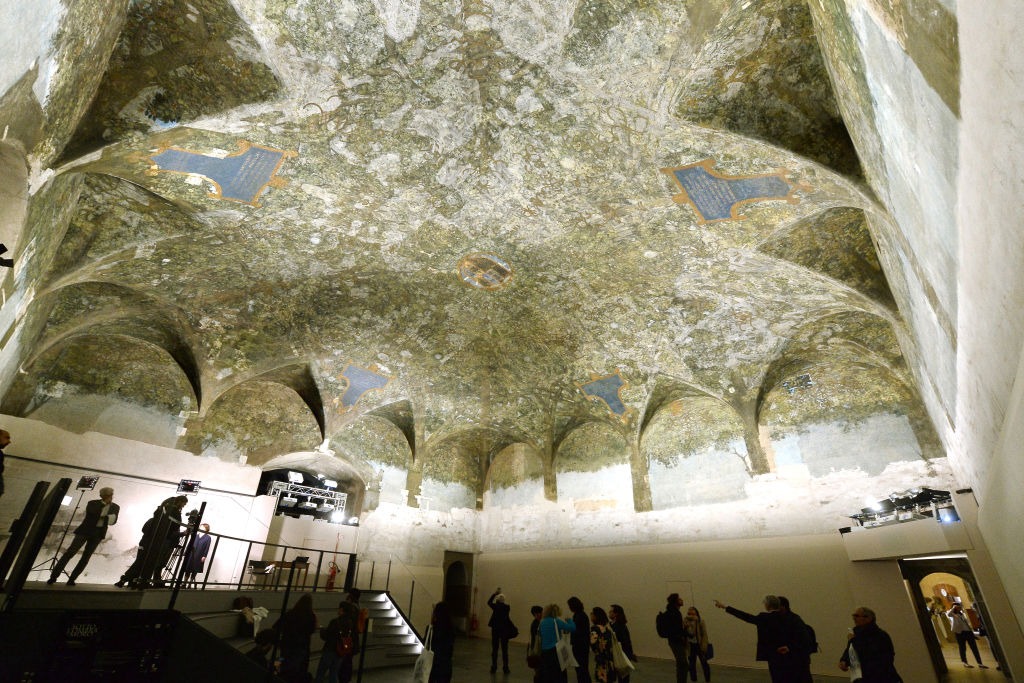
Related: A rare chance to see Leonardo’s masterpiece up close during restoration in Milan
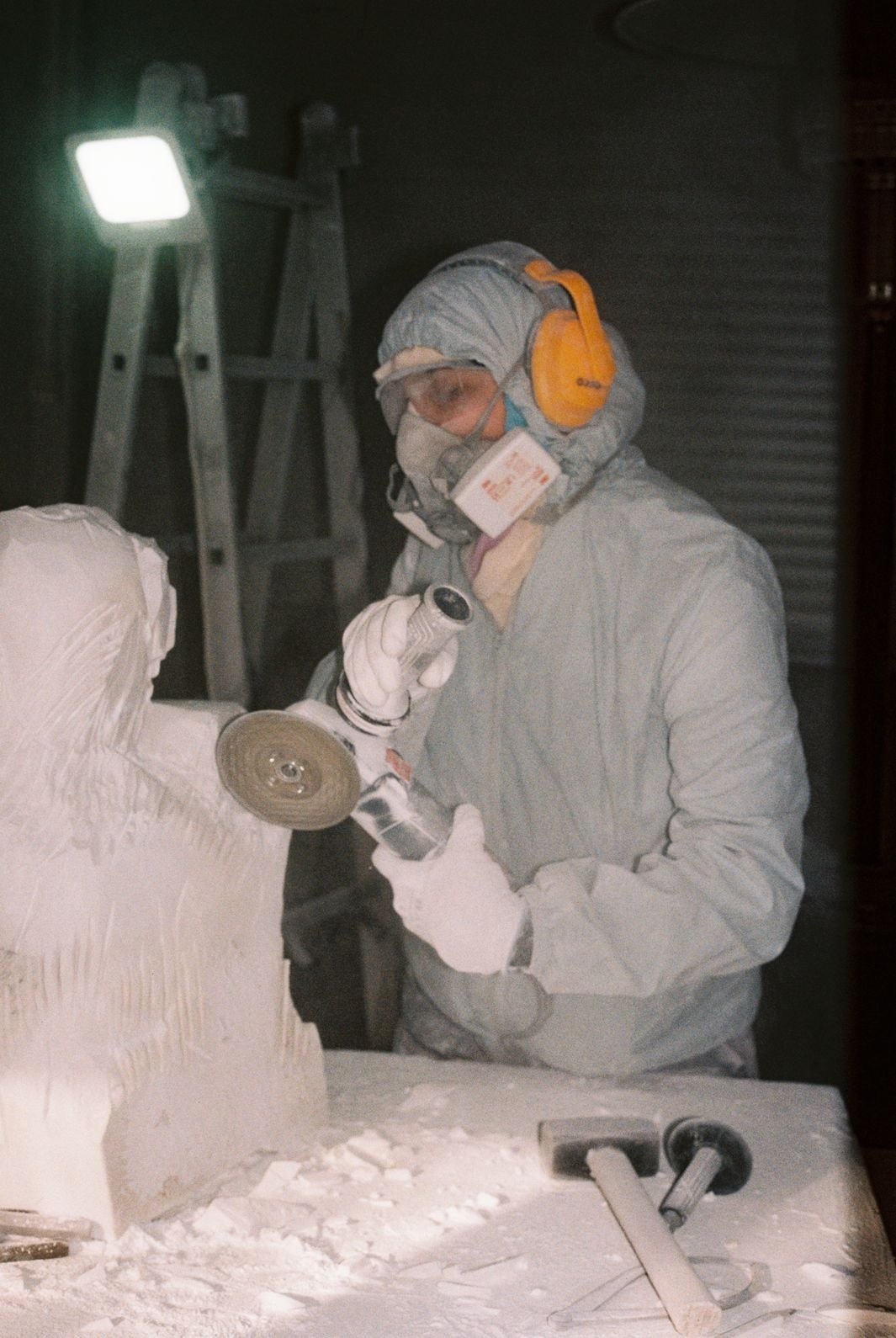
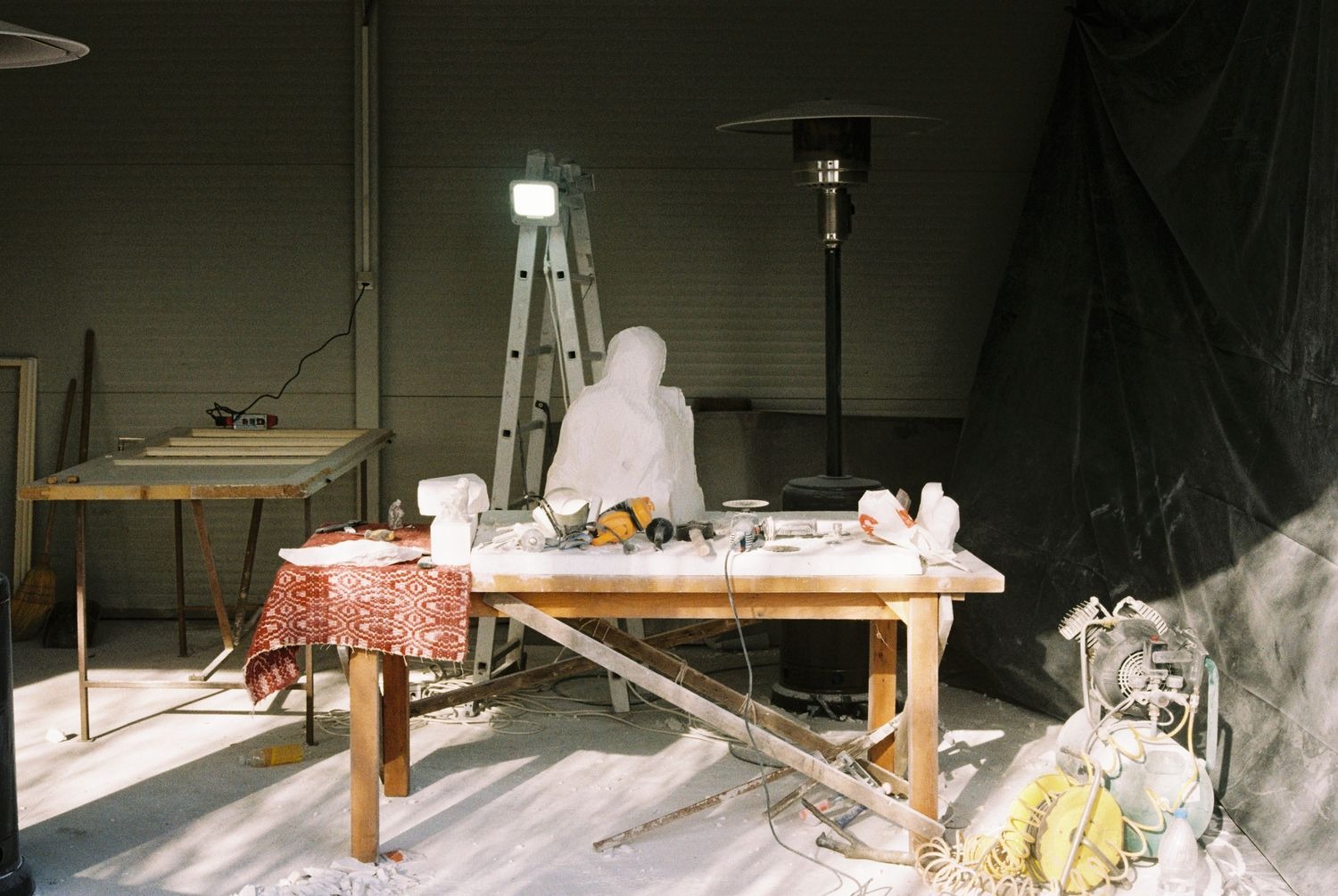
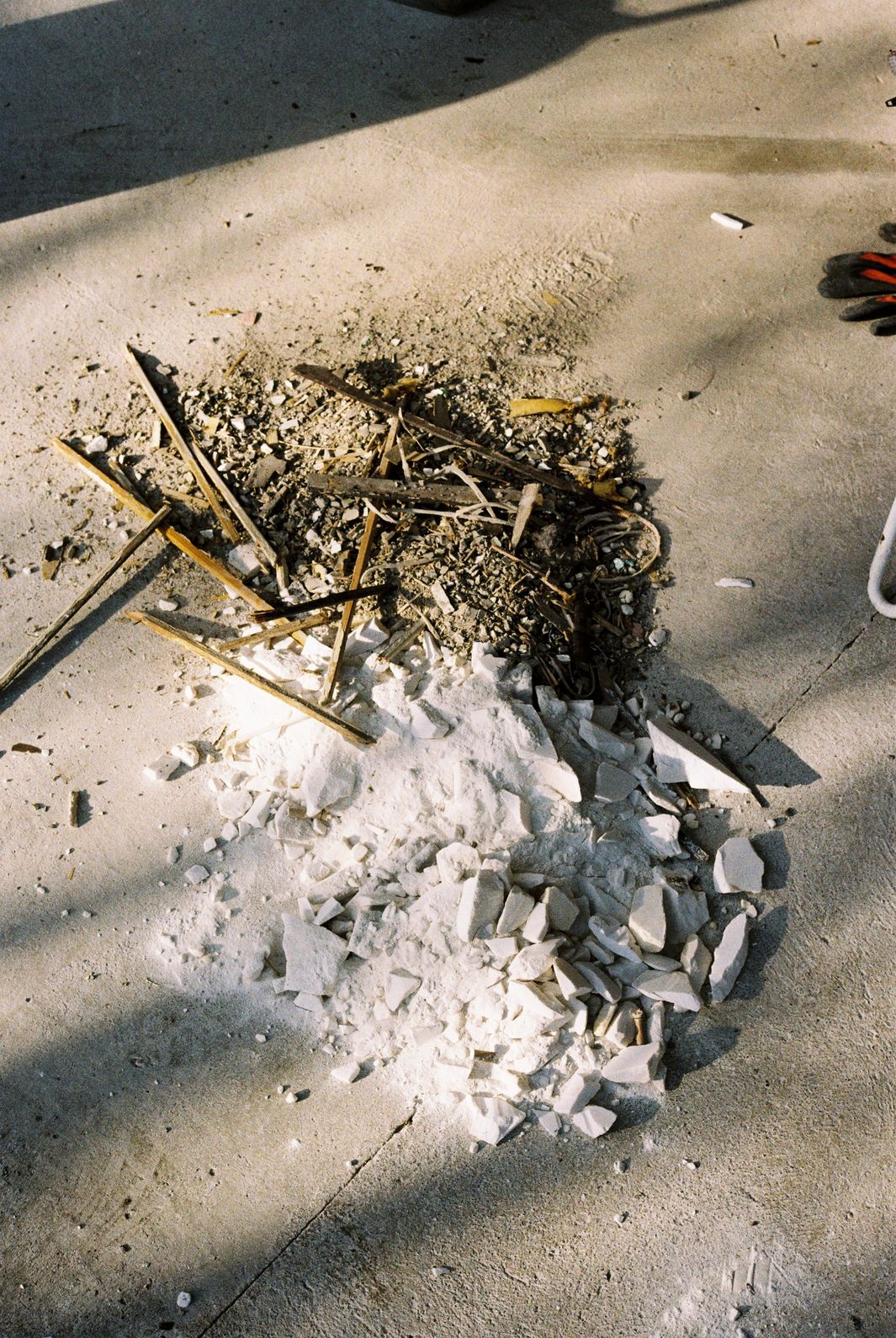
Marija Kiš shapes points of rupture in marble that connect different cultures and historical references, seeking a dialogue between classical art and a contemporary context. She draws inspiration from Michelangelo’s body, not as a mere historical model, but as a starting point for exploring how body, form, and material can convey universal narratives across time. In her sculptures, marble serves both as a symbol of endurance and resistance and as a medium for contemporary interventions. Surfaces fracture, intersect, and connect through unexpected modulations, creating a dialogue between tradition and modern sensibility. Emilija Sandić experiments with the disintegration of the photographic image and document, breaking down old photographs of Belgrade with chemicals to open questions of urban and historical narratives, while Aleksa Avramović transfers urban scenes from photographs onto metal sheets, combining reality and interpretation in painterly works. The exhibition presenting all works created during the colony will be held at the Eugster Gallery in Belgrade at the end of March.
Related: 13 artists I discovered in 2025 that truly blew me away
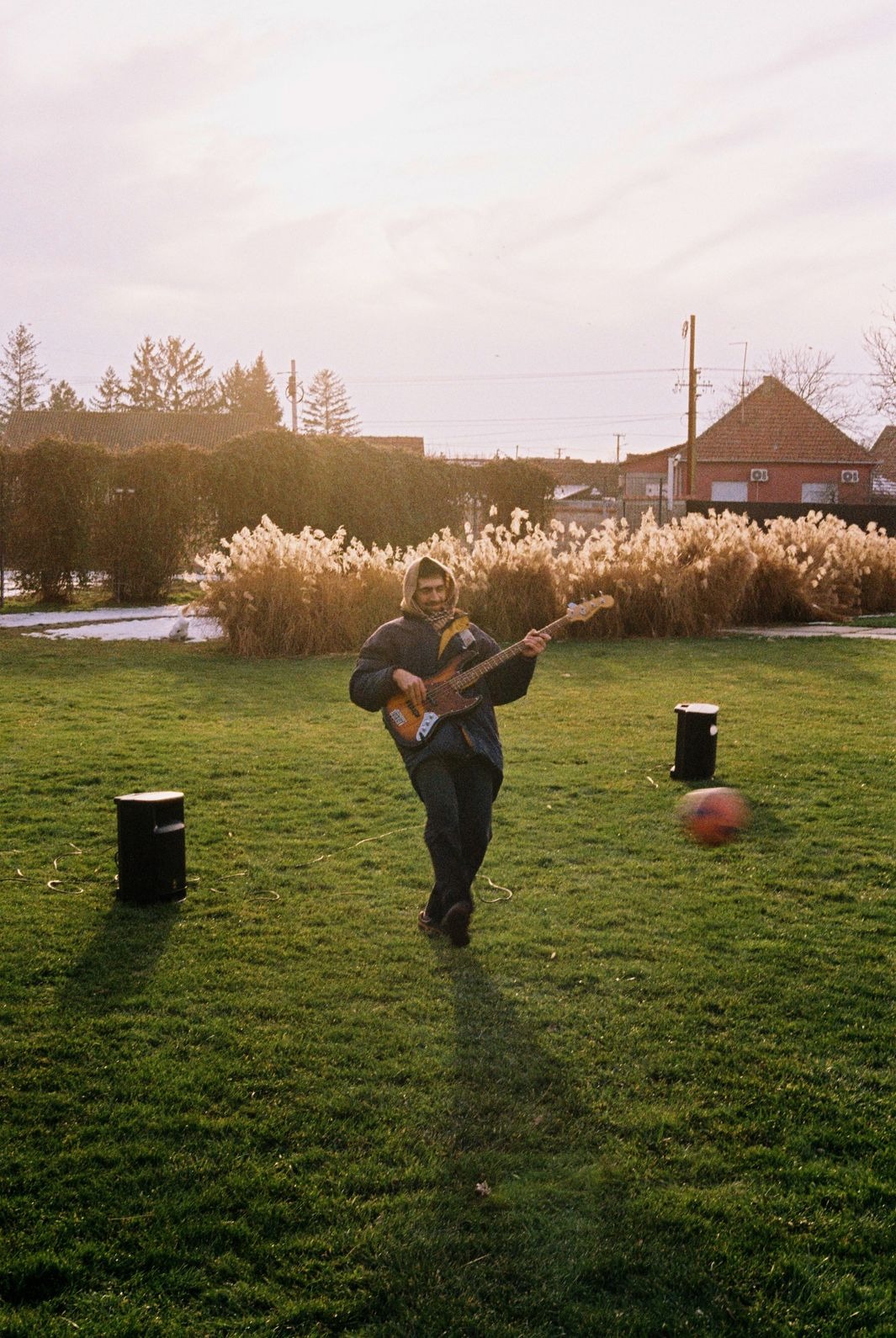
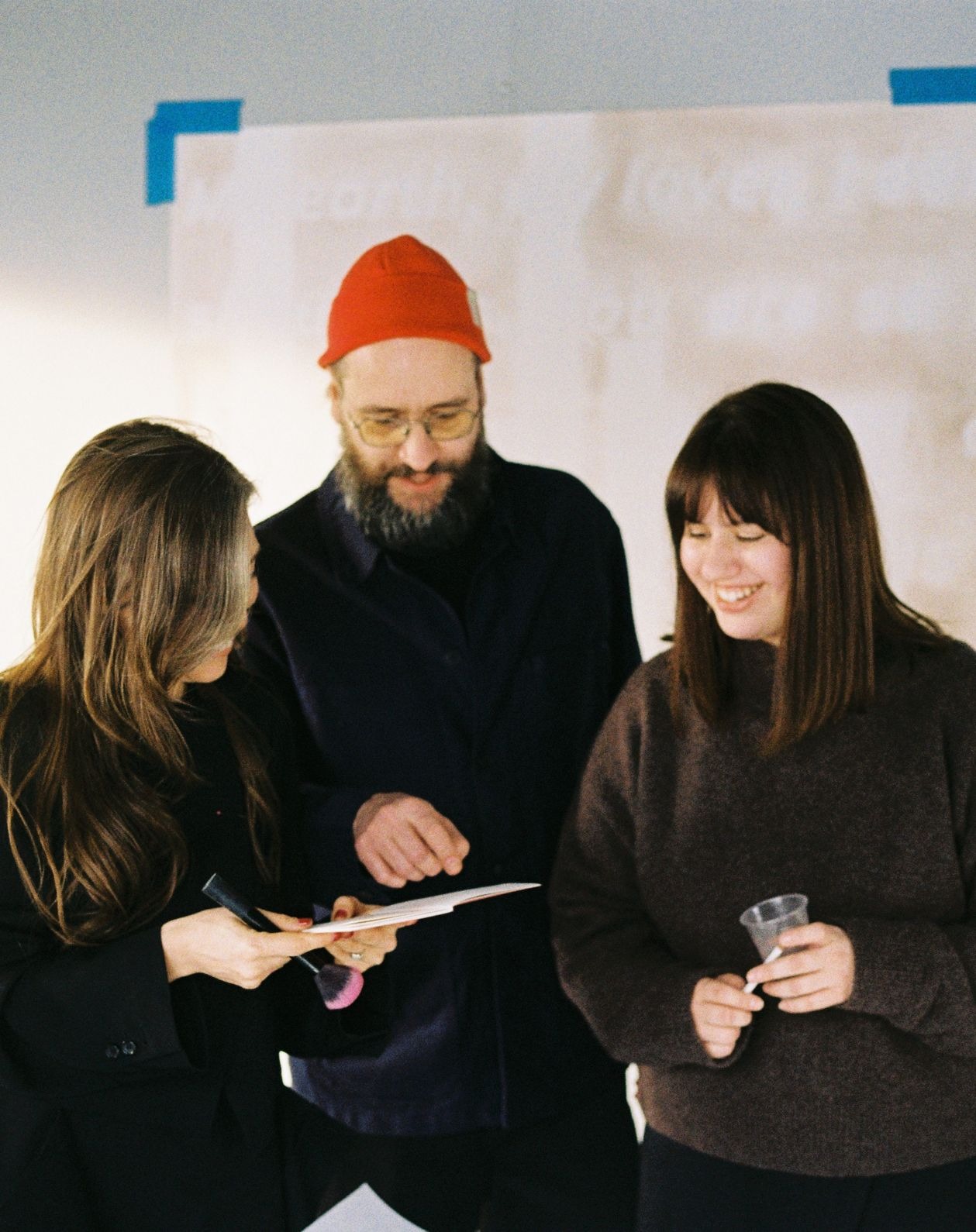
When I first wrote about the Mokrin House Art Colony more than a month ago, I did not know what to expect, but what stayed with me was the impression that this kind of mentorship, support, and direct work with experts from my own field would be of great significance to me. “The experience was extremely intense and transformative for all of us and absolutely exceeded all expectations,” says Marina Marković. She adds that “the calm, rural, almost utopian setting of Mokrin House became a space where a complete and authentic field of collective action and creation was built. A multifaceted, fruitful exchange between mentors and mentees was achieved, far beyond a formal colony, transforming into a living dialogue full of trust.”
For Saša Tkačenko, the experience was equally profound but also personally motivating: “These seven days we spent together are very precious to me. Working with young people brings me immense joy and motivates me to be better myself, and precisely for that reason I hope they also received from me what they expected.” He also emphasizes the professionalism of the participants: “What fills me with immense satisfaction and happiness after everything is their sincere dedication and passion for the topics they explore, as well as their maximal and professional approach to work.”
Ivana Ivković adds an emotional dimension: “A huge, intense, and deeply emotional experience. I have the feeling that something truly important happened, something that moved us beyond the everyday flow. A particularly valuable sense of connection emerged between the young artists and us mentors, among the participants themselves, but also among us mentors, where new bonds based on collaboration and mutual complementarity were formed, as well as with the people of Mokrin House, in a small village on the border, who supported the process and enabled an environment for exchange.”
The goals of the colony, as Marina explains, were clear: “The goal of the pilot edition was to show that an intensive, inclusive, and intergenerational exchange can produce quality and connectedness that go beyond formal expectations. In the coming years, we want to make this model permanent and broader, creating a stable platform that will connect the most promising young artists and mentors from the region, extending its influence into the educational system and public space.”
Saša adds: “Drawing on experiences from various projects, I entered this one with a clear desire to open space for young people to exchange experiences and opportunities to further develop their artistic practices, and, if possible, to elevate them to an even higher level. I believe we have definitely set many things in motion together, and that the full potential will be visible at the exhibition at the Eugster Gallery.”
Ivana explains the importance of intergenerational interaction: “The importance of intergenerational collaboration was particularly confirmed. Interaction between mentors and young artists showed that the exchange of experience can produce results and connections that exceed expectations defined by formal structures. Open dialogue and joint work showed that the process is both stimulating and transformative.”
Selecting the artists was not simple. “The selection process was extremely demanding, as more than 70 talented young artists applied for participation,” Marina explains. “The jury managed to recognize and select 15 outstanding talents of completely different poetics, aesthetics, positions, and media.” Saša emphasizes that the difficulty lay in balancing different affinities and interests: “We aimed to cover as many different affinities and interests as possible, while also ensuring that within the broader collective context they could be interesting to one another.” Ivana adds: “This group was extremely diverse, both in terms of media and artistic experience, as well as life circumstances. They came from different faculties, environments, and cities, which brought a richness of perspectives.”
The impressions of the mentors and their inspiration for the young artists intertwine throughout all the statements. Marina notes: “We are still under the impression. More than a month of effective work lies ahead of us to finalize the projects for the exhibition.” Saša adds: “The environment in which we worked and created is phenomenal. The people who ensure that everything around Mokrin House functions perfectly are a crucial factor in creating an atmosphere without additional noise, where everything is subordinated to creation.” Ivana observes: “What left the strongest impression on me is the awareness of these young people, their understanding of and questioning of the systems in which they live. At the same time, some things that we struggled to discover, consider, and change are clearly a step further. Their attitude toward diversity in terms of identity and orientation comes with incomparably more freedom and without burden.”
When we talk about the significance of such a colony for young artists, Marina emphasizes: “I am amazed by the radically critical method of Generation Z in questioning dominant systems. They are not looking for a mentor to explain things to them, but for a collaborator.” Saša adds: “For many, the most interesting part is the conversation, getting to know us, seeing what we do, and exchanging ideas. For some, it means feeling like part of a community, while for others it is more about support through assistance or equipment for execution.” Ivana concludes: “There is also an element of a private colony here, the influence of commercial currents, and everything that is new to some of them and will shape the direction of their artistic practices and decisions.”
All three mentors emphasize how much they themselves learned from the young artists. Ivana says: “During this week, these young artists confirmed one thing for me, that truth and authenticity are not transmitted or established through authority or established systems, but are constantly built through immediate questioning, doubt, and experience. In a time of post-truth, their energy carries both fatigue and disappointment, but at the same time a great, omnipresent need to express what they think and feel. Their ability to question hierarchies, social norms, and narratives of power, to think through neoliberalism or late-stage capitalism in which they are growing up not as abstract concepts but as real, shaping forces, revealing anew the complex and exhausting world in which they create, compelled me to question not only my own artistic and intellectual position, as usual, but also the way I engage in dialogue with them. It is precisely here that the most valuable aspect of this encounter lies. What is especially inspiring is that this intellectual freedom does not lead to alienation, but to attention, care, and tenderness, toward oneself, toward others, toward the process of creation. Critical thinking and empathy merge here, opening a space in which true artistic freedom arises, where knowledge, experience, and understanding are not imposed but discovered together.” Marina adds: “This is where the deepest value of this encounter lies. It forces mentors to constantly question their own intellectual and creative positions.” Saša concludes: “They reminded me that I must not forget my own position at the beginning of the journey and how uncertain and fragile everything is along the way.”

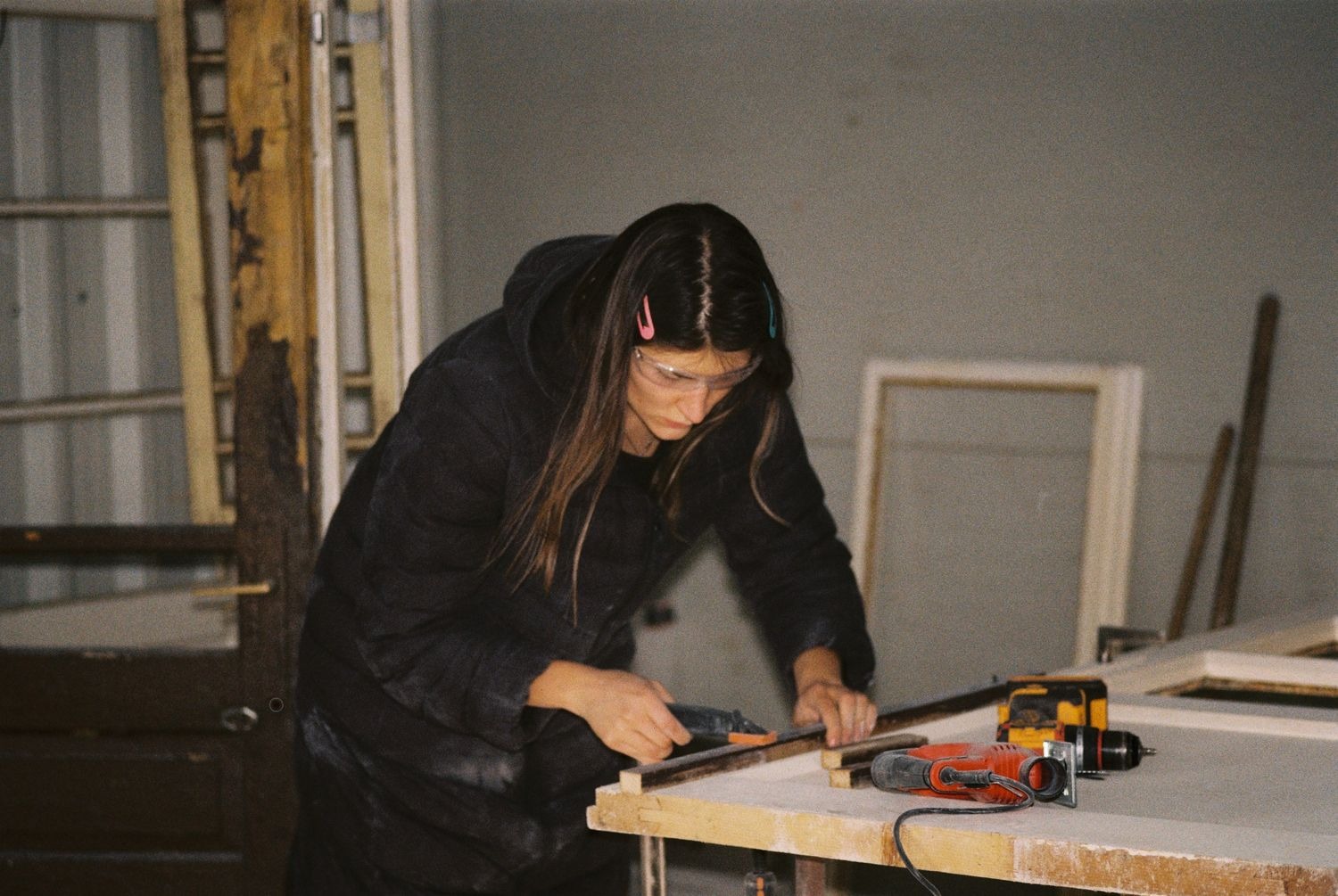
In the end, all agree that the Mokrin House Art Colony can have a lasting impact on the regional art scene. Marina begins: “Our long-term goal is to increase the visibility and connectivity of artists from the region, create new joint projects and networks, and achieve broader integration of contemporary artistic practice into the educational system and public space.” Ivana adds: “It can become a space where ideas, experiences, and artistic practice intertwine, opening possibilities that reflect the time in which they arise and shape new perspectives and forms of togetherness.” Saša emphasizes: “We should not think about how the regional scene changes, but rather gradually and carefully build mutual trust. This is a long-term process in which we all learn and build upon ourselves.”
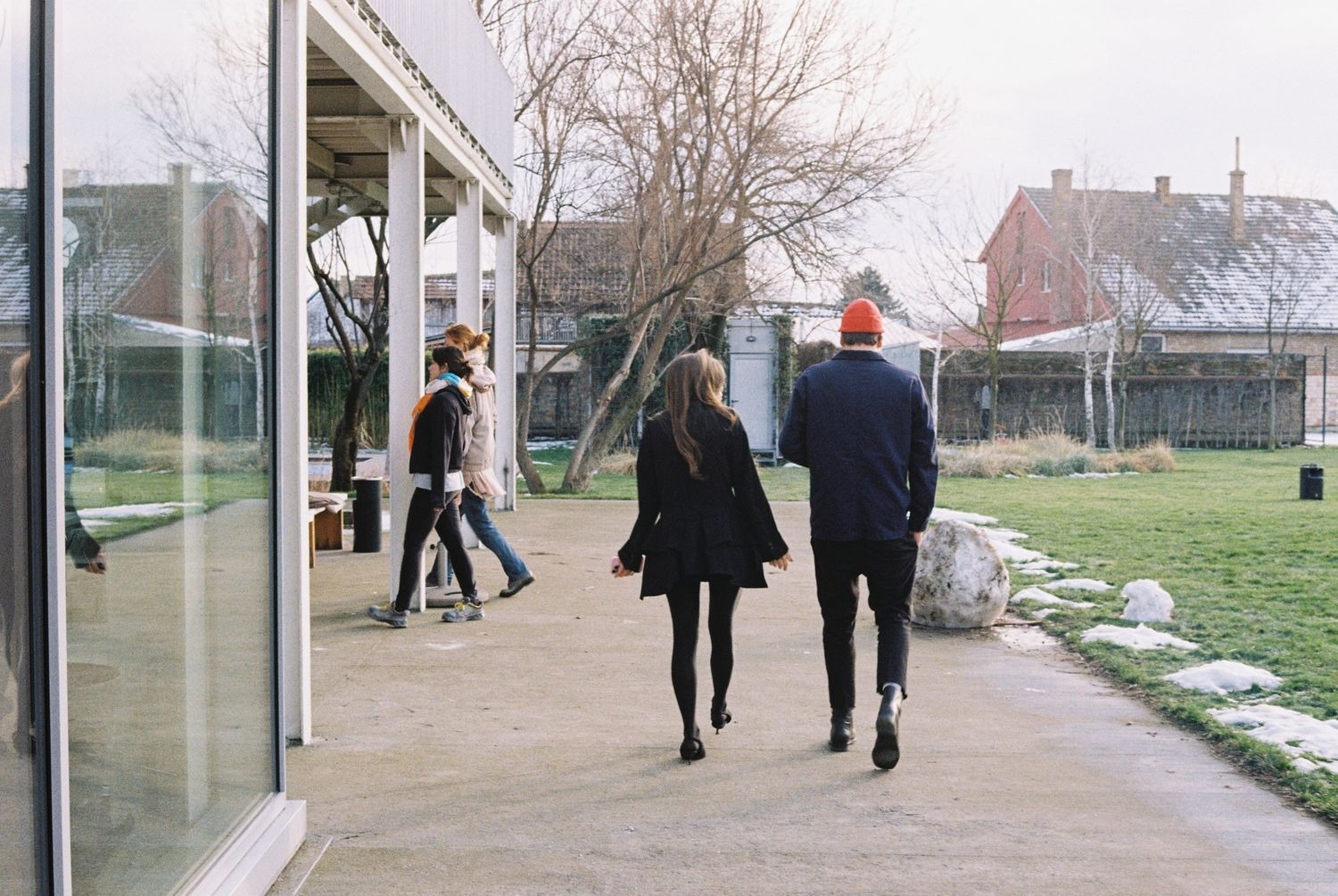
On the Balkan art scene lately, it can seem as though everything is sinking deeper, while artists and cultural workers are left with fewer and fewer spaces and opportunities for quality development and a career one can live from. Many of us have come to realize that reality, despite all hope and struggle, can be very dark. Yet seven days at Mokrin House showed that an art colony can be far more than a space for work. It can become a place of community building, exchange, intellectual freedom, and intergenerational collaboration, a space where ideas, connections, and perspectives are built that transcend formal structures and short-term opportunities. The concept of such a colony appears as a small beam of light at the end of a very dark, long, and exhausting tunnel. It shows that there is a way to revive and strengthen the regional scene, to open real opportunities for growth and experimentation for young artists, and to shape, through collective work and dialogue, a future in which art and community are not on the margins but at the center.
Photo: Katarina Šoškić
Creative direction: Milena Kitić
VOGUE RECOMMENDS