The new film by Oscar winner Sean Baker is a Netflix masterpiece you might have missed
Tara ĐukićDecember 2, 2025

December 2, 2025
A spoon. A biscuit. A piece of bread. A toy. A rattle. A picture book. From left to right, from right to left. It looked like play, but it was exhausting. It was the nineties and my parents clearly did not know better. Textbooks, teachers and psychologists advised that it was better for a child to be right-handed, naturally without any scientific basis, while the left was considered clumsy, strange and wrong. There was also the supposed prevention of social stigma, to make it easier to adapt to a world I never wanted to fit into in the first place. Still, their efforts failed. The moment any of those objects were moved from my left hand to my right, I would bring it back as if in slow motion.
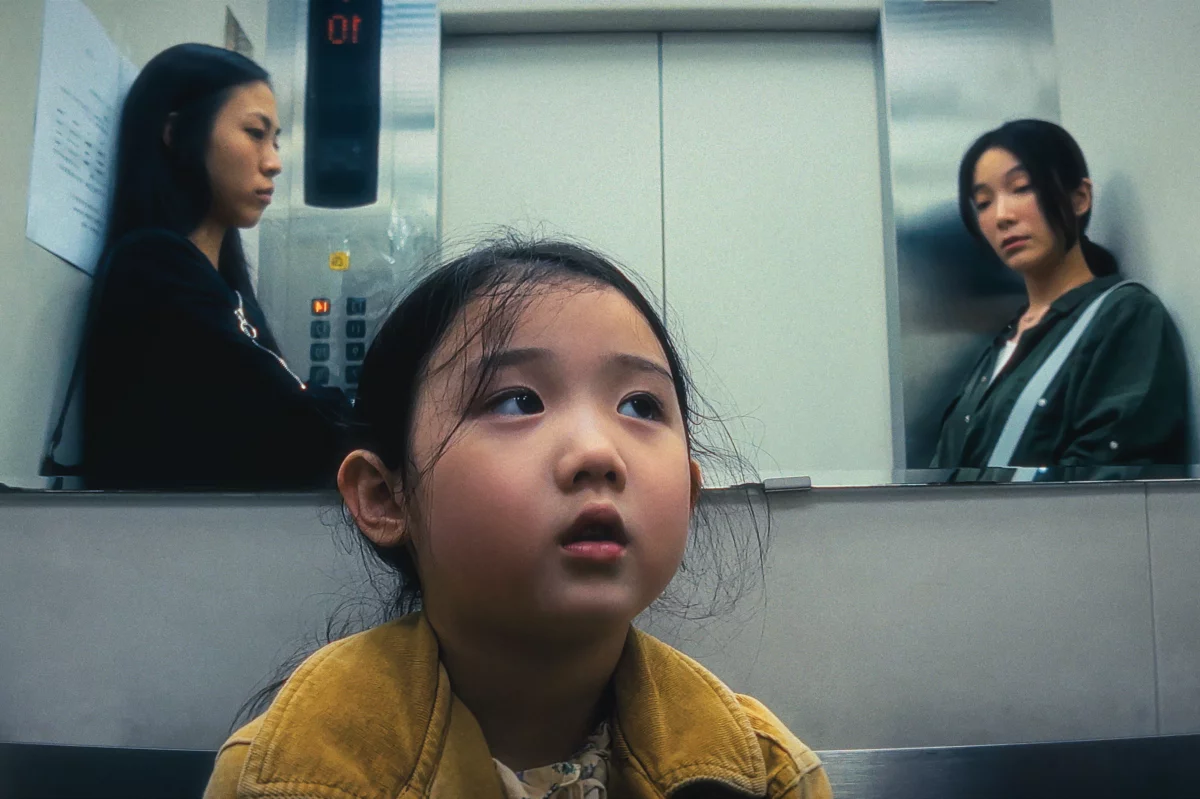
All of this came to mind as I watched the new Netflix film Left-Handed Girl, Taiwan’s Oscar submission in which little I-Jing is forbidden by her grandfather early on to use her left hand because it signifies a curse. The premise may seem trivial, but it carries a quiet shame that is difficult to shake off. Internalizing an old superstition, I-Jing navigates the fast-paced city of Taipei in Taiwan with her much weaker right hand, which almost gains a life of its own, though no one notices. What she does not know is that the rest of her family also carries its own version of a devil’s hand, a part of themselves they wish to suppress.
Related: We met the regional Oscar contenders whose stories transcend borders
Netflix
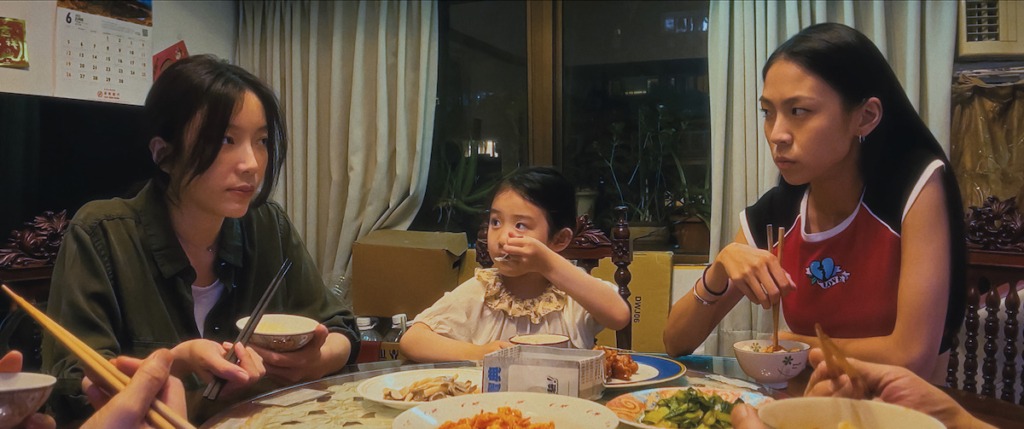
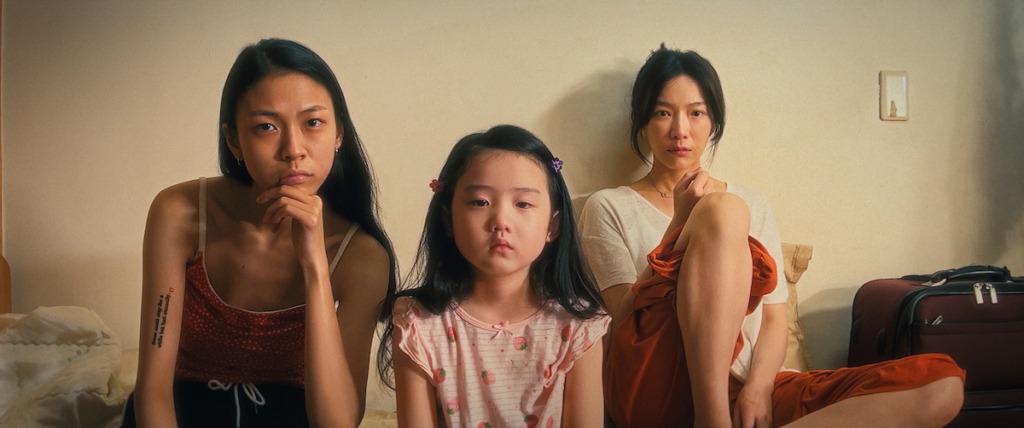
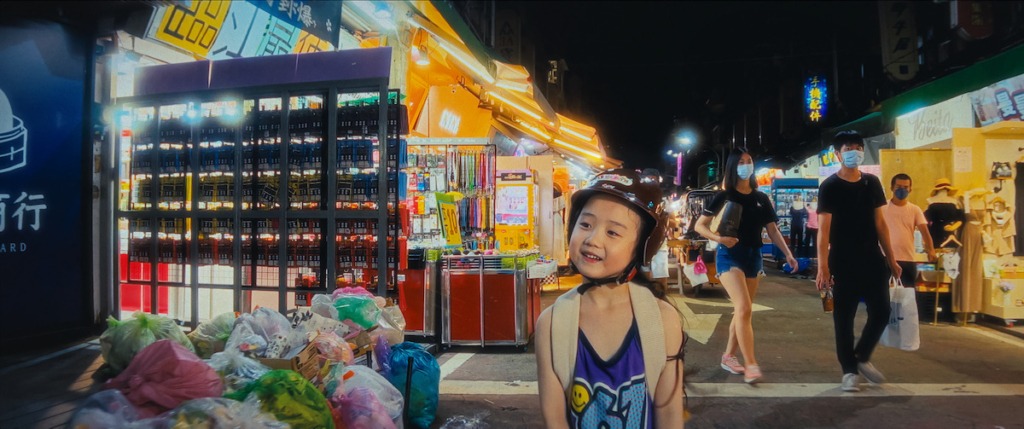
Filming entirely on an iPhone, debut director and co-writer Shih-Ching Tsou, whose co-writer is Sean Baker, director of the Oscar-winning Anora, brings a vivid childhood memory to the foreground, merging kaleidoscopic fragments of Taipei with the sharp edges of imperfect humanity. The drama begins with five-year-old I-Jing, her older sister and their single mother after moving to a new city and trying to make ends meet. Shu-Fen has opened a stall at a night market, while rebellious I-Ann has dropped out of high school and works at the stand, regularly finding herself in difficult relationships. Each of them must adapt to their new environment while facing secrets the family has been hiding for years.
Amid that heavy daily life filled with existential worries and emotional strain, I-Jing is left to her own devices, guided by her quiet yet vivid childhood micro-universe as she wanders through the market aisles, plays with a meerkat and occasionally steals small items, convinced that the devil’s hand is leading her into mischief. You do not need to be left-handed to identify with I-Jing’s heartbreaking unease, which is almost universal. It is an allegory of human duality: supposedly good when we do what is expected of us, and supposedly bad when we follow our own heart.
Netflix
A sense of duty is woven into every moment of doubt, as is the loneliness that follows it. It is touching to watch I-Jing do her best to draw with her right hand or to see I-Ann crying in bed after being judged by a former schoolmate at a party. Mother Shu-Fen may lead her family, but she is also the black sheep of her own. A married daughter is like spilled water, her mother tells her after refusing to lend her money, reinforcing a traditional belief that daughters lose their worth once they marry. In its portrayal of rigid Chinese views on gender roles, the film reveals more helplessness than humor, even though the director intended to blend the two. Moments of lightness and playfulness are rare, appearing mostly in I-Jing’s ideas that defend imagination, creativity and the beauty of left-handed children, and I will leave the most beautiful and painful scene for you to discover yourself.
As Sean and I were developing Left-Handed Girl, I began collecting stories, some from friends, some from family and some even from complete strangers, Tsou says. I was drawn to the tension in traditional families, to the way fear of judgment or rejection leads to secrets being buried for years. How tradition, even when rooted in good intentions, can stifle individuality. The film became a way for me to explore how generational beliefs shape us and how girls like I-Jing try to build their identity in the space between love and control, she says. The film was shot without preparation or formal rehearsals, so the scenes would feel raw and authentic, just like family dynamics themselves.
Netflix
How much a family can endure before it cracks sounds like a modern version of the idea that all happy families are alike and every unhappy one is unhappy in its own way. Left-Handed Girl poses this question as each character’s inner conflict spills into the family’s broader dynamic, culminating in an explosion rather than a slow collapse. All of us have at some point felt the loss of face before those closest to us, the fear of disappointing their expectations or of stripping ourselves down to the core even at the risk of losing everything. But perhaps, as Tsou suggests, the greatest test of strength begins when the dam breaks, when the water begins to flood in, sweeping away old traditions and creating something surprising and new. In such a life, chaotic, emotional, absurd and tender, sometimes success is simply making it through another day, feeling relief and finding the ability to smile again.
Let this film be a reminder to embrace the child within you as tightly as you would embrace I-Jing.