Books that taught me the most about AI and how it’s shaping our future
Tara ĐukićDecember 23, 2025


December 23, 2025
I’ve lost count of how many times I’ve talked (and written) about my love-hate relationship with artificial intelligence. Sometimes I see it as one of the greatest revolutions in human history, and other times, in those “me having a mental breakdown” moments, as a complete absurdity—so baffling that I can’t believe there’s even a debate about whether it could replace humans. When I chat with a bot, I’m often more destructive than constructive, more likely to criticize than praise, especially when it responds with something like, “Sorry, I’m off today.” Things only get weirder—AI pharmaceutical companies have started selling coded opiates to make chatbots more productive, and those same bots are now getting “personal managers” and PR teams, because their answers go viral faster than statements from real public figures. People are increasingly seeking emotional validation from chatbots instead of therapists, not to mention its misuse in creative and artistic industries—the very context that sparked debates about its problematics in the first place.
Because of all this, in 2025 I wanted to dive deeper into AI and the science behind it. Once ChatGPT became widely accessible, the shelves of AI books quickly filled up. But not all of them are worth your time—here, I highlight the ones that can truly serve as tools to better understand AI and the background it carries.
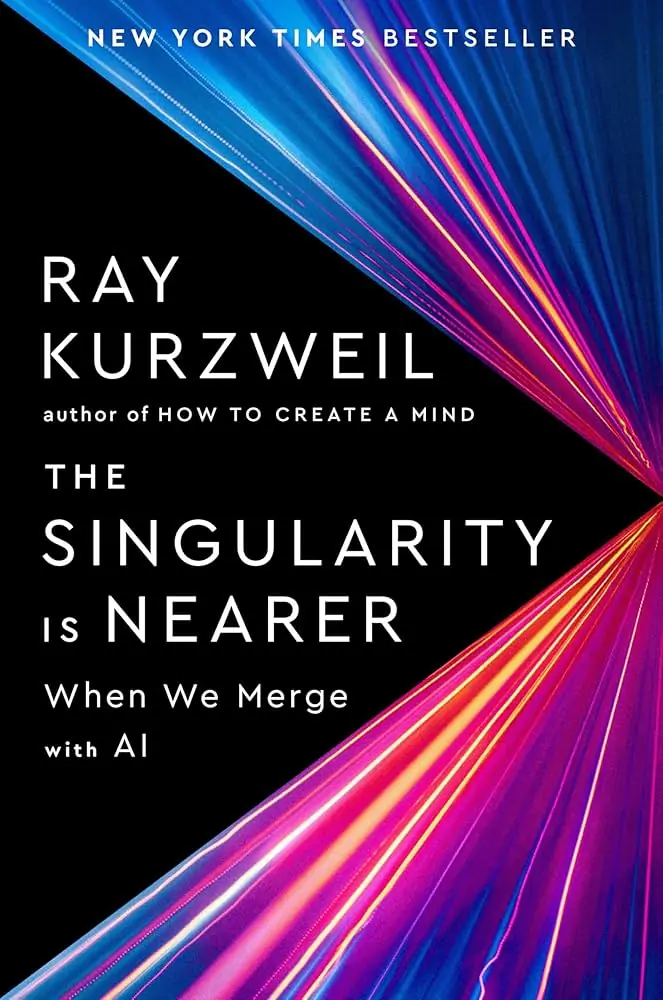
The boldest claim in this book is the prediction that by 2029, AI will be “better than all humans” at “every skill any human possesses.” While Kurzweil bases this on real trends and has a track record of accurate forecasts, today’s AI systems remain largely narrow in scope. They lack the general intelligence, adaptability, and consciousness that define the human mind. Skills like creativity, empathy, and moral reasoning remain major challenges. Even if technical hurdles are overcome, ethical, regulatory, and societal factors could slow adoption significantly. In The Singularity Is Nearer, Kurzweil expands and updates ideas from his earlier work, The Singularity Is Near (2005). Published in 2024, the new book explores the accelerating pace of technological development and its consequences for humanity. Definitely a compelling read for debate.
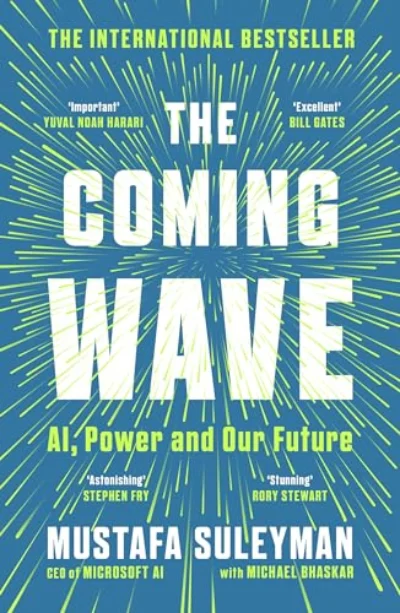
We’re on the verge of crossing a critical threshold in the history of our species. Everything is about to change—announces this 2023 book. AI will take on complex tasks: running businesses, producing limitless digital content, managing key government services, and maintaining infrastructure. At its core, it will power DNA printers and quantum computers, engineered pathogens and autonomous weapons, robotic assistants, and abundant energy. As a co-founder of the pioneering AI company DeepMind, Mustafa Suleyman is at the heart of this revolution, which could become the greatest accelerator of progress in history. He argues that the next decade will be defined by this wave of powerful, rapidly spreading new technologies. The Coming Wave also warns that these technologies could destabilize existing institutions, including modern states, if we don’t develop effective ways to control and guide them before it’s too late. The book tackles the “containment problem” as a defining challenge of our time and calls for a new approach to managing and regulating powerful technologies, harnessing their benefits while minimizing potential harm.
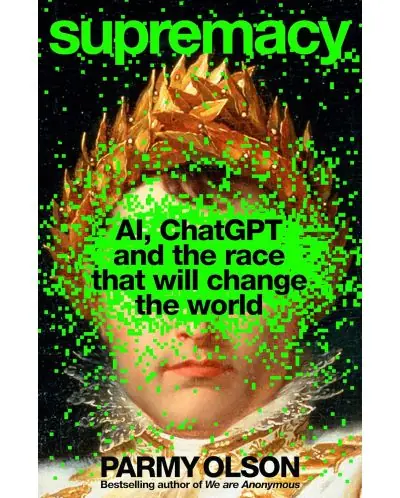
Winner of the Financial Times Business Book of the Year 2024, this book focuses on the global race to develop general artificial intelligence, with a spotlight on the rivalry between the leading companies shaping its future: OpenAI, DeepMind, and Anthropic. Experienced tech journalist Parmy Olson follows how these organizations evolved into powerful players aiming for commercial and technological supremacy. The book uncovers the behind-the-scenes battles for control over key technologies, investments, strategic alliances, and ethical dilemmas, highlighting the potential dangers and societal implications of AI—from bias and security risks to its impact on industries and everyday life. Supremacy is both a warning and a narrative about how the development of AI could change the world, and who truly holds the strings of power in this race.
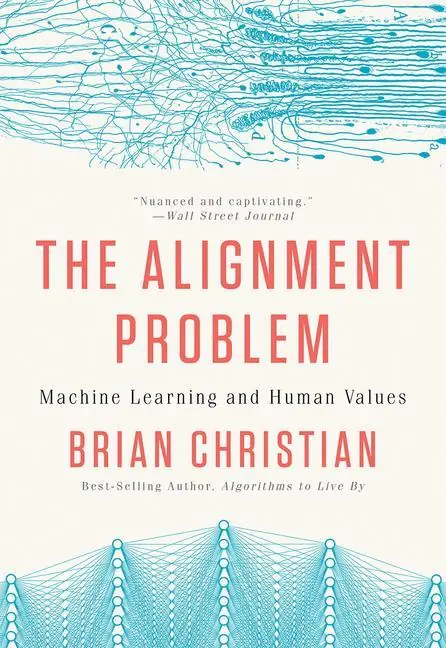
Brian Christian’s book tackles one of the central challenges of modern AI: ensuring that artificial intelligence systems act in line with human values and intentions. Through numerous examples, he shows how AI can misinterpret goals or amplify social biases. As AI becomes increasingly used in critical areas like healthcare, justice, and finance, the question of alignment becomes crucial. The book serves both as a warning and a guide for responsible technology development.
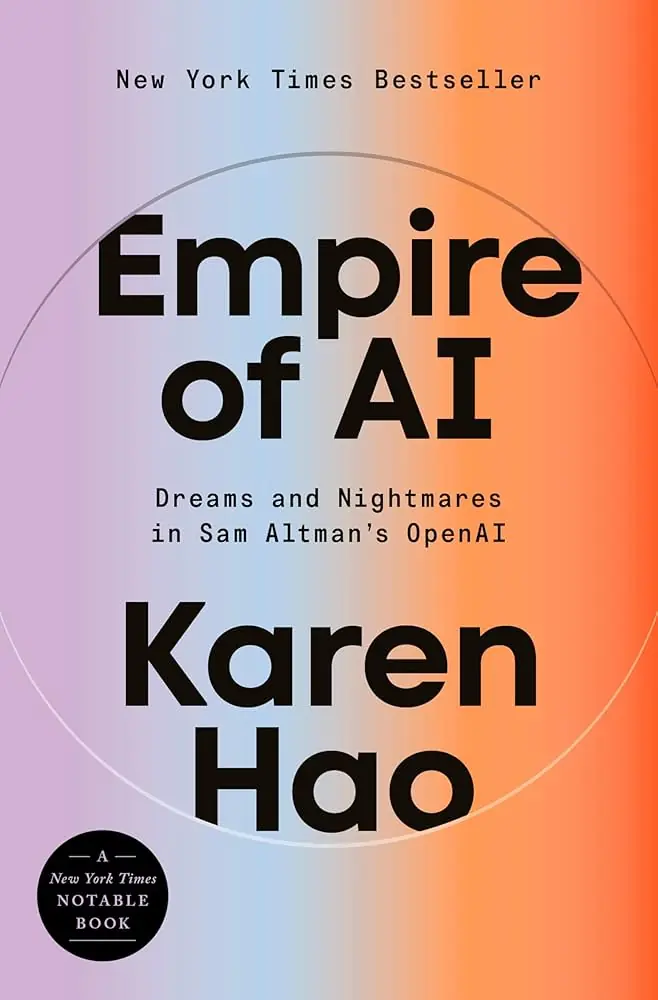
Perhaps the most compelling on this list is Karen Hao’s book, offering a deeply researched and critical look at OpenAI’s rise and Sam Altman’s role in shaping one of today’s most powerful tech institutions. Drawing on years of industry observation, extensive interviews, and internal context, Hao shows how the initial vision of responsible and open AI development gradually collided with commercial interests, concentrated power, and geopolitical pressures. The book isn’t just about technology—it’s about the people, decisions, and systems behind it, posing a clear question: who really controls AI, and at what cost? Empire of AI provides an essential insight into the reality of the modern AI industry, far from the hype and futuristic promises. Published in 2025, it’s not yet available in our region.