Jewelry as a tool for change and self-return
by Tina LončarNovember 4, 2024

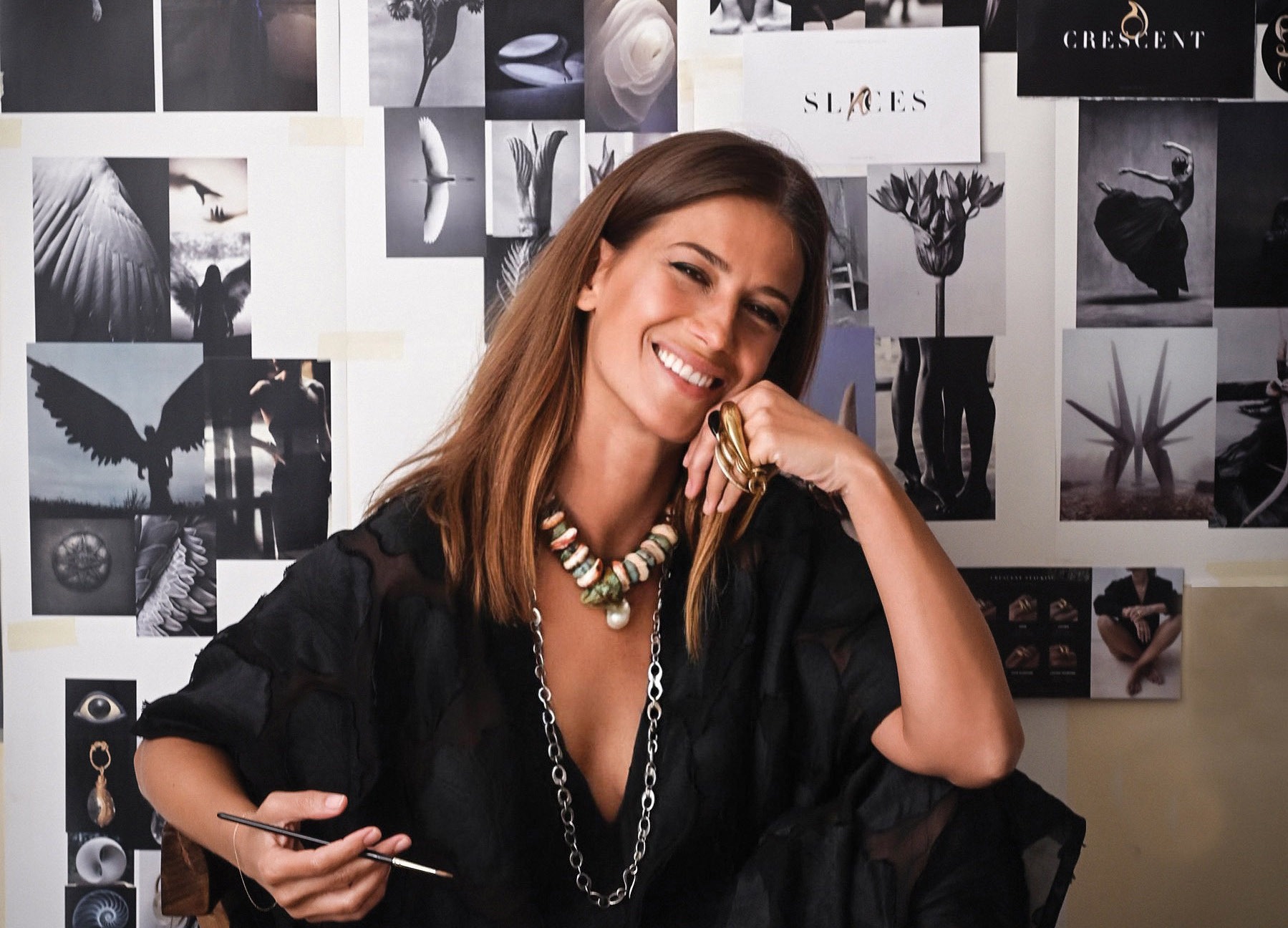
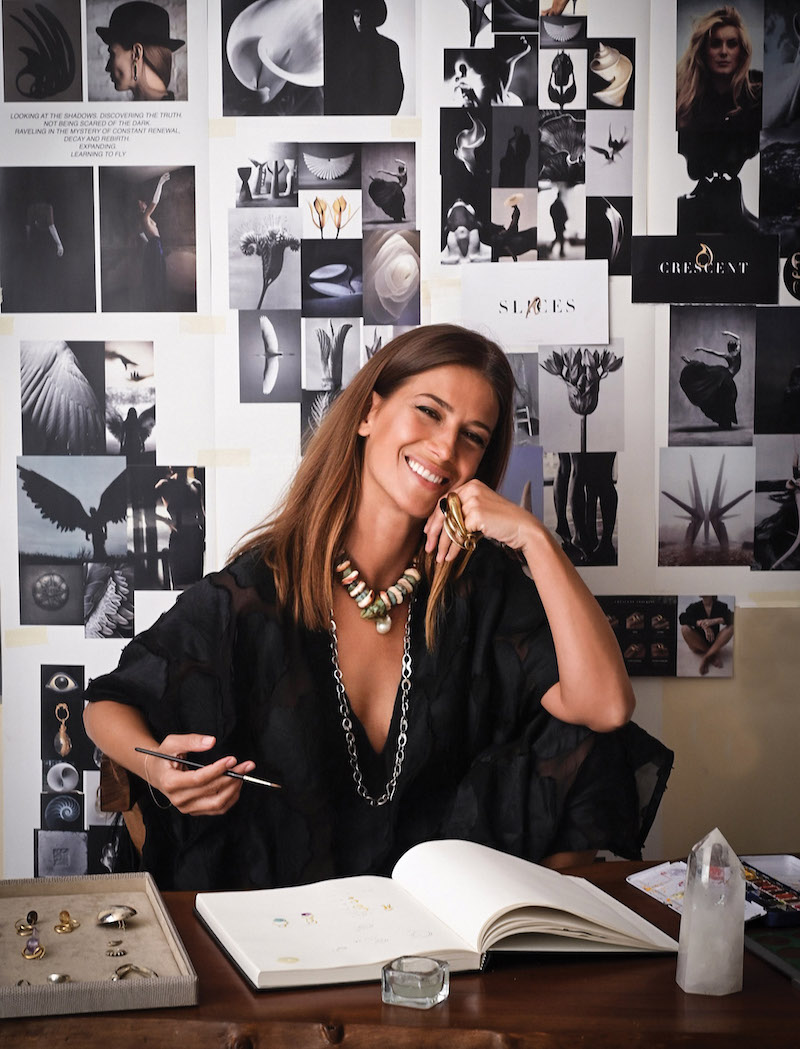
Since the time of the earliest civilizations, jewelry has been far more than an object whose sole purpose is decoration. Although its beauty adorns our faces and our bodies, jewelry is often intertwined with symbolism, energy, and meaning that transcend us. It carries our stories, emotions, and memories, but often also the stories, emotions, and memories of those who were here before us and those who will come after we are gone. The entire weight and lightness of the passage of time contained within a single object, marked by lived lives, is one of the reasons jewelry feels so magical. Such is the jewelry of Jovana Djuric. Magical. Defined by striking sculptural forms, freed of everything superfluous, it is at once contemporary and somehow primordial, as if we cannot assign it either time or place. The epithet that suits it best is, in fact, timeless.
“My jewelry always communicates with the body and gives it a new, extended dimension. I want that connection to be even more conscious. I want those who wear it to feel a deeper connection with their hands, with their essential nature. I want to remove everything that is not essential,” the designer tells me, whose love for jewelry grew out of her love for sculpture. Today, she finds countless similarities and an occasional difference between the two, yet what draws her to both sculpture and jewelry is precisely the connection with one’s own body, the meditative process of working with the hands, and the beauty of existing in the present moment. But let us return to the beginning.
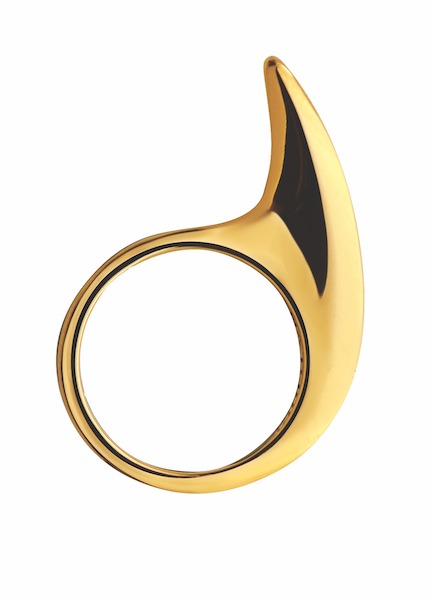
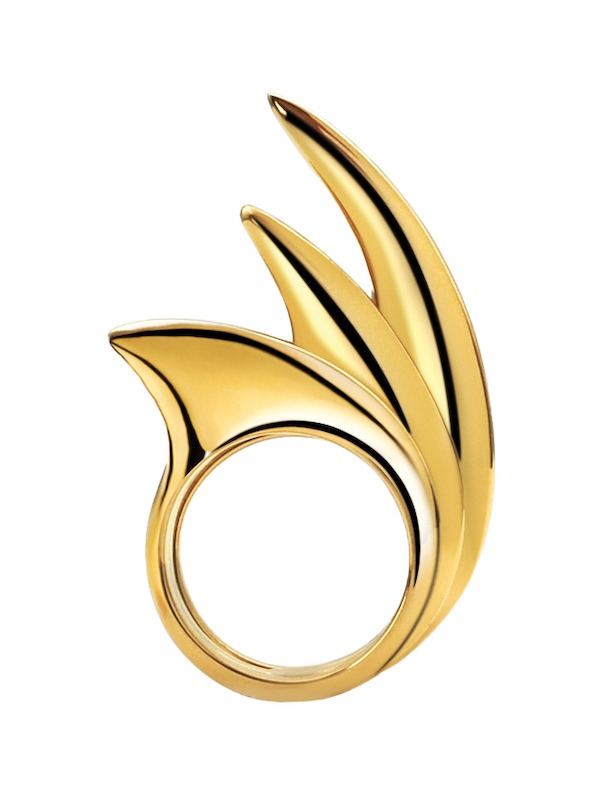
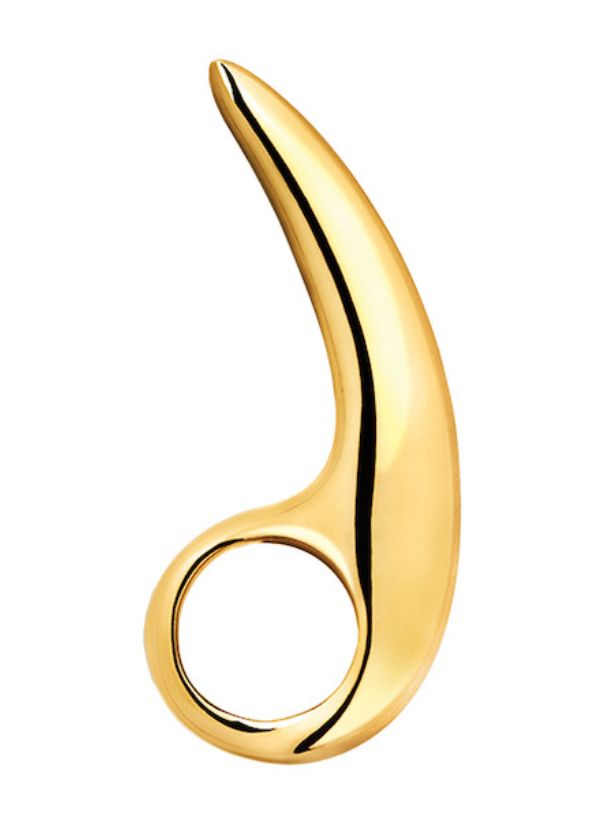
After studying sculpture at the Faculty of Fine Arts in Belgrade, Djuric moved to New York in search of new opportunities. She arrived in the city that never sleeps with “only 50 German marks given to her by a friend,” and after two years of living in New York, she enrolled in jewelry design at the prestigious Fashion Institute of Technology. “What prompted me to start designing jewelry was my fascination with metals and the process of transformation that metal undergoes when we shape it into jewelry, from its interaction with fire to its interaction with the hammer…,” explains the designer, whose career took off impressively from the very beginning. Already in her first year of studies, she began working on a project for Tiffany & Co., and she also created jewelry for the then renowned American designer Alice Roi. But jewelry does not interest her as a “fashion object whose purpose is decoration.” What interests her is research, transformation, its alchemical side.
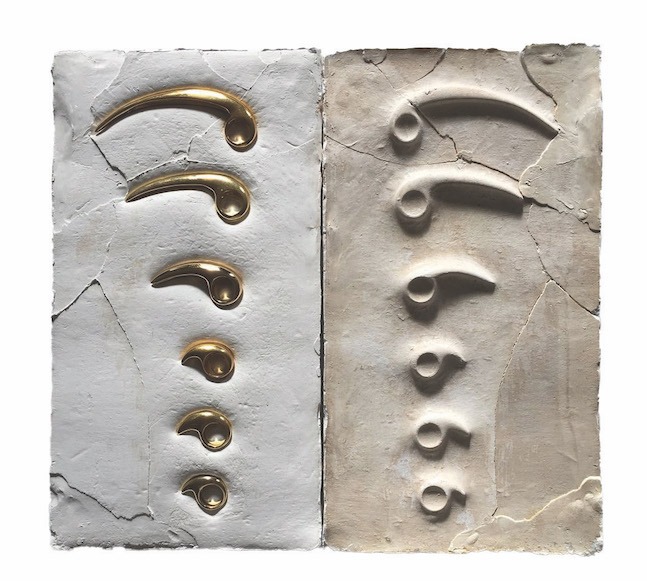
Before launching her own brand in 2014, she worked as a jewelry designer for the fashion house Givenchy, as well as for the American designer and sculptor Robert Lee Morris, known for his organic forms and futuristic creations, and considered one of the pioneers in understanding jewelry as an art form. Yet, as is often the case, it is her own brand that reflects what she has always wanted to create. The Horus ring, which irresistibly resembles a bird’s claw, is one of her most recognizable creations. Still, whatever form her pieces ultimately take, they are always rooted in the same philosophy, in a connection with oneself, in the beauty of creation and in the union with tools, techniques, and materials that have been part of our history since ancient times. This is precisely one of the reasons why Jovana experiences this process as so liberating and so spiritual.
A major influence on her work and her understanding of the world, which she uncompromisingly weaves into it, was also growing up in the Balkans, from the stark bareness of brutalist sculpture, through a connection with nature, to music in which passion, pain, and love intertwine, outlining our life energy.
“For me, my work in jewelry is a path toward becoming aware of my expanded consciousness and my connection with what existed before me,” she says. Yet although she experiences her jewelry, as she puts it, not as decoration but as a symbol of change and a return to oneself, she is also aware that the women who wear it find in it whatever they need at that moment. And that is precisely what gives it its special value.
The designer, who moved to the picturesque Tulum in Mexico in 2021, is now planning a return to Los Angeles. It is in the City of Angels that she collaborates with the eminent boutique Maxfield, an oasis of designer fashion and art, works on her own collections, expands the brand’s offerings, and returns to sculpture. “For me, sculpture is something deeply intimate and personal. The physicality of the work is what makes me feel alive, allowing me to feel that I am fully in my body,” she tells me in closing. In that feeling, all the magic truly lies.