Iranian films worth watching if you liked It Was Just an Accident
Bojana JovanovićFebruary 5, 2026

February 5, 2026
I love it when a film from a country whose cinema I do not usually know well, or at all, achieves major success. Aside from the fact that the world becomes a better place for me every time a non-English-language film gains global recognition, it often also sparks interest among audiences around the world in other potentially great content from that previously unfamiliar place. Personally, I am a great admirer of the unknown, and I believe there are no better experiences than first ones, not because they will always be ideal or perfectly timed, but because they are the most exciting and because you are officially crossing another thing off the list of things you have never done. I hope this makes sense, because this is also how I approach watching films, and my list of movies for which I wish the machine from Eternal Sunshine of the Spotless Mind truly existed is almost entirely tied to the films I would love to erase from my memory just so I could experience them for the first time again.
Related: How Sentimental Value helped me better understand my daddy issues
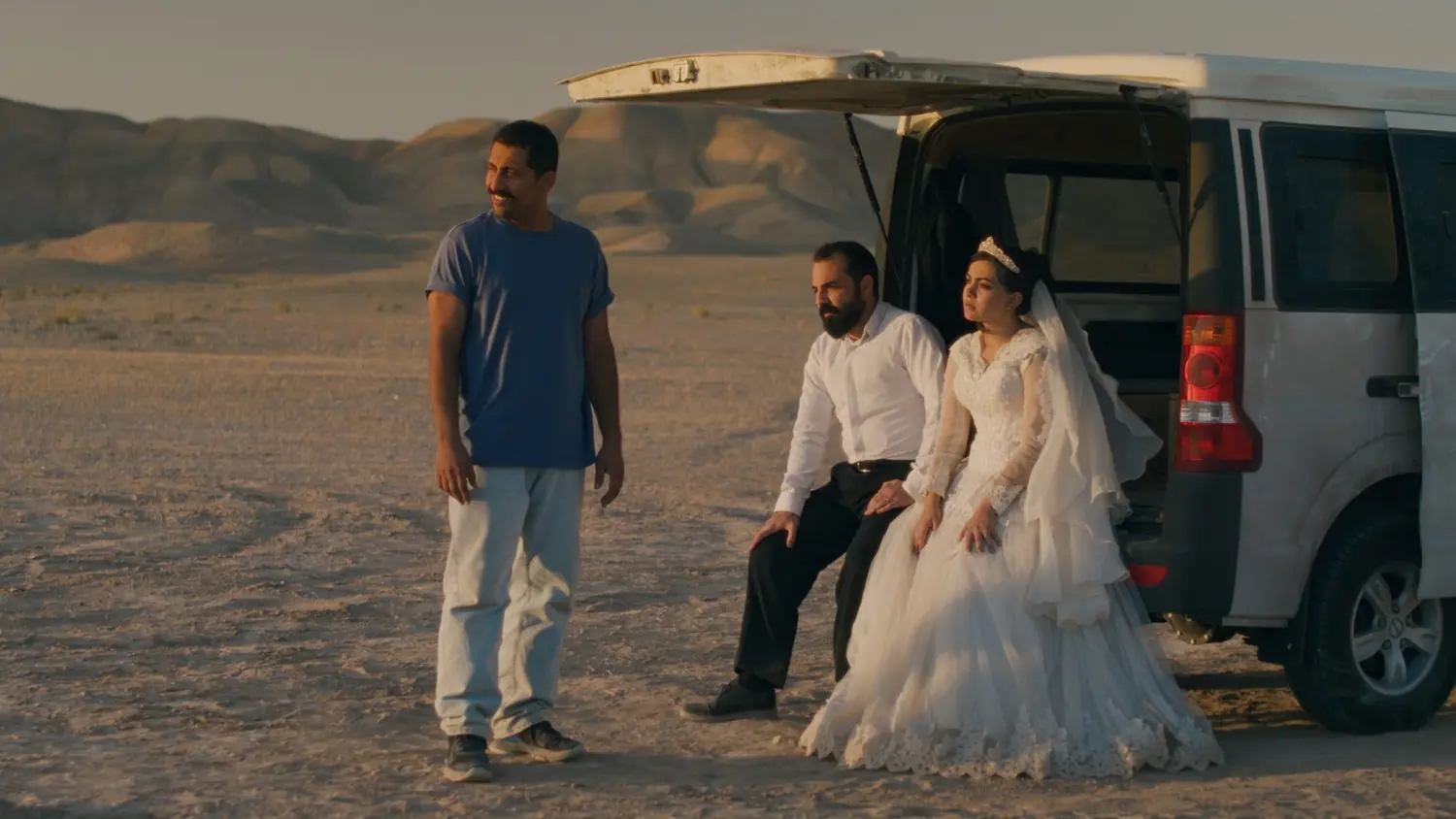
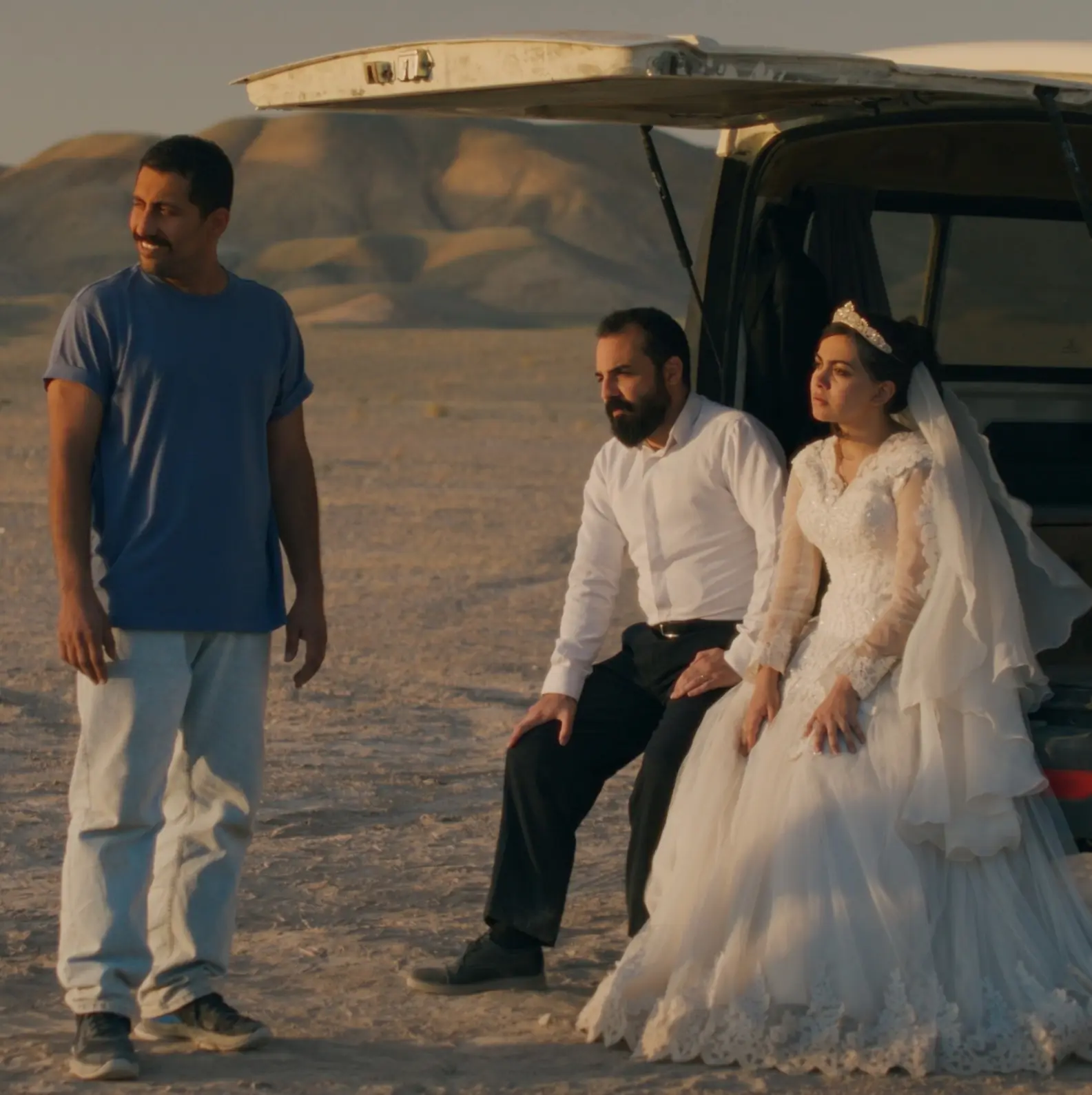
In the case of last year’s film by renowned Iranian director Jafar Panahi, It Was Just an Accident, this particular scenario did not apply to me, as I have been someone who follows, loves, and genuinely enjoys Iranian cinema since my university days. Panahi, one of the most important contemporary Iranian auteurs, is known for often making his films despite bans and restrictions in Iran, exploring social and political themes through a subtle and empathetic approach. It Was Just an Accident is another of his works that carries his recognizable atmosphere of quiet irony and gentle melancholy, combined with everyday situations that become a mirror of society. The film was nominated for several prestigious international awards, including an Academy Award nomination for Best Foreign Language Film, which further confirms its universal appeal and significance. The story follows a series of misunderstandings and unexpected events in a small Iranian town, through which Panahi masterfully illuminates human nature and social contradictions. His style, marked by minimalism, realistic dialogue, and a thoughtful use of space, creates an intimate, almost tangible atmosphere that draws viewers into the everyday lives of his characters.
Related: Pre Oscar watchlist: films from the past five years that deserve more attention
What happened for me here was that I was reminded of some Iranian films I had watched a long time ago, and thanks to the TikTok community of film fanatics, I managed to add many more quality Iranian titles to my list. That is why, below, I am bringing you several recommendations if you are not sure where to start, films that will perfectly introduce you to all the charms of Iranian cinema.
Taste of Cherry, Imdb
Taste of Cherry (1997) by Abbas Kiarostami was the first film by this director that I watched, and since then it has stayed with me more than most films I have seen. The plot is seemingly simple and deeply emotional: the main character, Mr. Badii, drives through the Iranian landscape searching for someone who would, if he decides to end his life, take responsibility for burying him. The film is quiet and contemplative, with long, meditative shots and almost everyday conversations. I have watched it only two or three times, as I feel that watching it too often might diminish the emotions that connect me to it. It is one of those films that will certainly stay with you for a long time, and whose ending you will need to discuss with someone, and very likely also consult Google about. For Iranian and world cinema, Taste of Cherry is significant because it pushes the boundaries of storytelling, using minimalism and documentary realism to explore universal themes of death, meaning, and human connection.
Povezano: In defense of everyday life and why Train Dreams could become my favorite film
Where Is the Friend’s House?, Imdb
This is my favorite film trilogy ever. It consists of Where Is the Friend’s House? (1987), Life, and Nothing More… (1992), and Through the Olive Trees (1994). Every time I recommend this trilogy to someone, I notice that they almost never manage to choose a favorite among the three, but for me, at least at the moment, Where Is the Friend’s House? is simply a perfect example of Kiarostami’s work. The way he addresses themes of everyday life, ordinary people, and those universal, hidden human emotions, especially through the experiences of children and their view of the world, is unmatched. The film is minimalist, almost documentary in style, yet every scene carries weight and sincerity. For Iranian cinema, the Koker trilogy is crucial because it portrays ordinary people and ordinary stories in a way that was innovative at the time, focusing on the reality of life from the perspective of a child and local communities. With these films, Kiarostami opened the door to the Iranian New Wave in cinema.
Povezano: 13 films that will shape the cinema landscape in 2026
A moment of innocence, Imdb
This is a film based on a real event from the director’s life: as a teenager, he stabbed a police officer, and decades later he attempts to reconstruct that moment. The film balances between memory, fiction, and a documentary sensibility, showing how a seemingly ordinary episode can carry the weight of memory and guilt. It is significant for Iranian cinema because it combines a personal story with a broader social context, exploring norms, authority, and the consequences of individual decisions. It is also an example of how Iranian films of that period use minimalism and realism to create an intense narrative effect. What sets it apart is the simplicity with which it presents complex emotions and situations; everything is almost quiet, yet it leaves space for the audience to draw their own conclusions about what is really happening and how growing up and mistakes intertwine with the society we live in.
Related: What is new on streaming platforms in February?
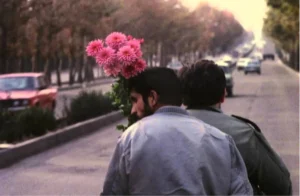
Close Up, Imdb
Another film by Abbas Kiarostami that simultaneously pushes the boundaries between documentary and fiction. The plot follows the real case of an Iranian man, Hossein Sabzian, who impersonated director Mohsen Makhmalbaf and convinced a family that he was making a film with them. Kiarostami reconstructs the events with the actual participants, allowing reality and fiction to intertwine to the point where it becomes difficult for the viewer to separate them. The film is almost a meditation on identity, art, and trust, and its minimalist form, with long takes and carefully constructed scenes, makes the story intense and gripping. Critics have often described it as a masterpiece of the Iranian New Wave, praising the way Kiarostami explores the boundaries between the real and the imagined while simultaneously commenting on Iran’s social and cultural norms. Close-Up is considered one of the most important films for understanding Kiarostami’s narrative approach and the influence of Iranian cinema on world cinema, as it uniquely merges social analysis with an intimate human story.
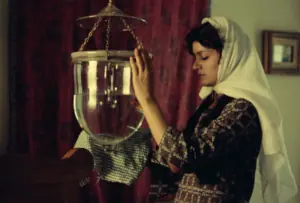
Chess of the Wind, Imdb
Chess of the Wind by Mohammad Reza Aslani is an Iranian film that was long considered lost. The story follows the disintegration of an aristocratic family in 1970s contemporary Iranian society, focusing on intrigues, conflicts, and secrets that expose corruption and decadence within the wealthy classes. The film is visually striking, with carefully composed shots, dramatic use of light and shadow, and an almost Gothic tone, making it unusual and innovative for Iranian cinema of the time.
After its premiere, the film was banned and almost completely forgotten, and the original negatives were considered lost for decades. Only recently was it restored and reintroduced to international audiences, revealing it as an important example of experimental Iranian cinema of the 1970s. Today, Chess of the Wind is valued for its aesthetic innovation, complex narrative structure, and critique of social hierarchies, and its rediscovery offers insight into the rich and often hidden history of Iranian cinema before the 1979 revolution.
Related: Films that have successfully captured and explored the complexity of queer relationships
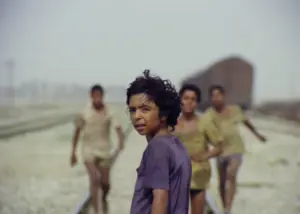
The Runner, Mubi
The Runner by Amir Naderi is one of the key films of the Iranian New Wave and one of the rare works that portrays the lives of the poor in Tehran in the early 1980s, shortly after the Iran-Iraq War. The story follows Amiro, a boy trying to survive in a poor, chaotic city by selling tea, collecting bottles, and finding ways to support himself and his ill mother. The film is realistic, with long takes that follow Amiro’s efforts through city streets and barren landscapes, creating a sense of daily struggle and perseverance.
Naderi uses Amiro’s story to explore themes of childhood, poverty, and resourcefulness in complex social conditions. Critics often praise the film for its honesty and immediacy, as well as for its poetics of movement and visual rhythm that make it almost a poetic film about real life. The Runner is significant both as a testimony to Iranian society of that period and as an inspiration for international filmmakers seeking authenticity in depicting everyday life.
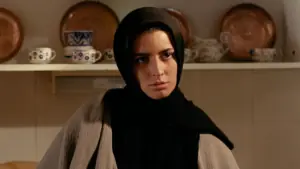
Leila, Imdb
Leila by Dariush Mehrjui is an intimate drama that explores the complexities of love, marriage, and social expectations in contemporary Iran. The plot follows Leila and her husband as they face emotional and cultural pressures after discovering that Leila cannot have children. The film focuses on their conversations, inner dilemmas, and the way family and society shape their decisions, portraying the conflict between personal desire and externally imposed norms.
Mehrjui uses a simple, almost static camera and carefully composed shots to highlight the psychological depth of the characters, making their world feel close and recognizable. Critics consider it one of the key Iranian films of the 1990s because it combines social realism with emotional honesty, exploring universal themes such as marriage, identity, and the pressure of tradition. Leila is a film that poses questions without easy answers, leaving the viewer space to reflect on love, loss, and life choices.
Related: Is 2026 the year we return to romance and love?
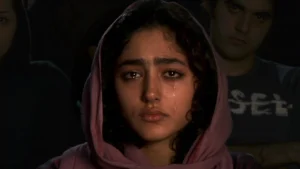
Shirin, Mubi
Shirin by Abbas Kiarostami is an unusual, experimental film that almost entirely avoids traditional narration. The film follows the reactions of dozens of Iranian actresses as they watch a film adaptation of the Persian love story Khosrow and Shirin. The camera focuses exclusively on their facial expressions, laughter, tears, confusion, sorrow, or delight, while the story unfolds off-screen. The film effectively removes external visual narrative guidance, leaving emotions and interpretation to the viewer.
Shirin is significant because it pushes the boundaries between cinema, theater, and experimental art, exploring the power of watching and empathy. Critics see it as a meditation on the experience of art, on how emotions transfer from screen to viewer, and on the relationship between audience and story. The film is minimalist yet extremely intense, showcasing Kiarostami’s obsession with human expressions and silence as a narrative tool.
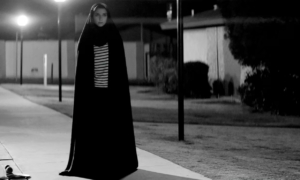
A Girl Walks Home Alone at Night, Imdb
A Girl Walks Home Alone at Night by Ana Lily Amirpour is a unique blend of horror, western, and romance set in the fictional Iranian city of Bad City. The story follows a mysterious girl who wanders the streets at night wearing a hijab and who is also a vampire, hunting and punishing those who do evil. The film balances dark humor, horror atmosphere, and social commentary, portraying the city as a place of isolation, danger, and unexpected tenderness. Visually, it is stylized, black and white, with strong contrasts and long, poetic shots, creating a sense of both the real and the fantastical.
For Iranian cinema, this film is significant because it combines Western horror aesthetics with Iranian cultural motifs, showing how Iranian influence can be transformed into a globally relevant cinematic language. Critics have often praised it for its innovative style and strong tone, while fans see it as a cult example of modern horror with social and feminist dimensions.
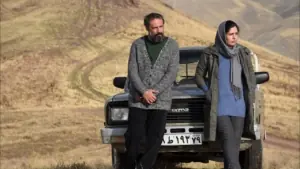
There is No Evil
There Is No Evil by Mohammad Rasoulof is a film divided into four stories that explore themes of moral choice, responsibility, and the consequences of obedience in contemporary Iran. Each episode focuses on ordinary people confronted with situations that test their conscience, from soldiers who carry out executions to individuals who attempt to resist the system. The film raises questions about the limits of personal ethics, fear, and obedience, as well as about how society shapes individual decisions.
Rasoulof employs a minimalist style, with long takes and quiet, almost documentary-like scenes, giving the narrative intensity and realism. Critics have praised it as a powerful commentary on human rights and moral responsibility, while audiences have recognized its universal strength and emotional weight