A beloved 70s home detail is enchanting interior designers all over again
We’re witnessing a full-blown 70s revival in interior design, and with it the return of one specific detail designers reach for whenever they get the chance. Raise the bar!
I can still remember, even from childhood, a few of our family friends’ apartments where we spent a lot of time, and many of them had home bars. It was the eighties, and yes, plenty of homes featured this iconic detail as part of their interiors. Back then I had no idea what exactly was making the adults so cheerful behind those bars (that became clearer with time, if you know what I mean), but the image stuck with me. And here I am in 2025, writing about the comeback of that legendary feature now thrilling interior designers.
The Return of the Home Bar
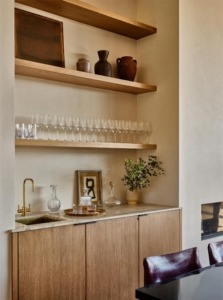
After years of minimalist kitchens and purely utilitarian spaces, the home bar is reclaiming its place as the star of the house. Not as a relic of the past, but as a symbol of a new, intentional kind of luxury — one that blends aesthetics, socialising, and the comfort of everyday rituals (we’re absolutely here for it). What was once reserved for movie-star homes of the 60s and 70s is now finding its way back into contemporary interiors, emerging as discreetly designed drink corners or fully styled hubs with marble countertops, rich wood, and soft lighting that invites you to unwind.
Interior designers, including the team at the British studio Artichoke, say their clients increasingly request built-in bars for studies, kitchens, or living rooms — not just for practicality but for the atmosphere they create. A home bar is no longer something to hide, but an element that defines the home’s identity, a space where aesthetics meet intimacy, says designer Anthony Earle.
Studio DB, photo: Mathew Williams
Aleksa Babić of Baal Design comments on the situation in our region: “The way we’ve lived over the past few decades has mostly been shaped by limited square footage and often poorly planned layouts, so elements like home bars were rarely even considered.” Still, he says things are beginning to shift here as well. “We’re seeing more and more dedicated corners in interiors designed for socialising and entertainment. Alongside home bars, I’m also thinking of conversation pits, which were a staple of international projects in the 70s,” Aleksa adds, immediately reminding me how much I love seeing 70s influences in interiors, a theme we’ve been covering often lately, which only confirms the return of this irresistible aesthetic.
The Golden Age of Hospitality as Inspiration for the Home Bar
The home bar draws much of its inspiration from the golden age of hospitality — the era of La Belle Époque and Art Deco, when making a drink was an act of elegance and a social ritual. Today’s home bars, however, are just as technologically refined as they are stylistically considered: hidden shelving, smart lighting, integrated fridges, and surfaces designed for mixing the best drinks. “A home bar is fascinating because it can take on several functions,” Aleksa explains. “It can serve as an aperitif station when guests arrive, become a gathering spot over cocktails, or — later in the evening — a place to enjoy something stronger.” He adds that all of this reflects our growing need for ritual in everyday life, as well as the desire to carve out a small, self-contained moment of hedonism.
Aleksa also notes that a home bar can be visually striking, sending the message that the people who have one love to have a good time. At the same time, it gives architects and interior designers the freedom to step outside conventional boundaries and create an unexpected twist within the space.
Sarah Solis Design Studio, photo: Michael Clifford
The return of the home bar is, at its core, the return of a ritual. In a time of rushed meet-ups and digital conversations, this little space invites you to linger, talk, and be present. It’s not just a functional piece of furniture, it’s an invitation to pause, to enjoy a moment of ease and elegance. And it turns out the best moments still happen at home, with a glass of something we love, in a space we’ve shaped ourselves.
Zoë Feldman Design, photo: Stacy Zarin Goldberg
Ways to integrate a home bar into the interior
As a micro architectural element
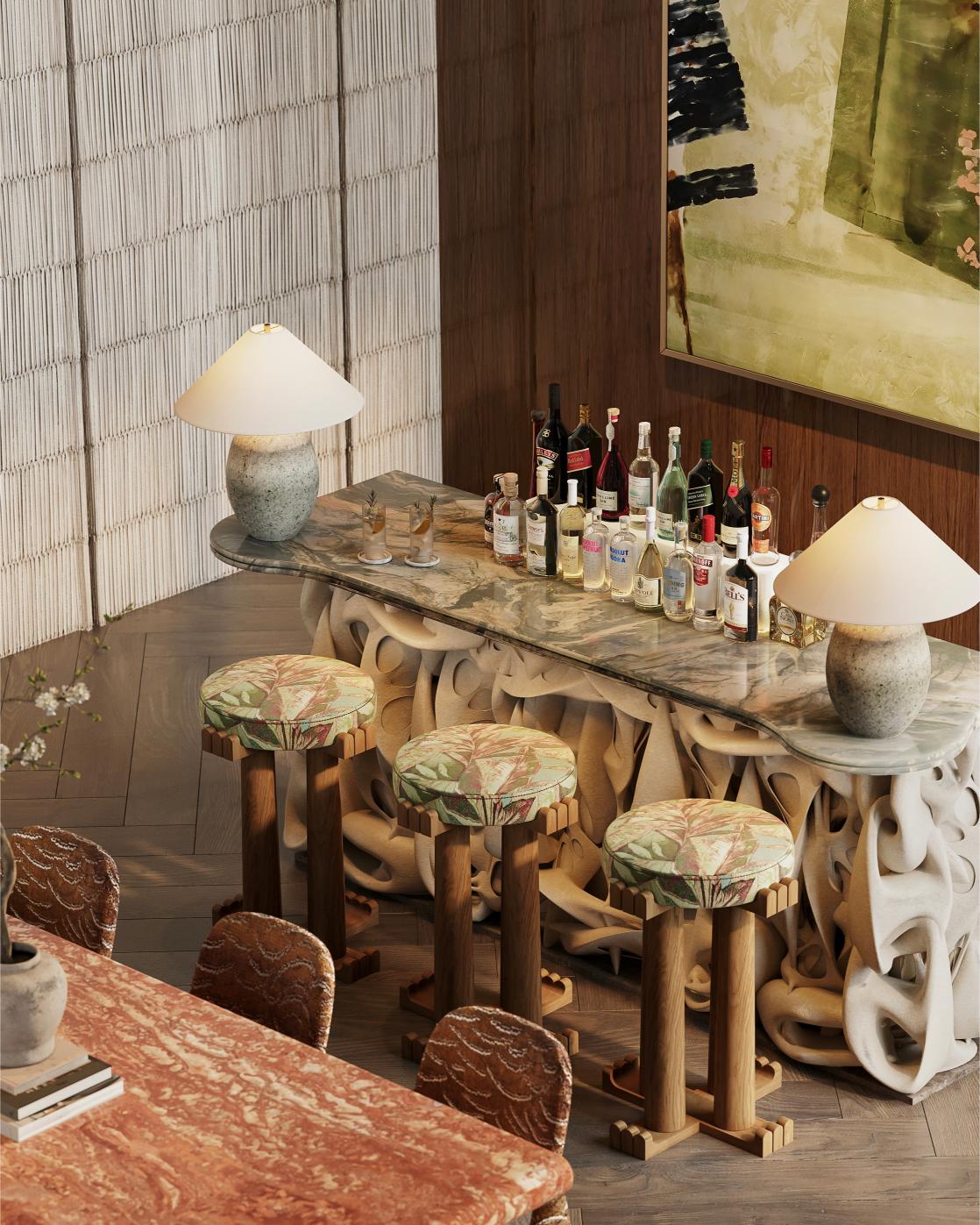
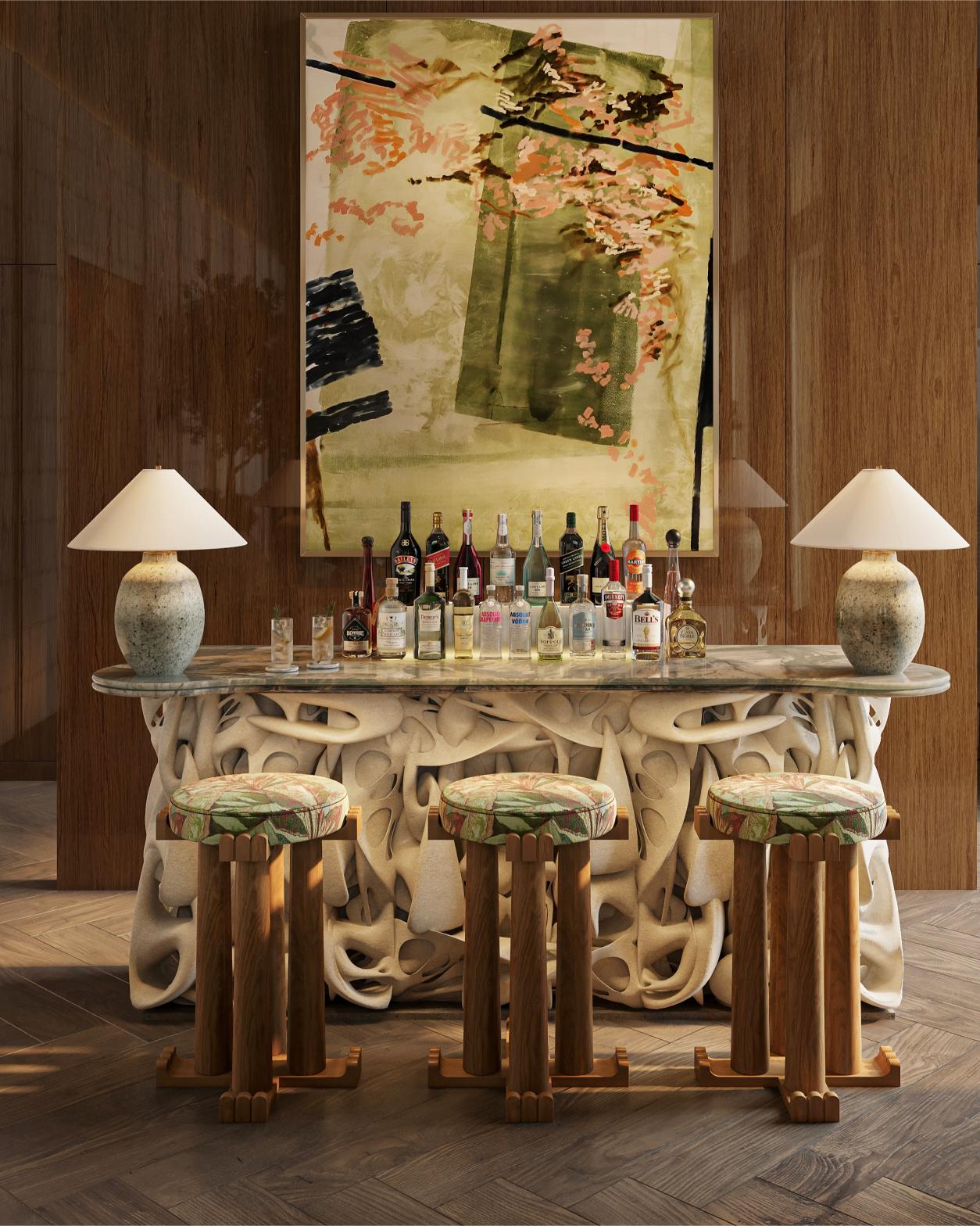
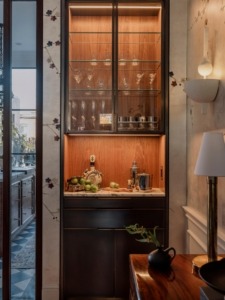
When Aleksa has the opportunity to incorporate a home bar into a project, he treats it as a micro-architectural feature — one that tells its own story through lighting, materials, and proportions. In their recent penthouse project, the bar became the focal point of the dining area. Given the spatial layout, they positioned it centrally along the room’s main axis, which gave it a sense of monumentality and importance. The lighting plays a key role in creating intimacy. The atmosphere can shift throughout the evening, for example, as the night winds down, the main lights can be dimmed while only the lamps around the bar stay on, symbolically marking the end of the night with a good digestif.
Baal Design
Baal Design
Built into cabinetry as part of the kitchen
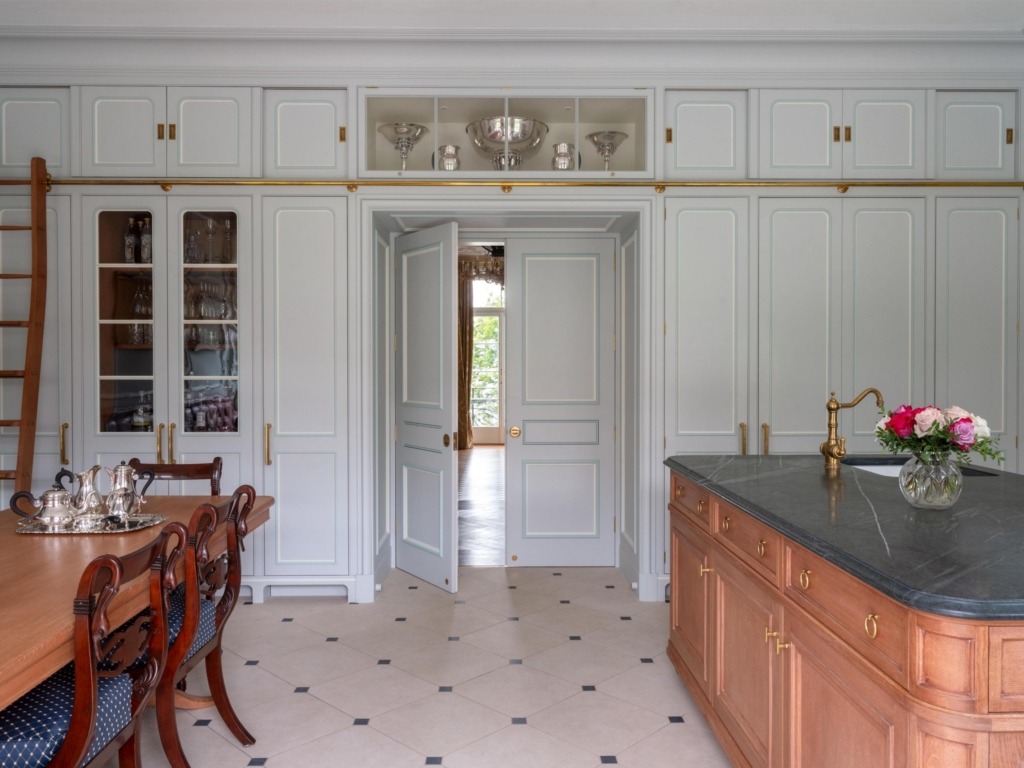
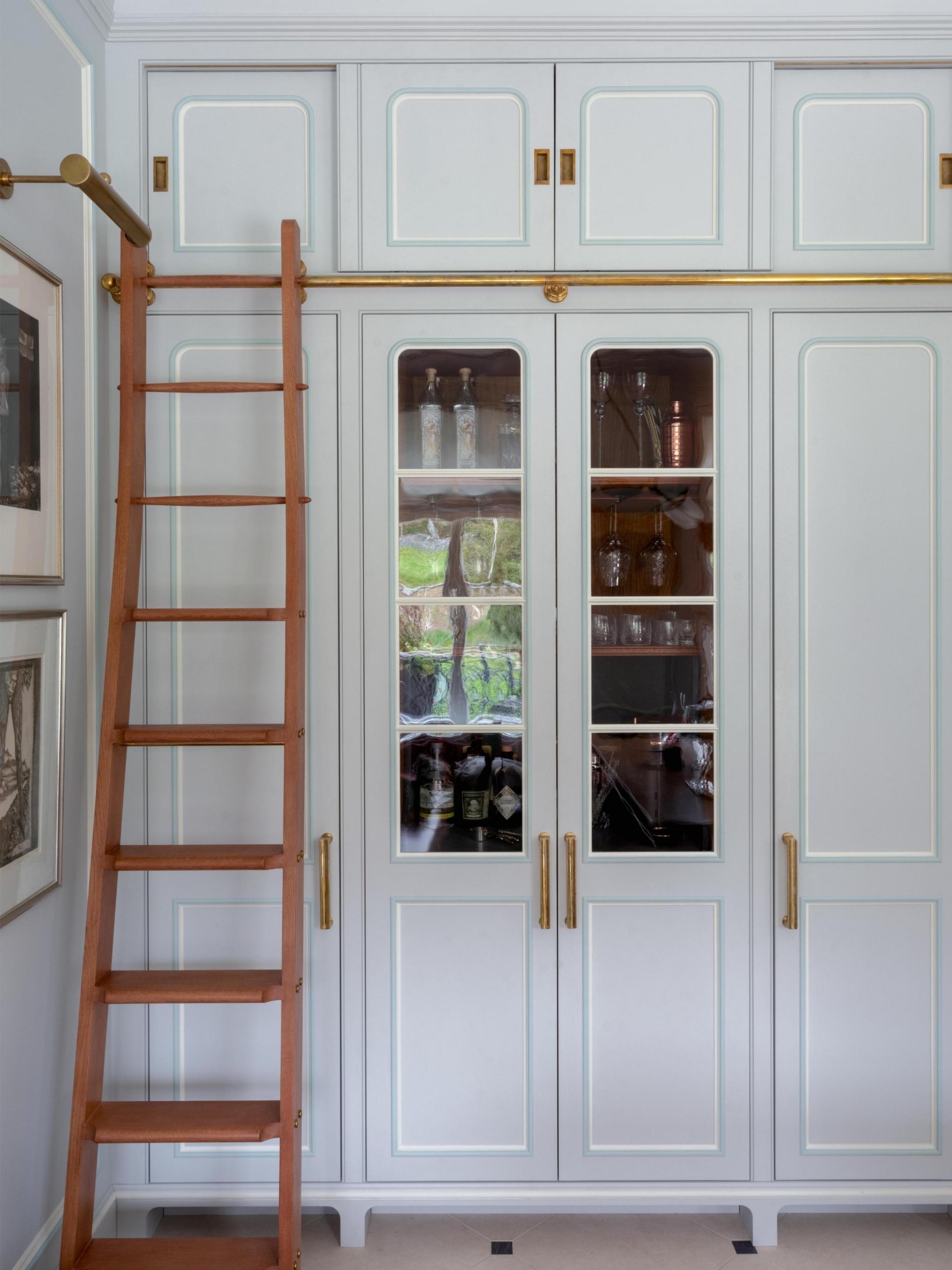
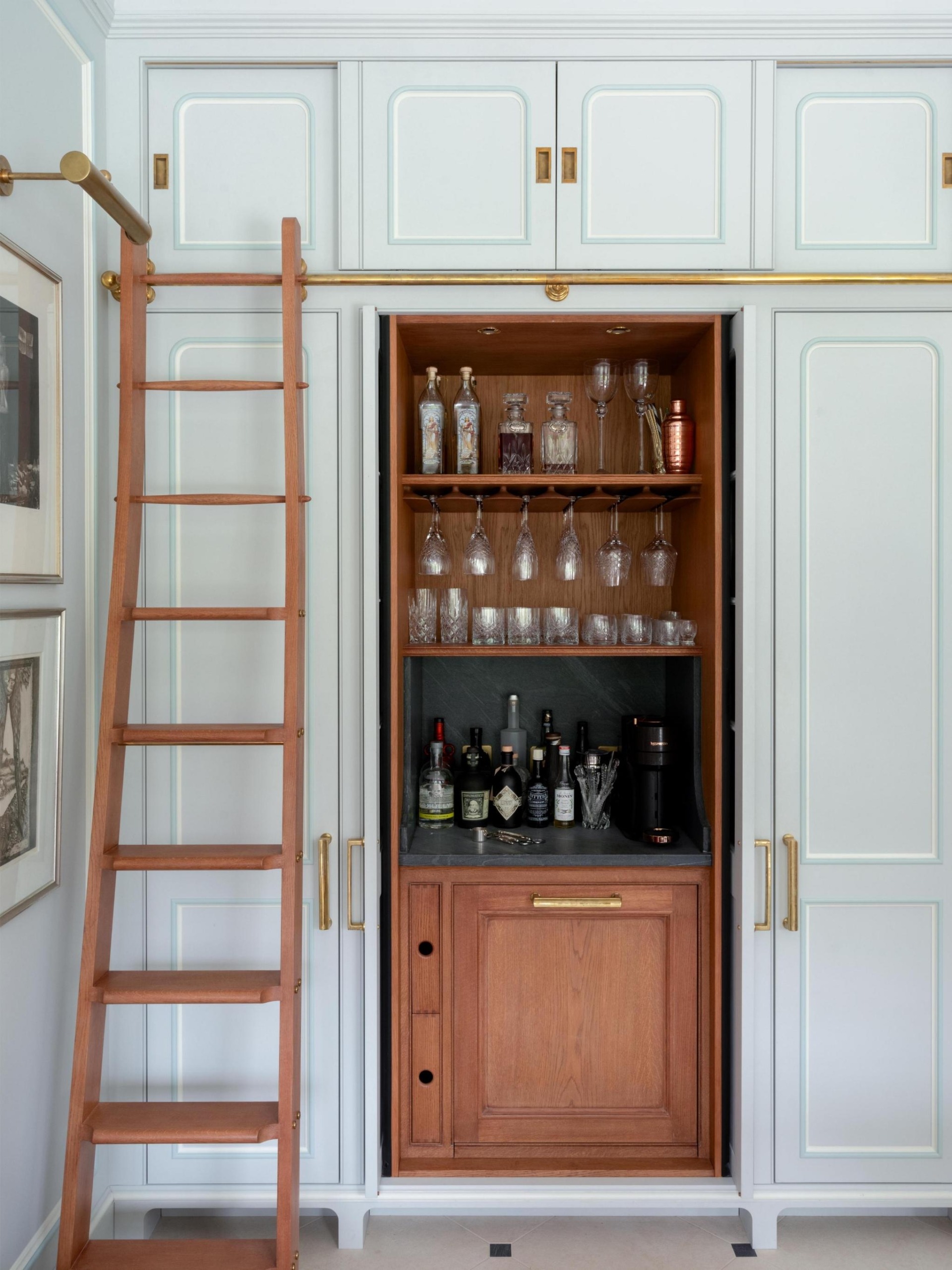
As part of an 18th-century historic estate, the British studio Artichoke designed and crafted a bar seamlessly built into the kitchen cabinets. Their inspiration came from La Belle Époque, an era defined by culture and luxury, with the Paris Ritz serving as a key reference point. The bar is integrated into the cabinetry and fits perfectly within the symmetrical, panelled space painted in gentle shades of blue and grey. The oak-lined interior contrasts beautifully with the kitchen island, while the glass doors allow the bar to either disappear or shine, depending on the moment, the designers explain.
A home bar as part of the living room
American designer Chad Wood is a well-known secret weapon for Hollywood stars who call him when they want to rethink their homes. Jessica Alba, Vanessa Hudgens and Shay Mitchell are just a few on his client list, and one of his recent projects was for Tania Sarin. The influencer and entrepreneur recently renovated her Century City home, and one of the standout features is an elegant bar that serves as a central spot for entertaining and unwinding — the place where Tania often hosts friends. A clear sign that a home bar is both a highly desirable and a genuinely practical element.
@taniasarin
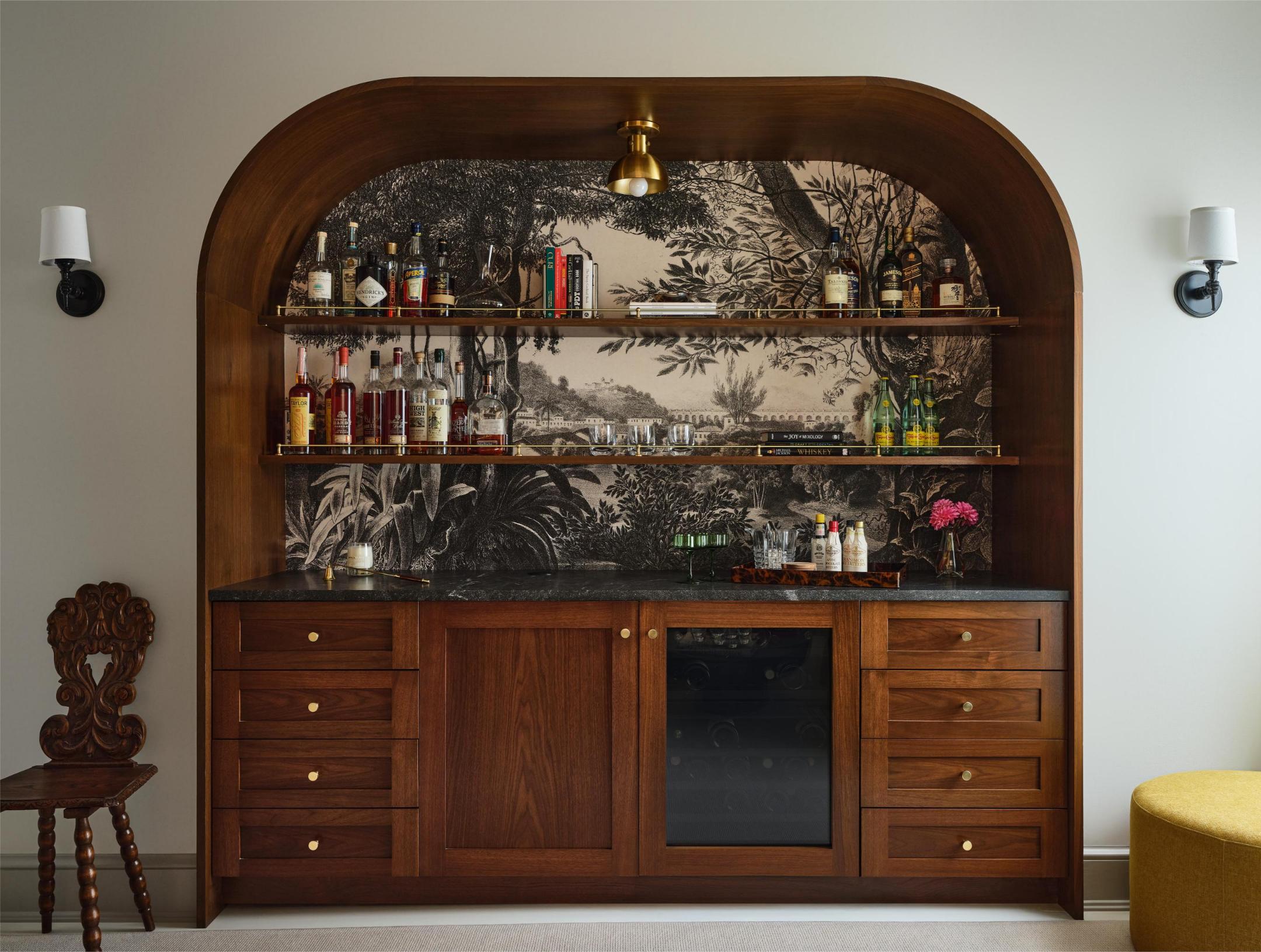
Designer Zoë Feldman is known for blending modern sensibilities with classic design elements, which is why her projects often feature different interpretations of the home bar. In a historic Washington home, she created an elegant built-in bar with a curved wooden arch, glass-front cabinets, walnut accents and integrated lighting that highlights the wine bottles and barware.
Zoë Feldman Design, photo: Max Burkhalter
A drinks cabinet as an antique piece
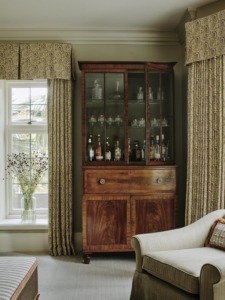
Another interesting idea came from the team at Artichoke, who created a drinks cabinet for the living room of a modern English estate by transforming an old antique writing desk. The goal was to bring warmth and character into a 1,500-square-metre home. This kind of drinks cabinet can easily move into a future home as well, which is why the designers emphasise the blend of tradition, sustainability and luxury. “We’re proud to create the antiques of the future, but sometimes, if something is already beautifully made, all it needs is a new life breathed into it, they say.”
A hidden bar in the study
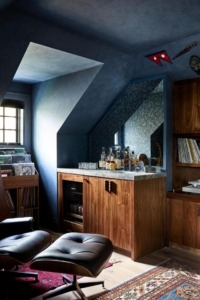
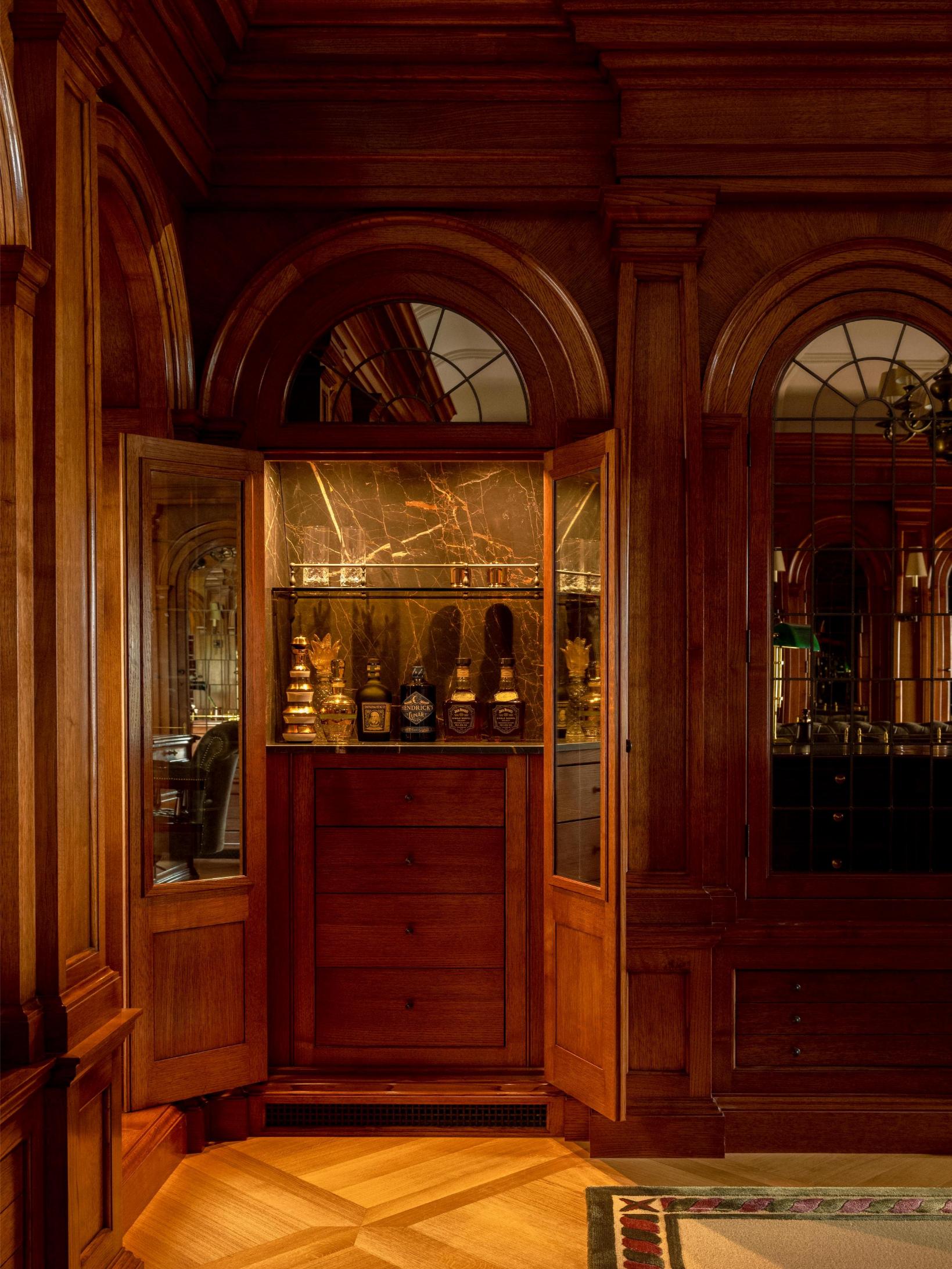
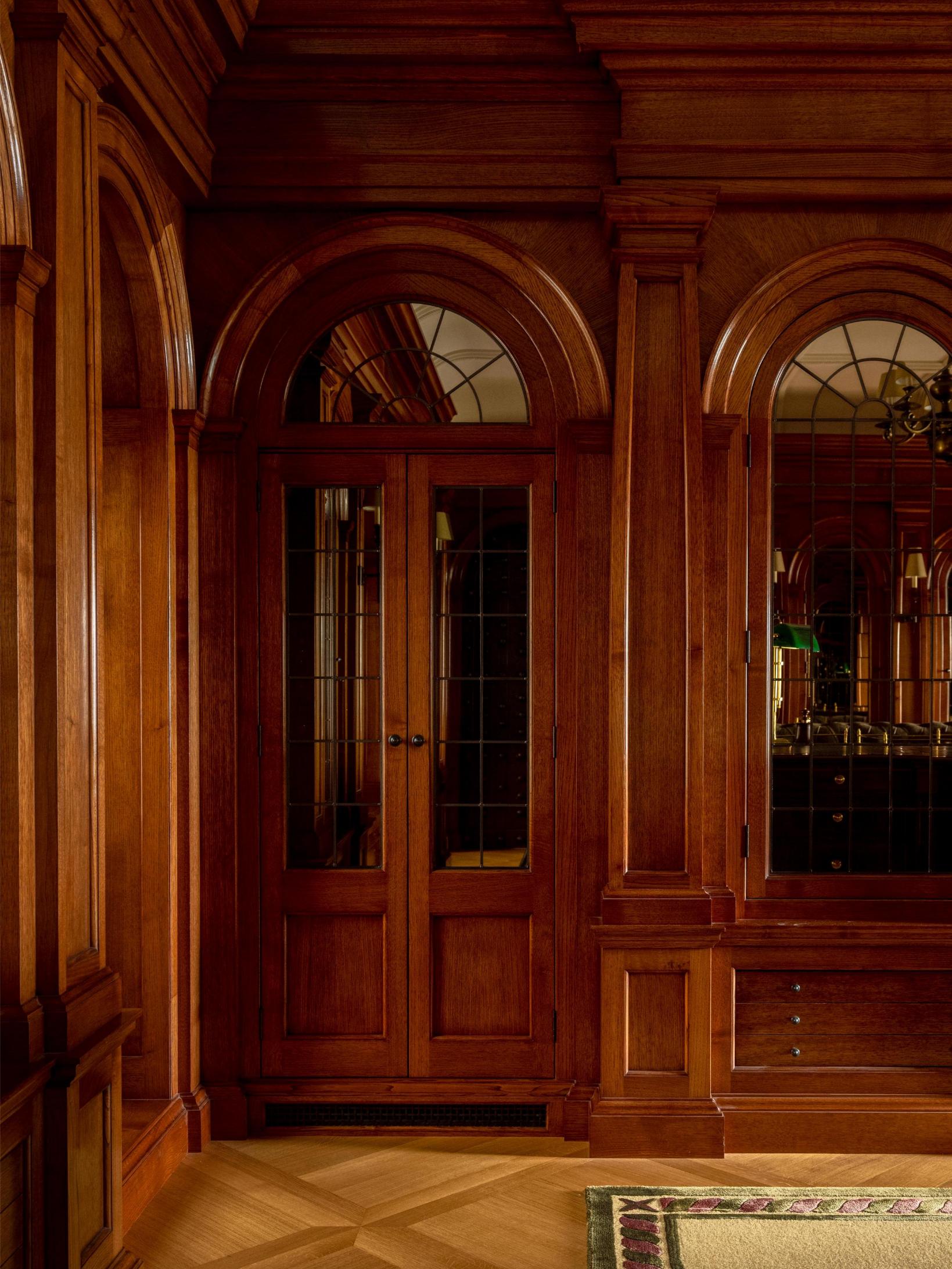
A home bar can also be tucked away inside a study. The main study of this estate was designed as a central space for both work and socialising. Inspired by the 18th century and Admiral Nelson’s ship cabins, it features rich chestnut wood panelling and a concealed bar hidden behind a two-way mirror that lights up at the touch of a button on the desk, say the designers from Artichoke, who completed this project in Switzerland.