I watched Heated Rivalry and realized why it set social media on fire
Staša BajacDecember 28, 2025

December 28, 2025
– Do you like Heated Rivalry?
– Like it?! I need an exorcism!
And it all started so innocently. At the end of November, the first episode of a low-budget series about Shane and Ilya, two hockey stars navigating a secret sexual affair under the watchful eye of the sports world, premiered. Produced by the little-known Canadian platform Crave and based on the books by author Rachel Reid, the series was expected to find its audience modestly within the LGBTQ+ community and fans of a genre that, in our context, under a misogynistic undertone, is called romance novels or weekend reads. A glazed, idealized world built on passion and romance has always offered female audiences an escape from the stagnant and unfair reality dominated by straight male narratives.
However, by the first week of December, clips of steamy homoerotic scenes between the handsome protagonists began circulating on social media. No matter how perfect the jawlines and abs of actors Connor Story and Hudson Williams were, reflecting complete aesthetic and athletic perfection, that alone wasn’t enough to break through the saturated sea of sexualized content and reach the mainstream algorithm. There had to be something more explaining and fueling the mass hysteria that was taking hold.
It turns out that this series not only has that certain something, but also perfectly articulates exactly what we were missing.
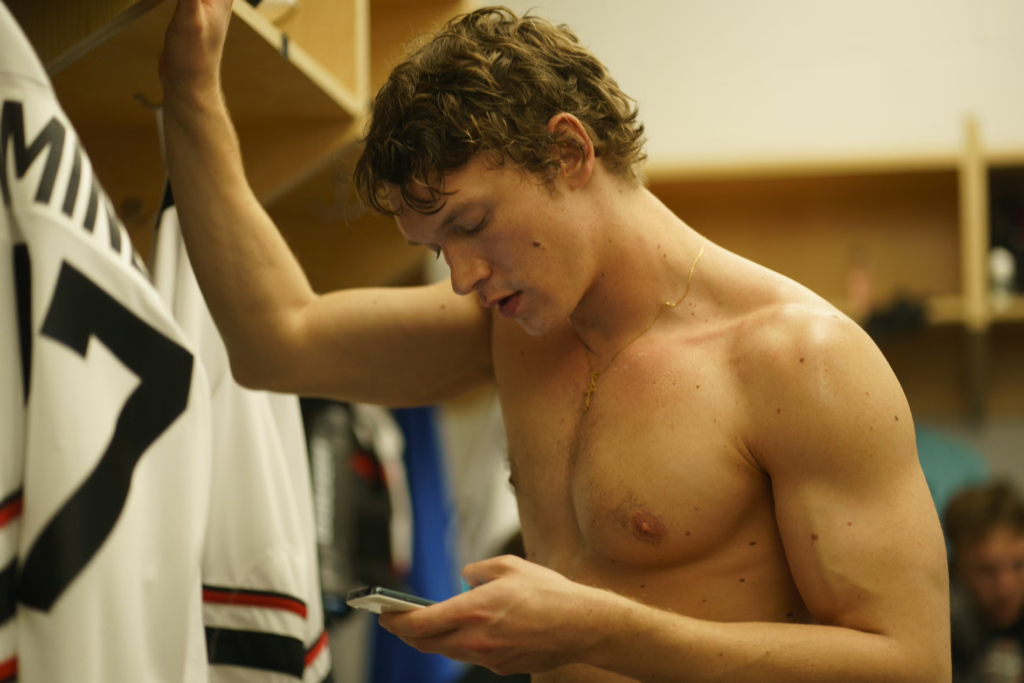
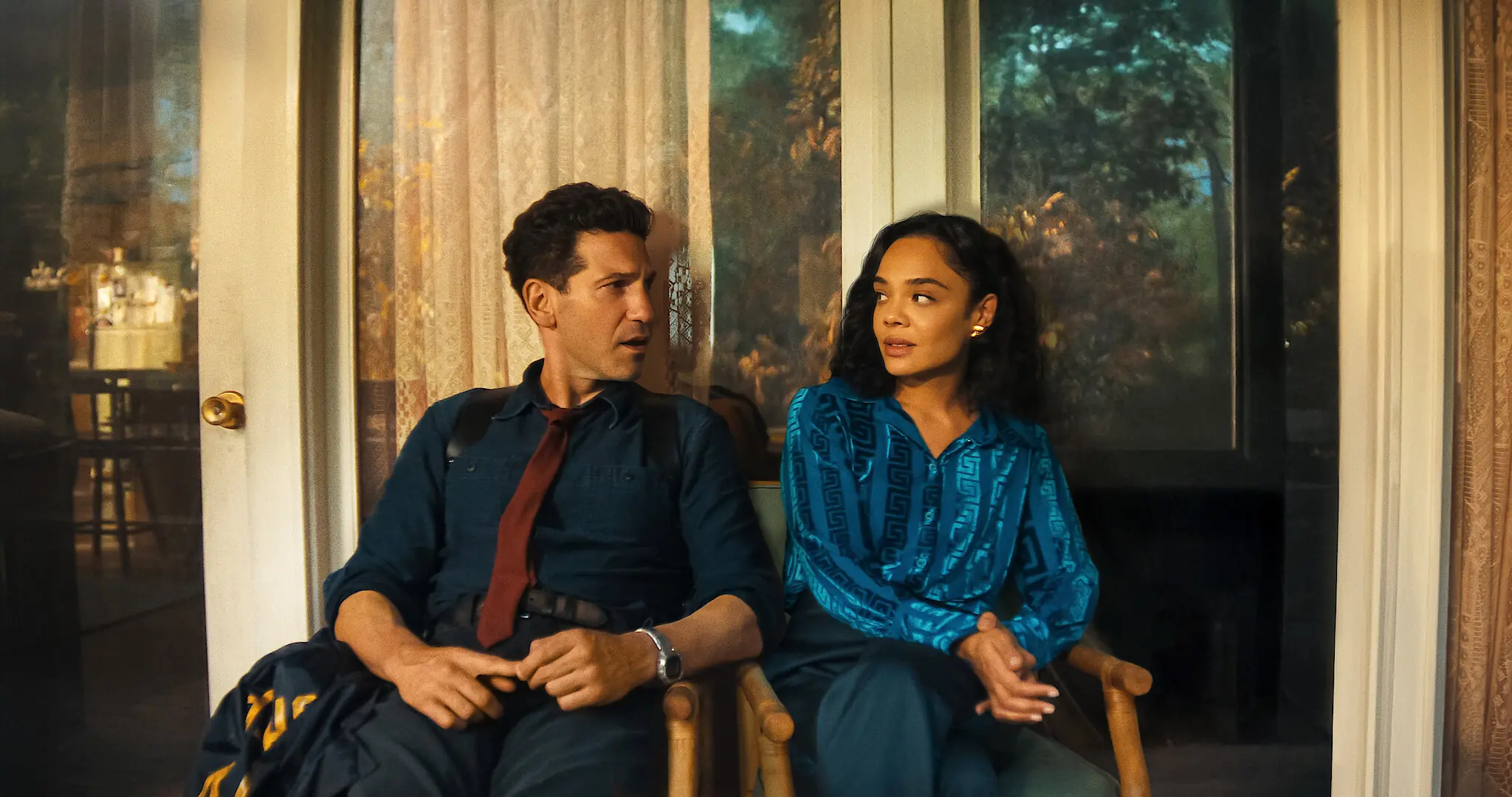
Photo: Sabrina Lantos/HBO
It must be admitted, the first episode will be a bit hard to swallow for anyone with a refined taste in film. The time jumps are sudden and unexplained, the pacing uneven and messy. Stylistically, it is constrained by both its low budget and genre tropes—one-liners, simplified plot, dramatic glances. Without me spelling it out, the audience is simply expected to swallow something else. As the next two episodes unfold, that same audience begins to wonder: What did they put in this? Because it’s no longer a question of what is expected of them, but what they are craving.
Shane and Ilya, and later Scott and Kip, new characters from the same universe, are forced to suppress and adapt their desires and impulses to the merciless and oppressive circumstances of professional sports. As captains of the top teams in the North American league, they are under constant pressure and aware of how the macho community perceives them, who depends on them, and what is expected of them. Yet, in small pockets of time and space, in gym hallways or the restroom of a banquet hall, between awards ceremonies and games, everything that burns inside breaks through. Tenderness, swearing, bites are exchanged. For women, it’s refreshing to watch a romance between equals, because Shane and Ilya are rivals, and the dynamics between them are fluid, not cemented in heteronormative positions of who is stronger, better, or more capable.
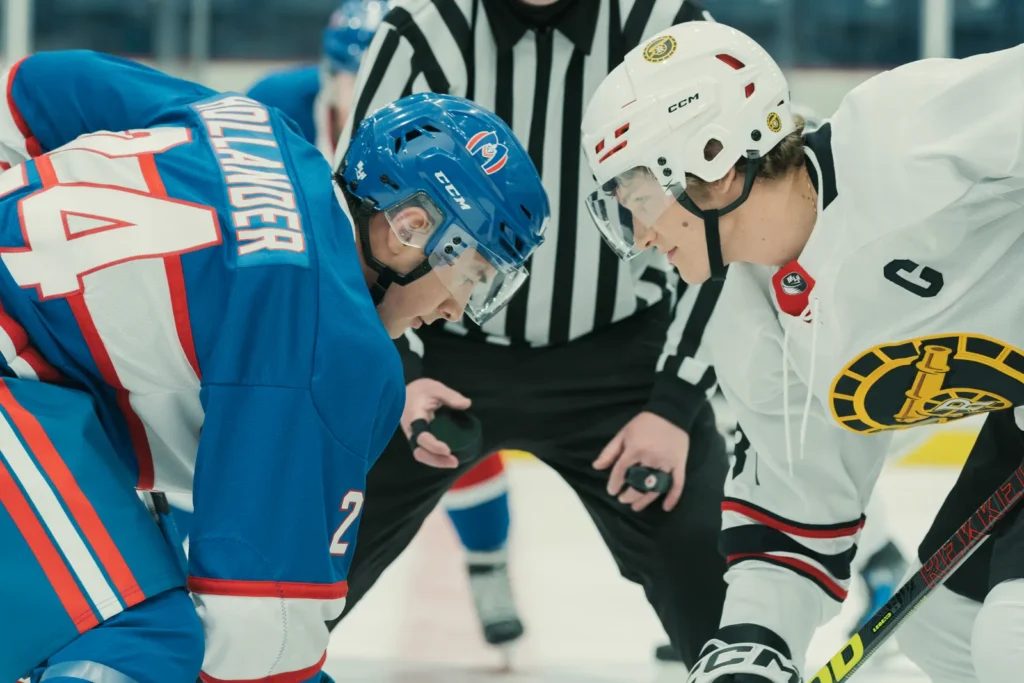
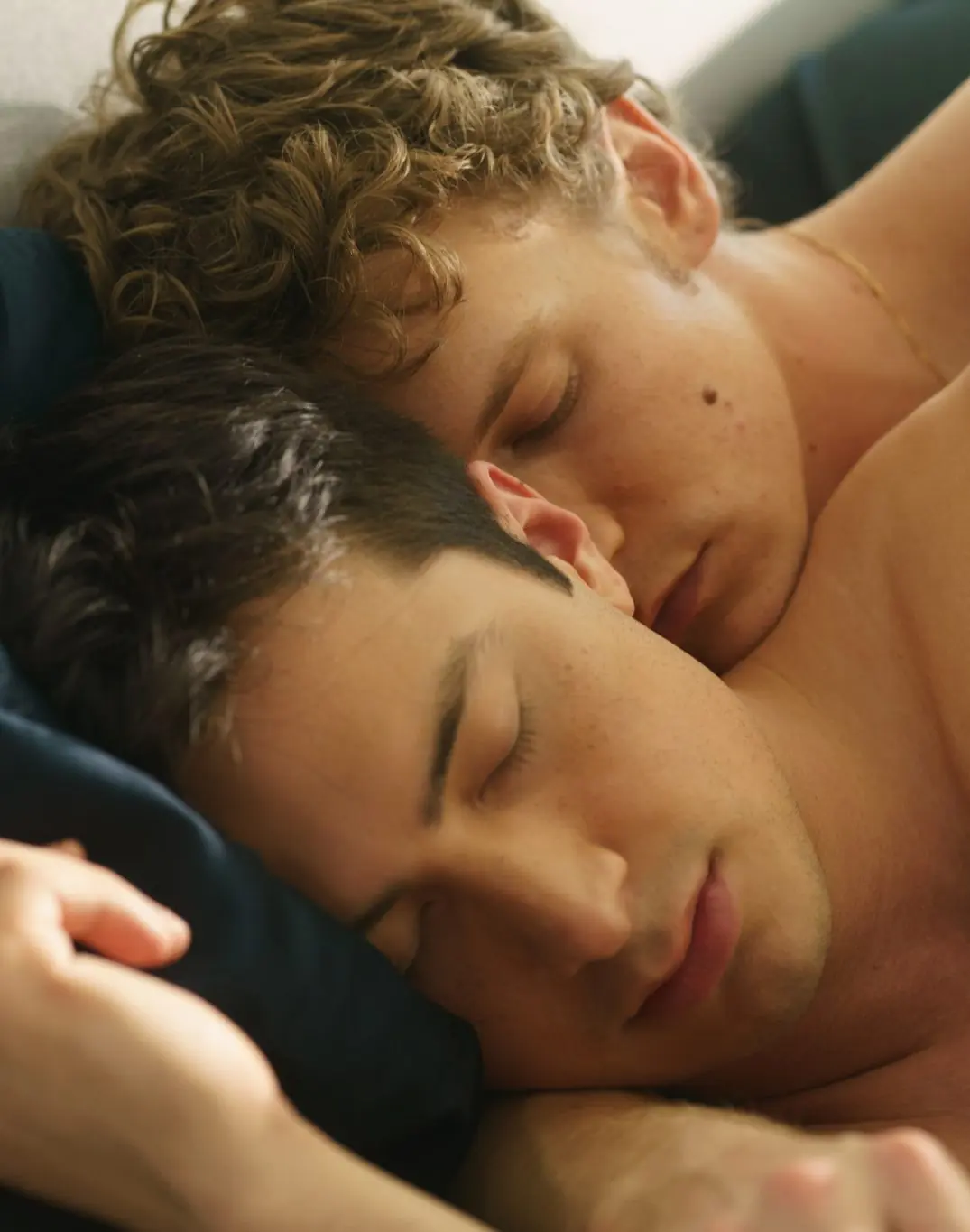
Photo: Sabrina Lantos/HBO
As the episodes progress, their relationships become more complex and deeper, but as every great melodrama from Douglas Sirk onward has shown, explosions happen when our turbulent inner worlds collide with the harshness of the outside world. And this is precisely where the first dose of what makes this series addictive lies: women and the queer community recognize themselves in the richness of secret lives that rebelliously and painfully fight for a glimpse of light and air under the grip of patriarchal constraints.
One of the most important acts of rebellion comes from the series creator Jacob Tierney and his decision to portray sex scenes in their full sweat and mechanics. Male-to-male sex is not hinted at in a fragment of a mirror or shadowed; it is there, in close-up, in the thigh, in the friction, in the pleasure. The concept of visibility in the context of representing diverse characters in popular culture is far from new. For years it has been part of public debate about how and to what extent we watch sexual and racial minorities, who writes, acts, and represents them. However, there is something incredibly liberating and audacious in the most straightforward interpretation of that term—visibility. If we have been invisible for years, wouldn’t the true revolution be reflected in seeing us fully, inside and out, without apology, without restraint, dizzy and in love?
Which brings us to the essential question that this series poses so irresistibly, exaltedly, and euphorically: What if happiness is possible?
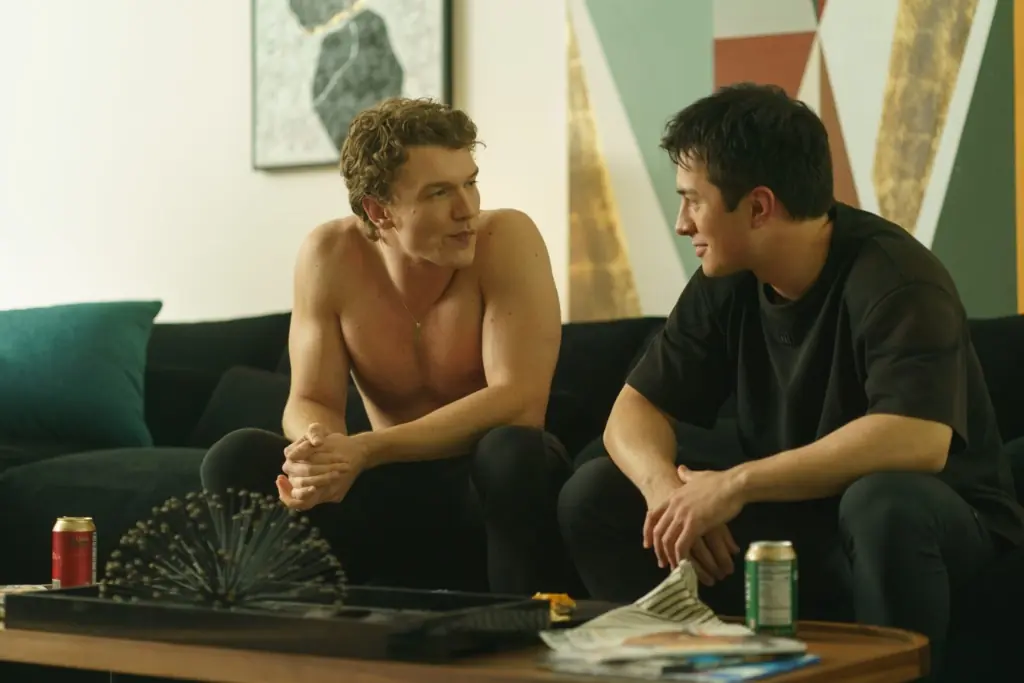
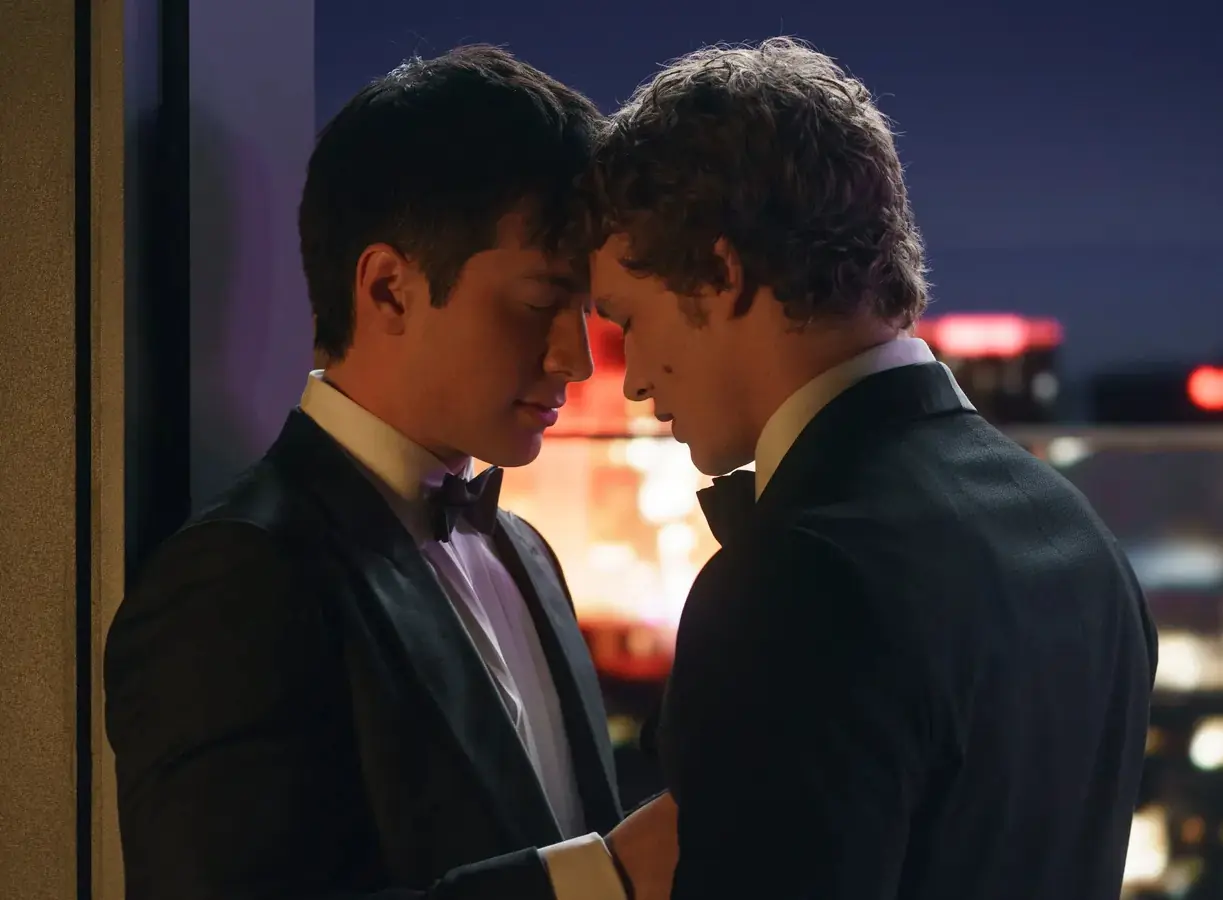
Photo: Sabrina Lantos/HBO
Further discussion on this topic without revealing what happens in episodes five and six would be like trying to run in heels through a fishing net, so instead, I’ll share a glimpse of the atmosphere on Threads. This, forgive me, completely irrelevant platform, through some inexplicable internet magic, turned into a support group for the frenetic madness that engulfed absolutely everyone who watched the series. It all started cautiously, with questions like Am I the only one losing my mind? and Is it normal that I watched the fifth episode four times in a row? Once all inhibitions fell away, the fandom surrendered to a collective mania of analysis, obsession, confessions, screaming, tears, and the unanimous conclusion that Heated Rivalry is the series that saved 2025.
However, by the fifth episode, which premiered even in bars where fans gathered to watch it together, screaming and cheering, its unnamed natural enemies—straight men from the sports world, and the NHL itself—did not remain indifferent or deaf.
In another oversaturated content ocean, the podcast world of two-white-guys, Empty Netters and What Chaos, previously devoted exclusively to hockey, stand out. They watch the series with curiosity but without high expectations, intending to comment on how realistically the universe is portrayed. It turns out they, too, are not immune to the push-pull dynamic of “our boys,” as we affectionately call them on Threads, and their investment peaks with watching the series finale live, whose clips, as I write this, are being shared almost as much as clips from the series itself. This is what non-toxic masculinity looks like. Comments like If someone had told me a hockey podcast would restore my faith in men?! invite the rest of the audience to notice the kind of world we undoubtedly and loudly want.
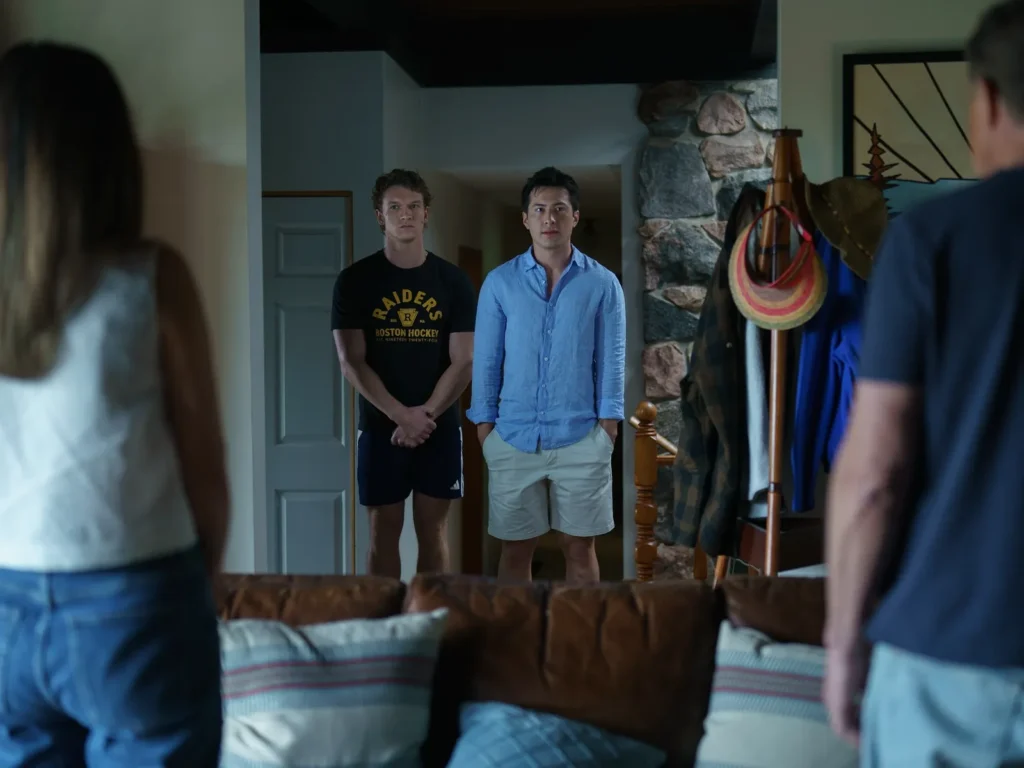
Photo: Sabrina Lantos/HBO
The NHL, like other leagues that host men’s team sports, has traditionally been chauvinistic and regressive. Over the years, it has been marked by various scandals, from bans on wearing jerseys in rainbow colors during Pride week to covering up sexual assault allegations. Driven by financial logic, but also by the crude, rough culture of the men’s locker room, they leave almost no space for any player to come out publicly. However, it is 2025, and women and queer audiences are opposing that reality more unitedly than ever before in history.
About ten days ago, during an intermission in a packed stadium at a Boston Bruins game—the team on which Ilya’s in-series team is modeled—T.A.T.U.’s All The Things She Said, the song that marked the third episode, was played. Cynics will say that the otherwise homophobic NHL is merely capitalizing on popularity, and indeed, the extraordinary talent of everyone behind the series aims to expand its target audience. But what if we flip the equation? What if we lured them in? What if a hockey romance is the Trojan horse through which we entered the world’s biggest stadiums? What if our Trojan horse is a glittering unicorn? What if this is how the world starts to change? One queer song at a time.