Smartwatches, rings, necklaces: Is it possible to live without health gadgets?
Tina KovačićekDecember 25, 2025


December 25, 2025
Smartwatches, smart rings, smart necklaces. Technology that tracks our health has become an almost indispensable part of everyday life. As much as I resisted it until just a few years ago, because why would I need a watch telling me how many glasses of water I should drink per day, reality proved me wrong. It is not bad at all to have someone, or rather something in this case, remind me of that.
Related: A gift shopping guide for those living in the 22nd century
Health gadgets, many of which flirt quite successfully with the aesthetics of alluring pieces of jewelry, now measure our steps, heart rate and stress levels, and remind us when we need to stop, breathe or get moving. Probably the most well known metric you will most often hear a friend bragging about or complaining about is the number of steps, quietly tracked for us in the background throughout the day by an app or one of these gadgets. Today, all of them serve as our daily trainer, life coach, even psychotherapist, more or less successfully battling a lack of motivation or, worse still, depression. Gadgets have become our advisors in the pursuit of a higher quality, healthier and more fulfilling life.
According to a Pew Research Center study from a few years ago, more than a third of adult users of smart devices primarily use them to track health and physical activity. Studies published in the Journal of Medical Internet Research show that wearable devices can increase levels of physical activity and awareness of healthy habits, but do not necessarily lead to long term health improvements without behavioral change. “Data alone do not make a person healthier, what matters is how we interpret and use them,” warns Dr. Eric Topol, a cardiologist and one of the world’s leading experts in digital medicine. Psychologist Kelly McGonigal from Stanford University shares a similar view, noting that excessive reliance on metrics can increase anxiety and distance us from intuitive listening to our own bodies.
Garmin smartwatches for women
Based on data I found on JMIR Publications, it can be concluded that the use of wearable devices is on the rise. Approximately 36 percent of adults use wearable devices to track their health, indicating a growing interest in monitoring health through digital gadgets. Trends in the use of smartwatches and fitness trackers show that users are no longer focused solely on basic functions such as step counting. In 2025, real time insights into sleep, stress, recovery and activity are increasingly important, making these devices part of everyday wellness habits rather than just tools for “counting” activity. Users are also more frequently tracking their health data, and a significant portion are willing to share it with healthcare professionals, which contributes to overall progress. In addition, medical gadgets, that is devices that enable continuous monitoring of vital functions such as heart rhythms, heart rate and SpO2, are becoming increasingly prominent on the market, pointing both to their potential in healthcare and to technological challenges.
Clinical research shows that the use of smart wearable devices can have a positive impact on shaping a healthier lifestyle and a better sense of quality of life, such as increased physical activity, better stress control and greater self awareness of habits, even among healthy adults. Data published by the National Library of Medicine supports this: “Studies from 2025 show that smart gadgets can help people become more aware of their habits and encourage healthier behavior, from exercise to stress management.”
In honor of all these findings, and to remind myself once again that watches that track menstrual cycles and the number of glasses of water consumed per day are perfectly fine, I explored the currently most popular health gadgets on the market.

Courtesy of Oura Ring
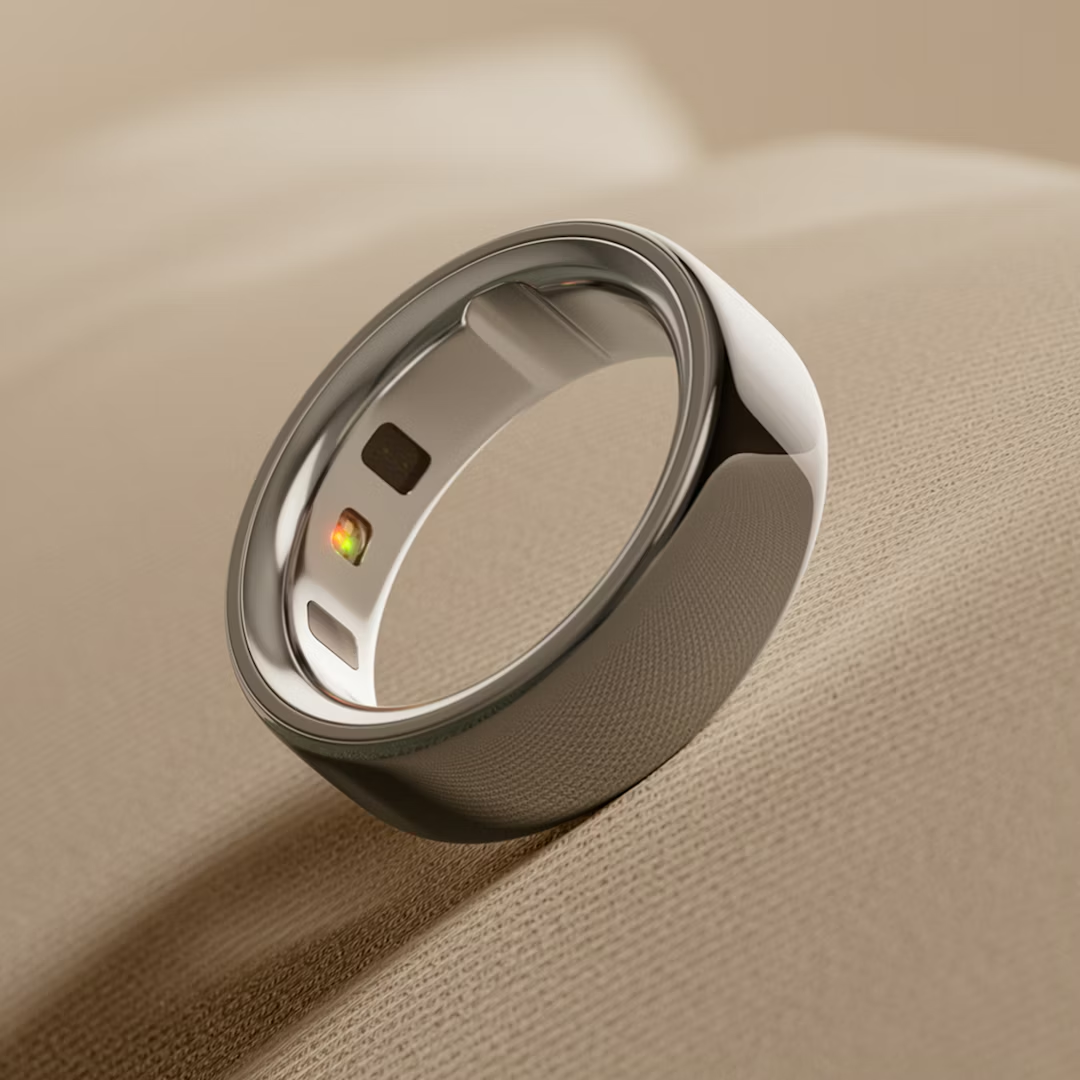
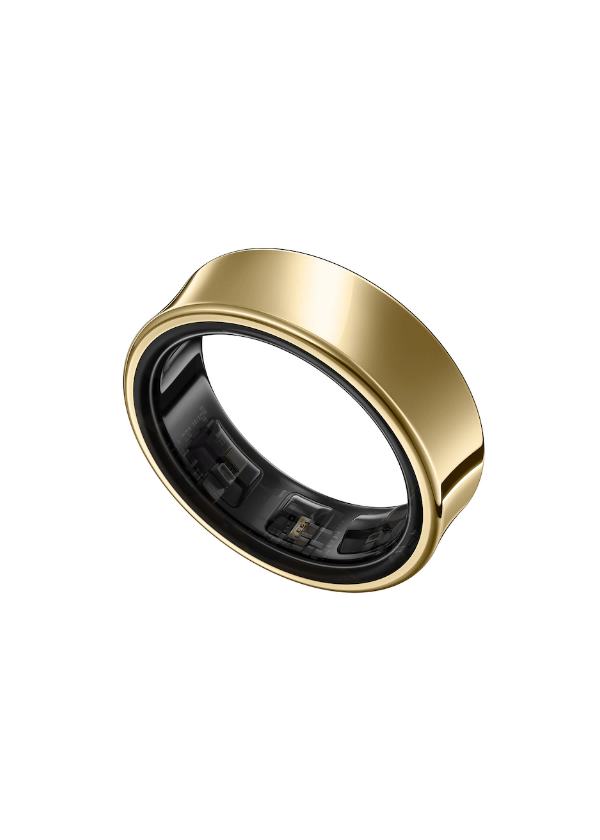
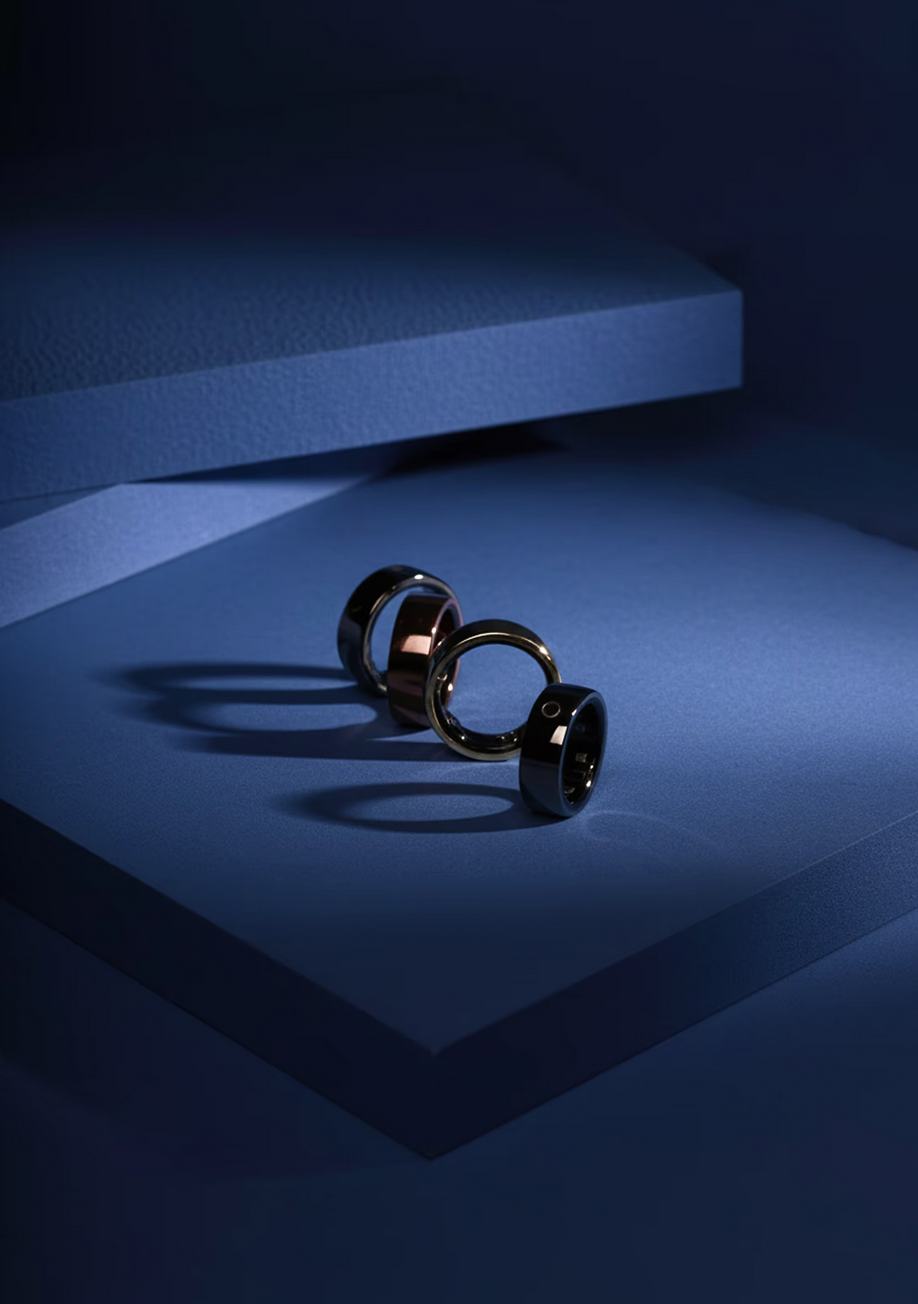
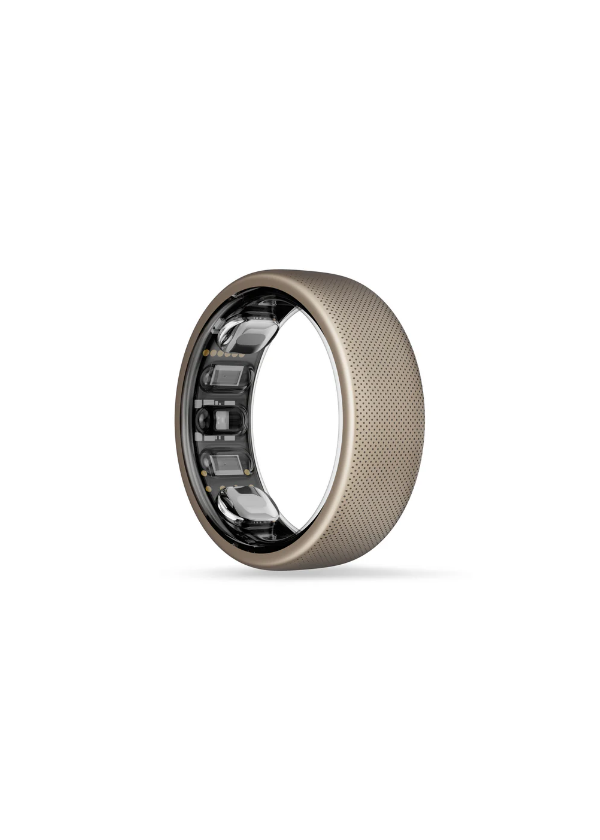
One of the biggest trends of 2025 is the smart ring, which, as a highly minimalist device, has become a favorite for everyday health tracking without wearing a watch. They are popular because they are light, discreet, and track your vital functions throughout the day without requiring you to look at any kind of screen. These are some of the most well known smart rings currently on the market.
Oura Ring Gen 4: one of the most well known smart rings, tracking sleep, heart rate, body temperature, heart rate variability (HRV) and stress, with a battery life of up to several days.
Samsung Galaxy Ring: Samsung’s smart ring with biometric sensors, compatible with the Android ecosystem, offering long term health tracking and the ability to monitor sleep, activity and heart rate.
Circular Ring 2: an advanced wellness ring with an AI “health coach” and tracking of more than 140 biometric signals, such as sleep, heart rate and stress, designed for everyday wear.
Amazfit Helio Ring / Ultrahuman Ring AIR: represent new smart ring options that track sleep, activity and recovery in a very lightweight design.
Smartwatches and fitness bands remain part of the mainstream culture of wearable gadgets, especially when it comes to health tracking and fitness purposes.
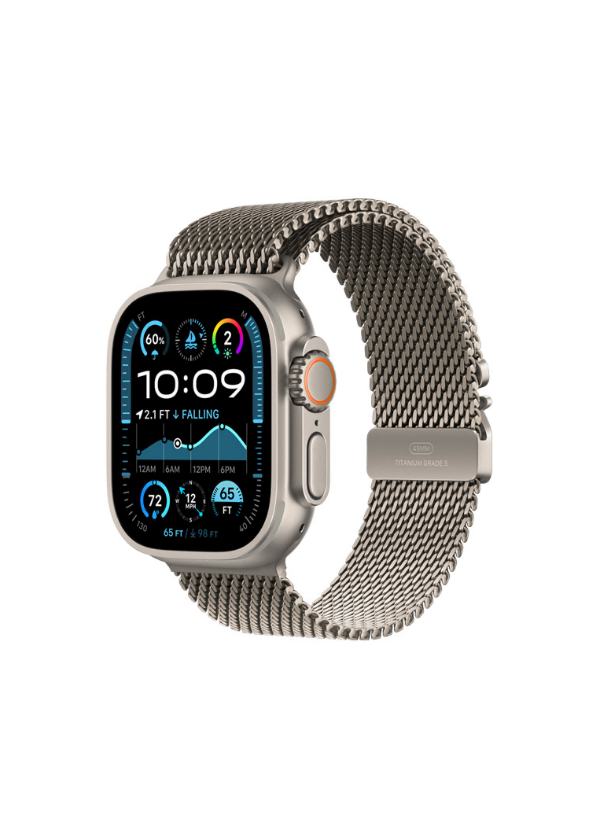
Apple Watch Series 10 / Apple Watch Ultra 2: leading smartwatches with advanced health sensors (ECG, blood pressure, SpO₂) and AI driven user recommendations.
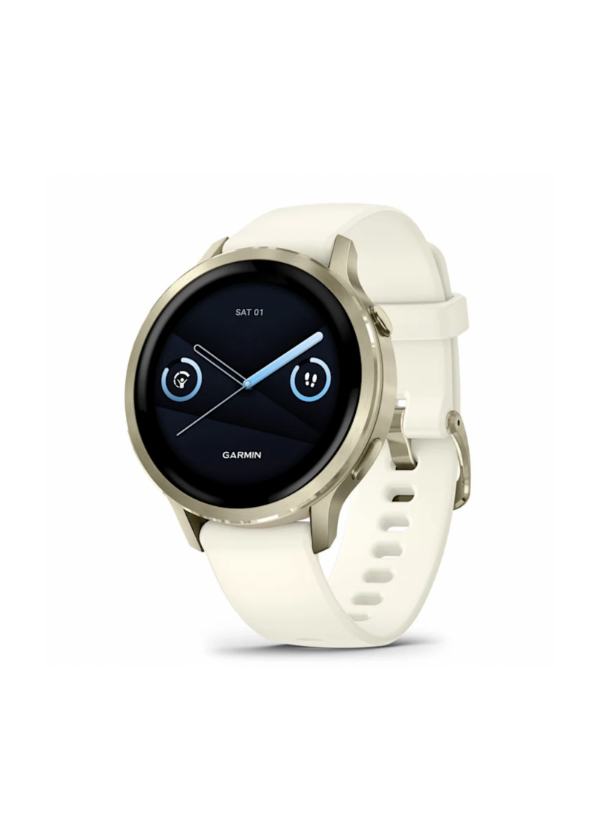
Garmin Venu 4: a smartwatch that combines advanced health and sleep tracking with fitness features for more than 80 sports, as well as practical lifestyle functions such as notifications, music and Garmin Pay™.
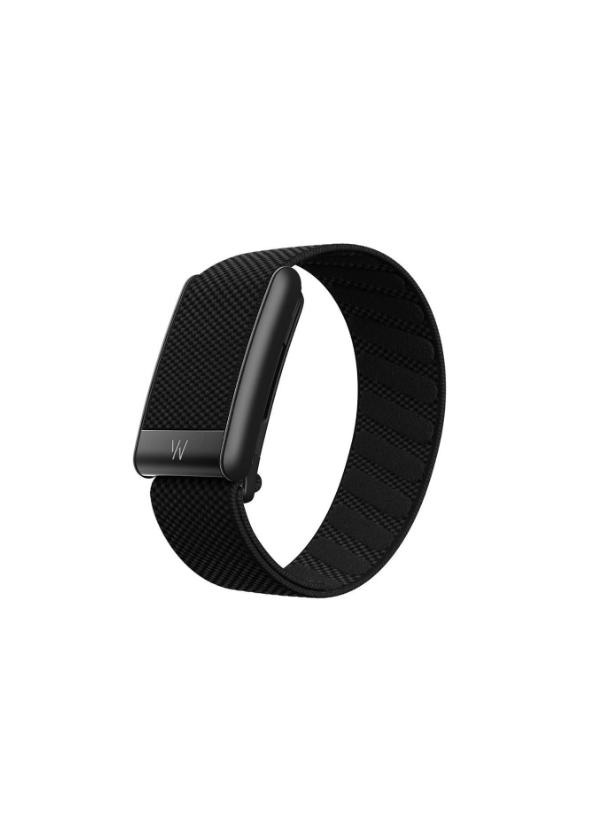
WHOOP 5.0: focused on strain and recovery, screen free, with precise biometric data for performance and sleep quality.
Beyond being worn on the body and tracking health through the skin, health monitoring is increasingly moving into the home, with smart mirrors emerging as a new development. These devices show how health tech is expanding beyond wrist worn devices into “smart homes,” where health data can be monitored during everyday routines. Although Omnia is not yet commercially available, it represents the direction in which this technology is heading.
Withings Omnia Smart Mirror: a concept smart mirror with integrated sensors that measures vital data such as weight, metabolism and heart health, supported by an AI powered voice assistant, with all information displayed directly on the mirror as the user looks at themselves.