Is the non-alcoholic revolution fermenting among young people?
Nives BokorJuly 8, 2024

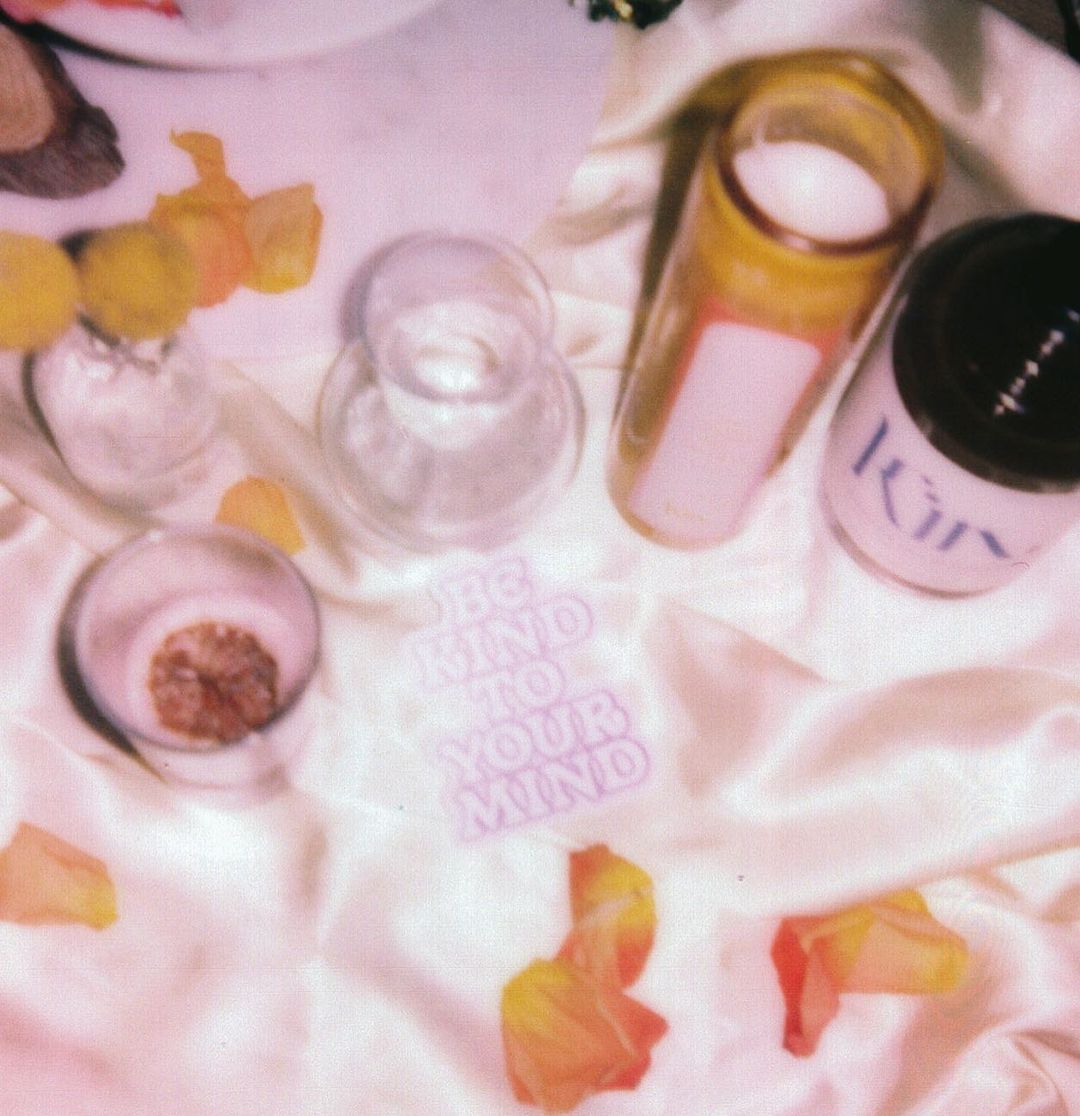
I wake up. In a club. I am standing, do not worry. I am surrounded by unfamiliar girls and guys whose loud laughter, cutting through even Lil Jon’s screams blasting from the speakers, suggests that I must have delivered a really good line. I do not recognize them. My eyes roam the club in disbelief, searching for the group I arrived with, while my lips smile back at these anonymous, likeable types because… why not? I ask if they are up for another double pelinkovac. YOLO.
I wake up. At home. Morning presses on my eyes, a headache crushes my thoughts. Wrong turn. Color. Tkalčićeva… Shambala? Friends pulling me not to go home. Am I home? Good.
Moments like these I could count on my fingers, but only if I gathered all the residents of the city of Zagreb. Alcohol, as with many of my peers, was for a long time an integral part of life. Sometimes I recall those days with pleasure, but often I do not remember them at all. In the early 2000s, during my high school years and the beginnings of going out, not only were there plenty of clubs, unlike Zagreb today, but they were also packed to the brim. Warming up happened in student dorms, in front of clubs. Alcohol was an extra, the most fun member of the group.
Alcohol relaxed me, embraced me with a sense of safety and confidence. When I drink, I am funnier, happier, even prettier. As if every gram of missing self-confidence disappears from my head after the second glass of wine. I am the best version of myself. At the same time, I am the worst version of myself. I do not think about what I am saying, I think I am funny when I am not, I do not pay as much attention to others as I should. I am too impulsive, I misjudge situations that end the next day as burning shame.
But that did not stop us from repeating everything the following weekend. We did not feel like we were doing anything wrong. How could we? MTV and most of the celebrity paparazzi photos that surrounded us showed our favorite stars partying or leaving clubs visibly intoxicated. For most of our millennial icons, a photo snapped at a police station was on par with today’s selfies. Yet it seems that youth, and age as well, looks somewhat different today.
As I reduced going out somewhat before the pandemic, and especially after it, alcohol began to feel increasingly foreign to me. Out of sight, out of liver. Most of my social circle follows the same pattern. Few will order alcohol. I understand them. My life is better without it. I am clearer. More productive. Better rested. My skin is better. Sex is better. I am happier. I concluded that I had grown up. A pity I did not earlier. And a pity that most young people still have to get there… Or do they?
Sitting through another sober Friday in a bar, without a plan or program for the evening, I notice that at none of the tables around me is there an alcoholic drink in front of those I judged young and polished enough to be getting ready to go out. A coincidence, I assume. But, as with the blue car phenomenon, I begin to notice this pattern more and more. I am not saying that young people do not drink at all anymore. That would be simply contradictory to the very notion of youth. However, phrases like “Do you have kombucha, matcha, Hydra, insert any non-alcoholic drink,” coming from the mouths of 20-year-olds, I hear quite often. So often that they now feel like verbal slaps to my younger self that my mother truly, and rightly, should have given me.
The latest data suggests that my impressions are not driven by some suppressed guilt. “With a current value of over 13 billion euros, the low- and no-alcohol drinks industry is growing. Since 2018, it has increased by 5 billion,” reports a market analysis by IWSR, which also notes that the selection of non-alcoholic beverages in bars and shops has doubled, and that interest in alcohol among young people is declining. Euronews records that over the past 20 years, since my first nights out, interest among boys has fallen from 41 percent to 24 percent, and among girls from 29 percent to 20 percent. The company Anheuser-Busch, which owns some of the most popular alcohol brands in the world, such as Budweiser and Stella Artois, is recording a decline in alcoholic drink sales and growth in non-alcoholic ones.
At the same time, a new niche is emerging that is sweeping the market like a tsunami. So-called functional beverages promise to make you feel better and healthier. Euromonitor predicts that sales of functional beverages will grow by 7 percent each year. This successor to coffee and tea, and even to vitamin waters and energy drinks, is a version with 0 percent alcohol and 0 percent caffeine, most often based on various spices and plants that boost our energy while also contributing to health. Ultima Replenisher, RASA, Plants by People, Casamara Club are just some of the most globally recognized. Even mushrooms have claimed a large share of this market. For example, Dirtea, a brand of powders that have the “healing powers of mushrooms to naturally enhance wellbeing.” Dirtea Martini thus promises to “increase focus, memory, energy, and reduce anxiety.” Designed to be mixed into everything from coffee to cocktails, this brand is creating a significant renaissance on the market.
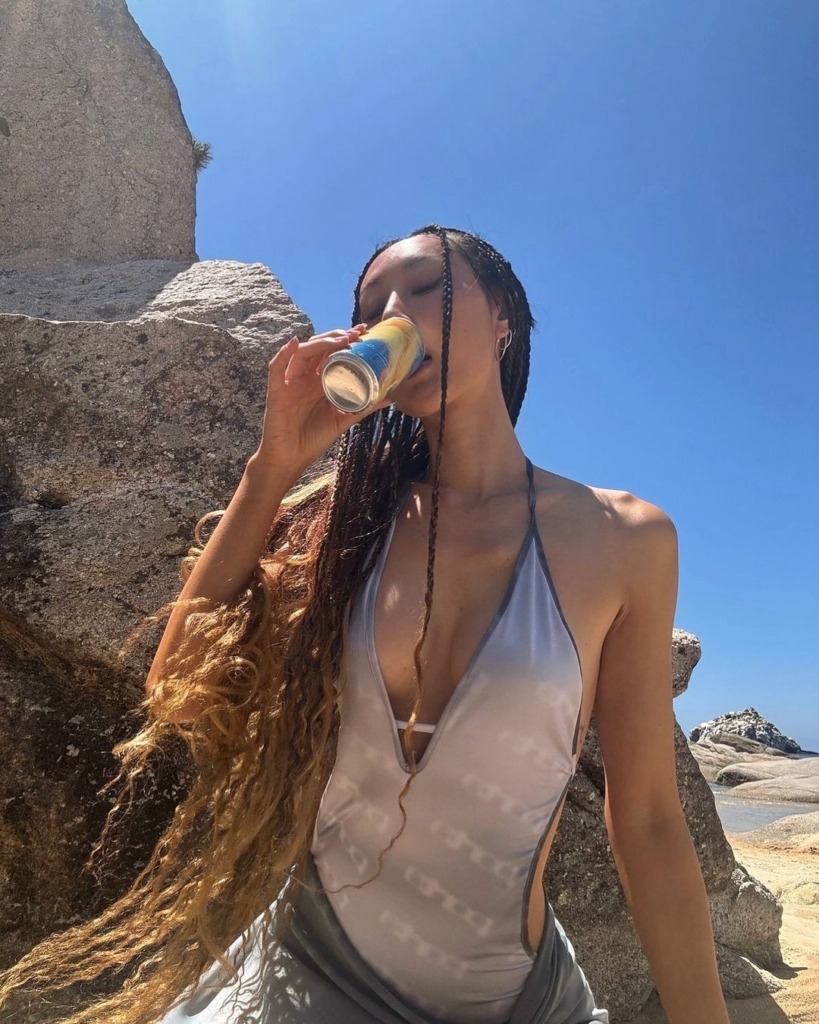
Photo: Kin Euphorics
The same is particularly popular worldwide among the already mentioned young people aged 18 to 25. I wonder why. Are not today’s “more anxious generations” under even greater pressure than we were? Why do they not reach for the same remedy? Images immediately flash through my mind of Kate Moss, Naomi Campbell, Robert Downey Jr., Robbie Williams, Paris Hilton, and many other celebrities of our youth, whom we knew as party animals and who today emphasize in interviews how much better they are without it. While age could be attributed to them, and to me, there are today’s role models such as Bella Hadid, Blake Lively, Dwayne Johnson, or Katy Perry, who have even launched their own non-alcoholic labels. The popular Kin Euphorics, Betty Buzz, ZOA, and De Soi. Photos of “intoxicated” stars tumbling out of VIP booths at some red-carpet after-party are almost nonexistent. Alcohol seems to have acquired a “yuck” prefix, like cigarettes once did. In the era of social networks and memes, many have become far more cautious about how they are perceived by the public. I realize it, for heaven’s sake, young people have no one to “look up to” who says alcohol equals cool. In an era of daily grim news, that makes me happy. If the world is already left to the young, I am glad they enjoy it more than we did