Fashion has recently become obsessed with sleep. What’s behind it?
by Tina LončarDecember 24, 2025

December 24, 2025
Lions sleep about 23 hours a day. Elephants only three, as do horses. If we’re lucky, humans get around eight. Yet most adults today would call that pure fantasy. Thanks to hustle culture, or simply the relentless grip of capitalism making it hard to catch a breath, many speak of sleep in a wistful tone, remembering the last time they truly rested during school holidays. It’s probably not entirely true, when it comes to insomnia or just a lack of sleep, most of us tend to be a bit dramatic—but that longing for eight hours of rest isn’t without reason.
Memes or the ubiquitous TikTok trend of bed rotting, where hundreds of thousands of people fantasize about spending the whole day eating in bed and watching Netflix, guilt-free, aren’t just a reflection of individual whims. Videos about rest and sleep on social media, tagged with playful -core labels, rack up millions of views. But the romanticizing of rest is more than a fleeting trend, it’s a response to a world living in burnout culture.
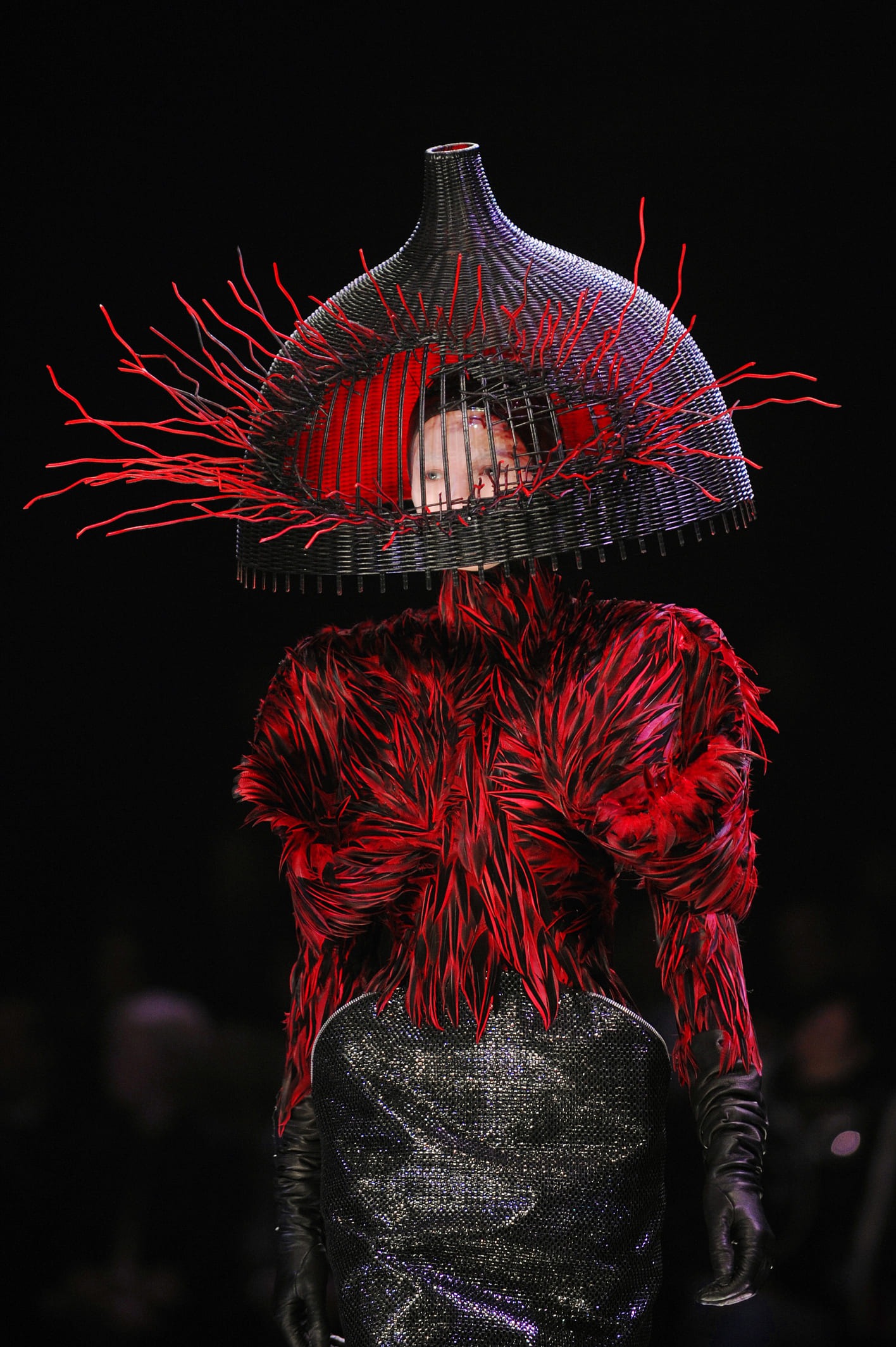
Fashion, always in tune with society, reflecting our desires, anxieties, and fears, has translated collective exhaustion into its own visual language. While designers like Alexander McQueen, Viktor&Rolf, and Marc Jacobs have long drawn inspiration from beds, dreams, and sleep, the desire for rest, or the consequences of stubborn insomnia—has in recent seasons become a particularly strong leitmotif, flowing onto runways in countless references and making bedcore one of today’s most prominent trends.

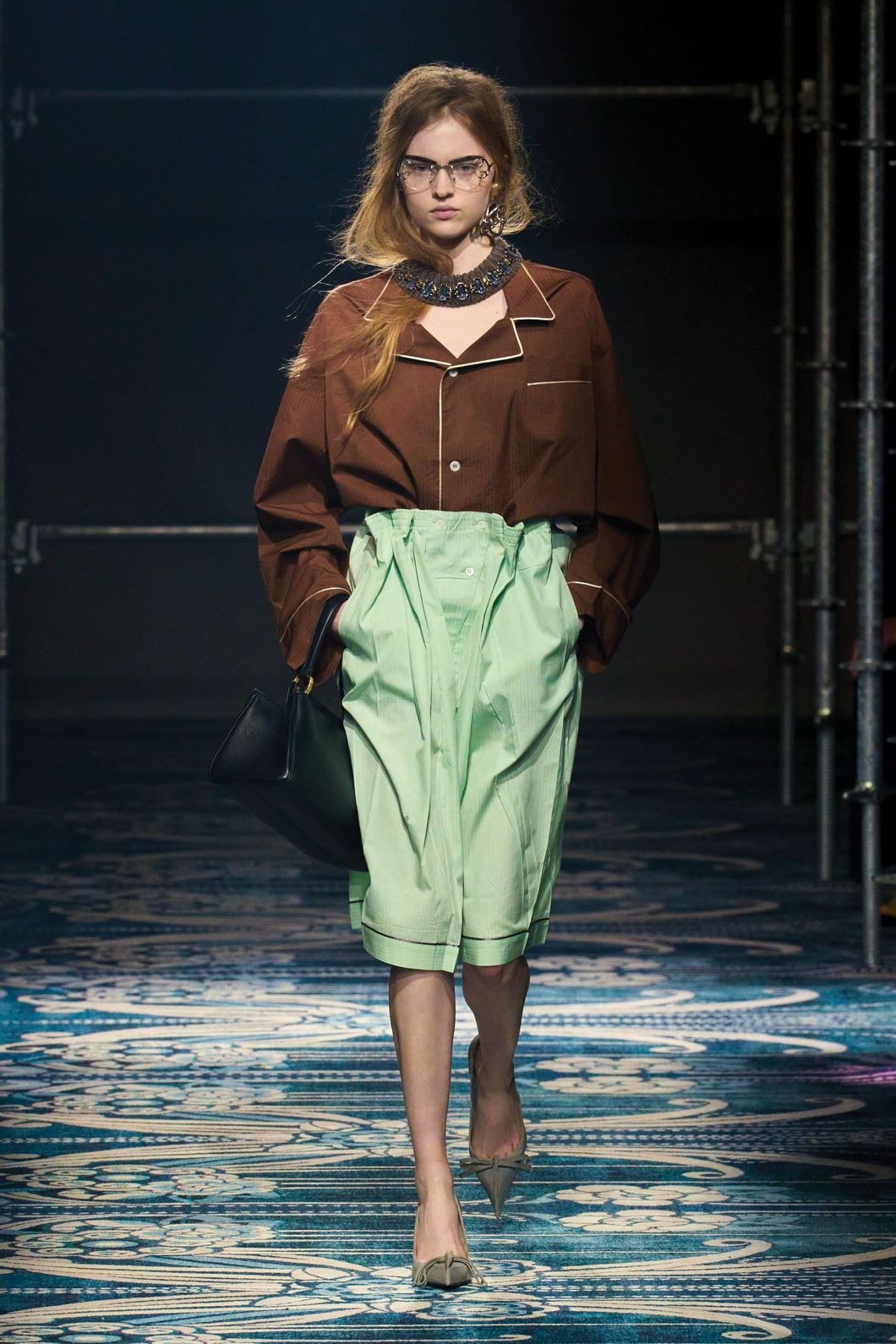
On Prada’s Fall/Winter 2025 runway, models paraded with intricate, tousled hair and “no-makeup makeup” that mirrored exactly what we see in the mirror when we reluctantly drag ourselves out of bed to make it to work on time. Pajama-inspired sets were paired with boots, and “nightshirts” were nonchalantly styled with the rest of the outfit, as if to say this is the most effort we can muster in the morning before facing the world. The “careless aesthetic,” evoking a few missed REM cycles and a pervasive exhaustion born of life’s relentless pace, reflects the world as it is, not as we wish it to be—and proves that Miuccia Prada and Raf Simons never lose touch with the rhythms of society.
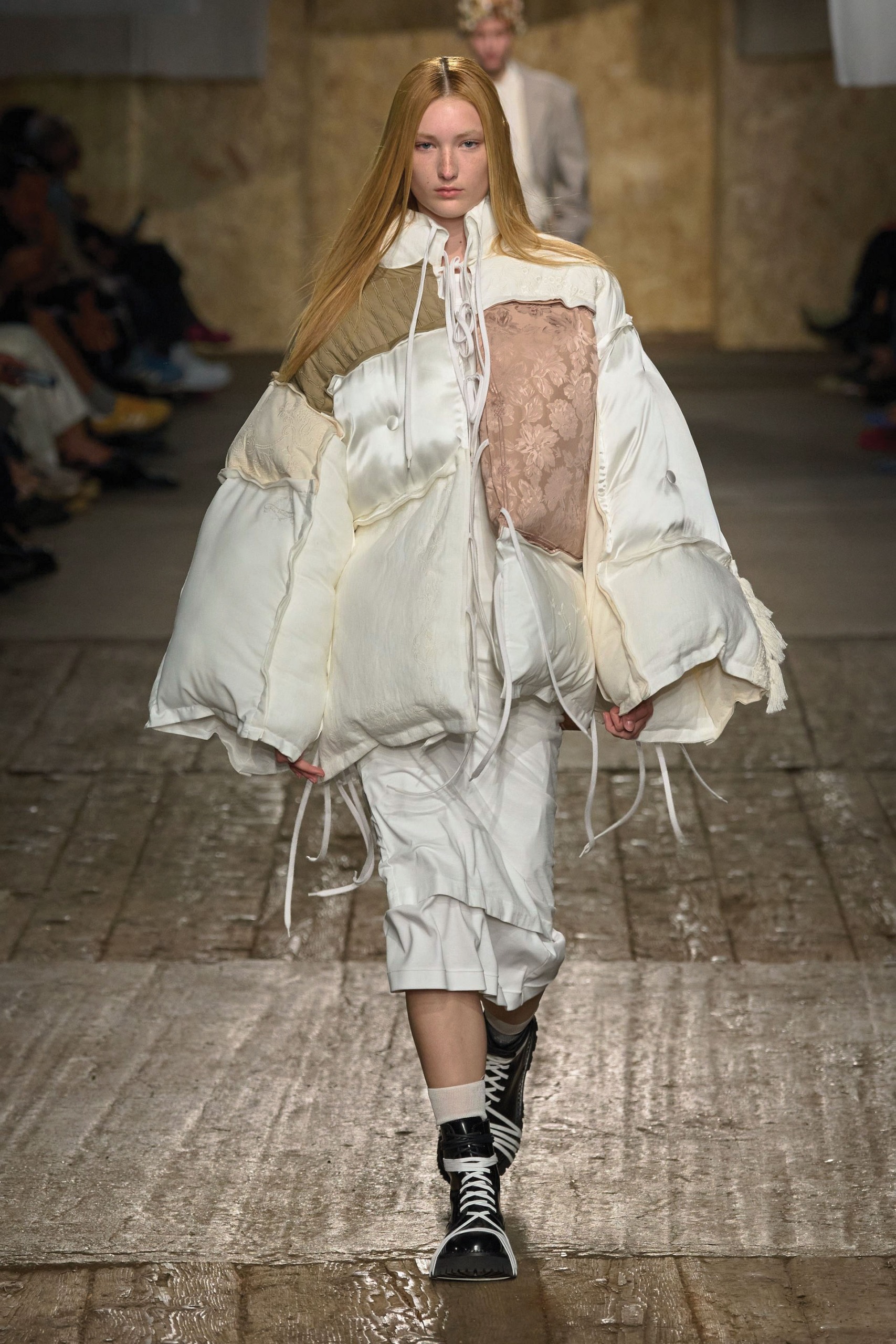
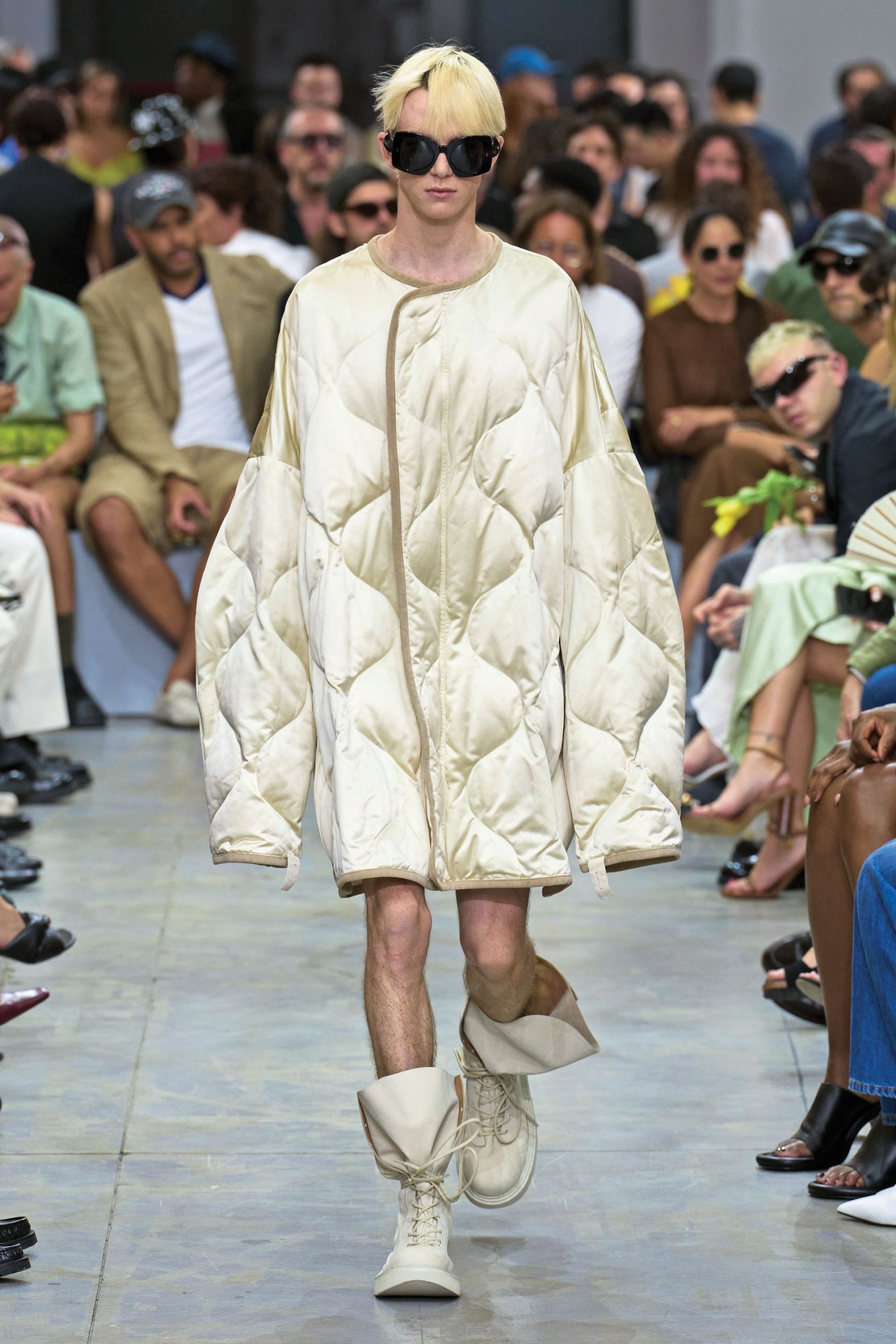
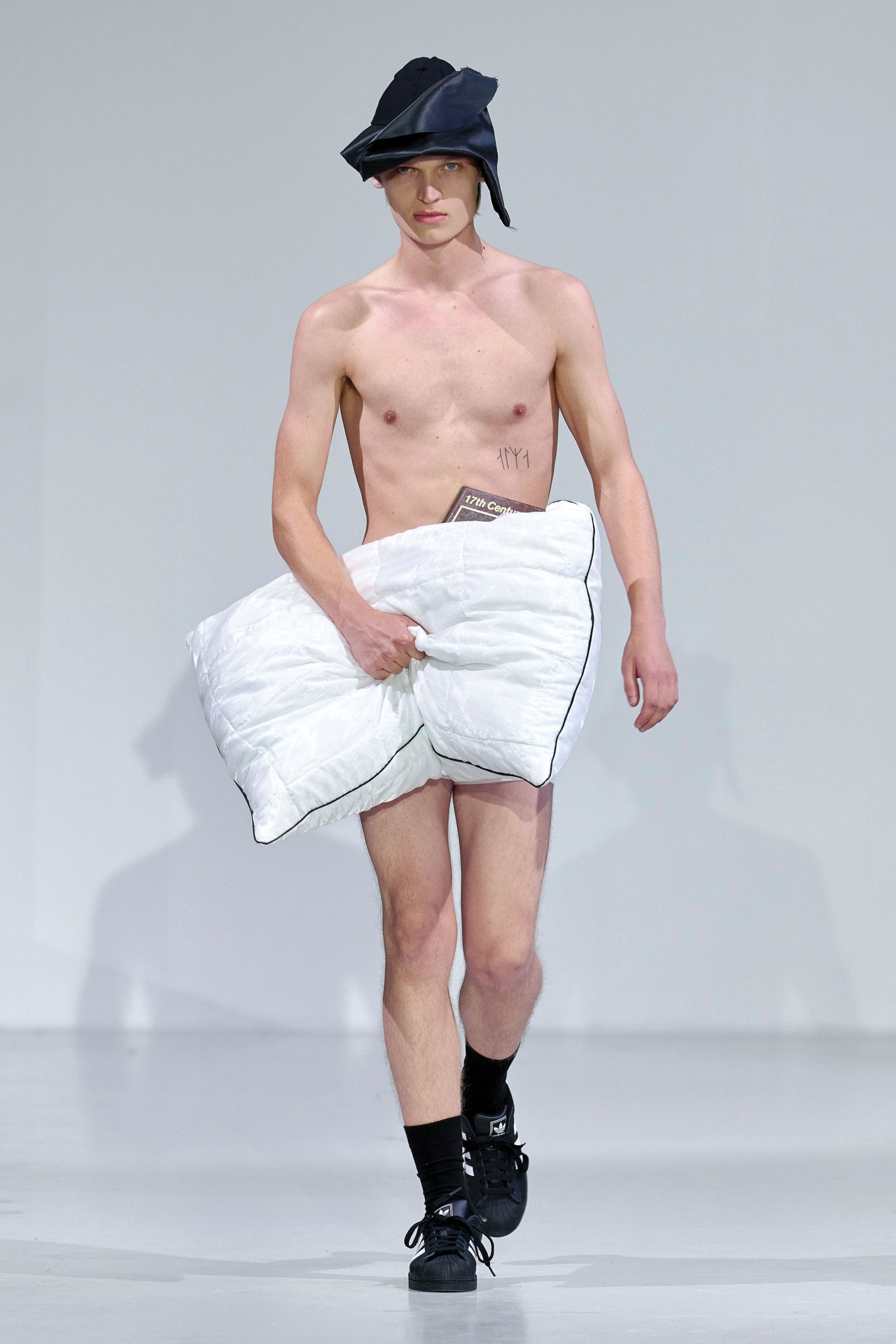
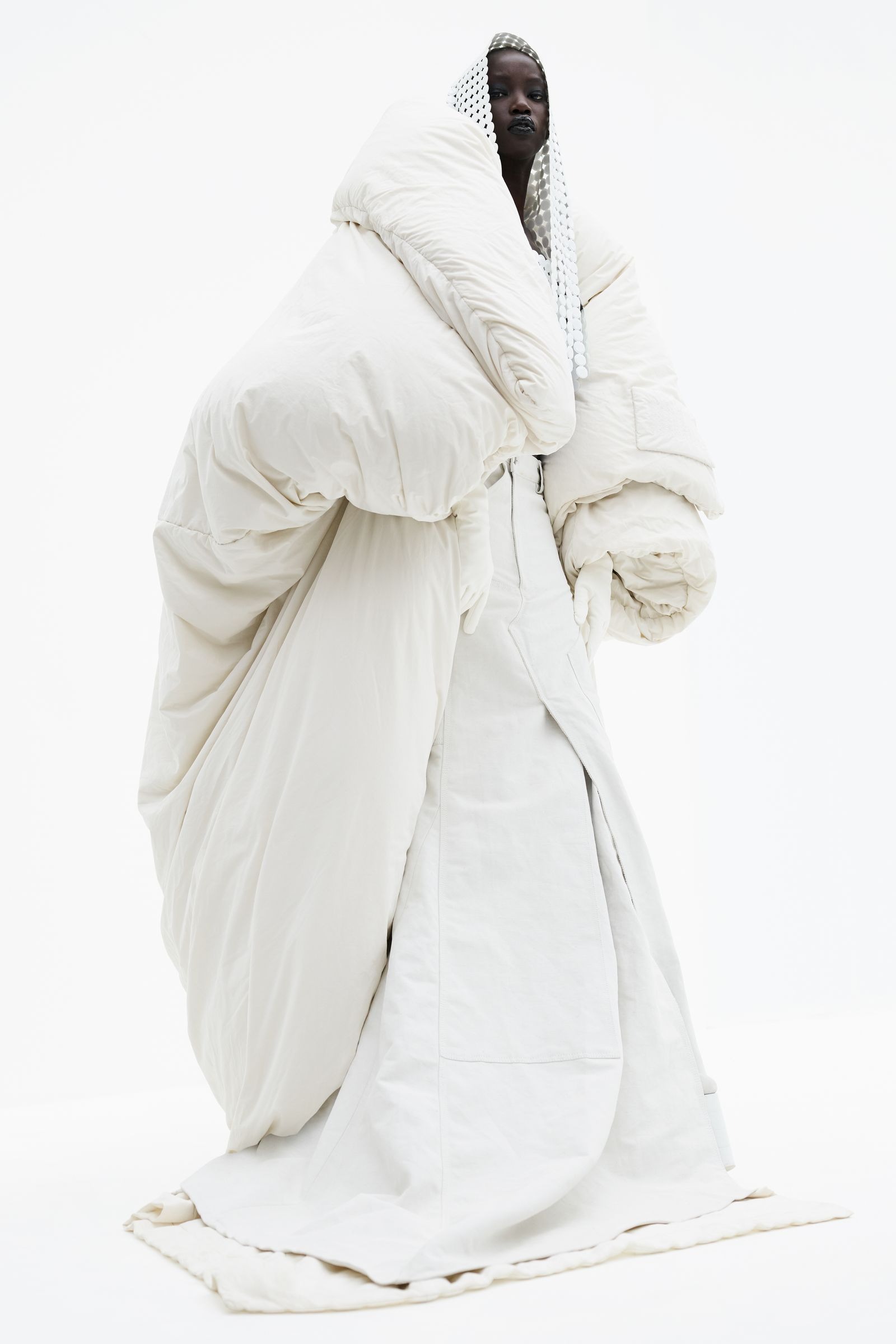
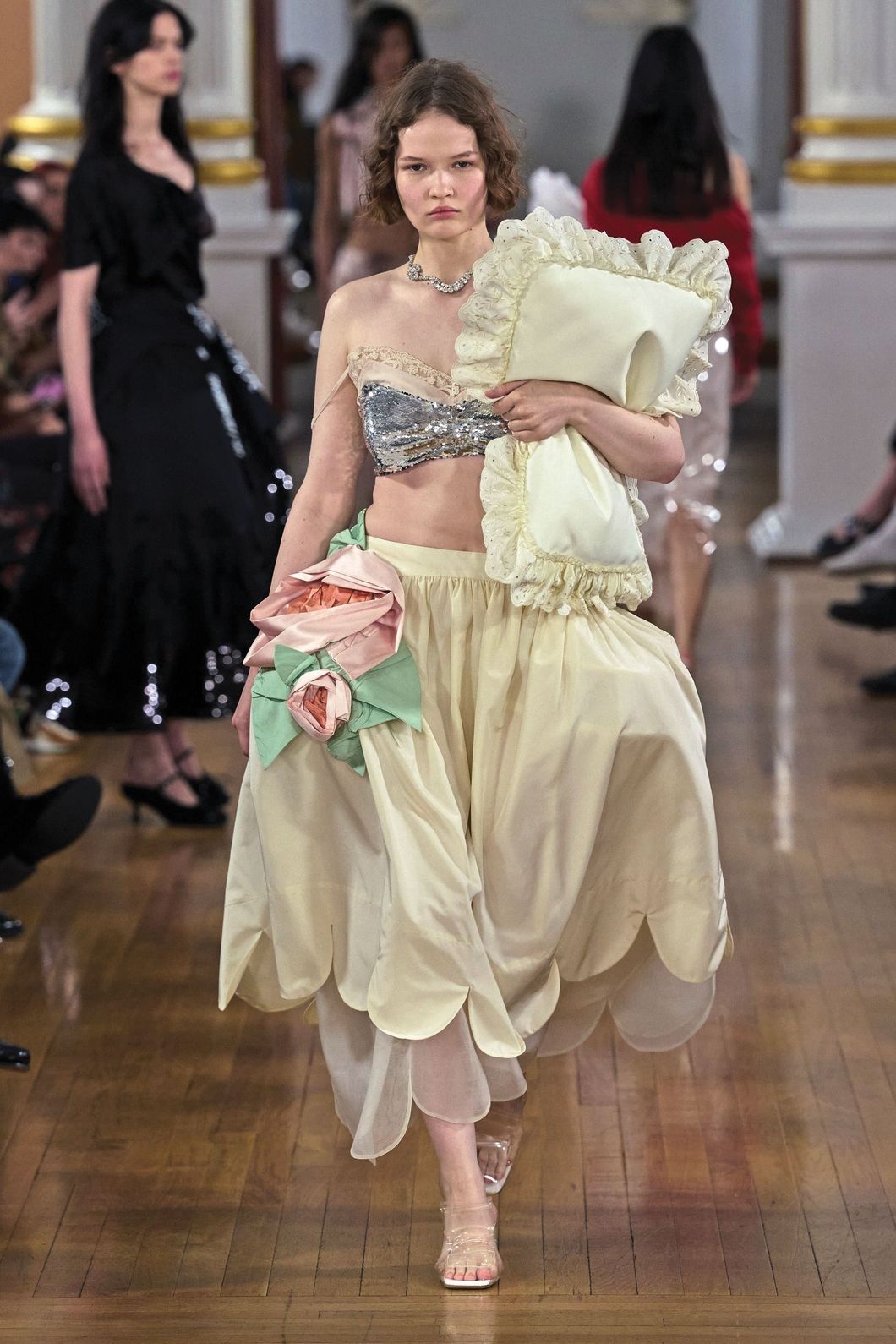
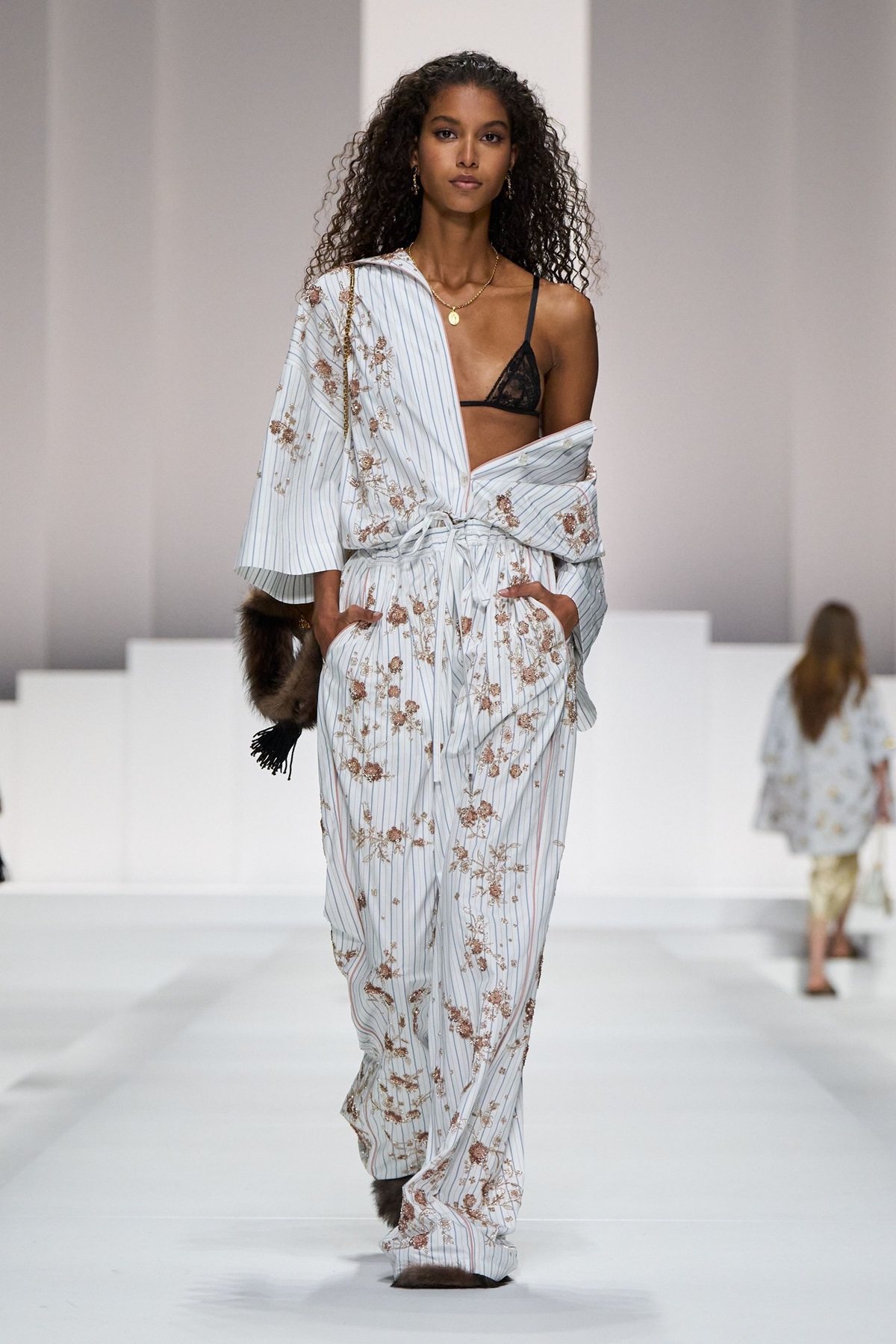
Prada and Simons aren’t the only ones attuned to society’s moods and desires. Playful Adrian Appiolaza at Moschino’s Spring/Summer 2025 show draped models in dresses reminiscent of freshly washed sheets and jackets that looked like patchwork of vintage satin quilts. Fendi turned the soft house robe into something meant to be worn outside the warmth of home, much like Haider Ackermann did for Tom Ford. Danish designer Nicklas Skovgaard, Italian label Vivetta, and French-Canadian 3.Paradis toyed with pillow motifs, either integrated into the garments or carried by hand as the must-have accessory, signaling an object we simply don’t want to let go of.
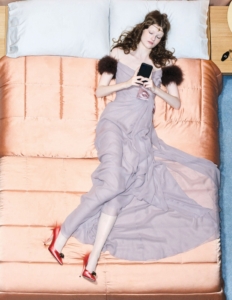
Valentino Resort 2026, Courtesy of Valentino
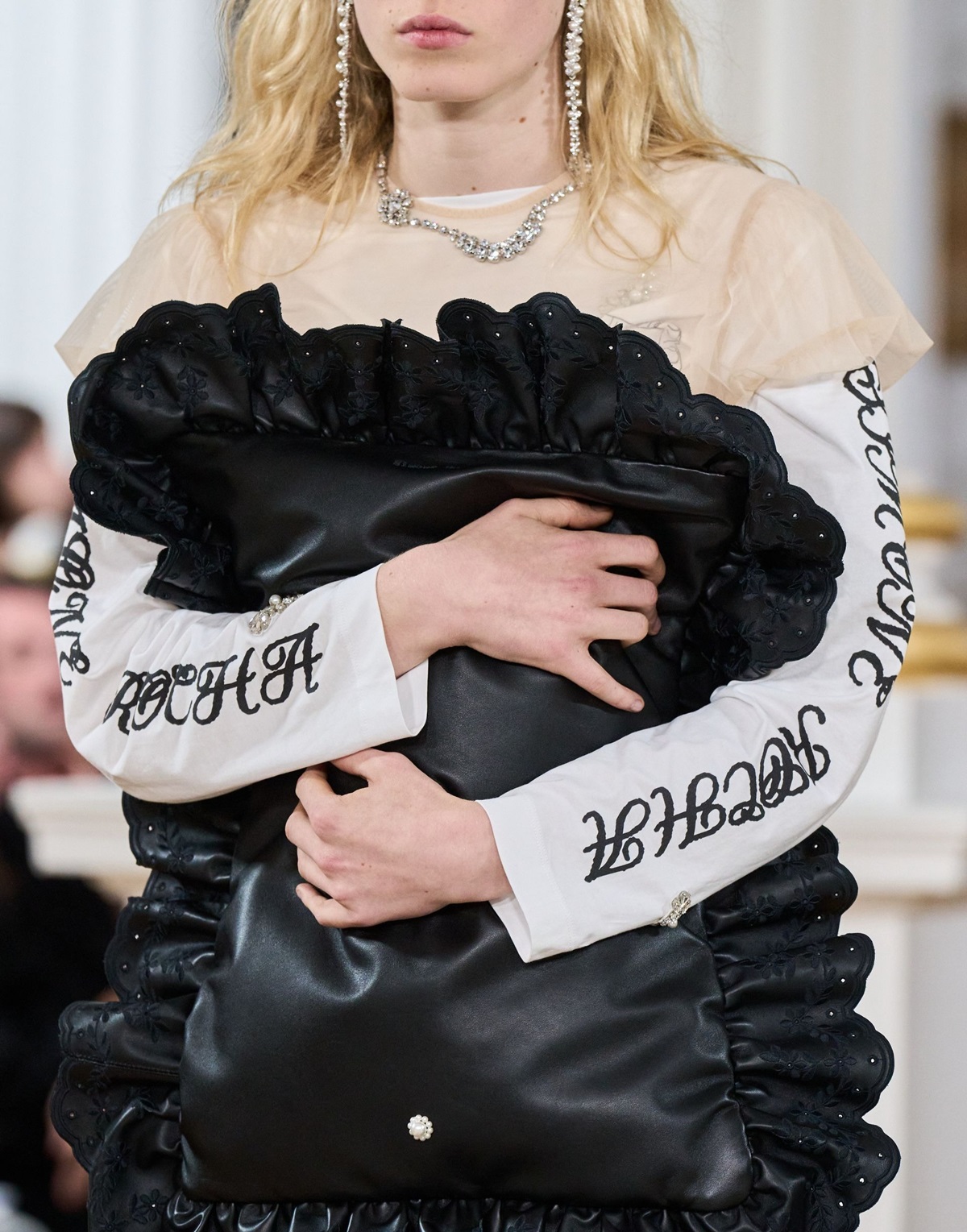
The inspiration of comfort and the warmth of the bedroom continued to dress the runways in the seasons that followed, and those yet to come. Ever dreamy, Simone Rocha outfitted her vision for the upcoming spring with oversized satin bags that evoke vintage pillows with romantic ruffles. Domenico Dolce and Stefano Gabbana devoted the majority of their 66-look spring collection to pieces reminiscent of pajama sets, seductive negligees, and nightgowns. Alessandro Michele shot the entire lookbook for Valentino Resort 2026 in bed—the mythical place we clearly all fantasize about without restraint. Daywear inspired by the world of dreams created a fusion of private and public spaces that had never merged to this extent, and the line between outerwear and sleepwear has never been more blurred.
While the obsession with the comfort of loungewear has been around since the COVID pandemic and the era of tracksuits, fashion’s recent focus on sleep reflects a broader cultural shift. In an age of wellbeing, sleep is increasingly seen as a ritual, a luxury, and a form of self-care rather than a basic biological need we should never sacrifice. In a time of collective exhaustion, when millions around the world dream of something as fundamental as sleep, it has become a symbol of the unattainable, something we can’t simply indulge in. The “excess” free time we might, like a leisurely aristocrat, “waste” on sleeping has turned into a kind of status symbol, a quiet luxury suggesting we can afford to let eight hours (or more) pass without a care in the world.
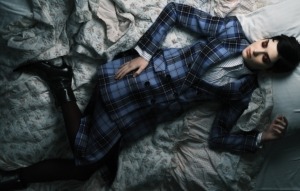
Mona, “Nights in Motion,” Photo: Matej Jurčević, Creative Direction and Styling: Stanislav Zakić, Milena Kitić
In the full shine of this paradox, where a biological necessity has become unattainable, fashion has romanticized sleepwear and everything that evokes sleep. Even as we remain chronically exhausted and emotionally drained, fashion houses offer comfort through wearable versions of quilts, soft blankets reminiscent of grandma’s, and pillows turned into accessories—a way to cocoon ourselves, even if hibernation isn’t an option. This warm wrap, a nod to the familiar and safe, also acts as a shield against a world that increasingly fuels our anxiety. Wars, ecological disasters, financial insecurity, and the erosion of hard-won rights and freedoms are just some of the threats that make the idea of staying in bed forever entirely understandable. Hours of bed rotting with no agenda no longer feel absurd. In a world that refuses to slow down, constantly testing us with its harshness, pajamas, satin pillows, house robes, and the bed itself, the last fortress of our peace—truly become symbols of resistance.