Why no one wakes up at 5 a.m. anymore and why it feels liberating
Bojana JovanovićJanuary 23, 2026

January 23, 2026
I do not know how my algorithm figured out that morning routines are something I am particularly interested in, but over the past few weeks I have seen more strangers from all over the world getting ready for work, doing their makeup, going to the gym, and drinking protein shakes than ever before. I will trust the algorithm more than myself, because it always manages to surprise me and, through some mysterious techniques, prove that the content it serves me is in fact something I need. In this case, it raised more questions than answers, and one of them is, “Do we really need to wake up at 5 a.m. almost every day?”
Related: How to be a “morning person”? Confessions of a reformed sleeper
Related: A trend that helped me reduce fatigue at the end of the workweek
I have never been an early riser. Quite the opposite. I have always found it difficult to wake up and feel enthusiastic about activities like going for a run before work. To be honest, no kind of early morning activity has ever seemed appealing to me, which means I am hardly the most reliable person to judge healthy morning habits. Running may be a bad example, since it is an unbearable idea to me at any time of day. That is why a huge weight lifted off my chest when, under videos by several creators who film their 5 a.m. routines, I saw comments that were not exactly positive or affirming and that did not really support their terrifyingly healthy habits. Do not get me wrong, I never encourage or enjoy seeing any kind of hate comments, especially not directed at someone who is simply living their own very healthy, productive, fulfilling life. However, the type of comments is what caught my attention. They were not malicious at all, but mostly humorous remarks about how the person looks sad or how they must have signed a pact with some demonic force that makes them do Pilates at 5 a.m. every day before heading off to their corporate job and spending eight hours in the office. In those comments, aside from feeling like I had found my people, I also saw that the idea of a perfect, hyper-productive morning is no longer a value standard.

Victoria Blankenship
Aside from finding it hard to believe that these people are not actually exhausted by around 1 p.m. and in need of an afternoon nap after lunch, I also could not understand how they manage to achieve truly visible results without becoming chronically drained after a few weeks. The answer probably lies in the fact that a lifestyle has to be aligned with that kind of habit, and mine is not even close to being considered aligned, let alone structured around consistent routines that dictate the pace of the day. That is why I asked my colleague Nives, the queen of productivity and well known for waking up at the crack of dawn, to reveal what she actually manages to do with all that extra morning time and how it affects her health and the rest of her daily routines. “As long as I can remember, mornings have been when I am most productive, and I have always liked waking up before 6, ideally around 5. That is when I would always take care of tasks I knew I either would not manage to do during the day or that were a priority for me, for example scheduling social media at my previous job or now cooking something for my daughter’s lunch. Or tasks that require a lot of concentration, which are most often work-related. Only if I am freer from those two things do I dedicate that time to, for example, exercising without stress or writing preparations and plans for the day or the week. I am not one of those people who fill their mornings with making matcha, but with activities I need so that I leave space during the day to make that matcha whenever I feel I need it. It gives me the feeling that I have somehow cheated time and gained more hours in the day. Given my personality type, which has always struggled with anxiety, and the nature of my job, which largely involves working with people, it is important for me to maintain a sense of order and working without the stress of racing against time, and mornings like that definitely help me achieve that.”
Related: Morning rituals that changed the way I start my day, with less stress and more calm
Now that we understand, or rather now that I have finally realized, that mornings can indeed be productive, let us return to why we are now living in an era where the focus has shifted instead to social and cultural changes that celebrate flexibility, sleep quality, and inner rhythm. TikTok trends such as #realisticmorningroutine and sleepmaxxing show daily routines as they really are, with all their messiness, delays, and afternoon naps, without any sense of guilt. People no longer want to compare themselves to idealized images of morning rituals that require a perfect body, a flawless smoothie, and meditation before sunrise. Keeping these trends in mind, it is important to say that those routines are mostly not invented or unrealistic. There are people who genuinely thrive on waking up at five, working out, preparing a smoothie, and meditating, and it suits them and gives them energy. The problem is that society often projects these patterns as a universal ideal, which makes many of us feel pressured to function in the same way, even though we are simply not all built the same, and we do not have to be.
kaileesscott
From a phenomenological perspective, our bodies function in rhythms that are individual and often resistant to external standards. Some of us naturally function better later in the day, while others enjoy morning quiet, but only if it is not weighed down by obligations. Experiments with sleep and waking show that forcing early rising can lead to chronic fatigue, reduced productivity, and an overall low mood. Focusing on sleep quality and accepting one’s own rhythm actually leads to better concentration, creativity, and emotional balance.
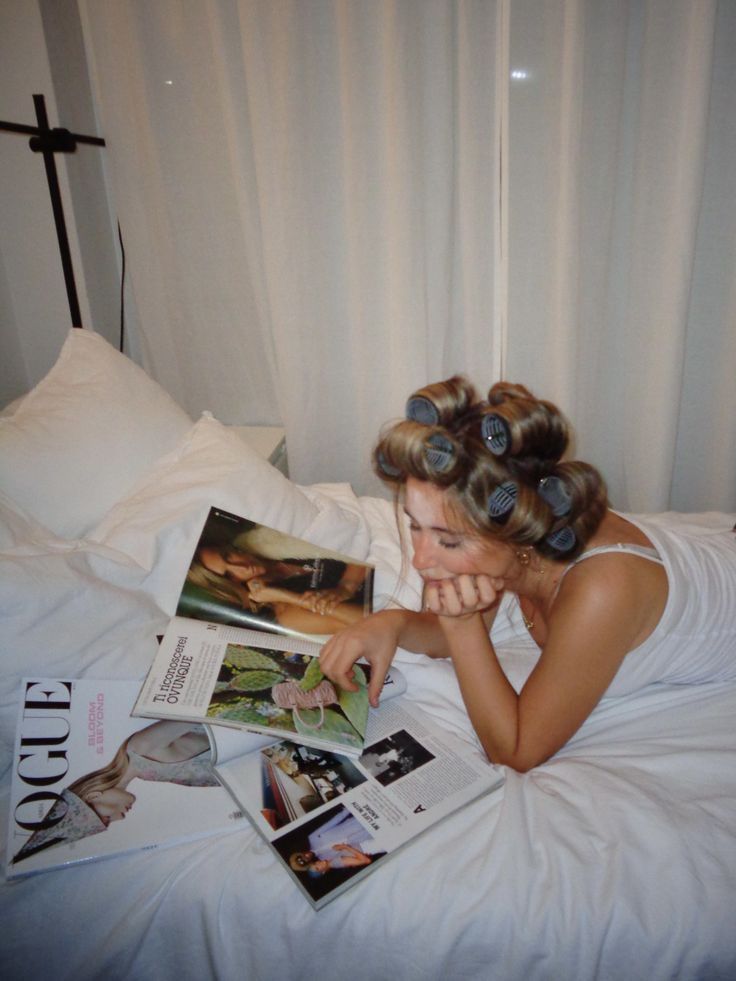
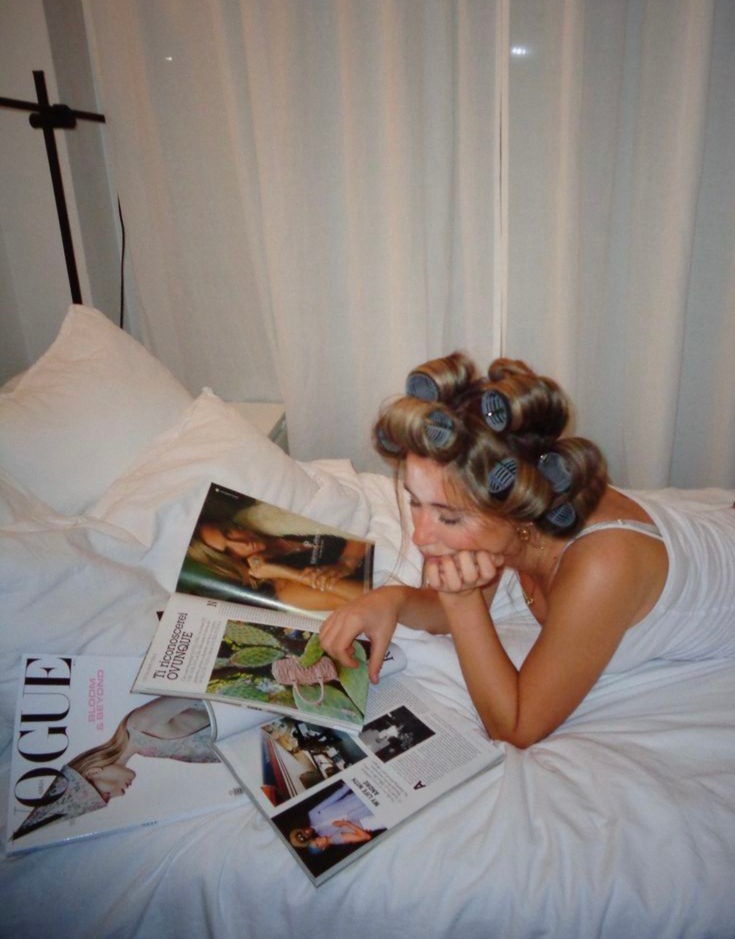
A culture that glorifies early rising and constant hustle energy is slowly giving way, and new aesthetic norms of mornings increasingly celebrate reality and authenticity. Videos in which people honestly show their morning rituals, with coffee in pajamas, favorite TV shows, or simply no routine at all, reflect a release from perfectionism. Instead of striving to make every morning a spectacle of productivity, we are increasingly valuing contemplation, flexibility, and a personal rhythm that truly supports long-term health and energy.
Related: Fashion has recently become obsessed with sleep. What’s behind it?
In short, abandoning the glorification of early rising does not mean laziness, but a conscious reclaiming of control over one’s own time. We are shedding pressure and perfectionism and discovering that productivity, creativity, and well-being can exist at 7, 8, or 10 a.m., or whenever it naturally suits us. TikTok, Instagram, and internet culture in this sense merely reflect what has long existed in real life: life is not a linear track, and morning does not have to be a measure of worth. And thank the universe for that. I am well aware that Nives’s sober message sent at 7 a.m. will only reach me sometime around 9, and we are all okay with that. After scrolling through TikTok and seeing real, chaotic, but honest morning routines, I will be ready to start my day. Waking up at 5 a.m. will, at least for a while longer, remain an option for me only when I have an early morning flight.