Jonathan Anderson’s latest Dior collection proposes a new definition of luxury
Sonja KneževićJanuary 22, 2026

January 22, 2026
If you ever feel overly busy and as though you cannot accomplish anything because the day has only 24 hours while your obligations seem to be at least twice as many, remember that Jonathan Anderson is expected to launch around 18 fashion collections every year. These include his collections for Dior, menswear, womenswear, and couture, as well as his own brand JW Anderson and his collaboration with Uniqlo. And yes, all of this is going remarkably well for him. Shortly after his debut womenswear collection for Dior hit stores, and after it took over the online world thanks to exceptionally thoughtful and intriguing accessories that clearly carried traces of a Loewe sensibility, Jonathan Anderson presented the Dior Men Fall 2026 collection at Paris Fashion Week, leaving many breathless and slightly perplexed.
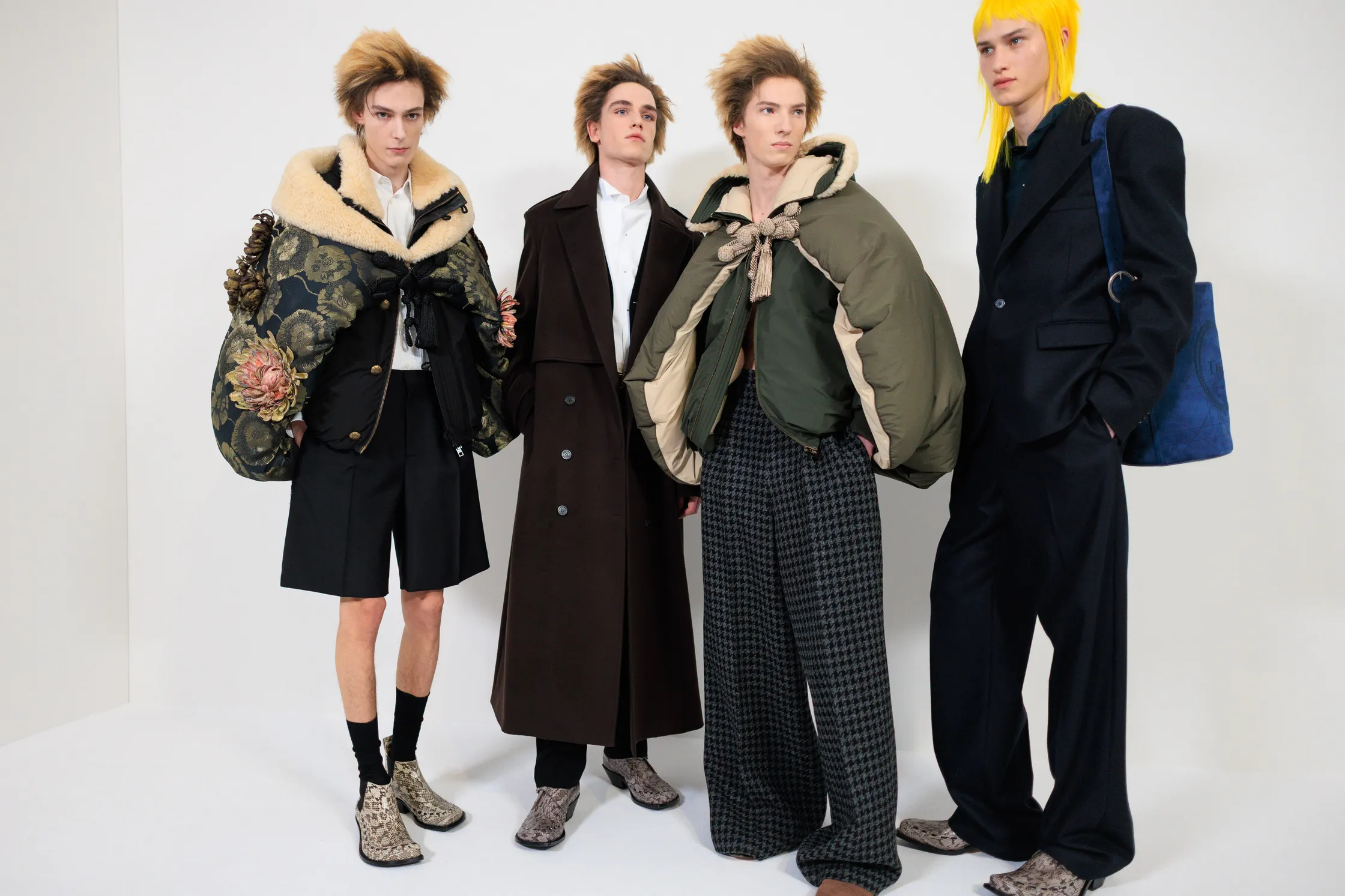
Fashion insiders gathered at the Musée Rodin in Paris, a venue that in itself suggested we should not expect quiet elegance, but rather that the designer, like the artist to whom the museum is dedicated, would question the boundaries of classical form. This was a fairly bold move for a fashion house with an exceptionally long tradition and beloved codes, yet Jonathan Anderson managed to present an intriguing new concept. The opening look made it immediately clear that this was a collection unafraid to stimulate the imagination of admirers of traditional forms. Anderson often turns to the archives in search of inspiration, but certain pieces in this new collection were inspired not by Dior, but by the French designer Paul Poiret. His first boutique during the Belle Époque was located just a few steps away from Christian Dior’s boutique, yet their aesthetics were almost entirely contrasting. While Christian Dior was a master of form, skillfully placing women into beautifully constructed dresses, Poiret favored fluidity and the opulence of fabrics. It was precisely in these differences that Jonathan Anderson found inspiration for the new collection
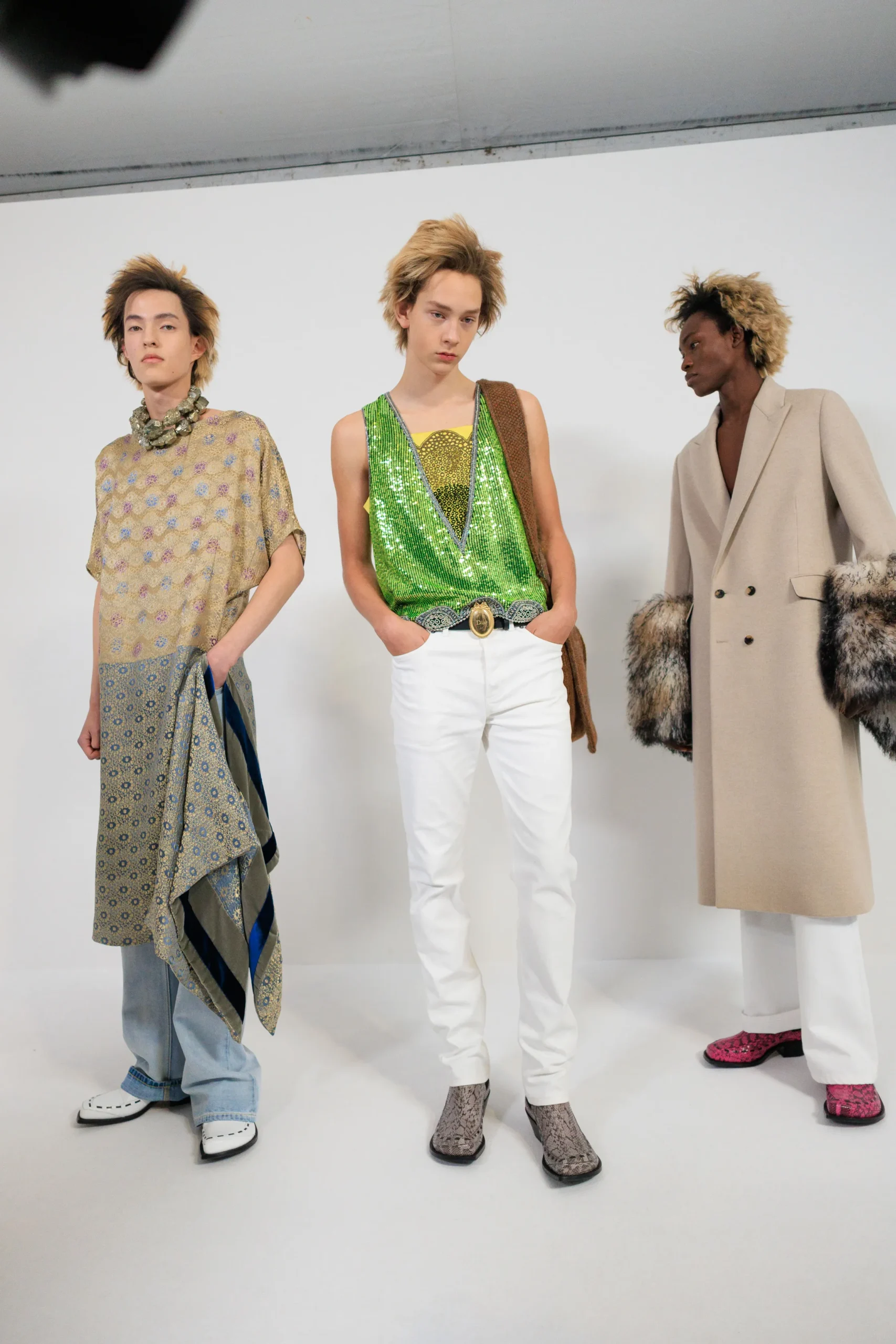

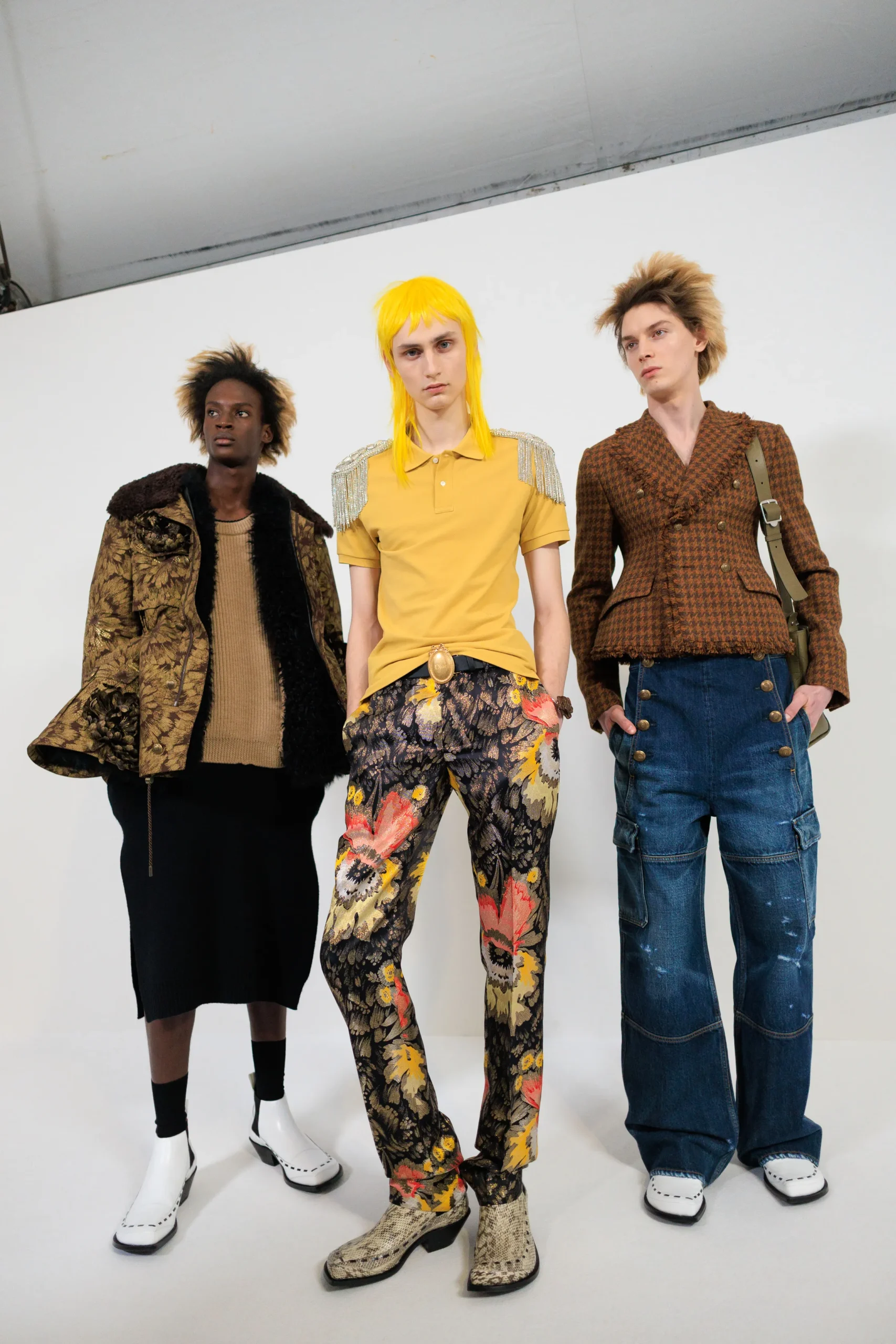
The sequined tops in vivid colors that opened the show are undeniably inspired by Paul Poiret’s dresses, and his influence can also be seen in other garments, colorful capes, and patterns that define the fall collection. These elements enrich the texture of pieces that are unquestionably inspired by the archive of Christian Dior, who, incidentally, celebrated his birthday yesterday. Structured silhouettes, high collars, and poetcore capes remain at the center of attention, albeit with a twist. The recognizable Dior Homme tailoring was also present in this collection, elements of the Bar jacket were reimagined as short double breasted blazers, while tailcoats and military jackets created a sense of continuity with his debut menswear collection shown last summer.
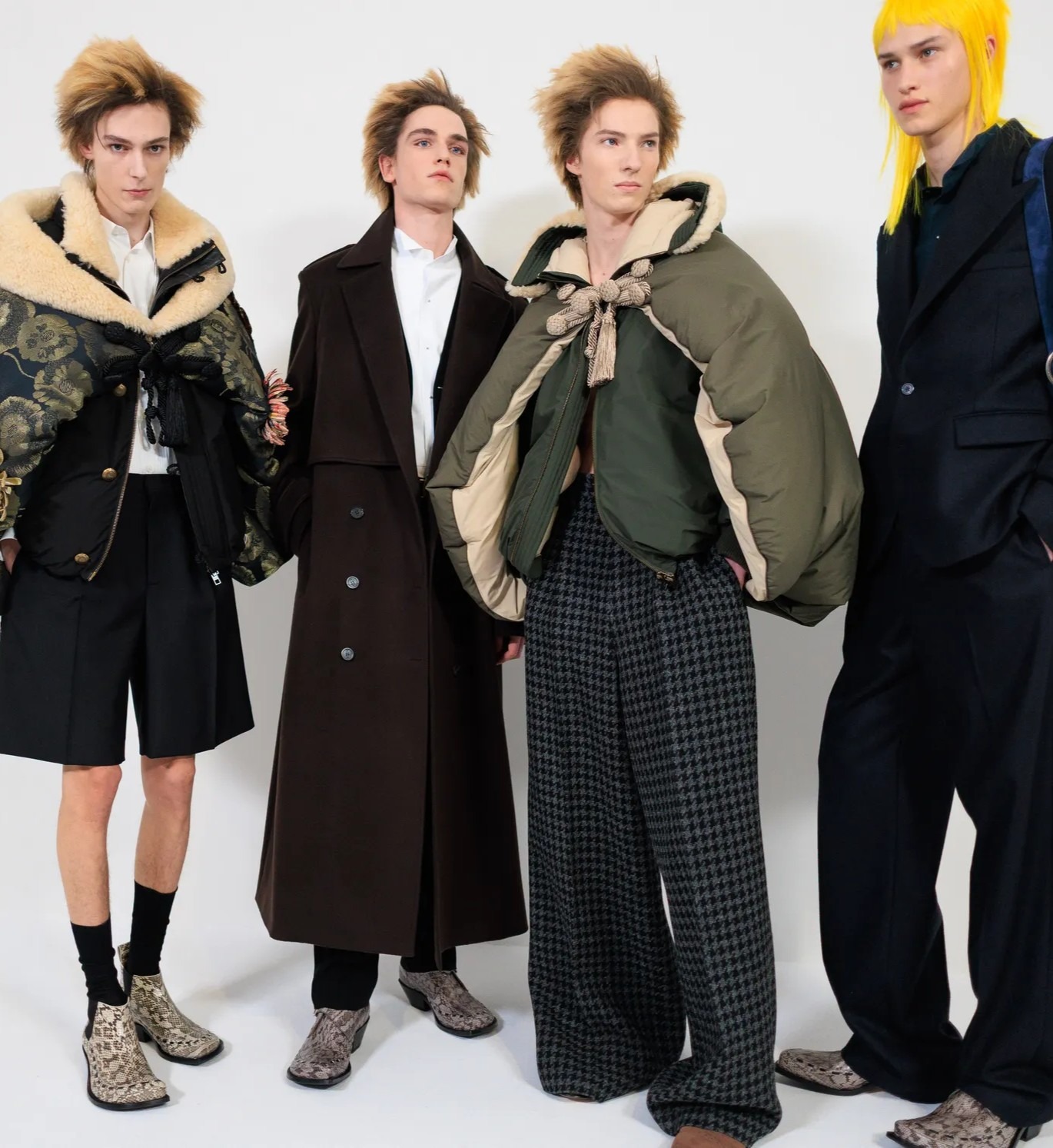
Although it is difficult to imagine Christian Dior’s models walking with tousled hair, let alone punk wigs, the work of the brilliant Guido Palau, Jonathan Anderson made this concept function almost flawlessly. The central question of the collection was undoubtedly that of a new aristocracy and the idea of how they might dress today. While many debate whether the moment calls for quiet or loud luxury, Jonathan Anderson proposes a new definition of luxury: dressing the way we want.
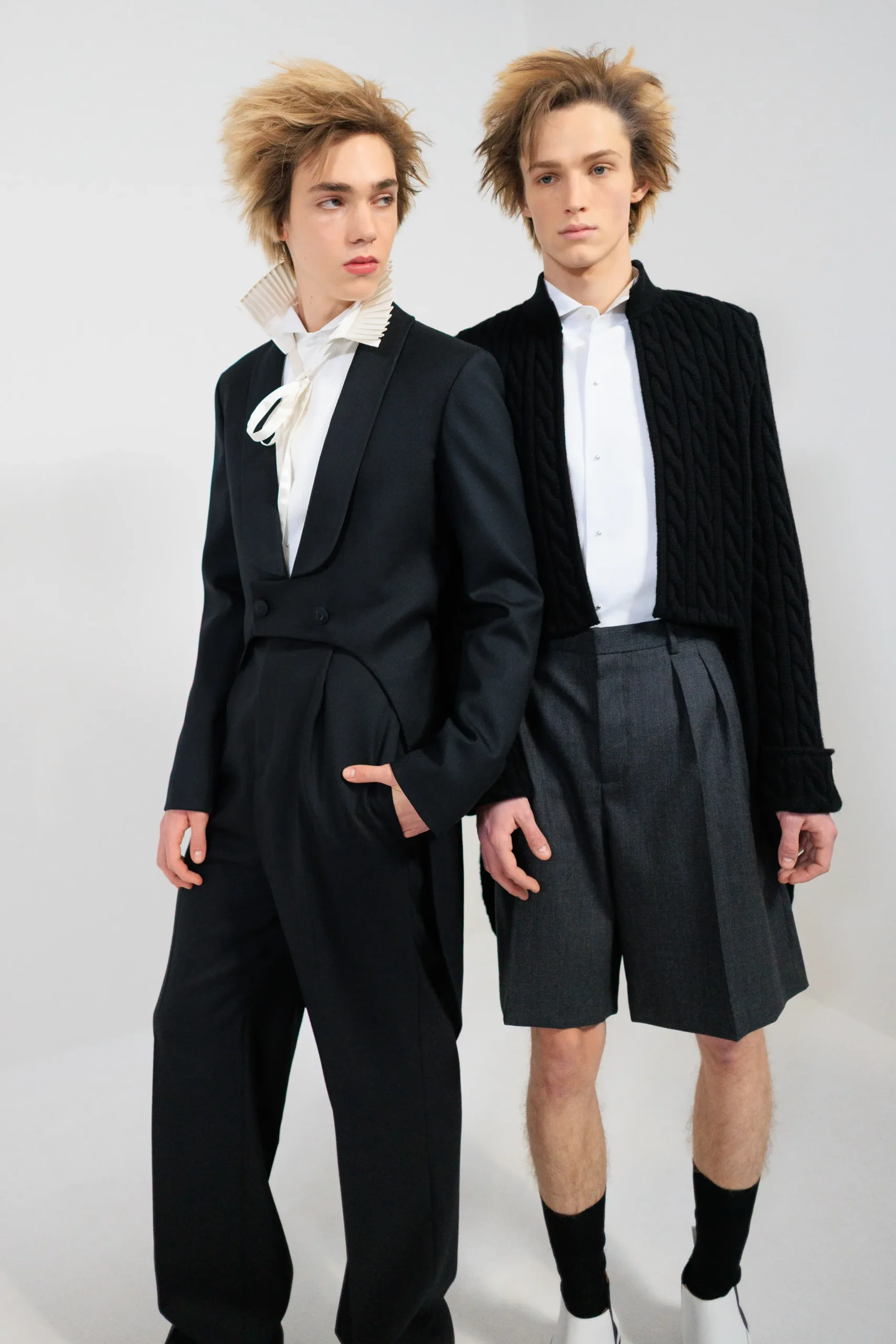


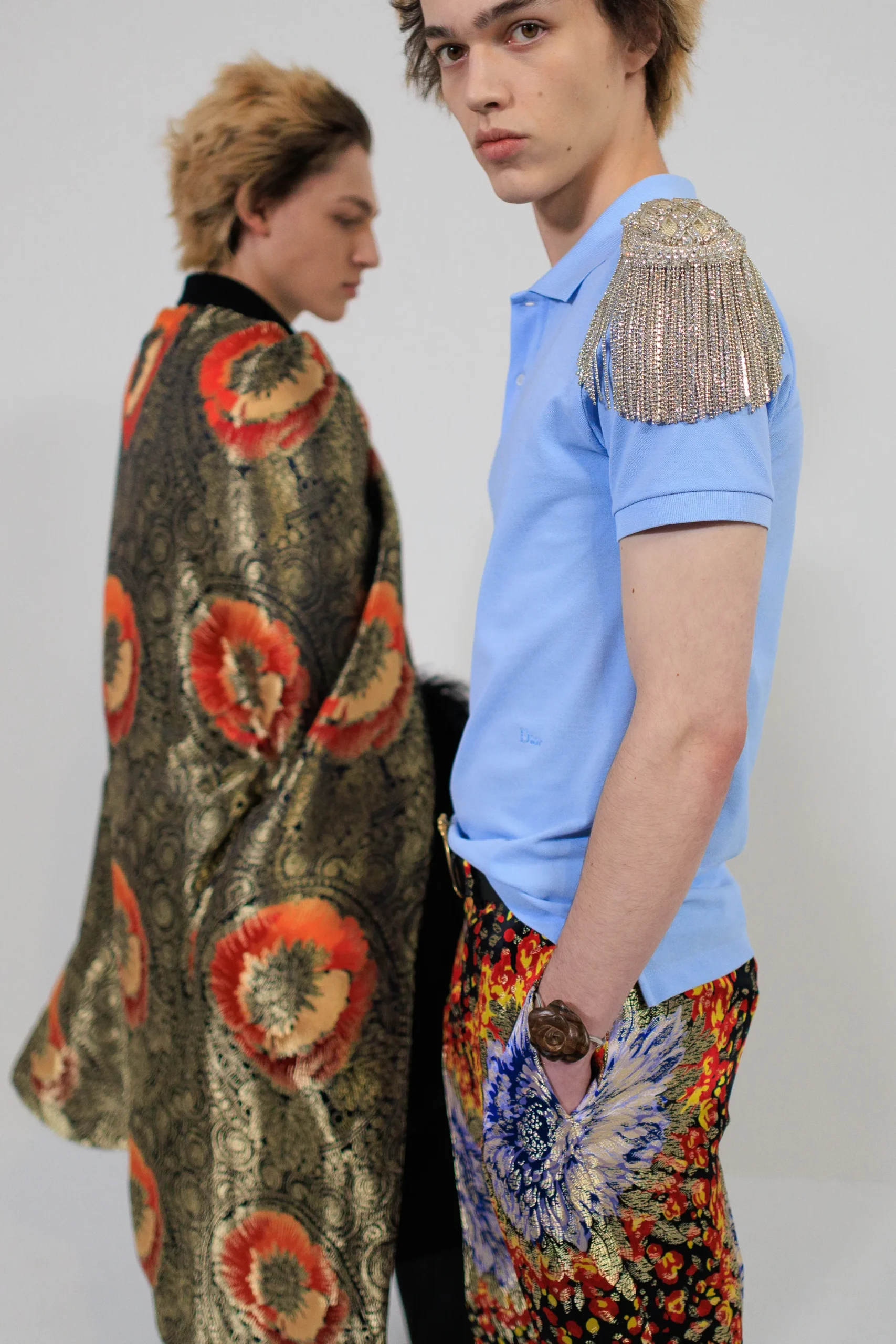
One of fashion’s greatest advantages, which we strive not to forget, is that it has no rules. Shimmering shoulder pieces can be worn over a polo shirt, dresses can become blouses, and if we feel like adorning a simple coat with a cape, the only question is: why not? The new Dior collection takes punk and gilded elements and places them directly alongside the house’s traditional codes, demonstrating that it is possible to create harmony between seemingly total opposites.
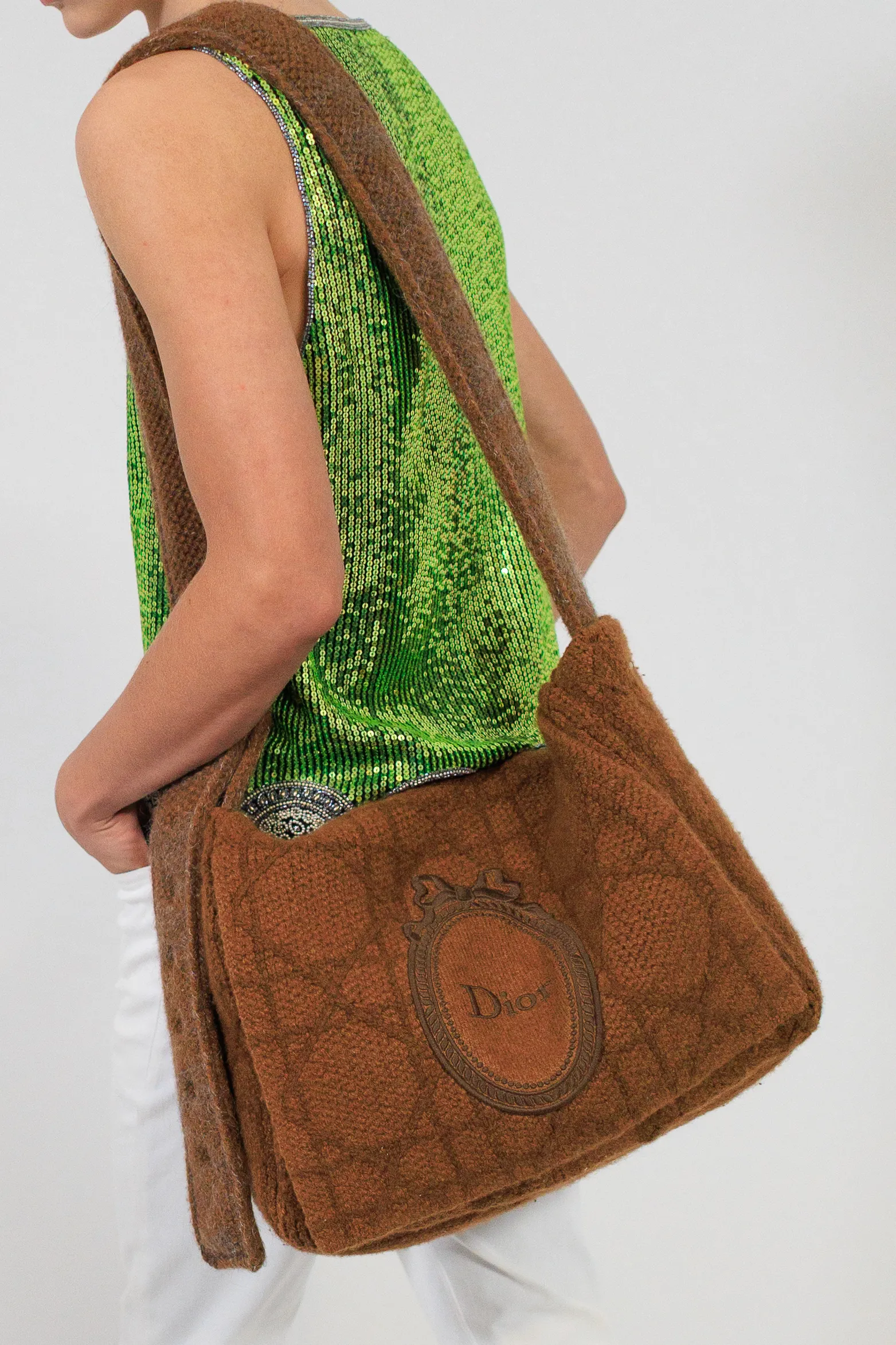

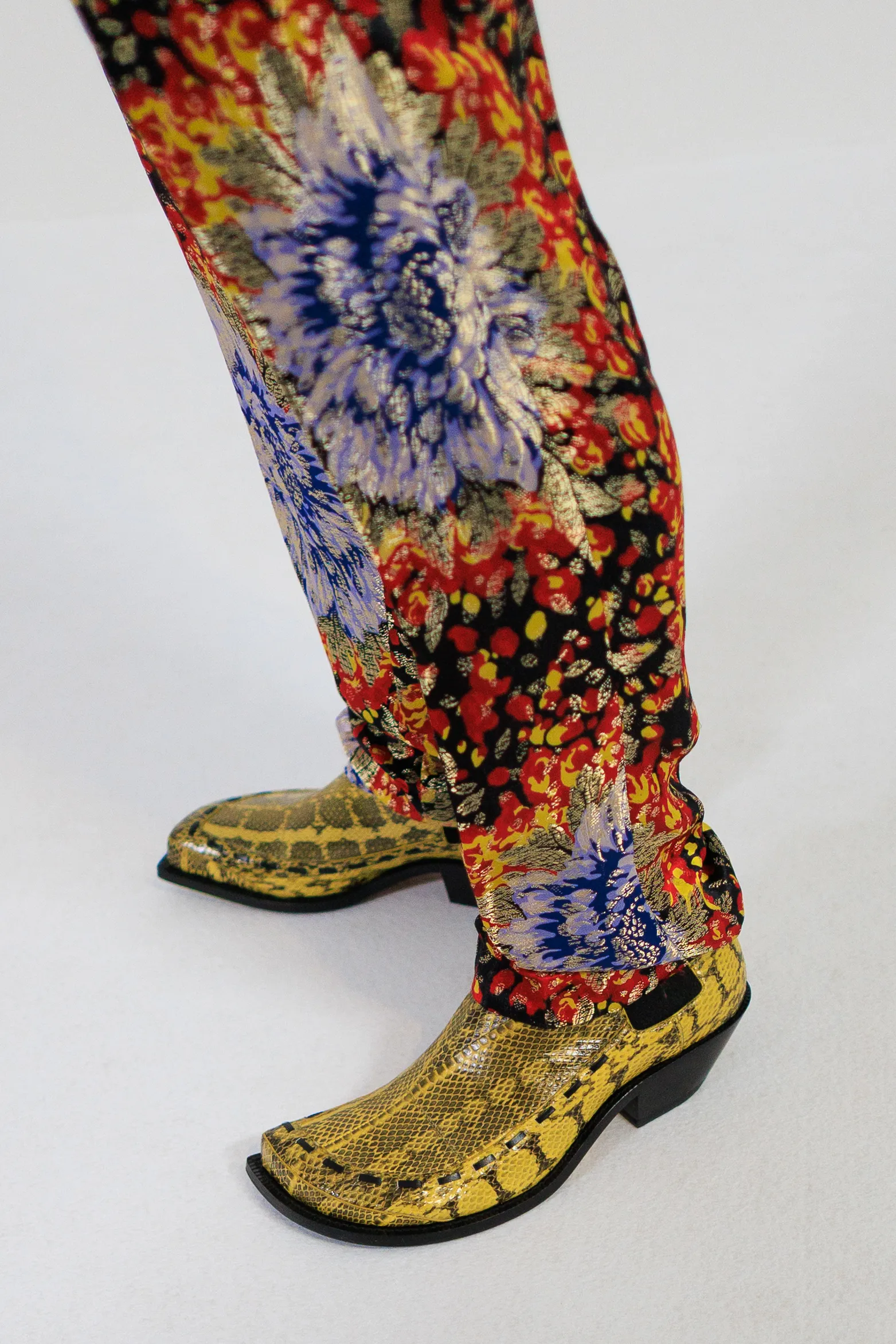
Anderson consistently succeeds in proving that contemporary forms can exist in harmony with classical, retro ones, perfectly embodying the spirit of new generations. While there is deep respect for elegance and subtle forms, there is also a strong contemporary need to step outside established boundaries and question the way we perceive fashion at all. Designers like Jonathan Anderson remind us that even as we follow trends and build our own style, we must not lose sight of what matters most: creativity.