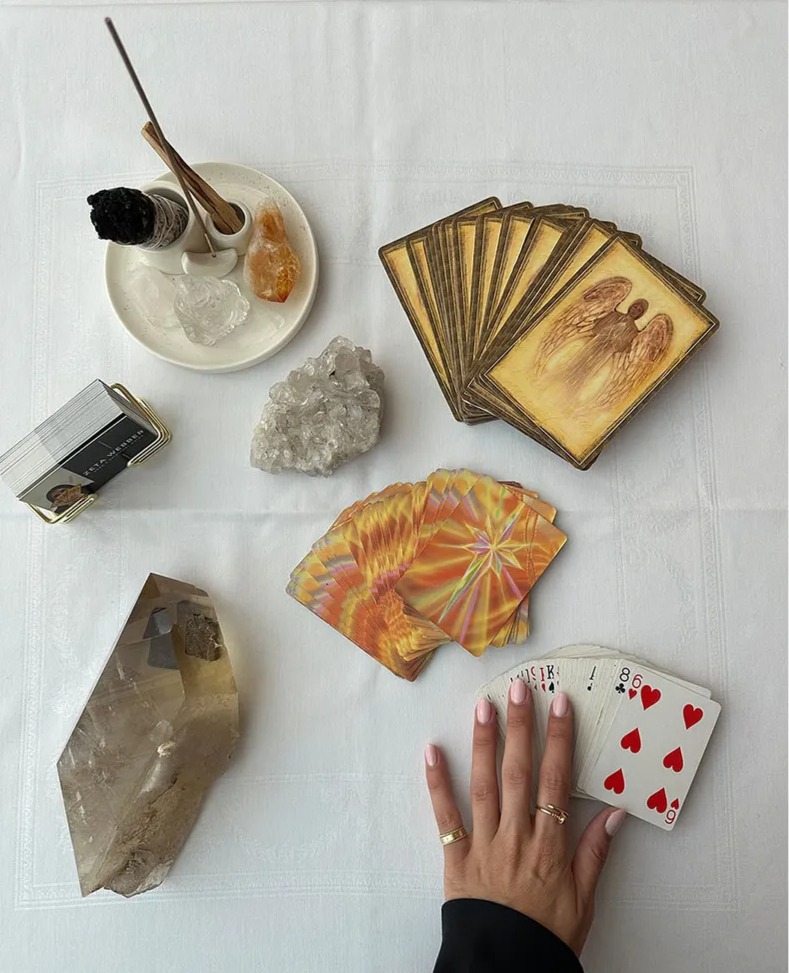
Has aging finally become acceptable?
Bojana JovanovićDecember 7, 2025

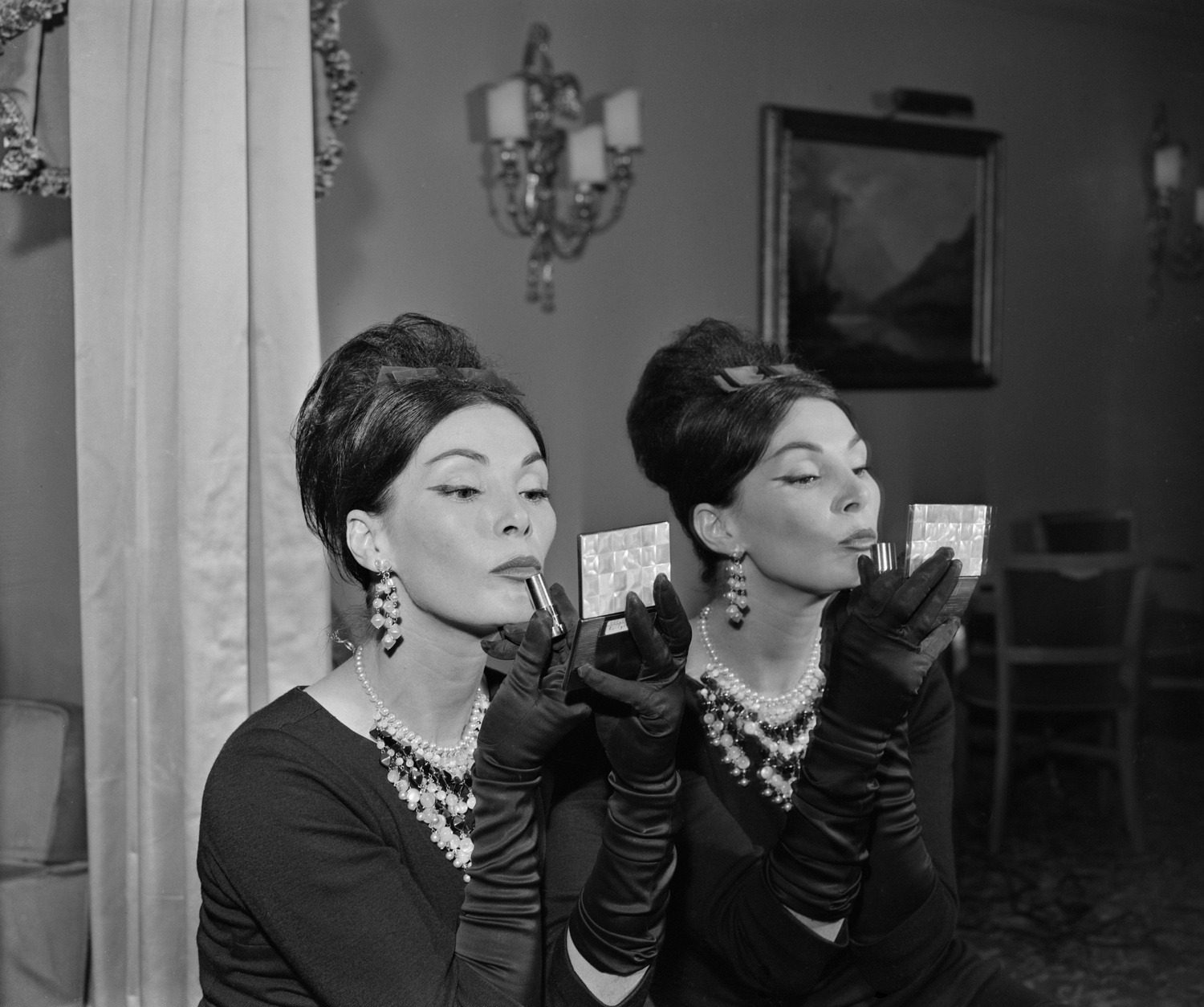
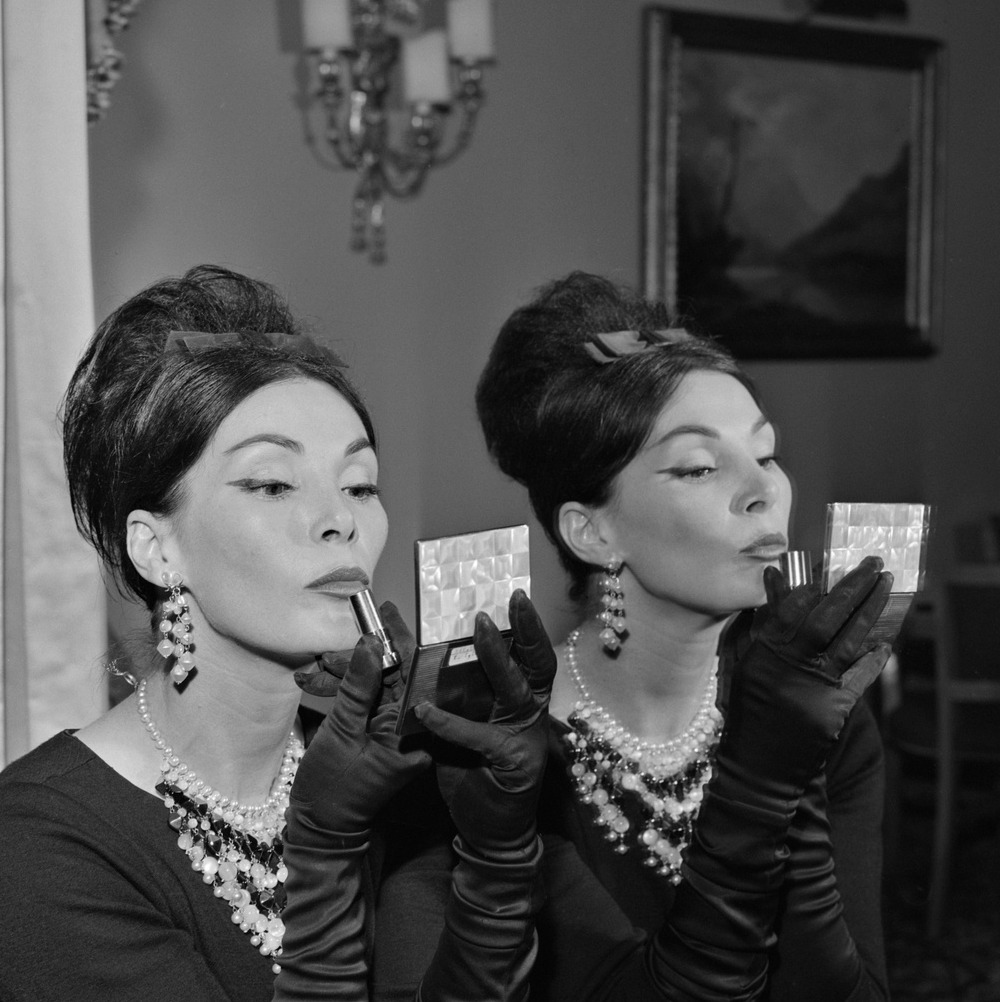
You know those people who insist so strongly on being different, special and interesting, who claim they do not like those boring basic things, music and movies, and that anyone whose headphones have ever, even for a second or by accident, played Jala Brat and Buba Corelli simply cannot understand the world on a deep enough level. I know you know them, because we all do. They are usually convinced they are old souls, born in the wrong era, misunderstood by this time. Yet in recent months, it seems as if the whole world has finally decided to indulge them. Everything looks old, vintage and handmade, as if someone ran it all through one of those familiar Retrica filters and left it on forever. Has the old times aesthetic finally entered the mainstream and does that mean aging itself might become acceptable.
When I say mainstream, I literally mean every field. Beauty, interiors, fashion, culture, packaging, marketing, books. We are returning to the old conversation about being oversaturated with AI aesthetics and the digital fog where we no longer know what is alive and what is generated. People are running from hyper technology, from straight lines, from sterility, from that high tech simplicity and minimalism. They want texture, mistakes, the trace of a hand, slowness. They want something to at least look like it was made just for them, even though they know it was not.
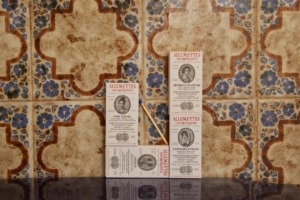
@officine_universelle_buly
This is why brands grab at narratives of craftsmanship, heritage, special materials, some romanticized past that probably never existed in that form. The economics are simple. If prices are inevitably rising, they will at least try to sell us the idea that we are buying time, tradition and soul rather than just a product.
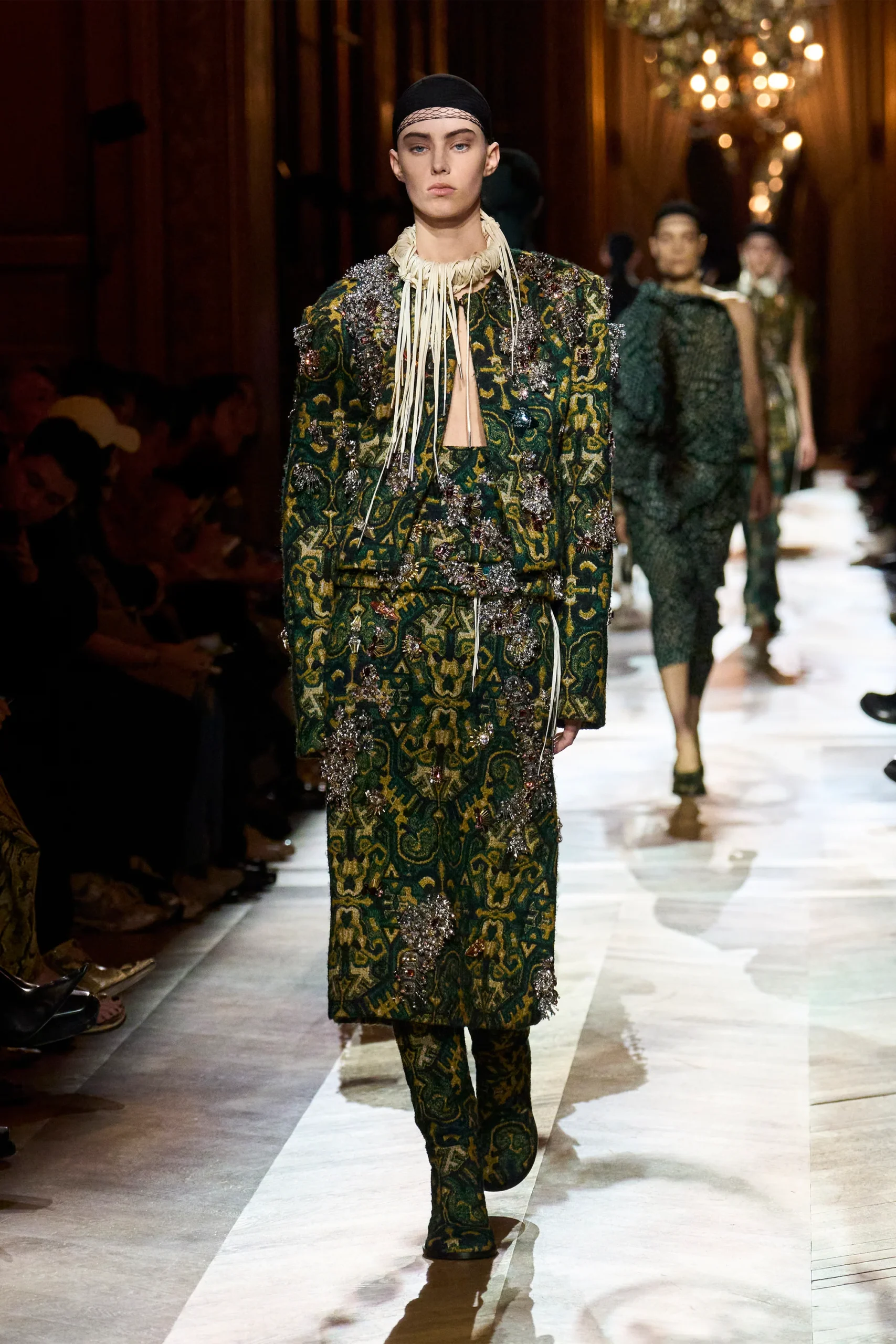
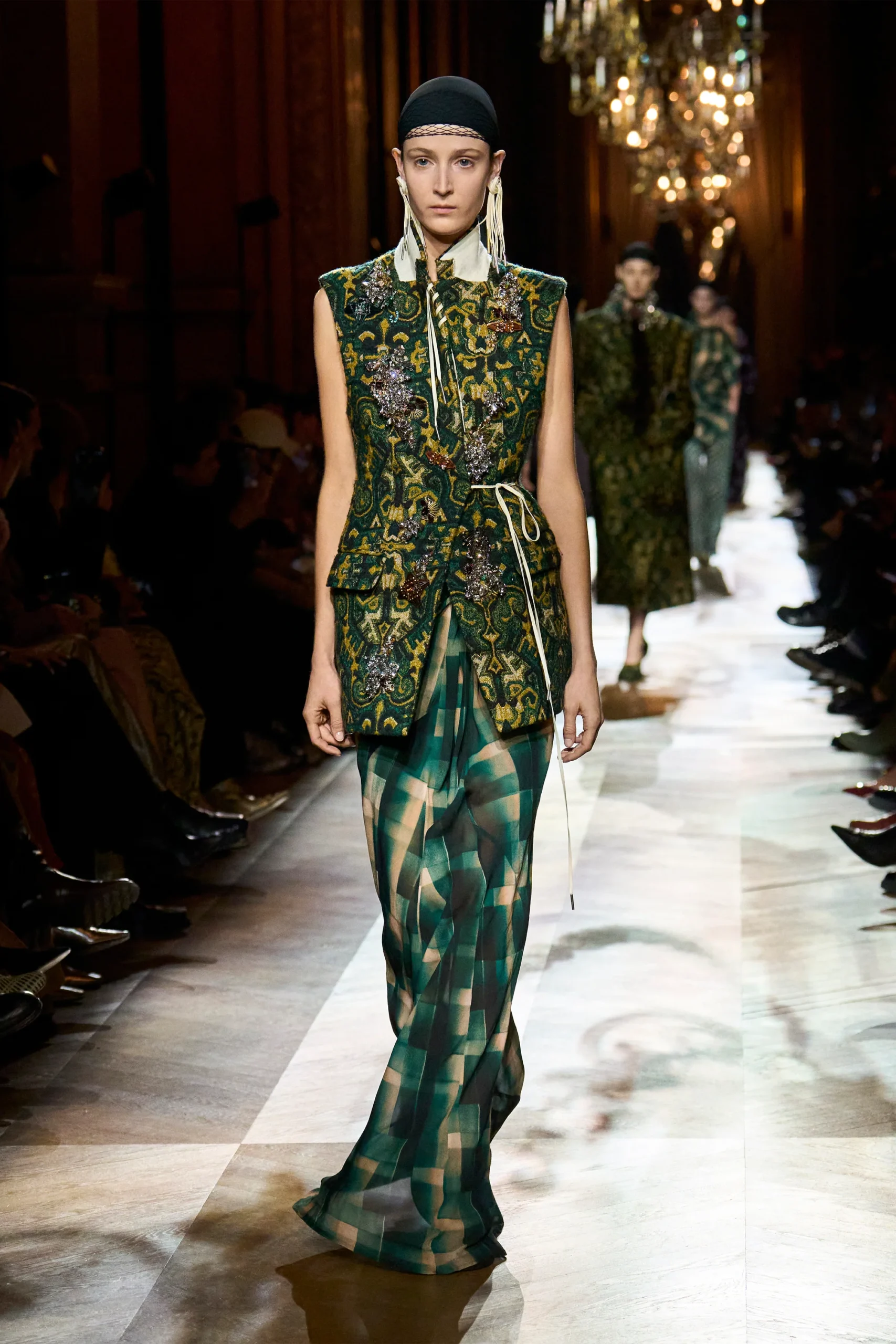
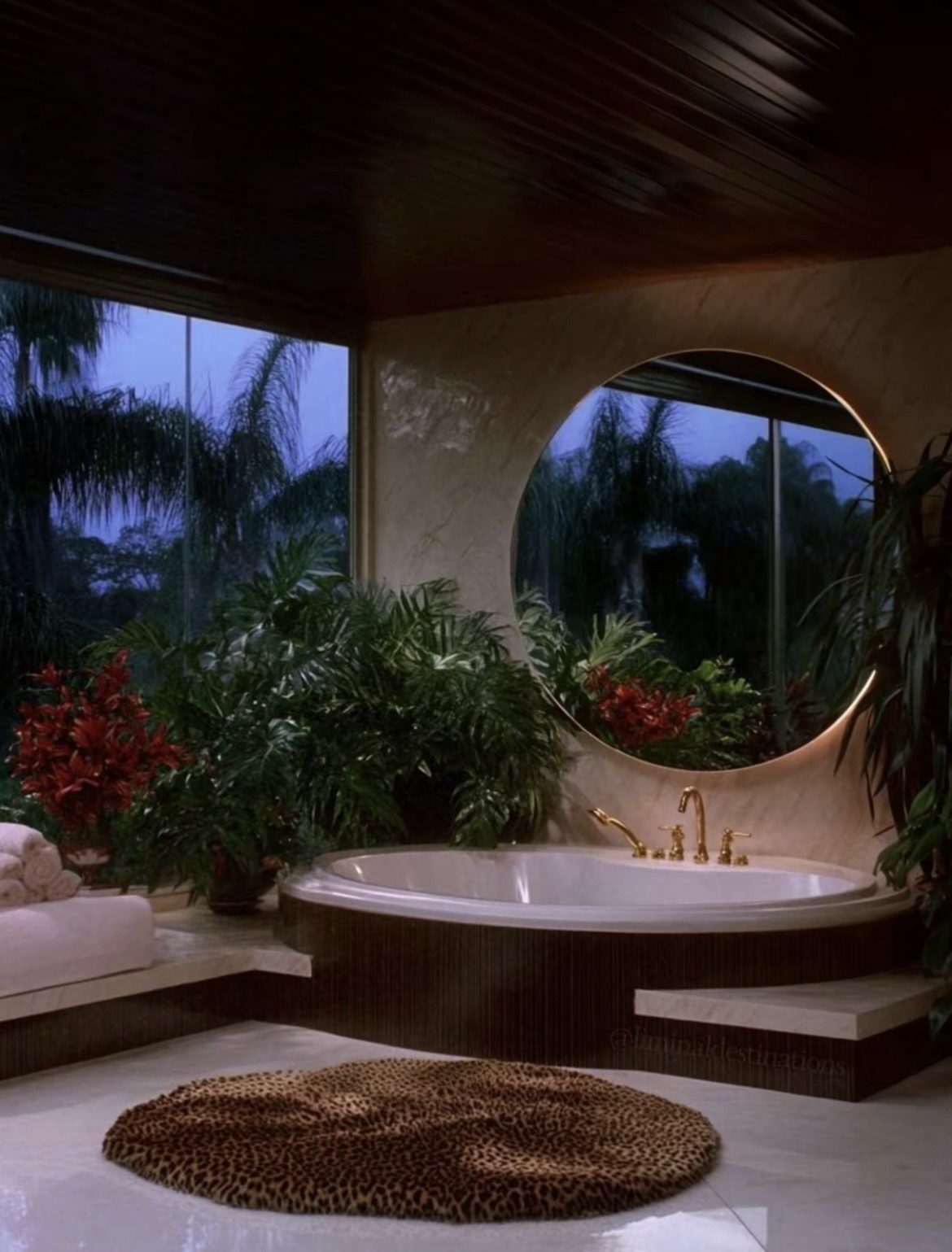
I cannot say I dislike this aesthetic, mostly because I am a big supporter of maximalism and minimalism makes me anxious. Why would you not want comfort and your own character in your personal space. But anyway, to each their own. Still, if you take a look at what is trending right now, it is clear that everyone wants to look old. Beauty products with ornaments, floral motifs that resemble old wallpaper, engravings that look like family crests. Deodorants and balms in jars that look as if you bought them in a Victorian apothecary rather than in a drugstore. Medieval references in fashion collections, like those at Dries Van Noten, where every piece looks as if it has its own chronicle and is directly inspired by some traditional costume. And interiors. Every furniture store now has a mood board full of patinated wood, raw textures, hand forged details and lamps that look as if they escaped from a Renaissance workshop. In this wave, brands are digging full speed into histories that may be real or may just be well written stories. Fonts return from past centuries, symbols from heraldry and religious art become desirable again, packaging looks like family artifacts. Craving for the past is turning into a common hashtag and spilling into everything, beauty, fashion, interiors and even the simplest soap packaging.
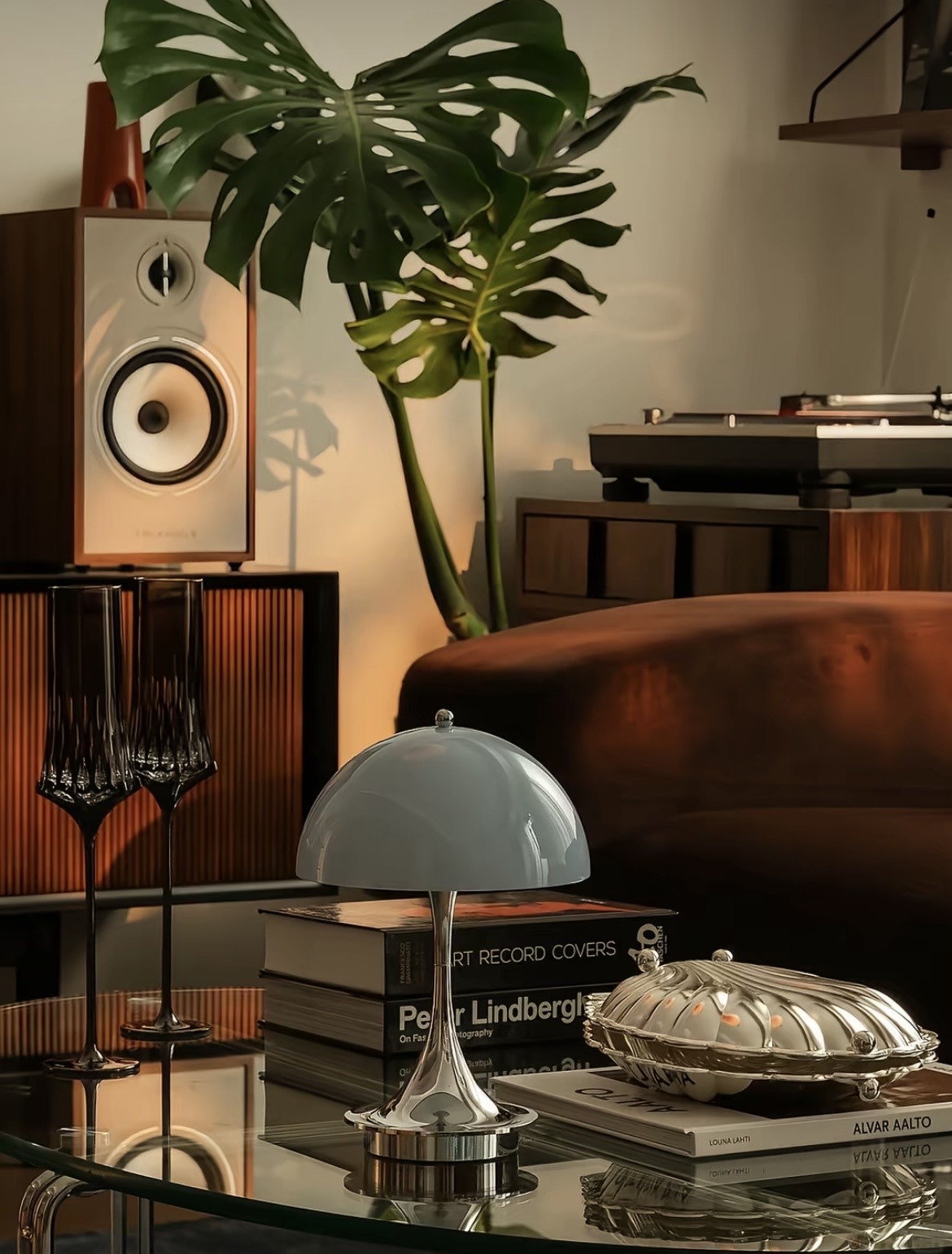
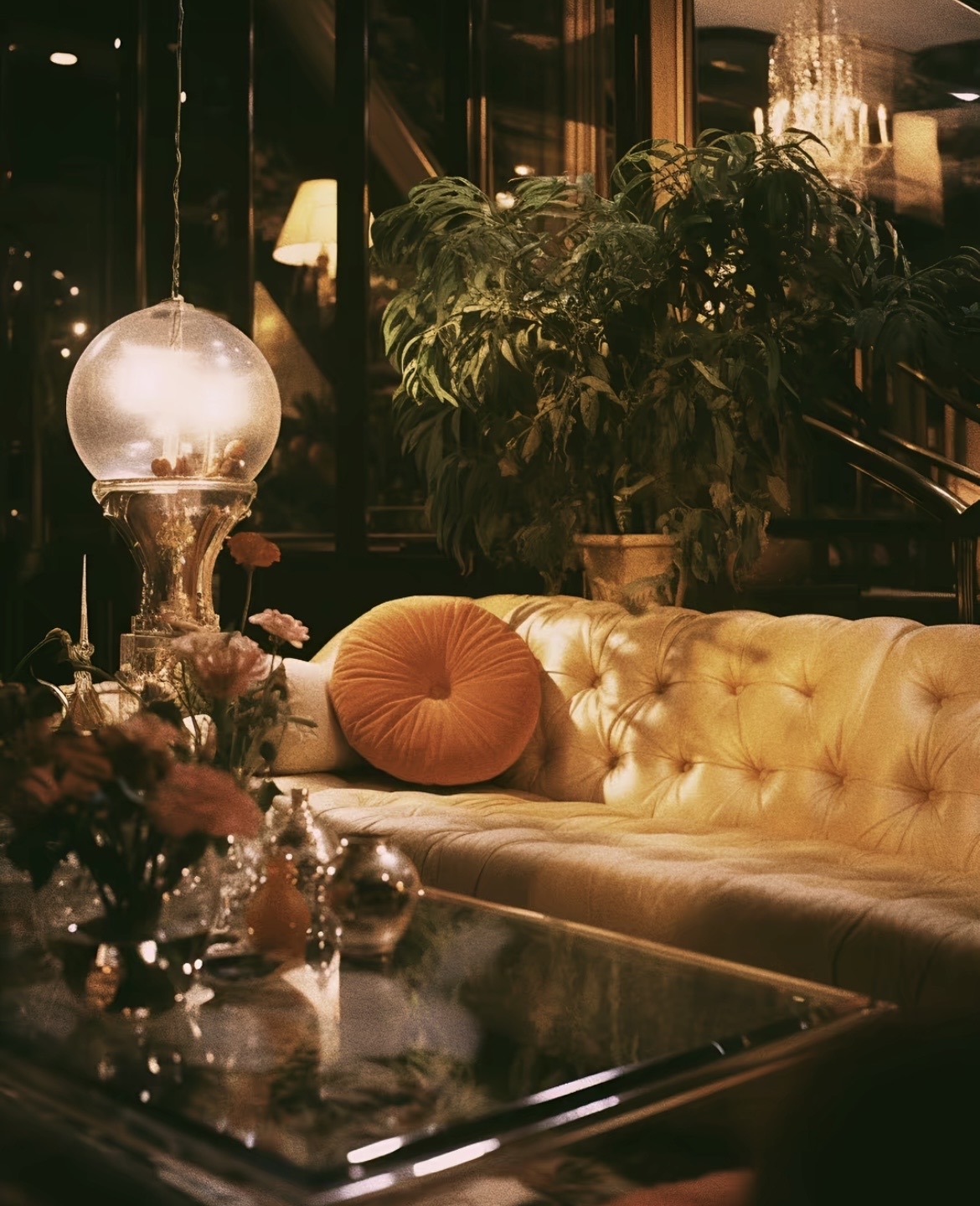
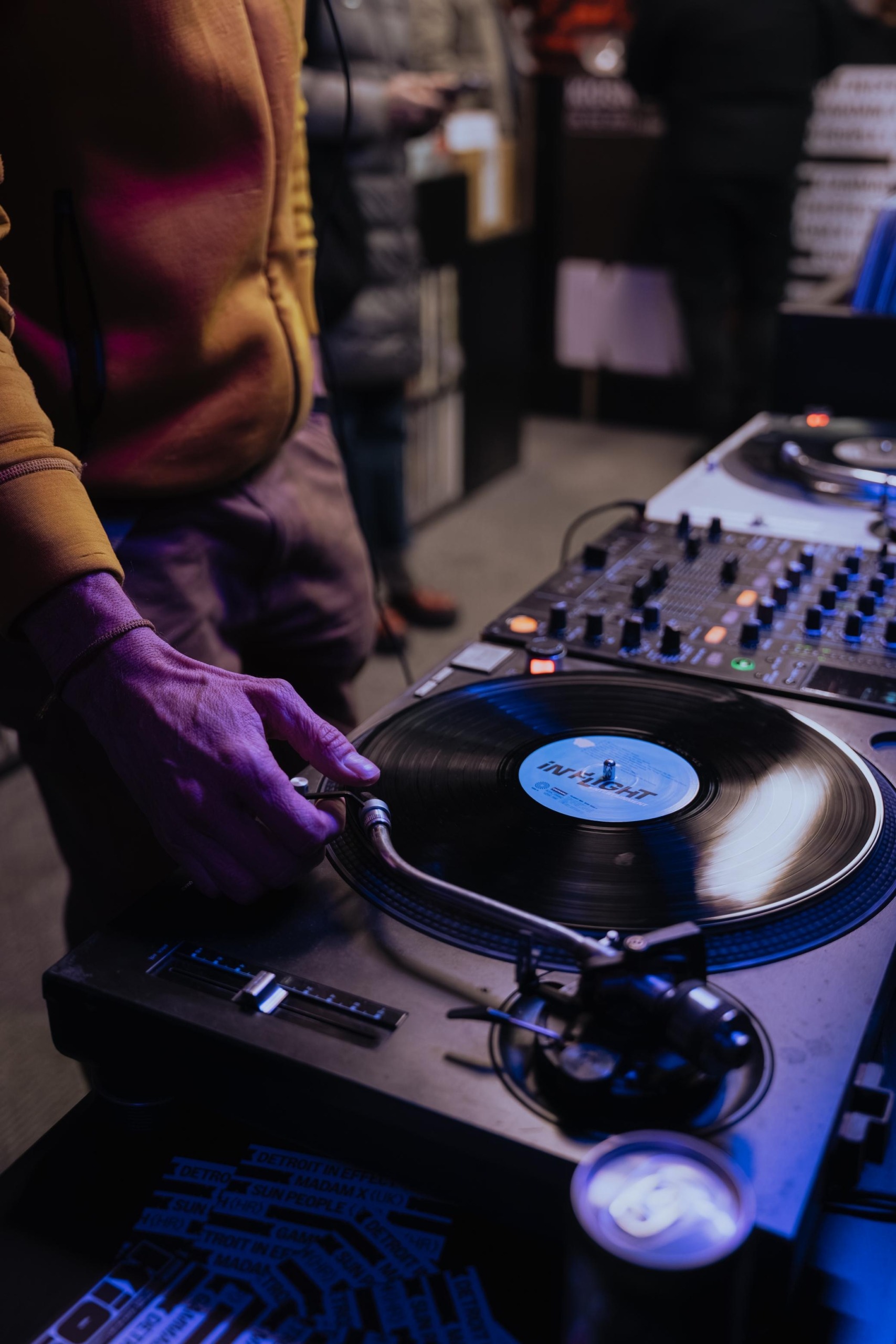
That is a completely valid question and the most obvious answer is digital fatigue. But if we scratch beneath the surface and ask what this mass hunger for the past really means, we might begin to understand all those people who annoyed us or still actively annoy us with their old soul narrative. Maybe it is actually a need to make ourselves tangible, to revive our interests, to give them character, to know that behind these products stands another person like us, someone who made a decision, made a mistake or felt uncertain. In the storm of what once was, for example, an obsession with pop music that alternative kids saw as too ordinary and bland while bombarding us with supposedly unique and forced interests, we can recognize a similarity with today’s turn away from trends, artificial intelligence and social media, only now on a global, almost mainstream level. And every time I think I am tired of seeing Canva templates, AI generated models, videos or products, I feel one step closer to the emos, rockers and other alternative groups I used to think were strange in high school. Maybe I am basic and all it took was for being alternative to become part of mainstream culture for me to finally see it.
Or maybe we have simply grown up. The question from the beginning keeps echoing in my head. Has aging finally become acceptable. If we crave patina, texture, traces of time so much, perhaps it means we are no longer running from the idea that things, including ourselves, go through phases. It seems this retro wave is not just an aesthetic whim or another trend but a desire to accept our own change, to acknowledge that lasting, which in theory opposes mass consumerism although that is a topic for another time, may still be better than mass production that does not consider its consumers. And if objects are allowed to look old, maybe we can finally stop hiding from it too. Long live aging.
In the end, the real conclusion is that the marketing behind this phenomenon is extremely successful and it is propaganda we have all completely fallen for.