The architecture of this house perfectly reflects how we should live today
Tina KovačićekOctober 12, 2025

October 12, 2025
Over the past few months, I have found myself inexplicably drawn to the idea of traveling to Japan. I am drawn to that slow, Zen side of Japan, hidden on islands, in quiet island museums, in the architecture of Tadao Ando, in shadows, leaves, in the silence revealed through the traditions of that country. I do not know whether it has to do with my age, or why Japanese calmness suits me so well, but I do not plan to stop. Perhaps that is why I have already written so many texts in praise of slow living, because we know that slowing down is something we constantly need to be reminded of. As a continuation of this, another architectural project found its way to me, Casa Tao.
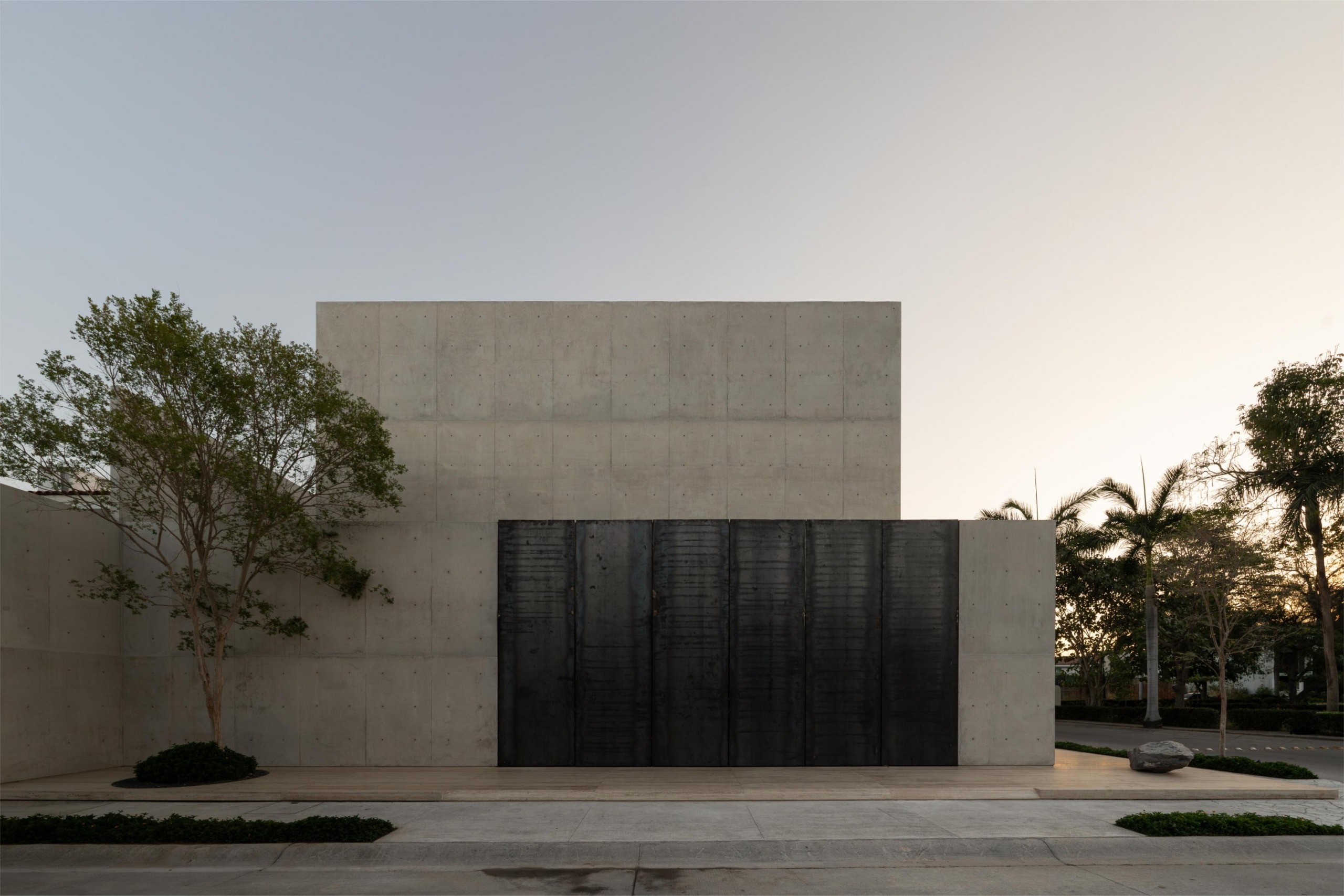
To start with, we are not going to Japan but to Mexico, which makes the luxury barefoot minimalism of this house even more precious. The opening sentence from the architects’ text won me over immediately: Some houses are not designed, they are remembered. That was the kind of introduction that pulled me in to discover the special story behind this family home. “Casa Tao did not emerge from a technical drawing, but from the quiet memory of those who inhabit it,” say the architects from the Mexican studio HW STUDIO, who completed it this year. “It is a house that does not seek to respond to an image, but to life. Or rather, to a way of living.”
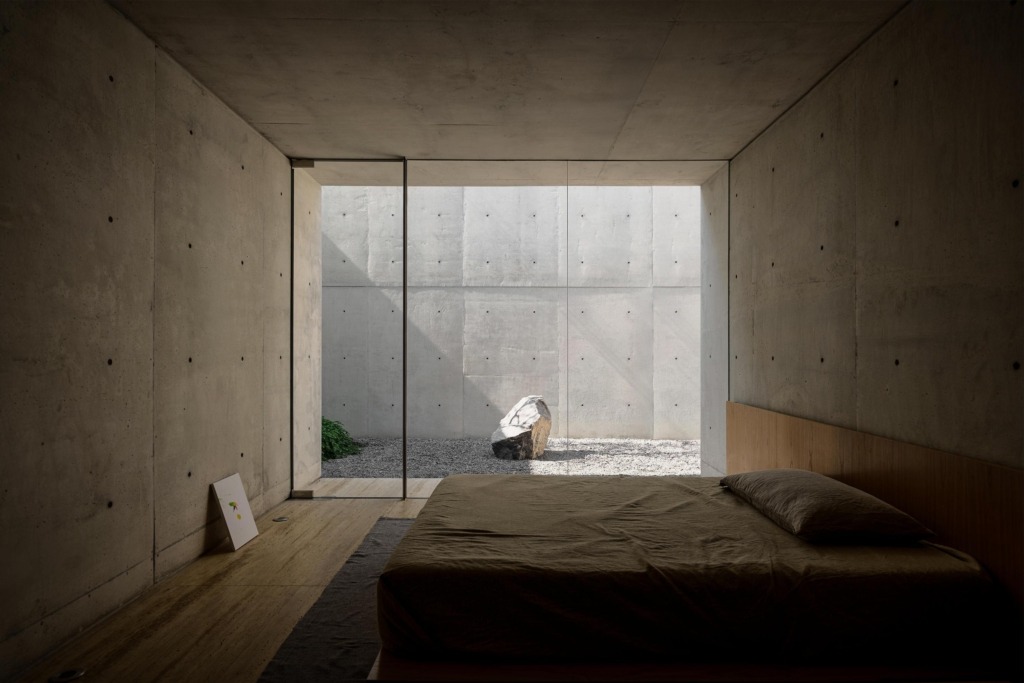
Photo: Tirso
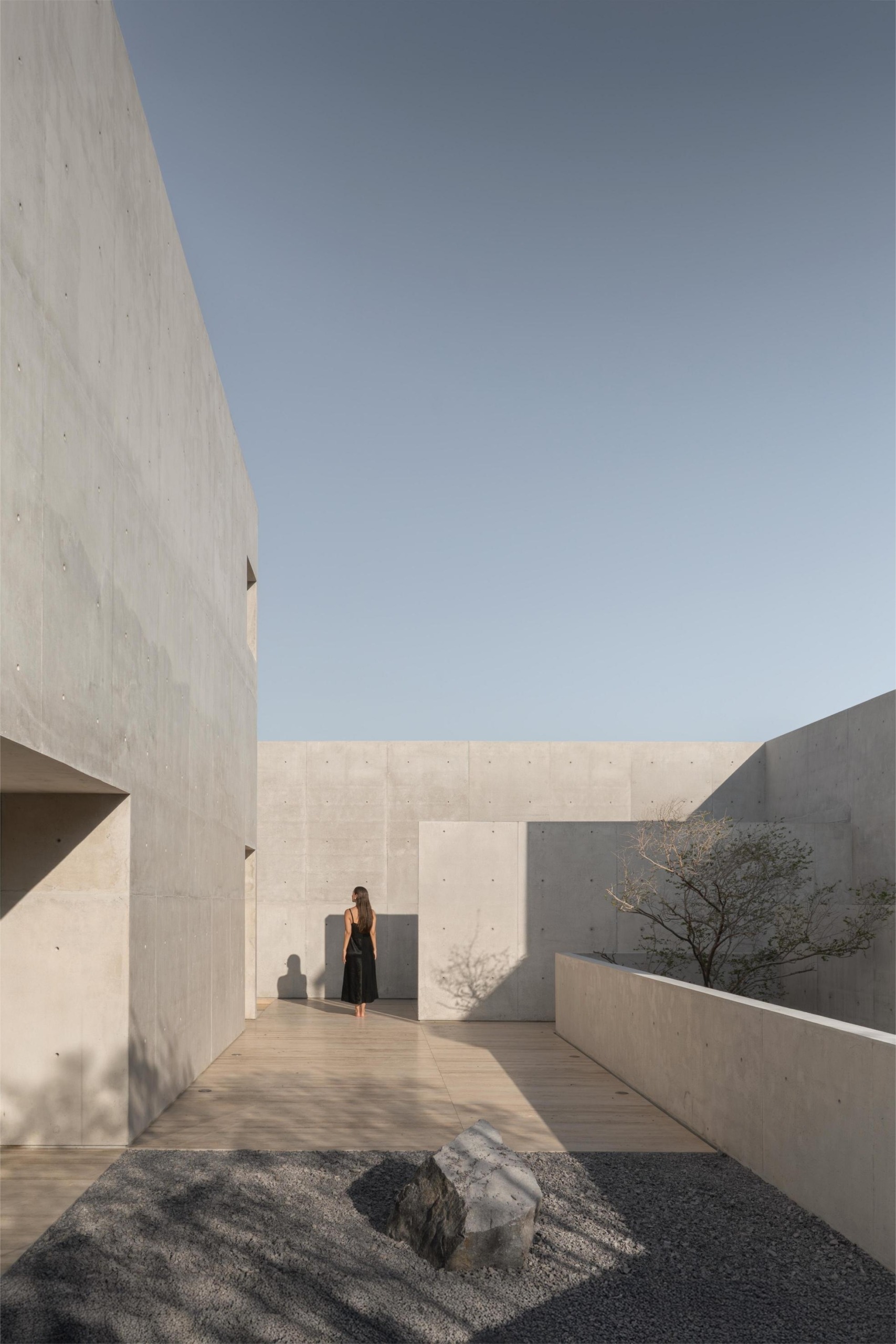
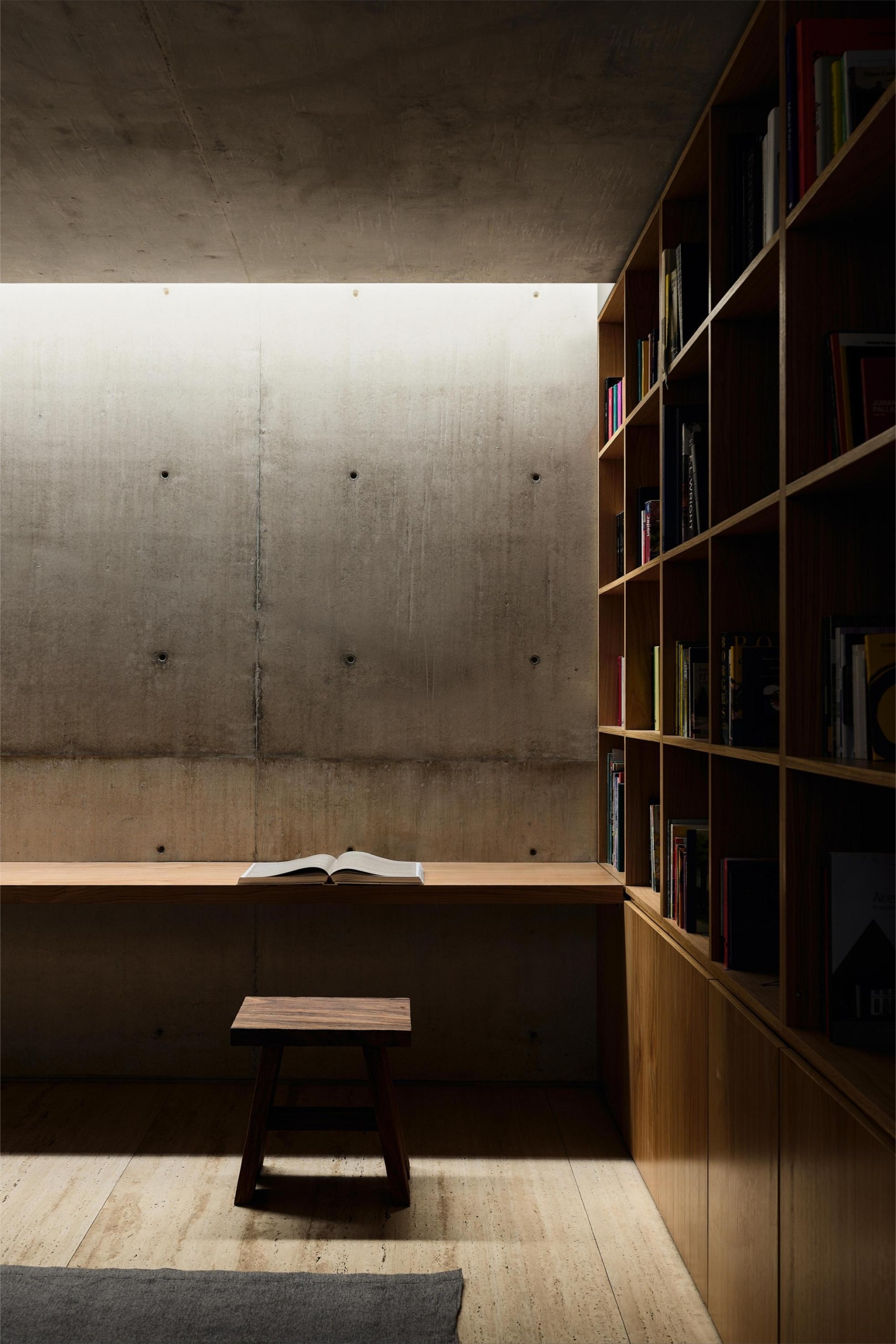
The house was built by Gustavo for his family in the town where he grew up, Puerto Vallarta, a place on Mexico’s Pacific coast where sun and humidity set the rhythm of the day, and shade is not an accident but a precious value, a true refuge. “From the very beginning, the house was meant to convey this need for shelter, seclusion, and coolness. The concept of shade here is understood not only as a physical phenomenon, but also as an emotional state, a promise of peace, breath, and quiet protection from the noisy world,” the architects write. Could it be more poetic? I do not think so. This house is the result of deeper aesthetic and cultural reflection. This is evident in the owner’s library, filled with special editions by authors such as Alberto Campo Baeza, Fan Ho, Tarkovsky. “The library reveals an affinity for formal clarity, basic geometry, and quiet courtyards that converse with emptiness and light. Talking with him means immersing yourself in a worldview that is open, deeply sensitive, yet precise,” the architects say of the owner, who has broad knowledge of philosophy, architecture, music, and photography. “One gets the impression that there is little he does not know,” they add, highlighting the reasons why the house feels deeply considered, and cinematic.
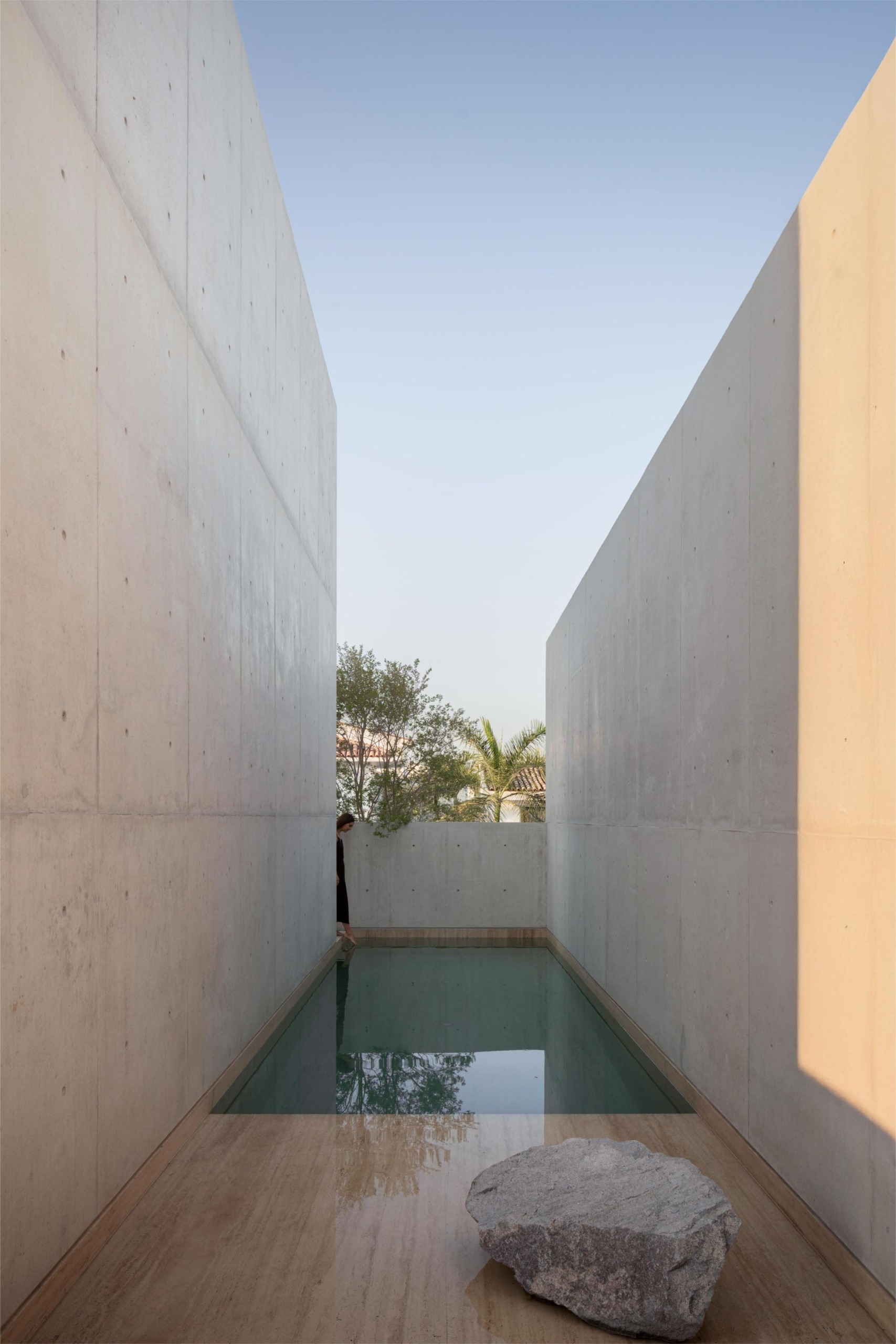
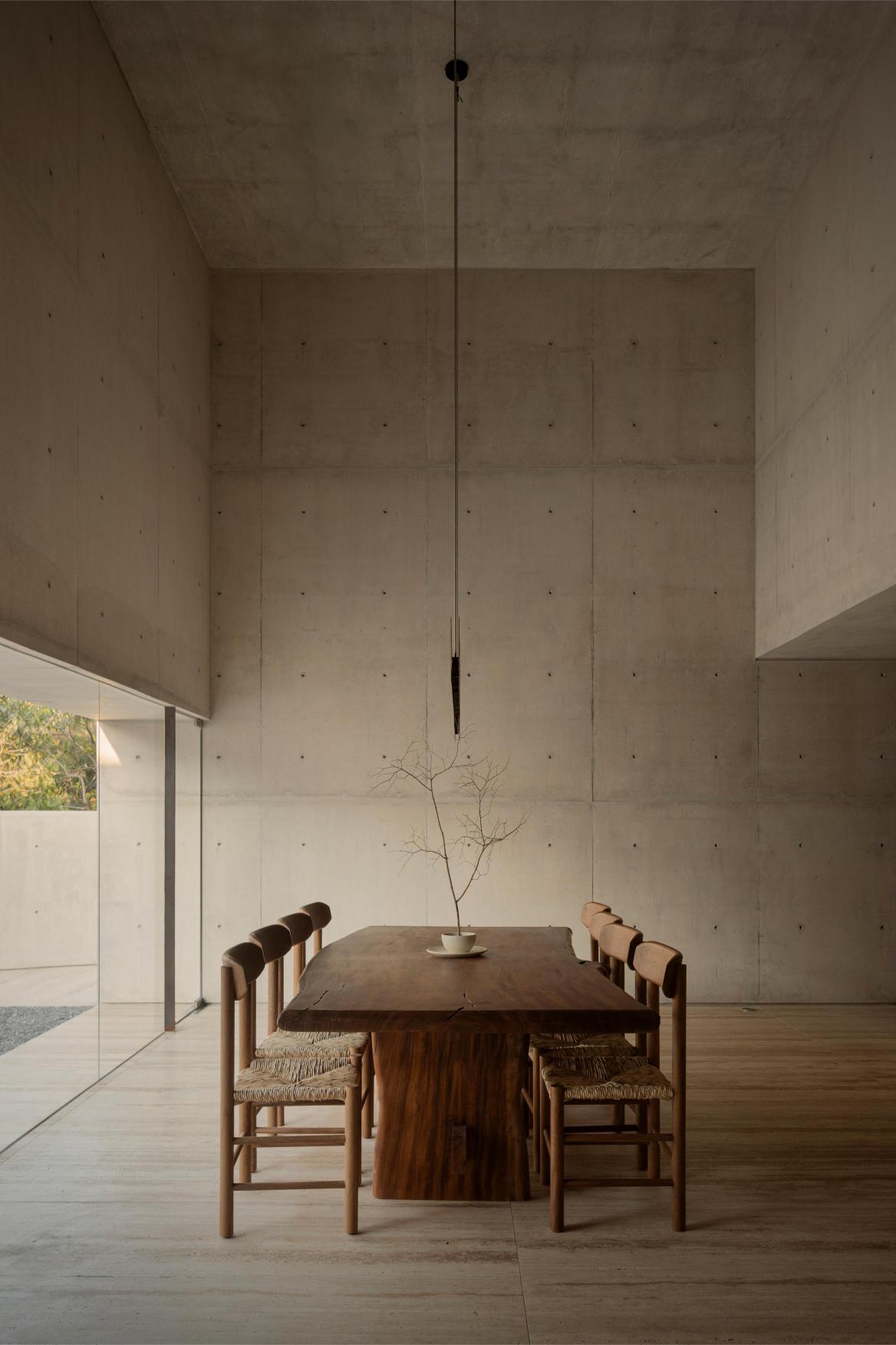
Where does such a fascination with silence, simple lines, and shadows come from in Mexico, you might ask? Gustavo and his wife Cynthia, together with their two daughters Mila and Anto, took their first trip abroad to Japan. That journey left an indelible mark on their imagination: the aesthetics of emptiness, compositional purity, the calm contained in every architectural gesture. With a smile, they said: “We would like to feel as if we are living inside a Japanese museum.” But they did not mean the museum as an institution, rather that type of space where time slows down, where light gently filters in, where silence becomes tangible. And indeed, this house is a museum, a place where you do not know whether you should simply sit and observe, or cook something. In any case, whatever you do, you do it slowly, calmly, grounded. Casa Tao therefore perfectly reflects how we want to live today.
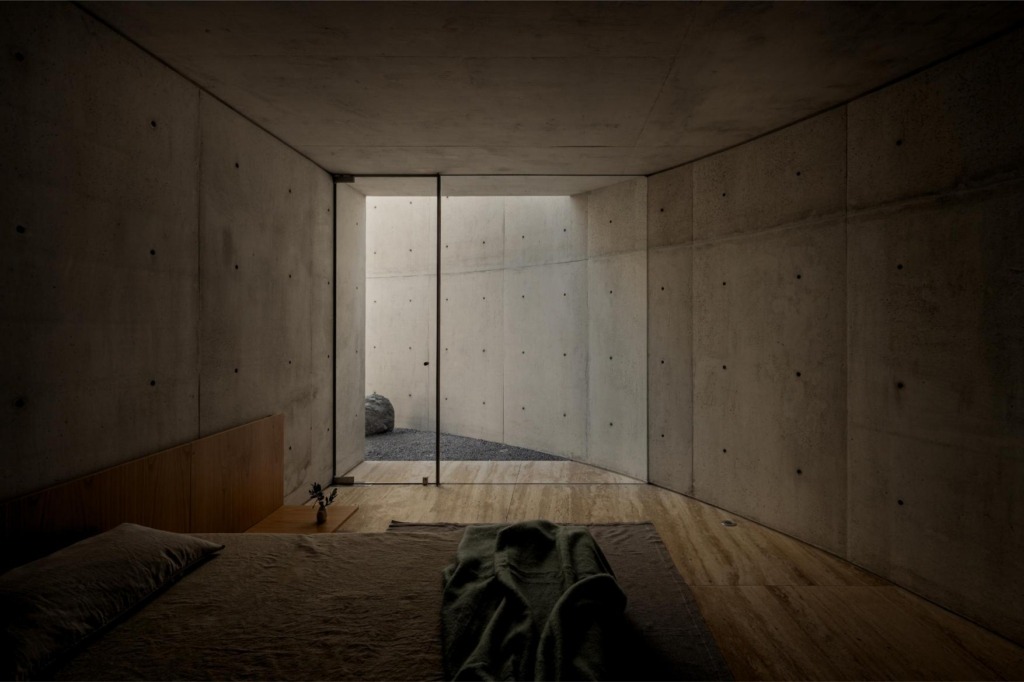
Photo: Cesar Bello
The architects avoided glass surfaces that would intensify the heat. “Instead, we proposed an oblique, angled orientation that allows the presence of the square to be felt without being fully exposed to the harsh sun.” The bedrooms are organized around a courtyard, seeking silence and air. “Here, intimacy is expressed through enclosure, not as captivity, but as an inner world. The curved wall gently receives the visitor, signaling welcome, while wood greets you like a floral arrangement.”
Photo: Gustavo
The house does not look toward the neighborhood; it turns inward, like someone seeking shelter. Yet it does not close itself off. It opens toward the sky, shade, and the square. “Everything is arranged so that life flows more slowly, more fully, more open to the invisible,” the architects explain. The materiality is inevitably tactile and sensory. The whiteness dazzles under the coastal sun, while concrete, heavy and honest, absorbs light with gentleness. “It is concrete that becomes warm through use and time. In this material, light does not bounce back; it settles.”
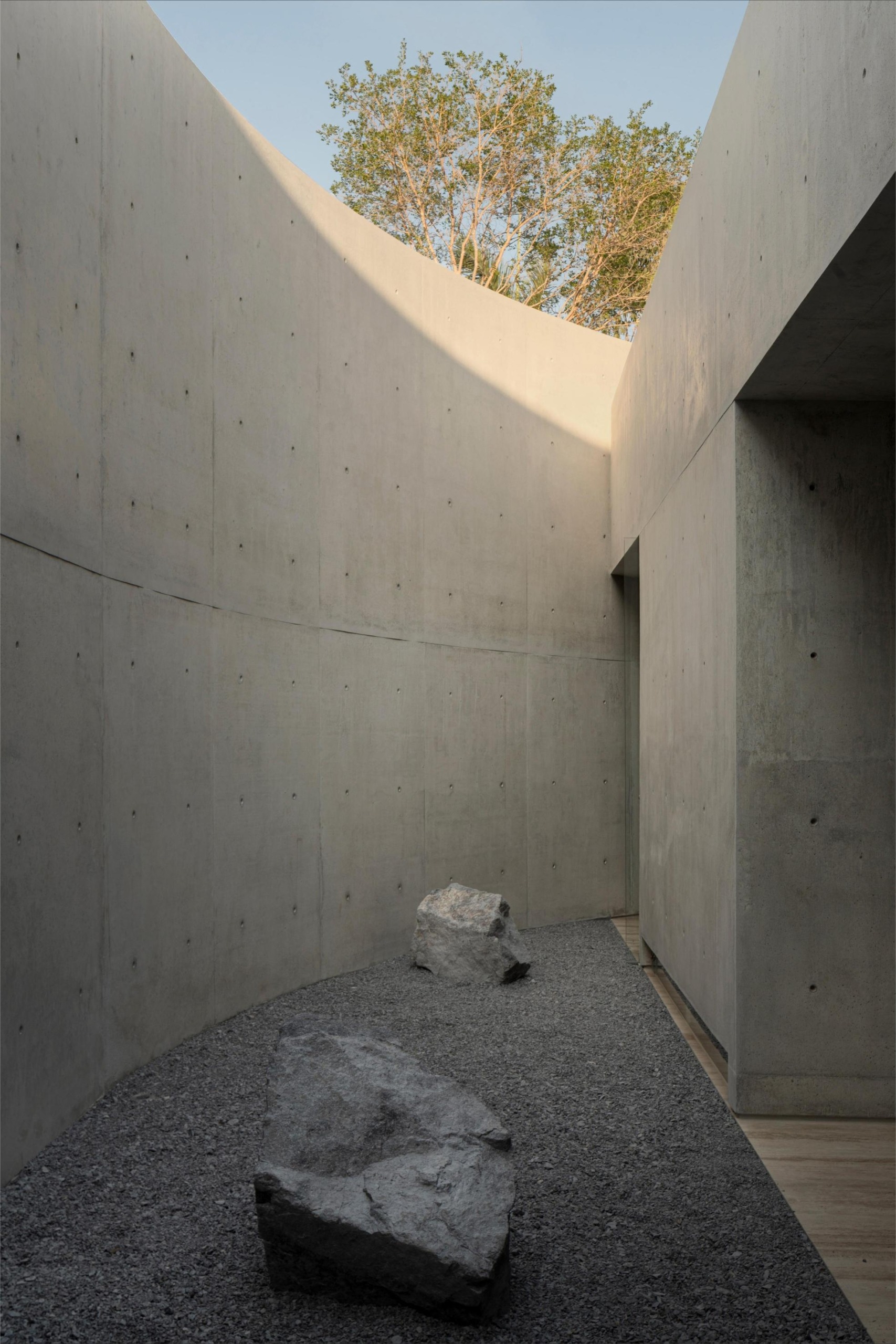
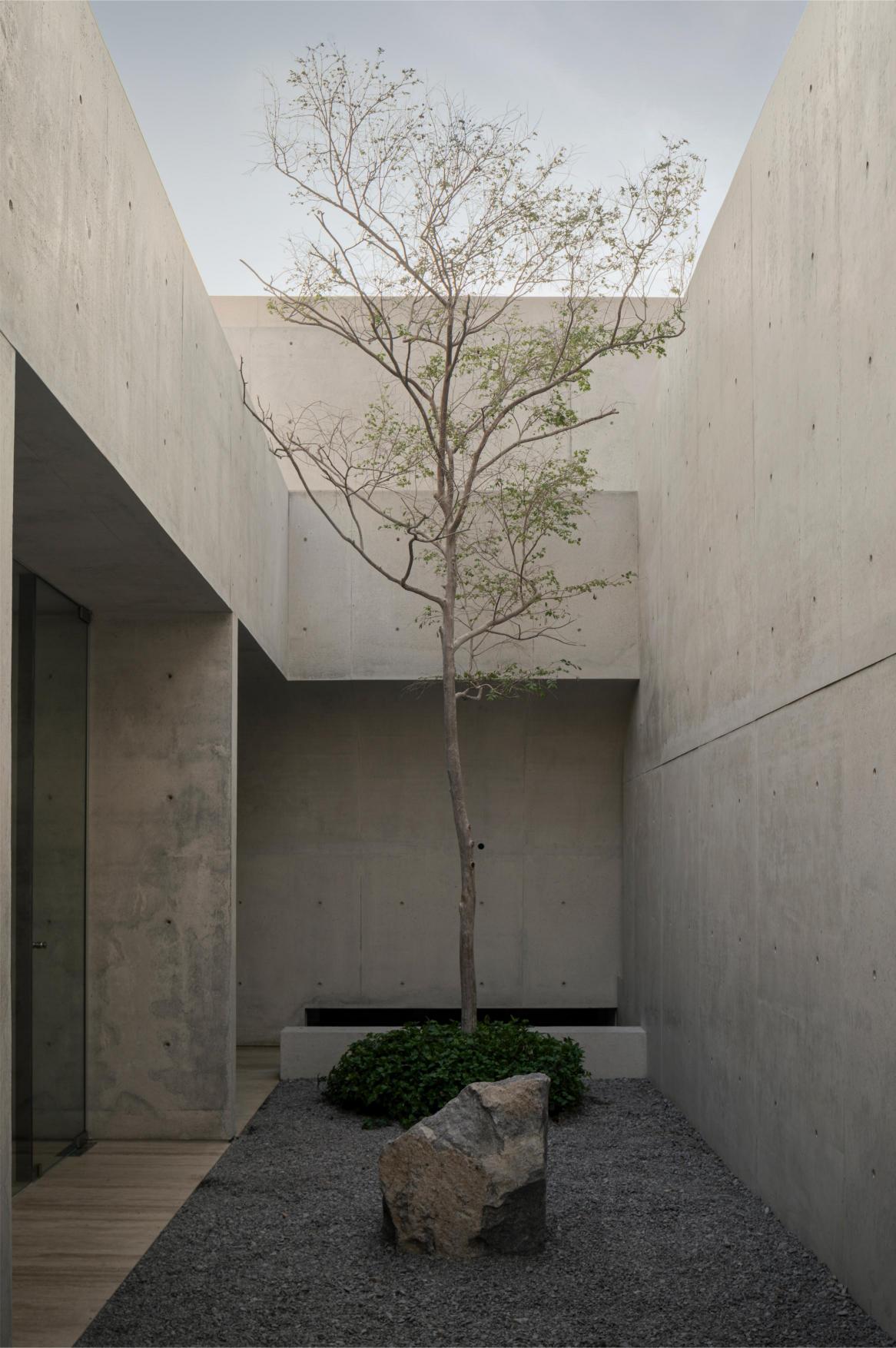
Casa Tao is, ultimately, architecture born from the desire to inhabit the world with greater care. “It is a house that discreetly withdraws and offers its spaces as atmospheres for contemplation and memory. Within it, dwelling becomes a form of study, rest, and gratitude. Every corner invites you to stay, not to pass through, and every shadow is a promise of well-being,” the architects conclude.