13 artists I discovered in 2025 that truly blew me away
Bojana JovanovićDecember 30, 2025

The very end of the year has arrived, and I am still not quite sure how to feel about it, but one thing I do know is that there has never been a year that passed faster for me than this one. So much happened that most of the time I felt as if I were stuck on a carousel that had been switched on, with someone gifting me an unlimited number of free rides, and whenever I wished to reach solid ground, the amusement park staff were, by some strange coincidence, always on a smoke break. And so, trapped on the merciless merry-go-round of life in 2025, I was forced to process all information with heightened senses. Art is certainly a major part of my life, and almost everything revolves around some form of art (it seems that this year everything has been spinning, pun intended), but it feels as though, in these 365 days, I managed to discover more new artists than ever before, or perhaps I simply remembered them more vividly. All in all, the photo gallery on my phone is filled with countless screenshots of artists’ works that I came across while mindlessly scrolling, or photographs I captured during my travels on one of many museum visits, all mixed in with the other mundane content of my everyday life. Below, I present 13 artists who were not on my radar until this year. Fasten your seatbelts, the ride is about to begin!
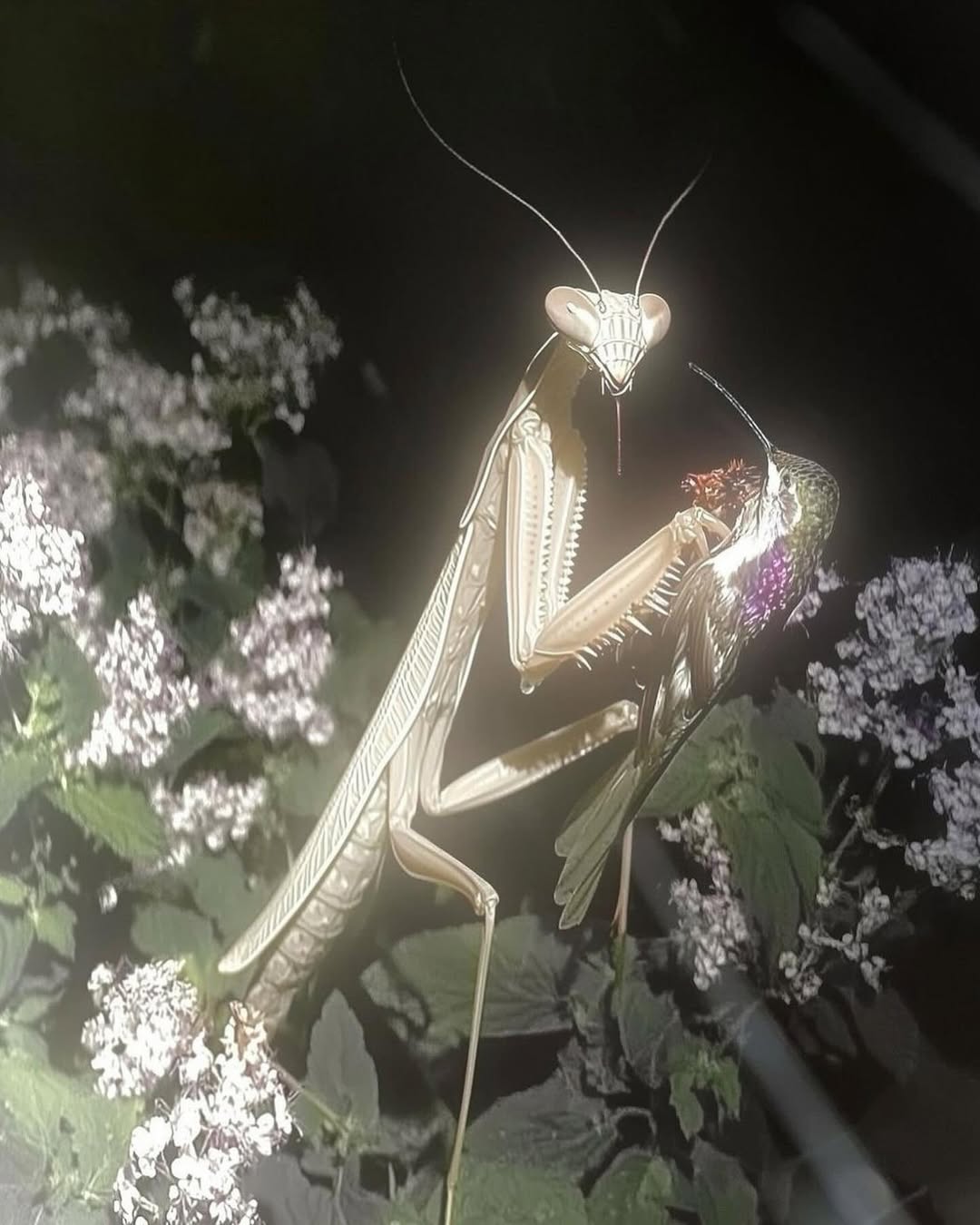
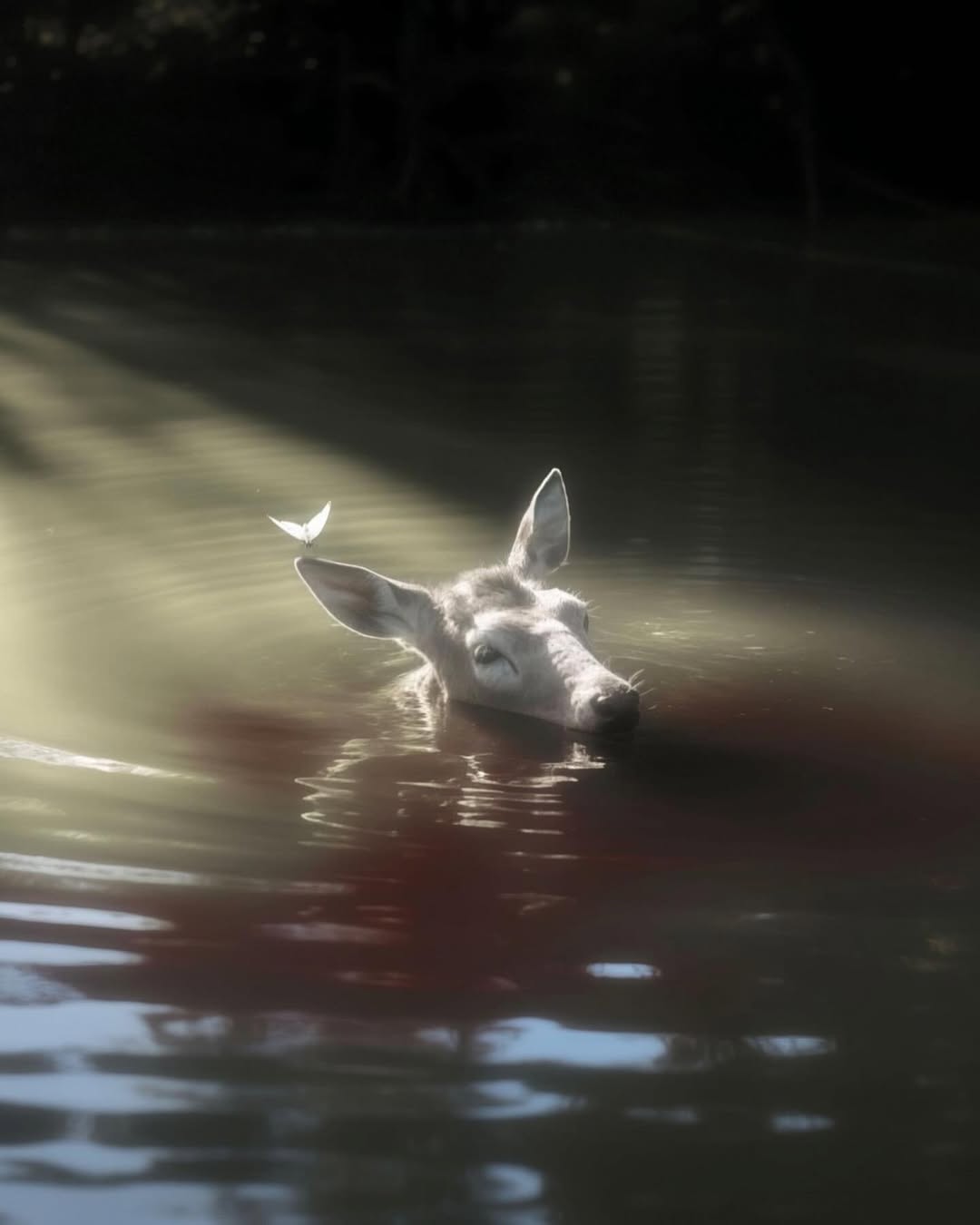
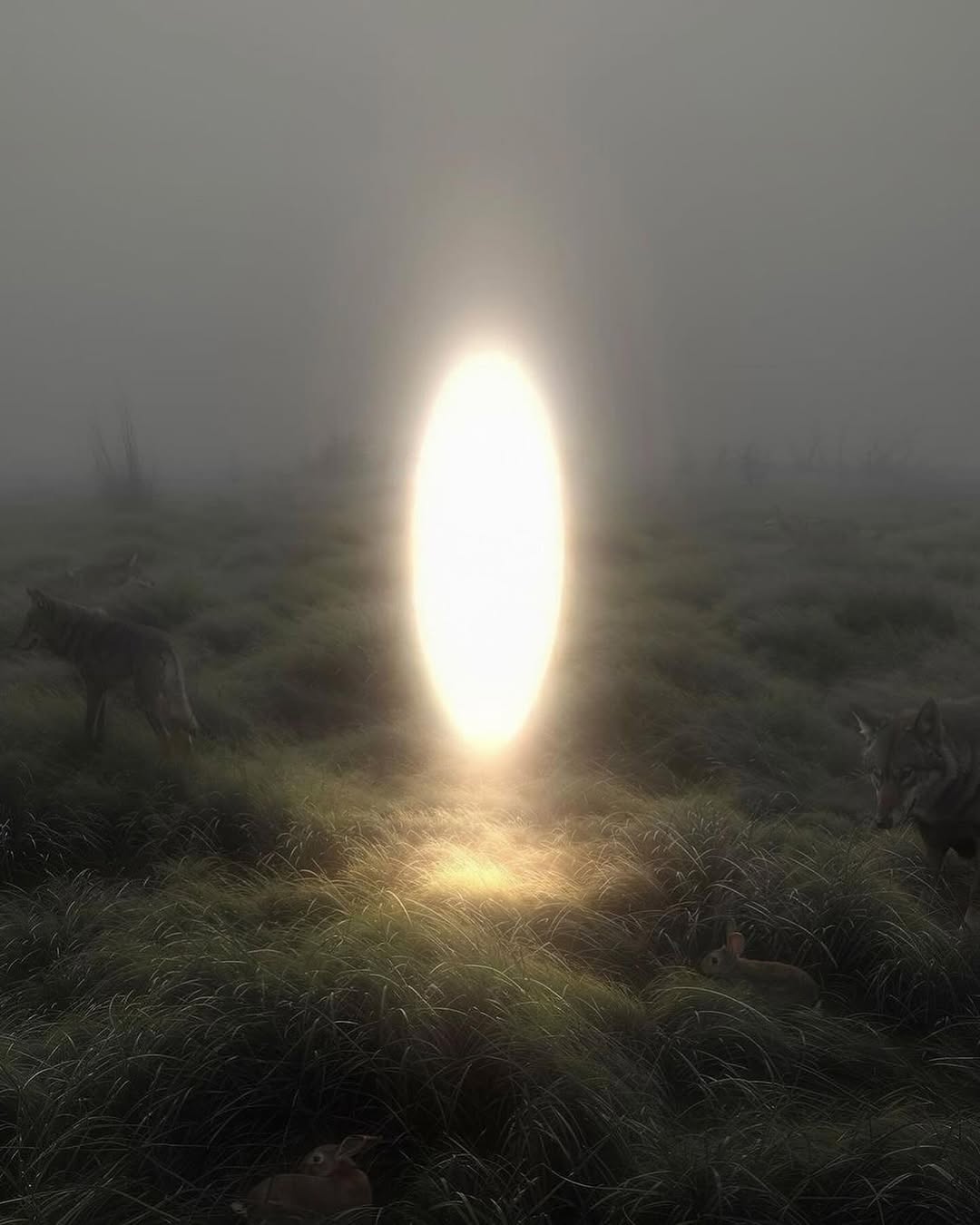
Female Pentimento, also known as Nathaniel, is a contemporary artist working at the intersection of photography and digital image manipulation. Her practice is based on altering existing photographic scenes, most often landscapes and fragments of the body, which she subtly displaces from the realm of the recognizable during post-production. Rather than embracing overt fiction, her work remains rooted in the real, yet quietly destabilizes it, calling into question the idea of photography as an objective medium and a reliable witness to reality. She is one of the artists I discovered relatively recently, and whose aesthetic immediately drew me in. Precisely because I believe that media such as photography and painting are, to a large extent, exhausted within contemporary art, it seems to me that only through this kind of expression and poetics can they still make sense and remain relevant within today’s artistic currents.
Related: Daniel Tomičić on Croatian artists to watch in 2026 and how to invest wisely
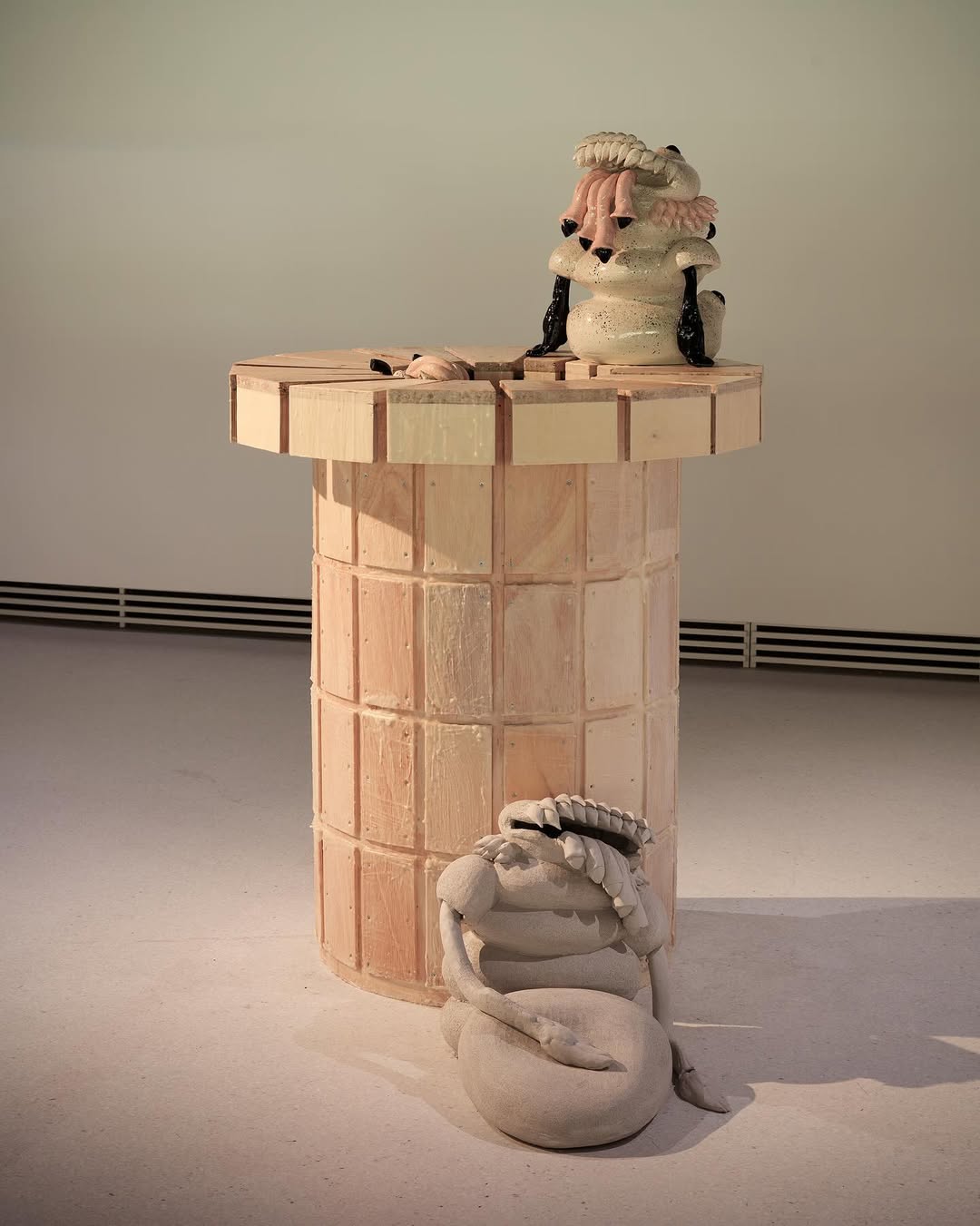
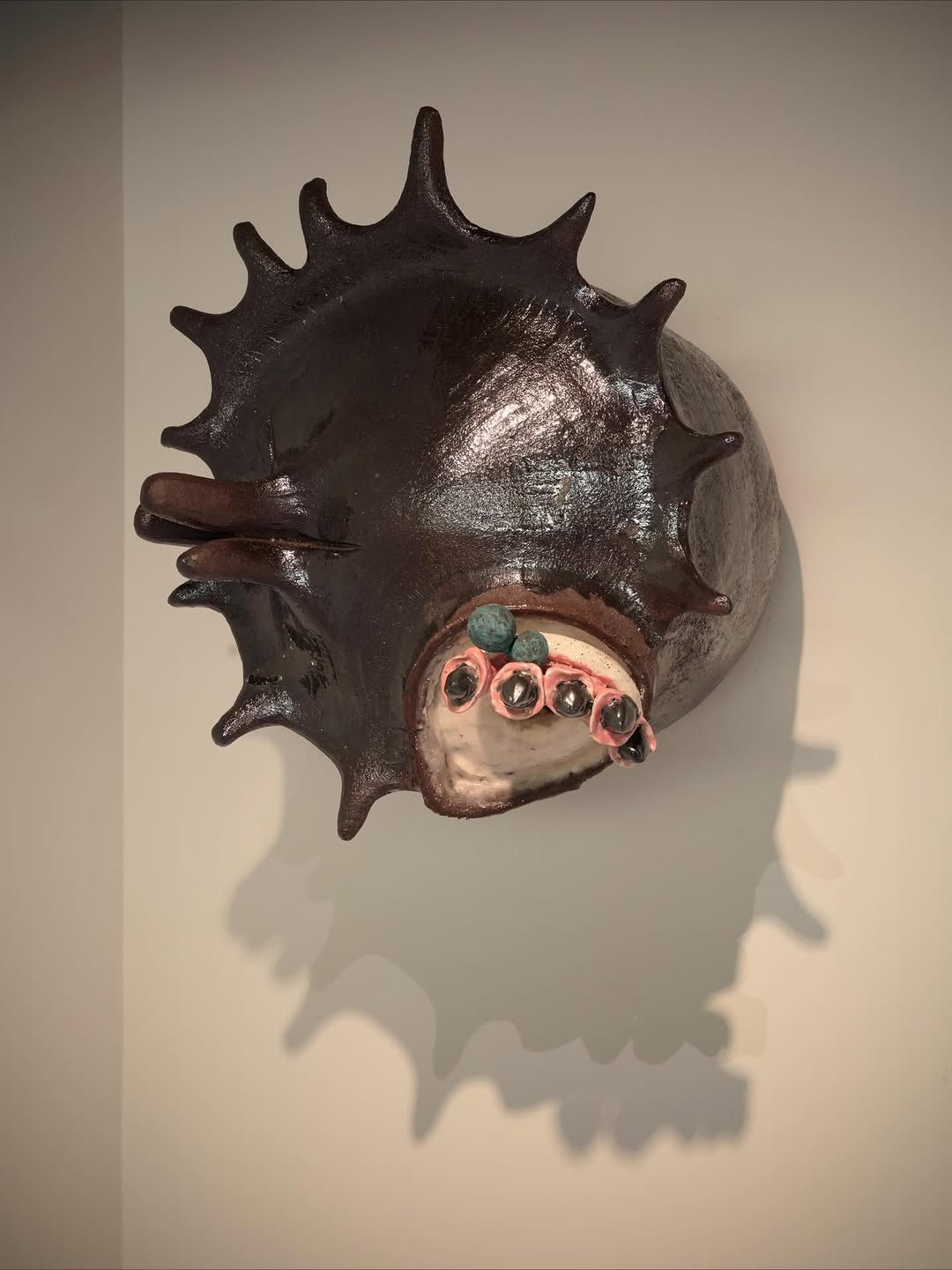
Francisco Trêpa is a contemporary Portuguese artist whose practice is primarily connected to sculpture and ceramics. His work often starts from biological and ecological processes, with a particular focus on parasitism, symbiosis, and relationships of dependency between organisms. He uses ceramics as a material that enables a slow, almost organic process of form-making, with sculptures that often resemble hybrid bodies, growths, or structures that appear to be in a constant state of transformation. I first encountered his work through the theme of parasitism, which is one of my favorite conceptual frameworks. Although ceramics as a medium have never been especially close to me, artists like Francisco Trêpa always make my day better. His work shows how certain media can suddenly become relevant and personal when they serve ideas that resonate with us and are clearly articulated.
Delcy Morelos is a Colombian artist born in 1967, known for monumental spatial installations that she uses as a means of reflecting on land, the body, memory, and the colonial history of Latin America. Her practice often involves natural materials such as earth, clay, brick, spices, and plant pigments, which she places directly into the exhibition space, creating works that are not only seen but physically experienced through scent, texture, and movement. Morelos has exhibited at major international events and institutions, including Tate Modern and the Venice Biennale. I love large-scale spatial installations, but when I say that, I mean it very seriously and with strict criteria. Delcy Morelos not only meets them, but pushes them further with her work. Her installations carry weight, meaning, and intensity that transform space into a singular experience.
Delcy Morelos – El espacio vientre, MUAC Museo Universitario Arte Contemporáneo
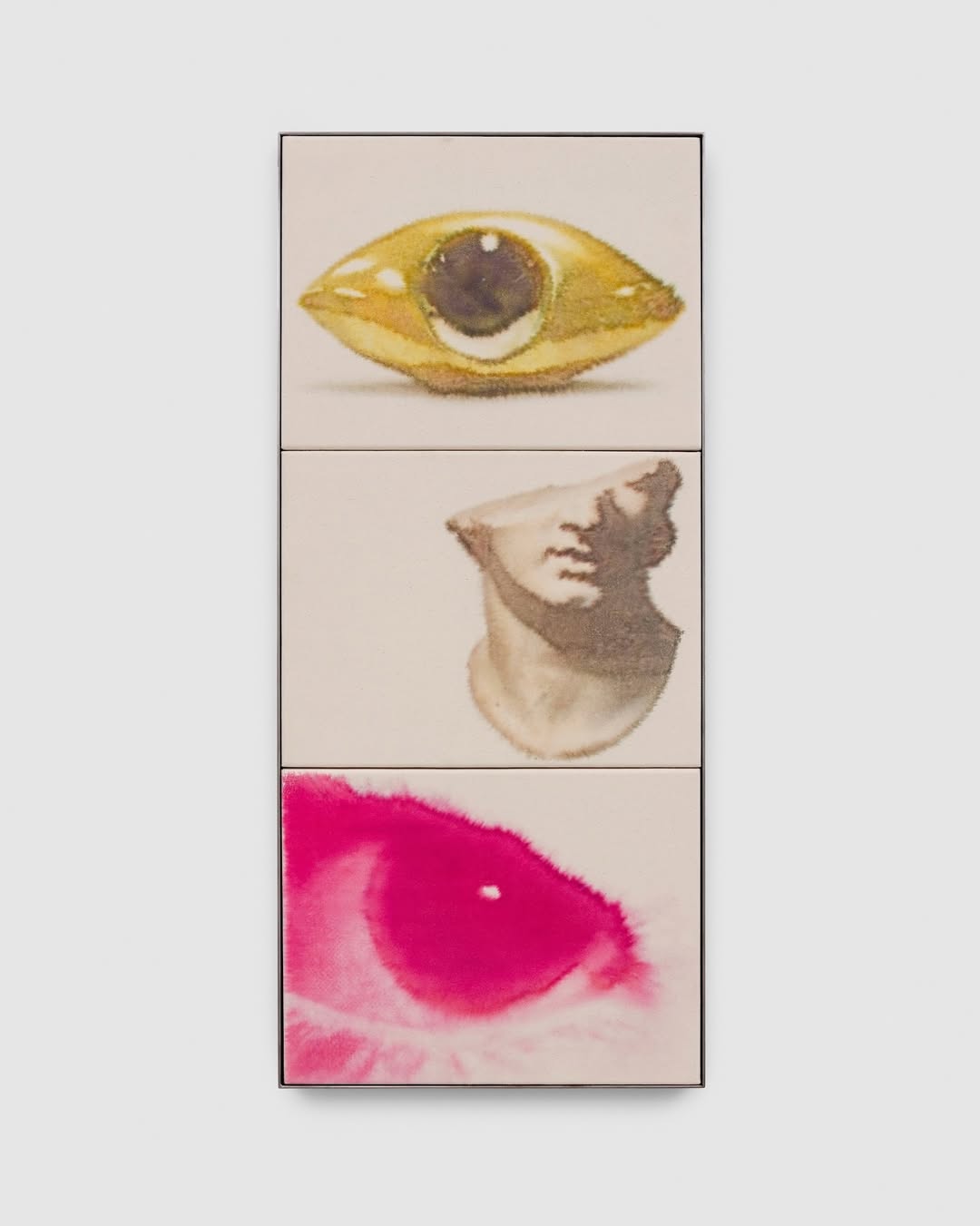
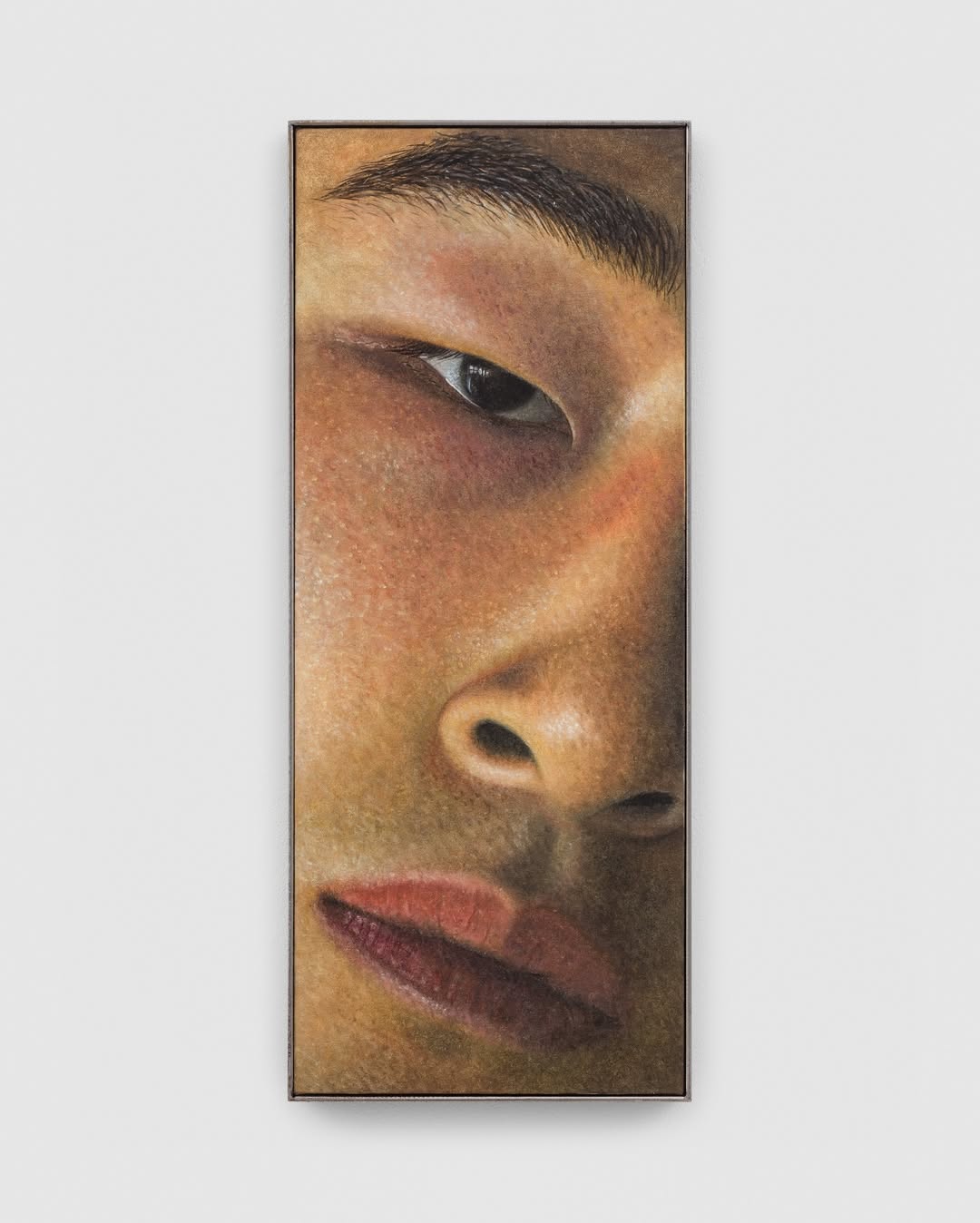
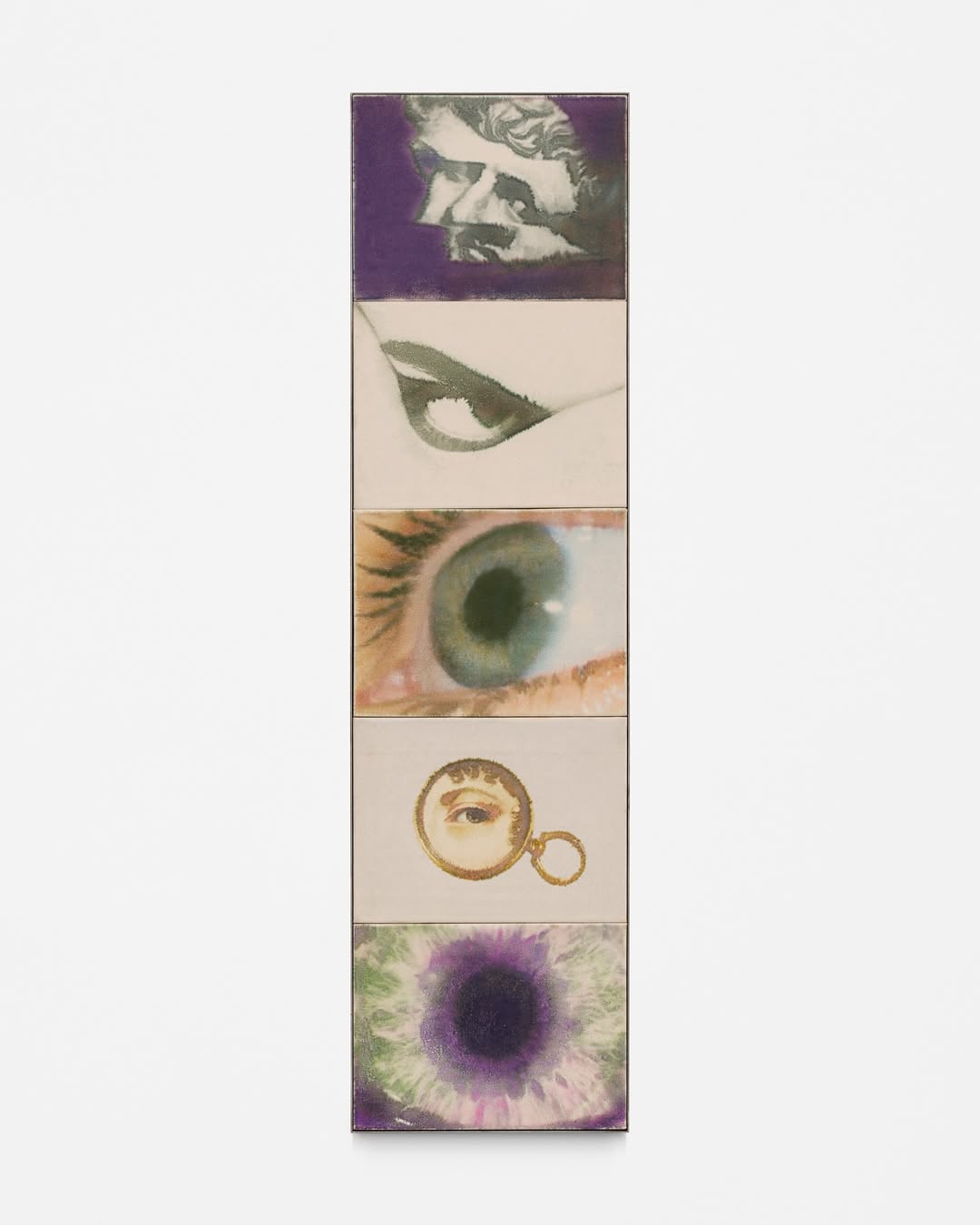
Sang Woo Kim is a contemporary Korean artist whose practice moves between sculpture, installation, and visual storytelling. His works often use figural elements, architectural fragments, and precisely composed details to construct scenes that feel like film stills or frozen frames from a narrative that is never fully told. Kim explores themes of everyday life, intimacy, and quiet psychological tension, relying more on atmosphere and rhythm than on explicit storytelling. I first saw his work at Milan Art Week, in a small, somewhat tucked-away section of a space occupied by a Swiss gallery. Among thousands of works, his stood out and immediately caught my eye. Through details and almost cinematic scenes, Sang Woo Kim builds narratives that slowly open themselves to the viewer, leaving room for personal interpretation and lingering.
Related: A day in Shanghai with Wallace Chan, the artist redefining what jewellery can be
Giampaolo Bertozzi and Stefano Dal Monte Casoni are Italian artists who have been working as an authorial duo under the name Bertozzi & Casoni since the 1980s. Their practice is rooted in hyperrealistic ceramics, through which they create complex sculptural compositions filled with detail. They most often engage with motifs of food, waste, still lifes, and objects of everyday consumption, using them as a field for reflection on transience, death, hyperproduction, and contemporary consumer society. Although technically extremely precise, their works carry a strong critical and symbolic dimension. I also first saw their work at Milan Art Week, and it left a powerful impression. Themes of food, decay, and hyper-consumerism have particularly interested me in recent years, both theoretically and within artistic practices, and Bertozzi & Casoni manage to unite these themes in works that are simultaneously seductive and deeply unsettling.
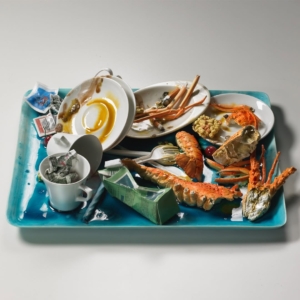
@bertozziecasoni
Katherine Bradford is an American painter born in 1942 in New York. Her practice is tied to figurative painting, yet stripped of classical narrative and realistic precision. She often paints solitary swimmers, boats, figures in motion, or floating in undefined space, using vivid colors, flat surfaces, and deliberately simplified forms. Her works have been exhibited in institutions such as MoMA and the Whitney Museum, and she participated in the Whitney Biennial in 2014. For painting to leave a mark on me, it has to function like the weather. Like rain that soaks me, like fog that limits my vision, or like wind that blows away everything superfluous. Contemporary painting, for me, must exist beyond the medium itself. I have only seen one of Katherine Bradford’s paintings in person, but that was enough to recognize something wild and powerfully atmospheric in her work.
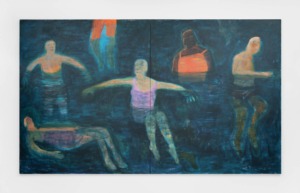
Katherine Bradford, In The Lake, 2023, acrylic on canvas, 80 x 136 inches
Pierre Bonnard was a French painter born in 1867, one of the key representatives of post-impressionism and a member of the group Les Nabis. His work is marked by intimate scenes from everyday life, interiors, nudes, landscapes, and strong, often unconventional color palettes. Bonnard painted from memory rather than directly from his subjects, which gives his works a specific atmosphere of displaced time and subjective perception. Animals occupy a special place in his oeuvre, particularly cats, which appear as equal actors within the scene, with clear character and presence.
I enjoy discovering artists within already canonized movements such as impressionism and post-impressionism, especially since this is not my primary field of interest. I encountered Bonnard through works I saw in Paris, and his way of painting animals, especially cats, which are my favorites, placed him among my favorite painters of the late 19th century.
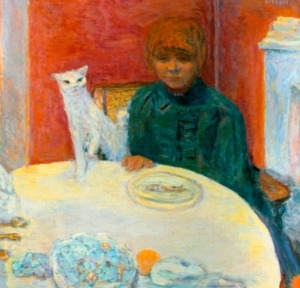
Pierre Bonnard, Getty images
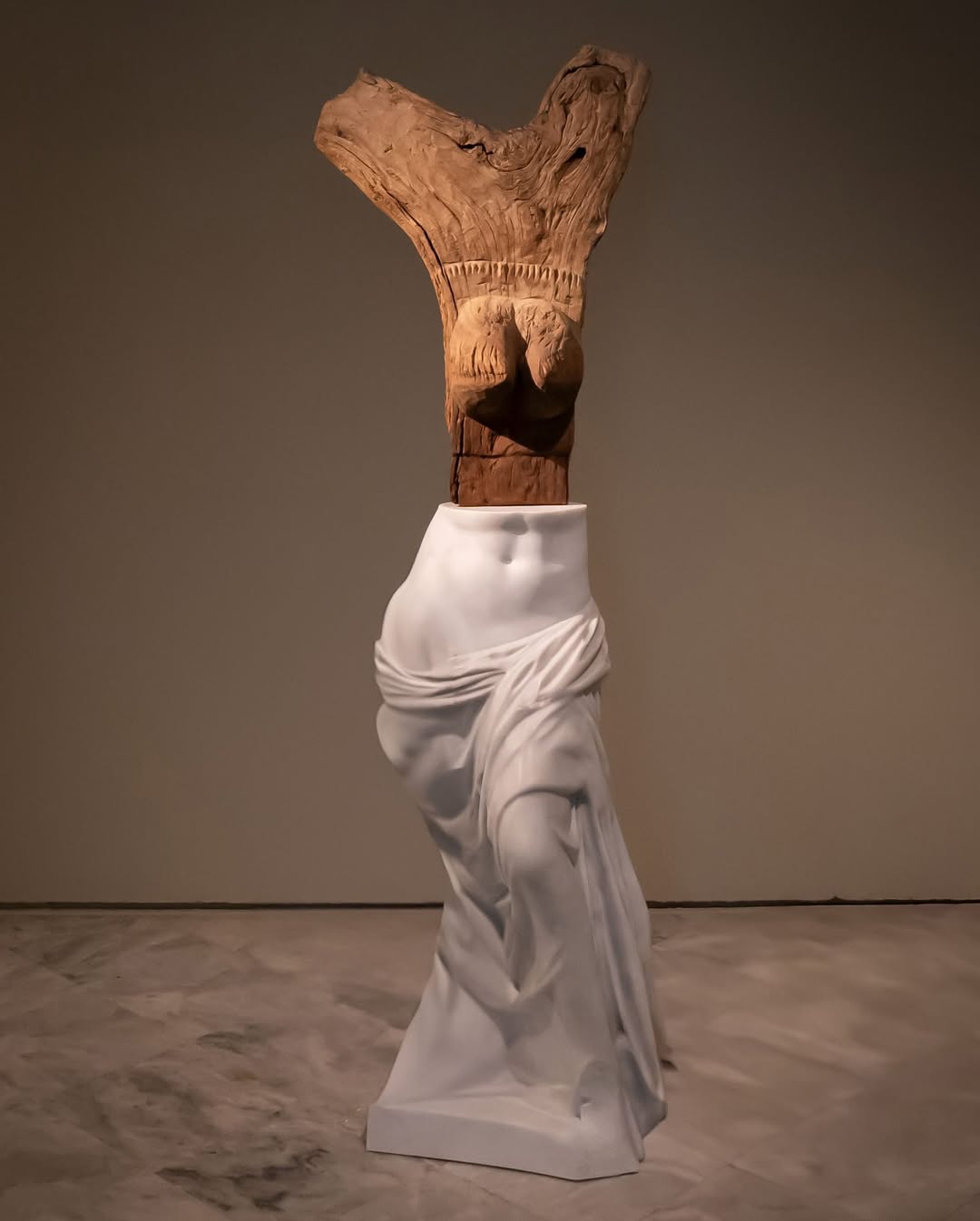
Kader Attia is a French-Algerian artist born in 1970, whose practice spans installation, sculpture, video, and research-based work. The central theme of his oeuvre is the concept of repair, through which he reflects on colonial history, trauma, identity, and relationships between Western and non-Western cultures. Attia often combines traditional craft techniques, archival materials, and contemporary artistic forms, insisting on the visibility of scars, fractures, and imperfections as carriers of meaning. He is the recipient of the Marcel Duchamp Prize and has exhibited in institutions such as the Centre Pompidou and Tate Modern. His art flirts with both traditional principles and distinctly contemporary approaches, which felt like a strong refreshment to me. I saw his works in Seville, and that exhibition stayed with me throughout the entire day. Long after leaving the space, I kept thinking about his works and the way they remain present, demanding that you return to them again and again.
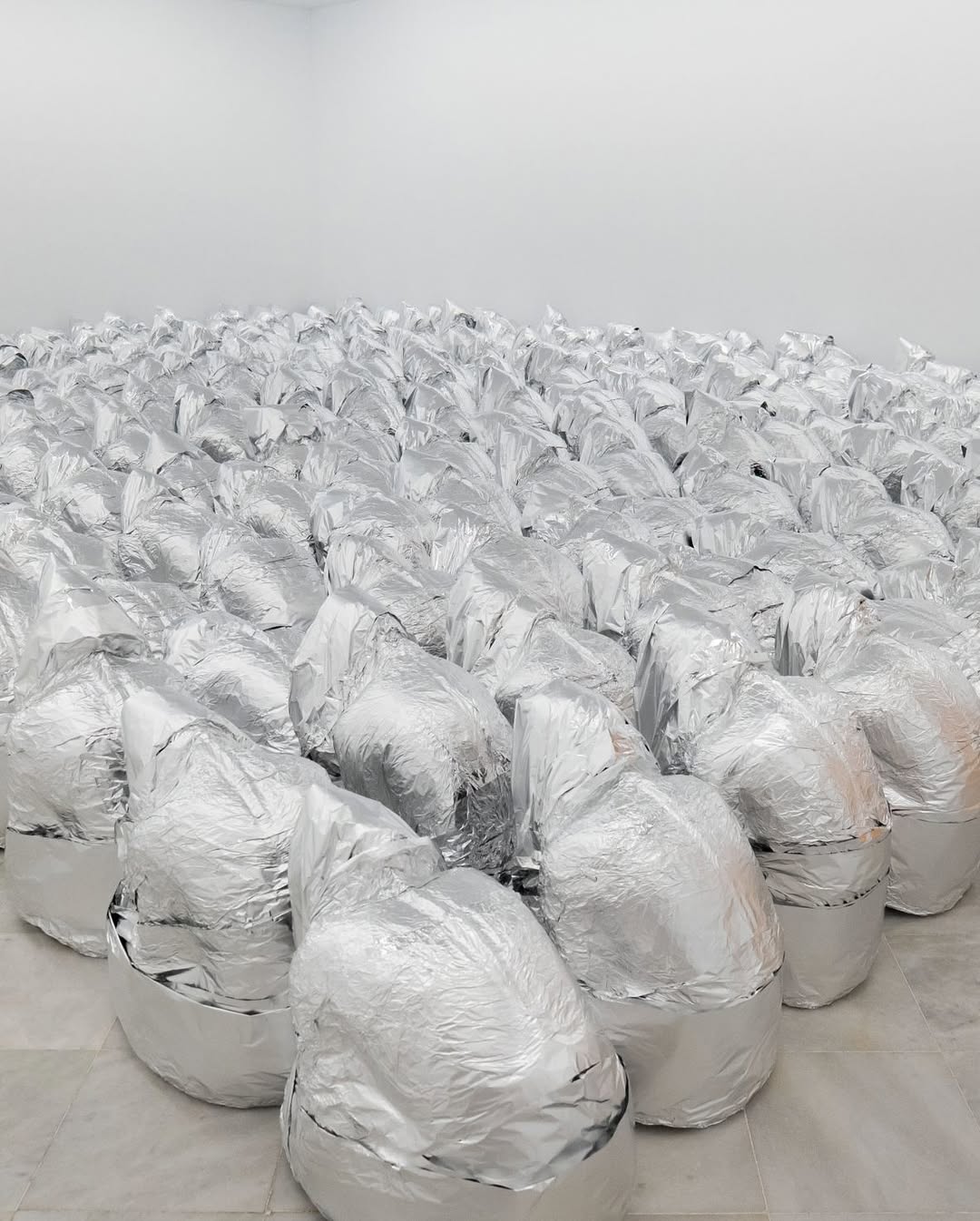
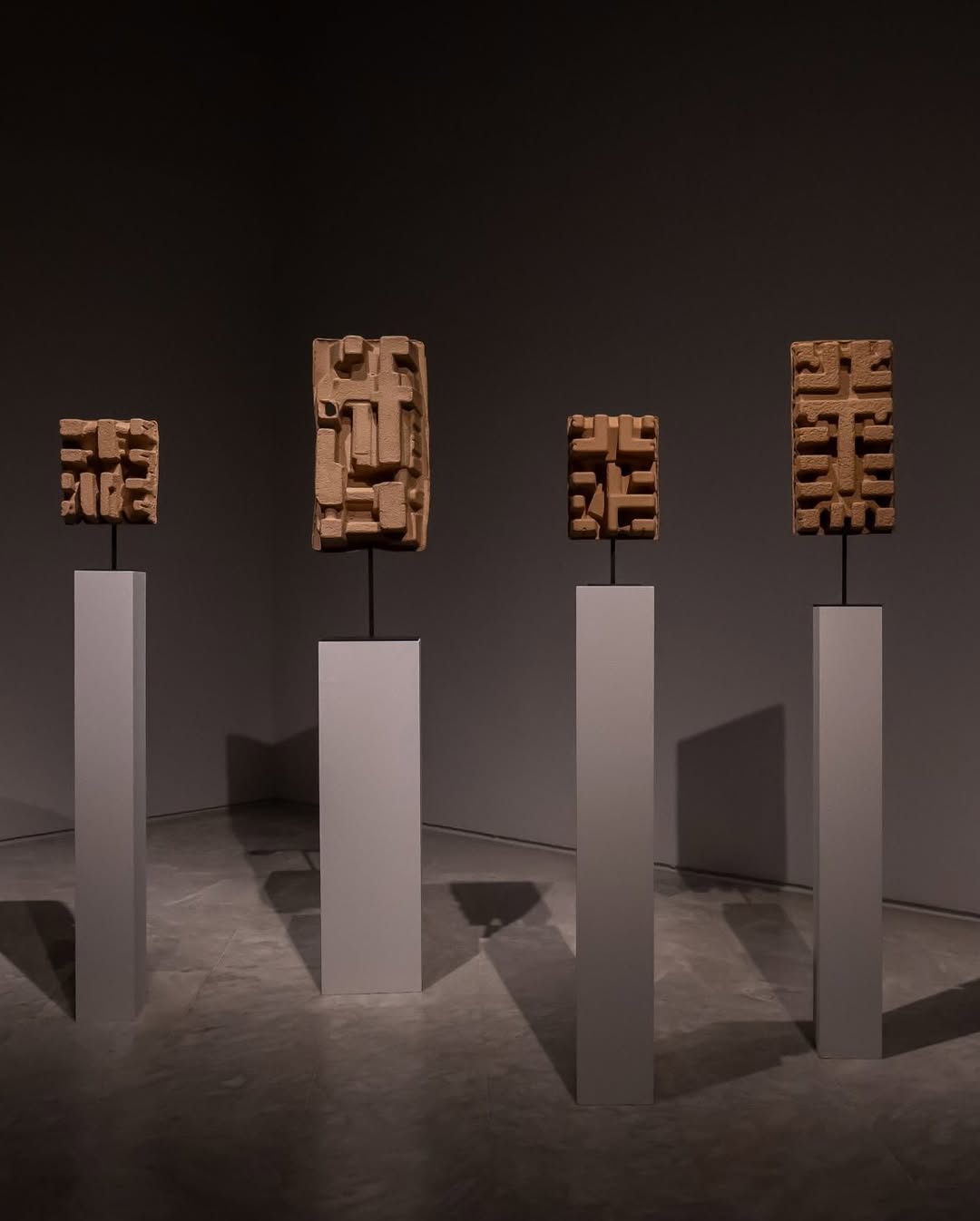
Mika Rottenberg is a contemporary artist born in 1976 in Buenos Aires, raised in Israel, and currently living and working in New York. Her practice encompasses video, installation, and sculpture, and focuses on absurd, often claustrophobic systems of labor, production, and circulation of goods. In her films, she constructs surreal sets in which human bodies, industrial processes, and fantastical mechanisms function as metaphors for contemporary capitalism, exploitation, and excess. She has exhibited in institutions such as MoMA, Tate Modern, and the Venice Biennale. Honestly, I am still not sure what I think about her work. I do not know whether I like it, whether it simply confuses me, or whether it overwhelms me visually. But I do know that she ended up on this list. Her name kept circling in my mind for weeks after I saw her work on TikTok, until I placed it within a broader context and realized that this discomfort might actually be the point.
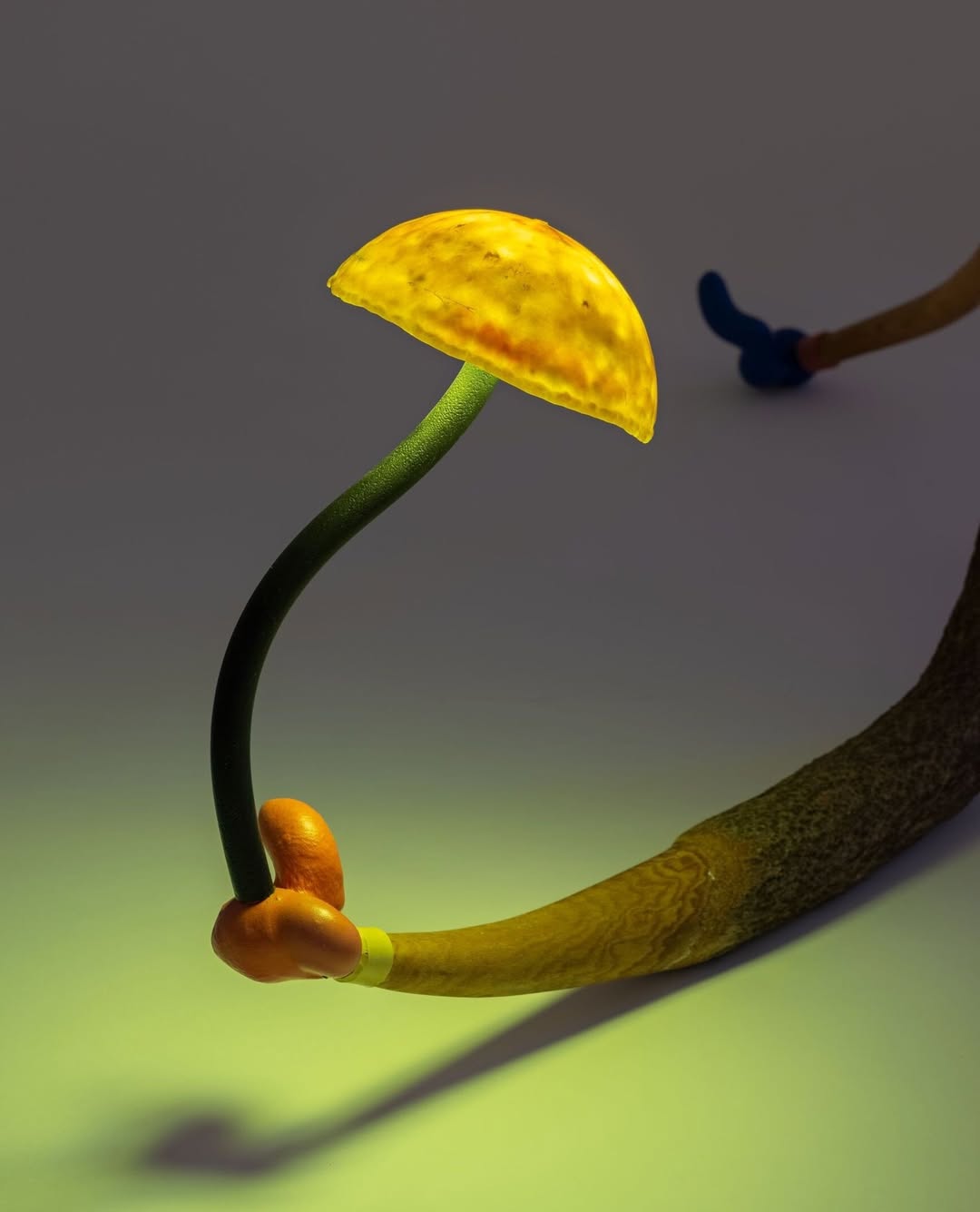
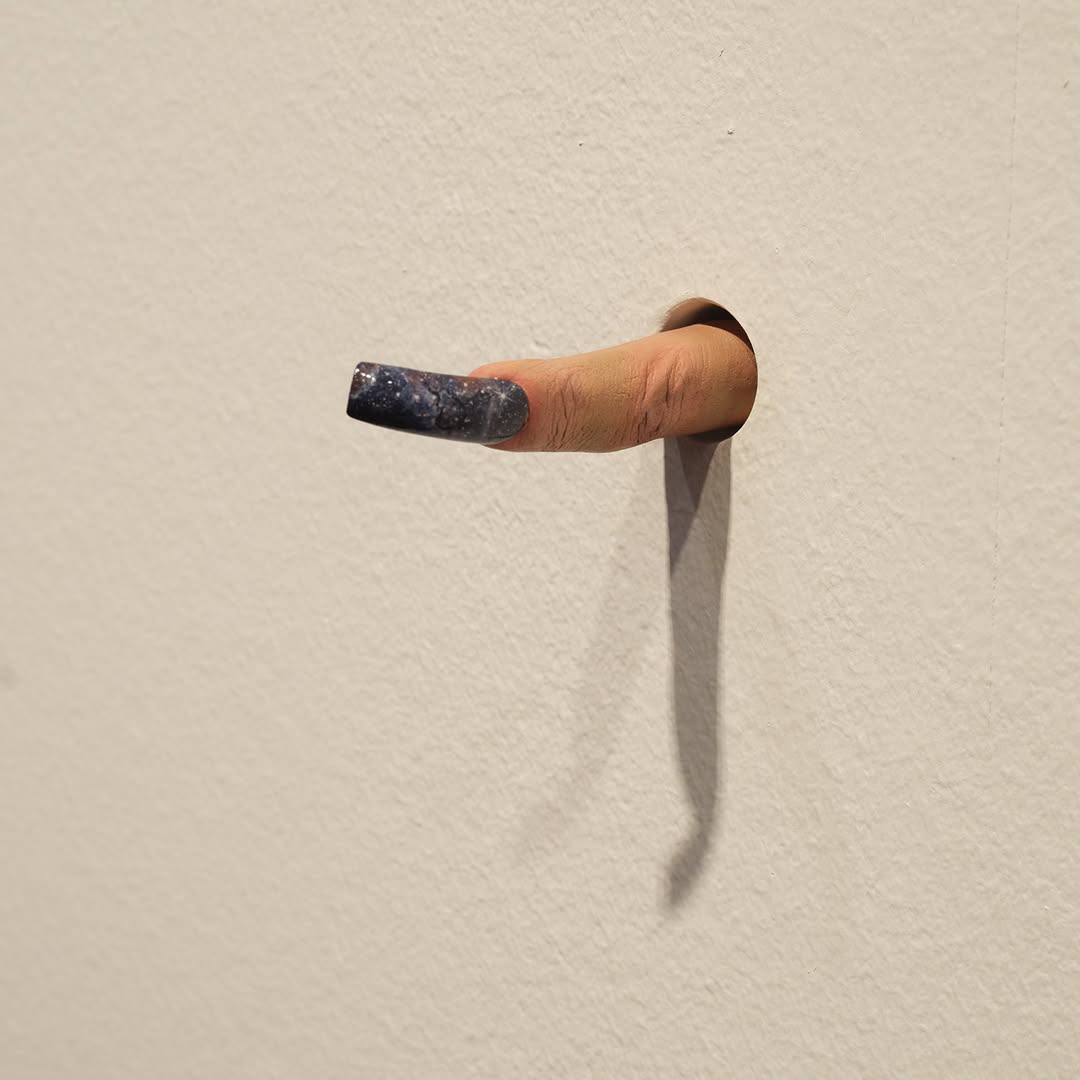
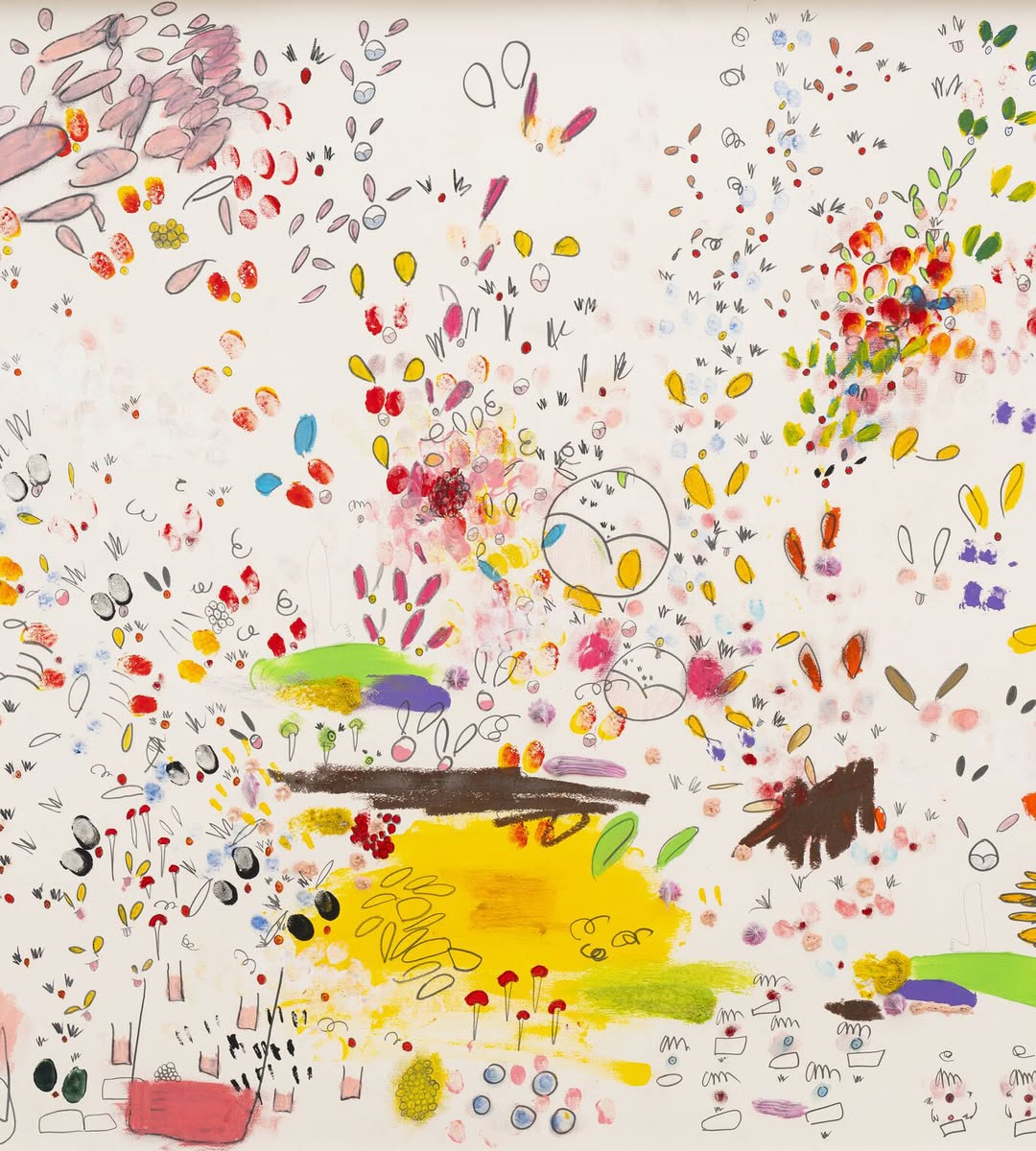
Ramon Casas was a Catalan painter and graphic artist, born in 1866 in Barcelona, and one of the key representatives of modernism in Catalonia. His work includes portraits, scenes of urban life, depictions of cafés, theaters, and the social elite of the late 19th and early 20th centuries. Casas was closely connected to the artistic circle around Els Quatre Gats, together with Santiago Rusiñol and the young Pablo Picasso. His style is characterized by a clear line, a restrained palette, and a strong focus on the psychology of portraiture, as well as influences of impressionism and Art Nouveau. He is one of those artists I did not know about, even though I studied art history. And that is okay. We cannot know everything, nor should we. It is precisely these empty spaces that create room for new discoveries, and without them, this text would have no reason to exist.
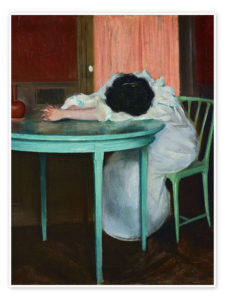
Tired, Ramon Casas, 1895-1900
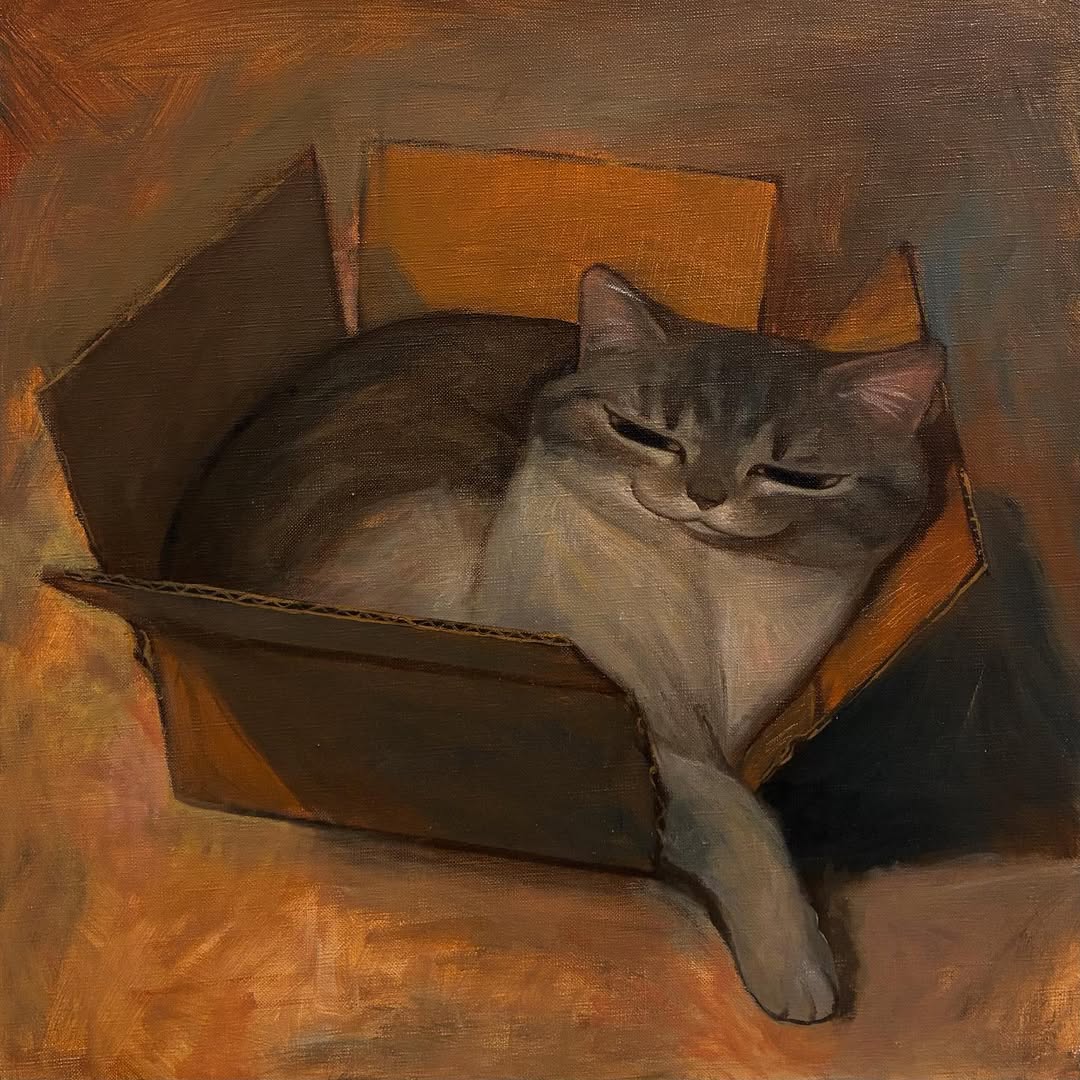
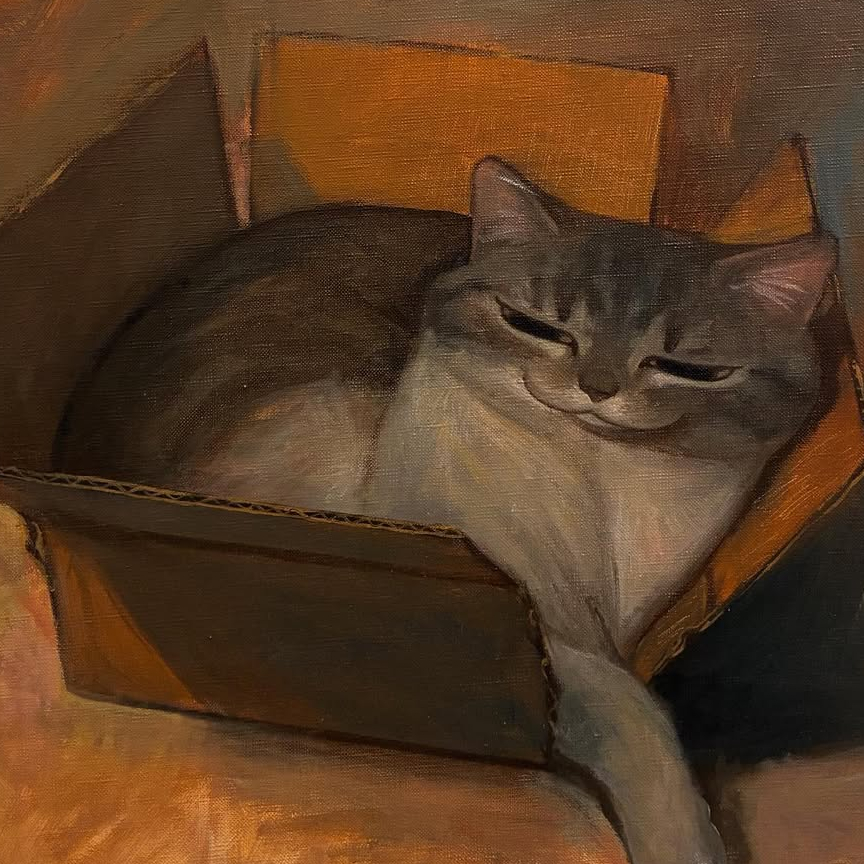
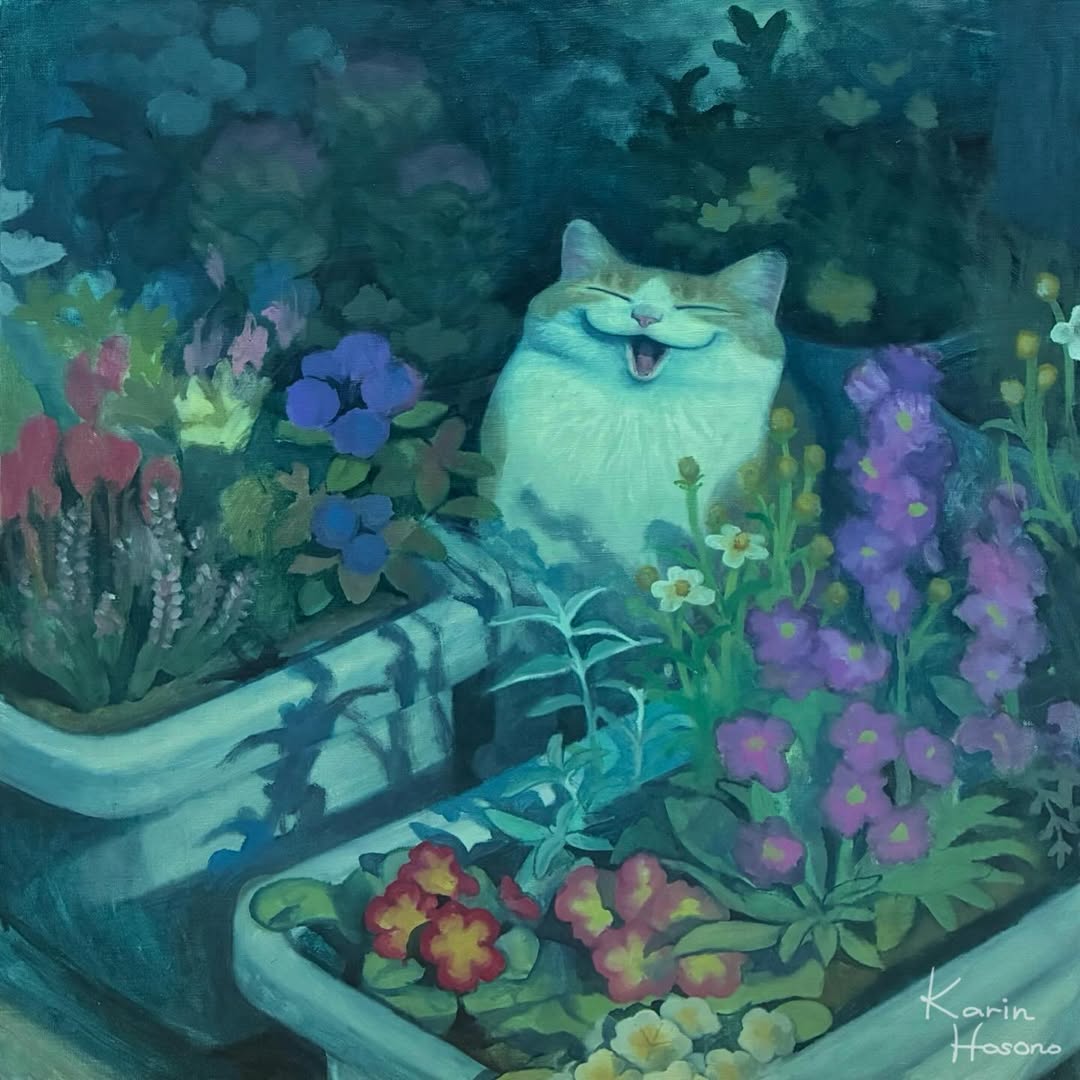
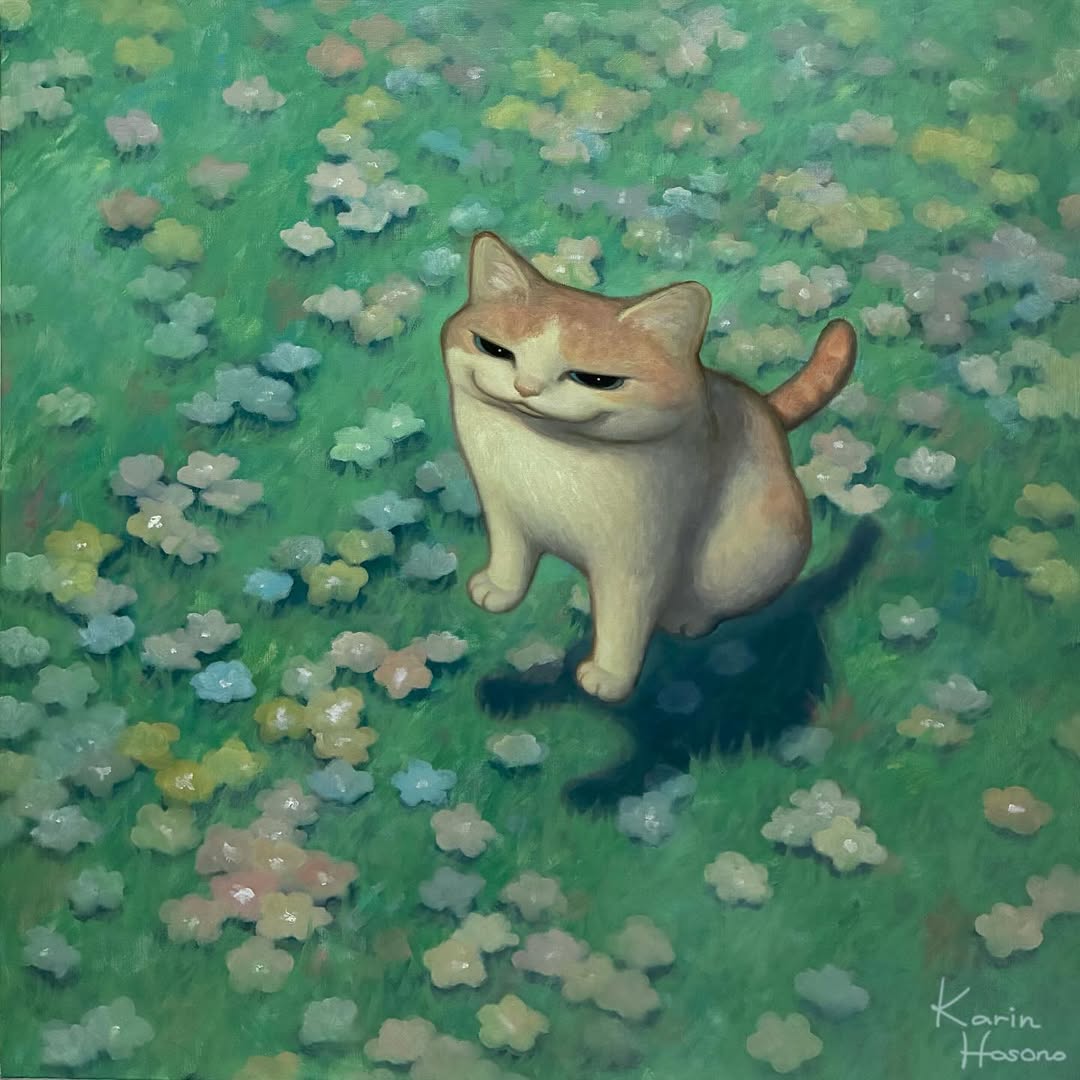
Karin Hosono is a Japanese artist whose work combines painting, illustration, and graphic art, with a strong focus on everyday scenes and intimate moments in which animals, especially cats, often take center stage (it is evident that cats were what captured my attention most this year). Her images radiate a subtle narrative energy, combining detail and minimalism to create an atmosphere that is both personal and universal. Hosono’s works are recognizable for their modern sensibility, clean lines, and carefully composed use of color, which makes them contemporary and visually appealing. The first thought I had when I came across one of her paintings was, “I absolutely want one of these paintings in my home.” Although cats are the main protagonists, which perhaps further intensifies my fascination, there is something exceptionally contemporary and immediate in her work. Each image feels as though it combines intimacy and the poetics of contemporary life, while simultaneously possessing a strength that is rarely seen in such simple yet precisely composed scenes.
Nnena Kalu is a British artist born in 1966 in Glasgow, who won the prestigious Turner Prize this year, one of the most important awards in contemporary art, becoming the first artist with autism to receive this recognition. Kalu works with everyday and recycled materials such as fabrics, plastic, paper, ribbons, and VHS tapes, which she patiently wraps, layers, and transforms into large, cocoon-like hanging sculptures full of color and texture. She also creates abstract drawings with swirling, rhythmic lines that are part of her distinctive visual language. Her work has long been supported through ActionSpace, an art studio in London that works with artists with different abilities, where Kalu has developed her practice over decades. I consider this recognition an important moment in contemporary art, as it demonstrates that marginalized voices and diverse ways of perception and expression are valuable and relevant to the broader art scene.
Related: Who is the artist behind this year’s Turner Prize win?
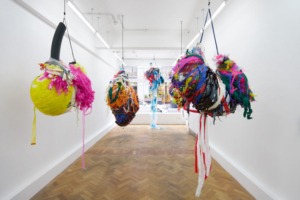
Photo: Action space