The unexpected place where Dalí, Picasso, fashion and art collide
The exhibition *Art X Fashion* poses the timeless question, “Is fashion art?”, and in seeking to unravel the relationship between the two disciplines, it finds answers in 140 garments, fashion accessories, textiles, and works of art dating from the late 18th century to the present day.
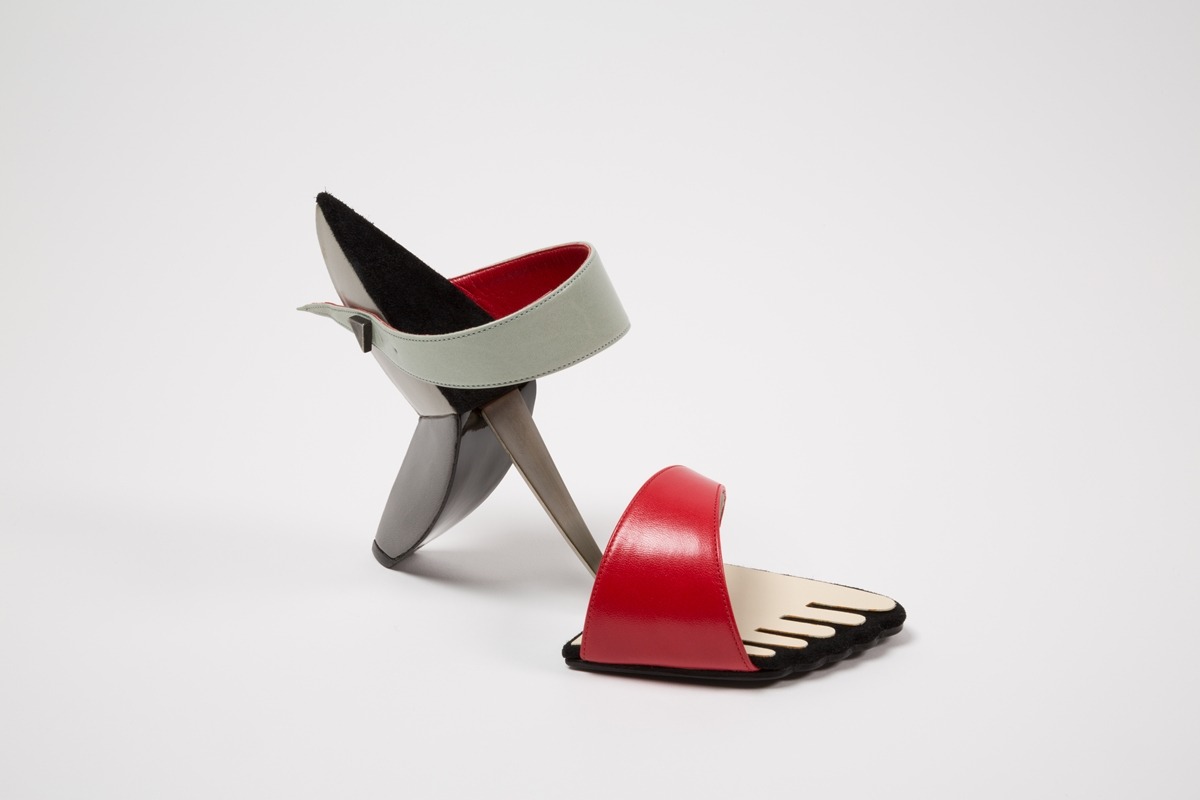
“Is fashion art?” is one of the most common dilemmas in the minds of those who think about fashion beyond trends, and also a question around which we will probably never reach consensus. This very timeless question is explored by the exhibition Art X Fashion, opening this winter at The Museum at FIT (MFIT) in New York. The exhibition features more than 140 objects, ranging from garments and fashion accessories to textiles, photographs, and original works of art from MFIT’s permanent collection, demonstrating how fashion and art can go hand in hand and presenting them as equal yet powerful expressions of social, intellectual, and creative forces. Curator Dr. Elizabeth Way conceived the exhibition as a world in which fashion is not merely a collection of garments, but a cultural phenomenon.
The exhibition Art X Fashion, which opens on February 18 and runs through April 19, 2026, shows that fashion has never been merely a companion to fine art, but has always been its equal partner, highlighting often overlooked connections that have shaped our history. It was precisely through the collaboration of these two disciplines that many European styles were formed, from dramatic Rococo and neoclassical grandeur, through the unsettling world of Surrealism, to controversial Pop Art and Postmodernism.
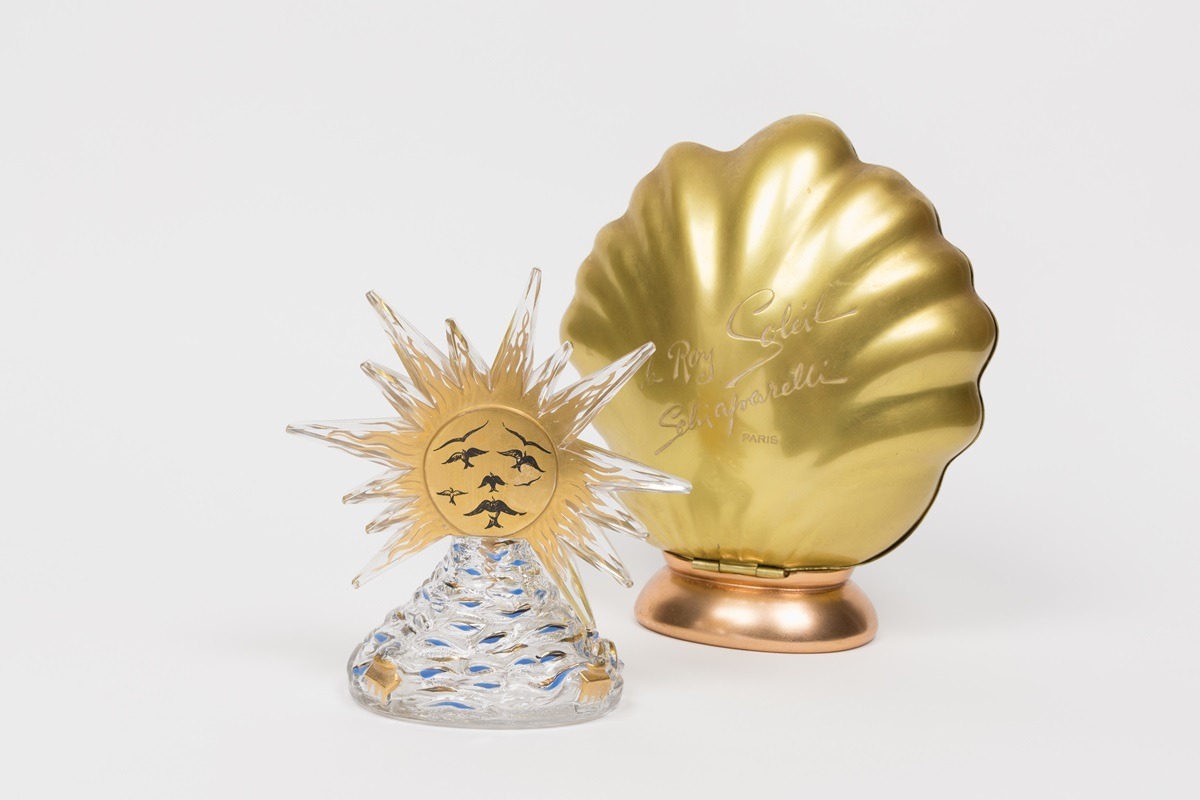
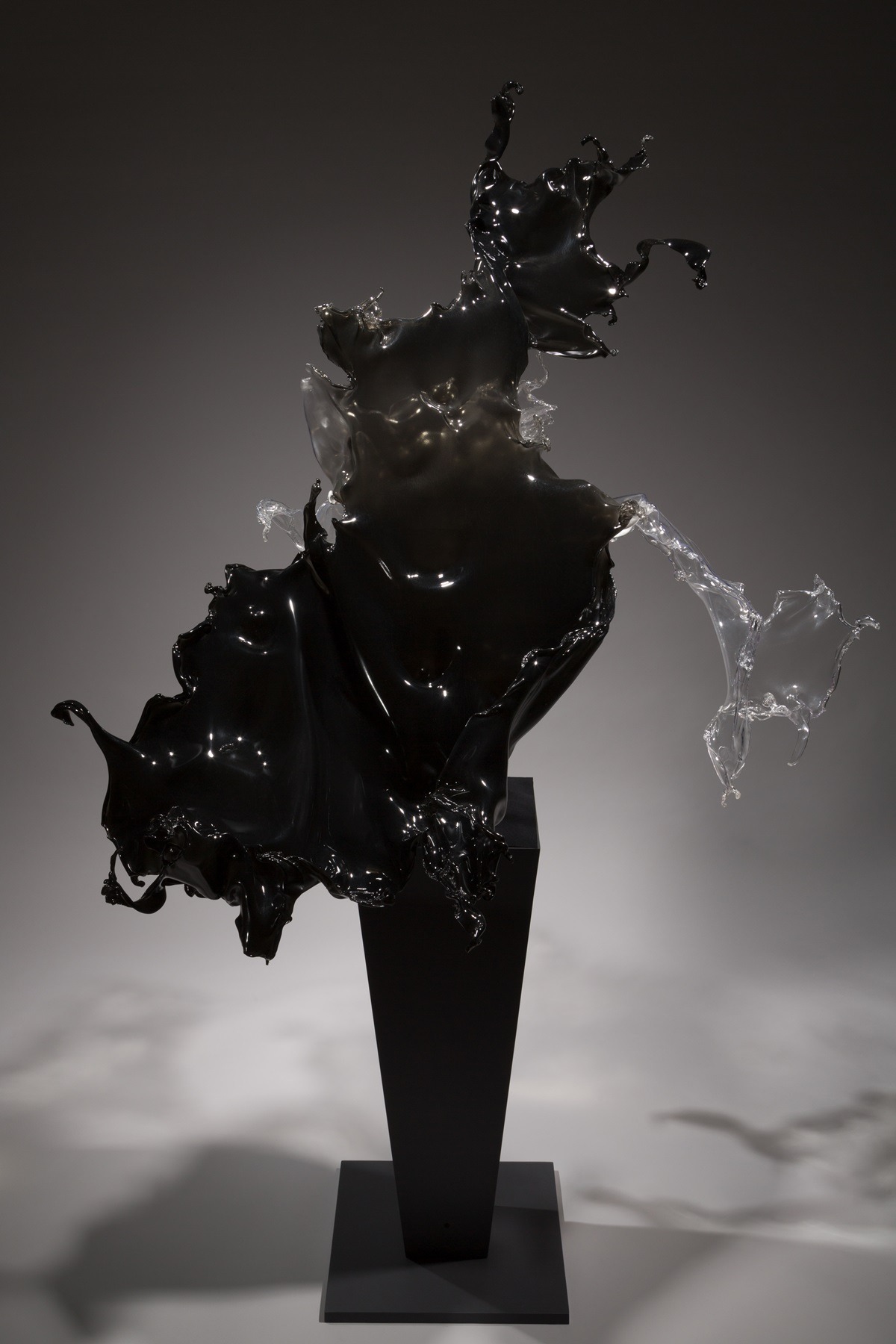
Salvador Dalí and Baccarat for Elsa Schiaparelli, Le Roy Soleil perfume bottle, glass and aluminum, 1946, France
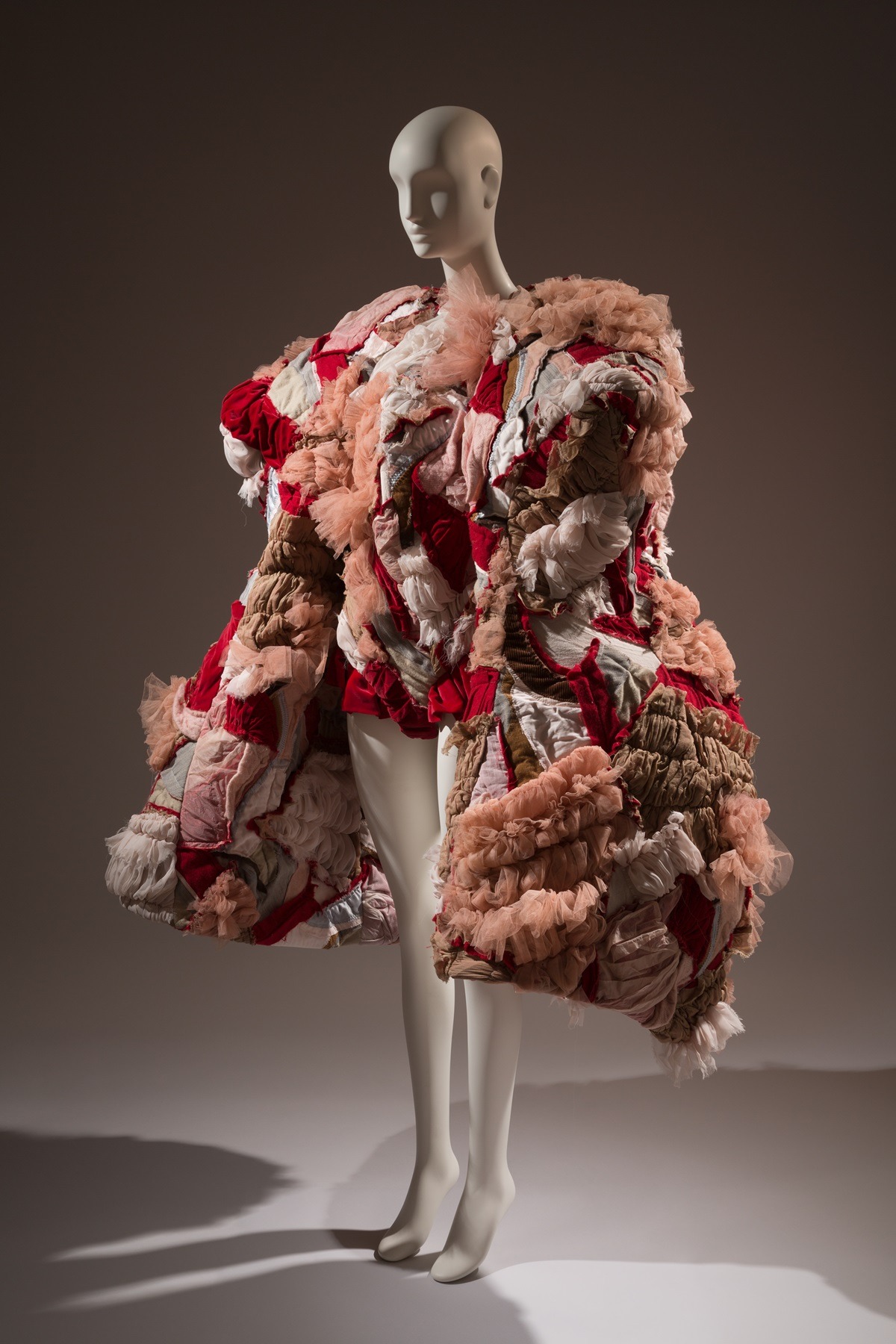
One answer to the eternal question comes from art and fashion historian Dr. Christopher Richards, who argues that fashion is art because it produces innovative forms, demonstrates exceptional craftsmanship, and has real cultural impact. His thesis is best illustrated by the work of celebrated fashion designers such as Martin Margiela, Rei Kawakubo, and Iris van Herpen, who exemplify innovation, as well as Charles Frederick Worth, Paul Poiret, and Elsa Schiaparelli, who emphasize skill and mastery. The cultural impact of fashion can be seen, for example, in the power and legacy of Dior’s New Look or in the rebellious spirit of the punk movement that dominated the 1970s.
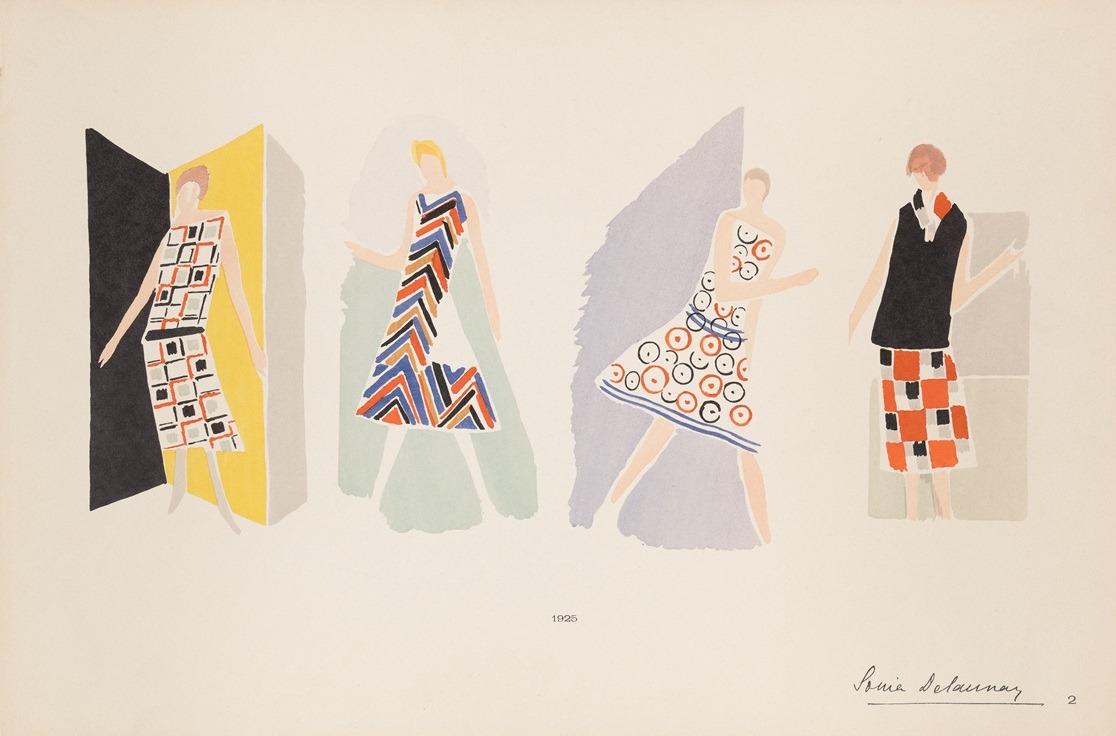
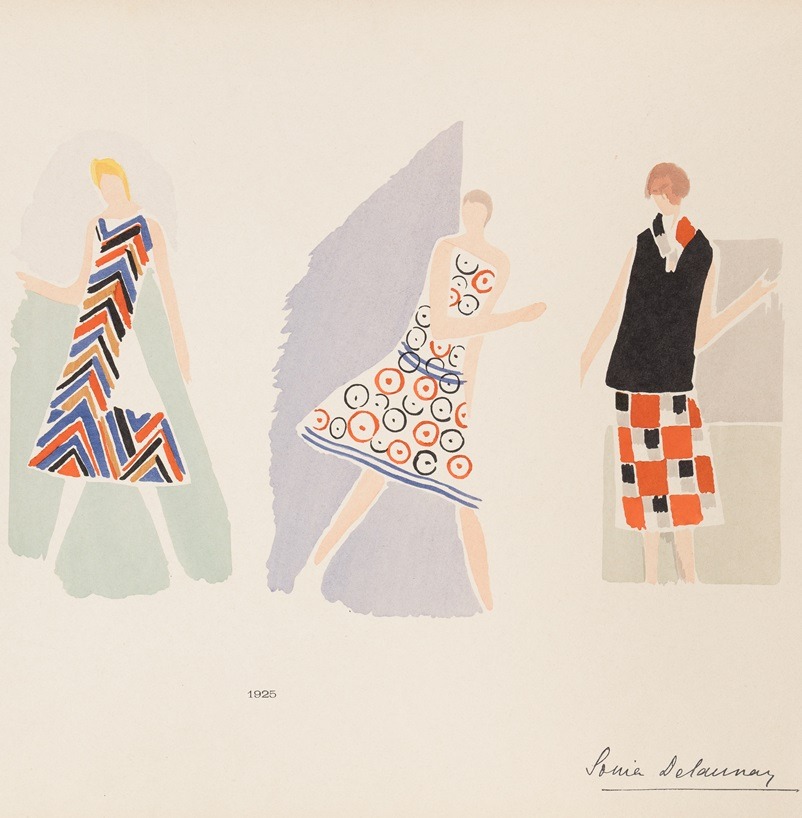
The exhibition also shows how artists have often used fashion as a source of inspiration and a means of expression, from Salvador Dalí, Pablo Picasso, and Sonia Delaunay to designers such as Scott Barrie and Hussein Chalayan, who base their ideas on an artistic education. Fabrice Simon and Ralph Rucci, meanwhile, are both painters and designers at the same time. On the other hand, contemporary creatives such as Cat Chow, Mary Ping, and Tavares Strachan demonstrate how the boundaries between fashion and art are becoming increasingly fluid today. For artists, fashion has also been a way to find and express identity, a notion illustrated in the exhibition through figures of the nineteenth-century artist flâneur, while artists such as Édouard Manet, Edgar Degas, Pierre-Auguste Renoir, and Gustave Caillebotte recognized the power of fashion in bringing modernity to their canvases.
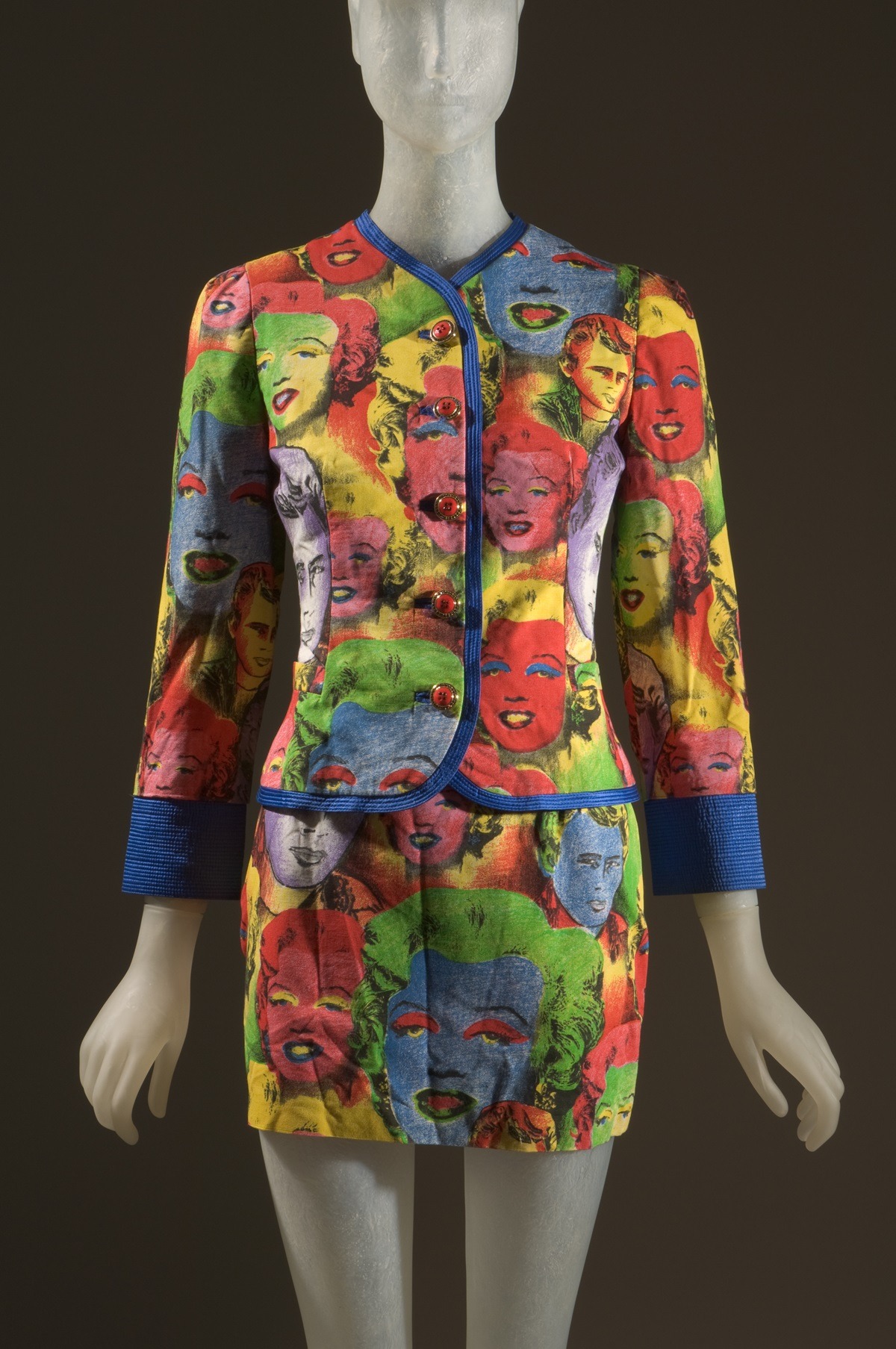
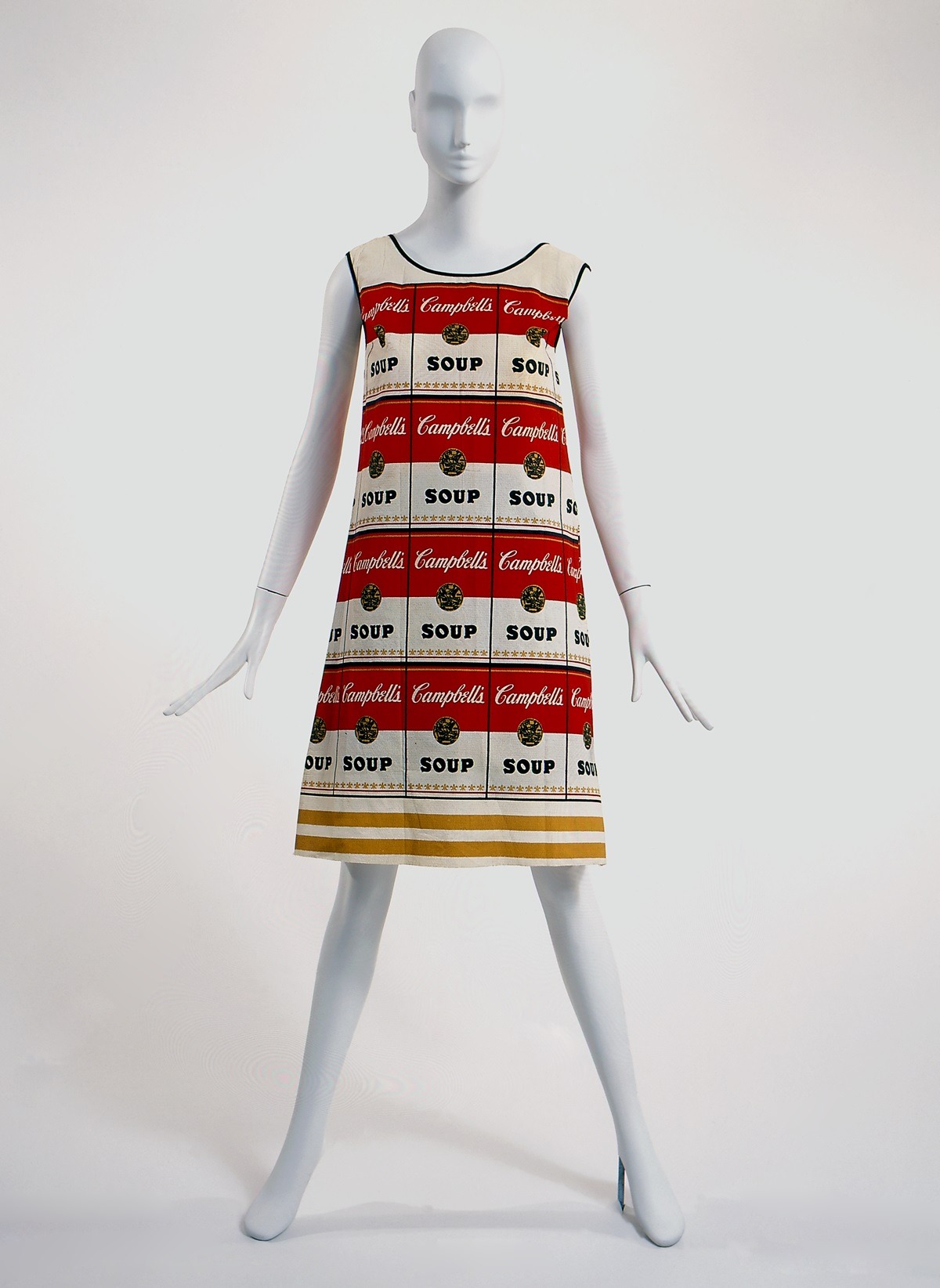
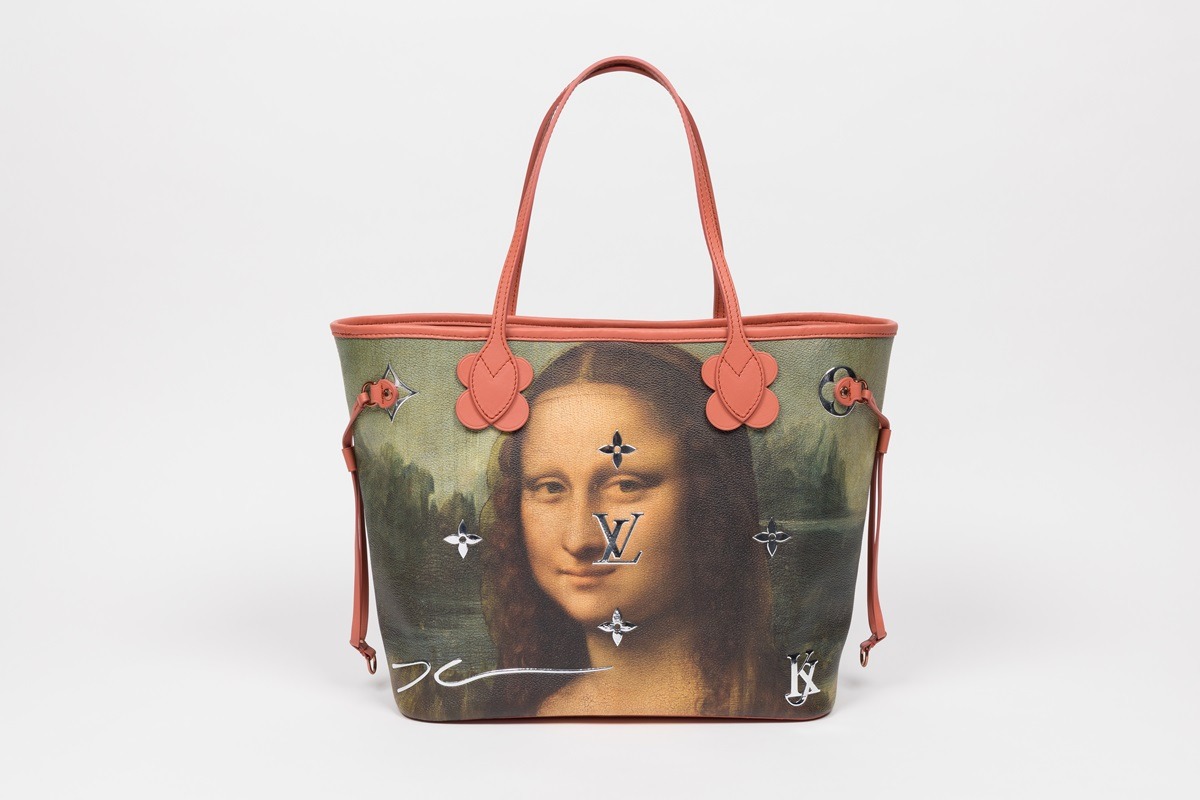
The exhibition also explores all the ways in which fashion has been inspired by fine art, from Gianni Versace to Franco Moschino, who intertwined Pop Art with his critique of consumer society. Replicas of famous works of art brought to life on clothing made art more accessible to a wider audience, lending fashion pieces value, recognizability, and even humor, while simultaneously adding cultural capital to the artworks themselves.
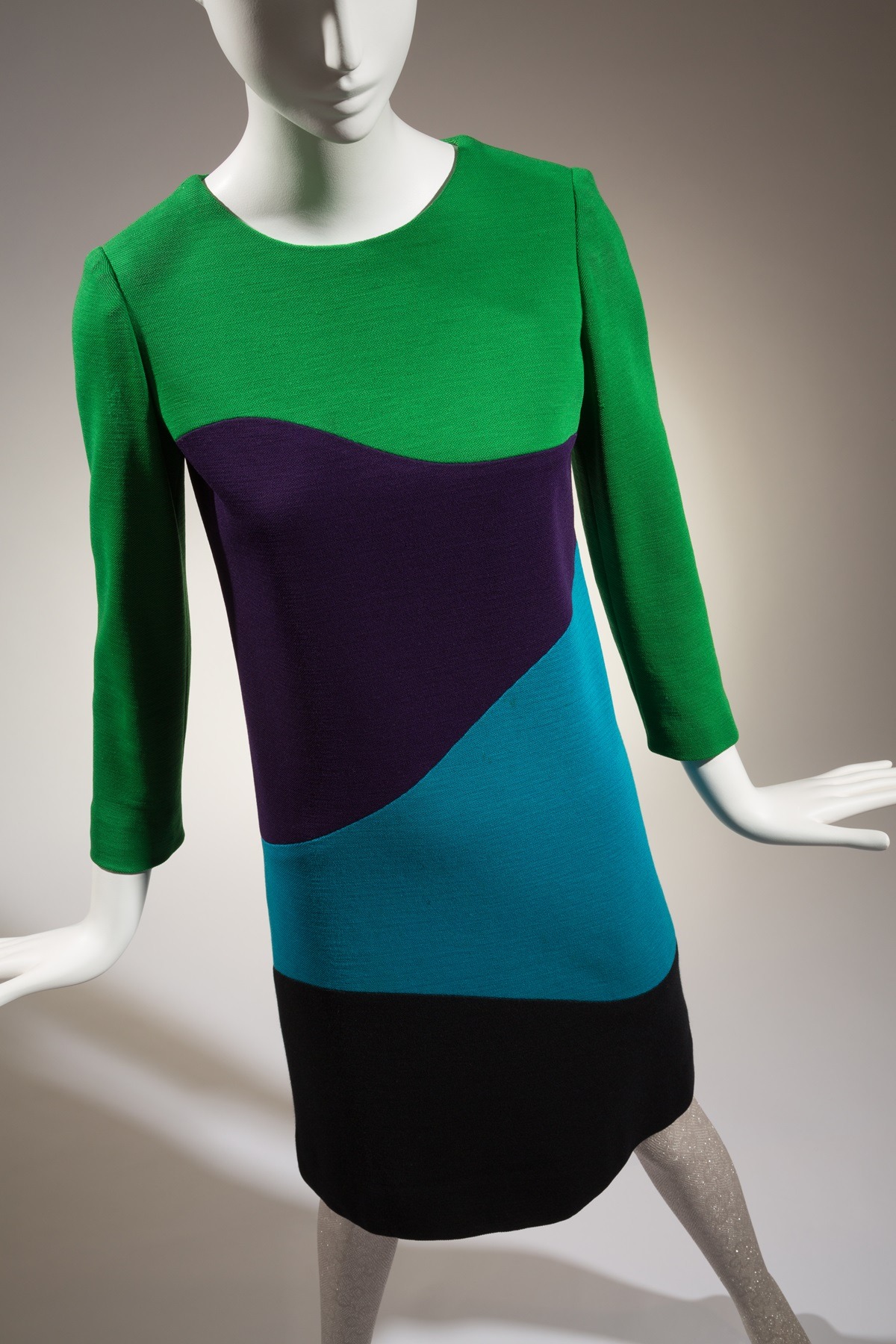
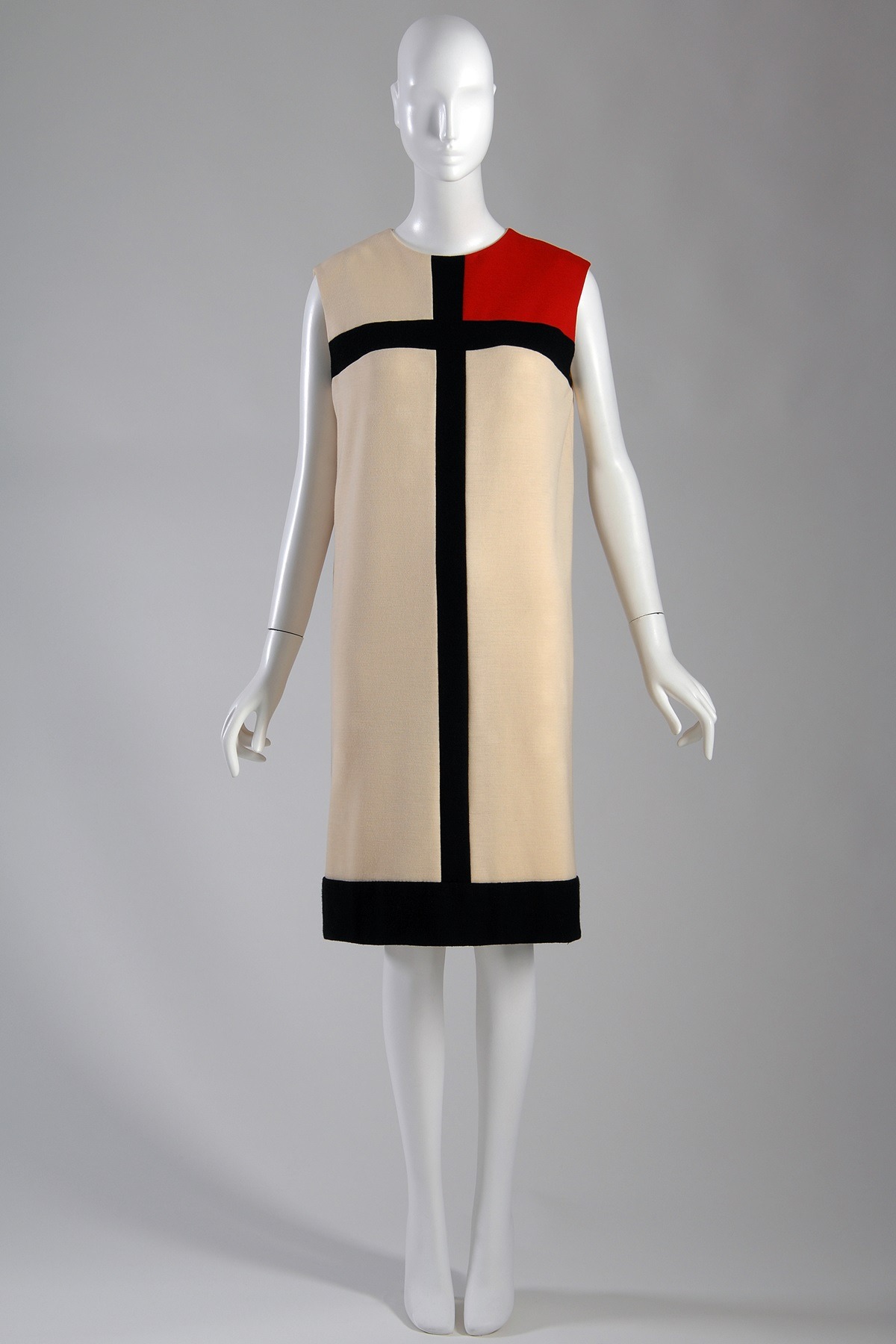
Art X Fashion also considers how designers interpret the aesthetics and themes of fine art within their own creative processes, creating designs that go beyond the original inspiration. Yves Saint Laurent, for example, reconstructed Piet Mondrian’s iconic color blocks, but thanks to his mastery, brilliantly adapted them to the three-dimensional body. Eric Gaskins creates striking trompe-l’oeil effects using embroidery to pay tribute to the brushstrokes of Franz Kline, while Christian Francis Roth combines bold abstract elements, evoking the Fauvist colors and energy of Henri Matisse.
The exhibition Art X Fashion concludes with a presentation of long-standing collaborations between artists and fashion designers. Louis Vuitton, for instance, has frequently engaged artists such as Takashi Murakami and Yayoi Kusama to create designs that merge luxury fashion with contemporary art. Another example is Isabel and Ruben Toledo, who turned the relationship between art and fashion into a romantic partnership and a way of life, regularly collaborating on artistic and fashion projects. There are also other partnerships that have produced striking results, such as Vivienne Tam and Zhang Hongtu, who explored the iconography of Mao Zedong, and the collaboration between Thebe Magugu and Phathu Nembilwi, which celebrates women and the culture of South Africa.
“This exhibition will provoke different opinions and encourage many discussions, but regardless of whether you decide that fashion is art or that it is not, the strong and reciprocal connection between fashion and fine art is undeniable,” Way concluded.