What is ‘angel skin’ and should we even be trying to achieve that look?
by Kristina Mikulić GazdovićFebruary 2, 2026

February 2, 2026
Quite often, in conversations with friends, I come across frustration over the idea of constant trends that keep being pushed. Glass skin, velvet skin, and now angel skin. While it’s best to forget these ideals, there is one good thing about branding a skincare concept. When glass skin is mentioned, you immediately remember that your routine needs steps that exfoliate and hydrate the skin. When velvet skin comes up, you know you need a foundation with a finish that sits somewhere between matte and dewy. But what, then, is angel skin?
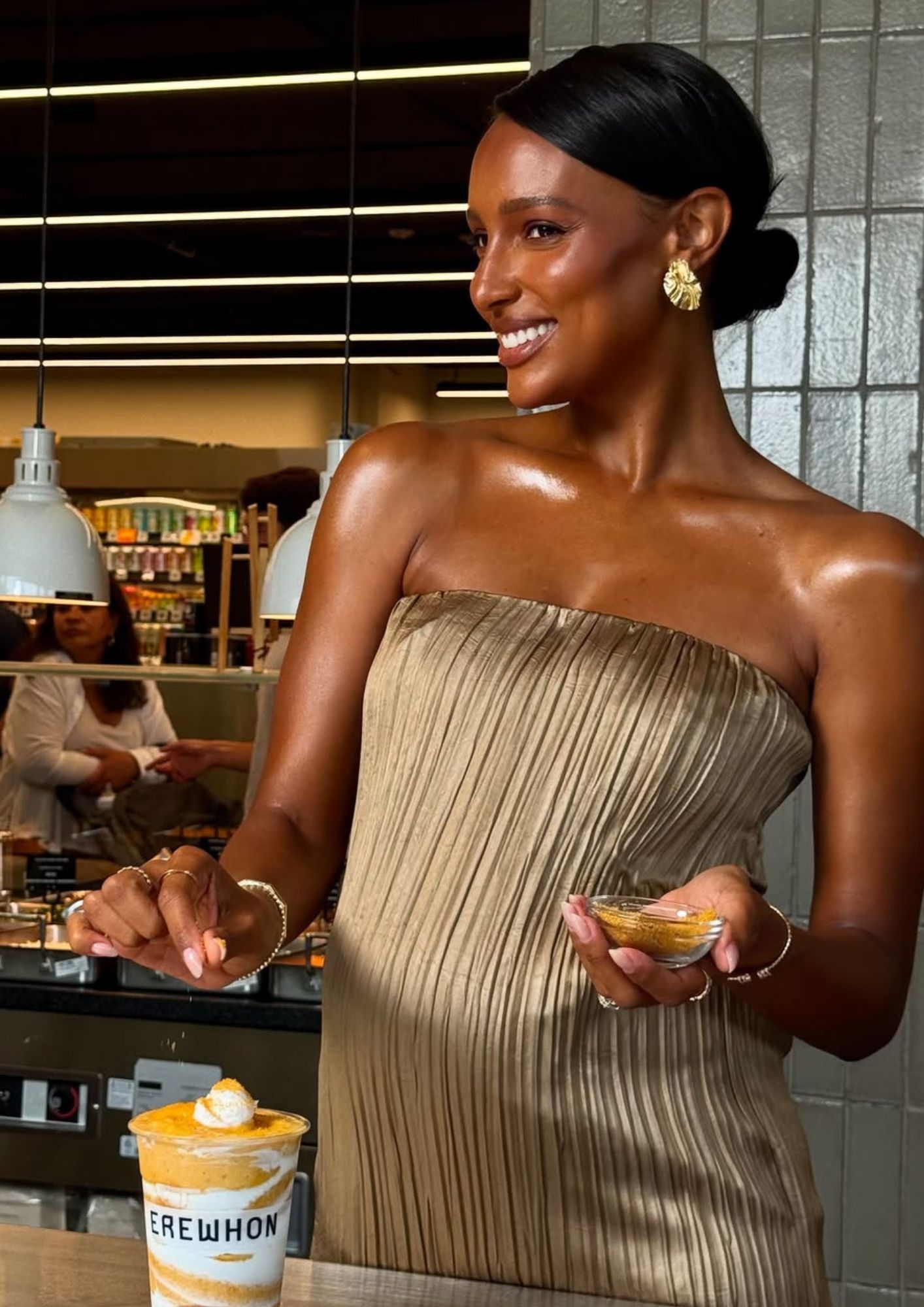
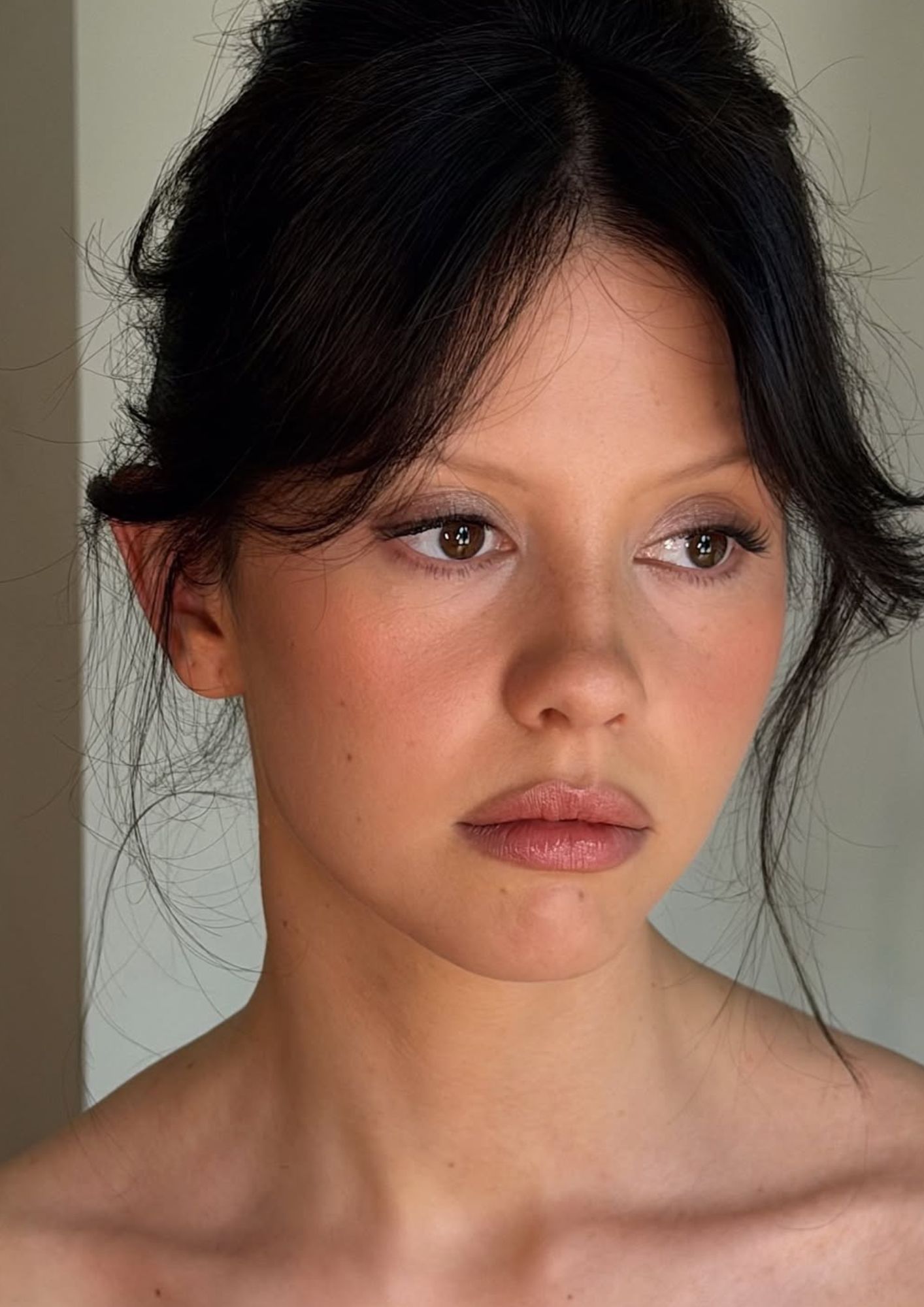
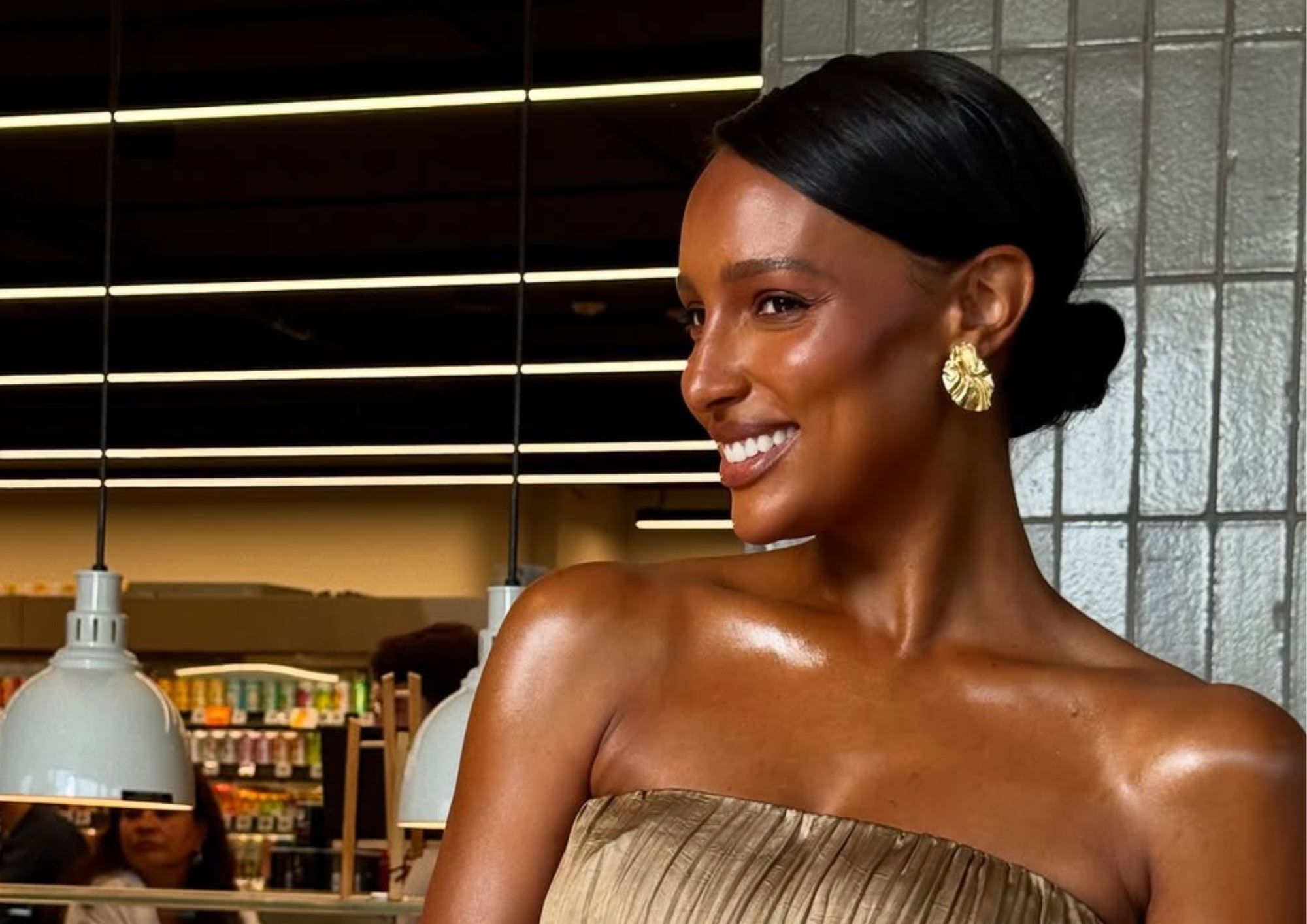
The term “angel skin” sparks a particular intrigue because it promises a flawless, almost ethereal face that looks healthy, radiant, and unnaturally perfect. It might be best to accept right away that we won’t actually try to achieve that level of perfection, but the technique itself is easy to execute. It combines skincare with targeted use of highlighter.
Angel skin looks like it glows from within, with a completely soft and supple texture on skin that is excellently hydrated. To achieve this, the steps are as follows:
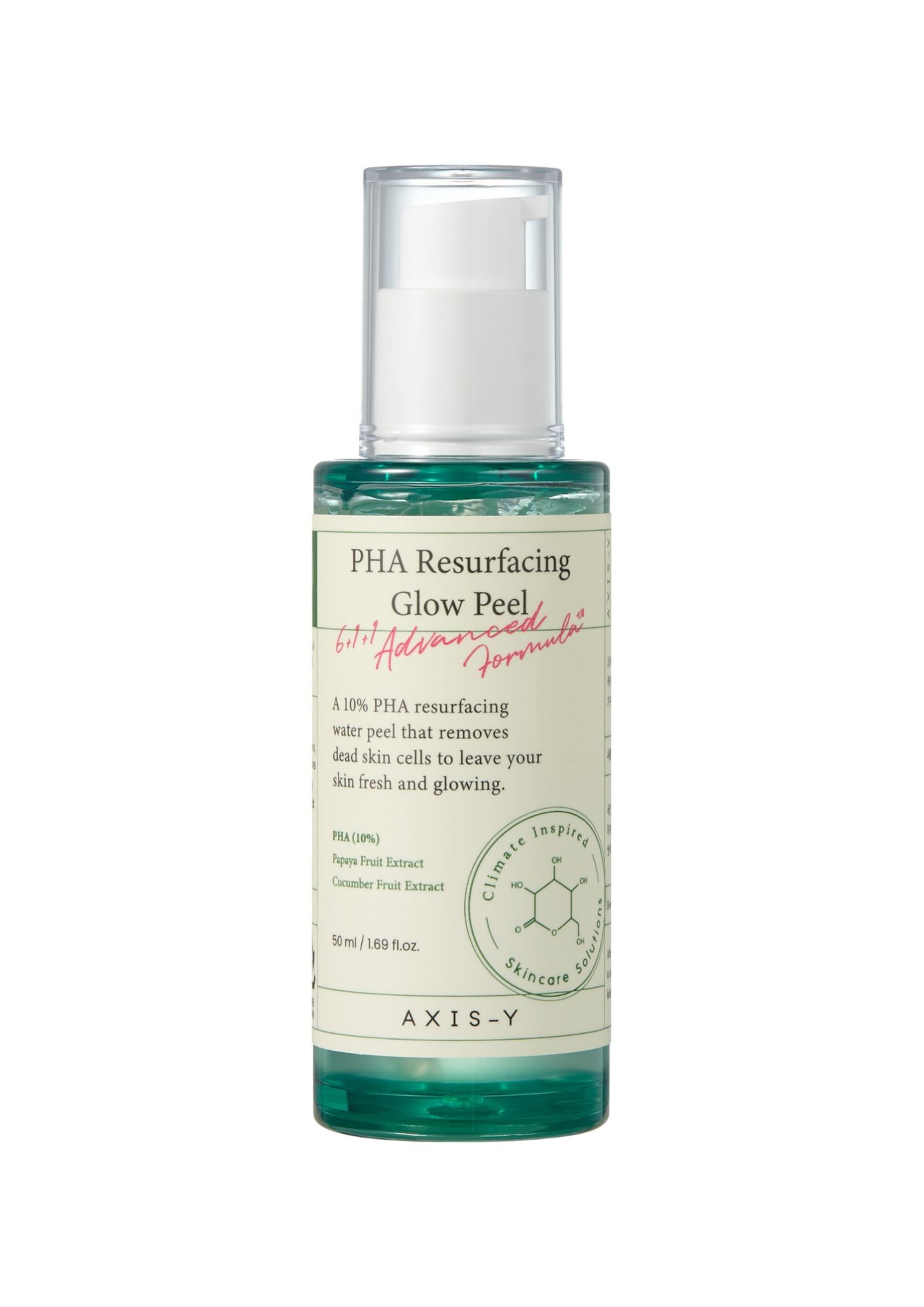
Gentle exfoliation to create an even and smooth skin texture.
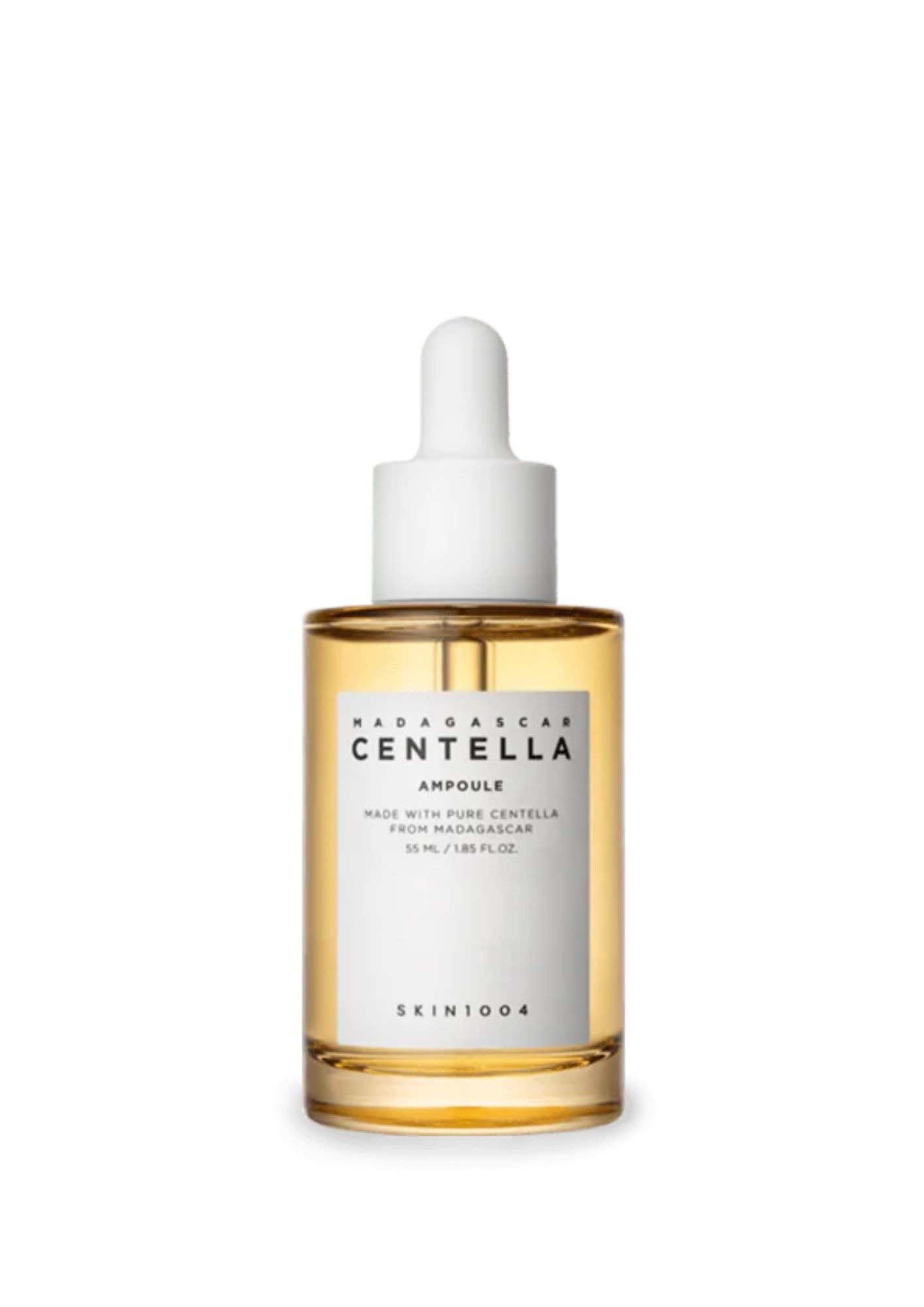
Soothing serum with centella asiatica extract to reduce redness.
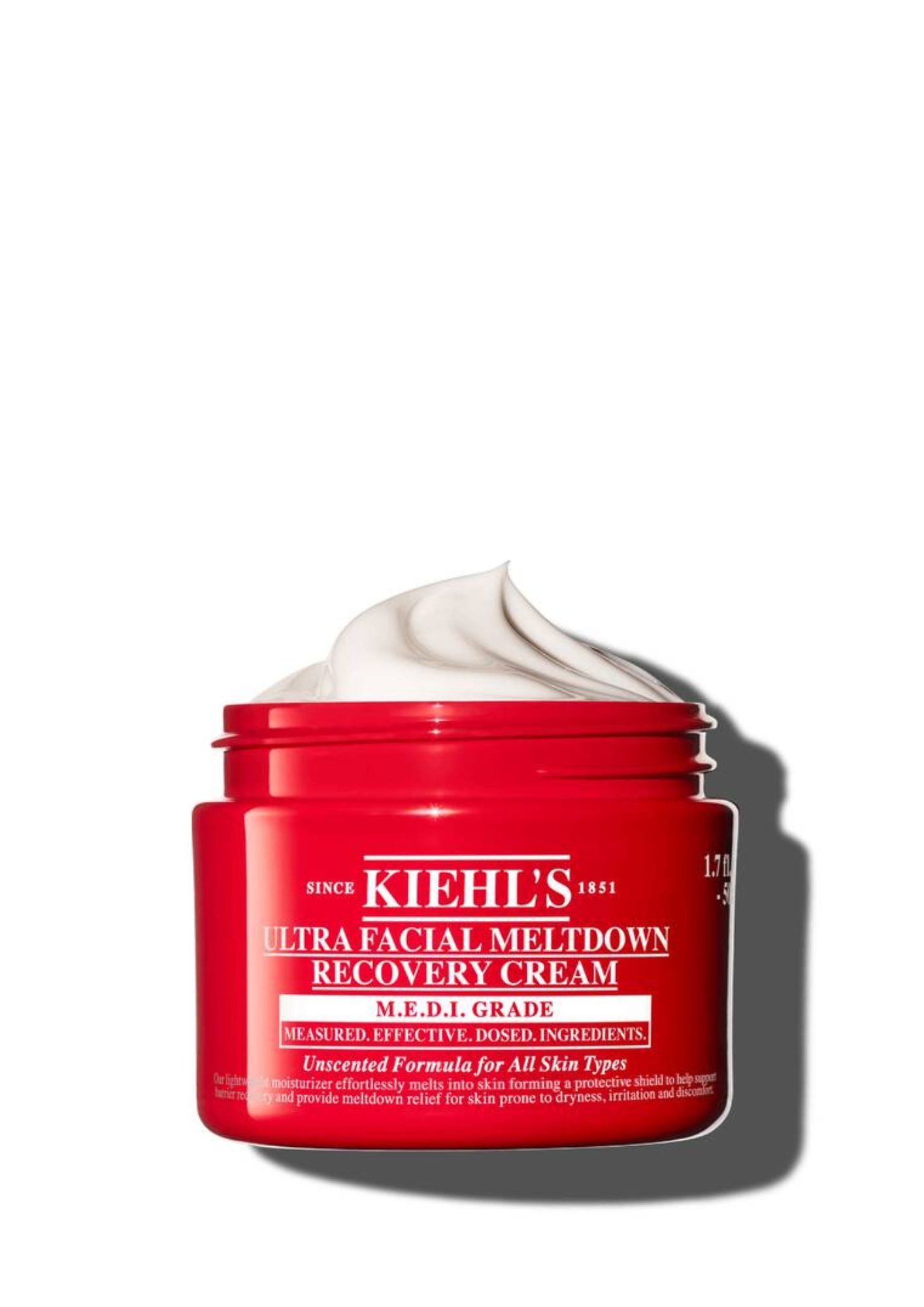
Generous hydration with a cream that restores moisture and strengthens the skin barrier.
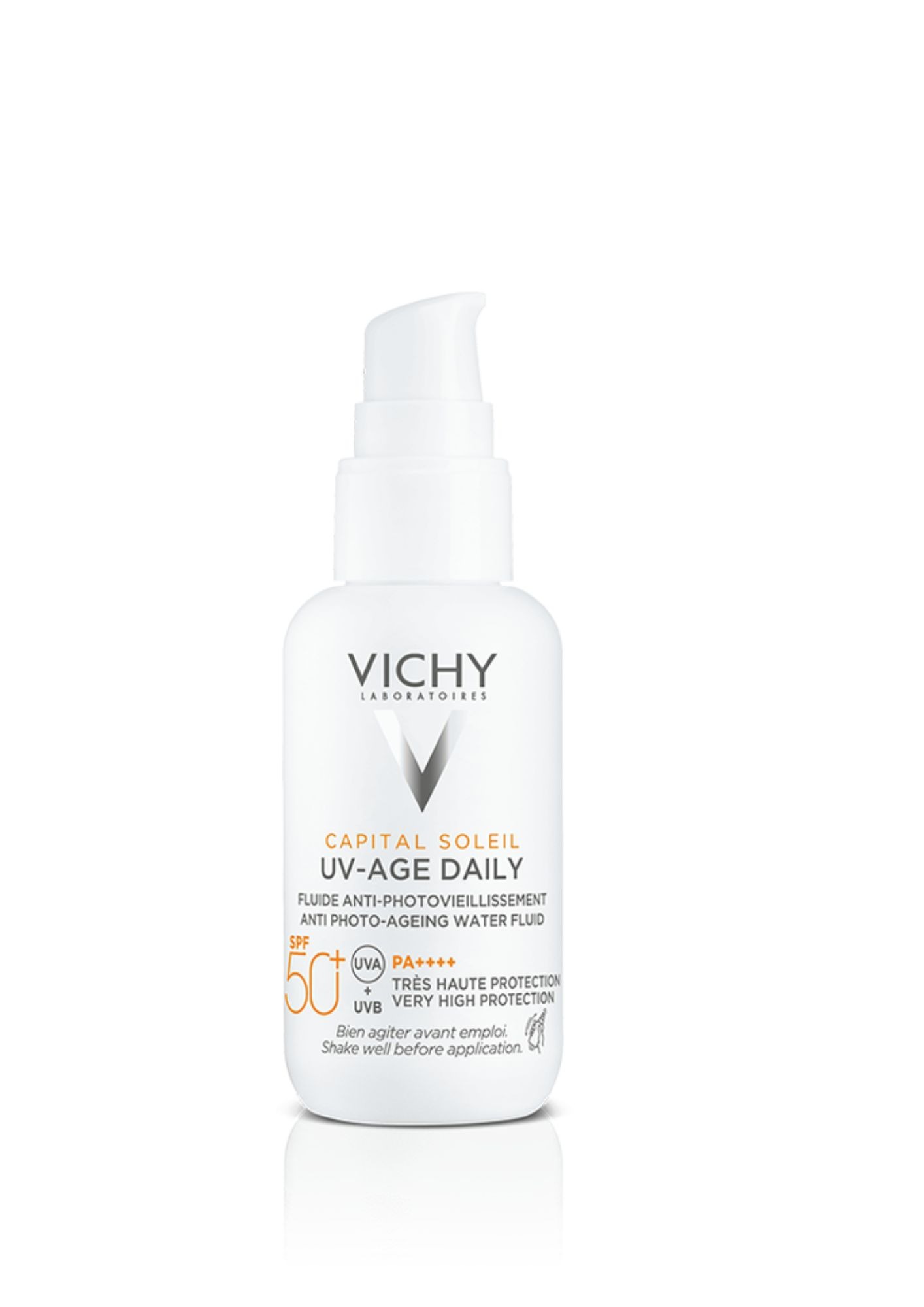
Extremely lightweight sun protection that doesn’t feel heavy.
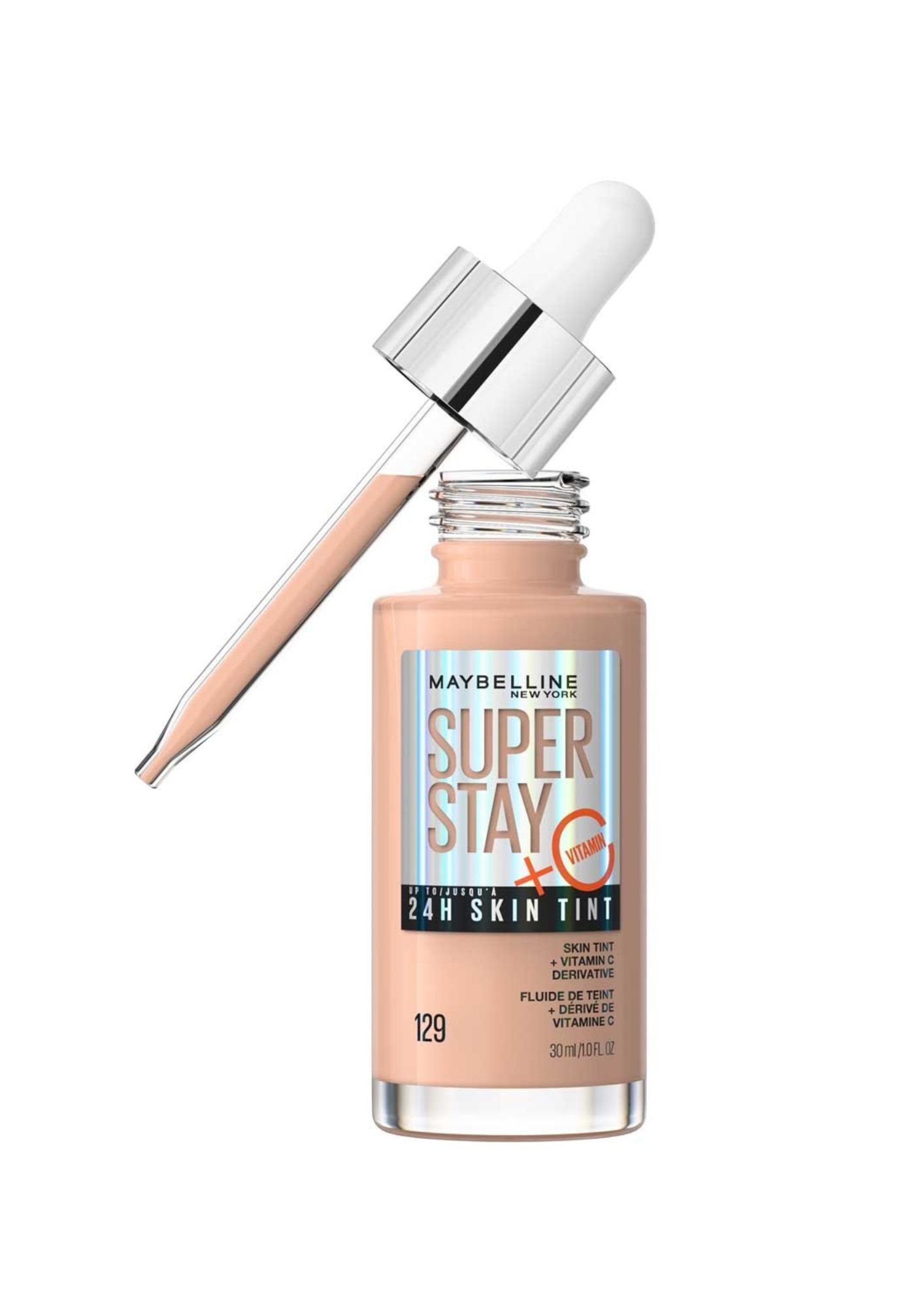
Tinted serum for a natural skin finish that gives a radiant look.
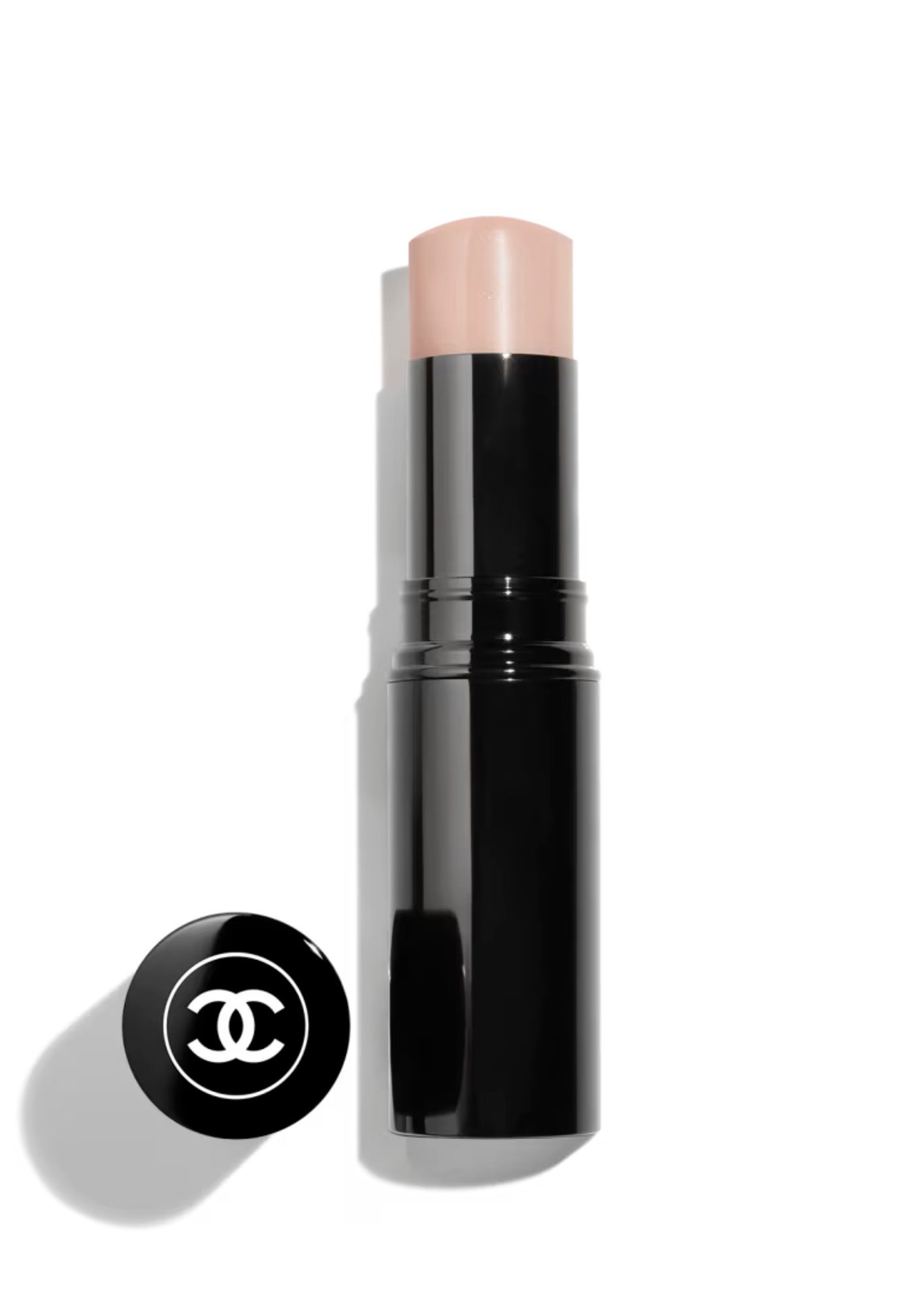
Balm highlighter, applied precisely on the tops of the cheekbones, on the eyelids instead of eyeshadow, and above the brows.
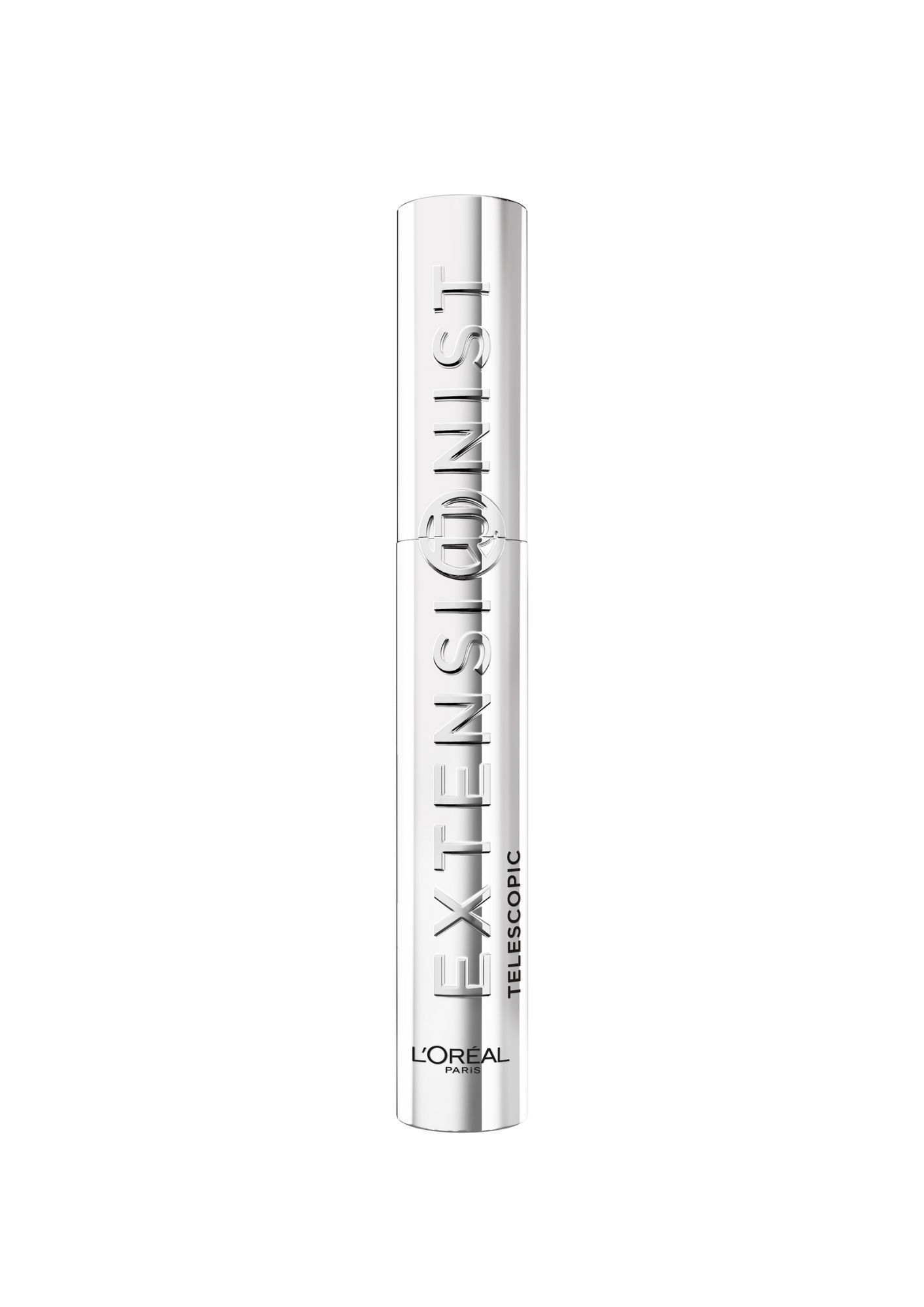
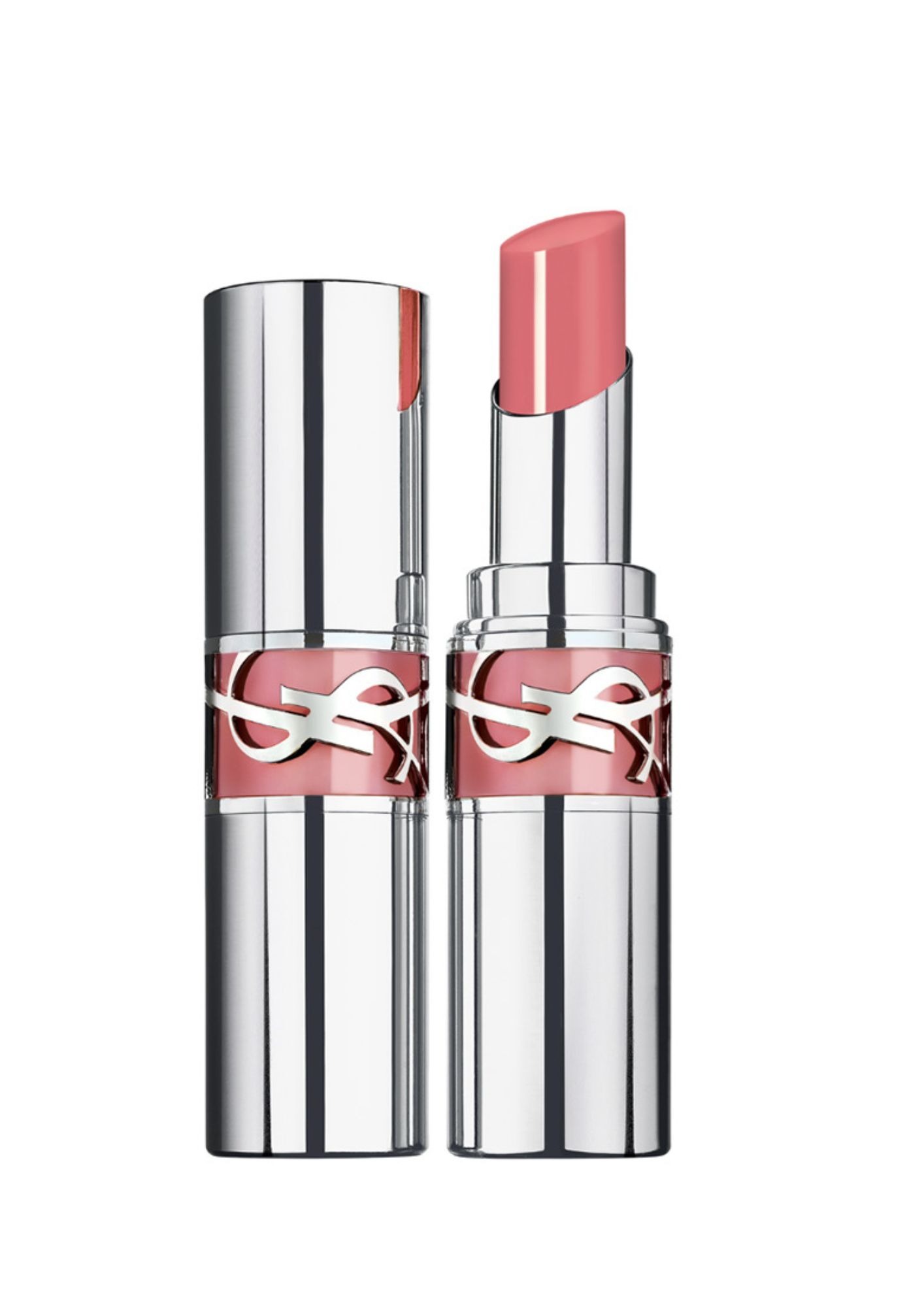
Finally, you can add a bit of lip balm and a coat of mascara, although “bare eyes” without emphasized lashes are very much in trend.