Meet the man behind the fashion accessories we have been obsessively returning to for a decade
Aleksandra OsmanJanuary 28, 2026

January 28, 2026
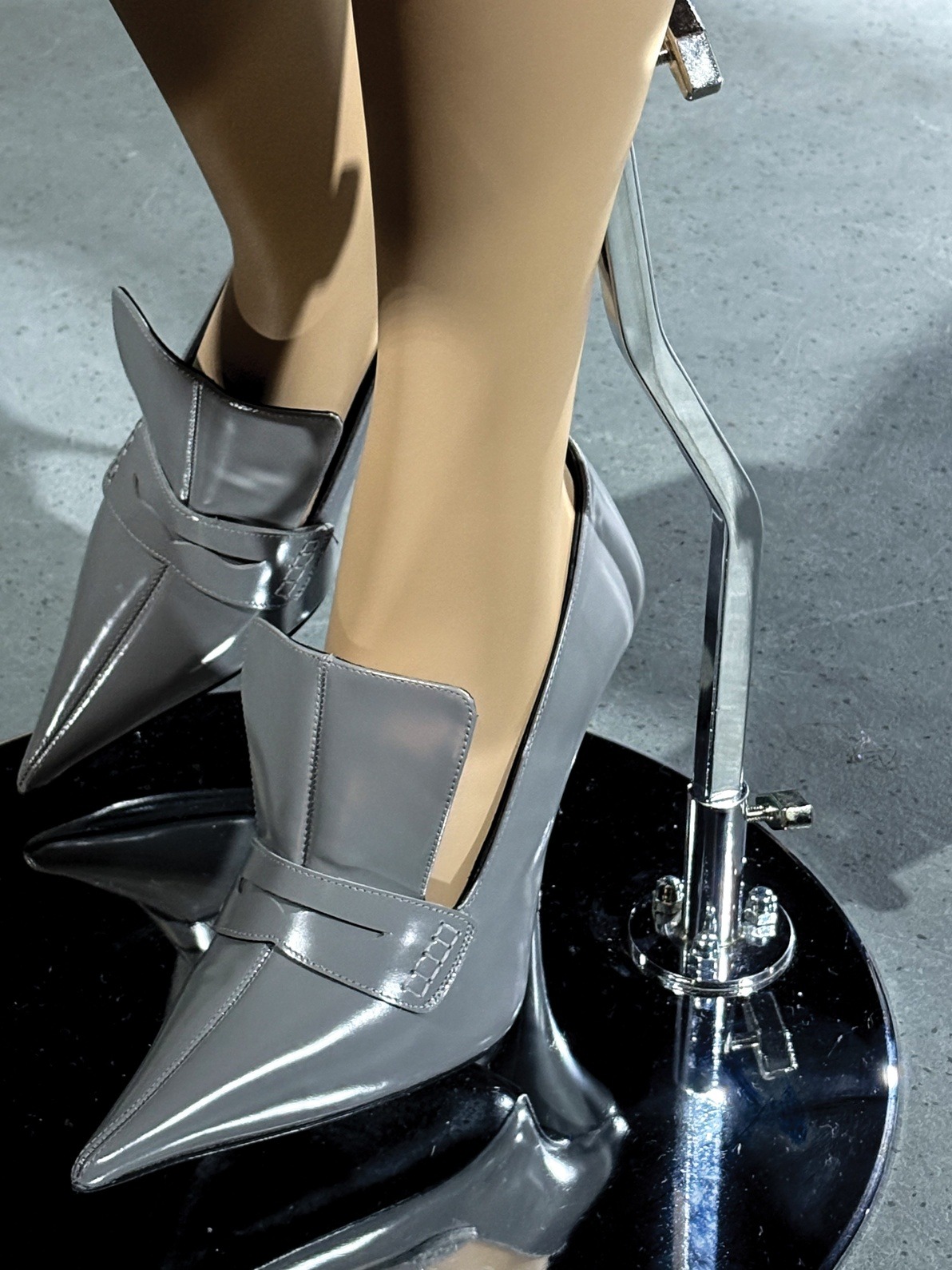
By the time you finally remember the name Abraham Ortuño Pérez, you have already worn, or at least desperately wanted to wear, half of his career. Loewe’s balloon sandals? His. JW Anderson’s paw-shaped boots? Also his. Jacquemus’s double-stacked kitten heels? Him again. Even Coperni’s cracked-egg sandals lead back to the same creative mind.
If you are only now connecting the dots, do not worry. Abra, as everyone calls him, laughs at the very idea of fame. His work has long traveled further than his name.
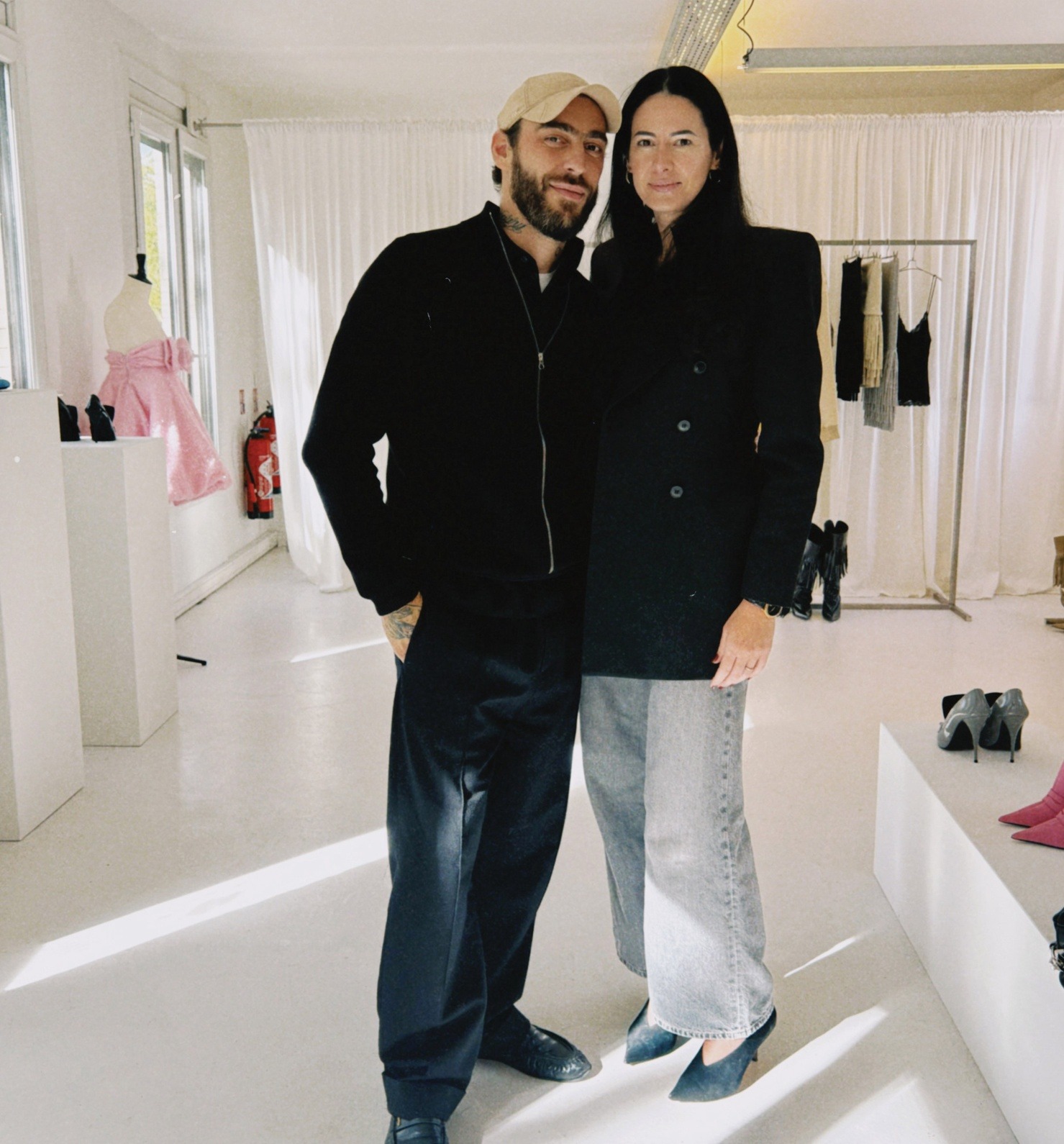
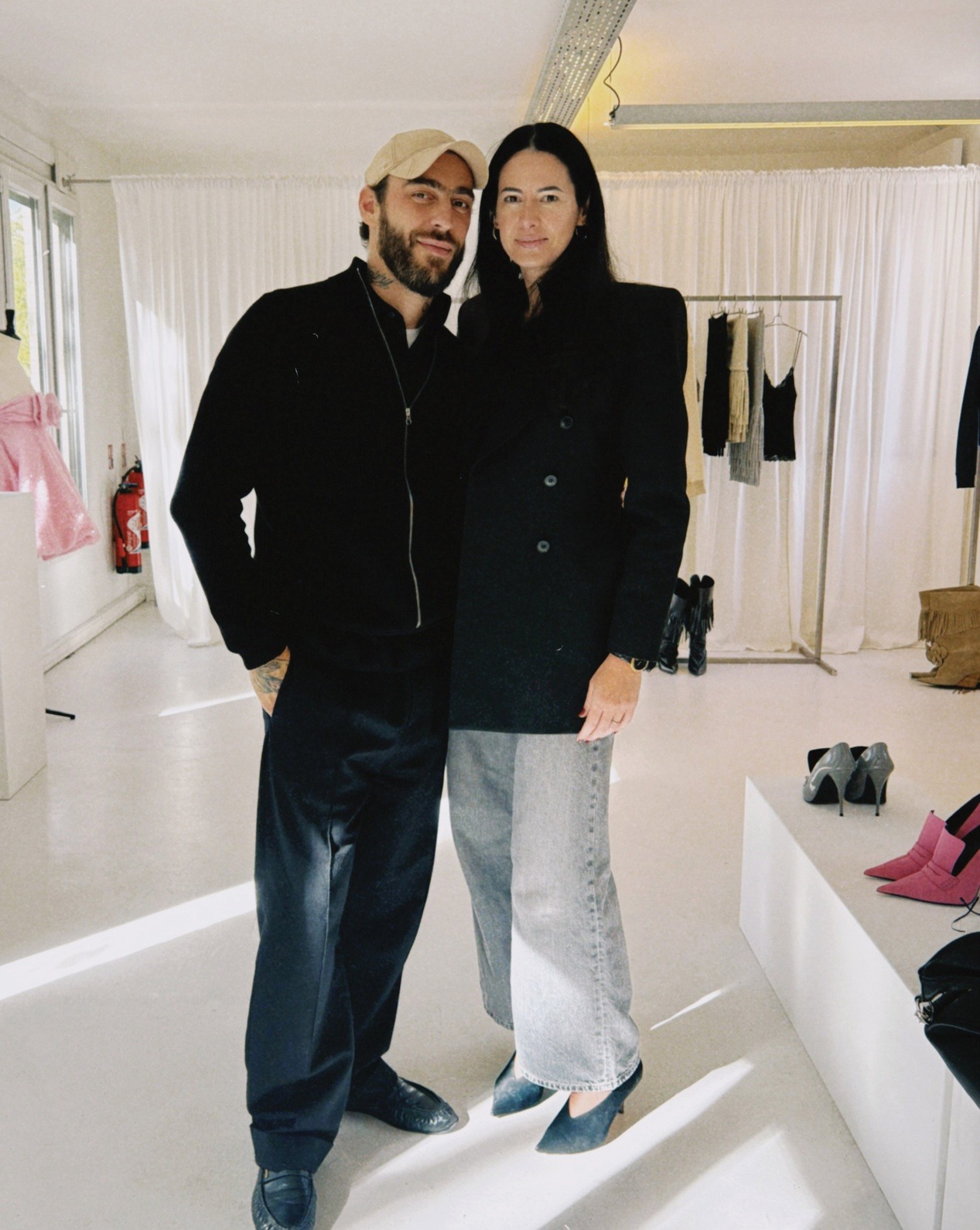
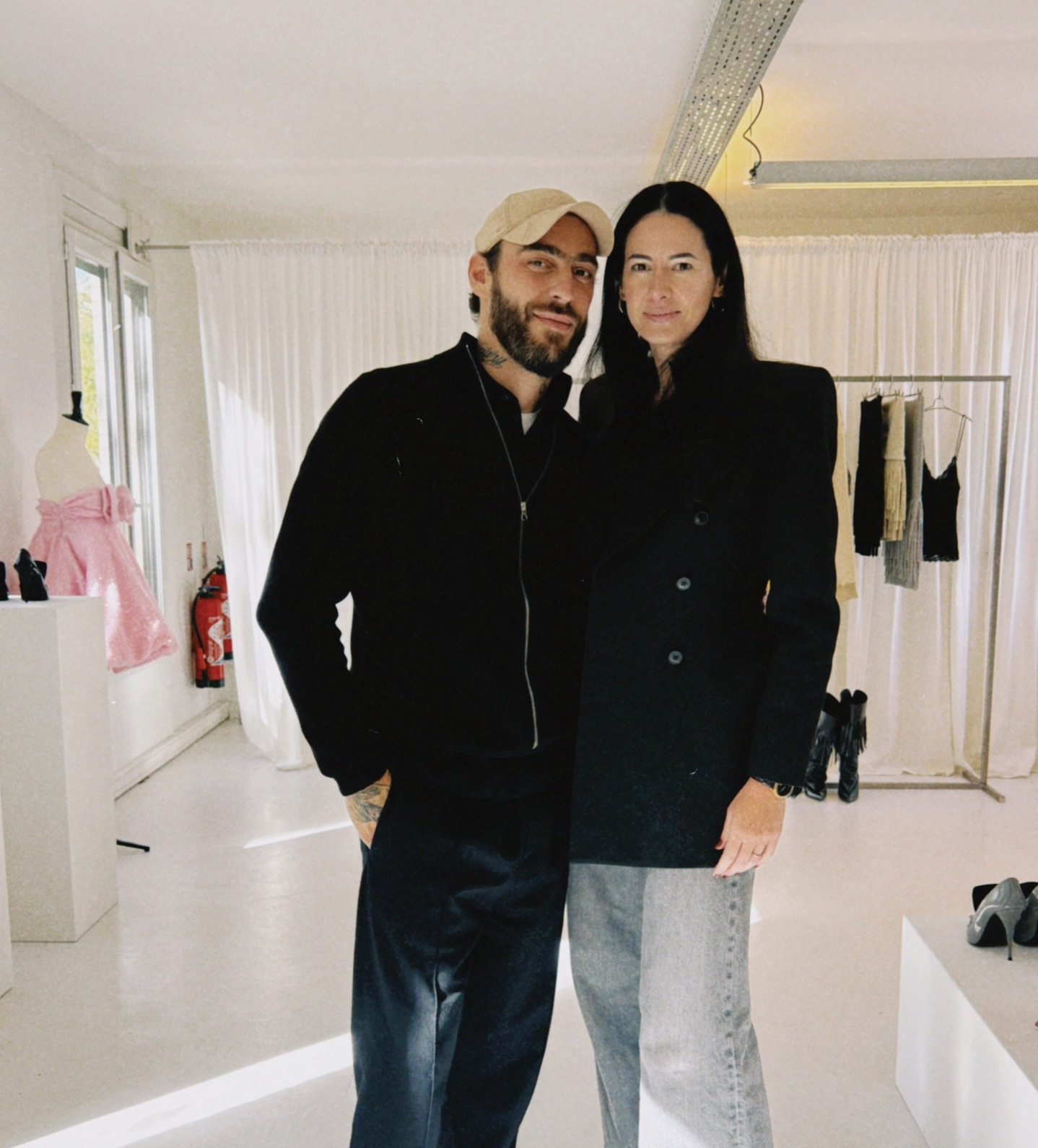
We meet in Abra’s Paris showroom, where light pours into a calm, airy space in which color functions as a language and buyers move with a familiar sense of confidence. Abraham Ortuño Pérez, Abra to everyone in the room, glides between racks, fittings, and hugs with remarkable ease, keeping every thread connected. Among sculptural heels and satin mini dresses stands Alex Consani, casually trying on pieces as if this were the most natural extension of her day. No entourage, no theatrics.
The tone is set immediately. This is not just an interview with a designer, but a glimpse into a creative world already recognized by the sharpest eyes in the fashion industry.
Abra smiles and settles into his chair as if talking to an old friend.
The Abra Paris brand has a clearly defined identity. If Abra Paris were a person, how would he describe it? “Laughter… hard question… a child… a little boy who dreams of becoming a designer one day… growing up in a small town full of flowers, surrounded by fabrics, in his parents’ restaurant…”
As he walks me through the showroom, he explains the pieces. He points to tailored trousers cropped at the ankle with a triangular detail at the front. “This triangle,” he says, “is inspired by my parents’ uniforms from their restaurant in Alicante. On the inside, at the collars, they had this exact shape.” “My entire collection comes from childhood… but this one also coincided with the end of Sex and the City, so that inspired me a little too,” he adds.
A few weeks ago, on October 2, his SS26 collection presentation at Dover Street Market in Paris, part of the official FHCM calendar, was infused with an 80s aesthetic that often lingers somewhere in the back of his mind. Here, references turn into intimate gestures. Parental uniforms translated into cuts with triangles. Barbie-pink dreams constructed into voluminous dresses with signature floral bows. Delicate, floral shirts that smell like summers at your grandmother’s house. What is especially characteristic of his work, however, is that contrasts within the collection do not clash. They complement one another and form a story. A story that feels familiar. A tribute to Barbies that were an unavoidable part of every childhood. Floral patterns worn by my grandmother, your grandmother, his grandmother. Patterns that smell like home. A collection that is home.
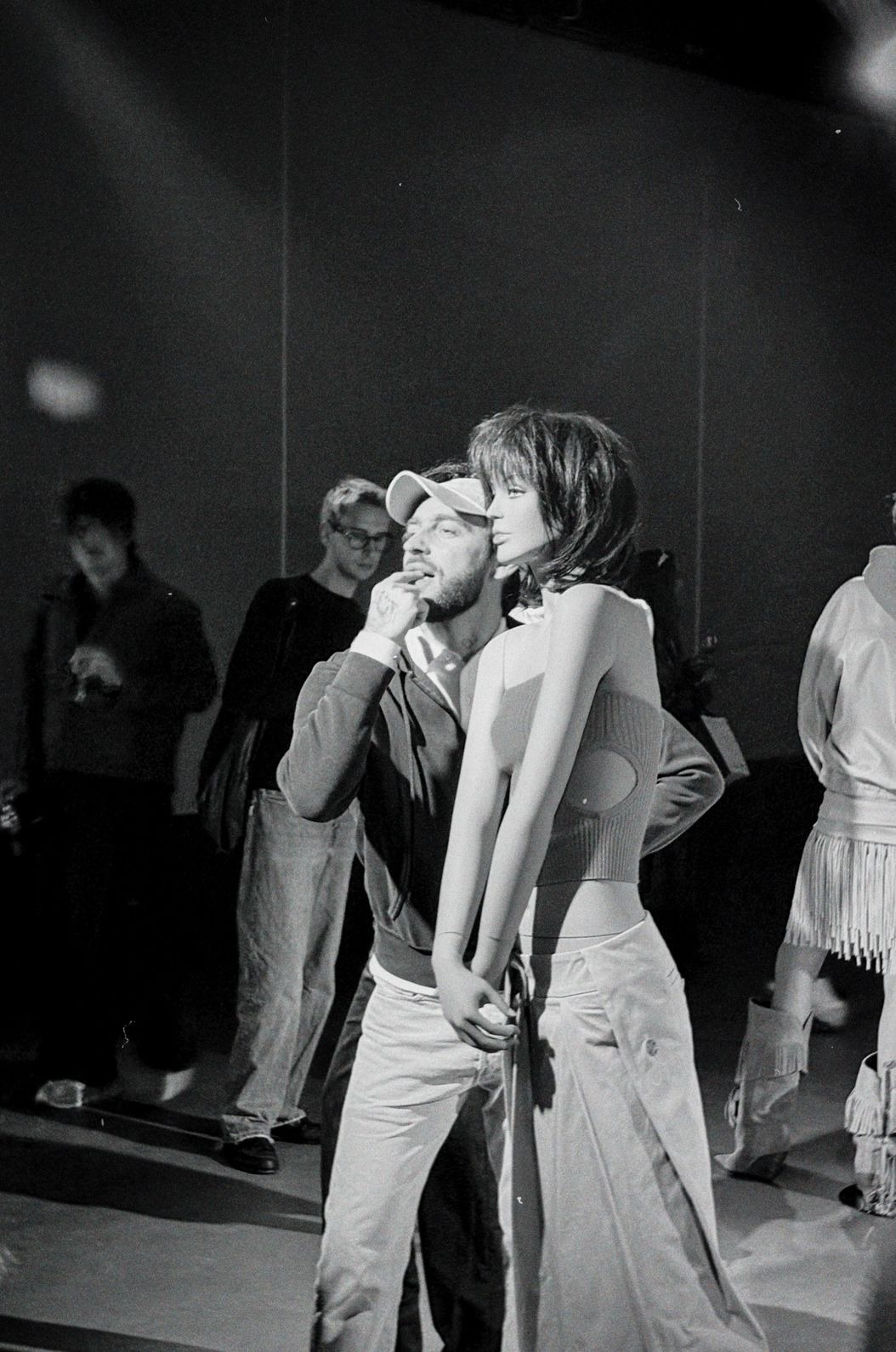
Going back to the beginning, I have to ask when the design process starts and what usually sparks the idea. Fabric or image, shape? “My process is always fabric-first. I find a fabric I love and everything starts from there.” So the fabric lights the spark? “Fabric,” he nods with a smile. “Everything starts with it. There’s a fabric store in London next to [JW] Anderson. I go there once a year, look through what they have, and I always find something I love. When I see a fabric, I buy quite a lot and take it home. Then I put it on the mannequin and let it speak to me…”
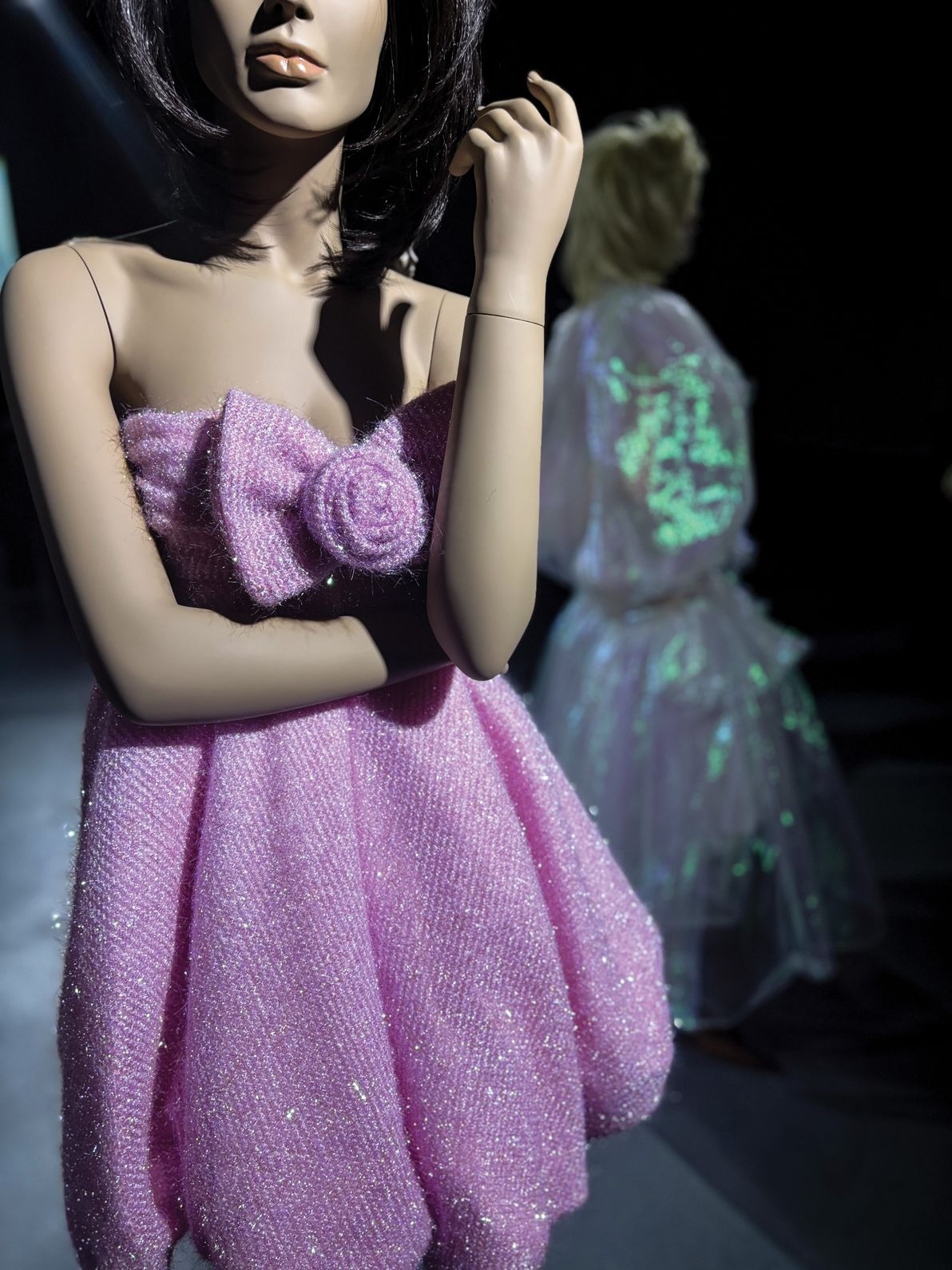
And it is incredible how well he knows how to listen. He shows me a pink baby-doll dress, quilted on the inside at the hem to achieve a balloon-like volume. “You see this… first I put the fabric on the mannequin… then I tried one thing, then another, but it wasn’t it. Then I tried this, and it was it. It clicked. This is what the fabric was meant to be.” And truly, now that I am looking at the shape in front of me, I cannot imagine it in any other form.
“I like having add-on pieces in my collections,” he says, picking up a satin ultramini skirt in baby blue, with a side zipper and a floral bow at the front. He layers it over a longer, pleated yellow skirt. “See… you can wear this mini skirt over a longer one, or over something else… or just wear a yellow skirt. The blue mini changes what you already have, so it’s never the same.” Suddenly, that baby blue mini skirt feels essential. “When I was younger, I was obsessed with Nicolas Ghesquière’s designs. Galliano, Gaultier, Mugler, they were everywhere and of course they shaped me, but the real inspiration for all my designs is my childhood, the environment I grew up in, and the people around me.”
This makes even more sense when I learn that his grandmother taught him how to sew. Later, he was mentored by some of the most skilled people in the fashion industry, so by the time he entered design school, there was little left to teach him. “Formal education is great if you don’t have anyone to teach you. But I already knew how to sew, how to design, I understood both the creative and business sides. I was already deep in the industry.”
He has his own brand, but also designs for labels such as Jacquemus, JW Anderson, and others. Is it difficult to put the Abra Paris mindset aside and switch into the role of an it-accessory designer for other houses? Where does Abra end and the others begin? “It doesn’t end,” he laughs. “But it’s really not difficult. We’ve known each other for more than 12 years, we’re like family. I have a team here, teams there… We all understand each other and trust each other. I know why something will appeal to them, what it will remind them of. That’s why it works.”
The range of fabrics for SS26 is strikingly diverse, from shiny lurex, lamé, and polyester satin to the quiet luxury of fine wool and soft cotton. Yet all the pieces are crafted with the same precision, care, and love. Every seam is impeccable. “This year we moved production to Italy, it’s a small, family-run company,” Abra says. And that is why his pieces, even when experimental, feel like heirlooms, made by hands he knows.
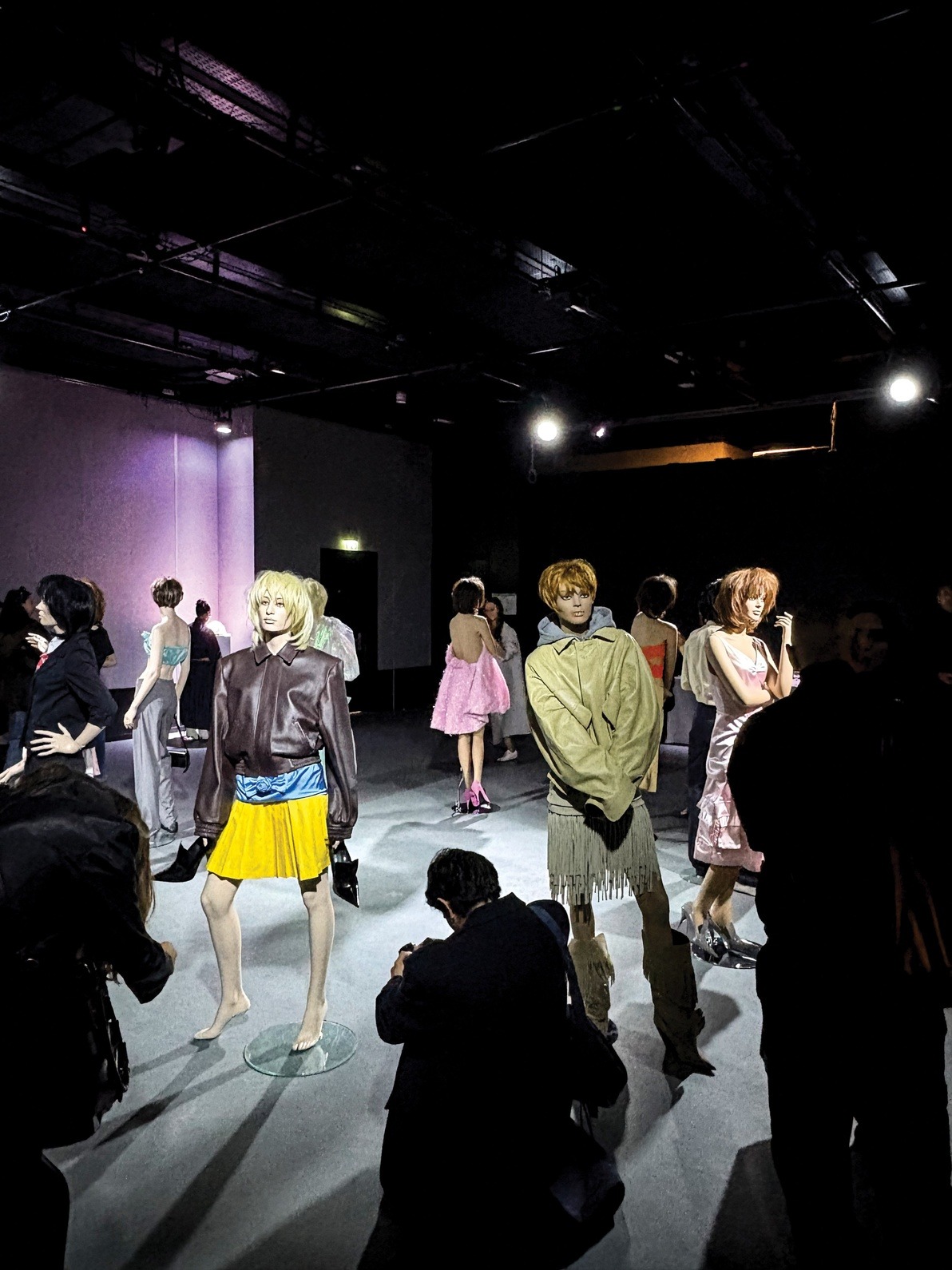
And it is incredible how well he knows how to listen. He shows me a pink baby-doll dress, quilted on the inside at the hem to achieve a balloon-like volume. “You see this… first I put the fabric on the mannequin… then I tried one thing, then another, but it wasn’t it. Then I tried this, and it was it. It clicked. This is what the fabric was meant to be.” And truly, now that I am looking at the shape in front of me, I cannot imagine it in any other form.
“I like having add-on pieces in my collections,” he says, picking up a satin ultramini skirt in baby blue, with a side zipper and a floral bow at the front. He layers it over a longer, pleated yellow skirt. “See… you can wear this mini skirt over a longer one, or over something else… or just wear a yellow skirt. The blue mini changes what you already have, so it’s never the same.” Suddenly, that baby blue mini skirt feels essential. “When I was younger, I was obsessed with Nicolas Ghesquière’s designs. Galliano, Gaultier, Mugler, they were everywhere and of course they shaped me, but the real inspiration for all my designs is my childhood, the environment I grew up in, and the people around me.”
This makes even more sense when I learn that his grandmother taught him how to sew. Later, he was mentored by some of the most skilled people in the fashion industry, so by the time he entered design school, there was little left to teach him. “Formal education is great if you don’t have anyone to teach you. But I already knew how to sew, how to design, I understood both the creative and business sides. I was already deep in the industry.”
He has his own brand, but also designs for labels such as Jacquemus, JW Anderson, and others. Is it difficult to put the Abra Paris mindset aside and switch into the role of an it-accessory designer for other houses? Where does Abra end and the others begin? “It doesn’t end,” he laughs. “But it’s really not difficult. We’ve known each other for more than 12 years, we’re like family. I have a team here, teams there… We all understand each other and trust each other. I know why something will appeal to them, what it will remind them of. That’s why it works.”
The range of fabrics for SS26 is strikingly diverse, from shiny lurex, lamé, and polyester satin to the quiet luxury of fine wool and soft cotton. Yet all the pieces are crafted with the same precision, care, and love. Every seam is impeccable. “This year we moved production to Italy, it’s a small, family-run company,” Abra says. And that is why his pieces, even when experimental, feel like heirlooms, made by hands he knows.
The word family keeps returning. His own, his working family, his clients. People and emotions are always at the center of his design.
I notice that all of his shoes are made in Spain, in Alicante. “Yes,” he lights up. “In a factory ten minutes from my parents’ home. I love supporting local production. I don’t like the idea of moving manufacturing just to cut costs. I like staying close and helping small family businesses grow.” Is that how he manages to preserve the brand’s DNA, high quality, and vision in such a commercial market? “I could push the vision much further, but I always think about wearability. We joke here and do the ‘sister test’. We ask ourselves: would my sister wear this in a small town? If yes, we move forward. If not, why bother?”
And judging by the audience at the SS26 show and the orders in the showroom, Abra Paris is very much wearable. His fans extend far beyond fashion insiders. Charli XCX wears his pieces, and Rosalía promotes them through several videos, including the one for the single “Berghain” in collaboration with Björk. The final word comes from Alex Consani, who briefly interrupts us on her way out to tell him she has placed her order and that his fringe boots, which she wore on a shoot, are the most comfortable she has ever worn.
What is the recipe for an iconic accessory?
“Take something useful that people have forgotten about and rework it. Find the gap. Look at flip-flops from last summer. Everyone wears them, but when you redesign them, they become a statement. My sneaker-ballerinas? No one was doing that. People were making sneakers, or ballerinas. And now everyone is doing them. Surprise everyone,” he adds.
So we can say you don’t follow trends?
“No. If everyone is doing loafers, I’ll do cowboy boots. And so far, it still works.”
Of course it works. No one understands accessories like Abra.
Is there an accessory that is still to come, waiting to be discovered, that will be the next It piece? He laughs. “I can’t reveal that. I can only say something is cooking.” And at least a general sneak peek of what’s next for Abra Paris?
“A new menswear collection in January, exclusive to SSENSE. Then a new womenswear collection.”
The world of Abra Paris is growing quietly and deliberately, without losing its smile. SS26 is not an escape from reality, but a deepening of it. Uniforms transformed into care, pink as strength, flowers as everyday tenderness. Pieces for life, built as if you are truly meant to live in them. Abra smiles. “You’ll see.”