The new Game of Thrones spin-off feels like a return to the show’s golden era
Anja StankovićJanuary 26, 2026

January 26, 2026
Ah, that anxiety. At this point in my life, it feels like it is becoming my closest companion, almost always with me, through everything, racing to see which of us will reach the finish line first. The constant fear while chasing (and achieving) my ambitions leaves me oscillating between thinking I am one of the weaker, more insecure people or a modern hero who, despite all that uncertainty, pursues what drives them.
As sometimes happens, the universe sent me a subtle answer in the form of a new series that was everything I (didn’t) expect. Amidst a sea of feel-good and blockbuster productions, I came across a new spin-off from the Game of Thrones universe. Expecting dragons, an army of the undead, or at least the familiar GoT court intrigues at their lowest, the new adaptation of Martin’s Dunk and Egg stories left a stronger impression on me than the Red Wedding.
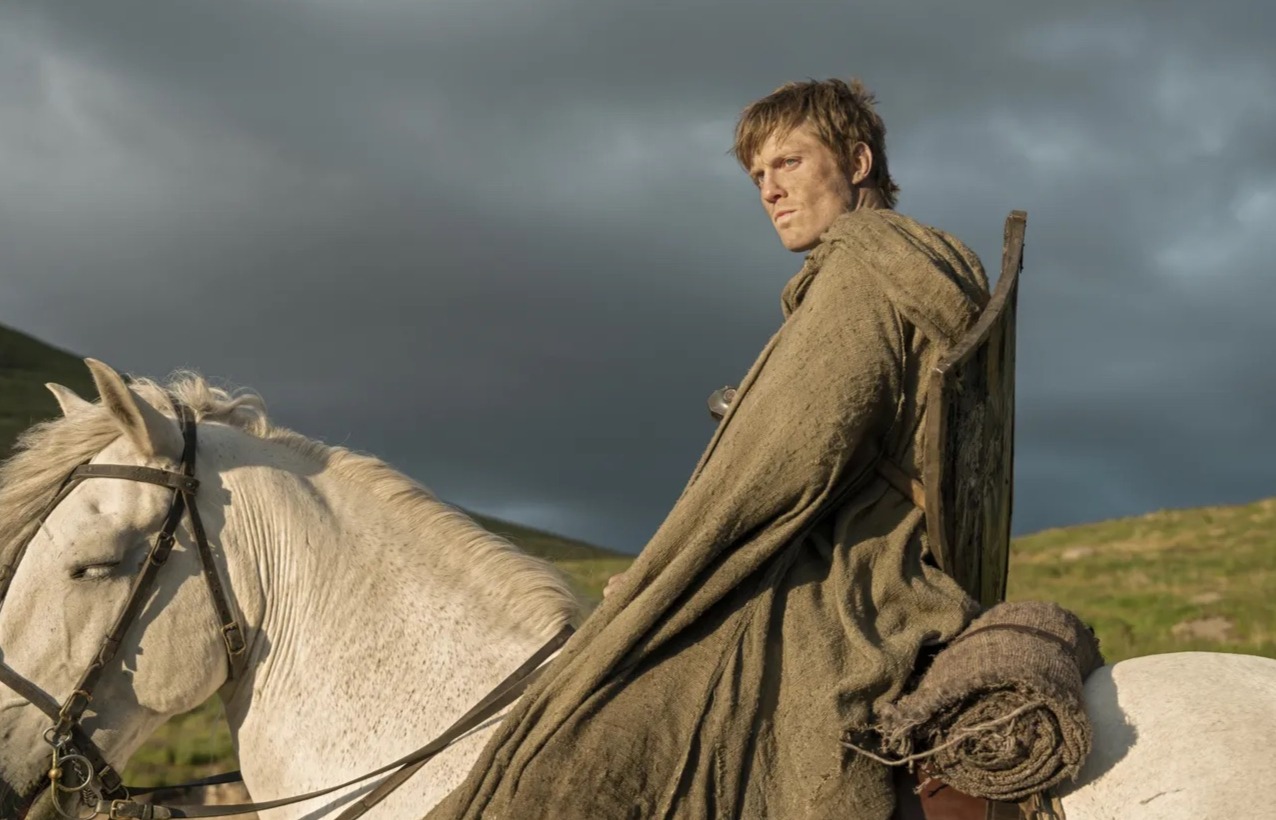
Instead of the spectacle we are used to, set 100 years before the events of GoT, A Knight of the Seven Kingdoms tells the story of Ser Duncan the Tall, a knight only because his dying lord told him he could be, and the boy Egg, who hides his true origin behind a shaved head and deliberate modesty. Westeros is still ruled by the Targaryen dynasty and memories of the last dragon still linger in the minds of its people. For the first time, we move through the streets of the lower classes of this kingdom, and we have only one point of view, Duncan’s.
Related: The shows arriving in 2026 that have ‘hit’ written all over them
Duncan is not a fairytale hero. He is insecure, awkward, a man who clearly improvises his way through life. He was not born into a noble family with centuries of tradition. He never had sword-fighting instructors or maesters teaching him history and strategy. He is not part of some grand prophecy heralding his heroism. He is just a guy trying to survive and be a decent person in a harsh world, which paradoxically makes him a more authentic hero than many characters with far more screen time in the original series. You see how selfishly I immediately related to this?
All jokes aside, what makes A Knight of the Seven Kingdoms so refreshing is precisely that focus on the human. On small victories, small defeats, on the realization that heroism does not have to come with trumpets and prophecies. Duncan makes mistakes, stumbles, and does not always know what to say or how to act. And that is exactly where his strength as a character lies. He is what most of us really are, a person trying to do the right thing even without having all the answers.
The reduced intensity the series offers is not a flaw or a compromise due to a limited budget. It is a conscious creative choice that brings the series back to what made the first seasons of Game of Thrones unforgettable, before everything became about spectacle and CGI budgets. These are intimate stories, conflicts that can be resolved with conversation as much as with a sword. It would not be fair not to mention the higher level of comedy and overall entertainment that marked earlier installments, which here, it seems, goes nowhere.
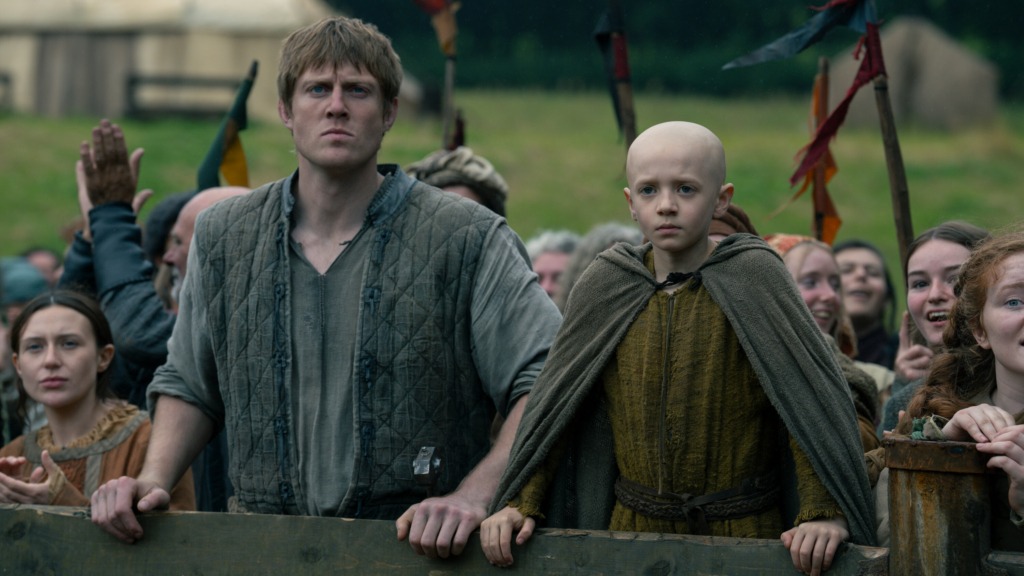
Photo: HBO
And then comes that final scene, which perfectly captures everything the series is trying to achieve. Duncan and Egg, moments before falling asleep under the tree where they are staying, watch the sky above them. A shooting star streaks across the sky above the two heroes as their story begins. In that simple exchange that follows, without sentimentality or pretension, lies the essence of what this series conveys.
A Knight of the Seven Kingdoms reminds us that the best stories about heroes are often stories about people who had no idea they would become heroes. About those who started with nothing and no one. Who were insecure, made mistakes, doubted themselves, yet kept going despite everything. These are the stories that resonate with us because they are human, because in them we can see ourselves—not in grand moments of celebration and triumph, but in the everyday effort to be a little better, a little braver than we think we are.