Do you ever think about what you needed back when you were just starting out in the field you’re now already skilled in? Or, more broadly, what you wish someone had told you as a teenager or in your early twenties? I keep a list of things I wish I’d heard back then, and I have a feeling that over the next two years, as I approach thirty, that list will only grow. As someone who studied art history, the things I wish I’d been told at the beginning of my studies, and throughout them, mostly come down to at least one positive affirmation and some small sign of light at the end of the tunnel, and only then a reminder that there is room for art and culture in this region. I learned that on my own only once I became an active participant in the contemporary scene. I wanted to believe that it wasn’t all bleak, and at moments it truly isn’t, but the biggest thing we need to redefine on a systemic level is the way we talk about art. The need for art and culture has existed since the beginning of time, yet today there are fewer resources, fewer opportunities, and fewer strong institutions willing or able to support them.
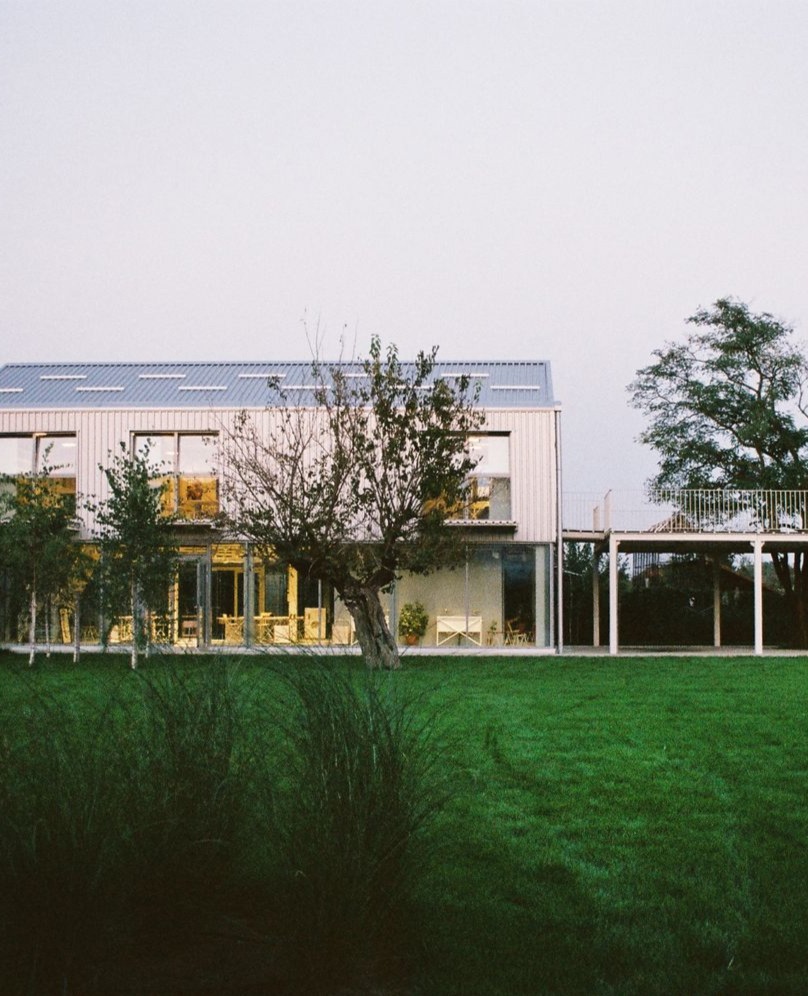
This is why the Mokrin House Art Colony feels like such a breath of fresh air on the regional art scene. It brings something that, until now, has been almost entirely absent here: an intensive mentorship program that offers young artists from the region a rare and valuable chance to spend seven days creating within a professionally structured, focused and supportive environment. It’s conceived as a long-term platform dedicated to art, emancipation and community, functioning as a contemporary art colony for young, promising authors. The idea is to encourage creating and thinking in dialogue with the community, but also to spark a broader social conversation about art from an early age by introducing contemporary art into primary and secondary schools, especially in rural areas. It’s definitely something I wish I’d had at the beginning of my curatorial journey, but it’s not too late. Initiatives like this often set off a wave of positive change. I hope that because of this colony, the lists of “things they wish someone had told them” will be much shorter for the next generation of young artists than mine ever was.
The first edition of the colony will take place in mid January 2026 at Mokrin House and will last seven days. A jury will select twelve young artists from across the region, and once on site, they will work within an intensive mentorship program led by Marina Marković, this year’s jury president, together with Ivana Ivković, Saša Tkačenko and Šejla Kamerić. Each participant will create a new artwork during the residency, which will later be gifted to the project’s sponsors.
To extend the colony’s impact beyond the professional art scene, every young artist will also create an additional piece before arriving in Mokrin. With mentor support, these works will be donated to twelve schools in rural parts of Serbia, giving children in those communities greater access to contemporary art. Throughout the week in Mokrin, participants will explore different media and rethink contemporary artistic concepts, spanning painting, sculpture, performance and intermedia practices. Recognizing how important professional development is, the colony also brings in speakers from the world of business to offer insights essential for building a sustainable artistic career.
With that in mind, we spoke with Marina Marković, Ivana Ivković, Saša Tkačenko and Šejla Kamerić, the mentors who will lead this year’s artistic residency in Mokrin.
It feels as if, in a time of hyperproductivity obsessed with speed and market logic, this colony redirects attention toward slower, deeper work, toward conversation, toward learning that happens in the presence of another artist. It creates a space where things aren’t done out of panic but out of curiosity. A space where young authors don’t need to know right away who they are or where they’re going, but can explore without pressure and build their practice in dialogue with mentors and peers. Saša Tkačenko speaks precisely about that kind of openness without which a real encounter isn’t possible: “I want to believe that if we stay open to people, we can always gain something good from them. In this case as well, with an open heart I’m looking forward to our meeting, and I’m sure we’ll all learn a great deal from each other.” His idea of learning isn’t tied to an institution, authority or strict methodology, but to a process that unfolds in the moment and in closeness with others. “I don’t approach education in a formal way, nor did I when I taught at the academy. Art is a fluid discipline that gives us the freedom to think beyond conventional principles and widely accepted social norms. I’m here to share my experience with others, but I’m also very interested in what’s currently at the forefront for the new generation. I’m looking forward to open conversation, to a thoughtful exchange of ideas and opinions, to an intense working dynamic, and to a passionate approach to the themes we’ll be opening up.”
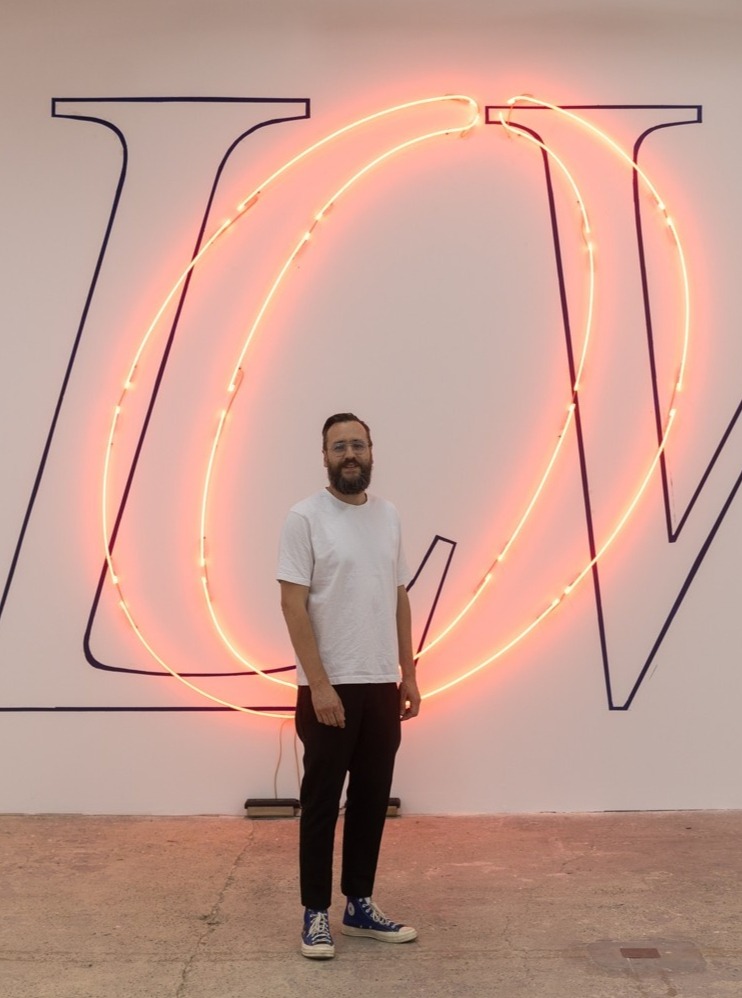
I could live i hope, Saša Tkačenko, Photo: Ivan Zupanc
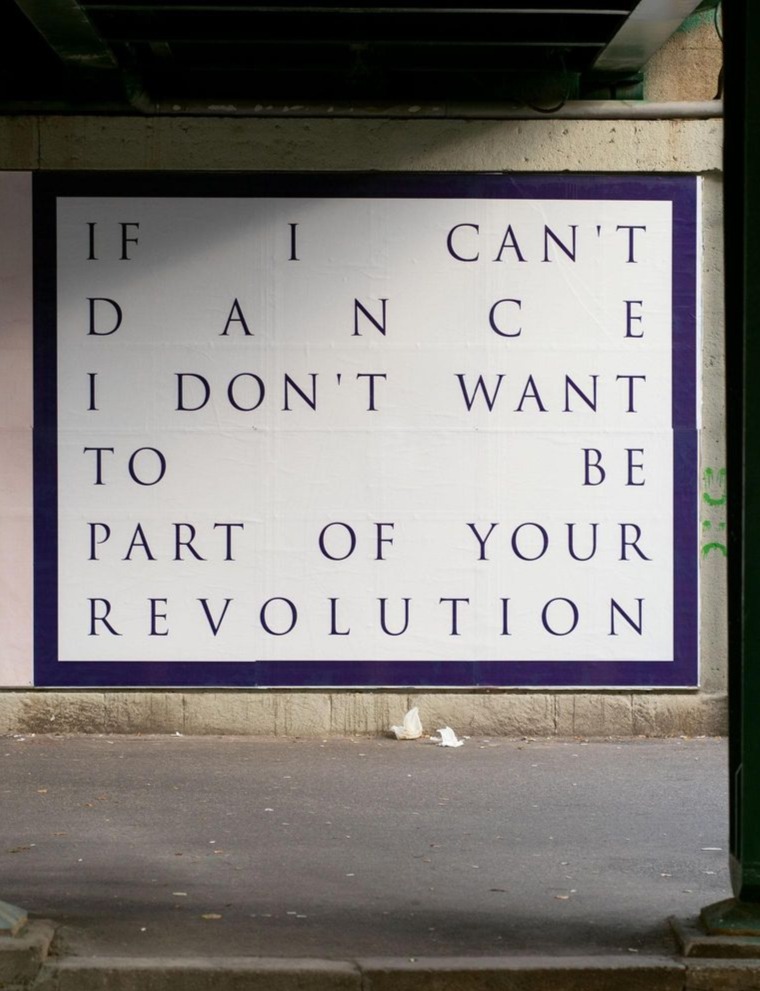
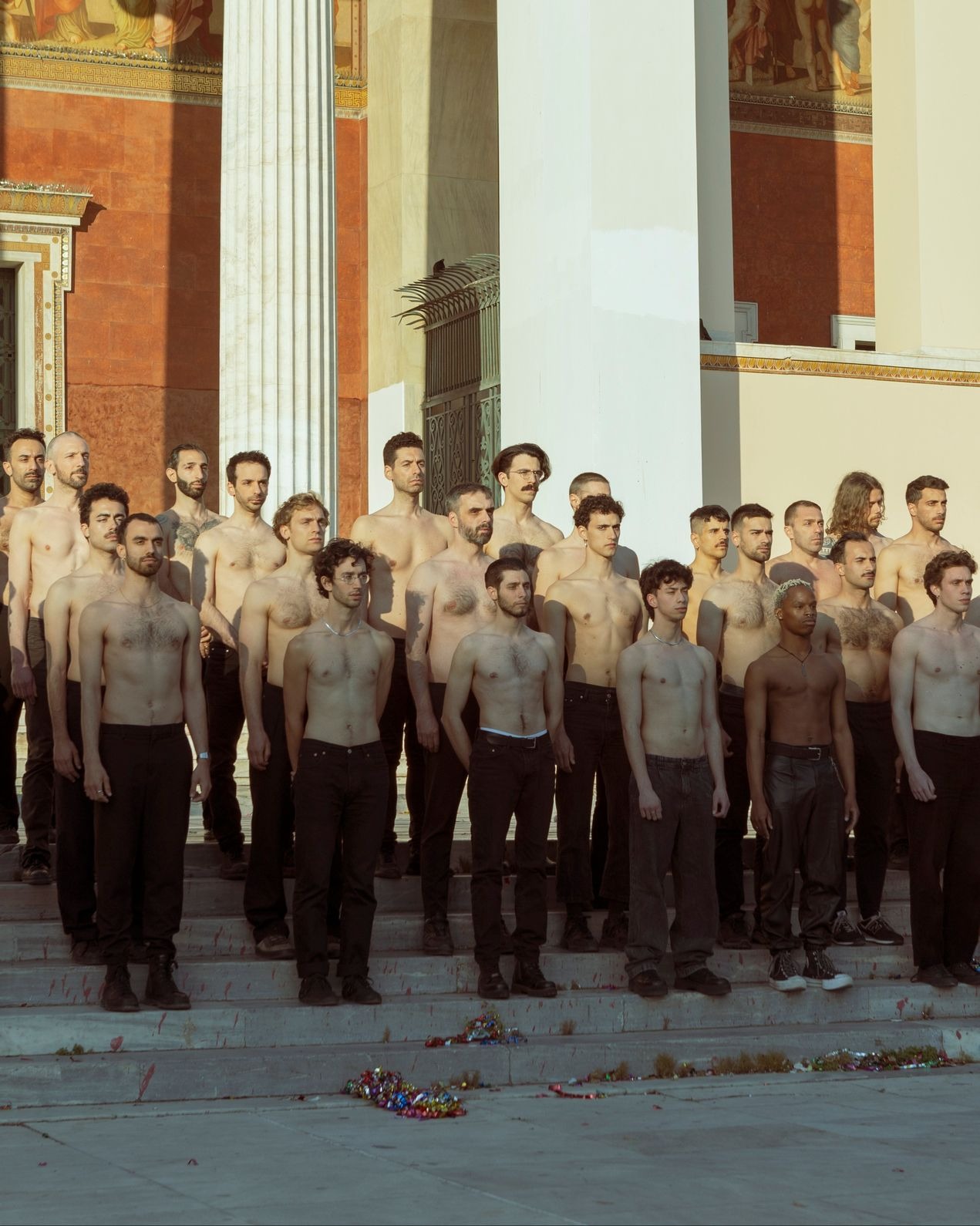
DIY Revolution 2024 Photo: Ivan Kuharić
His connection with the young scene is natural, almost instinctive. Over the years, he says, nothing has taught him as much as direct contact with people and situations that open up new possibilities: “It’s somehow natural, following the scene, especially the one you yourself came from. The scene is a living thing, a kind of catalyst for everything good and bad around us. When I lived in Belgrade I was everywhere. I didn’t miss openings, actions around the city, performances… Especially when I was just starting out, I absorbed everything, literally everything.” That hunger for experience still drives him, only the geography has shifted: “Zagreb is becoming less of a new environment for me. Over time I’ve met some wonderful people, and the scene itself is quite vibrant, with new names constantly appearing. I try to stay as open as possible to everything around me so that the surprises that come my way are the good kind.”
Ivana Ivković sees the colony as a space that allows for long, steady work, something that can finally offer what the system doesn’t know how to provide anymore, or no longer tries to. “I expect this colony to become a place where young artists can develop their ideas in continuity, supported by a dialogue that rarely happens under regular circumstances.” At a moment when institutional support is incredibly thin, the simple fact that there is time to work feels like a luxury. “Our system mostly doesn’t give them that, so the very fact that they have time, conditions and mentors here already shifts the dynamic of creation.” She highlights something that may be the most important element of programs like this: community without hierarchy. “I hope the colony opens a space for a new kind of togetherness, one that isn’t based on knowledge hierarchy, but on exchange of experience, generational empathy and creating a safe framework for experimentation.”
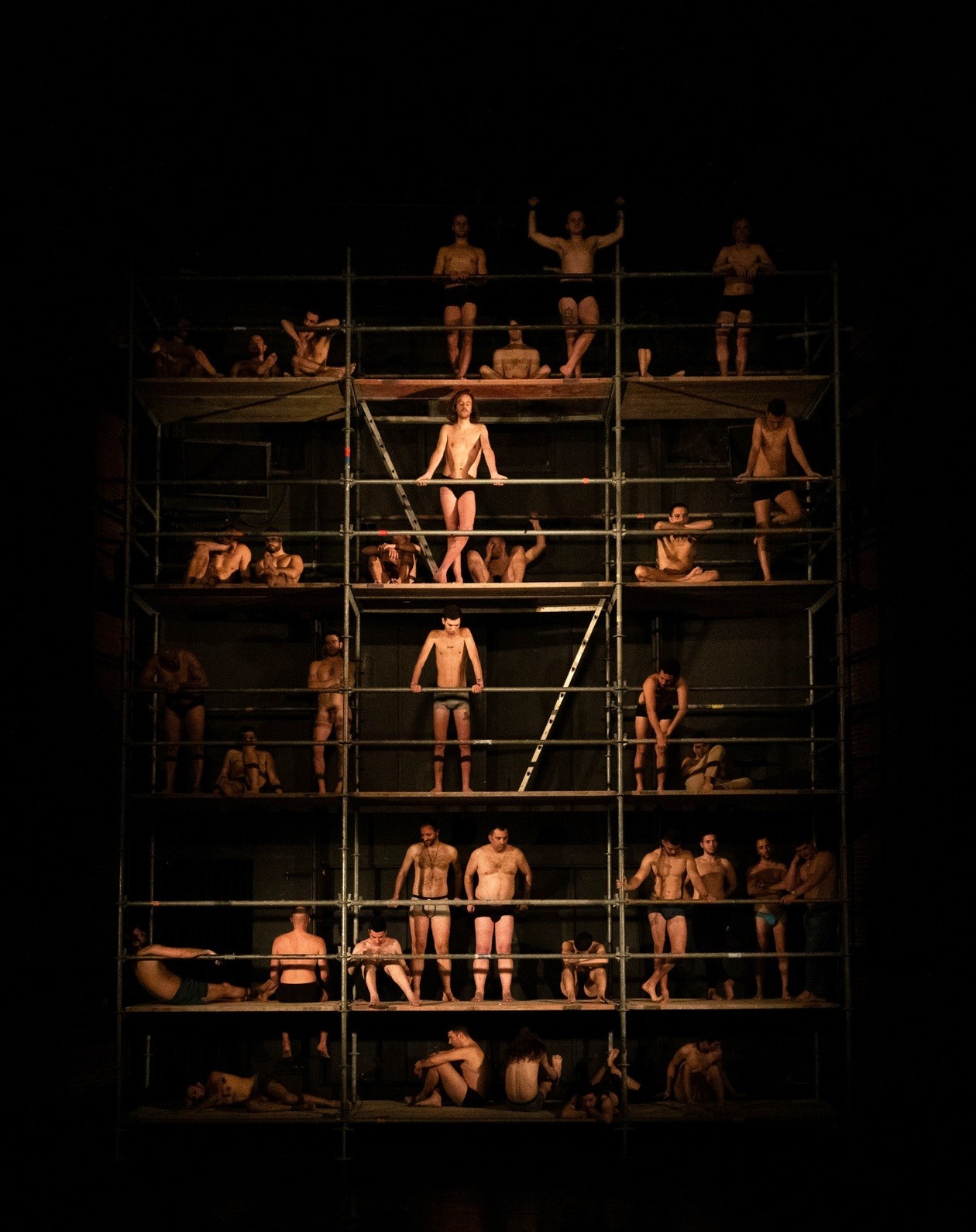
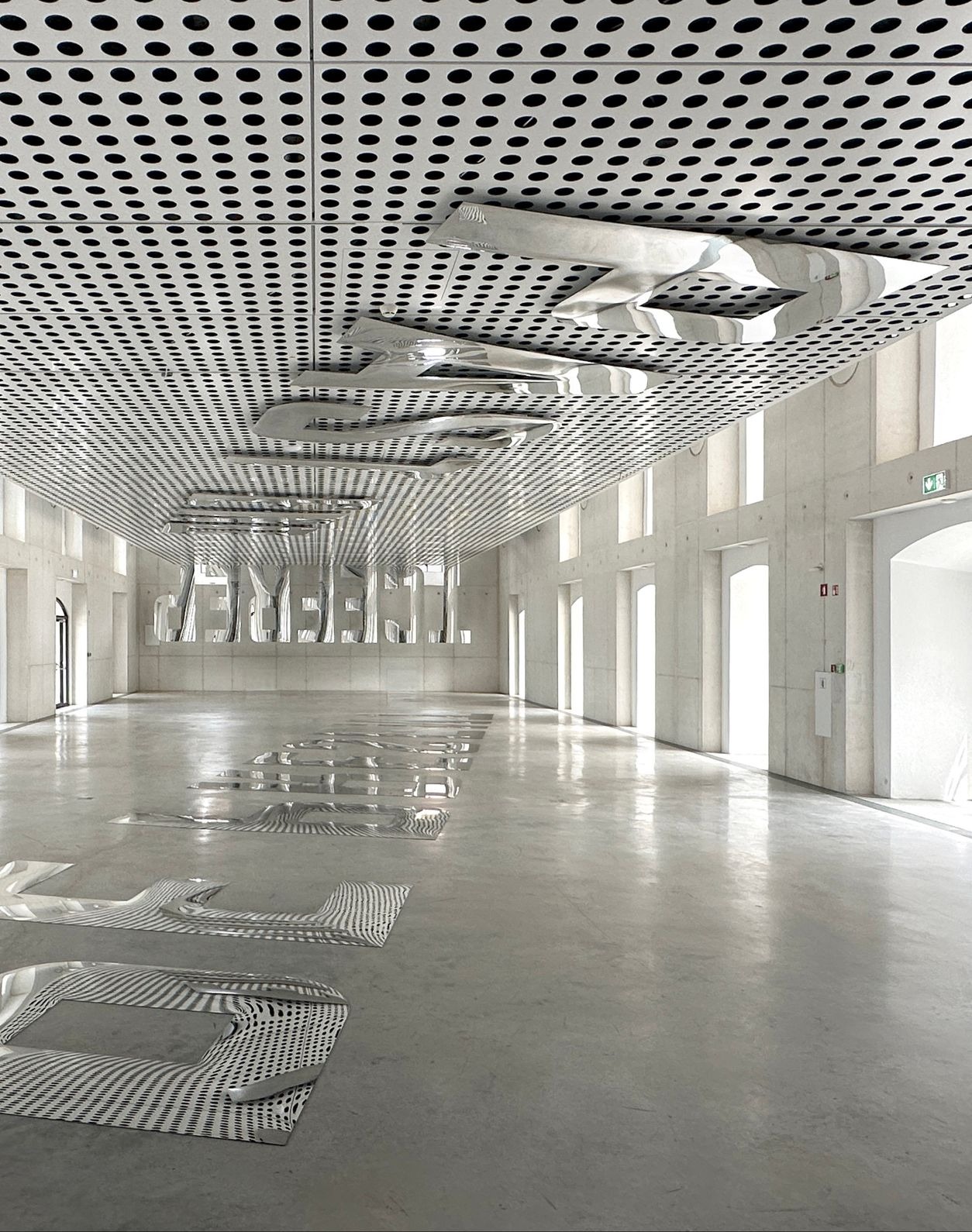
IN HIM WE TRUST, Ivana Ivković
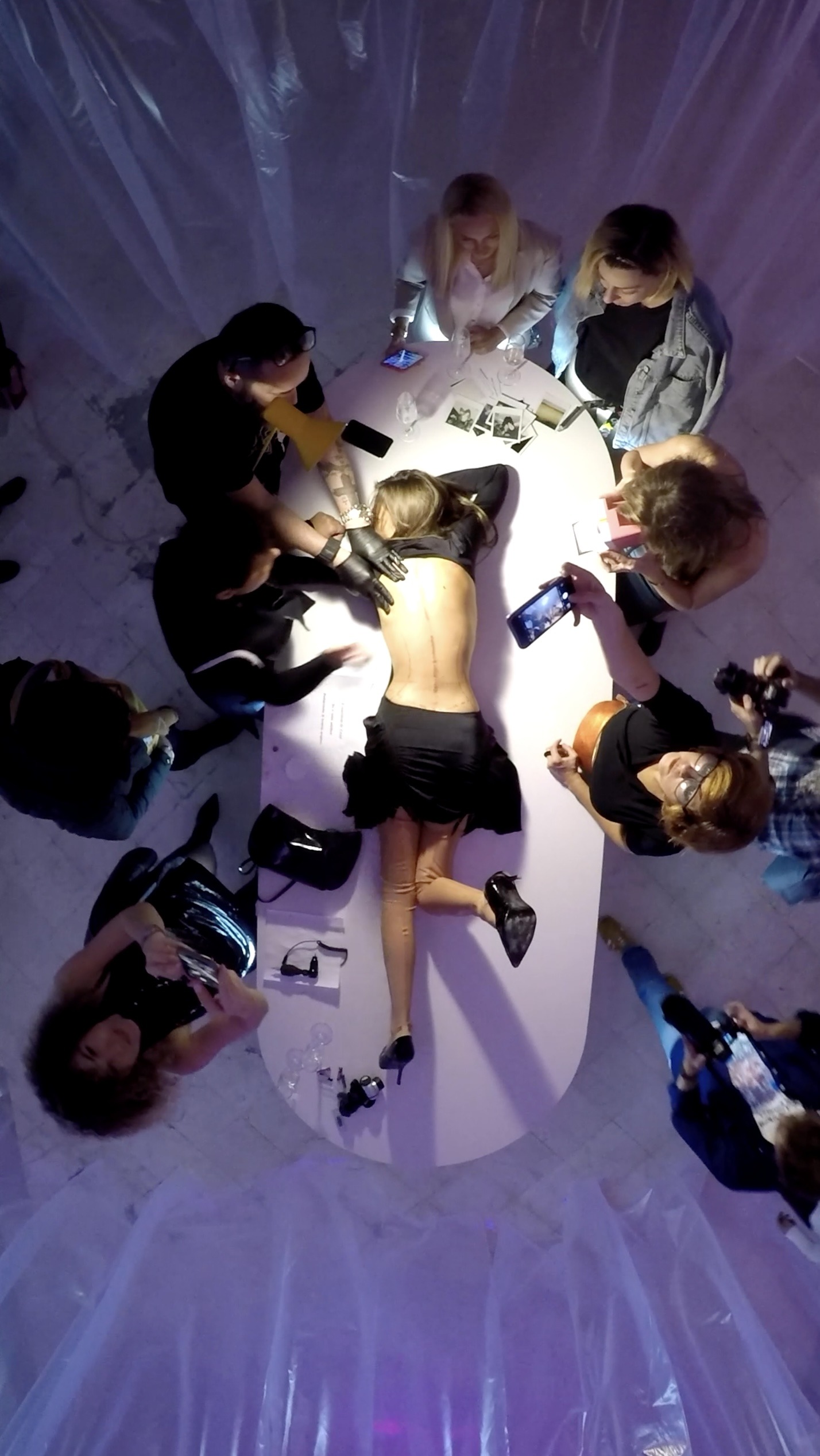
Evrovizion, Ivana Ivković
From her perspective, the colony can influence the broader regional landscape, especially now, when the art scene is carrying the weight of exhaustion. The situation, she says, is not only difficult but tragic. “The art scene in the region is certainly lacking stable, long-term support and infrastructure that would allow artists to plan, develop and realize their work without constant uncertainty.” She describes the past year as almost without precedent: “Speaking from the experience of my own country, the situation for art this year has been problematic on so many levels. Even though it hasn’t been good for a long time, now it’s tragic, with no open calls being realized, no production funding, and many long-standing festivals left without any support and completely canceled.” Her sense of urgency is clear. The changes she talks about feel less like idealism and more like necessity: “In that spirit, I would introduce continuous investment in processes, research projects and interdisciplinary platforms, as well as a network of mentors working with young artists outside the often rigid frameworks of institutions. I would put an end to the exhausting cycle-to-cycle ‘survival mode’, because that model doesn’t build a scene, it drains it.” In her voice there is both a warning and a kind of hope: that it’s time to bring trust, risk and solidarity back to the forefront. “We have to resist the ‘manage yourself’ narrative and the imperatives of success at any cost, which normalize burnout, self-exploitation and constant proving of one’s worth, and which inevitably affect the quality of artistic production. What we need most is investment and trust in artists, space for risk and development, and the courage to support and demonstrate the importance of freedom and critical thinking.”
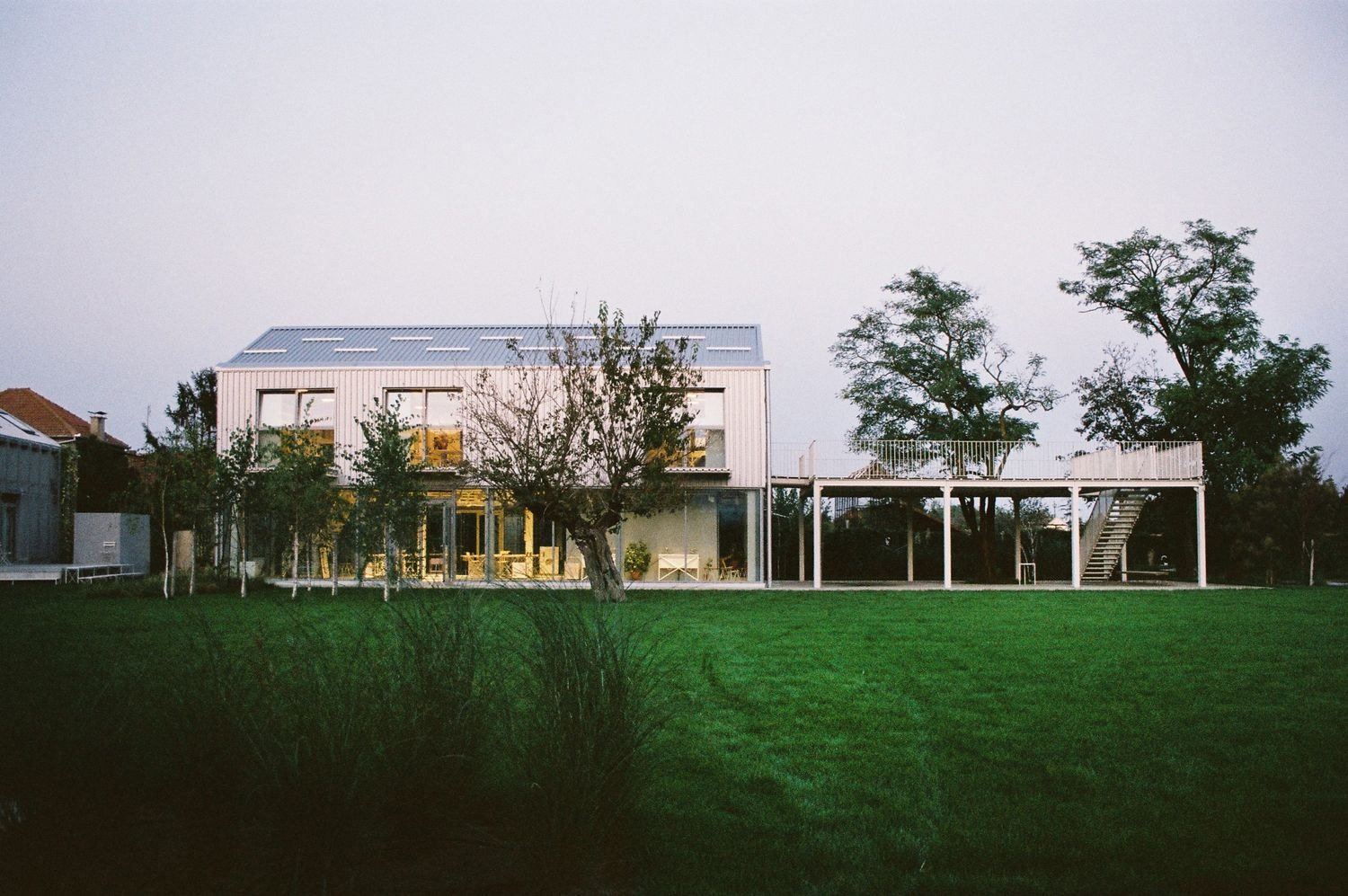
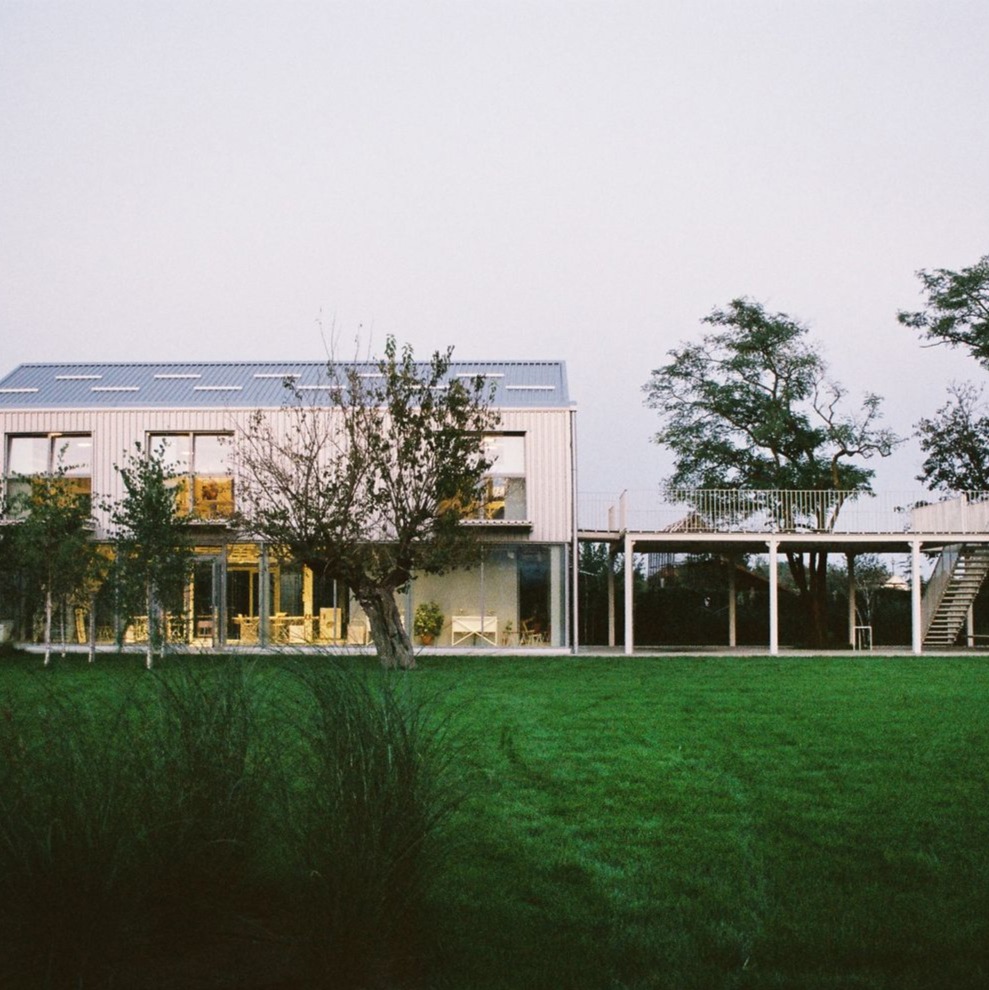
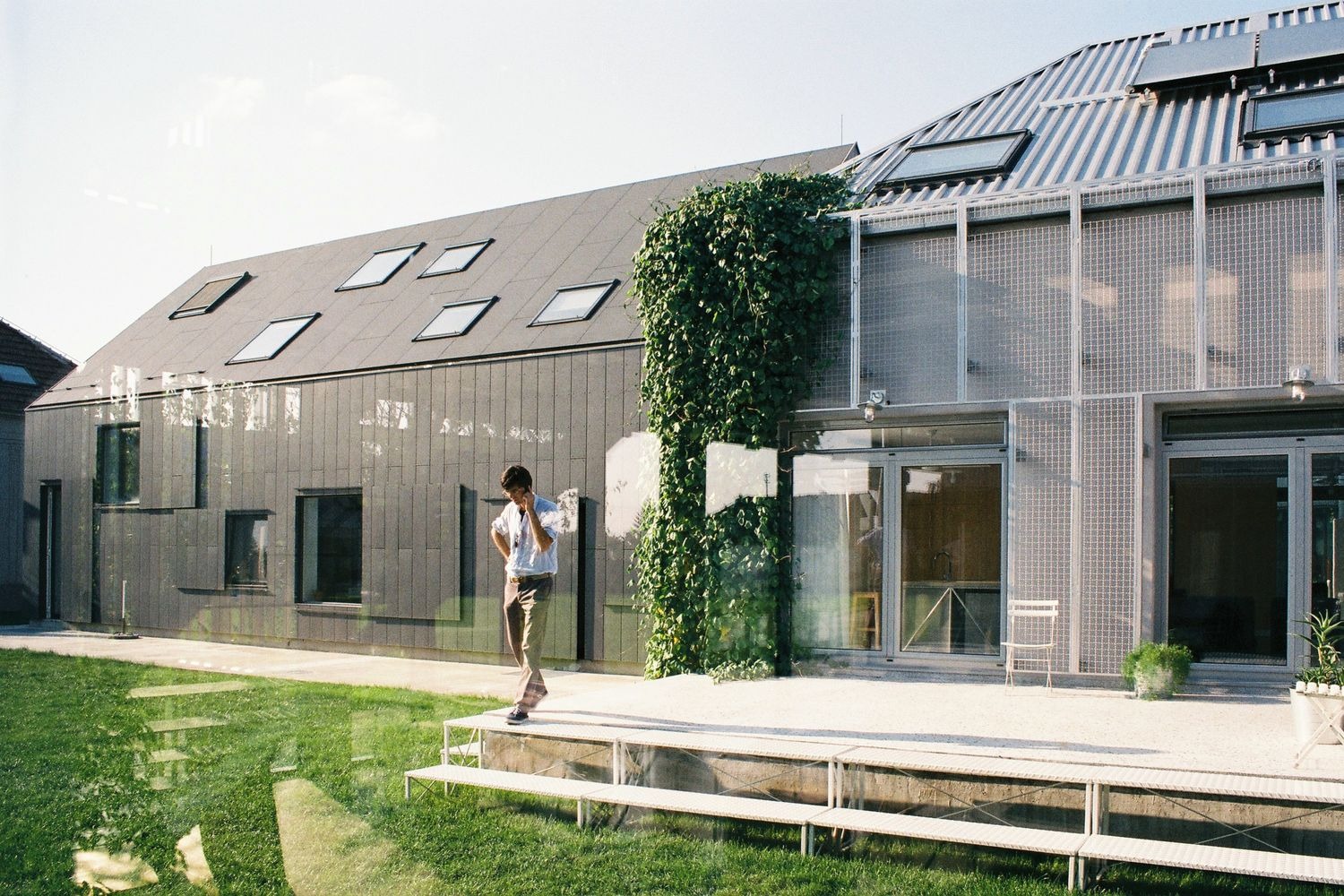
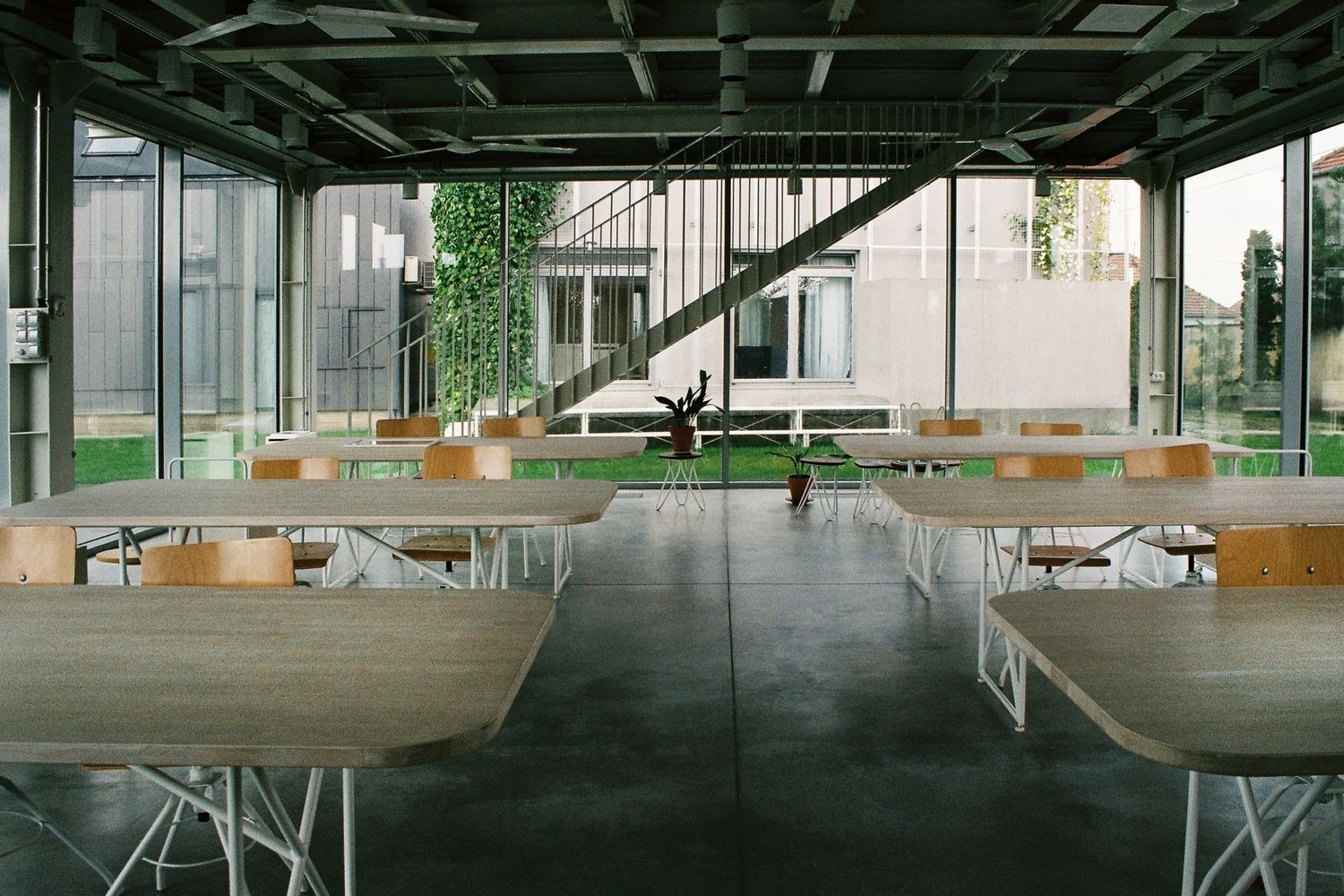
For Marina Marković, this program is far more than another colony, and that becomes clear in the deeply personal motivation behind her involvement. “Programs like this are extremely rare in our region, and from my own experience I know how important residency and mentorship programs are in an artist’s development. That’s why I want to offer young colleagues the opportunity and support I myself looked for at that stage, but wasn’t always able to access.” She sees Mokrin as a place that enables balance and concentration: “Mokrin House is an ideal setting for this endeavor because it offers a rare balance between collective exchange and individual focus. Its distance from everyday distractions, combined with full infrastructural support, creates a protected environment where the dynamics of group work under expert mentorship can unfold without interruption.” What emerges in that space is at once art, dialogue and community, something that has been missing for a long time.
Screenshot
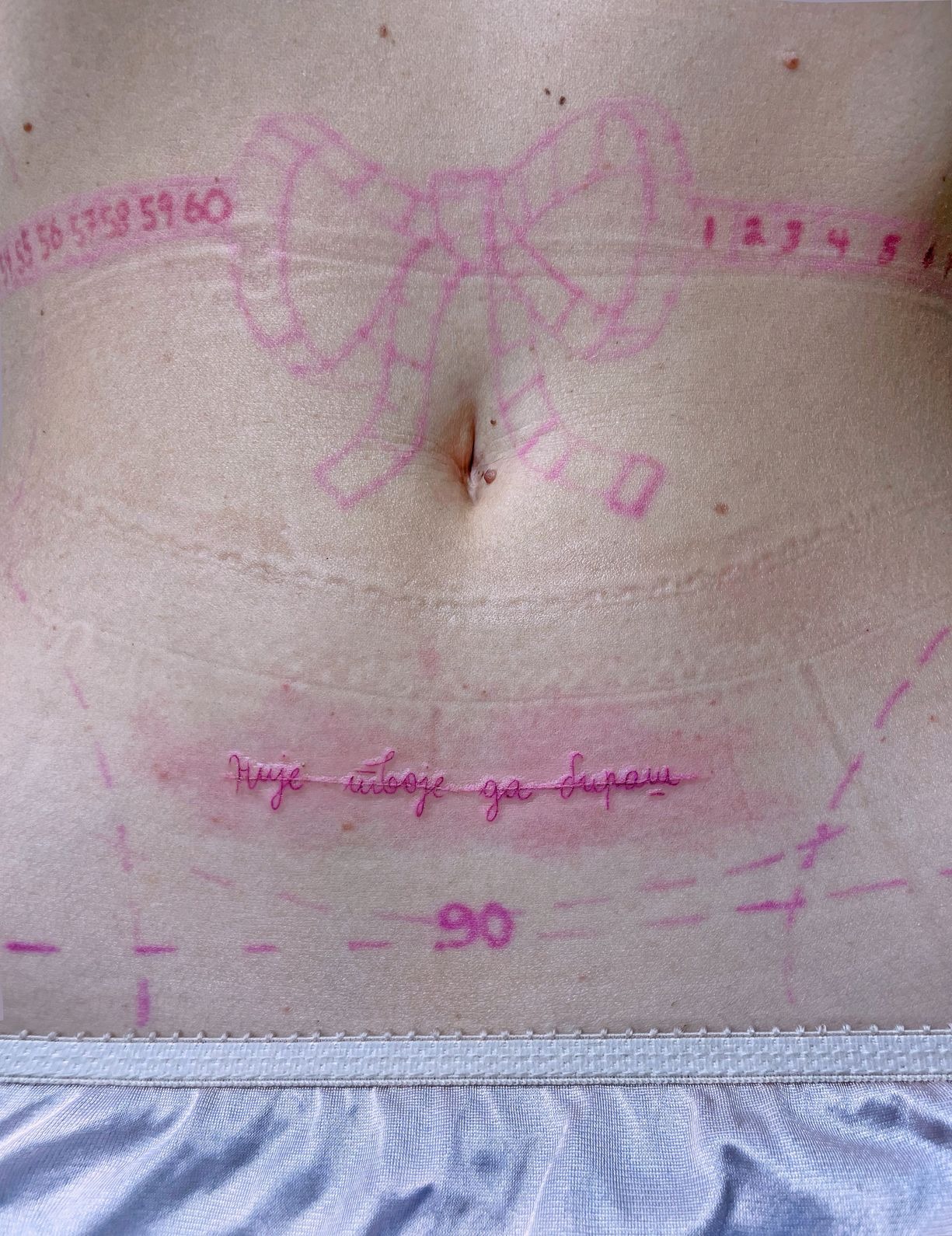
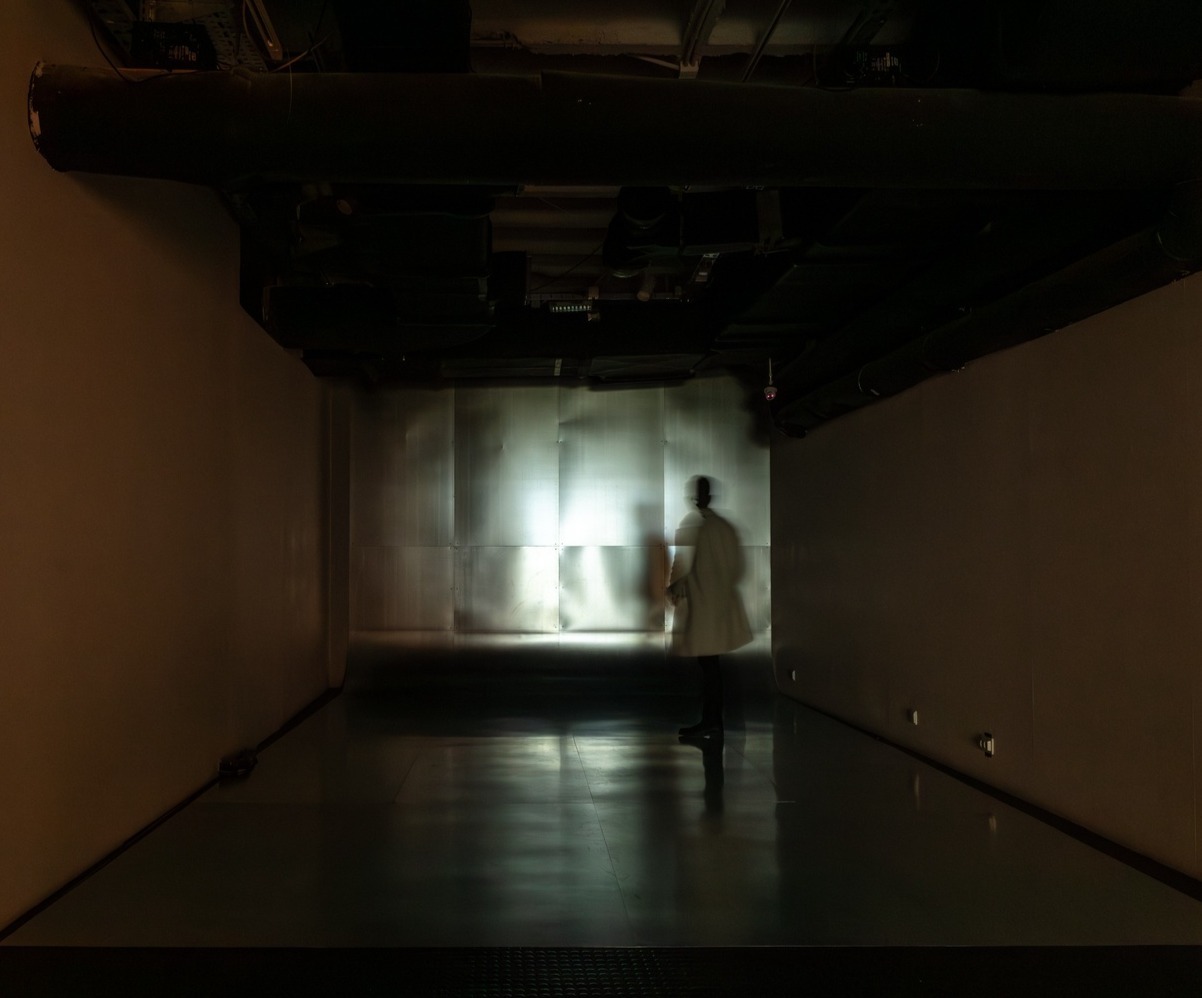
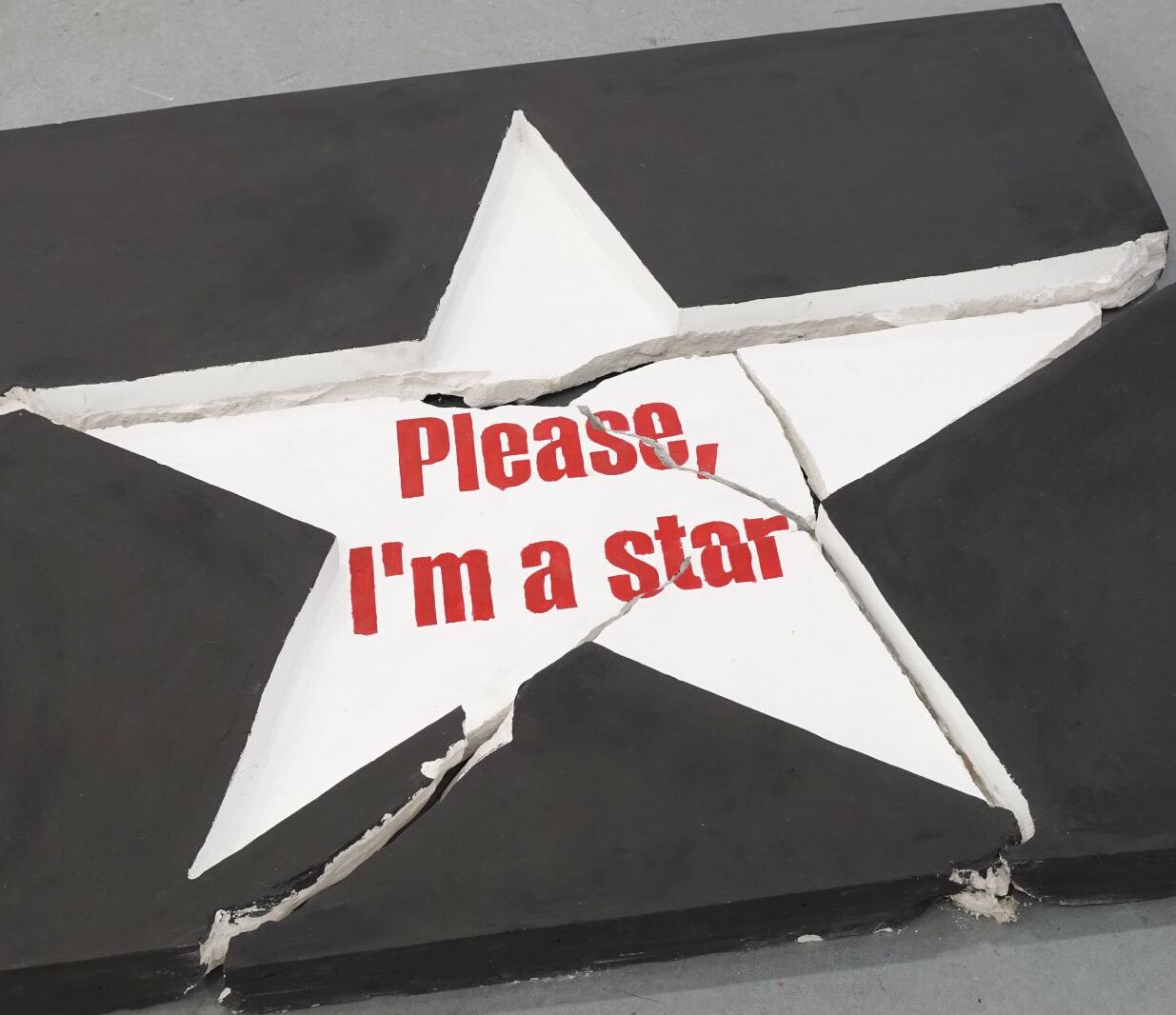
Marina Marković, Nije tvoje da biraš
From her point of view, the applications they received show not only that a young scene exists, but that it carries a clear impulse, self-awareness and ambition. “The large number of high-quality applications clearly shows a strong appetite among young artists for serious, professionally guided support that will allow them to deepen their practice, articulate it clearly and make it sustainable.” She also notes that the selection is anything but simple: “Choosing twelve young colleagues will be a real challenge, because the competition is not only large but exceptionally strong, which further confirms the vitality and strength of the contemporary art scene.” And perhaps most importantly, young artists today are not looking only for a workspace, but for a community. “It is clear that the youngest generation is not just searching for a place to create, but also for a space to exchange ideas and support one another, which makes this colony a key site for developing sustainable artistic practices and affirming new perspectives.”
Šejla Kamerić brings a distinct dimension, since her generation carries an experience that has shaped the entire region. When asked what differences she sees between her generation and the new one, she answers without hesitation: “My generation came of age and worked in a landscape that was physically limited, divided, burdened by the trauma of war and a difficult transition. We created out of an urgent need to speak, to testify, to be heard and, in that way, to survive.” Even though the world has changed, uncertainty, she says, hasn’t disappeared. The difference lies in the speed and the market-driven pressure that define today’s art field: “Today, young artists have the opportunity to be far more visible, the scene is faster and more intense. You can feel a different kind of urgency. It comes from hyperproduction, a constant need for presence and the struggle for space in an unstable market.”
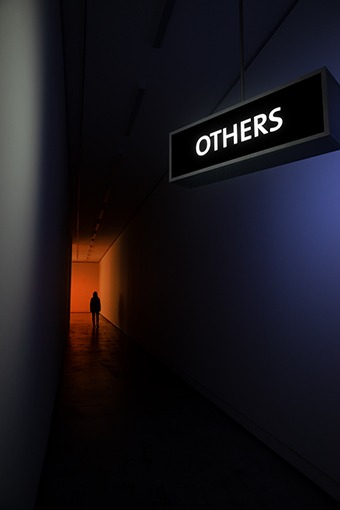
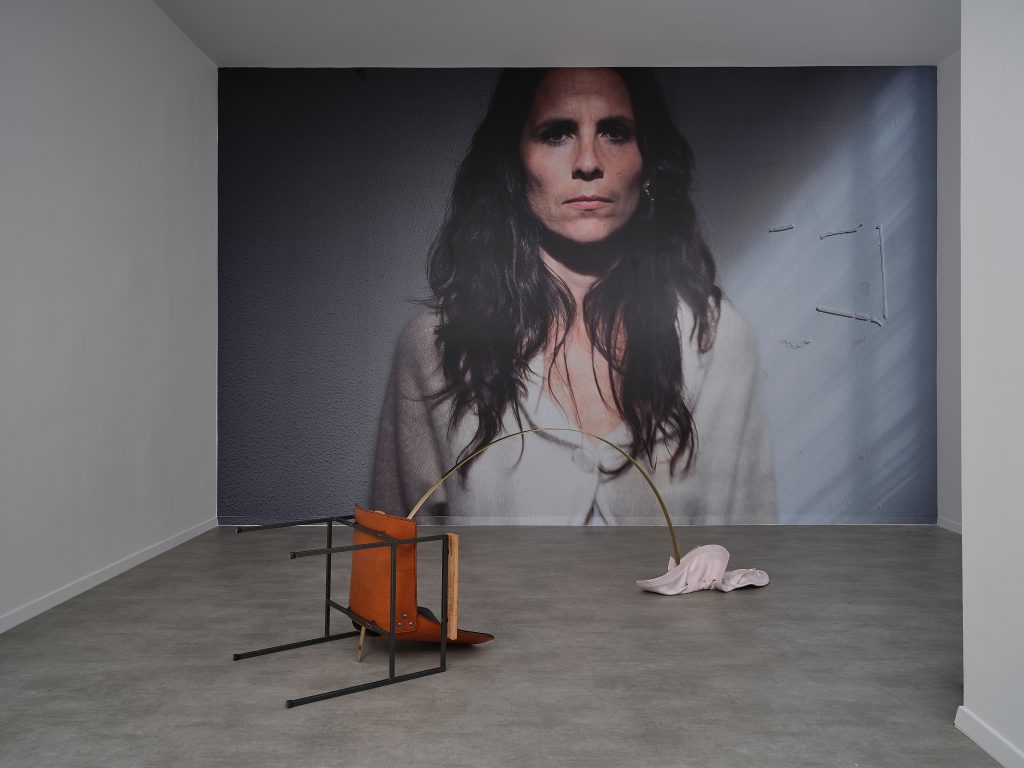
Others and Dreams, Šejla Kamerić
Perfect Tense exhibision, Šejla Kamerić
This is why it’s important to return cultural capital to the community an artist comes from: “I often speak about the importance of giving cultural capital back, because I believe it’s crucial for an artist to have a strong base to grow from, a place that supports and recognizes them.” The global scene is tempting, but without a local anchor everything can remain fragile. Her message about the regional scene is perhaps the clearest and most intimate: “What is being lost, and what must be continually rebuilt and strengthened, is collectivity, the belief in togetherness.” And she adds: “And maybe most importantly, we are not in a position of privilege where we can afford the luxury of doubting the power of art. We have to be guided by the conviction that art can change, empower and correct.”