How to choose curtains that instantly elevate your home
Tina KovačićekDecember 11, 2025

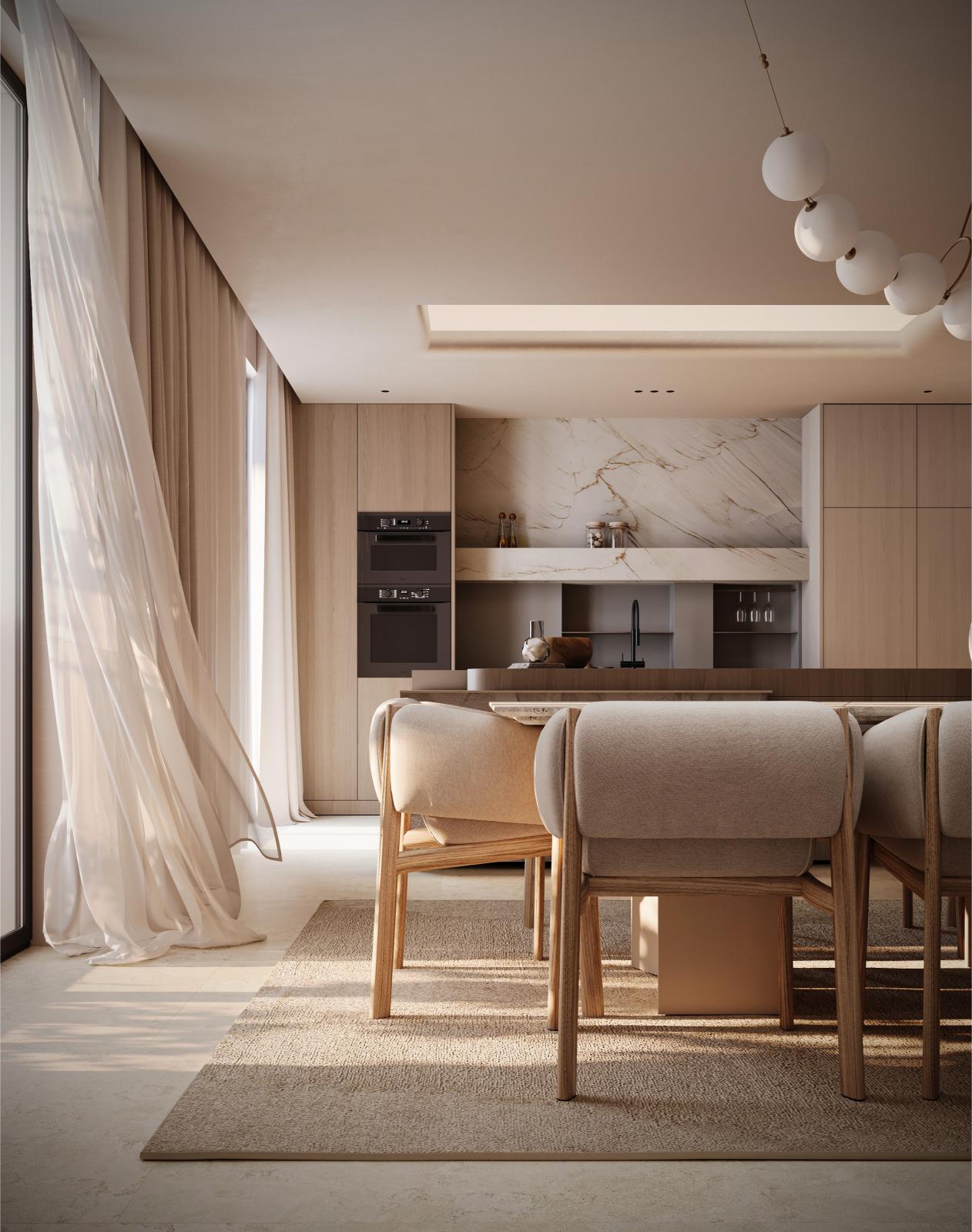
It seems to me that curtains are one of those details we often forget about, or at least do not give the attention they deserve. I do not think about curtains very often, and I have almost never dealt with them seriously, hoping everything would simply fall into place on its own. I have skylights in my apartment, so I can say life took care of that part for me. But when I walk into a room, I can recognise the warmth of the interior and its comfort. You can probably guess who is responsible for that. Well chosen curtains, of course. “Curtains have the power to transform a space completely”, says Ivana Jurin of iStudio for Vogue Adria, adding that they are not just a decorative detail. “They influence the atmosphere, the level of privacy, the sense of warmth, and the amount of natural light.” Sometimes small details make the biggest difference. In interior design, curtains are exactly that kind of detail, a gentle frame for the window that defines the room’s style, shapes the light, and creates an atmosphere in which we feel comfortable. Experts agree that they are one of the key elements in any interior, and choosing the right ones can be a challenge. For anyone who feels like I do, the expert tips below will help you choose the right curtains for your space.
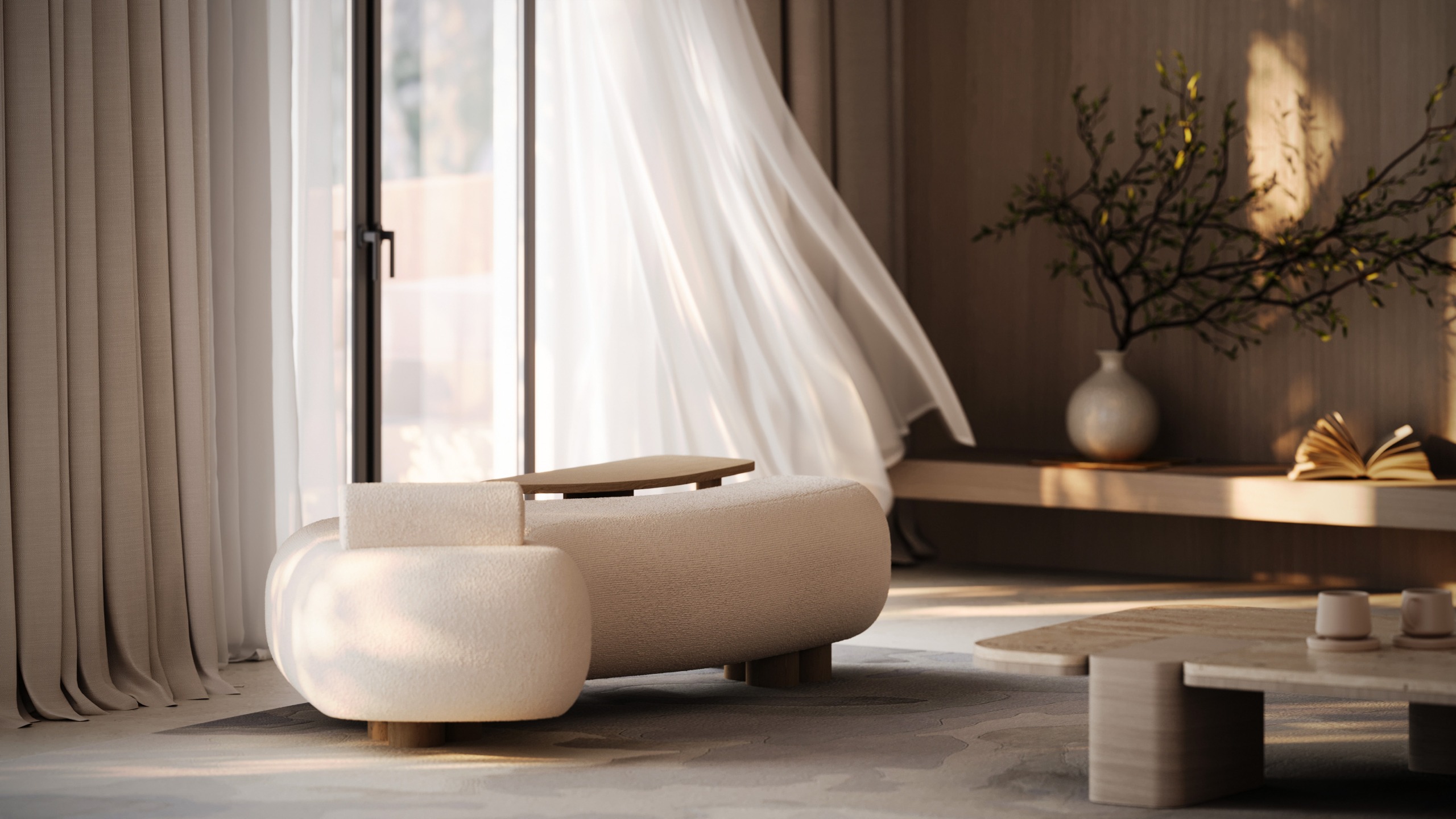
“The first step is not aesthetics, but the question of what we want to achieve with the curtains“, says Stefan Živković of Studio nacrt. In other words, you begin with their function. “Do they need to completely darken the room, filter the light, or simply add softness and warmth? Only when you define the function can you choose the material”, Stefan explains for Vogue Adria. Ivana from iStudio adds that the function determines the type of fabric. “Light voile is perfect for living rooms where you want an airy feel, while blackout materials are great for bedrooms. Once you know what you want to achieve, the choice becomes much easier.”
Which type of curtain should you choose for which room?
Photo: Courtesy of Studio nacrt
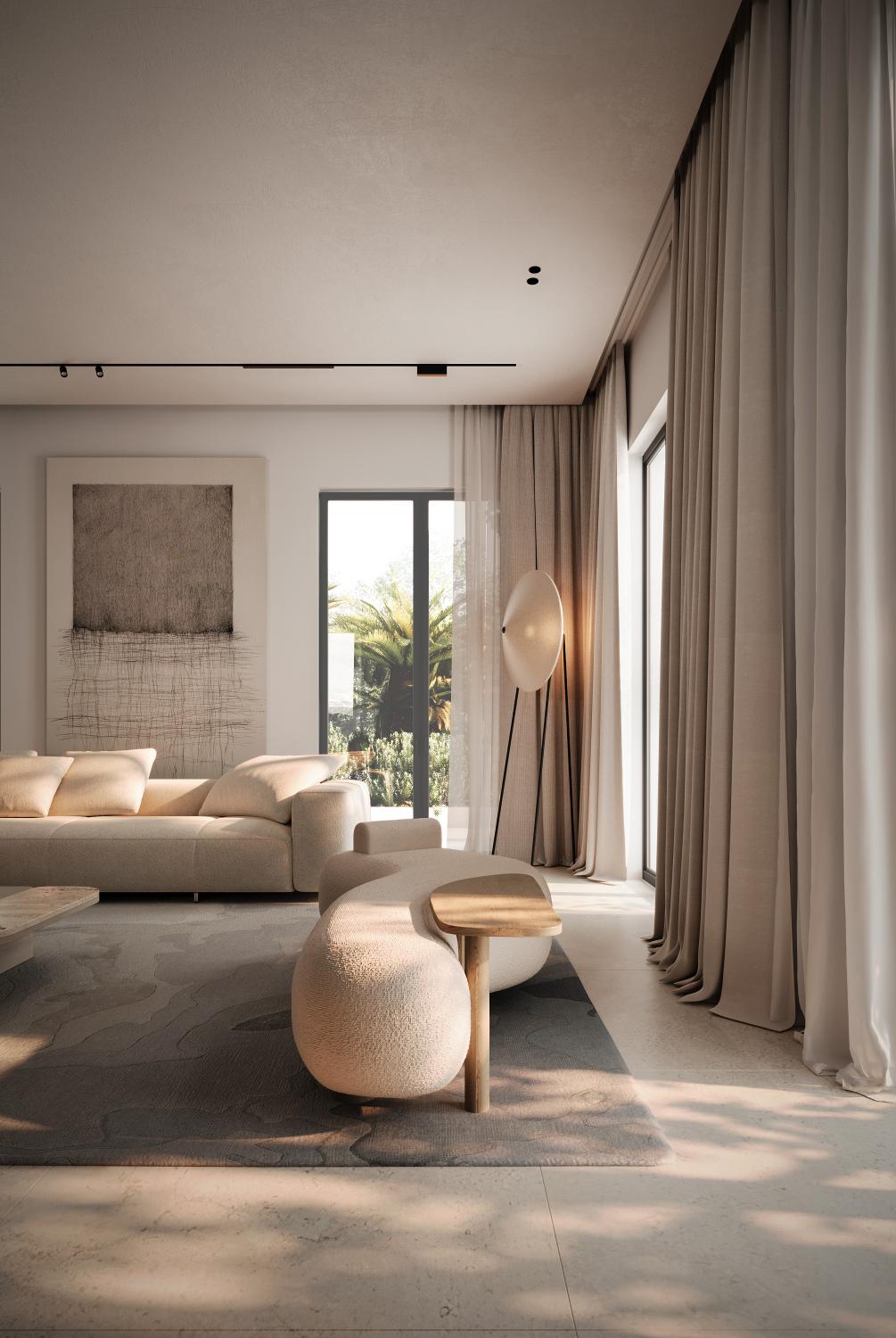
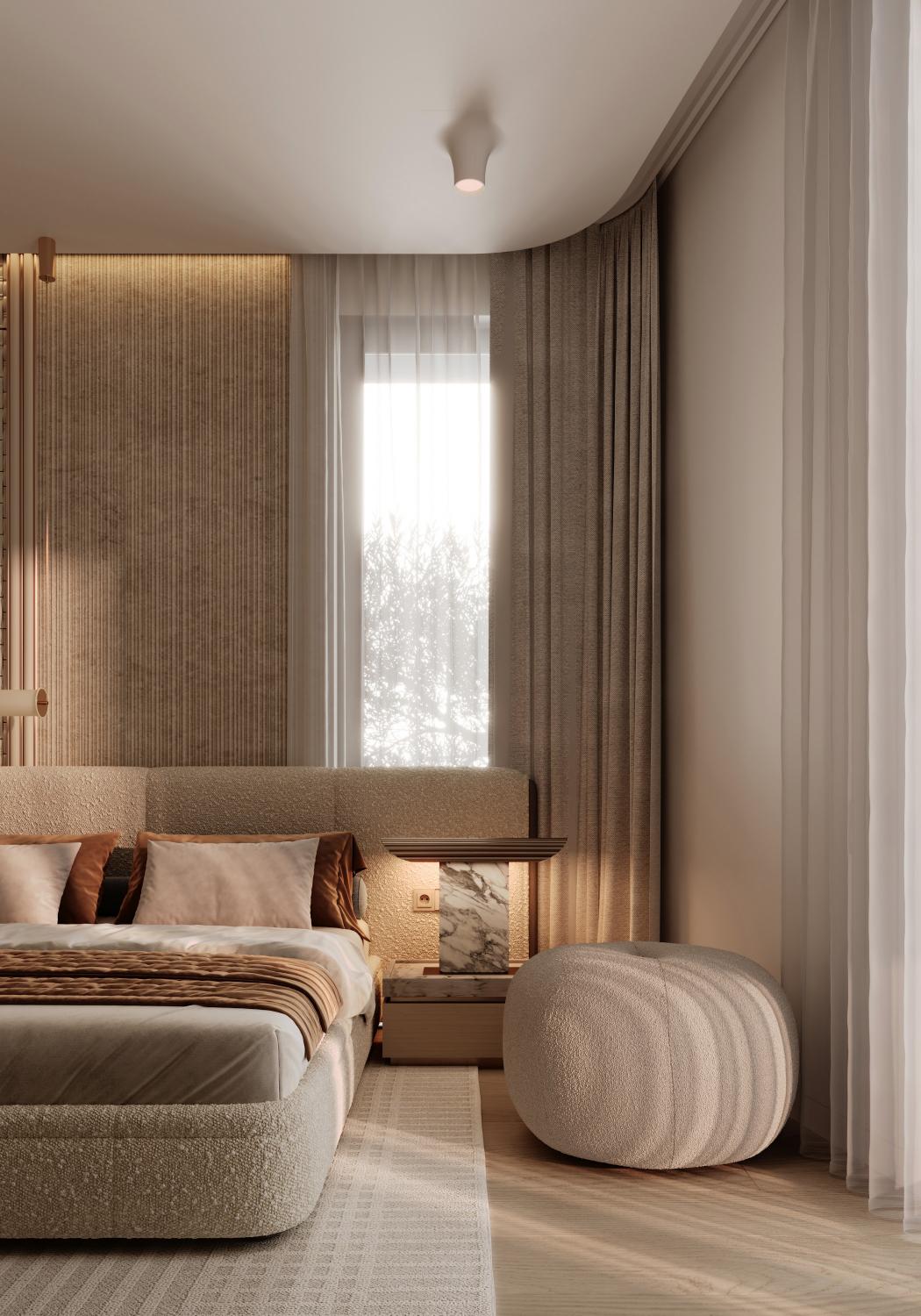
When choosing curtains, they need to be in harmony with the rest of the room, the experts agree. “Curtains are the largest visual vertical in any interior, so they should be coordinated with the floor, furniture, and lighting. Ideally, at least one characteristic such as tone, texture, or style should be repeated in another element in the room. This creates a sense of a complete and considered design”, says Stefan. Ivana further explains that the fabric of the curtain plays a key role in setting the atmosphere. “Light, airy materials bring freshness and ease and visually enlarge the space, while heavier draperies made of velvet or linen create a striking, luxurious feel. It is worth thinking about what kind of energy you want to achieve: soft and bright, elegant and sophisticated, or warm and inviting.” In line with that, Ivana suggests fabric types for several styles you can follow (or not), keeping in mind that “curtain material is one of the builders of interior style.”
Courtesy of Studio nacrt
Whether a subtle addition to the space or its main accent, it is up to you to decide whether you want the color to highlight the curtains as part of the interior. “Neutral shades fit in easily and work with different styles, while bolder colors and more expressive patterns highlight the character of the space and draw attention”, says Ivana, who Stefan agrees with. He adds, “Beige, taupe, white, and grey are the easiest to integrate and visually calm the room. If you want an accent, choose interesting finishing details instead of color like fabric texture, a subtle sheen, soft pleats, or a decorative trim. These accents give personality without the risk of becoming tiresome quickly.”
Ivana advises on how to narrow down the color choice by offering ideas on which colors suit which interiors.
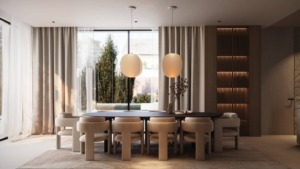
Courtesy of Studio nacrt
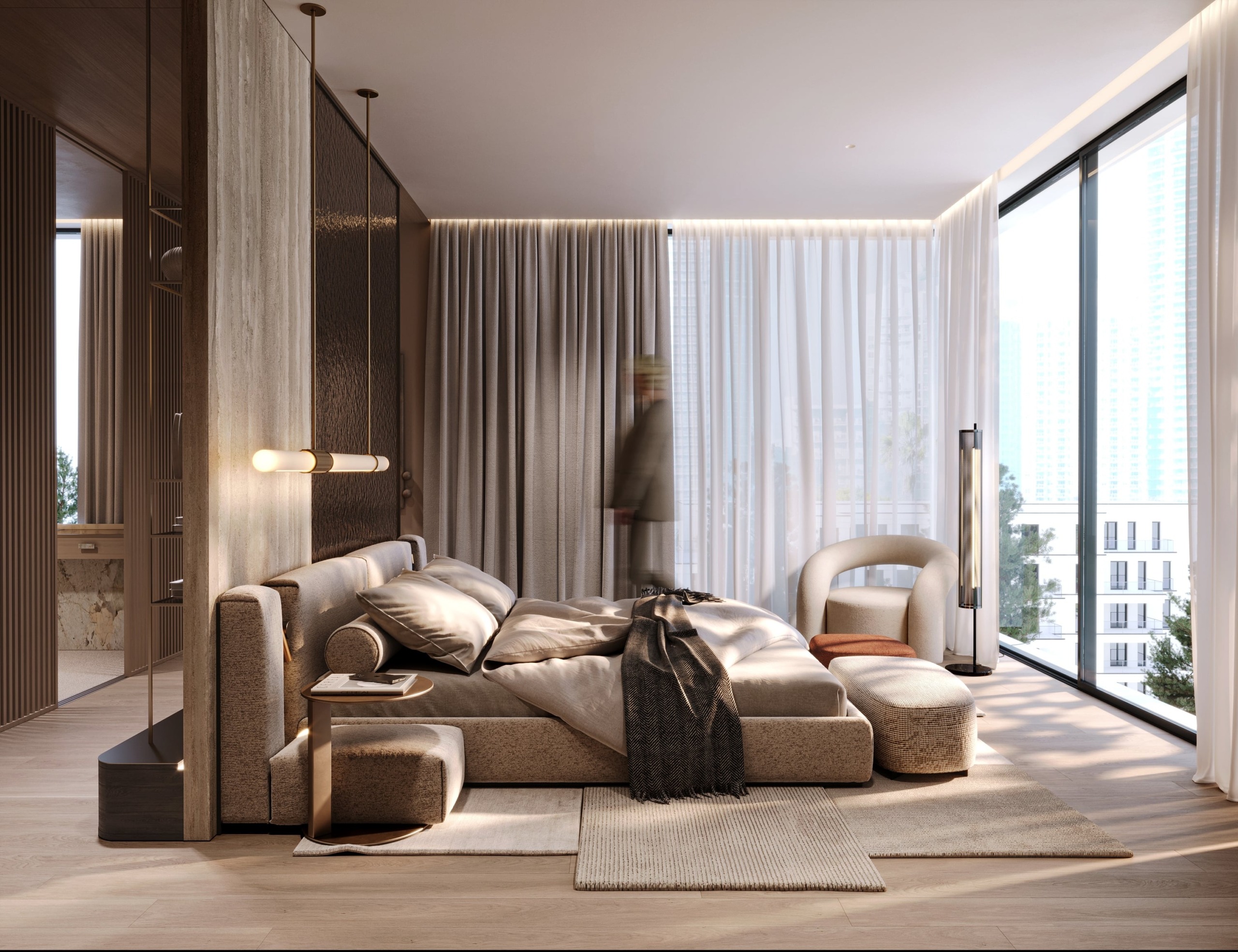
“Curtains can elevate a room”, says Stefan and offers several tips on how to do that. “Hung near the ceiling and falling to the floor, with a light curtain that touches the floor and a heavier drapery that slightly trails on it, the room feels taller, the windows more elegant, and the space fuller.” Ivana agrees, emphasising that curtains that are too short can disrupt the harmony of the room. Both agree that curtain width is equally important. “Curtains should be 2 to 2.5 times wider than the window opening for a luxurious and rich look”, advises Stefan, while Ivana notes that the decision between a dense, opulent fall or a more modern, minimalist look depends on the amount of fabric and therefore the final impression. Here are a few suggestions depending on the type of interior.
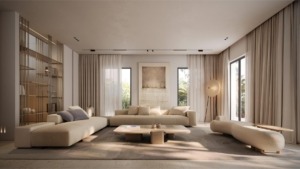
Courtesy of Studio nacrt
Pleats influence the overall feel of the space and the style of the curtain, Stefan agrees, offering ideas for pleat styles that shape the atmosphere of the interior. “Pencil pleat curtains offer a classic and sophisticated look, while wave pleats or irregular pleating create a more relaxed and decorative effect. Different pleating methods, from dense to sparse, can give the space either a fuller or a light and airy appearance.”
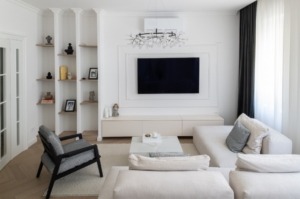
Courtesy of iStudio
“The practical side of choosing curtains is just as important as the aesthetic one”, says Ivana, noting that “different hanging systems from classic curtain rods to modern recessed tracks provide different visual effects and levels of ease of use”. She also advises always checking how the chosen fabric should be cared for. “The right combination of aesthetics and functionality ensures that your curtains stay beautiful and long lasting.”
Questions to ask yourself when considering curtain maintenance
“When choosing curtains, it is worth taking the time to think about function, style, and practicality. Well chosen curtains can highlight the character of the space, bring in warmth, improve comfort, and become the final detail that makes a home feel complete”, Ivana concludes.