The hit technique that floods your skin with moisture and actually works
by Kristina Mikulić GazdovićDecember 8, 2025

December 8, 2025
Recently a friend called asking for a face cream recommendation. Her skin, she admitted, was flaking beyond belief, tight to the point of pain, and no matter what she tried, it still looked as dry as the Sahara. She kept layering creams in the hope of building a fresh, nourishing barrier, one coat after another, but her skin seemed to shrug and carry on. The flakiness never stopped. And then, when I asked her to walk me through her routine, the whole picture fell into place. She had pinned all her hopes for hydration on a single product, a cream. No toner, no serum, no essence, no oil in sight. Just one thick moisturiser.
It’s not unusual to reach for the richest cream on the shelf when our skin feels dry and irritated. But winter, cold air and indoor heating strip the skin of far more than any cream, no matter how lush its texture, can replace. The truth runs deeper, and it starts on the skin’s surface: ceramides.
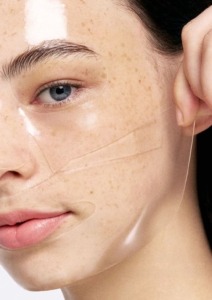
Courtesy of Biodance
Ceramides are lipids your skin naturally produces. They work like tiny bricks and mortar, forming the protective wall that keeps moisture in and irritants out. With dry skin, especially in winter, it’s as if those lipids have taken an unexpected holiday and never returned. There are many reasons dry skin develops, but they all share one thing. Dry skin doesn’t produce enough ceramides to build a healthy lipid barrier. Ceramides are essential for skin health, elasticity and radiance. Without them, the skin simply forgets how to hold on to water. Moisture from the deeper layers evaporates because there’s no lipid shield to keep it in place. In winter, this process intensifies because of the climate and the wind.
This is how the cycle starts: dryness leads to irritation, and irritation leads to even more dryness. That’s where one care technique becomes particularly useful: simple, intuitive and surprisingly effective. If you struggle with dry skin, you’ll want to know what skin flooding is.
The name may sound almost poetic, and you wouldn’t be wrong. Skin flooding is a technique built around a routine that saturates the skin with hydration, layer by layer, but in a strategic way. The goal is to create conditions where the skin receives so much moisture that it has no choice but to hold on to it. You do this by applying several hydrating, milky and nourishing products while the skin is still damp, so the pores can fully take in the moisture before you seal everything in with a cream.
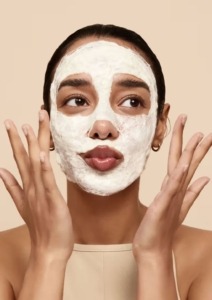
Courtesy of Anua
This technique isn’t complicated. Its strength comes from its simplicity and the way the layers work together. In skin flooding, every step has a purpose, but only when combined do they create a true hydration boost. Chances are you already have most of the products you need stacked in your bathroom cabinet. All you have to do is bring them into one routine:
1.Gentle cleansing with a milk, hydrating gel or soft foam that doesn’t strip the skin’s natural lipids
2.A toner or mist rich in humectants as the first infusion of moisture
3.A hyaluronic serum, the connective tissue of every skin flooding ritual
4.A milky essence or a richer hydrating serum as an extra layer of nourishment
5.A moisturiser to lock in everything you’ve applied
6.An overnight mask, used as needed a few times a month
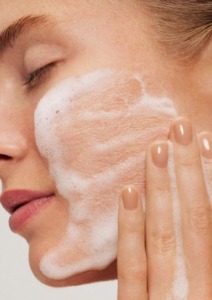
Courtesy of ILIA Beauty
While you can tailor the steps to your needs, skin type and the current condition of your complexion, it helps to have certain ingredients on hand. Hydrators alone won’t get you far. You need a mix of humectants, emollients and occlusives. That’s where certain ingredients truly shine.
The stars of a skin flooding routine include:
• Ectoin
• Betaine
• Squalane
• Aquaxyl
• Glycerin
• Ceramides
• Jojoba oil
• Coconut oil
• Shea butter
• Beta-glucan
• Hyaluronic acid
With a blend like this, your skin gets more than a temporary glow. It gains resilience. And in winter, when cold air and indoor heating keep pulling moisture out of the skin, this ritual can mean the difference between a complexion that flakes, tightens and fights the elements, and one that looks plumper, softer, healthier and genuinely nourished.