Productivity apps may become the new social networks in 2026
Sonja KneževićDecember 6, 2025

December 6, 2025
I am probably what many would describe as an internet kid. I grew up at just the right time to jump onto almost every internet trend, from online video games to Vine, Tumblr, TikTok and Substack. The only thing I was too young for was the MySpace era and I have to admit I am a little sad I never experienced those dramatic side bangs and photos taken with a 2 megapixel camera. I believe that was also a you had to be there moment, one that was incredibly important for pop culture and the later evolution of social media. So I do not remember a world without social networks. Even before Facebook we had Club Penguin and online games where we met people, but I think that in the next few years I might be able to experience that world at least partially.
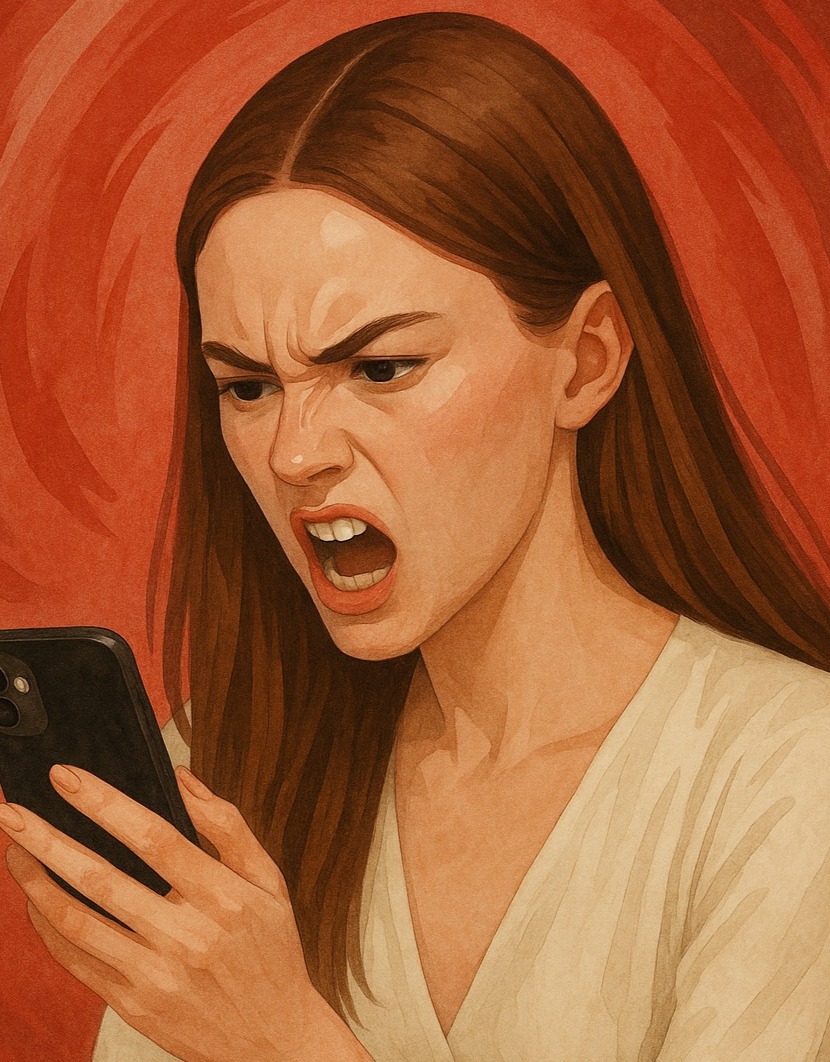
Although I am sure social networks are now such an essential communication tool that we cannot fully abandon them, broader social trends point to a major decline in their popularity. The biggest reason for this is simple. Social networks are no longer fun. Instagram, Tumblr and even Facebook were once places where you expressed personal style and shared sweet life moments with your closest friends, but monetisation has ensured that online content has lost its character. A funny video you share with friends will not earn you money or bring you the prestige associated with influencer status, while perfectly produced and aesthetically pleasing content that presents a flawless life will impress sponsors. The result is feeds without personality, full of plastic, perfectly posed lives and piles of breaking news that only make us anxious. There is no trace of purple smoothies with 800 calories or embarrassing club photos you would frantically delete the moment you opened your eyes in the morning.
Taylor CarusoWith this in mind, it is no surprise that 2025 was the year many people chose digital detox. If we know that all we are missing on our phones are ads, endless hauls that promote already overwhelming consumerism and distressing videos from war zones around the world, it becomes easier to switch the phone off and go for a walk in nature. We can replace doomscrolling with socialising, exercising or so called analog hobbies, and everyone who tried this in 2025 says their life became better. Still, our phones remain endlessly necessary, only now with a new purpose. We are slowly entering an era defined by productivity apps.
For some time now, people have been talking about the idea that apps like Substack could replace social networks because they offer more detailed content, personal reflections and a longer format that is less overwhelming for our already exhausted minds. And indeed, Substack keeps gaining more and more users, which is great news for our attention spans. But in this year of digital detox, I noticed something else rising in popularity, a completely different category of apps, the so called productivity apps. And it turns out I am the perfect client for them.
First of all, I would describe my productivity as toxic. You know that feeling when your body wants to rest but your mind insists you could use the time in a much better way. Did you not say you would read 50 books this year? Organise your closet? Go to the gym? Add a little guilt over time wasted doomscrolling and you have a very common modern day problem. We simply do not know how to stop. But productivity apps made this feeling fun by allowing us to track our productivity and our process. It is, in my opinion, a double edged sword, but I would still replace TikTok with them without a second thought.

Ashley SIngerling
Productivity apps let you follow the development of your hobby in real time and are often accompanied by beautiful, impressive graphics that I always want to keep in the green zone. Seeing a 30 day streak in anything you do is priceless. These apps also let you share your progress and your thoughts with other users and with your friends.
For example, this summer I installed Fable, which is probably my favourite app of 2025. Just like GoodReads and StoryGraph, Fable allows you to track your reading, rate books and read other users’ reviews. But it has one more incredibly appealing feature. You can track your reading streak. I cannot tell you how much visual tracking helped me read more, if for no other reason than being able to tick the box that says I read today and watch my entire week turn green. On Fable you can also join book clubs and discuss books or TV series with other users, which I found incredibly fun. Letterboxd, a film review app, has 2.4 billion monthly users, one of whom is the very active Charli XCX. Its appeal lies in the fact that users can curate their own lists, read reviews and write their own.
Probably the best examples of productivity apps are fitness tracking apps. I personally use only the one that comes with my phone and I proudly look at every day I reached ten thousand steps and did a workout, but more serious athletes prefer other apps as well. One of them is Strava, an app where you can track steps, cycling and running, with an impressive forty million monthly users.
Besides allowing us to track our process and commit to a hobby of our choice, productivity apps are replacing social networks because they build communities. The main appeal of social networks was the ability to connect with others, and now that social networks have become spaces defined by pressure to appear perfect, productivity apps are becoming a safe space and a new favourite corner of the online world.