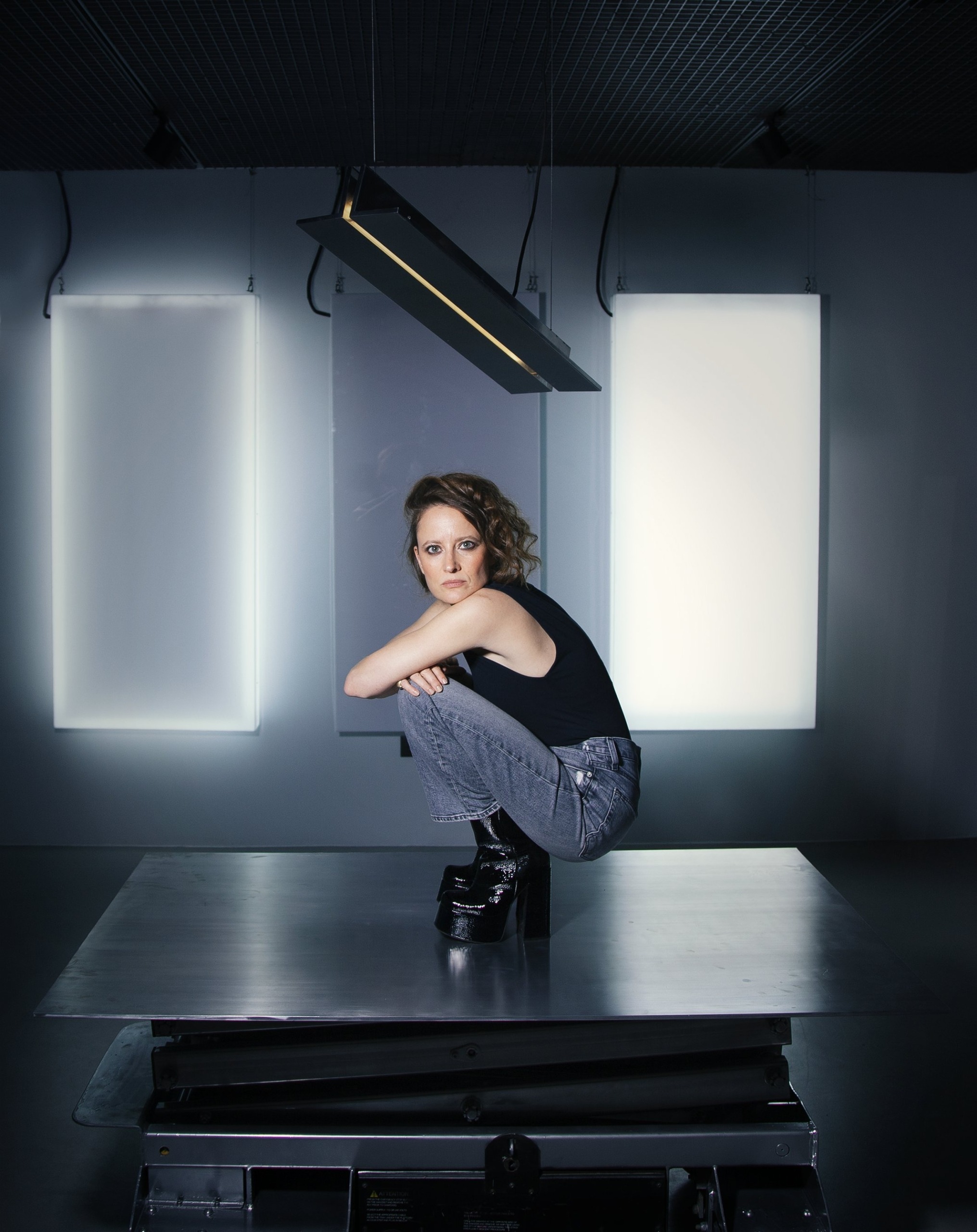
Maša Dakić on the monodrama that sparked change and sold out overnight
On the occasion of the Miloš Žutić Award, we speak with Maša Dakić about Prima Facie.
Jordan CvetanovićNovember 26, 2025

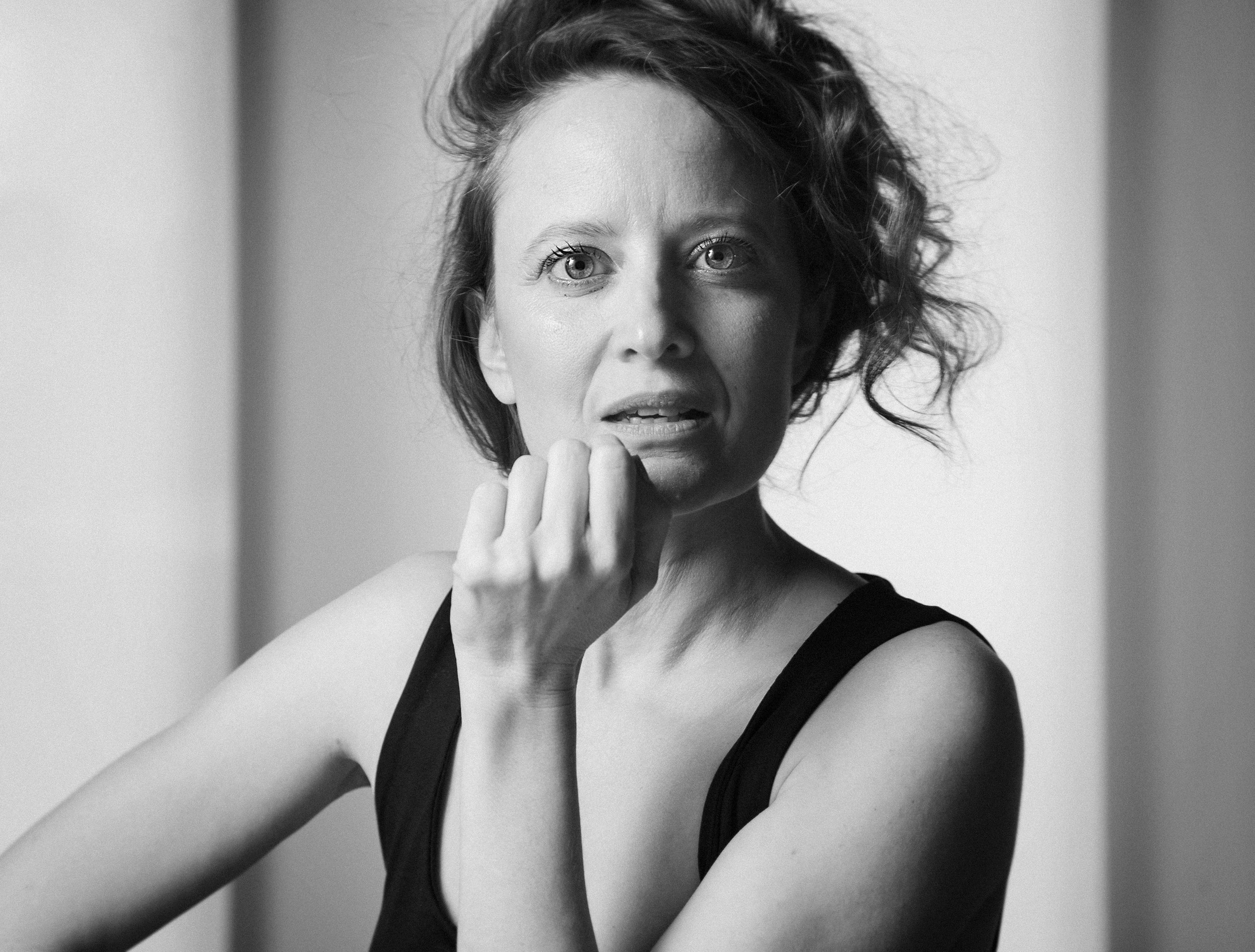
On the occasion of the Miloš Žutić Award, we speak with Maša Dakić about Prima Facie.
Jordan CvetanovićNovember 26, 2025
People often ask me what they should watch in the theater if they want something truly good, and that question is always difficult for me. I stop and think, as if I suddenly no longer know how to give a recommendation, not only because I cannot predict someone’s taste, but because I sometimes feel that life has become far more exciting than theater. Still, some plays manage to leave me speechless. One of them has been on the repertoire of Bitef Theatre for three seasons now, and it stars my dear friend, the wonderful actress Maša Dakić. The play is Prima Facie, written by Australian author Suzie Miller, a multiple award winning monodrama that is not only an intimate portrait of a lawyer, but much more than that, offering a social commentary on rights, prejudice, and systems that often fail when confronted with reality. The protagonist of this heavy drama is Tessa Ensler, a young and successful defense attorney whose clients are often accused of sexual offenses. When she herself experiences sexual violence that is not easy to define, she is forced to confront the flaws of the legal system she represents, while undergoing a painful and complex transformation as she relives her turning points on stage, questioning everything she believed in as she realizes that the system she served does not offer the justice she expected.
Recently, fantastic news arrived that the Association of Dramatic Artists of Serbia awarded this year’s Miloš Žutić award to Maša Dakić for this very role. That prompted me to meet her right away and talk about everything. Literally everything, because Maša Dakić is like a moving TV program. Without the option to change channels. She told me over the phone that she could not believe it, that she thought it was a hidden camera prank, but it was not fake news, she really did receive the award. Since I have followed the success of this play from the beginning, I wanted to know how she decided to take on such a difficult text. What triggered it? The theme, she answers immediately. But it is much more complicated than that. When I saw Prima Facie on Broadway, I had already read the text and had a simmering idea that I wanted something. At the time, there was a wave of actresses like Naomi Watts and Gwyneth Paltrow speaking publicly about menopause, aging, and how potent the forties and fifties can be for a woman. I felt that I had a more mature energy and needed a challenge. I chose Prima Facie and collaborators who were necessary for me to feel protected. And now, after two years of performing it, I feel grateful that I dared to take on this endeavor. Working on this play has been a major turning point in my life and has brought me so much. From femininity to professional legitimacy.
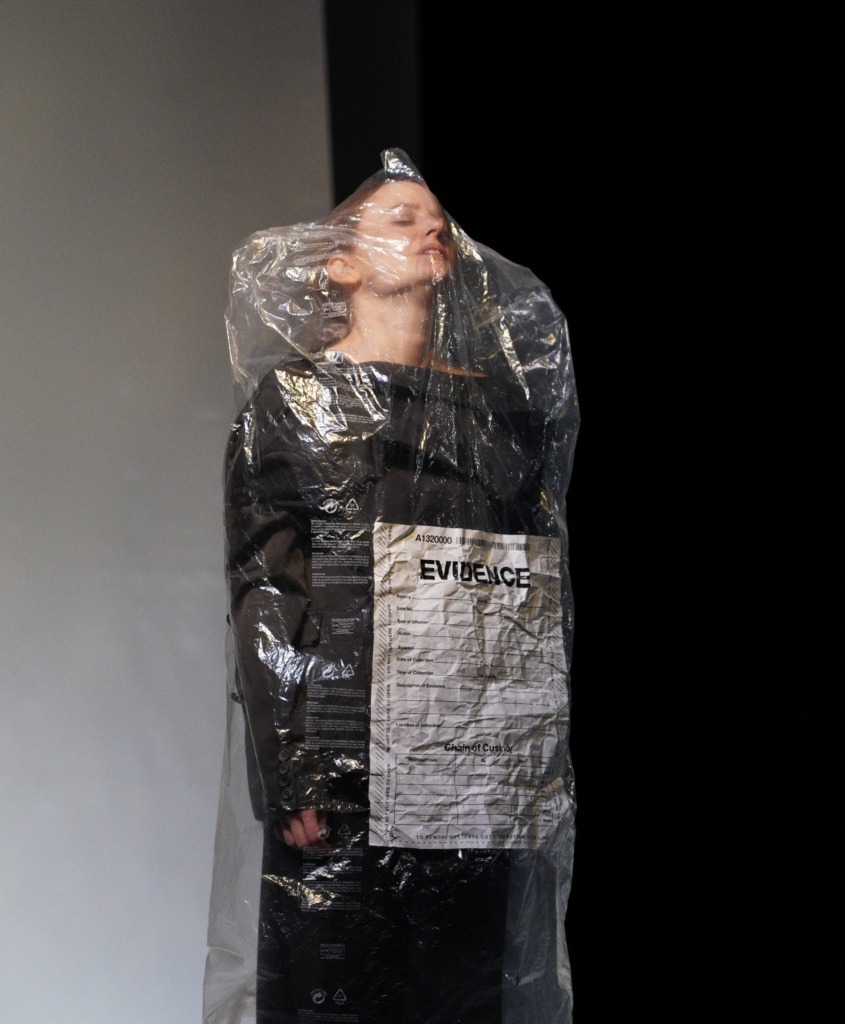
Photo: Nataša Simonson
The Latin phrase Prima Facie, after which the play is named, means at first glance and is used in legal terminology. This is the central theme of the play, which presents stories of abused women and the way they are treated within the system. The text corresponds with the judiciary, providing insight into that rigid world and the relationship between lawyer, law, and victim. The play premiered in Australia in 2019 and quickly gained momentum. It was performed before an audience of lawyers, judges, and people from the legal system and sparked reforms of laws and regulations regarding cases of sexual assault. It is not surprising that it provoked strong reactions here as well, and that it is extremely difficult to get a ticket. I feel that the text is even more relevant now, so I ask her if she feels the same. It seems that way to me. The energy is denser. The audience reactions are more intense.
Stepping into multiple roles is not only a professional challenge for any actor, but also an emotional one, especially when dealing with such a sensitive subject. Maša Dakić has done it without judgment, pointing to the changes that society needs and clearly resonates with. Genre wise, this is a monodrama, but her brilliant performance makes it feel as if she is not alone on stage. I wanted to know how she sees herself on stage. We knew from the start that we were making a play, not a monodrama, and everyone involved approached it that way. Because of all those people, I do not feel like I am alone on stage. Maybe that is why it reads that way. But thank you for the compliment, I will not pretend I did not hear it. All the effort that went into this helps me see another part of myself. A confidence I never even had traces of before. It often surprises me now. I got used to those well rehearsed characters of mine, as you call them. Which might not even be mine. They simply imposed themselves as primary. I am short, I have a higher pitched voice, and it was easiest to play the girl. But that role no longer suits me or pleases me, and I catch myself deepening my voice mid sentence, using different words, even if just to test what the reaction will be if I abandon that assigned tone.
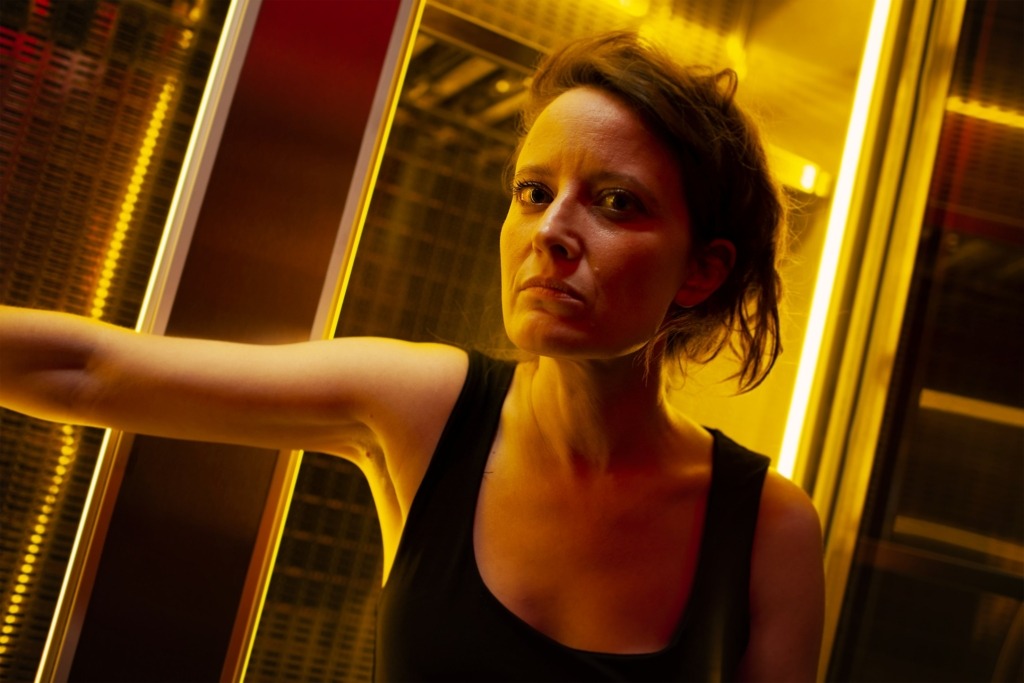
Photo: Kosta Glušica
I know how difficult it was to work on this play, above all learning so much text. The role is extremely demanding. The entire emotional range, dynamics, and narrative depend on one actress. The audience often notes that Maša Dakić manages to carry the performance with intensity, rawness, and authenticity, but what is so frightening in this text that makes it difficult to memorize? Its magnitude. Its monumentality. The responsibility it carries. The technical terminology. I am not sure I had ever said phrases like you are in agreement with me or cross examination. I did not understand the trial process. This text has a specific rhythm, which is also a testament to the excellent translation, but the moment I step outside of that practiced melody, which is practically sung, everything collapses in my head. From the beginning I devised another approach. Since there is an unbelievable amount of text and it seemed that every performance would feel like the final of Roland Garros that I must play and win against myself, I started watching old Đokovic matches and tried to decode his ways of overcoming problems, such as loss of focus, frustration, and unforced errors. This opened a completely new space of relentlessness for me. I allowed myself to forget the text, to lose energy, to ask my prompter for a time out, and then continue with full strength without letting my confidence and control self destruct. Most of those fears are invisible to the audience. It is all in my head, a nightmare I sometimes go through that cannot be seen, but instead of paralyzing me, it has become exciting, this search for solutions and how I will get through it this time.
Prima Facie also addresses how society shapes perceptions of women through stereotypes and norms that define what is considered trustworthy, how a woman or victim is perceived, and how that shapes her position in society. The play questions whether all victims of sexual violence are equally acknowledged or only those who fit certain societal expectations. This piece, which opens highly sensitive social issues, has contributed to and even driven legal changes in many countries. And what has Maša Dakić’s role contributed to Serbia? I do not want to scare people who have not seen the play yet, but I have a very active relationship with the audience. Without placing them in uncomfortable situations or expecting anything from them. We walk together on a very thin line. This is a small spoiler, but in the play a line repeats a few times: look to your left, look to your right. In all these performances, in Belgrade, Novi Sad, Vranje, Kruševac, Pančevo, almost no one has turned their head. We have a lot of lawyers in the audience. They laugh at the most unexpected moments because they recognize real life, and during one of the panels we organized I asked why no one turns to the side, what is going on? I received no answer. As if it is a fear of exposure. A huge discomfort. It is tricky. And that is where you see the enormous courage of the women who have spoken up. All respect to them. I hope that with this play I can at least ease the weight they carry in their expectations of sleepy and sluggish justice.
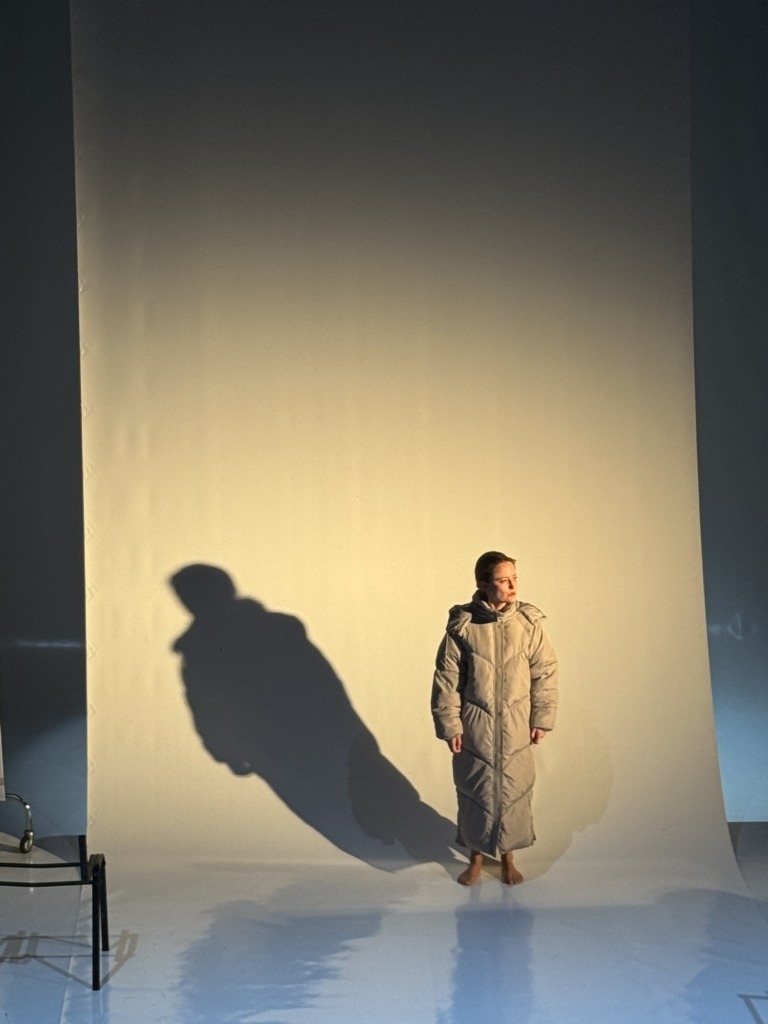
Photo: Nataša Simonson
At the next performance, Maša Dakić will receive the Miloš Žutić award. Awards are sensitive and slippery territory. They bring great joy but also put actors under pressure, so I asked her who she would most like to thank. I just hope I manage to say the whole speech at the ceremony, she laughs, and then we will figure out the rest. I am terribly nervous. And equally terribly happy. I wish the moment were a bit more relaxed. I wish I could simply enjoy the company I will be in, the fact that my colleagues praised me and gave me this huge compliment with joy. But somehow it does not feel like the time for awards. It feels like the time for punishments. I hope we will fight as a society for a system of values in which it is not embarrassing to obey the law. But yes, I want to thank the actors, my colleagues, for everything they do to preserve the truth, integrity, and freedom of theater.
Maša Dakić has not lived here for almost ten years. She and her husband run one of the most successful Serbian restaurants in New York. Still, she nurtures her love of film and acting through her work with the Tribeca Film Festival, founded by acclaimed actor Robert De Niro. I wanted to know how much this play brought her back to life, how much it brought her back to acting. I think things are much closer now than they used to be. I do not feel like I live far away from all of this. I follow everything that is happening. I go to the theater regularly whenever I am in Belgrade. And I feel a sense of belonging, but I am in conflict with myself about this privilege, constantly questioning whether I deserve it. To play, to let go, to pretend. And this award helped me ease up and say out loud that I am an actress. A few days ago I was filling out a form and it said occupation. I froze. It seemed both unserious and arrogant to write actress. But I wrote it. I do not care. I am a seagull, I am an actress.
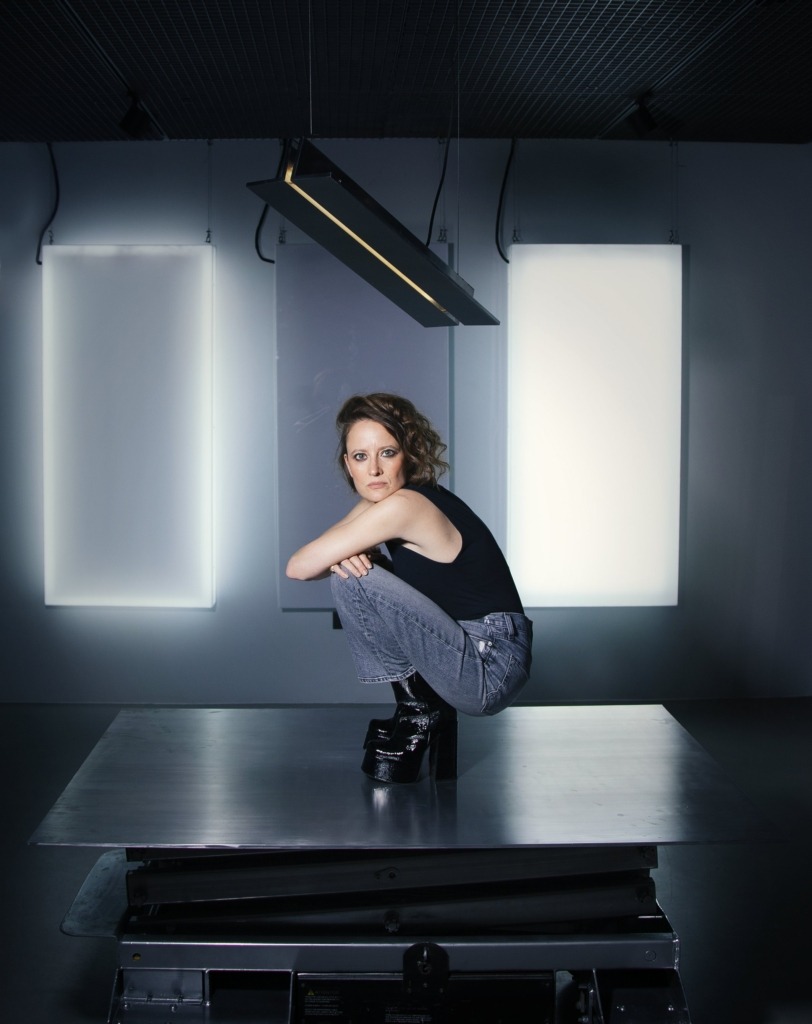
Photo: Kosta Glušica
I am convinced that Prima Facie goes beyond the boundaries of theater and becomes a space where personal experience, social injustice, and professional ethics collide. Through Maša’s powerful and stripped down performance, the play shows how fragile the line is between a system that should protect and a reality that often fails. In a month dedicated to the fight against violence against women, her performance is not only an artistic peak but a call to reconsider both legal procedures and our own biases about what it means to be a victim and what it means to fight for justice. She reminds us with brutal clarity that art is not only a mirror of society but also a catalyst for change, leaving the audience both speechless and ready to hear voices that are usually denied space. And as she herself tells me at the end of our conversation, when she knows the applause is real and heartfelt, she says, It is when there is silence before it. And that is something that happens at every performance of this play. So when someone asks me what they should see if they want something truly good, I tell them Prima Facie.