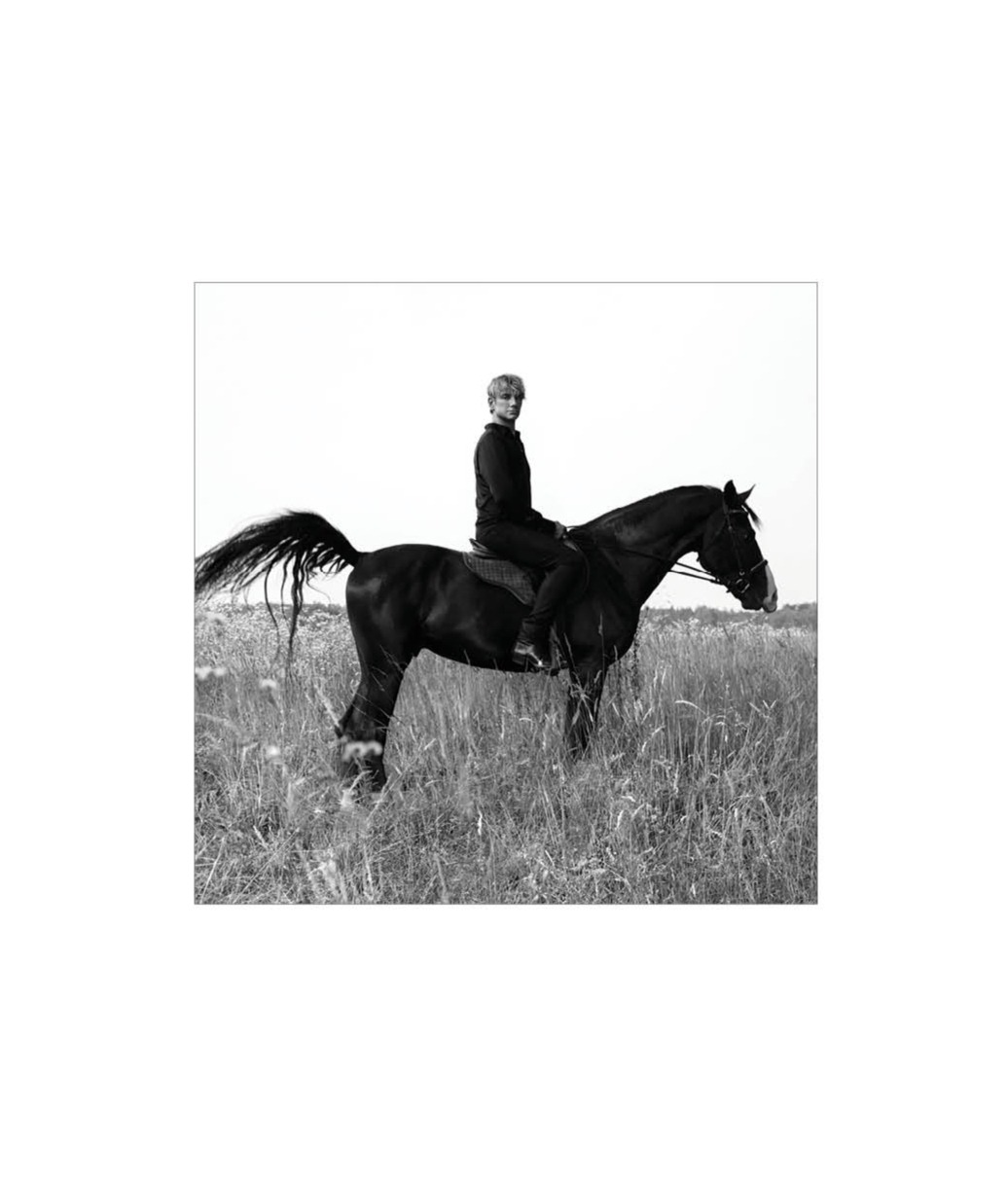
MAKSIM, fenomen
Ahead of his regional tour, Maksim Mrvica opens up about the piano, the concerts he treasures most, and the places he finds his “joie de vivre.”
by Tena Razumović ŽmaraDecember 8, 2025

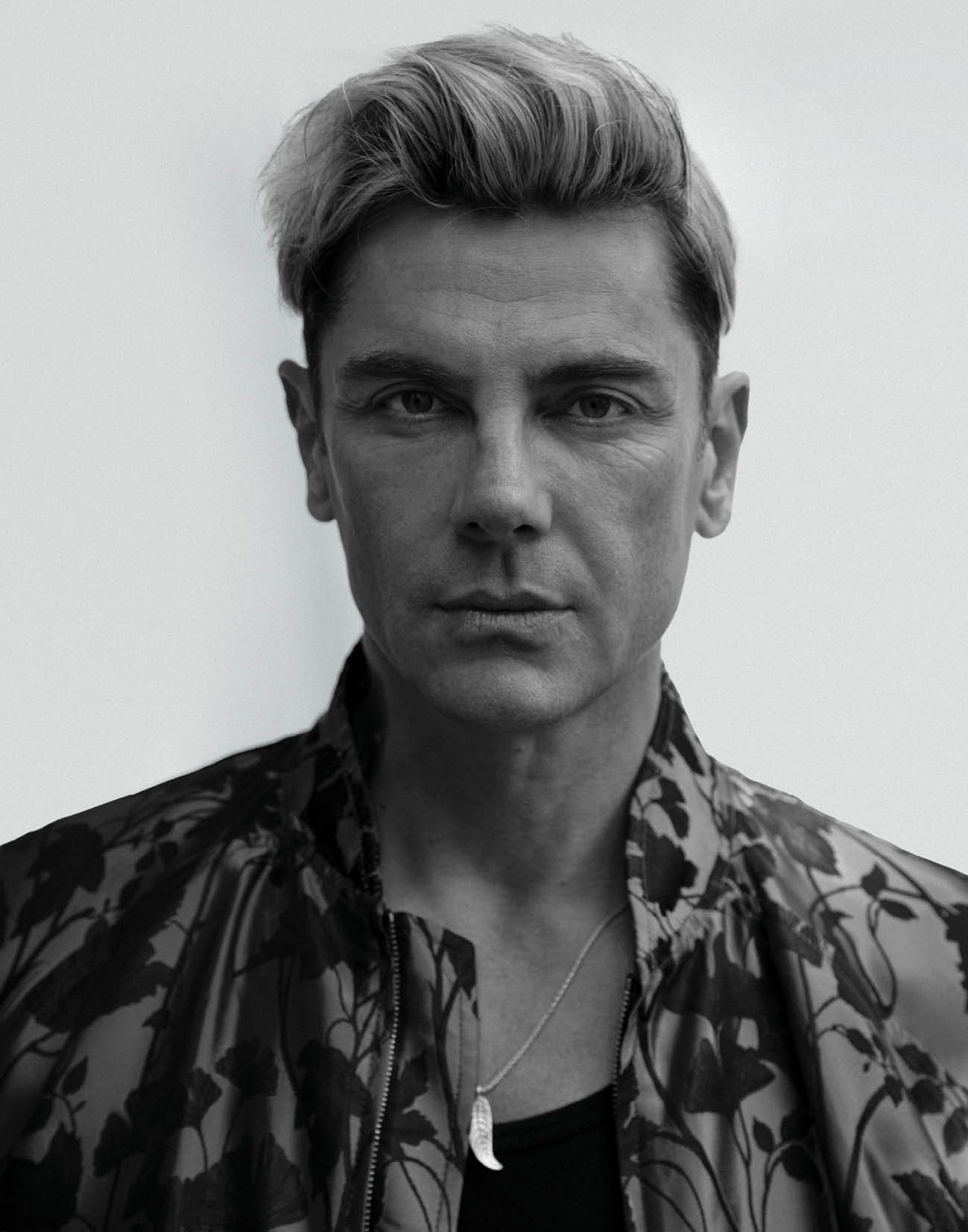
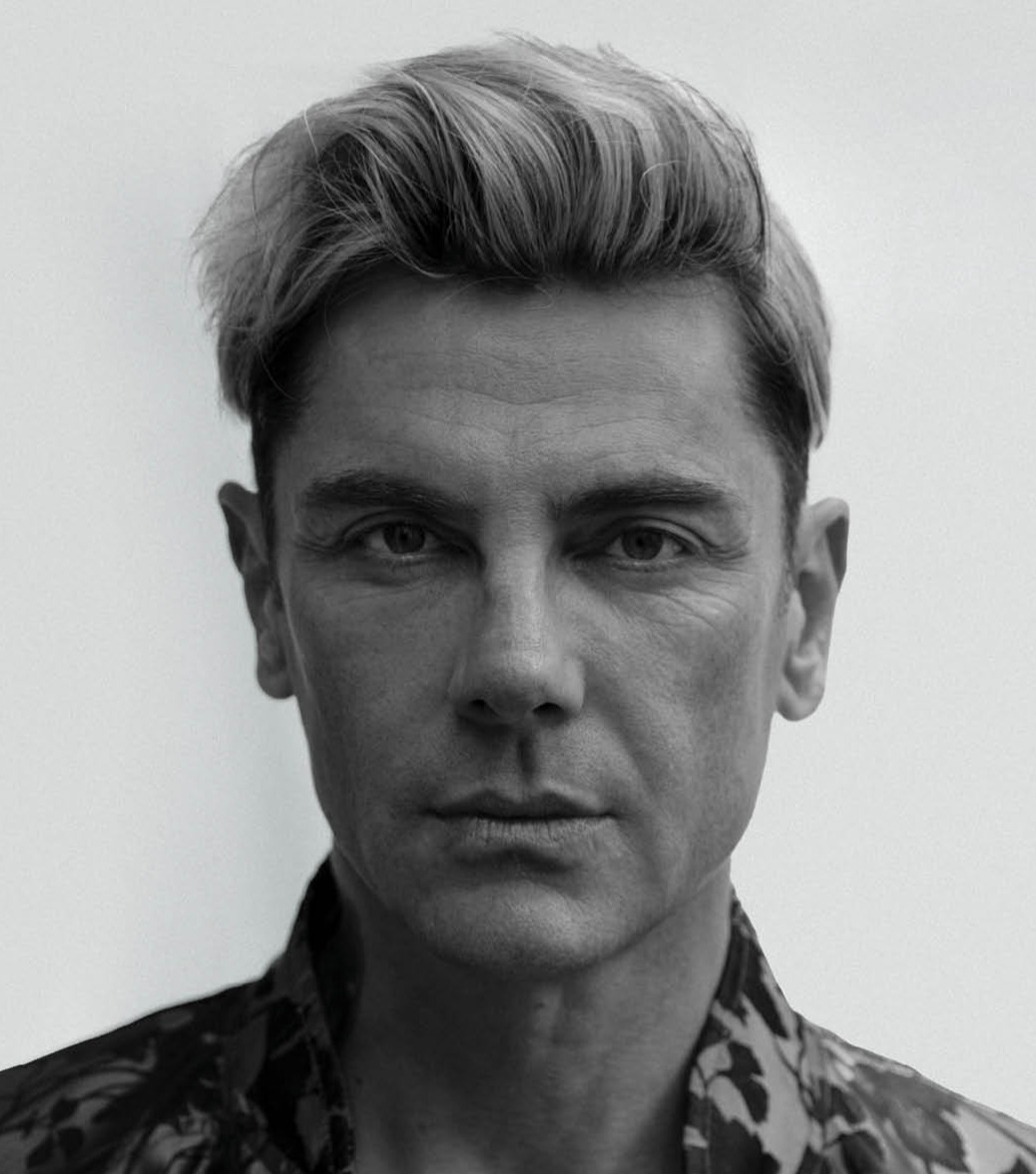
Ahead of his regional tour, Maksim Mrvica opens up about the piano, the concerts he treasures most, and the places he finds his “joie de vivre.”
by Tena Razumović ŽmaraDecember 8, 2025
Honestly? I do not own a single Maksim album, nor do I actively look him up on streaming services. But I admit, every single time I catch a concert recording on TV, or an algorithm tosses me a clip of his on YouTube or social media, I stop. Completely hypnotized. Maybe the better word is spellbound.
Maksim Mrvica has a power that stops time. He holds your attention just as intensely for a minute and a half, the length of Flight of the Bumblebee in a hyper-dynamic arrangement, as he does for the hour and a half of a full concert. Both are equally “big” and intense. That minute and a half carries the weight of an entire concert because of how intense it is. I cannot avoid the obvious question: what kind of musician, what kind of artist, what kind of persona has that kind of magnetism? In early November he sets out on a tour that begins in Zagreb and wraps in December in Belgrade, and I had the chance to peek into the enigma that is Maksim Mrvica. Our conversation peeled back the layers from crossover star to classical virtuoso in search of the perfect chord.
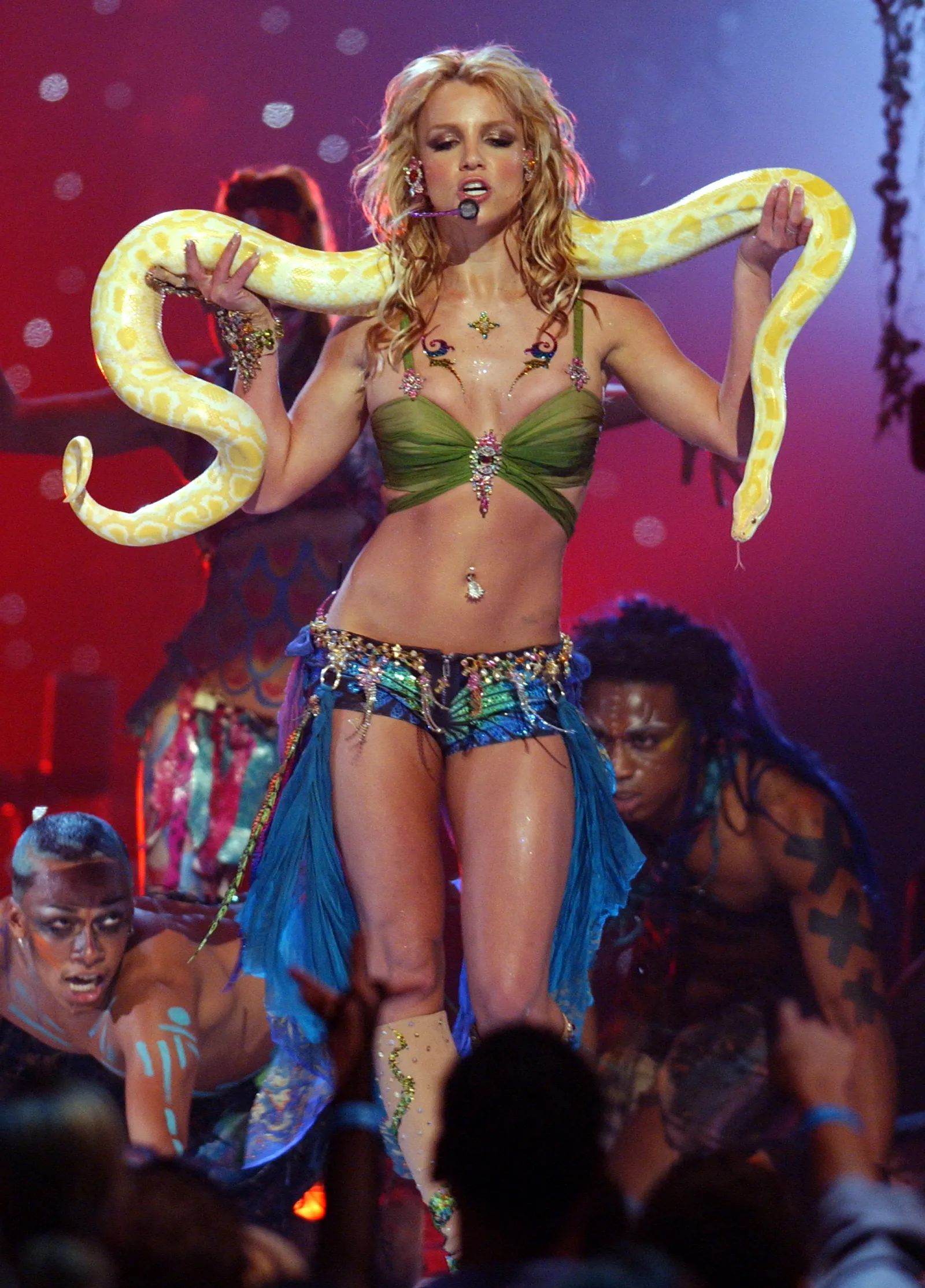
For many, his career has a clearly defined starting point: the crossover era and the album The Piano Player. Naturally, I had to ask about that shadow of the past, which is also the foundation of his career. “My first album, Piano Player, is still my most successful,” says Maksim. “It sold four million copies and took me around the world. That overnight success 22 years ago was an incredible shock.” He knows that hits like Exodus or Flight of the Bumblebee have to be part of almost every concert, but he does not see that as a burden. He treats it as normal in the music world, much like Madonna’s everlasting hits. But where does artistic freedom fit in? Maksim recalls the moment he most surprised himself, and his fans. “Long ago, I think on my second album, I let myself go into the studio with a producer who had worked with Björk, and do things differently. I was in an electronic music phase and we made a techno version of Bach’s Prelude, changing the piano sound into something almost electric. I thought it was brilliant, but a good part of my fans did not understand it at all.” It was one of the greatest liberties he has allowed himself.
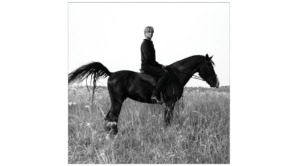
Today, the crossover has reshaped itself. It is no longer so much about “smashing” a classical composition through an electro-pop filter. “Now it is the other way around. I take a well-known pop or rock melody and dress it in a very large, symphonic, orchestral sound so it basically sounds like a classical piece, even though the theme comes from pop or rock,” Maksim explains, noting that the piano remains the dominant element, but the production has become softer and the rhythm more organic, played by live drums and instruments. And no, he does not feel like a traitor to classical art. “This is a genre that is very dear to me. When we started 22 years ago, that crossover was just developing. Today there are thousands of crossover musicians with big careers. That success in itself shows people find it compelling,” he concludes.
Much has been written about Maksim Mrvica the musician, and this piece will join that stack, but I wanted to know how important other forms of creativity are to him. His creative process, he says, is fed by other arts. “I am very interested in architecture. I learned a lot from my best friend, who is an architect. Besides that, ballet fascinates me, that art of bodily movement, the incredible discipline.” He is particularly struck by a dancer’s path, which he says is quite similar to that of a classical pianist. Both demand immense effort, work, and perfectionism. It is no surprise that his favorite composers, Prokofiev and Stravinsky, are also masters of writing for ballet.
And the workday, since we are talking about discipline? It is pure discipline, far from any chaotic flash of inspiration at 3 a.m. “When I am preparing for tours, as soon as I wake up, I make coffee and sit at the piano. My focus is best in the morning. In the evening I practice a bit more, and I rest in nature. I love to take a walk.” On the day of a concert he has to be disciplined “the other way.” He must not practice. He needs to rest his head and hands. Swimming is crucial for relaxing the muscles in his arms.
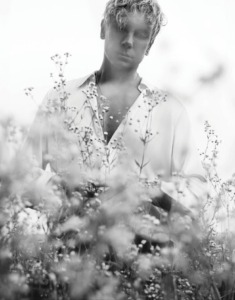
The audience has taken him from theaters and concert halls, where he has loved the intimacy and better acoustics, into arenas. “The atmosphere in an arena, when 13,000 or 14,000 people are screaming, it looks like a pop-rock show, the energy is unbelievable,” Maksim admits, and adds, “At the same time I remain that classical musician who enjoys the intimacy of a concert hall.” After more than 20 years of repeatedly circling the globe, playing the most prestigious and the biggest halls and arenas, after experiencing, I would dare say, almost everything, I want to know what luxury means to him today. “Definitely anonymity, silence, and peace,” he fires back without hesitation. “Because of the nature of my job I am always surrounded by people, at airports, train stations, with thousands of people. When I am free, I want quiet and calm.” Nature is his main reset. “On a day off, my assistants just let me go into a park or a forest. It relaxes and clears me in an incredible way.” His ideal break is sailing the Adriatic for three months in summer. Far from people, with friends and family, in warm places and at sea.
I had to ask who Maksim is in private and what he does when the doors close. “The greatest happiness of my life is my daughter Leeloo.” And when he is home, he takes out his classical repertoire and plays. “The piano is not my job. It is woven into me. I simply cannot stop playing.”
Probably because of that inseparability from what is both a profession and a life in itself, he invests not only time and effort but also his soul, because the line between work, vocation, and the private world hardly exists. Maksim sees himself first and foremost as an artist. “All my life I have been educating myself and in my soul I feel like a classical artist. But am I also an entertainer? In theory I am, because I perform in arenas and it matters to me that the audience has a good time. But I am not a verbal entertainer. I speak to the audience maybe three or four times during a concert. I express myself better through music than words.” What might most people misjudge about his routine, at first glance? “The hardest part of my job might be the travel. People do not realize how exhausting it is. In big countries, especially in Asia, we travel every other day for six to ten hours. A concert day and the playing itself are much easier for me than the travel.”
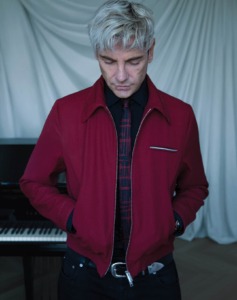
I do not think there is a person who does not associate Maksim with fashion. In his case it is not only a stage costume. “Experimenting with fashion, hair, and tattoos was there long before I went into the crossover project. Maybe that was even why the record label was interested. When they met me, I had black hair with a silver streak across the top, which was certainly not the look of a classical pianist.” Fashion is a vital part of his stage presence, and sometimes it tires him because his head is full of notes, but he loves it and enjoys it. Aside from fashion, he has his guilty pleasures, and yes, he surprised me with how normal they are, the same things most of us reach for when we want to escape into comfort, lightness, and laughter. “I love Friends, I have been watching it for about 30 years. It is my go-to when I am stressed, that familiarity with the characters relaxes me.” Others? There must be more. “Probably some junk food like pizza and burgers, which I do not eat often since I eat healthy. But when I really want to treat myself, I do.”
After the musical genius, the man who hypnotizes crowds, who loves the arts, yet who, like the rest of us mortals, is made of small pleasures too, I wanted to know his ultimate life ambition. His answer came quickly, as if he had been waiting to share it. “I want to be able to do what I do for the rest of my life and for a very long time to come. A pianist’s career tends to be long. I see myself still playing around the world. The idea of stopping piano playing does not exist for me.” And if I could grant one of his life wishes, give him 24 hours with any artist, living or dead, it would be the classical pianist Arthur Rubinstein. “I loved him not only as a musician, but for his joie de vivre, his view of life and the way he balanced a successful career and knew how to live. I would ask him – how do you do it?”