As social media fills with 2016 photos, we revisit the trends that defined the hype
by Tina LončarJanuary 15, 2026

January 15, 2026
2016 was ten years ago! Ten years ago!, I thought the other day in complete shock. I repeated the sentence a few more times, turning it over in my head like a lock of hair when I am nervous. Why was I thinking about 2016 at all, you ask? Well, unless you have been living under a rock in recent days, or are blessed with an absence from social media, you surely noticed that feeds were suddenly flooded with grainy photos from the distant 2016 that appeared before our eyes carrying an overstuffed suitcase of nostalgia.
The trend 2026 is the new 2016 swept Instagram and TikTok, and I gladly jumped on the train, digging up old Facebook photos to contribute my share to the collective longing for simpler times. Back then, of course, we did not know they were simple, nor could we imagine what the world would go through in the decade that followed. As respecting time is always easier when looking in the rearview mirror, carried by a wave of poetic captions about the “good old days,” we also remembered what we miss from that 2016. Yet, although it would be easy to be misled, 2026 is the new 2016 does not dream of going back a decade by grounding its nostalgia in political and social events, but rather in the atmosphere that prevailed at the time, especially when it comes to social media, which were only beginning to gain momentum and define trends.
And although Snapchat filters with dog ears, the first awkward outfit posts, uncurated feeds, and the days when we did not even know what a carousel or a reel were now seem almost innocent, 2016 was precisely the year when social media began to irreversibly shape culture and seep into every pore of society. In love with romanticizing a time we cannot bring back, we drew many conclusions, from the fact that a decade brought us better phones while we have long been frustrated by mindless scrolling, to the idea that we were happier when Instagram offered fewer options. And when a photo of a sunset or a bowl of fruit, with a touch of a sepia filter, was perfectly good for the feed.
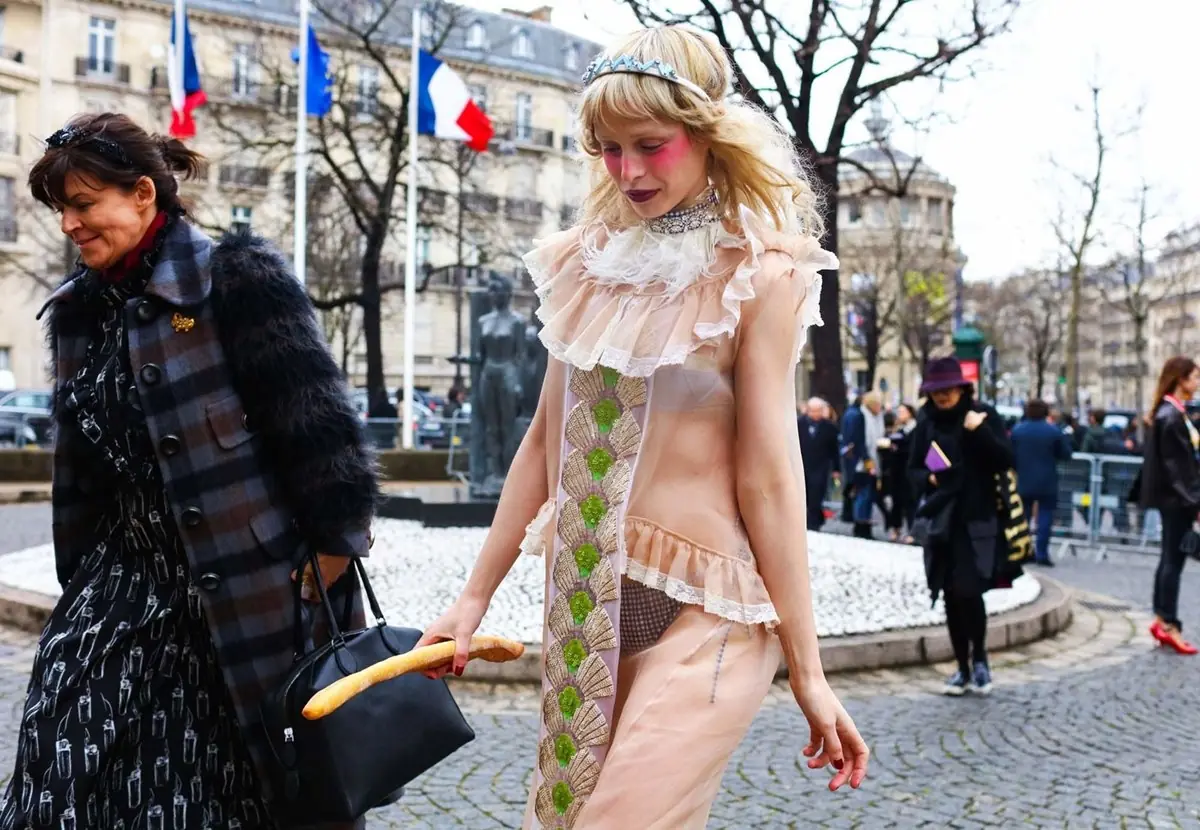
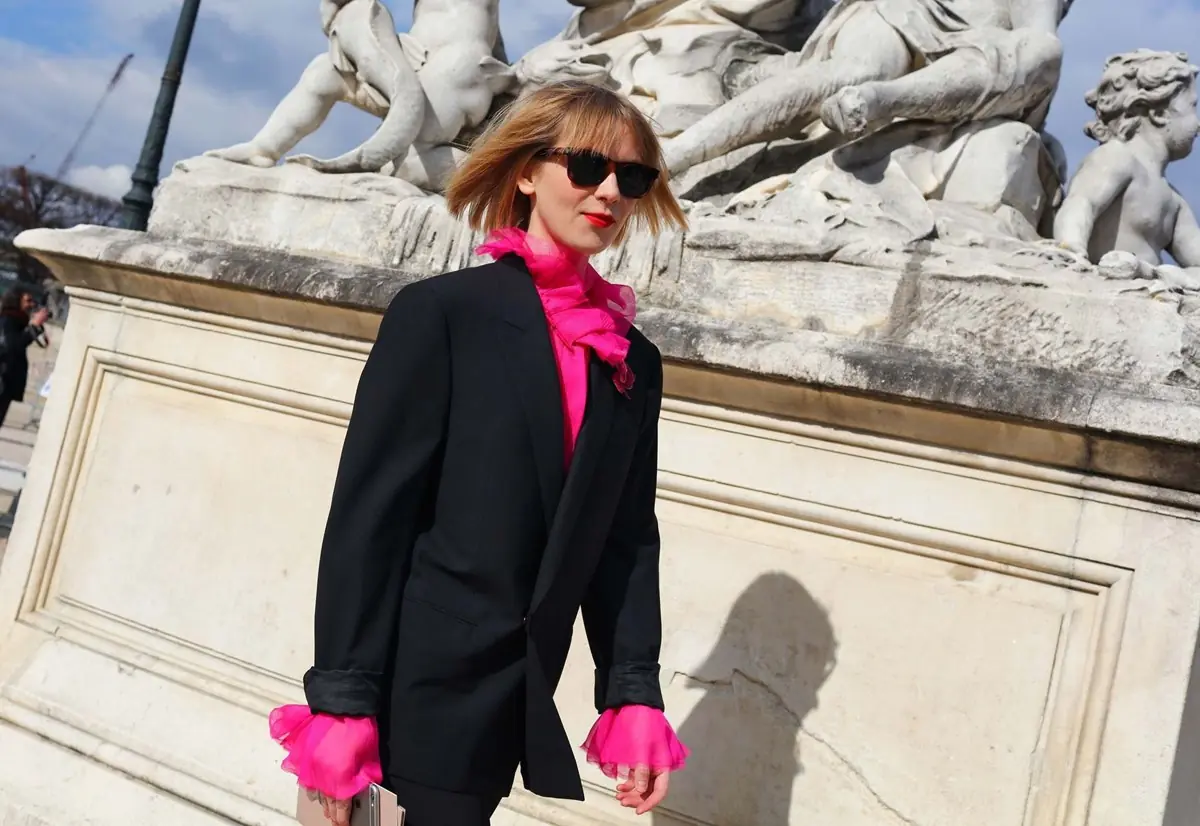
And fashion? Fashion in 2016 was particularly exciting! It was the year when names like Demna and Alessandro Michele began shaping the fashion landscape, Vetements ironically turned the rules of luxury fashion upside down, and Virgil Abloh brought into luxury what had previously been reserved for the street, streetwear. Street style and Instagram started dictating mainstream taste, but what did not change was that we loved nostalgia above all else. I will just say: the nineties and mom jeans!
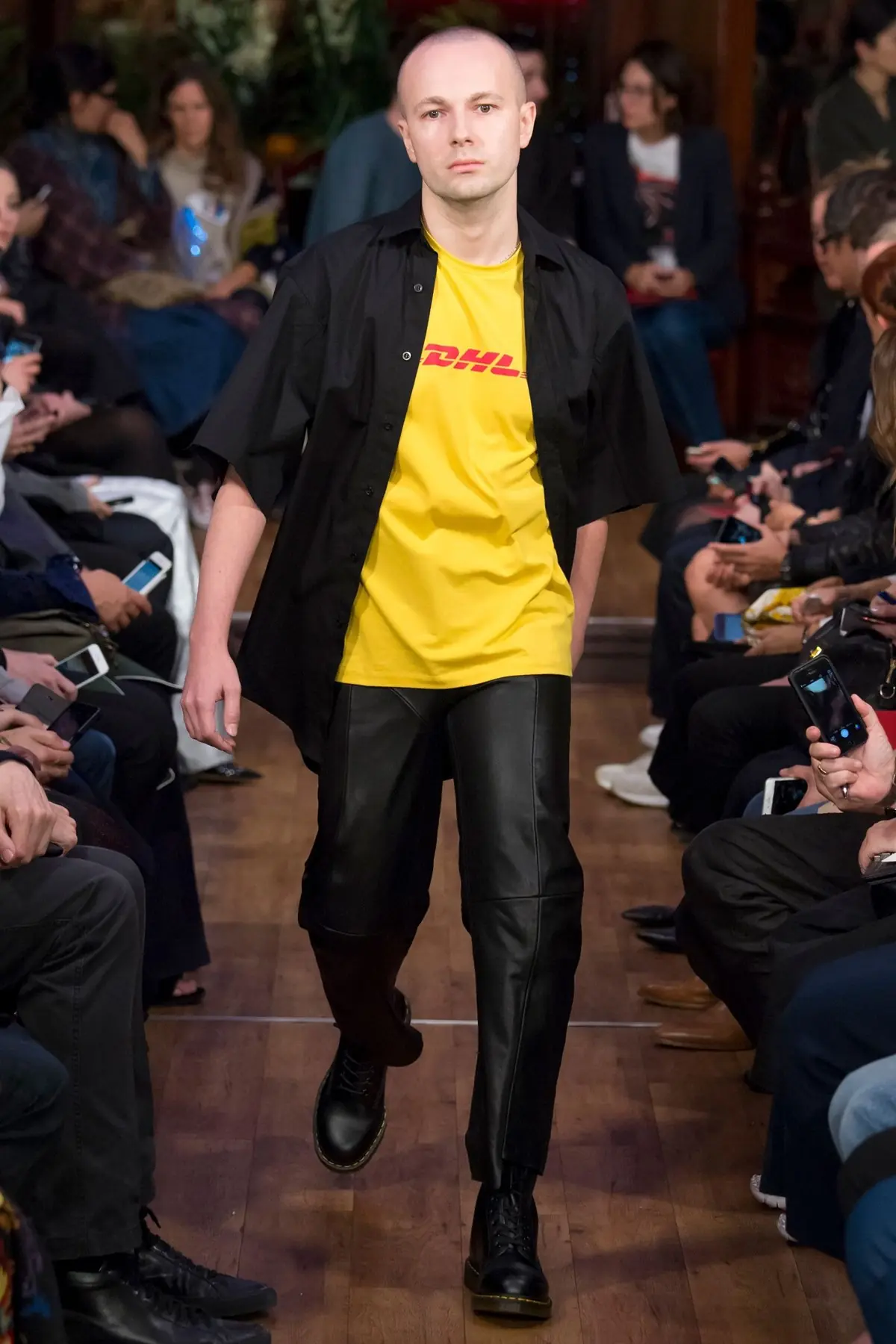
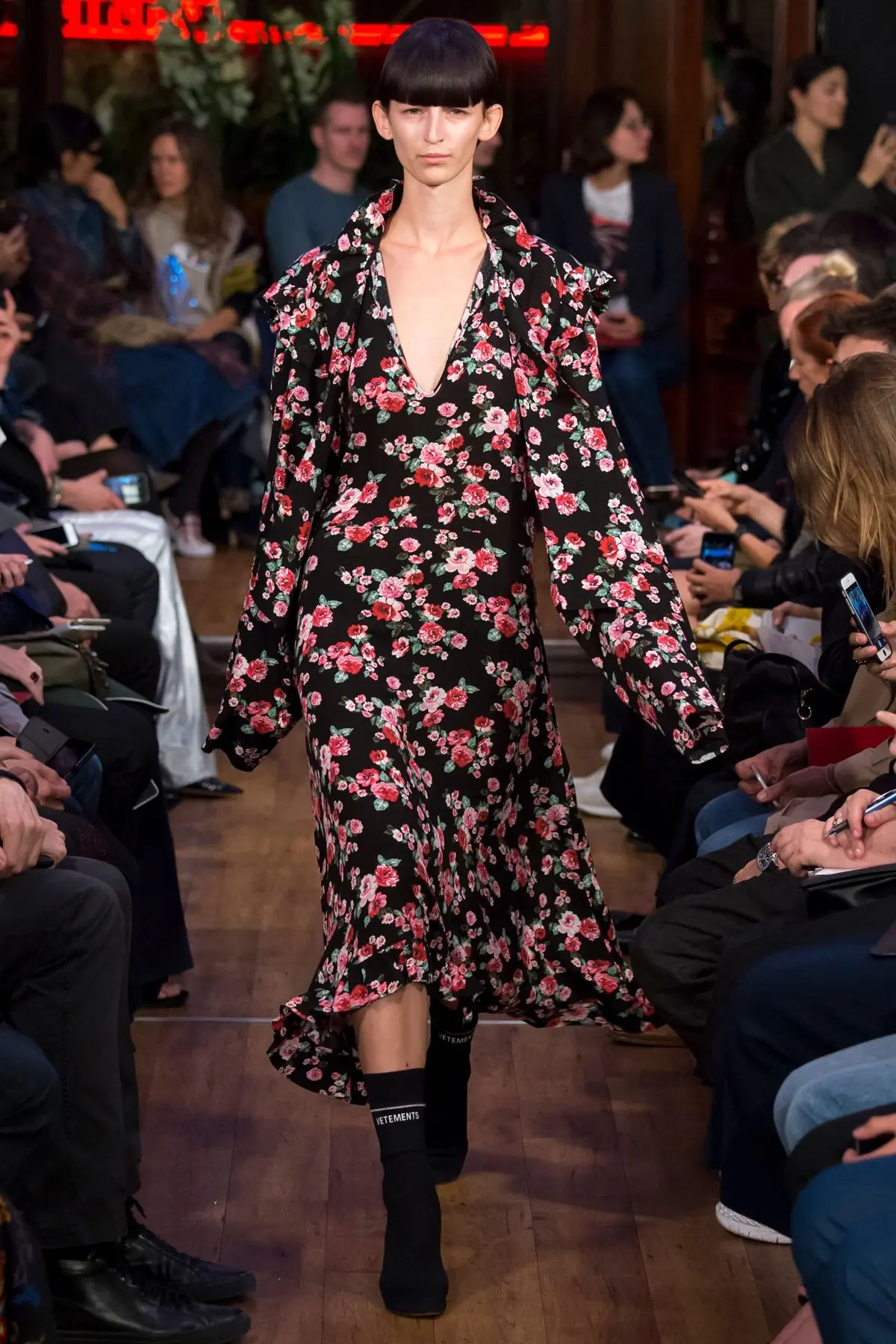
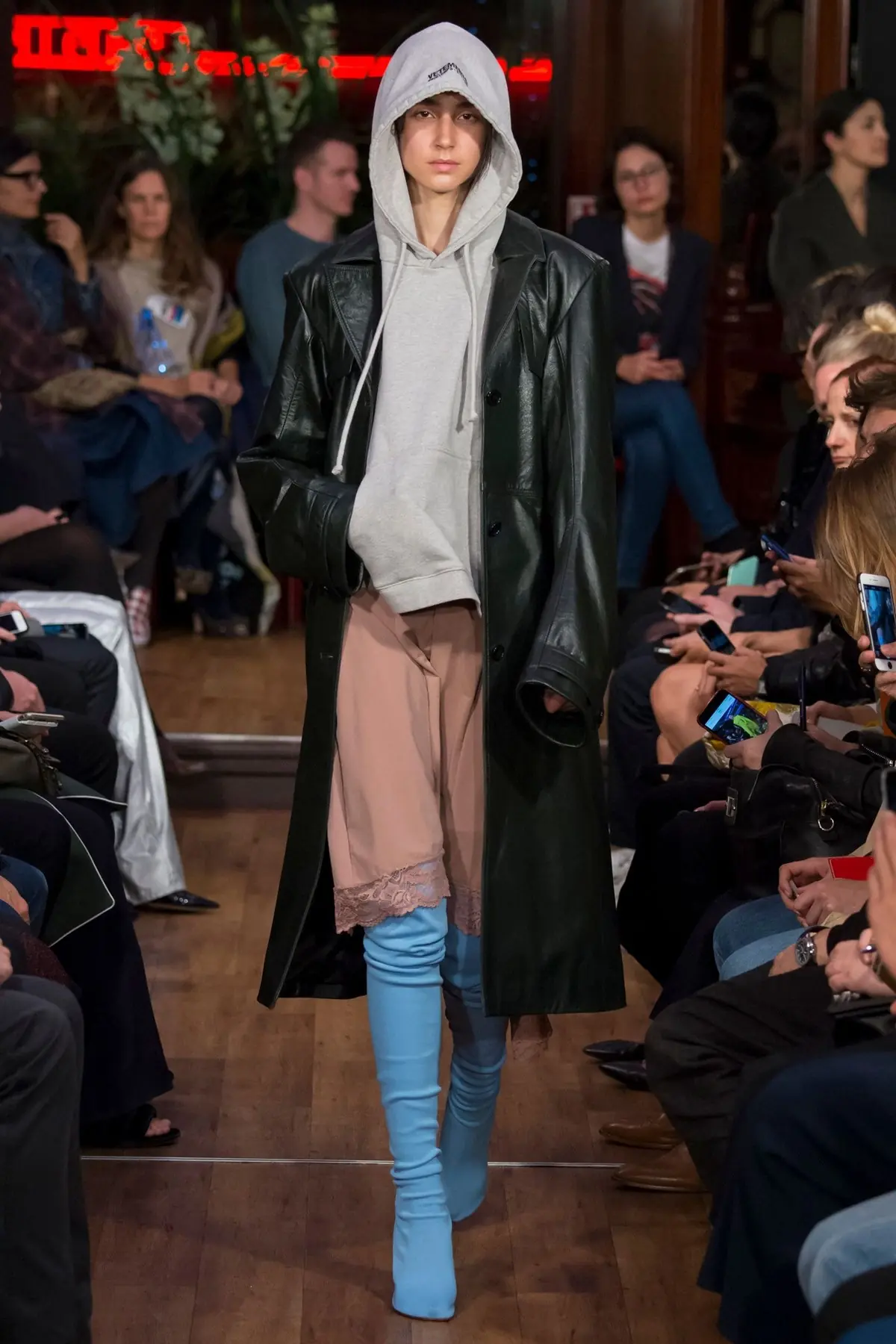
Do we remember the golden era of Vetements? Of course we do. Georgian enfant terrible Demna Gvasalia turned fashion rules upside down and, in the manner of Marcel Duchamp, declared the urinal a fountain. From the first show held in 2015 at the Paris gay club Le Dépôt until Demna’s departure in 2019, Vetements set the fashion scene ablaze, transforming everyday garments into luxury fashion statements. Always wrapped in provocative marketing, everything felt like a social experiment or a prank devised by boys from post-Soviet Georgia for the greedy capitalist West. DHL T-shirts that were almost identical to the originals, “It’s my birthday and all I got was this overpriced Hoodie from Vetements” hoodies selling for 900 euros, floral dresses we all suddenly wore paired with sock boots, Titanic T-shirts, and everything oversized and baggy, all of this made up the ironic anti-fashion world of Vetements’ golden era. Fashion collectives like Vetements and designers such as Gosha Rubchinskiy introduced the world to Eastern European clothing, the aesthetics of subcultures and the street, a style and taste formed far from the metropolises of the wealthy West. Was their disruption of conventions merely trolling the fashion industry and the affluent clientele that buys hype and luxury? The best part is that we are still speculating about it today.
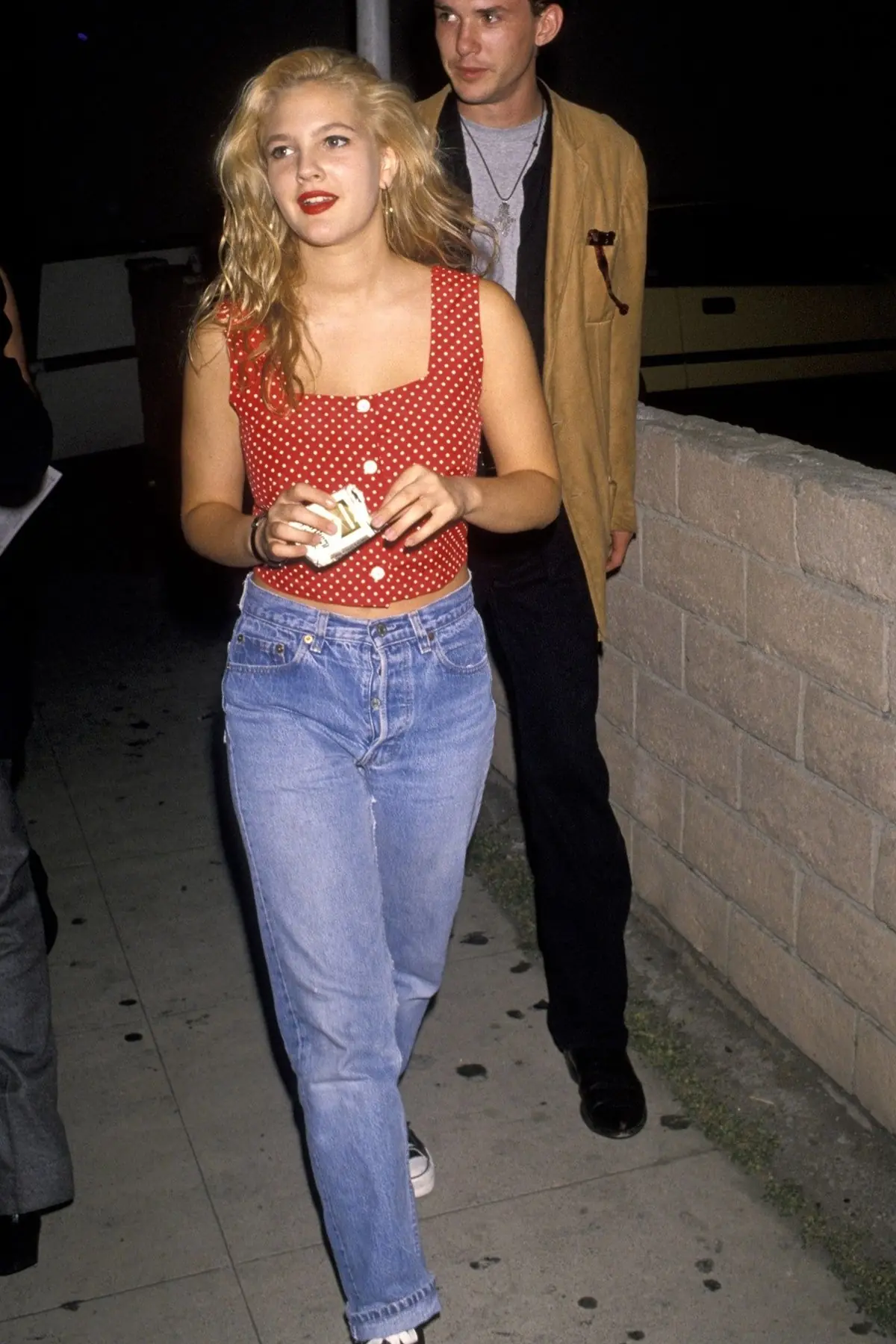
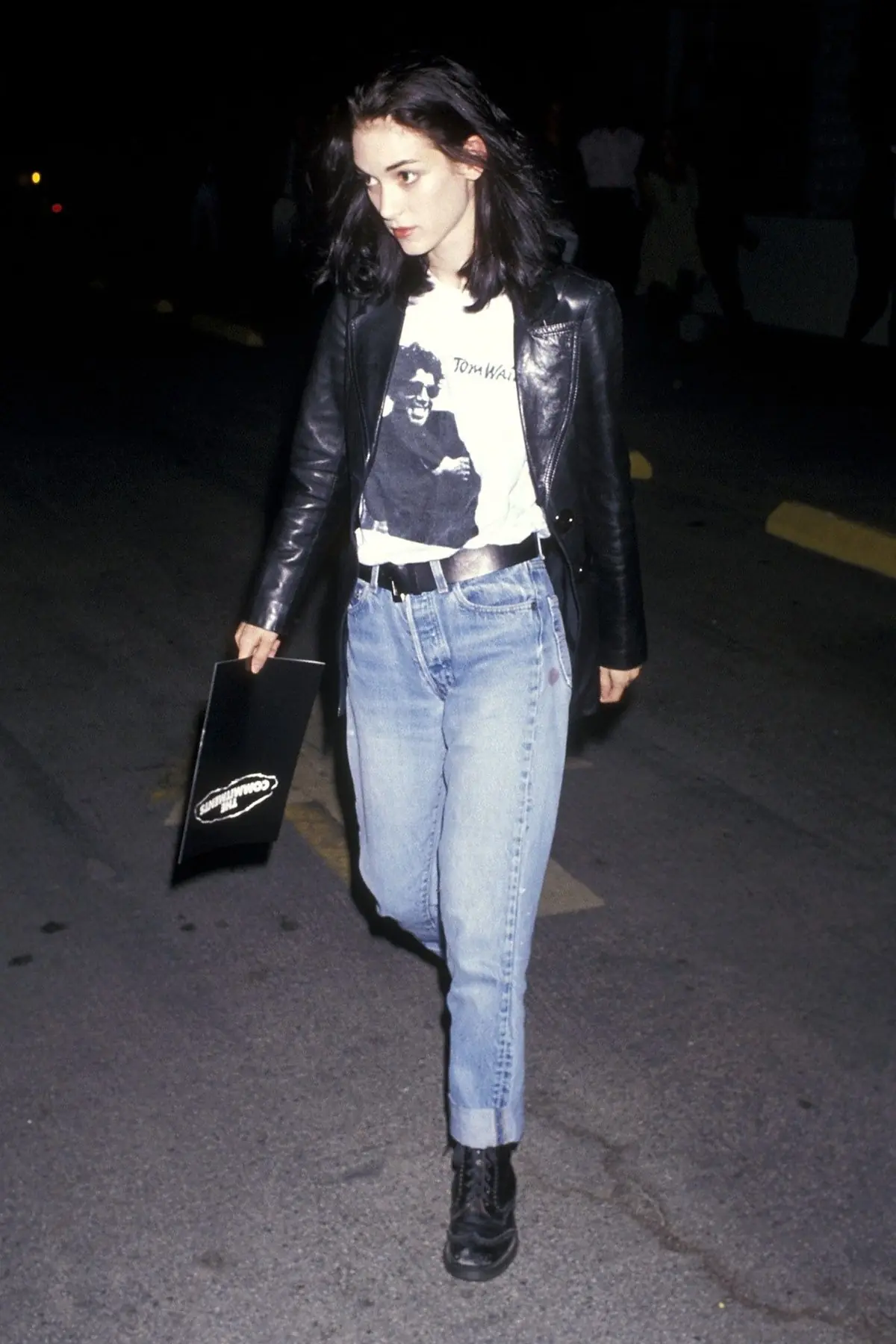
If one thing hasn’t changed since 2016, it’s the enduring fascination with the eighties and nineties. Riding that wave of nostalgia, mom jeans also made their big comeback around that time, high-waisted, straight-leg jeans that replaced the long-standing dominance of not particularly flattering skinny styles. “Skinny, stretchy jeans ruled the denim scene for an entire decade, but that era is now over. Rigid jeans in the original cut are back, high-waisted with straight legs that end just above the ankle. We are now wearing real, sturdy denim, the kind Debbie Harry wore in 1978 and the kind Chloë Sevigny has worn since 1998,” British Vogue wrote in January 2016, declaring the official start of a new era of denim.
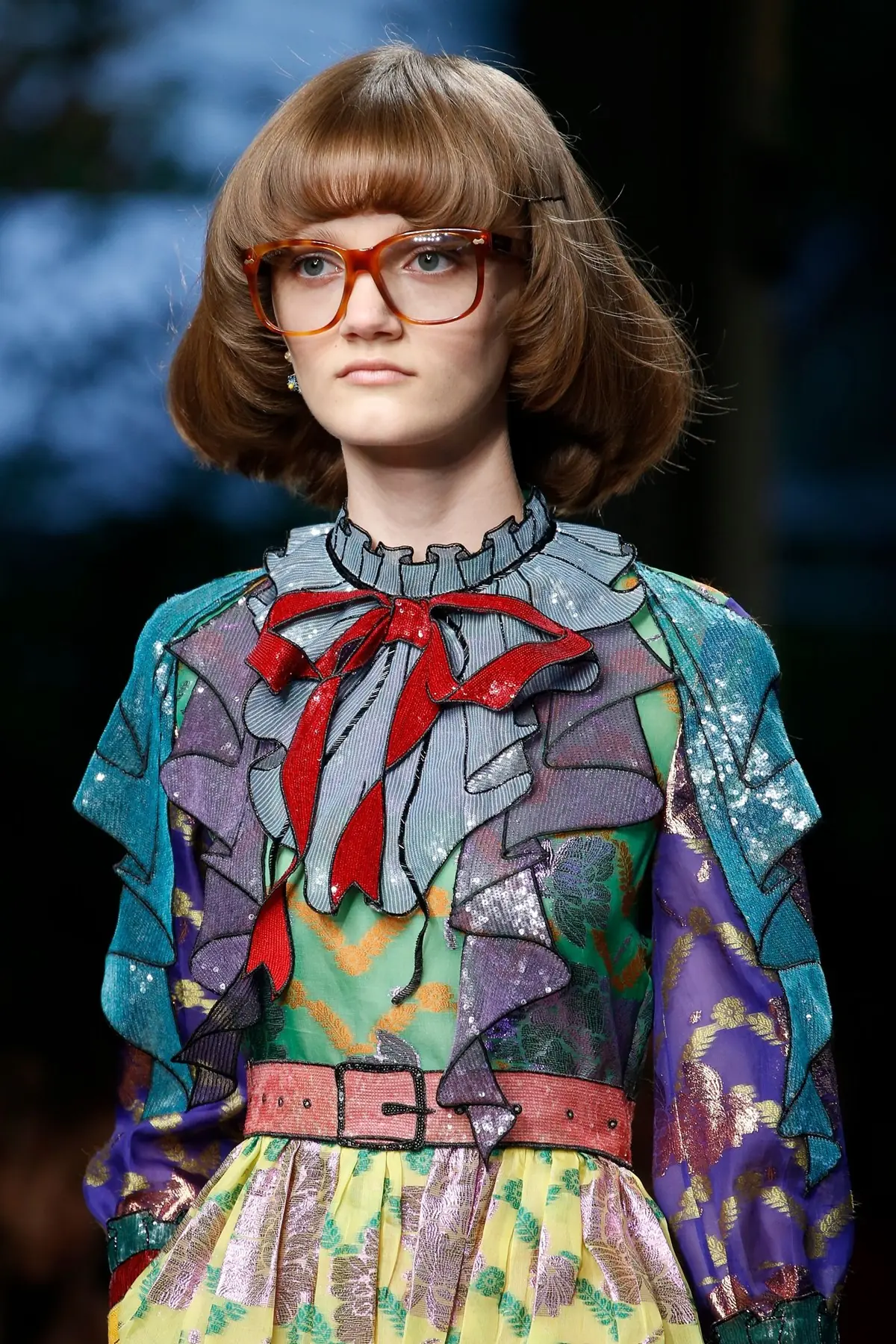
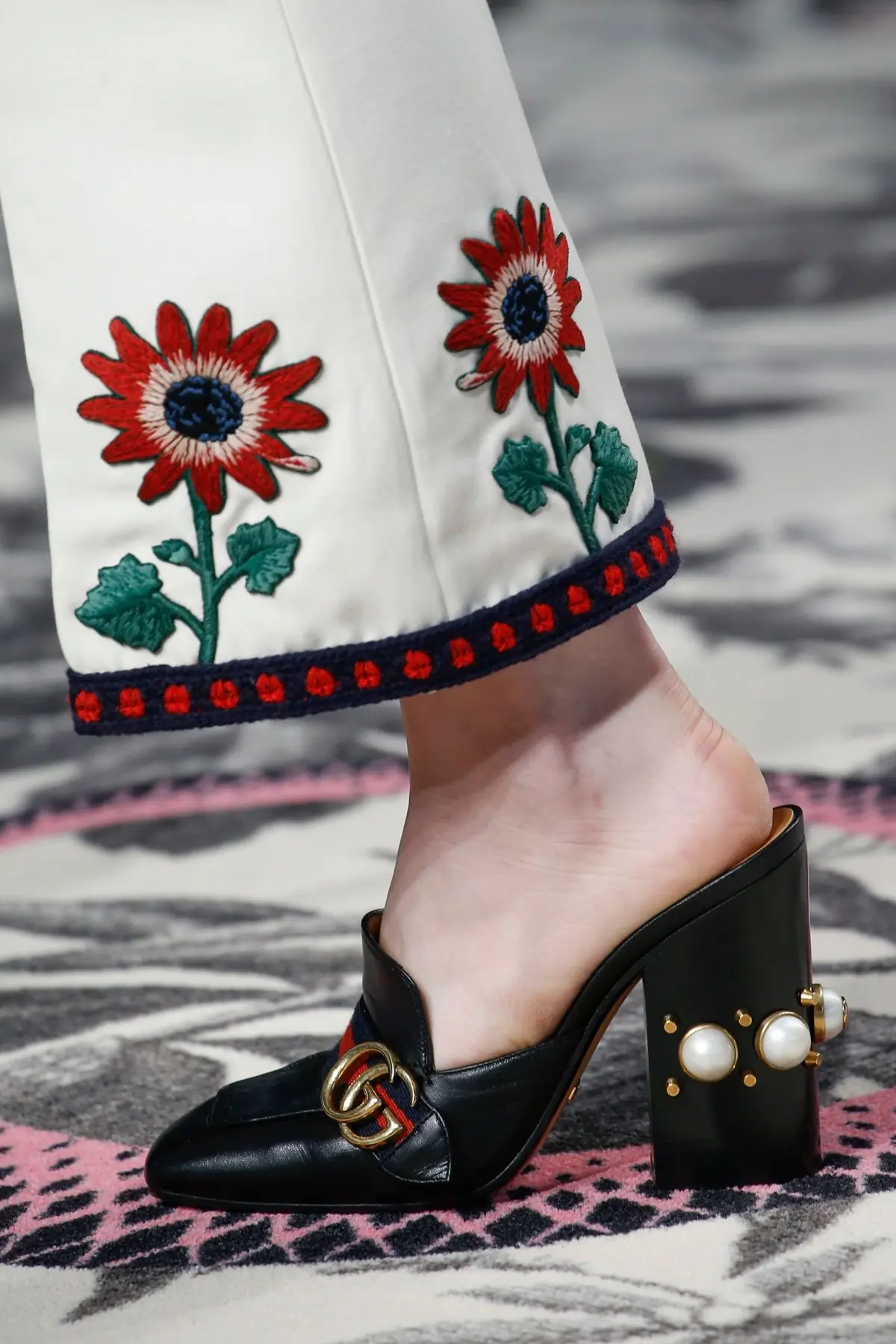
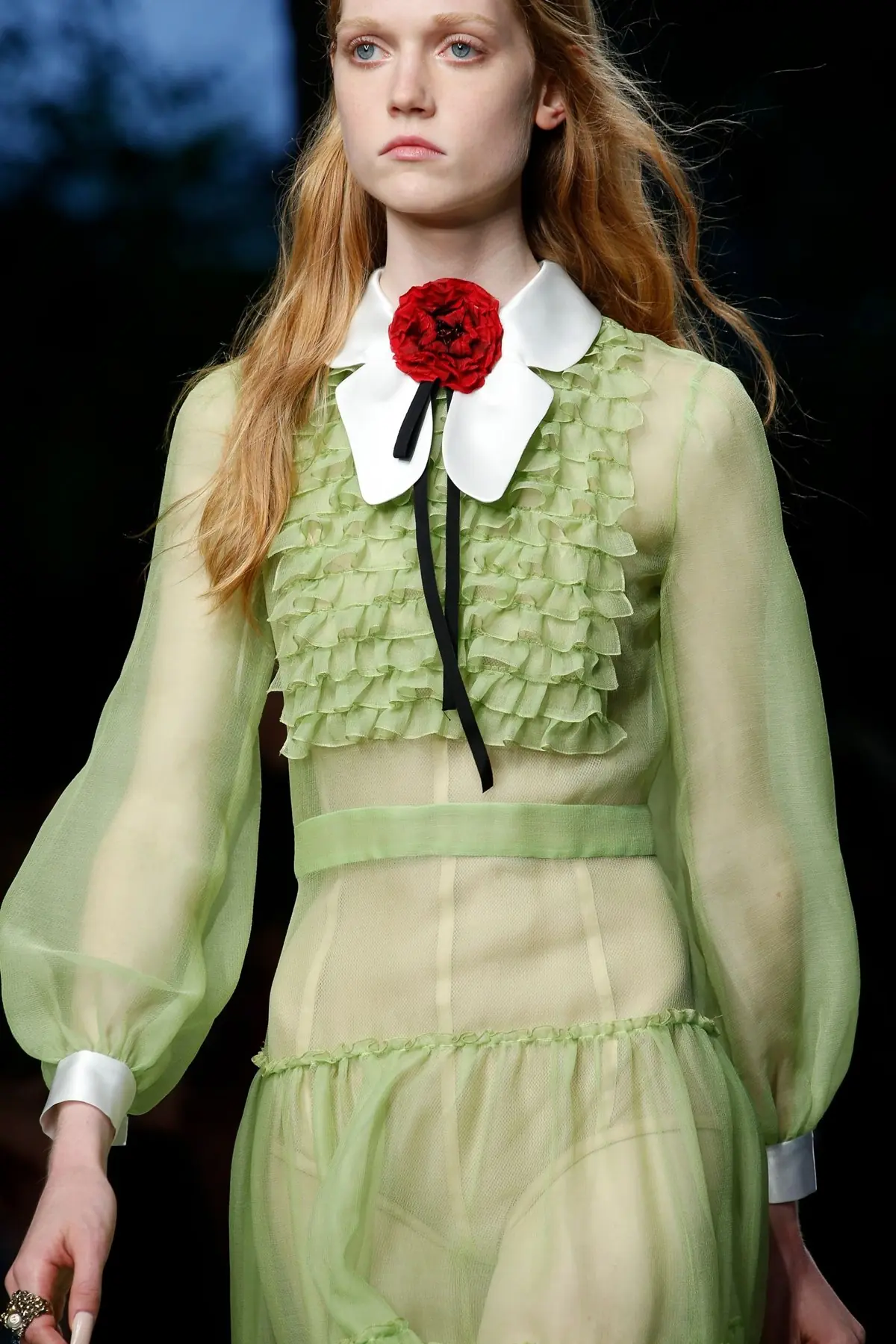
At the beginning of 2015, when Italian fashion designer Alessandro Michele took over as creative director, succeeding Frida Giannini, it quickly became clear that Gucci was getting a complete makeover. After the first collection, which he reportedly designed in just two weeks, the media wrote that Gucci was no longer about “glamorous Italo-babes” and that a revolution was underway. But Michele did not shape only Gucci. His presence on the fashion scene and the aesthetic he brought to the Italian fashion house were so strong that no one could remain indifferent. Whether one liked it or not, Michele was one of the biggest tastemakers of that time. On a very personal note, it was the era when I myself finally, thanks to the new Gucci, discovered what I liked amid a sea of styles and organically began shaping my own taste. Eclecticism, a vintage vibe, fashion that does not divide clothing into “men’s” and “women’s,” an abundance of references, colors, patterns, details, bizarreness, humor, Michele’s Gucci told a story. After the era of polished and boring minimalism and normcore, Gucci completely overturned the rules and finally brought theater, excitement, playfulness, and space for exploration back into fashion. From campaigns to runway shows, various art projects and collaborations, everything in Michele’s Gucci era was a spectacle, and those early years were a true rollercoaster.
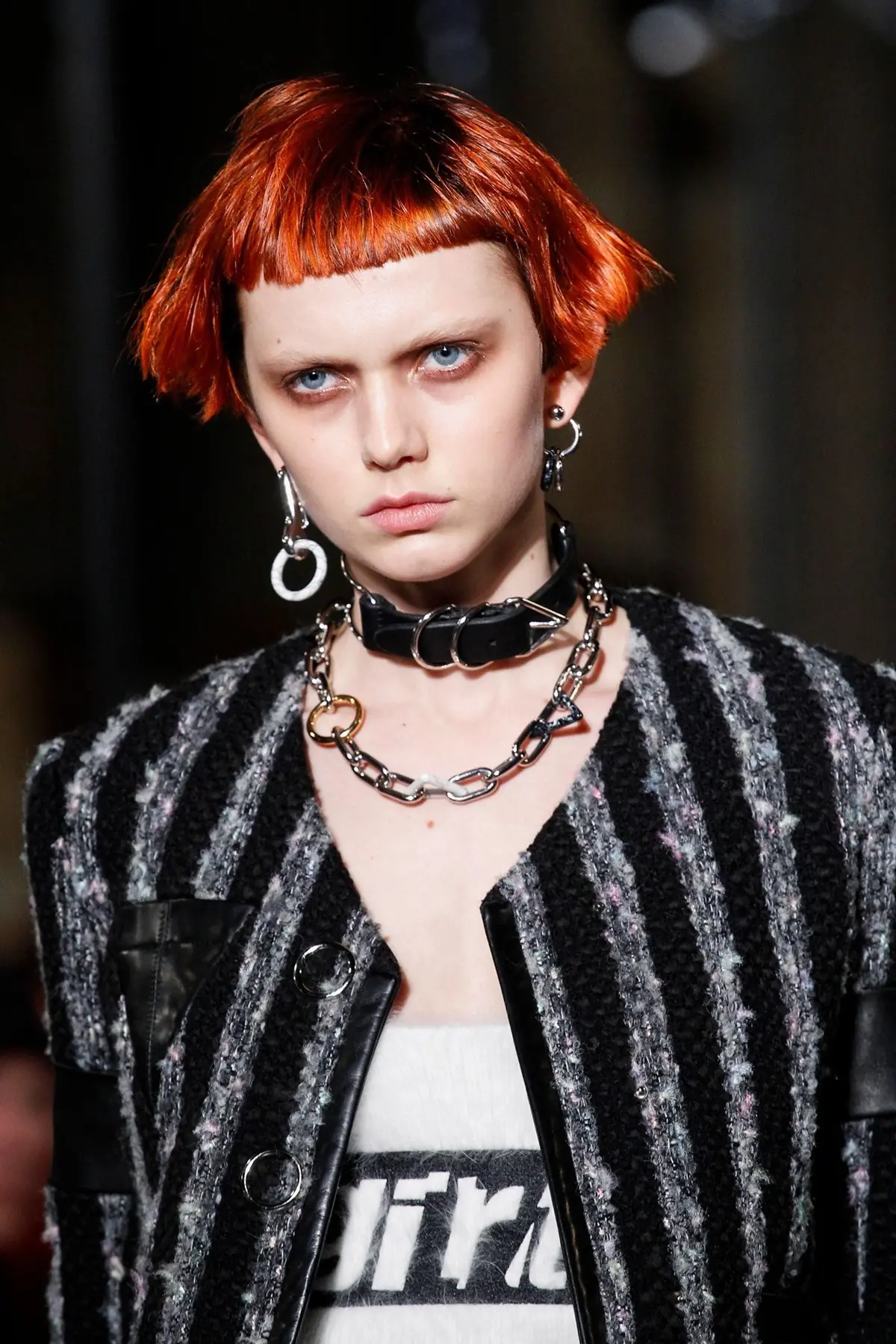
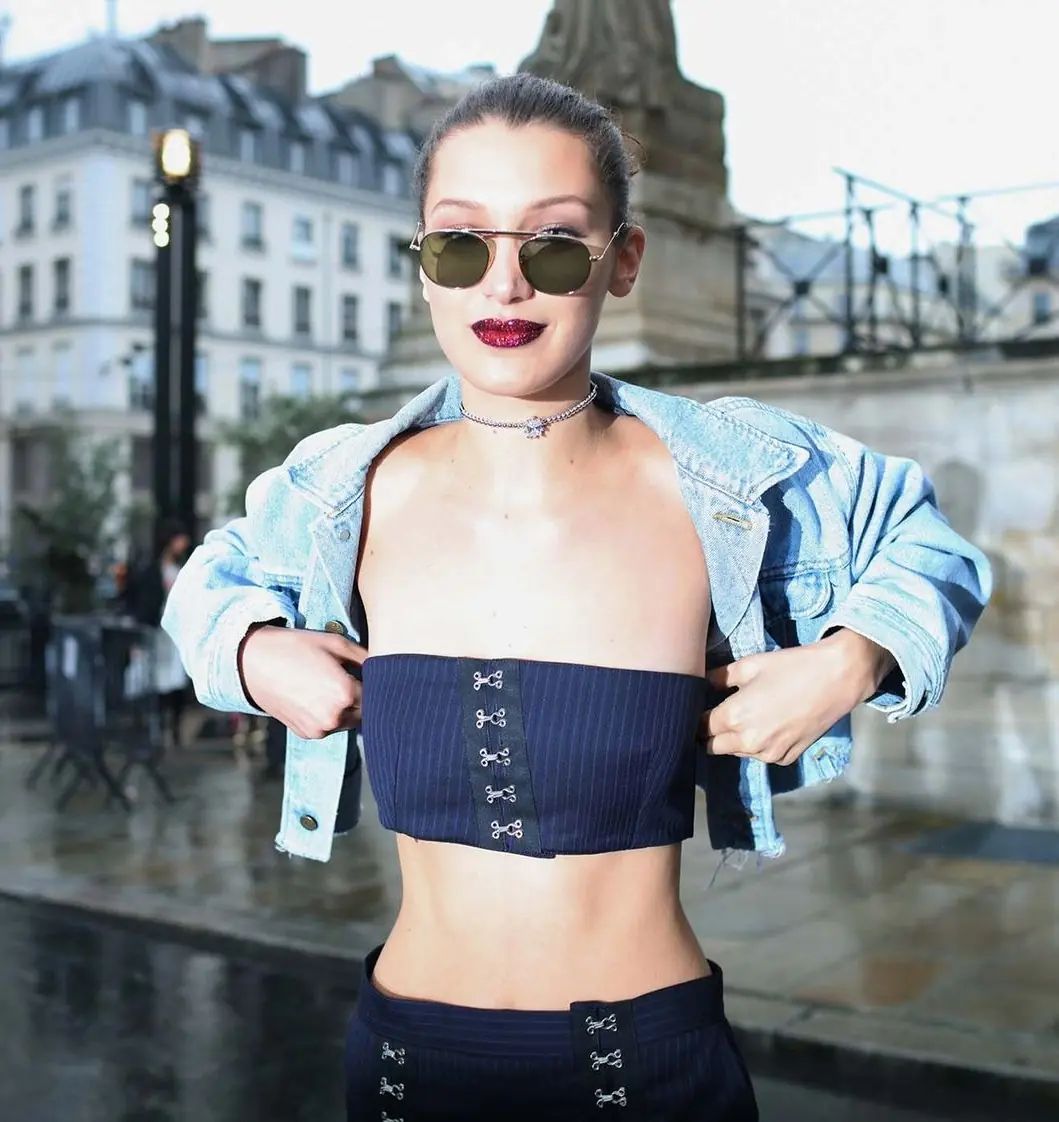
Chokers were an absolute must-have in 2016. Beyoncé released the video for the song Formation wearing not one but three different chokers, and Rihanna wore a diamond Fallon’s Monarch choker in the video for Work. Yes, that was back when RiRi was still making music. But back to chokers. From punk BDSM versions in Alexander Wang’s Fall 2016 collection, through girly butterfly styles, to minimalist leather necklaces with little detailing, chokers ten years ago successfully found their way around the necks of pop stars, supermodels, and every girl who wanted to feel trendy in 2016. Why then? Like mom jeans, they returned on the wings of nostalgia for the nineties that at the time occupied ready-to-wear collections and mainstream fashion. Although we were wildly enthusiastic about them, they very quickly faded into oblivion.
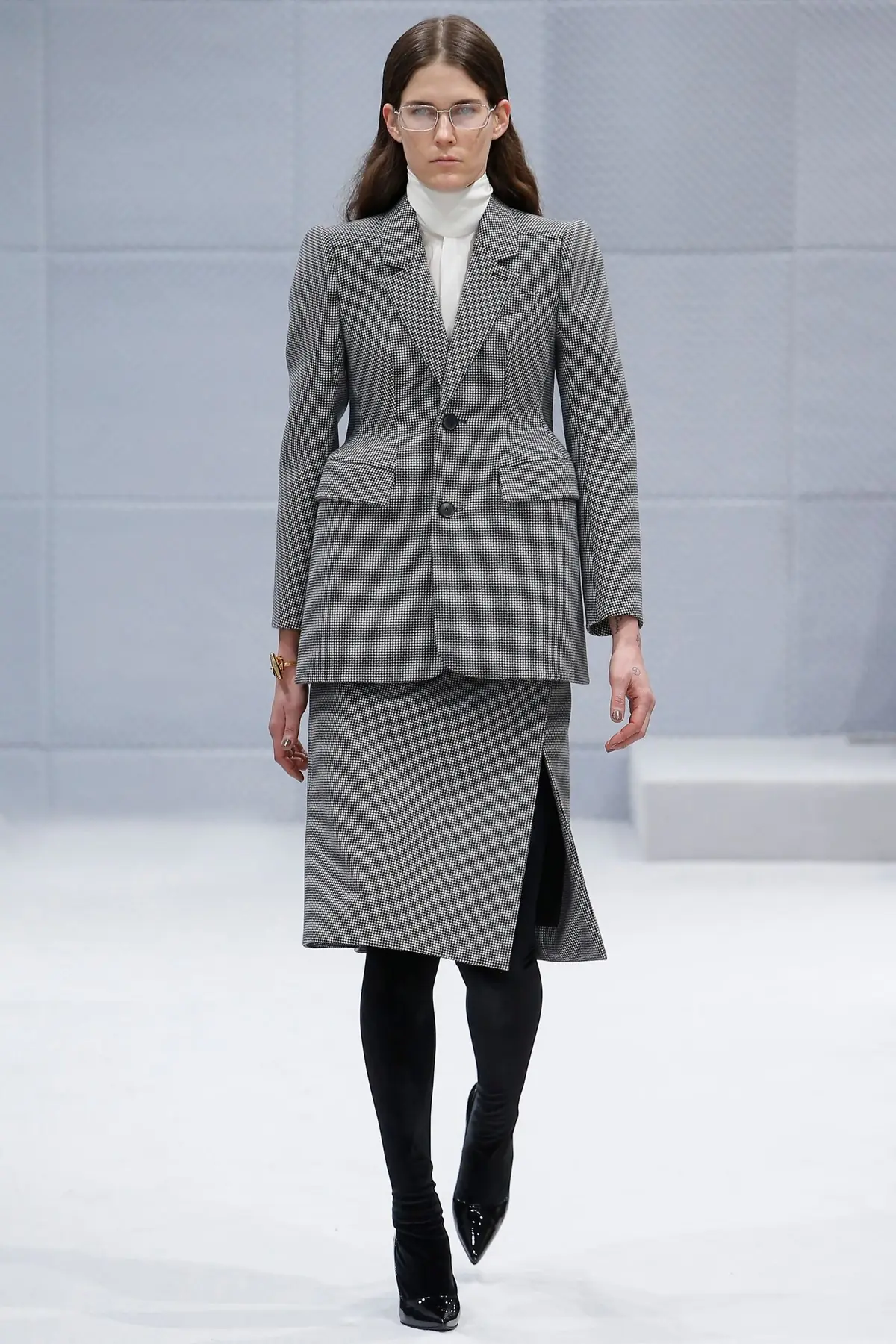
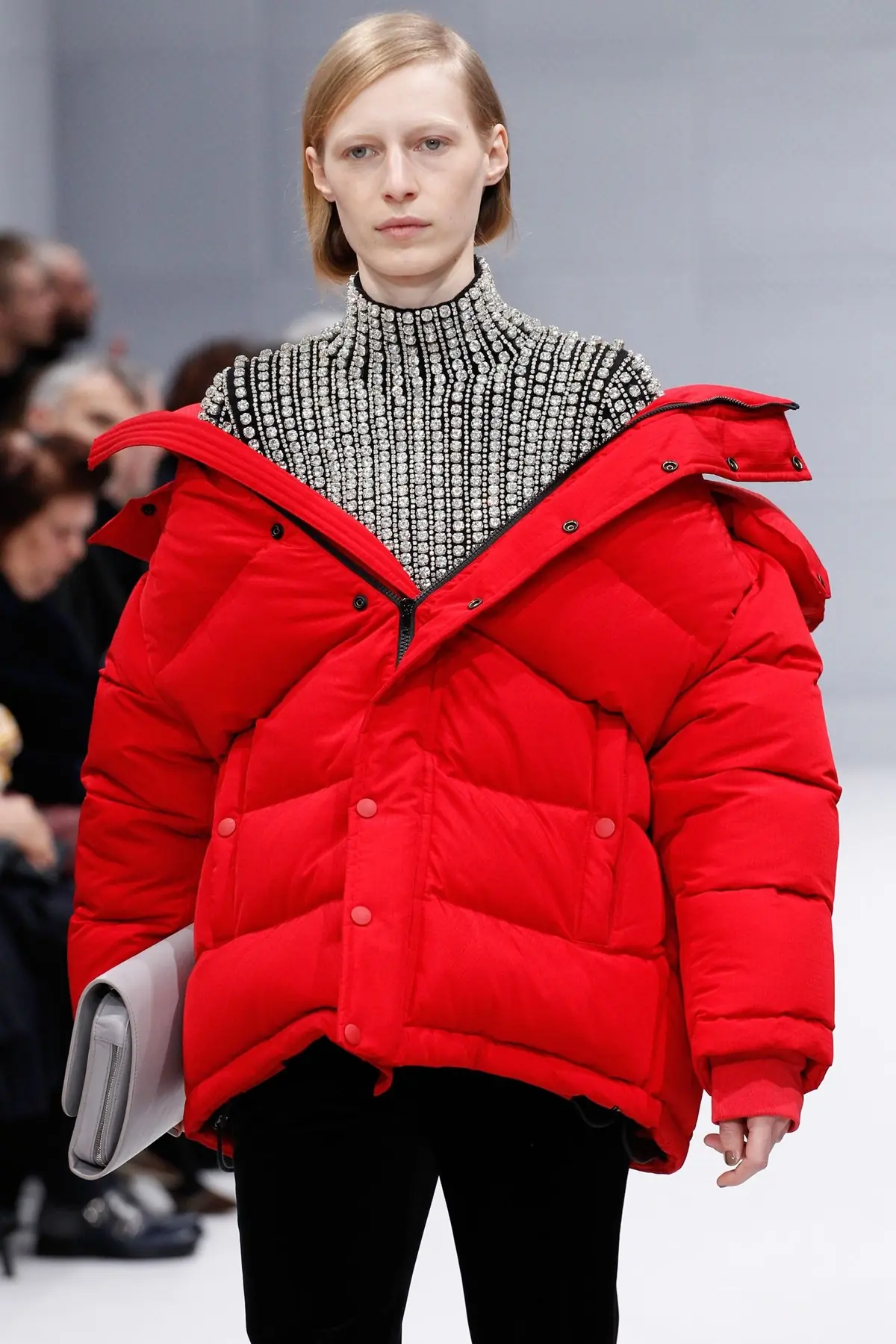
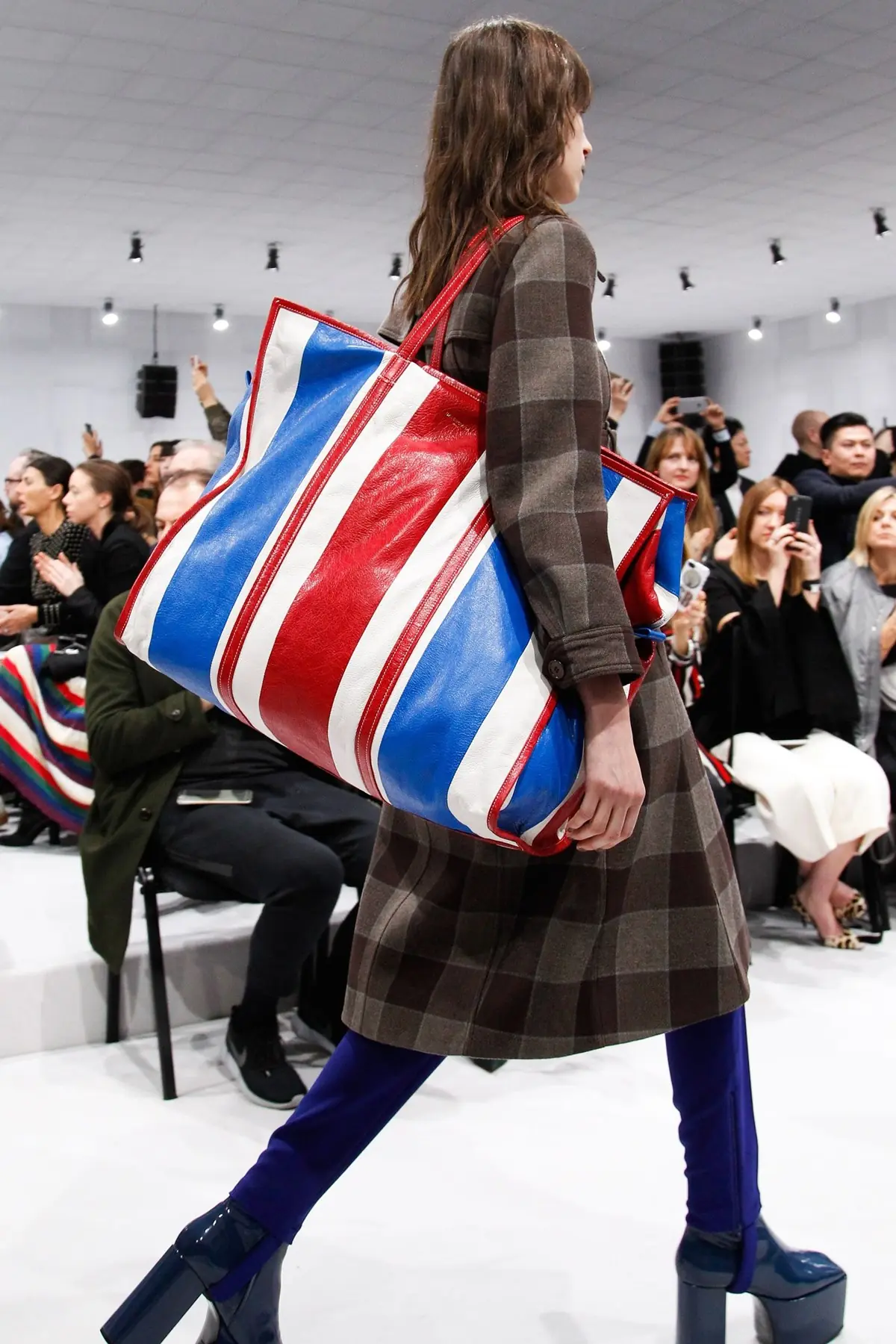
On the wave of Vetements’ explosive popularity, having presented only three collections by then, Demna, still using the surname Gvasalia, took over as creative director of the fashion house Balenciaga in 2015. He presented his first collection, for the Fall/Winter 2016 season, in March 2016, which the house announced to the public as “entering a new chapter.” And it truly was a new chapter. Demna spent six months researching the Balenciaga archives and considering how what constitutes the essence of Cristóbal Balenciaga’s aesthetic could be relevant for the modern woman. Business occasion suits with extremely, almost absurdly emphasized shoulders, floral patchwork dresses, leggings, platform boots, and jackets slipping off the shoulders formed the basis of his first fashion story. While some recognized in his vision the same disruption he had introduced with Vetements, others called for a return to the elegance that the Spanish fashion genius Cristóbal Balenciaga had once presented to the world. Those who feared a departure from timeless elegance and femininity were right, Demna was interested in something entirely different. Much like Vetements, Balenciaga in Demna’s era lived on hype, oversized clothing, absurdity, boundary-pushing, and viral moments, together with a fiercely loyal following.
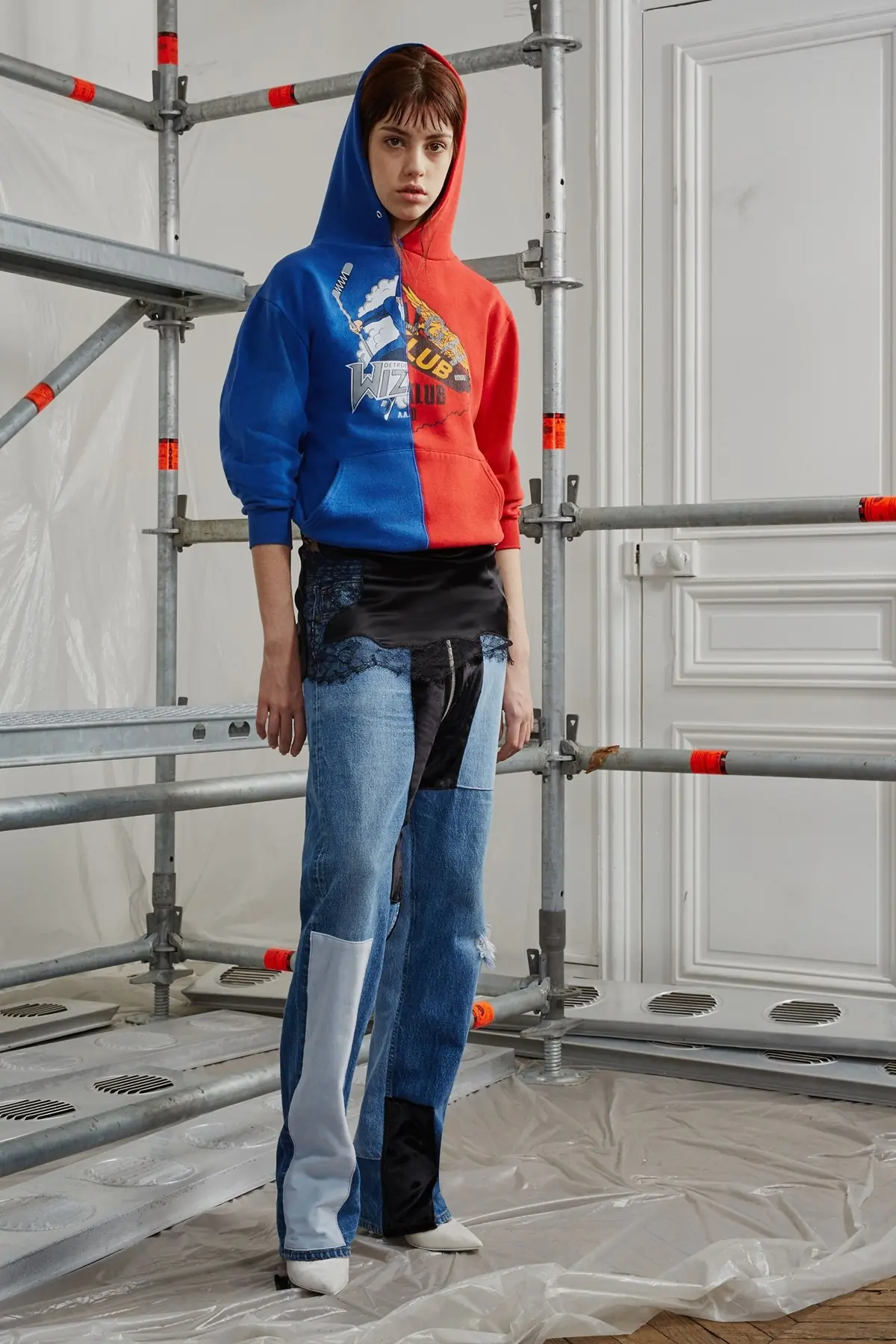
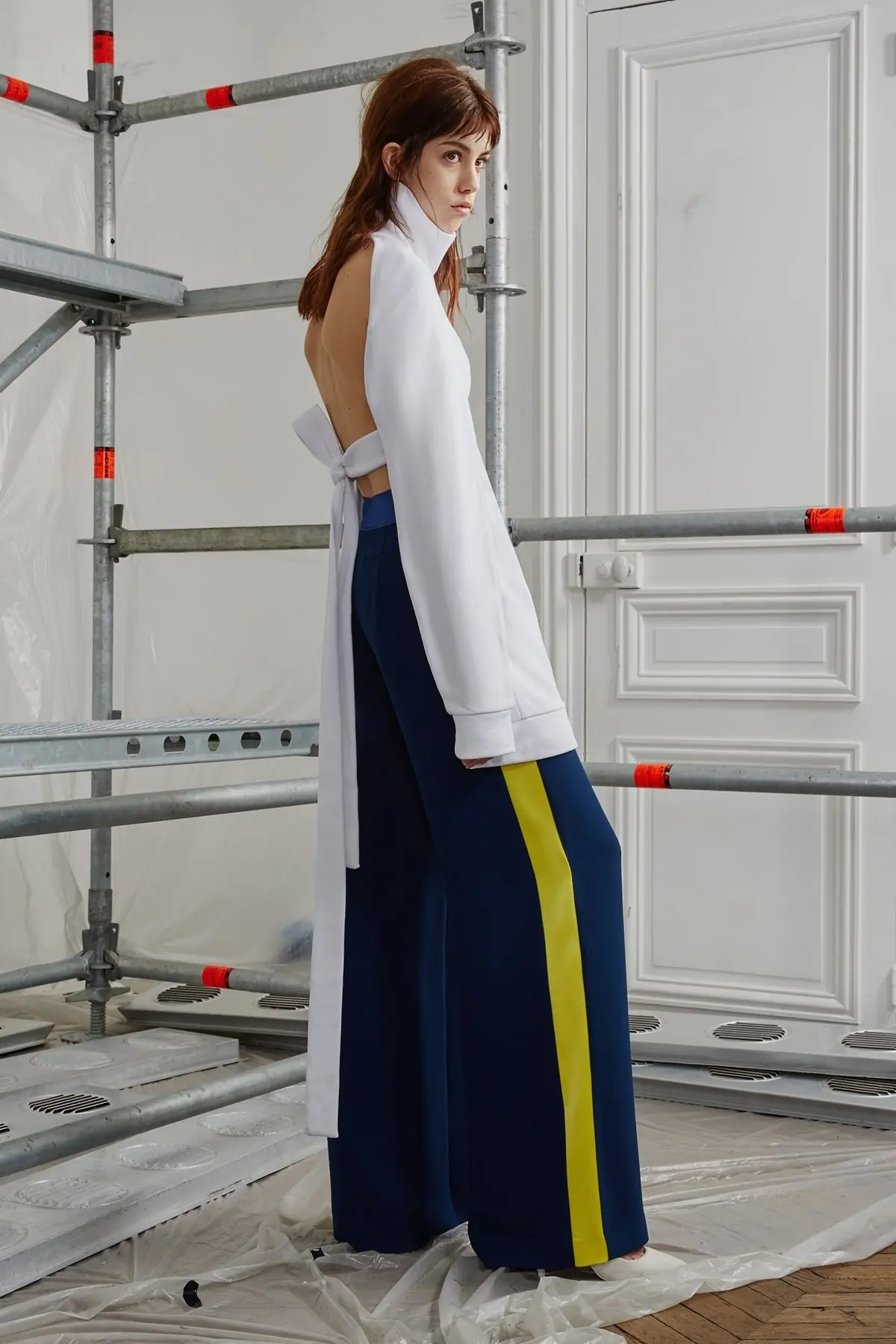
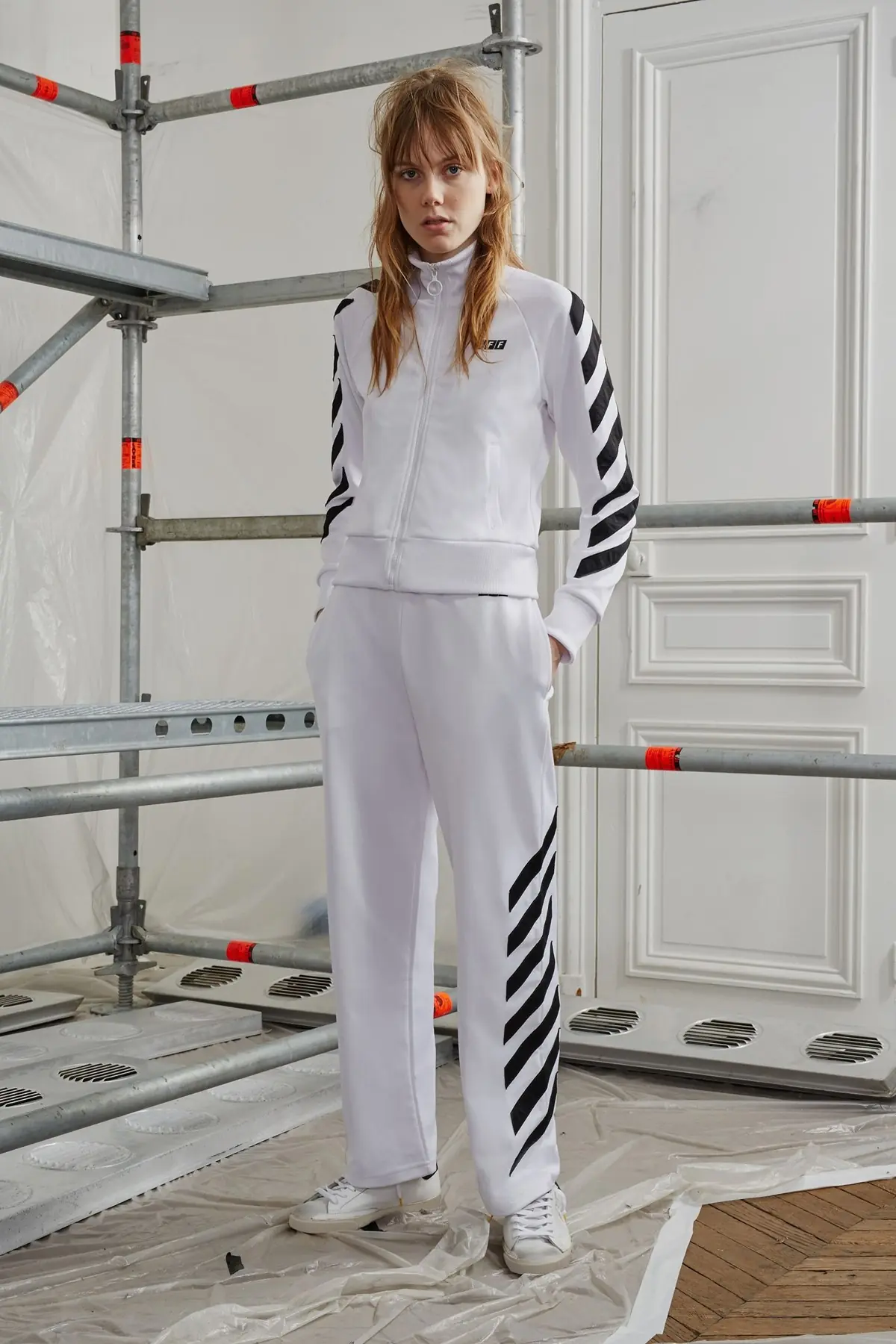
Virgil Abloh, who passed away suddenly in 2021, was one of the most significant figures on the fashion scene at the time when his brand Off-White achieved mainstream success. He founded it in 2013 in Milan, with streetwear as the foundation of its aesthetic. Thanks to Abloh’s entrepreneurial instinct, clear vision, and design genius, streetwear stepped off the street and onto the runways, completely transforming fashion. What had once been worn by kids playing basketball on school courts, going to underground parties, and listening to hip-hop became the uniform of the fashion establishment, adorning the windows of luxury concept stores in fashion capitals. The familiar and ordinary, like sneakers, hoodies, or T-shirts, Abloh turned into something luxurious and extraordinary. On the wings of his vision, countless collaborations, brilliant projects beyond the realm of fashion, and numerous hit pieces that people queued for hours to buy, Off-White became a symbol of streetwear, and much more than that. It was a brand, but also a movement that redefined the look and atmosphere of the entire scene.
In the summer of 2016, we surrendered to romance. Dresses and blouses with ruffles that revealed the shoulders were everywhere. Some blamed the runways, others the revival of the seventies, and some did not think about it much at all. Kendall Jenner and Gigi Hadid wore off-the-shoulder dresses on red carpets, with a choker of course, and the combination was a winning one at festivals like Coachella, whose fashion had become a reflection of global trends. I remember buying an off-the-shoulder dress with a print of large red roses a few weeks before my summer vacation, which I managed to wear only once. By the following summer, the silhouette had completely fallen into oblivion. My never-quite summer dress and I are placing our hopes in the summer of 2026.
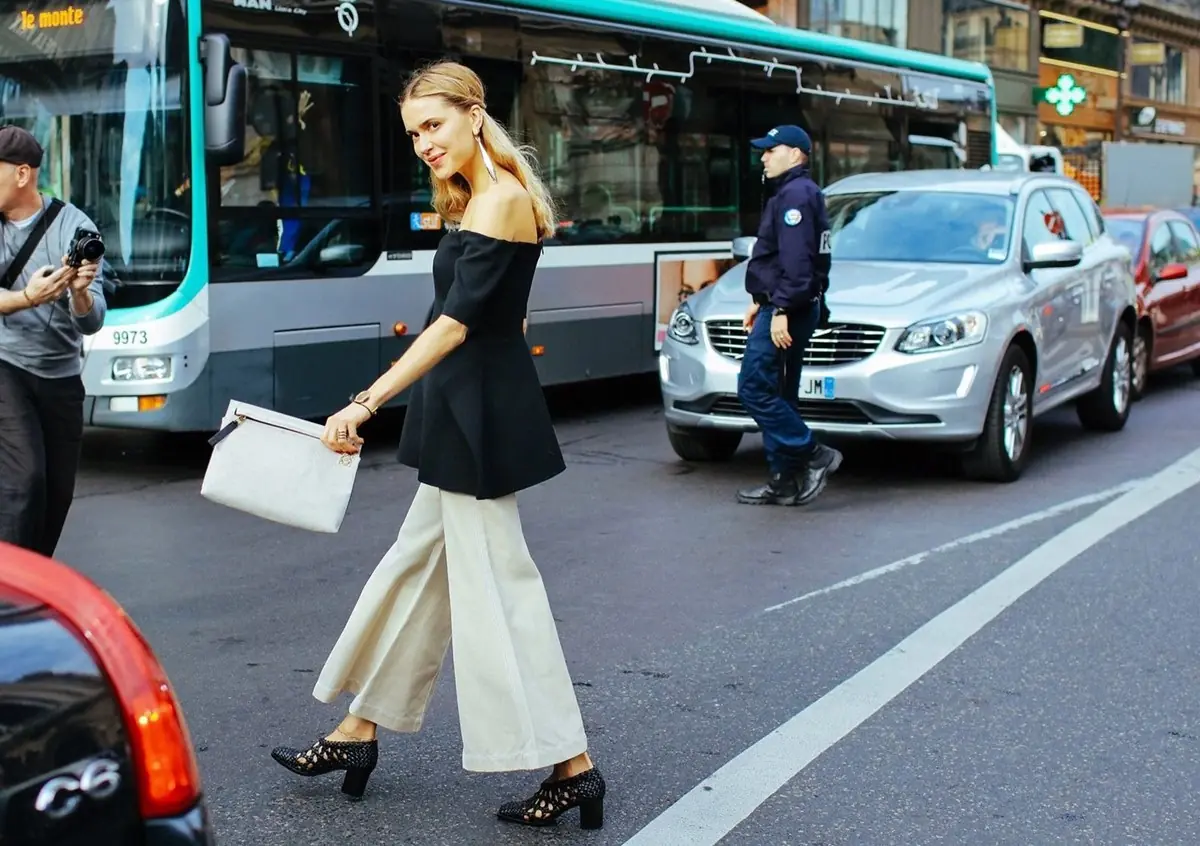
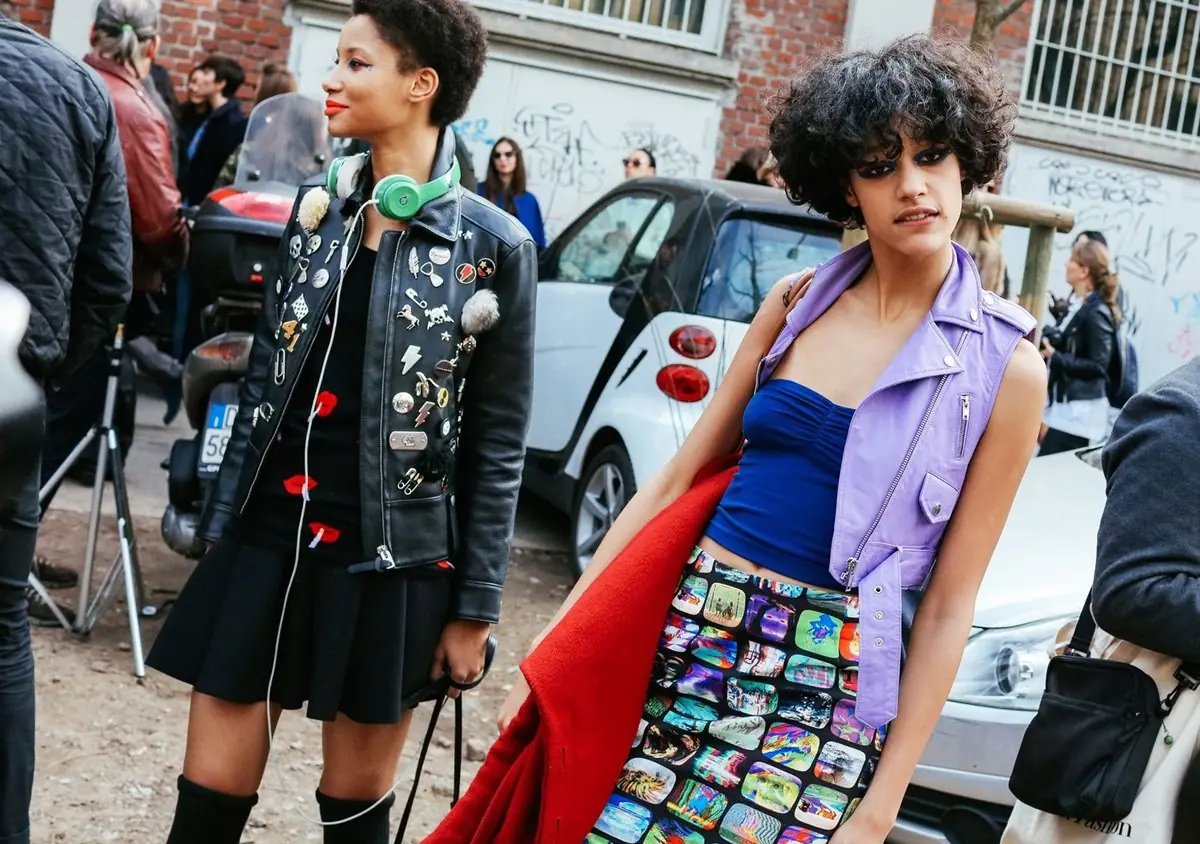
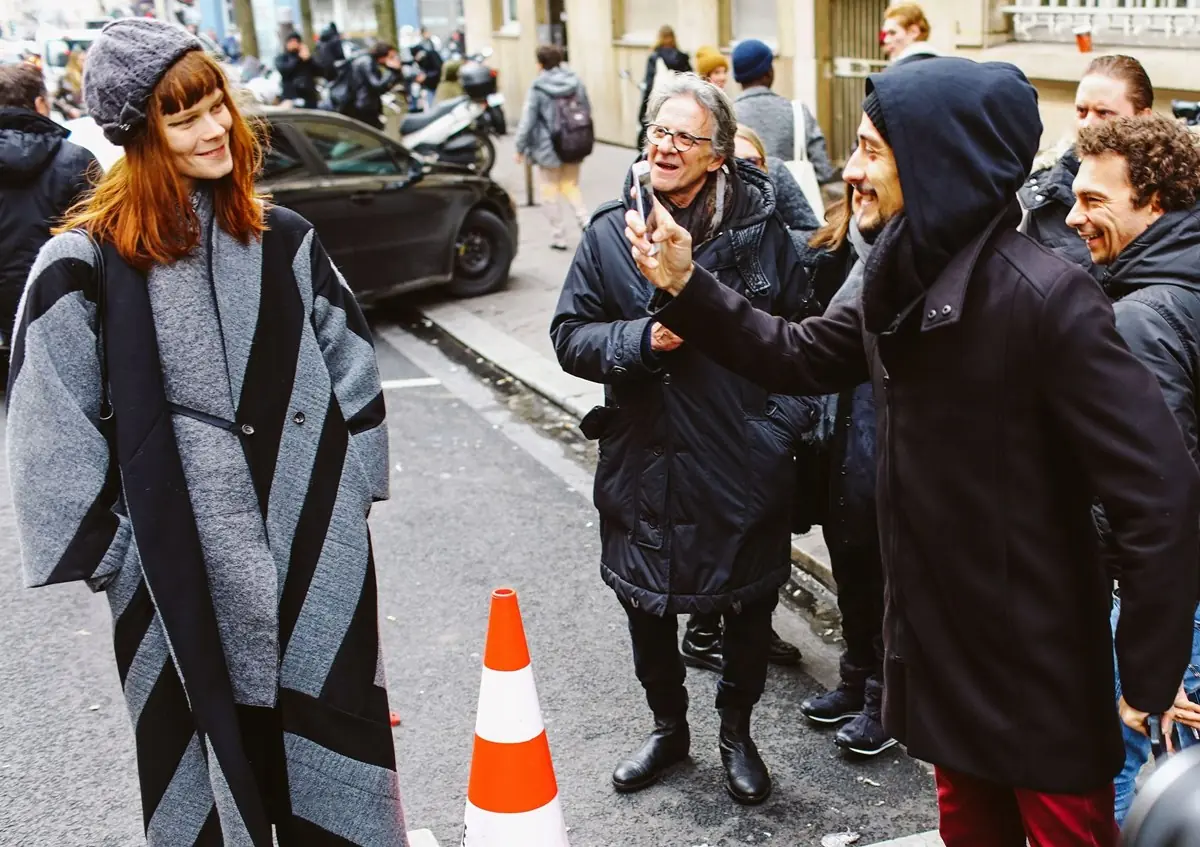
Do you remember what Instagram looked like in 2016? No? Let me remind you. Instagram introduced Stories only in August of that year. There were no reels, no carousel posts, no music on Stories. We had only feed posts. We all posted grainy photos of avocado toast and selfies with chokers and off-the-shoulder dresses. There were no videos of what someone eats in a day, nor did production resemble works by 20th Century Studios. We were sloppy and, I would say, quite carefree. But it was also the time of the rise of Instagram influencers and the moment when social media began shaping culture. The boom of social networks shifted attention from bloggers to Instagram feeds where Chiara Ferragni (The Blonde Salad), Aimee Song (Song of Style), and Leandra Medine (Man Repeller) amassed serious followings. Thanks to brand collaborations, the most popular influencers were already earning millions back then, and their influence could no longer be ignored. The phenomenon of influencers and Instagram irreversibly changed the fashion scene. Together with street style, which rose in popularity through visual and “outfit of the day” posts dominating virtual spaces, they became the main creators of taste. Fashion suddenly looked more inclusive and democratic, and more than runway shows, we wanted to know what people around us were wearing.
P.S. I miss the days when I thought everything would remain sloppy and innocent, and it seems others do too, because a grainy photo of avocado is more acceptable today than ever before. Saturated with the perfection imposed by the past decade, we are returning to the default settings again. Apparently.