Books that would have made my list if BookTok existed in 2016
Bojana JovanovićJanuary 22, 2026

January 22, 2026
Can you believe that ten years ago I was reading as many as two books a week, sometimes even more? I can’t. It feels as if some manic bookworm lived inside me and then, a few years later, sometime in my second or third year of university, simply left and made room for nothing but academic literature. In the years that followed, I managed to return to reading more or less, but never at the level I reached in 2016. Back then, I never let go of all those wildly popular titles, whether translated editions existed or I was finding strangely formatted PDFs on suspicious websites. My life in that period, instead of TikTok which came later, revolved around YouTube, Tumblr, and Instagram, which, beyond insights into Jeffree Star lipsticks, eyeshadow palettes, and his outrageously expensive bags, were my personal book heaven.
Related: As social media fills with 2016 photos, we revisit the trends that defined the hype
I would watch every possible creator who, week after week, added at least ten more titles to my reading list, a list that to this day remains largely unread, but at least served its purpose for this text and for igniting yet another time machine that magically takes us back to 2016. Now that we have traveled a decade back, we are wearing chokers, side parts, shoes with massive chunky soles, and oversized denim jackets. BookTok time has yet to come, and these are some of the titles I believe would have definitely appeared among the recommendations of 2016.
Related: Vogue Adria editors reveal which books changed their perspective in 2025
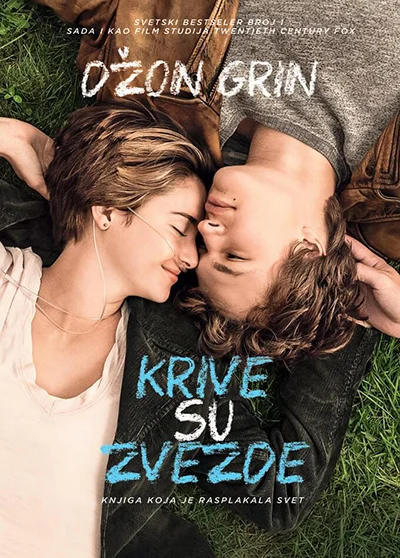
Ah, to be 15 again. We begin, quite intentionally, with the year 2014. Although The Fault in Our Stars by John Green was published in 2012, the 2014 film made the story almost omnipresent. People were still talking about it, crying in movie theaters, and those who hadn’t read the book before the film almost certainly picked it up afterward and couldn’t put it down. I received my copy for my fifteenth birthday back in 2012, and just a few hours later it was soaked with tears I cried late into the night, on the very day I got it. For those who may not know, though I doubt there are many, the book follows Hazel Grace Lancaster and Augustus Waters, two teenagers who meet at a cancer support group. Their love is tender, witty, and painful, filled with conversations about death, meaning, literature, and the fear of being forgotten. It is a story that does not diminish tragedy, but gives it a voice, irony, and a very human warmth.
Related: In love with your best friend? More rom-coms like People We Meet On Vacation
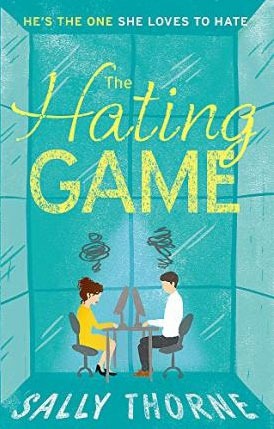
The Hating Game by Sally Thorne was released in 2016 and very quickly became what we would today, without hesitation, call a BookTok phenomenon, except that TikTok was not yet on the radar. The plot is simple and addictive: Lucy and Joshua work at the same publishing house, sit across from each other, and openly despise one another. Their relationship is a series of small sabotages, sharp glances, and precisely timed provocations, while, of course, something entirely different hides beneath it all.
Why was this book so popular at that moment? Because it perfectly captured the aesthetic of 2016: an office rom-com, an enemies-to-lovers dynamic, sharp dialogue, and characters who are both cynical and emotionally vulnerable. It was a time when readers were looking for light but smart love stories, books you could read in one breath that left you with a sense of familiar, urban romance. The Hating Game offered escapism, humor, and neatly packaged chemistry, exactly the kind that year adored.
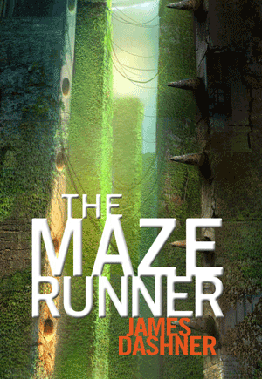
The Maze Runner by James Dashner appeared back in 2009, but it gained its true second life a few years later with the film adaptation. The movies sparked a wave of returning to the books, especially among those for whom it was always easier to watch the screen first and then dive into the text. And yes, I was one of those people. Film first, and then everything that follows: reading, flipping pages, obsessively memorizing details, and that “nerdy” behavior that, whether you want it or not, turns you into a true fan. The story follows Thomas, a boy who wakes up in a mysterious clearing surrounded by a massive labyrinth, with no memory of his past life. Together with a group of boys, he tries to understand the rules of that world, the purpose of the maze, and who is behind the brutal experiment. The book combines dystopia, action, and paranoia, but what makes it addictive is the constant sense of urgency and not knowing. The film opened the door, but the books were the ones that locked readers into a long-lasting, very serious obsession.
Related: Pre Oscar watchlist: films from the past five years that deserve more attention
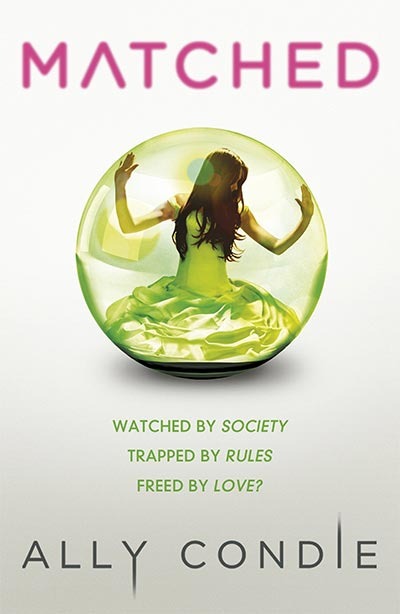
Matched by Ally Condie was published in 2010, but its true strength became visible only a few years later, more precisely in that in-between period around 2016, when dystopias began to gain momentum. A world in which society chooses your partner, your job, your date of death, and almost every life decision felt cold, minimalist, and perfectly controlled, exactly the way 2016 liked to look both on the page and on screen. The story follows Cassia, a girl who believes in the system until she notices a flaw in her own “matching.” That small moment of doubt sets off a series of questions about freedom, choice, and love that is not algorithmically approved. Matched is important because it is a quiet, subtle dystopia, without spectacle, but with a strong emotional charge. Had BookTok existed back then, this book would have lived through quotes, pastel visuals, and debates about whether security is worth giving up real desire.
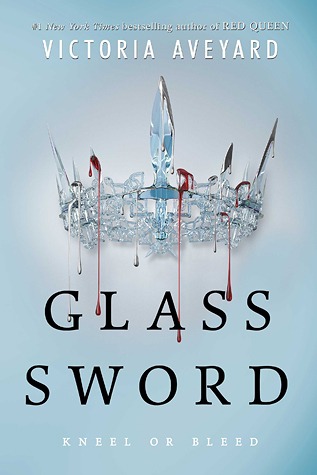
Red Queen (2015) and Glass Sword (2016) by Victoria Aveyard appeared at a moment when YA dystopia was already saturated, yet they managed to offer something familiar enough and fresh enough to define both years. A world divided by blood color, Reds who serve and Silvers who rule thanks to superhuman abilities, was a perfect metaphor for class inequality, power, and privilege. In that world we meet Mare Barrow, an ordinary girl who discovers she possesses abilities she should not have, thus becoming a threat to the entire system.
Red Queen marked 2015 as a year of returning to large, epic series, with a strong heroine, political intrigue, and twists that ended on the edge of betrayal. Glass Sword took it a step further in 2016, darker and more intense, focusing on the consequences of revolution, trauma, and the price of power. That shift toward heavier themes is precisely what aligned the series with the spirit of the time. These books defined the transition from romantic dystopia to stories of resistance, identity, and the collapse of illusions, which is why they remain deeply etched in the reading memory of those years.
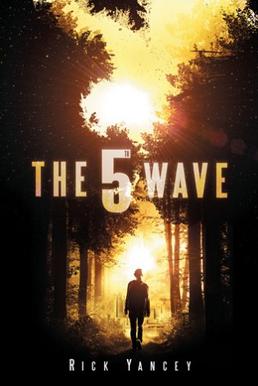
The 5th Wave by Rick Yancey was released in 2013, but reached the peak of its popularity in 2016, primarily due to the film adaptation and the wave of YA dystopias dominating at the time. The story follows Cassie Sullivan, a teenager trying to survive in a world destroyed by an alien invasion. Wave by wave, humanity has been dismantled, and Cassie must learn whom she can trust while trying to save her brother. The combination of action, suspense, and emotional intimacy made the book easy to read yet psychologically intense. Why was it important for 2016? Because it perfectly reflected BookTok aesthetics: a young, brave protagonist, relentless danger, and a dystopian world where every choice is a matter of life and death. It was a year when readers wanted both adrenaline and emotional investment, and The 5th Wave delivered both in one breath. The film opened the door, but the book retained obsessive fans who analyzed every wave of invasion and every emotional moment of Cassie.
Related: Who were the most streamed artists, podcasts, and audiobooks on Spotify in 2025?
One of the most widely read authors of my high school years was certainly Guillaume Musso. I think I owned at least ten of his books, and often those two books I read in a single week were his. I am not particularly proud of that, which is why I rarely mention that I know absolutely everything about him and his work. I suppose it has always been my guilty pleasure.
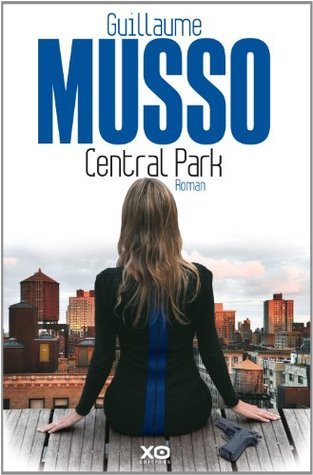
Central Park is classic Musso at his best: a tense thriller with unexpected twists and a romantic note. The story follows Alice and Gabriel, who wake up bound and terrified on a bench in Central Park, with no memory of how they got there. Slowly, layer by layer, a mystery unfolds that connects their past and present, revealing secrets, betrayals, and dangerous schemes. This book is a perfect combination of suspense, emotion, and unexpected turns, which is why Musso was an unavoidable author for my generation. Please tell me I am not the only one.
Related: Did you know women can read Kafka without performing for the internet?
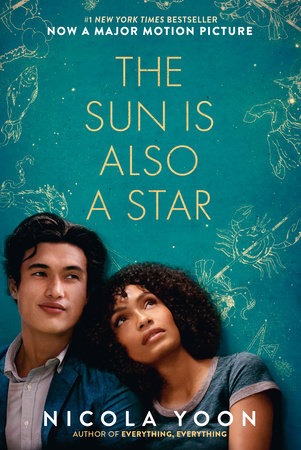
The Sun Is Also a Star by Nicola Yoon was released in 2016 and immediately won over readers with its warm, emotional, yet philosophically charged story. The plot follows Natasha, a girl from Jamaica facing deportation from the United States with her family, and Daniel, an ambitious Korean American boy dreaming of a medical career. The two meet one day in New York and spend several hours together, talking about fate, love, science, and the universe. The book combines realistic social themes such as immigration and racial identity with an almost magical sense of destiny and life-changing moments. What makes it special is its ability to make the characters’ emotions both intimate and universal, while the pace of the story is dynamic, almost cinematic. The Sun Is Also a Star became a BookTok-worthy hit in 2016 because it is emotionally charged, romantic, and philosophical at the same time, perfect for young readers seeking a story that both moves the heart and engages the mind.
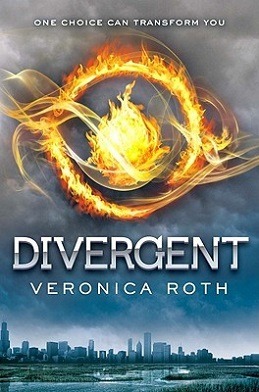
Oh my God, when I think about how obsessed I was with Veronica Roth’s Divergent trilogy. The books were released between 2011 and 2013, but the real frenzy happened in 2016 when the third and final film installment came out. I watched them at least ten times that year, and each time I was drawn in by the same combination of tension, action, and that youthful all-or-nothing feeling.
The story follows Beatrice “Tris” Prior in a dystopian Chicago divided into factions based on character, where she must find a balance between loyalty to family, friendship, and her own beliefs. Of course, there is also the intriguing Four, played by Theo James, who for me was the ultimate definition of how a man should, we can freely say must, look. The trilogy was a perfect mix of romance, action, and moral dilemmas, which is why it was an absolute hit in 2016 among young people craving both an adrenaline rush and an emotional rollercoaster. I have to admit that I rewatched the first film last year and am now contemplating whether I should return to the books as well.
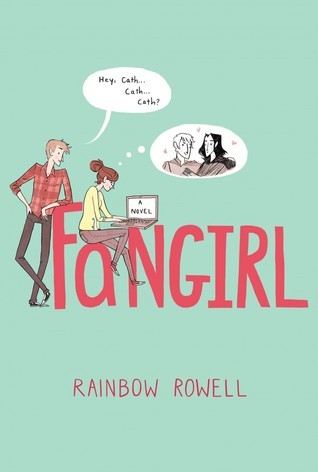
Fangirl by Rainbow Rowell was released in 2013 and quickly became a cult favorite among young readers thanks to its honest portrayal of teenage life, identity, and love for books. The main character, Cath, is an introverted girl who loves writing fan fiction about her favorite series, and through those stories she finds her voice and a way to cope with the world around her. As she navigates her first years of college, distance from her family, and issues involving her twin sister, Cath learns how to balance imagination and reality, the private world and the one in which she must show herself.
The book is exactly the kind of thing BookTok in 2016 would have gone crazy for: introspective, emotional, and deeply relatable. Rowell perfectly captures the anxiety, insecurity, and joy of growing up, as well as the love for stories that define us. Fangirl is a story about finding yourself through literature and creativity, which between 2013 and 2016 made every teenager want to be Cath, at least for a moment.
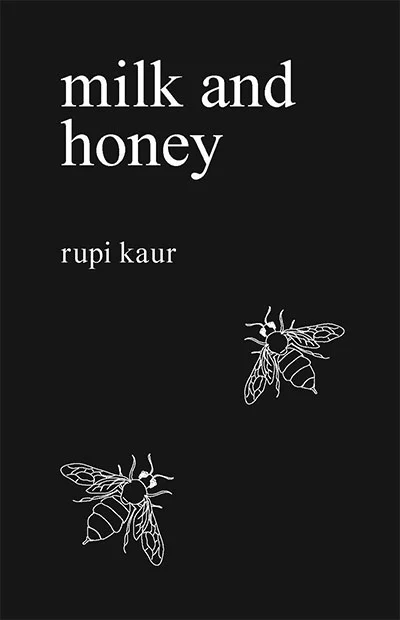
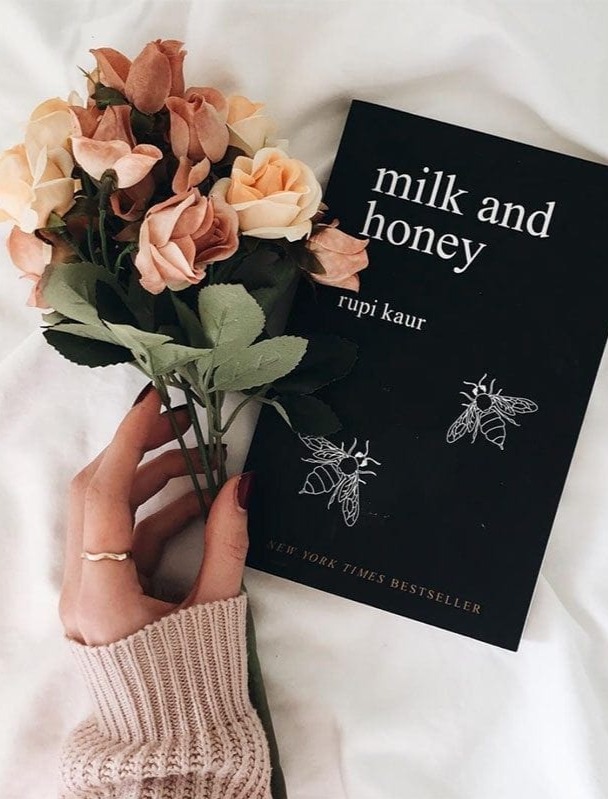
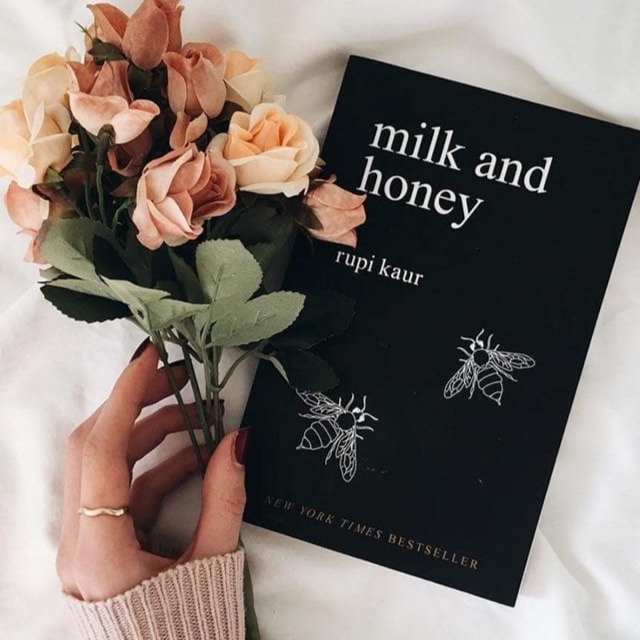
Milk and Honey by Rupi Kaur was released in 2014 and was a book impossible to ignore, although I must admit that I never loved it. The style Kaur uses, that kind of language and poetry, if we can even call it that, simply does not resonate with me, and it never truly did. In fact, I often found it cringe, even back then, but that did not diminish its impact.
The book is divided into four sections and deals with themes of pain, love, loss, and self-discovery. Its simplicity, directness, and emotional expressiveness would make it perfect for visual platforms like BookTok, where quotes and illustrations fly quickly and capture the imagination of young readers. Despite my personal stance, Milk and Honey undeniably dominated the internet in 2016.
Related: Monika Herceg reveals the five poetry collections she reads on cold winter evenings
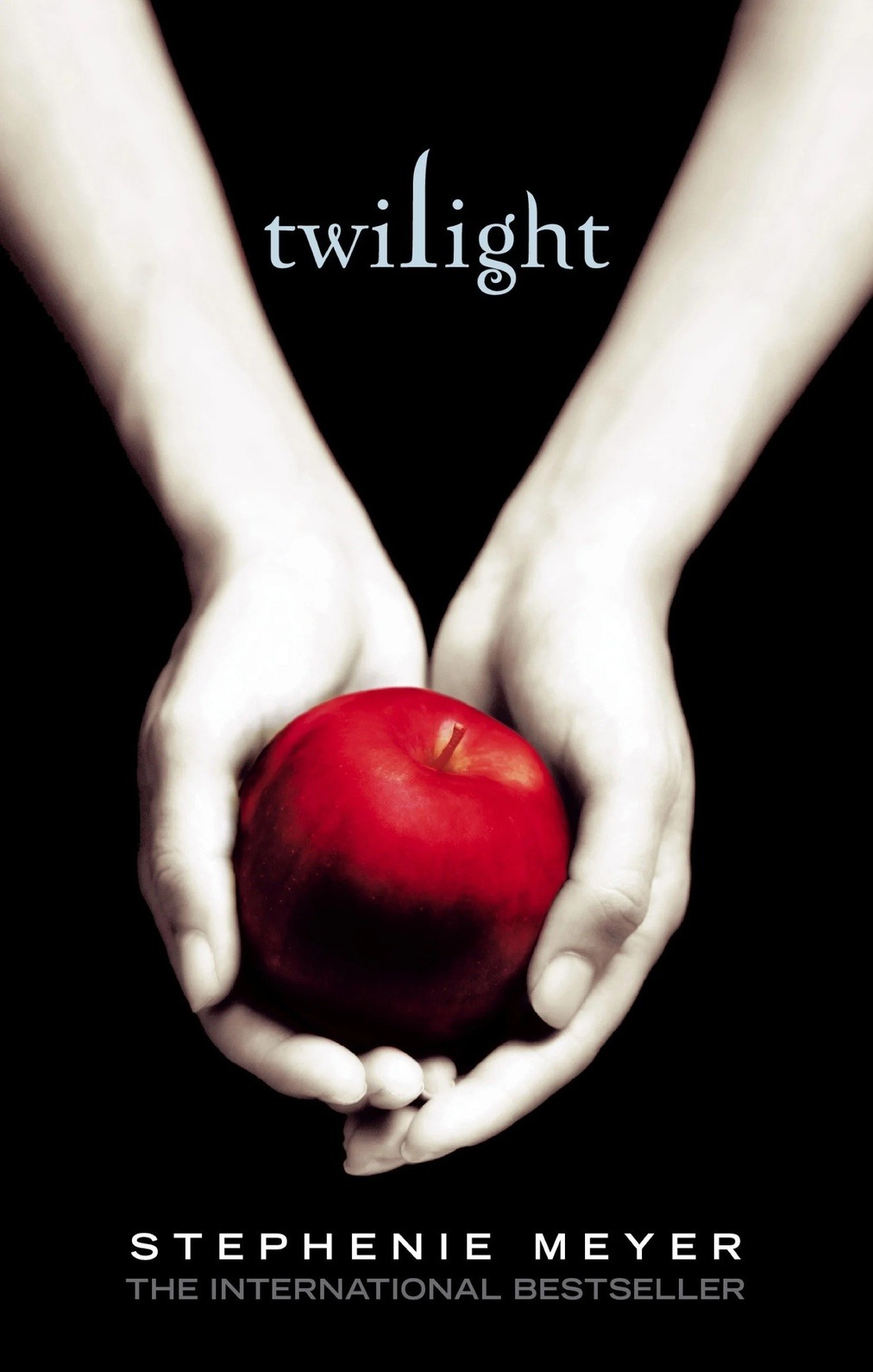
Everyone who knows me knows that Twilight by Stephenie Meyer is simply a part of me. It started as a teenage pretense that I found it ironically fun, but over time it turned into a full and clear acceptance that sometimes, often, I love cringe content, books, and films. The series, published between 2005 and 2020, follows Bella Swan and her complicated, romantic relationship with the vampire Edward Cullen, in a world where vampires and werewolves are real and emotions are dramatic and intense. Although I think there is no need to explain what Twilight is about, if you have not read the books, you have certainly seen the films. Twilight, regardless of criticism, defined generations of teenagers with its melodic romantic tension, love triangles, and obsessive devotion to its characters. For me, the books are a combination of nostalgia, fun, and an admission that sometimes it is precisely that excessive, dramatic content that draws us in. Twilight is definitely more than a book or a film, it is a cultural phenomenon that teaches us that it is not shameful to love something that is at once sweet, dramatic, and completely ridiculous.